
Nutrition comparison
Sword Bean vs Fava Bean: Safety, Nutrition, and Which to Choose
Comparing Sword Bean and Fava Bean for nutrition, safety, and everyday use. Learn which bean is safer, which has better protein, and why Fava Bean wins for most people.
Overall winner · Fava Bean
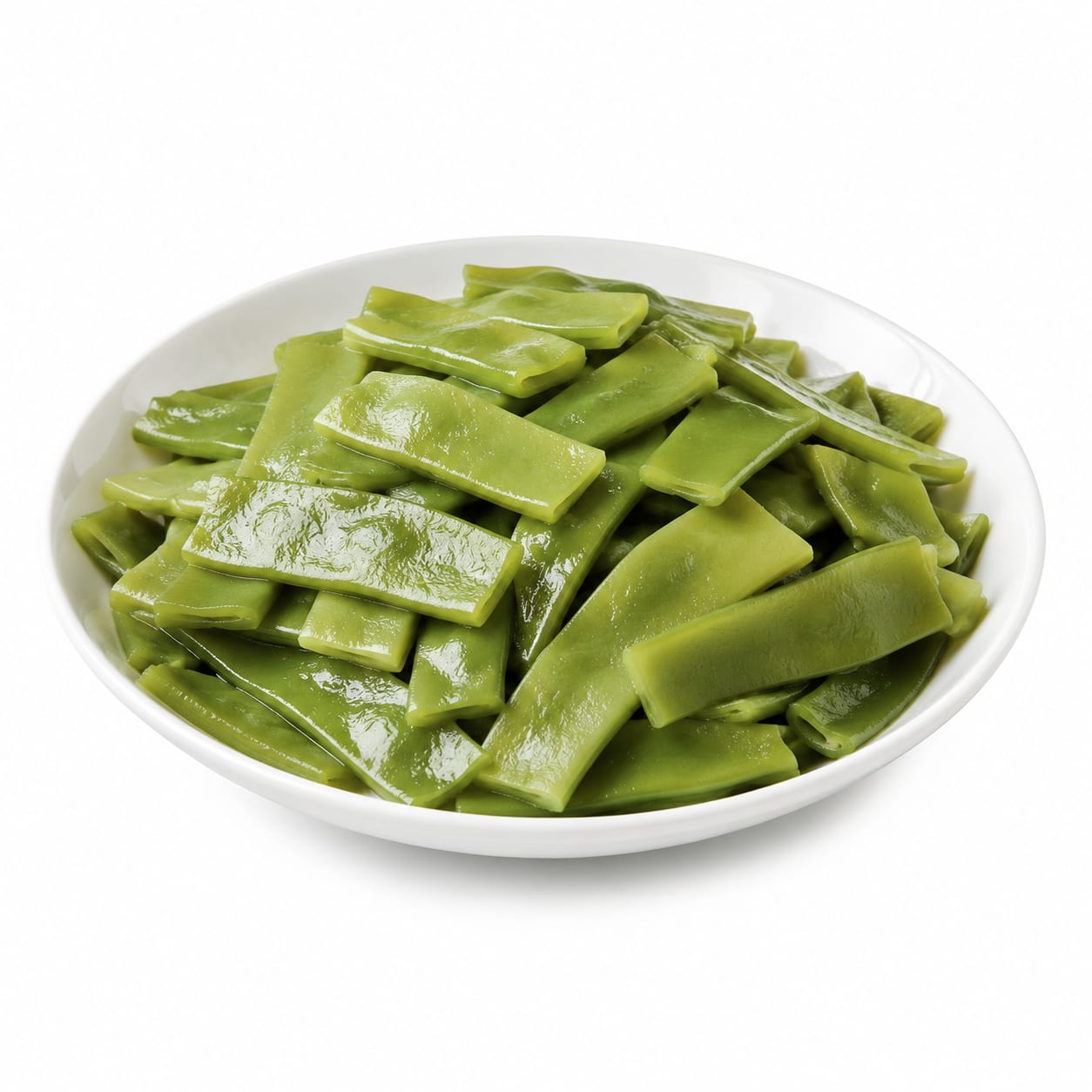
Sword Bean
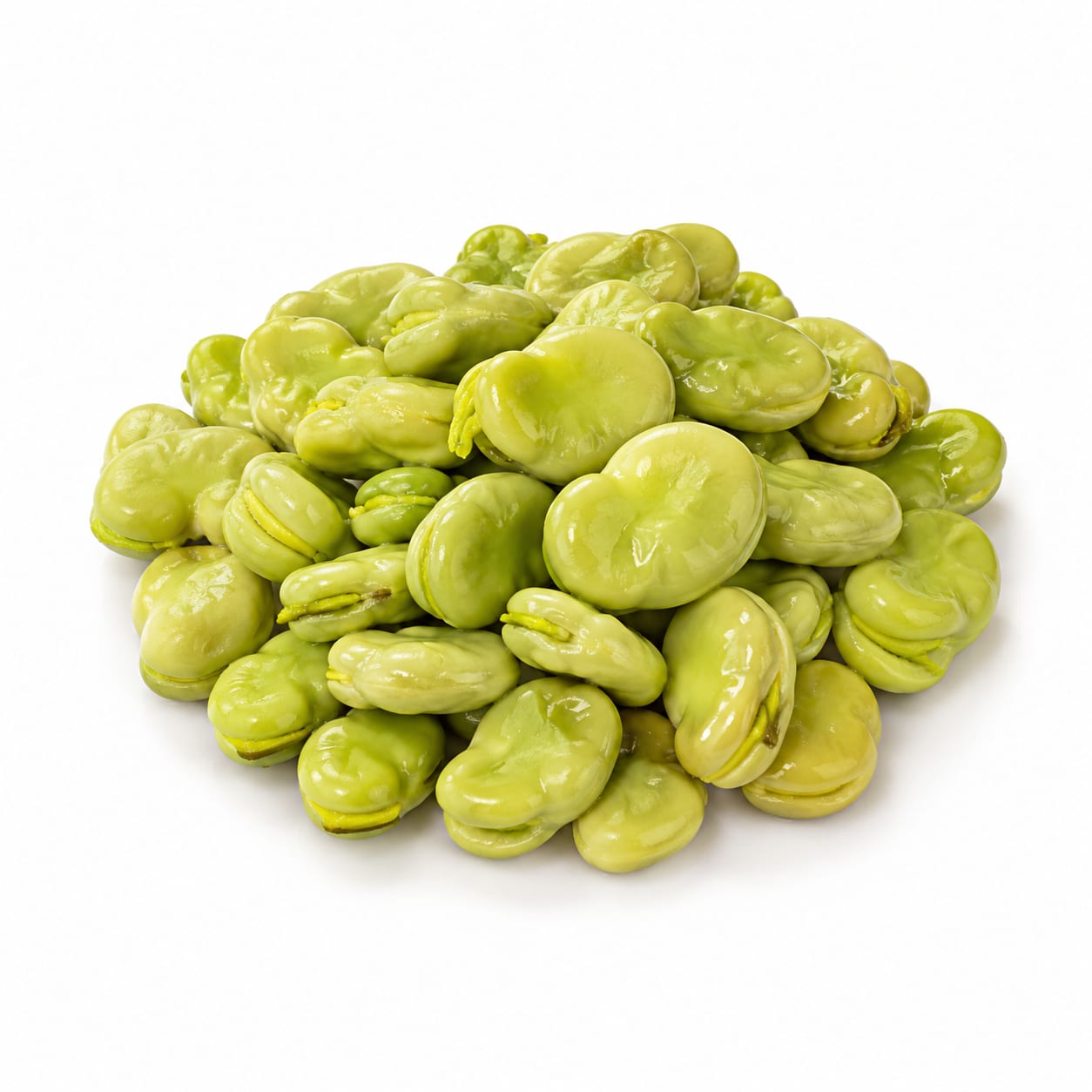
Fava Bean
Fava Bean wins on safety, availability, and everyday practicality, though Sword Bean offers competitive protein if you navigate its toxicity risks correctly.
Fava Bean scores significantly higher due to better safety, wider availability, and easier preparation. Sword Bean is not inherently inferior nutritionally but its toxicity risks and impractical preparation drag its score down considerably.
Sword Bean delivers strong protein content but demands rigorous preparation to neutralize toxins, while Fava Bean is safer and more accessible with only a specific genetic risk to watch for.
At a glance
Executive summary
Overall
Fava Bean
Healthier
Fava Bean
More practical
Fava Bean
Daily use
Fava Bean
Key comparison lenses
safety and toxicity
Both beans carry unique toxicity risks that demand attention before consumption
preparation requirements
Sword Bean requires extensive detoxification; Fava Bean needs careful cooking but is less demanding
nutritional value
Both offer strong plant protein and fiber but differ in micronutrient profiles
accessibility and practicality
Fava Bean is widely available globally; Sword Bean is niche and harder to source
digestive tolerance
Both can cause digestive issues, but Sword Bean's anti-nutritional factors are more aggressive
Best choice for
Sword Bean
- Adventurous eaters with expertise in traditional bean preparation
- Those seeking novel plant protein sources in tropical regions where Sword Bean grows locally
- Traditional medicine practitioners familiar with its historical use
Fava Bean
- Everyday home cooks wanting a nutritious, versatile legume
- Anyone meal-prepping for the week with minimal safety concerns
- Mediterranean and Middle Eastern cuisine enthusiasts
Least suitable for
Sword Bean
- Anyone unfamiliar with proper detoxification methods for toxic legumes
- Households with children who might eat improperly prepared beans
- People who want grab-and-cook convenience
Fava Bean
- People with G6PD deficiency due to favism risk
- Anyone taking MAO inhibitors since Fava Beans contain tyramine
Deep comparison
Dimension by dimension
Each lens scores both foods and breaks down who each option suits.
- Dimension 1 · Priority 95Fava Bean
safety_and_toxicity
Sword Bean · 25Fava Bean · 70Sword Bean contains canavanine, a toxic amino acid that can cause serious illness if not thoroughly removed through repeated boiling and soaking. Fava Bean's main risk is favism in G6PD-deficient individuals, which affects a specific population rather than everyone.
Tradeoff
Sword Bean poses a universal toxicity risk requiring extensive processing, while Fava Bean's risk is narrow but severe for those affected.
Why it matters
Eating improperly prepared Sword Bean can cause vomiting, diarrhea, and neurological symptoms in anyone. Fava Bean is safe for roughly 95% of the population.
Real-world impact
One mistake with Sword Bean preparation could mean a hospital visit. Fava Bean requires only that you know your G6PD status.
Sword Bean
- All consumers unless they follow strict detox protocols
- Children and elderly who are more vulnerable to toxins
Worse for
Fava Bean
- Anyone without G6PD deficiency
- Families who want peace of mind at dinner
- Beginners cooking legumes at home
Better for
- People with G6PD deficiency who must avoid Fava Beans entirely
Worse for
- Dimension 2 · Priority 80It depends
nutritional_density
Sword Bean · 68Fava Bean · 72Both beans are protein-rich and fiber-dense. Fava Bean edges ahead with higher folate, iron, and manganese content, while Sword Bean offers competitive protein and decent mineral content.
Tradeoff
Fava Bean provides broader micronutrient coverage, especially B vitamins. Sword Bean holds its own on macronutrients but offers less vitamin diversity.
Why it matters
For plant-based eaters, every micronutrient advantage counts. Folate and iron from Fava Bean support energy and blood health more directly.
Real-world impact
A cup of Fava Bean feels more like a complete meal nutritionally. Sword Bean fills you up but leaves some micronutrient gaps.
Sword Bean
- Those who already eat a varied diet and just want protein and fiber
Better for
- People depending on a few staple foods for most of their micronutrients
Worse for
Fava Bean
- Pregnant women needing folate
- Plant-based eaters relying on legumes for iron
- Anyone wanting more nutrient bang per calorie
Better for
- Dimension 3 · Priority 88Fava Bean
preparation_ease
Sword Bean · 15Fava Bean · 65Sword Bean requires multiple rounds of boiling with water changes to leach out canavanine. Fava Bean needs soaking and cooking but follows standard legume preparation.
Tradeoff
Sword Bean preparation is a multi-hour safety protocol. Fava Bean is a normal soak-and-cook routine.
Why it matters
If cooking feels like a chemistry experiment, most people will skip it. Preparation difficulty directly affects how often you actually eat the food.
Real-world impact
Fava Bean can be weeknight dinner. Sword Bean is a weekend project with safety stakes.
Sword Bean
- Anyone with limited time or patience
- People uncomfortable with multi-step detox procedures
Worse for
Fava Bean
- Busy professionals
- Anyone cooking after a long workday
- Meal preppers who want reliable, simple routines
Better for
- Dimension 4 · Priority 70Fava Bean
digestive_tolerance
Sword Bean · 35Fava Bean · 55Both beans can cause bloating and gas, but Sword Bean's anti-nutritional factors like lectins and trypsin inhibitors are harsher on the gut even after cooking.
Tradeoff
Fava Bean causes typical legume digestive discomfort. Sword Bean adds an extra layer of gut irritation from residual anti-nutrients.
Why it matters
If your stomach feels off after eating, you will not keep that food in your rotation regardless of its nutritional profile.
Real-world impact
Fava Bean might make you gassy. Sword Bean might make you genuinely uncomfortable.
Sword Bean
- People with IBS or sensitive stomachs
- Anyone not used to high-fiber legumes
Worse for
Fava Bean
- People with sensitive digestion
- Anyone gradually increasing fiber intake
Better for
- Those who struggle with any legumes due to oligosaccharide fermentation
Worse for
- Dimension 5 · Priority 75Fava Bean
availability_and_cost
Sword Bean · 20Fava Bean · 80Fava Bean is sold in most grocery stores worldwide in fresh, dried, frozen, and canned forms. Sword Bean is a specialty item found mainly in Asian markets or tropical regions.
Tradeoff
Fava Bean is easy to find and afford. Sword Bean requires effort to source and may cost more due to low demand.
Why it matters
You cannot eat what you cannot buy. Accessibility determines whether a food becomes a habit or a one-time experiment.
Real-world impact
Fava Bean is a grocery store staple. Sword Bean might require an online order and a wait.
Sword Bean
- People living in tropical Asia where Sword Bean is grown locally
Better for
- Western consumers with limited access to specialty Asian markets
Worse for
Fava Bean
- Most consumers worldwide
- Anyone who values convenience in shopping
Better for
- Dimension 6 · Priority 65Fava Bean
culinary_versatility
Sword Bean · 30Fava Bean · 75Fava Bean works in soups, stews, salads, dips, and purees across many cuisines. Sword Bean has a more limited culinary tradition and its flavor is less universally appealing.
Tradeoff
Fava Bean adapts to countless recipes. Sword Bean is more of a niche ingredient with fewer tested preparations.
Why it matters
Versatility keeps a food interesting. If you can only prepare something one way, you will get bored fast.
Real-world impact
Fava Bean can be a spread, a soup, a salad topping, or a side dish. Sword Bean is mostly a stewed dish ingredient.
Sword Bean
- Creative cooks who want flexibility
- Anyone who gets bored eating the same preparation repeatedly
Worse for
Fava Bean
- Home cooks who love experimenting with recipes
- Anyone meal-prepping diverse dishes from one ingredient
Better for
Timeline
Health impact over time
Short-term
Hours to days
Sword Bean
- Risk of nausea, vomiting, and diarrhea if canavanine is not fully removed
- Gastrointestinal discomfort from lectins and trypsin inhibitors
- Potential headache or dizziness from residual toxins
Fava Bean
- Bloating and flatulence from oligosaccharides, especially if not soaked
- Possible allergic skin reaction in sensitive individuals
- Risk of hemolytic crisis in G6PD-deficient individuals within hours of consumption
Long-term
Months to years
Sword Bean
- Chronic low-level canavanine exposure could affect immune function if preparation is inconsistent
- Potential autoimmune concerns from long-term ingestion of improperly detoxified beans
- Nutrient absorption issues from persistent anti-nutritional factors
Fava Bean
- Improved cardiovascular health from regular fiber and folate intake
- Better blood sugar regulation from slow-digesting complex carbohydrates
- Support for healthy pregnancy outcomes due to high folate content
Risk profile
Safety & processing
Both beans are whole, natural foods with no inherent artificial additives. The real concern is not processing but the natural toxins present in each that require proper cooking to neutralize.
Sword Bean
Canavanine toxicity
highSword Bean contains significant levels of canavanine, a non-protein amino acid toxic to humans. Symptoms range from gastrointestinal distress to neurological effects. Must be removed through repeated boiling and soaking.
Lectin and trypsin inhibitor exposure
mediumEven after cooking, residual anti-nutritional factors can impair digestion and nutrient absorption. Incomplete cooking increases this risk substantially.
Inconsistent toxin levels between batches
mediumCanavanine concentration varies by growing conditions and maturity, making it hard to standardize preparation safety.
Fava Bean
Favism in G6PD-deficient individuals
highFava Bean contains vicine and convicine, which trigger hemolytic anemia in people with G6PD deficiency. This affects roughly 400 million people worldwide, particularly those of Mediterranean, African, and Southeast Asian descent.
Tyramine interaction with MAO inhibitors
mediumFava Bean contains tyramine, which can cause dangerous blood pressure spikes in people taking MAO inhibitor medications.
Raw bean toxicity
lowLike many legumes, raw Fava Beans contain mild toxins neutralized by standard cooking. This is easily managed.
Who wins for whom
Audience fit
Same foods, different winners depending on your goal.
children
Fava BeanFava Bean is safer for children when properly cooked, assuming no G6PD deficiency. Sword Bean's toxicity risk with improper preparation makes it unsuitable for households with kids.
daily consumption
Fava BeanFava Bean integrates easily into daily meals with minimal safety concerns for most people. Sword Bean demands too much caution and effort for regular use.
diabetes
Fava BeanFava Bean's fiber and complex carbs provide steadier blood sugar. Its reliable preparation means consistent glycemic outcomes. Sword Bean's anti-nutrients could interfere with nutrient absorption important for metabolic health.
elderly
Fava BeanOlder adults benefit from Fava Bean's folate, iron, and digestible protein. Sword Bean's harsher anti-nutrients and preparation complexity make it a poor fit for aging digestive systems.
muscle gain
It dependsBoth offer solid plant protein. Sword Bean has slightly higher protein density per gram, but Fava Bean's easier preparation and better micronutrient support for recovery give it practical appeal.
weight loss
Fava BeanFava Bean provides high fiber and protein with moderate calories, keeping you full longer. Its easy preparation means you will actually eat it consistently.
Your move
Decision guide
Choose Sword Bean
- You live in a region where Sword Bean is traditionally grown and prepared
- You have been taught the proper detoxification methods by experienced cooks
- You want to explore unique legumes and are willing to follow strict safety protocols
- You are a researcher or culinary professional studying underutilized crops
Choose Fava Bean
- You want a nutritious, versatile legume for everyday meals
- You have confirmed you do not have G6PD deficiency
- You value convenience and food safety in your weekly cooking
- You are looking for a folate and iron boost, especially during pregnancy
- You want a bean that works in soups, salads, dips, and sides
Either works if
- You are simply looking for plant-based protein and fiber
- You enjoy experimenting with different legumes in your diet
- You have no G6PD deficiency and are comfortable with standard bean preparation
Avoid both if
- You have G6PD deficiency
- You are taking MAO inhibitors
- You have severe legume allergies
- You cannot tolerate high-fiber foods due to digestive conditions
Final recommendation
For nearly all consumers, Fava Bean is the clear choice. It delivers excellent nutrition, culinary flexibility, and manageable safety considerations. Sword Bean is a fascinating traditional food with real protein value, but its demanding detoxification requirements and universal toxicity risk make it impractical and potentially dangerous for everyday use. Unless you have cultural expertise with Sword Bean preparation, stick with Fava Bean and enjoy it with confidence.
Practical
Consumer tips
- 1
Always soak Fava Beans for at least 8 hours before cooking to reduce gas-causing oligosaccharides
- 2
Get tested for G6PD deficiency before making Fava Beans a regular part of your diet, especially if you have Mediterranean, African, or Southeast Asian heritage
- 3
If you ever prepare Sword Bean, boil it in multiple changes of water for at least 30 minutes per round, and never consume the soaking or boiling liquid
- 4
Fresh Fava Beans have a sweeter, milder flavor than dried ones and are worth seeking in spring
- 5
Introduce either bean gradually into your diet to let your gut adjust to the fiber load
- 6
If you are on antidepressant medication, check with your doctor before eating Fava Beans due to tyramine content