
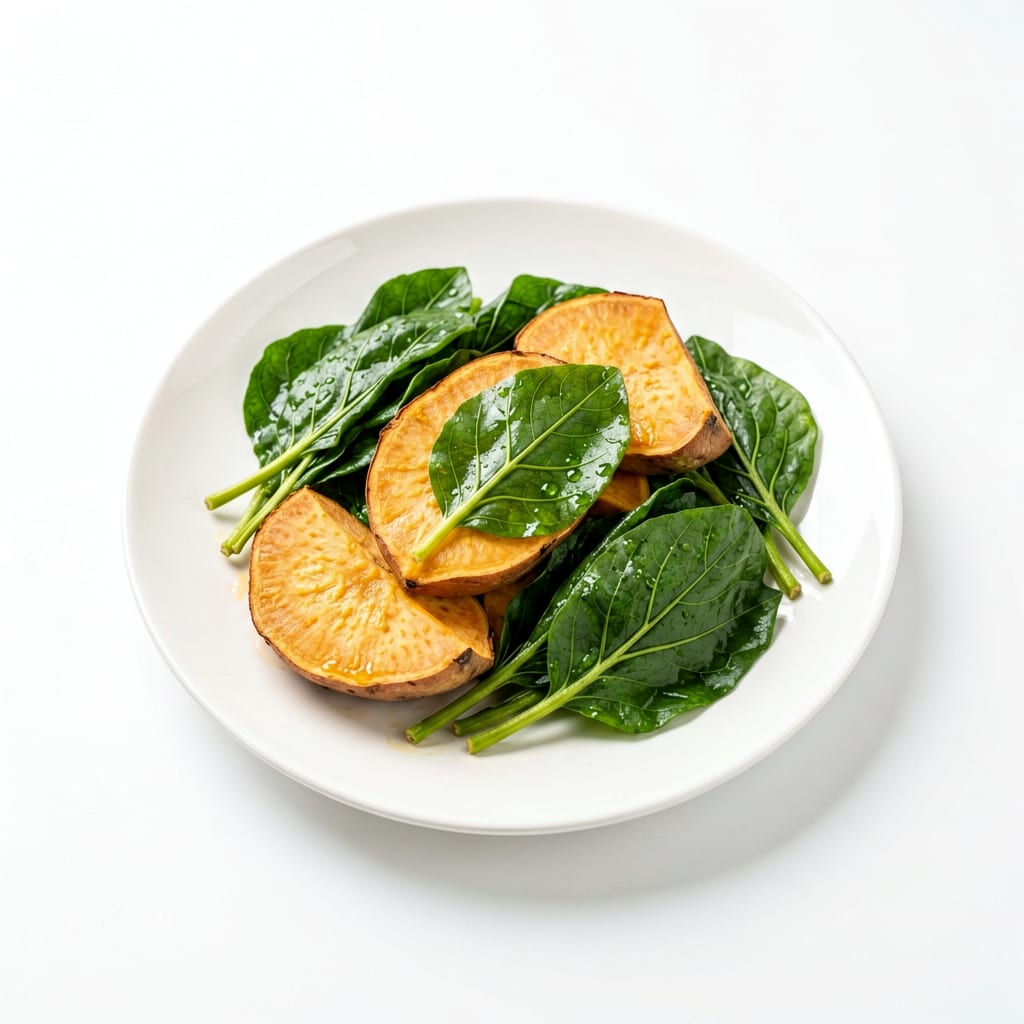
Leafy Green Vegetable
Sweet Potato Leaves
Nutrient-dense, low-calorie leafy green from the sweet potato plant, rich in vitamins and antioxidants.
Edible leaves of the sweet potato plant, widely consumed in Asian and African cuisines, known for their mild, slightly bitter flavor and high nutrient density.
high-volume low-calorie leafy green
Typical serving · 85g
Common varieties · green, purple, red-veined
Overall context score across nutrition, safety, and diet fit
At a glance
Quick facts
Simple indicators based on nutrition, processing, and diet fit.
The story
What makes it unique
Sweet potato leaves are fast-digesting, low-calorie greens with a high water and fiber content that promotes satiety. Their macronutrient profile is low in carbohydrates and fat but notably higher in protein than many common greens. As a minimally processed whole food, they retain high levels of heat-stable and heat-sensitive micronutrients depending on preparation.
Varieties: green · purple · red-veined
Per 100g
Nutrition breakdown
Macro balance and key metrics at a glance.
Energy
Density 0.42 kcal/g
Protein
Carbs
Fat
Fiber
Sugar
0.5 g
Sodium
10 mg
Potassium
400 mg
Glycemic index
20
Glycemic load
2
Water content
87%
Standout compounds
Nutrient highlights
Vitamin K
highEssential for blood clotting and bone metabolism
Vitamin A
highSupports vision, immune function, and skin health
Fiber
moderatePromotes satiety and feeds beneficial gut bacteria
Lutein
highProtects eye health by filtering harmful blue light
Vitamin C
moderateActs as an antioxidant and supports immune function
Wellness map
Health scores & processing
NOVA processing scale
minimally processed · Whole food
Fresh sweet potato leaves are a whole, unprocessed agricultural product requiring only washing and cooking before consumption.
Diet compatibility
- Weight loss
- Muscle gain
- Diabetes
- Gut health
- Low carb
- High protein
- Heart health
Relative standing
Food rankings
Qualitative ranks compared to similar whole foods.
- Satietyexcellent
- Blood sugarexcellent
- Nutrient densityexcellent
- Fitness fuelmoderate
- Processing qualityexcellent
Eat with confidence
Food safety profile
Grown near the ground, leaves can harbor soil microbes and pesticide residue. Thorough washing is essential to remove contaminants and insects.
Evidence confidence 88%
- Pesticidesmoderate
- Antibioticslow
- Heavy metalslow
- Contaminationmoderate
Watch for
- soil-borne bacteria
- pesticide residue
- aphids
Safer choices
Organically grown sweet potato leaves to minimize synthetic pesticide exposure.
Prep tips
Rinse thoroughly under cold running water, soaking briefly to dislodge soil and insects. Remove tough stems if desired.
Standard agricultural produce safety guidelines apply; limited specific regulation for leafy greens compared to root crops.
Deep dive
Health analysis
How this food may fit different goals and preparation choices.
Weight loss
Extremely low energy density and high water content allow large portion sizes that physically fill the stomach without excess calories.
Blood sugar
Very low glycemic index and negligible glycemic load make them ideal for glucose management. Fiber further slows carbohydrate absorption.
Fitness & energy
Not a primary fuel source due to low carbs, but provides essential micronutrients for metabolic function and recovery.
Gut health
Dietary fiber supports healthy bowel movements and feeds beneficial gut bacteria, while polyphenols reduce gut inflammation.
Processing quality
A whole, unprocessed food with maximum micronutrient retention when properly prepared.
Food safety
Primary risks are microbial contamination from soil and pesticide residue; both are effectively mitigated by thorough washing.
Common mistakes
Overboiling the leaves leaches water-soluble vitamins into the cooking water. Discarding the stems wastes perfectly edible fiber.
Best preparation
Light sautéing or steaming preserves heat-sensitive vitamins while making fat-soluble antioxidants like vitamin K more bioavailable.
Practical guide
Best use cases
When and how this food fits real eating patterns.
High-volume low-calorie meals
Use as a base for large, filling salads or sautéed side dishes to increase meal size without adding significant calories.
Nutrient-dense side dish
Sauté with olive oil and garlic to create a vitamin-rich accompaniment that boosts micronutrient intake for any main protein.
Blood sugar-friendly green
Incorporate into meals to add bulk and fiber that slows digestion and prevents post-meal glucose spikes.
Balance sheet
Pros & cons
Upsides
- Very low calorie and carbohydrate content
- High in antioxidants and polyphenols
- Excellent source of vitamin K and A
- More protein per calorie than many greens
- Leaves and stems are both edible, reducing waste
Trade-offs
- Not widely available in standard grocery stores
- Requires thorough washing to remove soil and pests
- Overcooking easily destroys water-soluble vitamins
- Tougher texture makes them unsuitable for raw salads
- Short shelf life compared to heartier greens like kale
Fit check
Who is it for?
Great match
- high-volume eating
- blood sugar control
- nutrient density maximization
- low-carb diets
Consider alternatives
- strict ketogenic diets
- primary protein source
- long-term storage without freezing
- raw culinary applications
Side by side
How it compares
Open the full head-to-head analysis for nutrition, safety, and practical tradeoffs.
This food
Sweet Potato Leaves
VS90% alike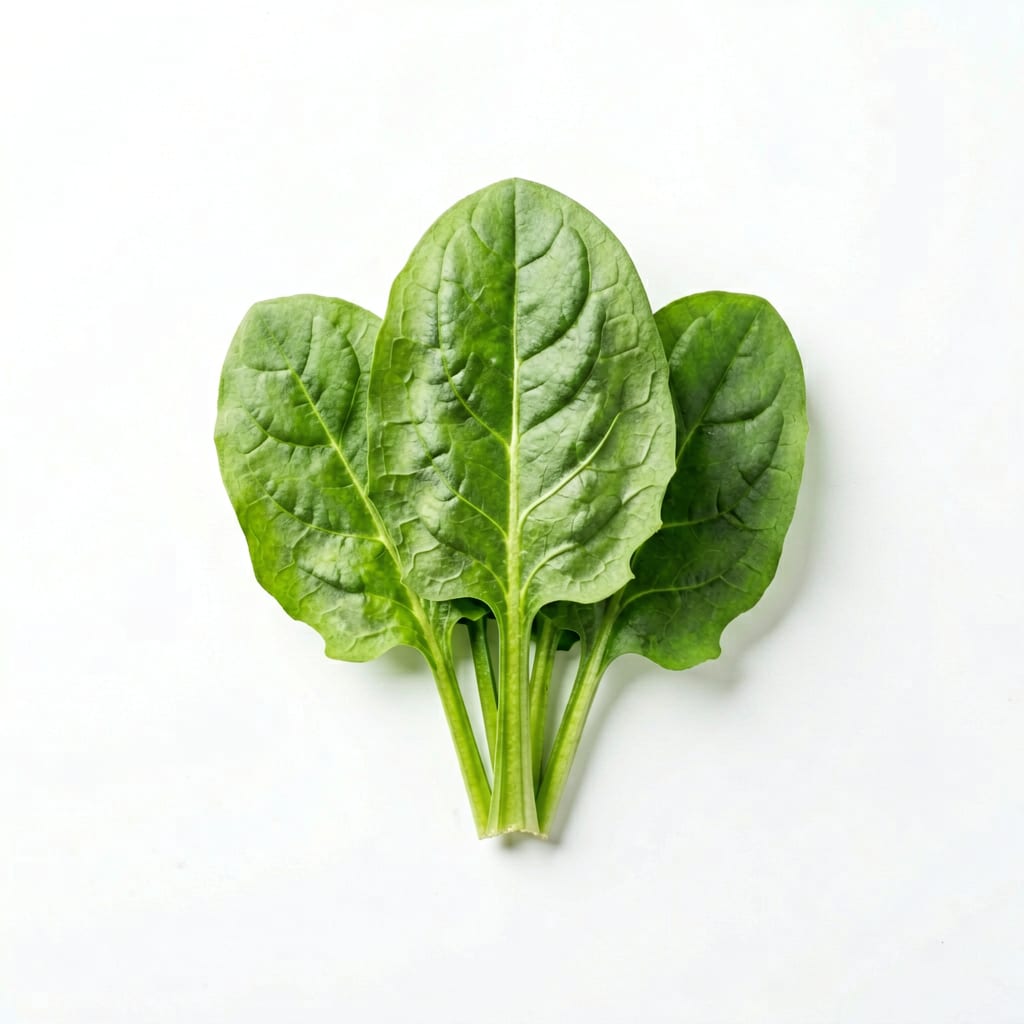
Compare with
Spinach
Spinach is milder and more common in salads, while sweet potato leaves are slightly heartier and offer more fiber per serving.
Sweet potato leaves provide more fiber and volume for fullness, while spinach is milder and easier to eat raw.
This food
Sweet Potato Leaves
VS85% alike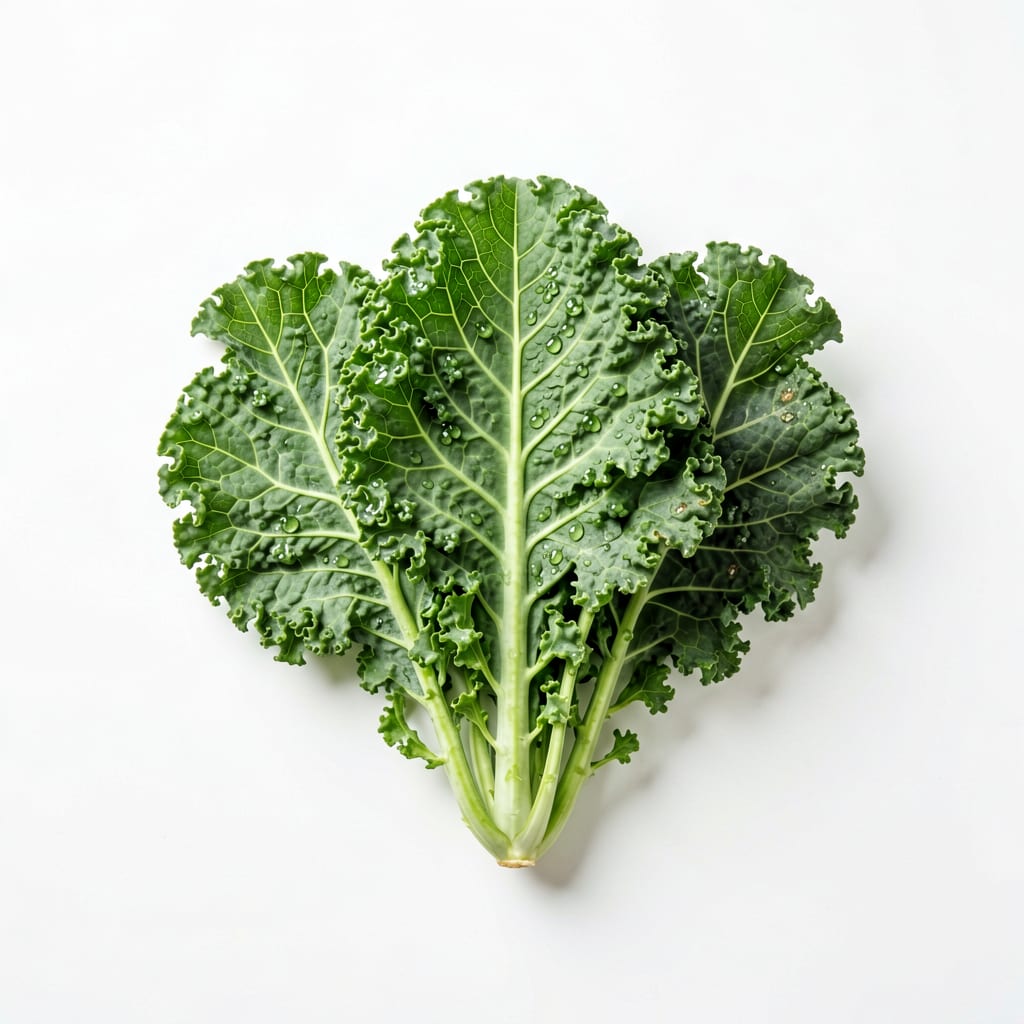
Compare with
Kale
Kale is tougher and requires massaging or longer cooking, whereas sweet potato leaves cook faster and are less bitter.
Kale offers more vitamin C and chewiness, but sweet potato leaves cook faster and have a milder flavor.
This food
Sweet Potato Leaves
VS70% alike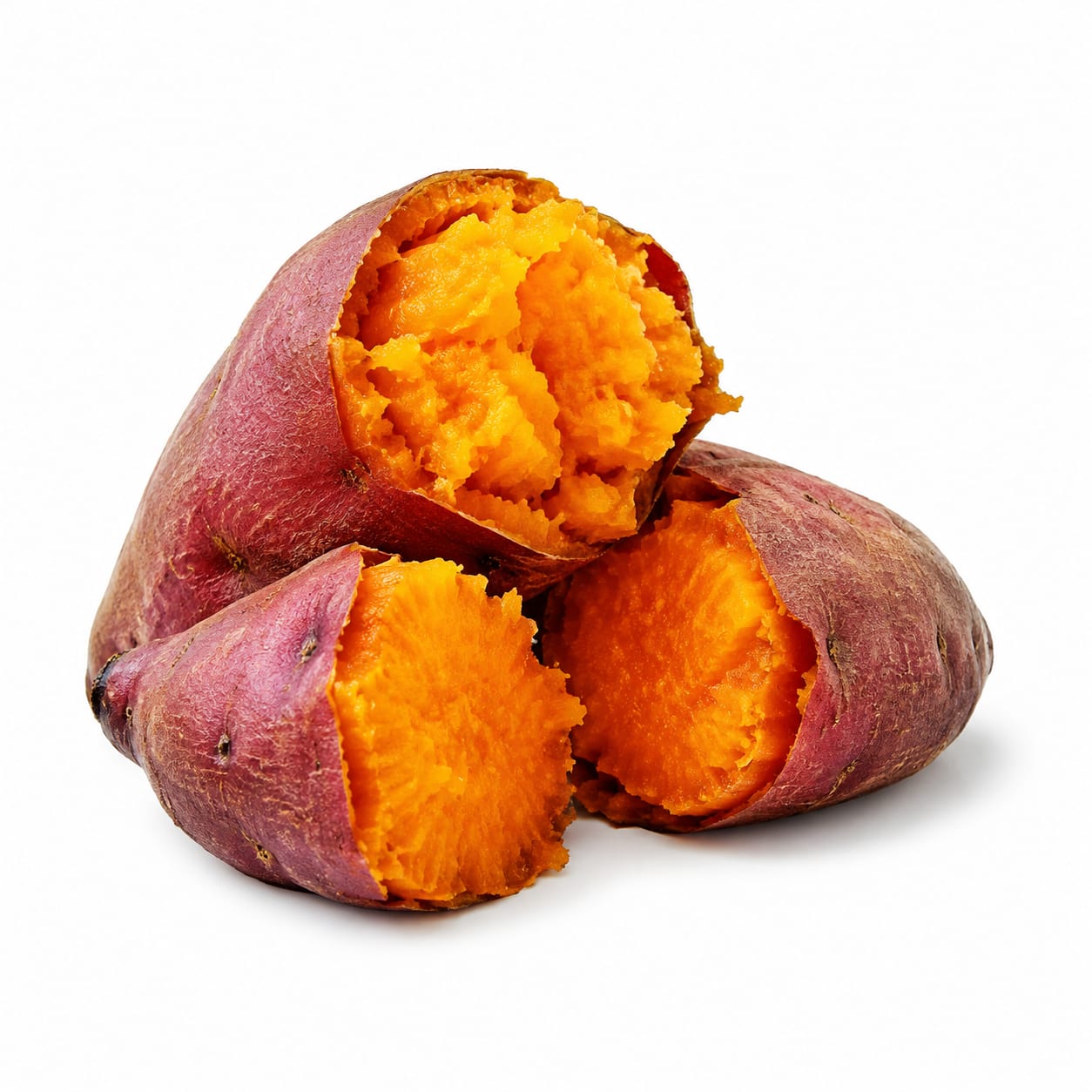
Compare with
Sweet Potato Root
The root is a starchy carbohydrate source, while the leaves are a low-calorie, fibrous green.
Sweet potato roots provide starchy energy for workouts, while the leaves offer low-calorie vitamins and better blood sugar control.
This food
Sweet Potato Leaves
VS88% alike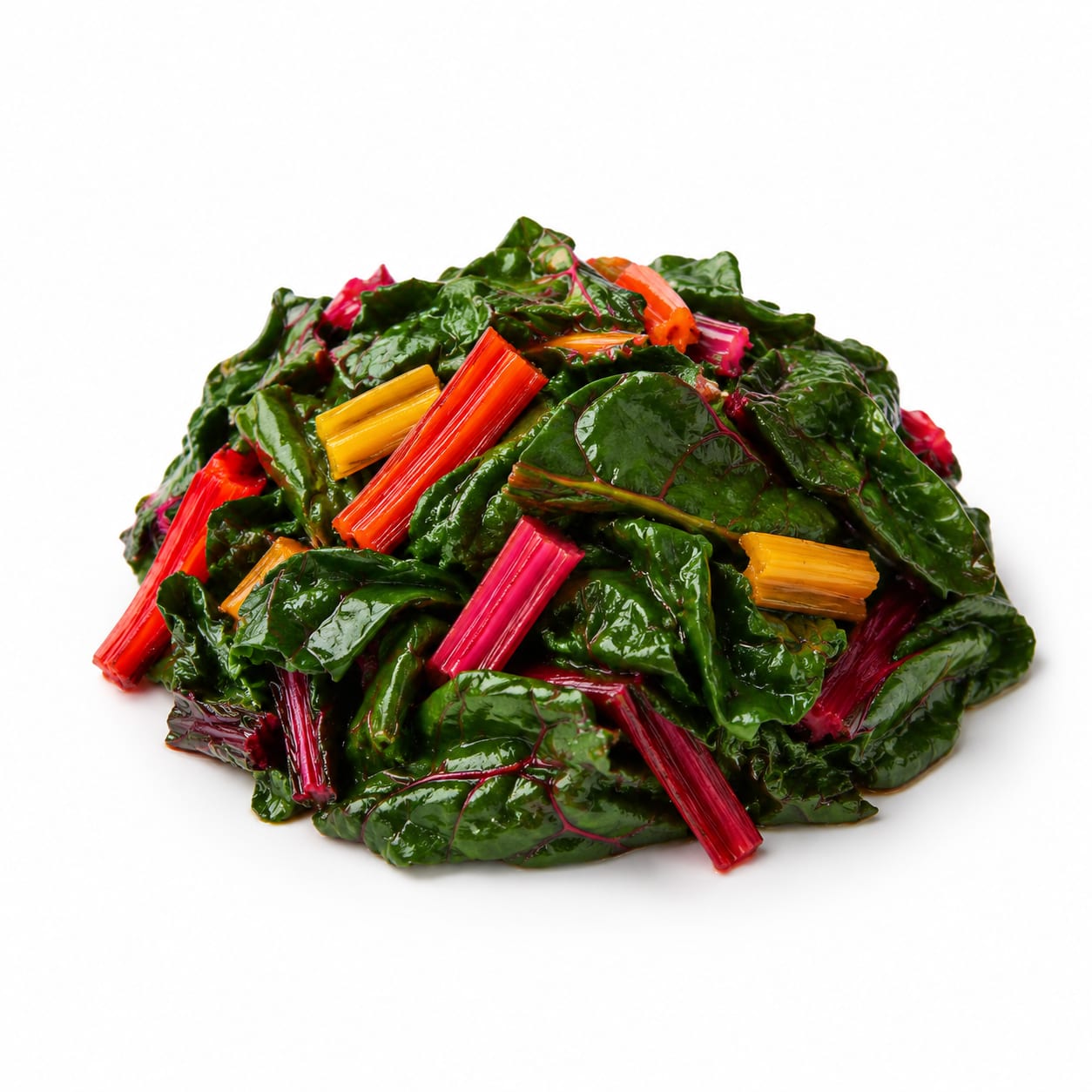
Compare with
Swiss Chard
Swiss chard contains more oxalates, while sweet potato leaves are lower in anti-nutrients and higher in protein.
Sweet potato leaves are lower in oxalates and higher in protein than Swiss chard, making them easier on the kidneys.
This food
Sweet Potato Leaves
VS82% alike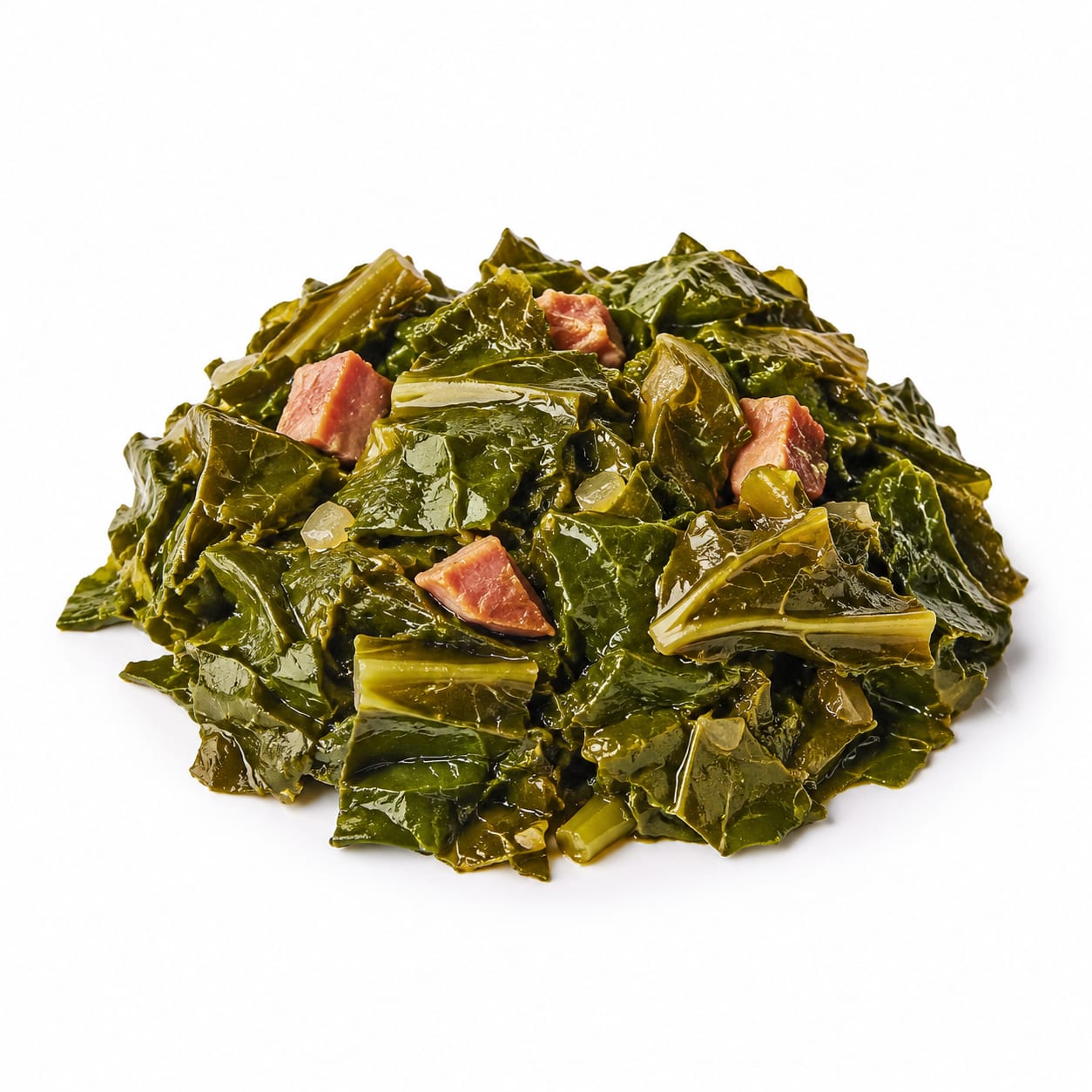
Compare with
Collard Greens
Collards are thicker and take longer to cook, while sweet potato leaves are more tender and cook in minutes.
Collard greens are heartier and take longer to cook, while sweet potato leaves are more tender and quicker to prepare.
This food
Sweet Potato Leaves
VS80% alike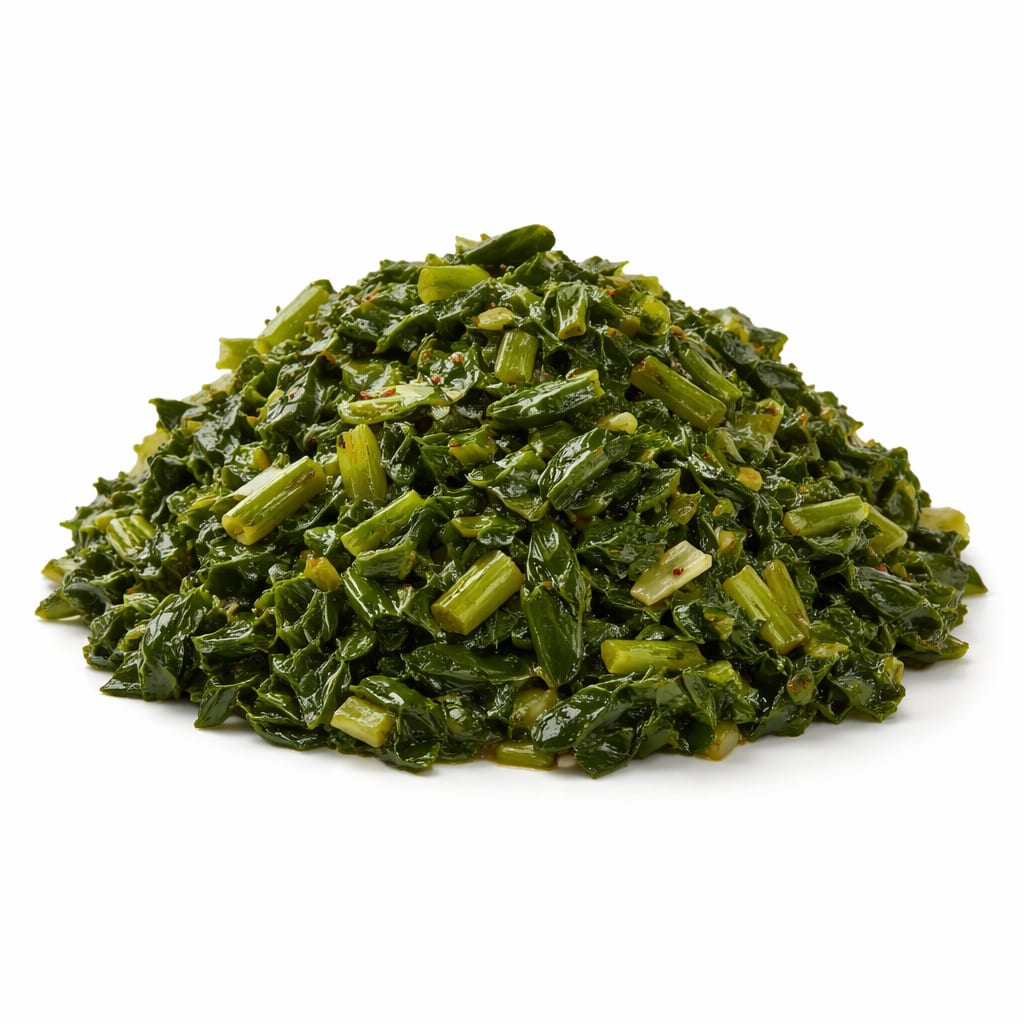
Compare with
Turnip Greens
Turnip greens have a sharper, peppery bite, while sweet potato leaves are milder and slightly earthy.
Turnip greens are peppery and high in calcium, while sweet potato leaves are milder and richer in vitamin K.
This food
Sweet Potato Leaves
VS78% alike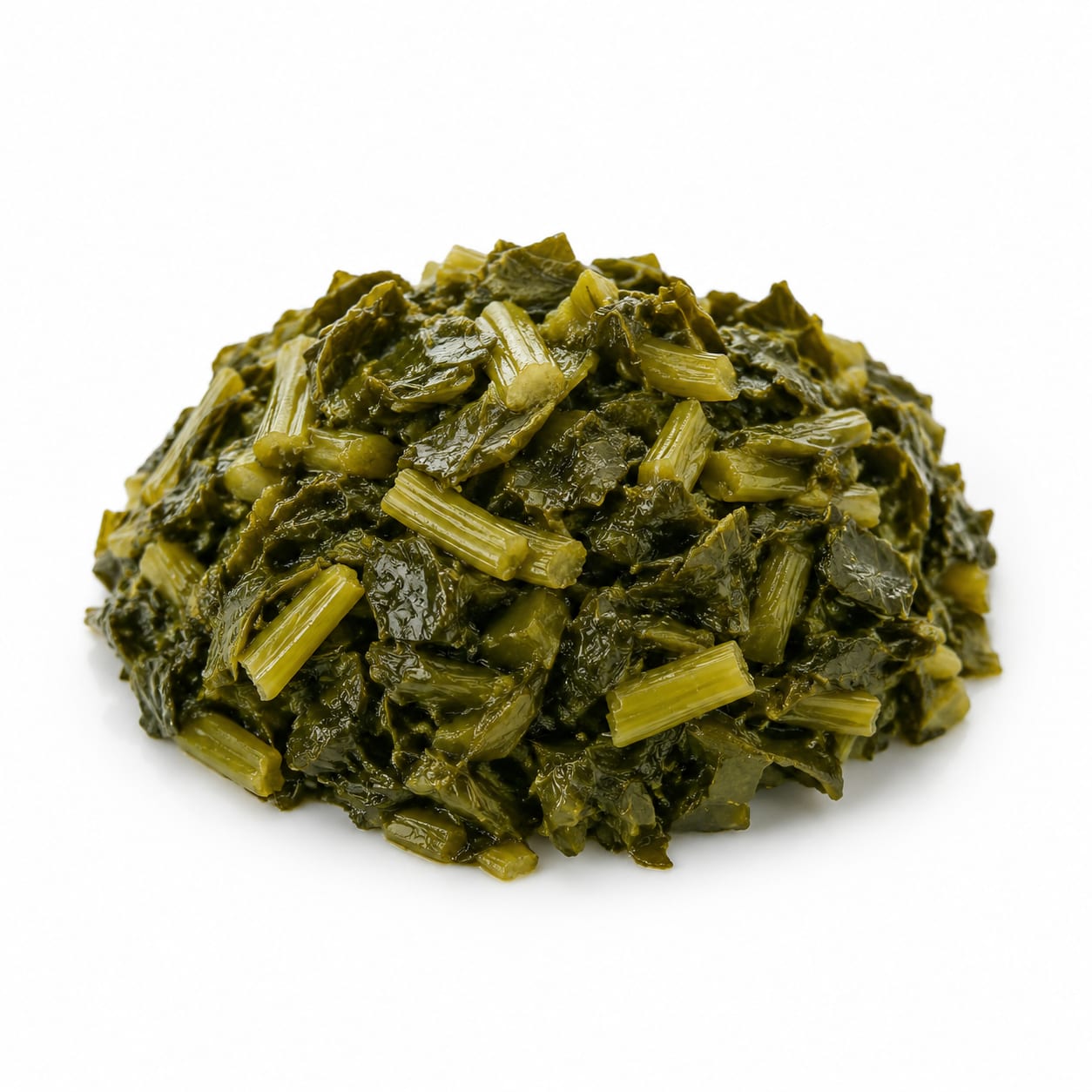
Compare with
Mustard Greens
Mustard greens are distinctly spicy, whereas sweet potato leaves are subtly bitter and much milder.
Mustard greens add a spicy kick to meals, while sweet potato leaves offer a milder, earthy flavor with more protein.
This food
Sweet Potato Leaves
VS75% alike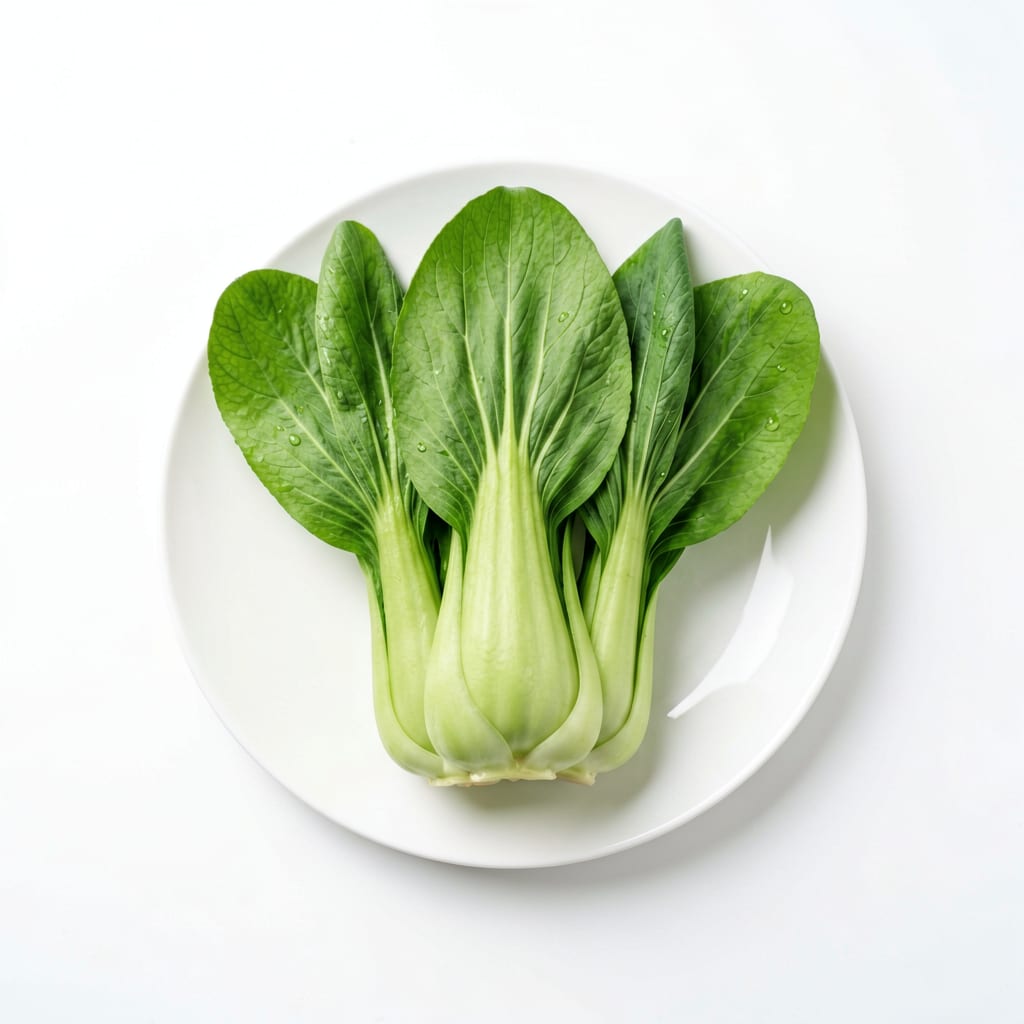
Compare with
Bok Choy
Bok choy has a crispier, watery texture suited for stir-fries, while sweet potato leaves are slightly more fibrous and nutrient-dense.
Bok choy provides a satisfying crunch for stir-fries, while sweet potato leaves offer higher fiber and a softer texture.
This food
Sweet Potato Leaves
VS86% alike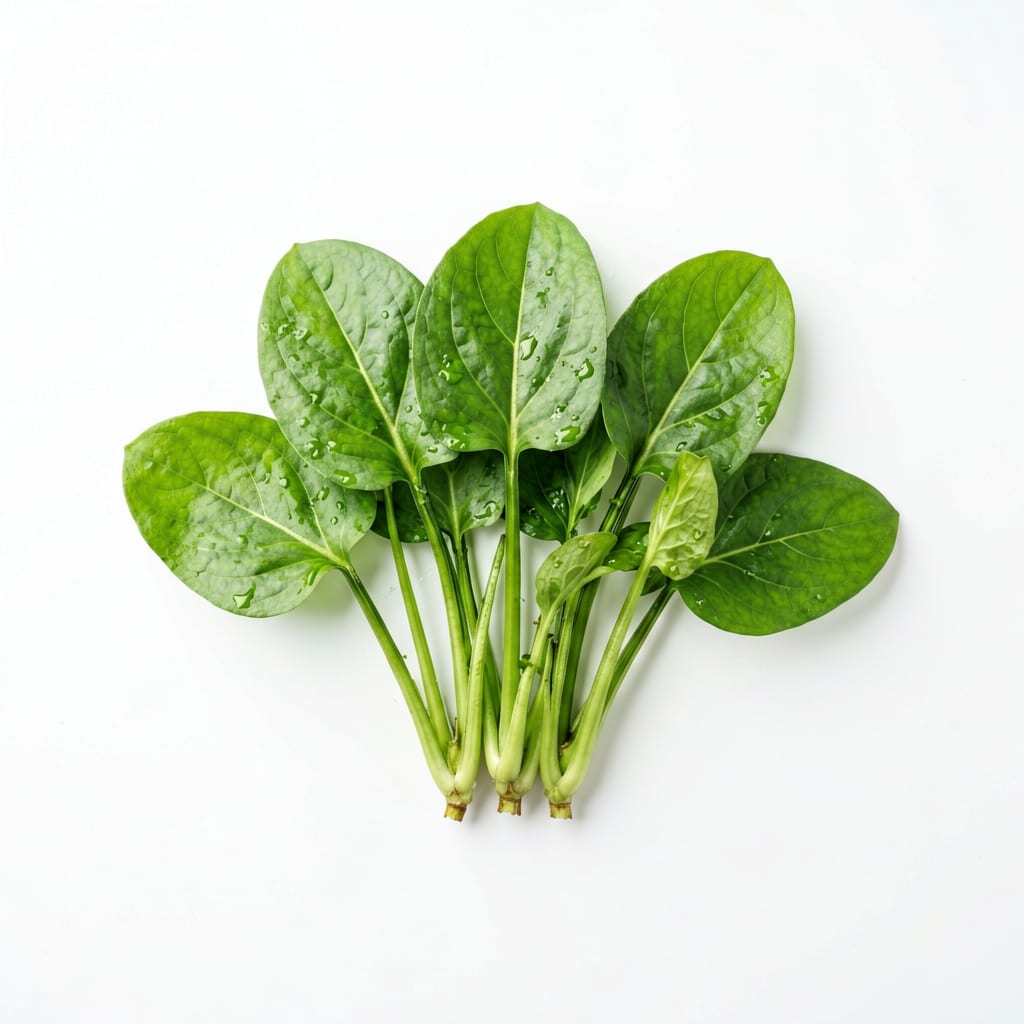
Compare with
Water Spinach
Water spinach is slightly more watery, while sweet potato leaves are marginally denser in nutrients and protein.
Water spinach and sweet potato leaves taste very similar, but sweet potato leaves have a slight edge in protein and fiber.
This food
Sweet Potato Leaves
VS84% alike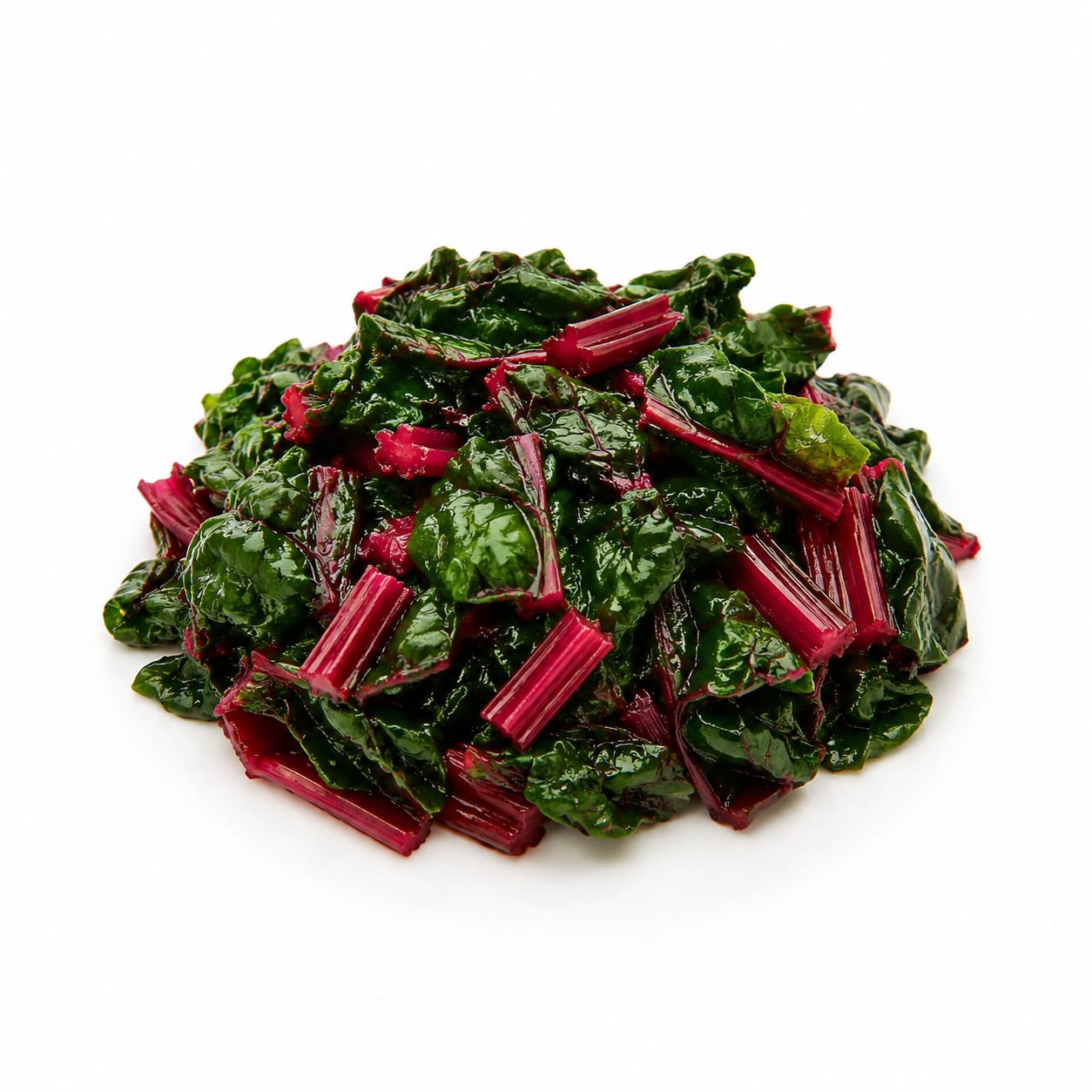
Compare with
Beet Greens
Beet greens are earthier and higher in sodium, while sweet potato leaves are milder and richer in vitamin A.
Beet greens have an earthy flavor and higher sodium, while sweet potato leaves are milder and packed with vitamin A.
Common questions
FAQ
Answers aligned with how people search for this food.
Are sweet potato leaves good for weight loss?
Yes, they are excellent for weight loss. They provide very few calories per gram, allowing you to eat large, satisfying portions without overconsuming energy.
Can diabetics eat sweet potato leaves?
Yes, sweet potato leaves have a very low glycemic index and load. They will not spike blood sugar and their fiber content helps stabilize glucose levels.
How do you cook sweet potato leaves?
The best methods are light sautéing with garlic or steaming for 3-5 minutes. Avoid overboiling, which leaches vitamins into the water and makes them mushy.
Do sweet potato leaves taste like sweet potatoes?
No, the leaves do not taste like the root. They have a mild, slightly earthy flavor similar to spinach or water spinach, with tender stems when cooked.
Are sweet potato leaves healthier than spinach?
Sweet potato leaves contain more fiber and vitamin K than spinach, while spinach offers more iron and folate. Both are highly nutritious, but sweet potato leaves are an excellent alternative for variety.
Can you eat sweet potato leaves raw?
While not toxic raw, they are tough and slightly bitter. Cooking is recommended to improve texture, digestibility, and the absorption of fat-soluble vitamins.
Do sweet potato leaves contain protein?
Yes, for a leafy green, they are relatively high in protein, containing about 2.5 grams per 100-gram serving, which is higher than many other salad greens.
How should I store sweet potato leaves?
Store them unwashed in a loosely closed plastic bag in the refrigerator's crisper drawer. They will stay fresh for about 3 to 5 days.
Transparency
Data confidence
Estimated confidence for nutrition data, interpretation, safety notes, and comparisons.
Nutrition data
Health analysis
Food safety
Comparisons