
Nutrition comparison
Sweet Potato Leaves vs Turnip Greens: Which Leafy Green Is Better for You?
Compare sweet potato leaves and turnip greens head-to-head on nutrients, digestion, bone health, and taste. Find out which green fits your health goals and cooking style.
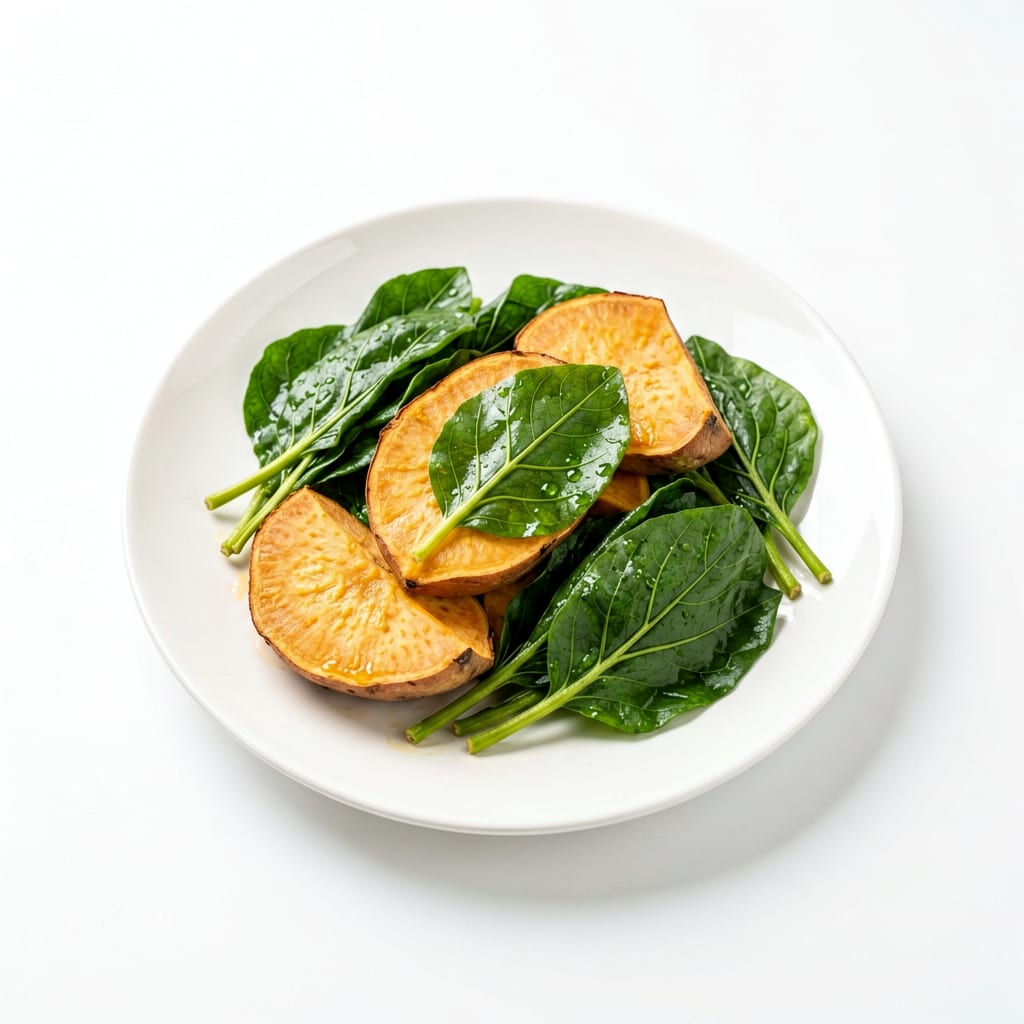
Sweet Potato Leaves
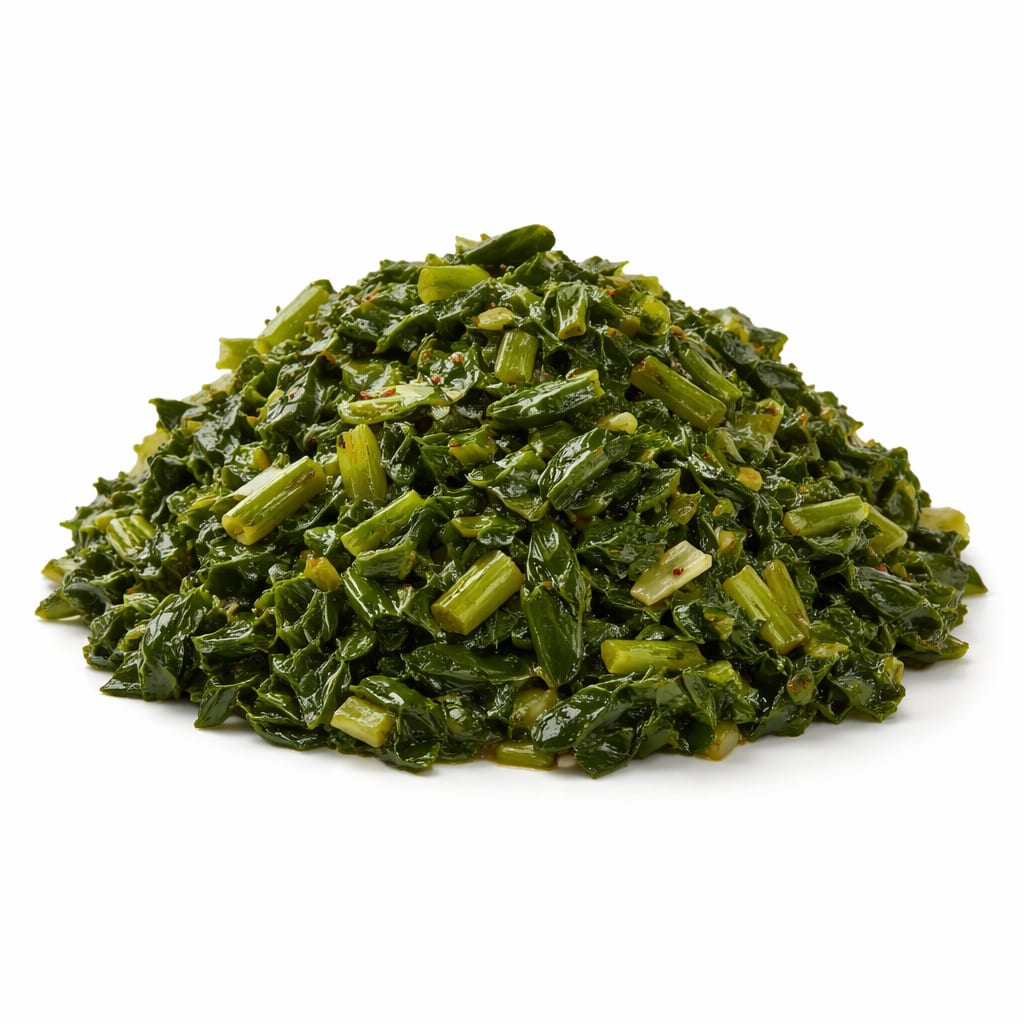
Turnip Greens
Sweet potato leaves win on antioxidant diversity and gentler digestion, while turnip greens deliver stronger bone-supporting minerals and cancer-fighting glucosinolates. Your pick depends on what your body needs most.
Nearly identical overall, but sweet potato leaves edge ahead slightly due to broader antioxidant coverage and better digestive tolerance. Turnip greens counter with superior calcium and vitamin K content. The close scores reflect that both are exceptional choices with different strengths.
Broader antioxidant protection and easier digestion versus higher calcium, more vitamin K, and glucosinolate compounds that target cancer risk differently.
At a glance
Executive summary
Overall
It depends
Healthier
It depends
More practical
Turnip Greens
Daily use
Turnip Greens
Key comparison lenses
nutrient density comparison between two leafy greens
Both are powerhouse greens but with distinctly different vitamin and mineral profiles that matter for daily food choices
antioxidant and disease-fighting compound differences
Sweet potato leaves offer unique polyphenols while turnip greens provide glucosinolates — different protective pathways
digestive tolerance and oxalate concerns
Turnip greens contain notable oxalates which can trigger kidney stones in susceptible people, sweet potato leaves are gentler
culinary versatility and taste accessibility
Sweet potato leaves are milder and more versatile, turnip greens have a signature bitterness that limits pairings
availability and practical daily use
Turnip greens are easier to find in most Western grocery stores, sweet potato leaves require specialty markets or home growing
Best choice for
Sweet Potato Leaves
- People prone to kidney stones who need low-oxalate greens
- Anyone seeking eye-health support from lutein and zeaxanthin
- Those who find bitter greens unpalatable and want a milder flavor
- Home gardeners who grow sweet potatoes and want zero-waste cooking
- People with sensitive digestion who struggle with cruciferous vegetables
Turnip Greens
- Anyone prioritizing bone density through food-based calcium and vitamin K
- People wanting cruciferous cancer-fighting glucosinolates in their diet
- Those following Southern or traditional American cooking traditions
- Shoppers who need readily available greens at mainstream grocery stores
- Anyone anemic or needing more iron from plant sources
Least suitable for
Sweet Potato Leaves
- People without access to specialty or Asian grocery stores
- Anyone unfamiliar with cooking leafy greens who needs foolproof recipes
- Those seeking maximum calcium from a single vegetable serving
Turnip Greens
- People with a history of calcium oxalate kidney stones
- Anyone taking blood thinners like warfarin who must limit vitamin K
- Those who strongly dislike bitter flavors and will avoid eating greens entirely
- People with thyroid concerns who are sensitive to goitrogenic cruciferous vegetables
Deep comparison
Dimension by dimension
Each lens scores both foods and breaks down who each option suits.
- Dimension 1 · Priority 92Sweet Potato Leaves
Antioxidant Diversity
Sweet Potato Leaves · 88Turnip Greens · 75Sweet potato leaves contain a wider range of polyphenols, flavonoids, and unique antioxidants that target cellular protection from multiple angles.
Tradeoff
You get more antioxidant types with sweet potato leaves but miss out on the specific glucosinolate compounds that turnip greens provide.
Why it matters
Diverse antioxidants protect different tissues and systems. A broader spectrum means more comprehensive defense against oxidative stress and aging.
Real-world impact
Regularly eating sweet potato leaves may contribute to better skin, reduced inflammation, and steadier energy throughout the day.
Sweet Potato Leaves
- Reducing systemic inflammation
- Skin and cellular aging protection
- Eye health via lutein and zeaxanthin
Better for
- Lacks the sulfur-based compounds that cruciferous vegetables offer
Worse for
Turnip Greens
- Specific cancer-pathway interference from glucosinolates
- Liver detoxification support
Better for
- Narrower antioxidant range focused heavily on glucosinolates
Worse for
- Dimension 2 · Priority 88Turnip Greens
Bone Health Support
Sweet Potato Leaves · 70Turnip Greens · 92Turnip greens deliver significantly more calcium and vitamin K per serving, making them one of the best plant foods for bone maintenance.
Tradeoff
Stronger bone support from turnip greens comes with the oxalate caveat — some calcium is less absorbable due to oxalate binding.
Why it matters
Vitamin K directs calcium into bones rather than soft tissues. The combination of high calcium plus high vitamin K is rare in single foods.
Real-world impact
Eating turnip greens regularly can meaningfully contribute to your daily calcium needs, especially important for those avoiding dairy.
Sweet Potato Leaves
- Lower oxalate content means what calcium exists is more bioavailable
Better for
- Noticeably less calcium than turnip greens
Worse for
Turnip Greens
- Much higher total calcium per serving
- Exceptional vitamin K content for bone mineralization
- Good magnesium content supporting bone structure
Better for
- Oxalates partially block calcium absorption
Worse for
- Dimension 3 · Priority 85Sweet Potato Leaves
Digestive Tolerance
Sweet Potato Leaves · 90Turnip Greens · 65Sweet potato leaves are gentler on the digestive system with lower oxalates and no goitrogenic compounds that can bother sensitive stomachs.
Tradeoff
Easier digestion with sweet potato leaves means giving up the sulfur compounds in turnip greens that support liver detoxification.
Why it matters
People with IBS, kidney stone history, or thyroid sensitivity often cannot tolerate cruciferous greens daily despite their nutritional value.
Real-world impact
If you have ever felt bloated or gassy after eating kale or collard greens, sweet potato leaves are a much smoother experience.
Sweet Potato Leaves
- Low oxalate — safer for kidney stone formers
- No goitrogens — safe for thyroid concerns
- Milder fiber that is easier on sensitive guts
Better for
- Less stimulation of detoxification enzymes
Worse for
Turnip Greens
- Sulfur compounds support liver and gut detox pathways
Better for
- Oxalates increase kidney stone risk
- Goitrogens can affect thyroid when consumed raw in large amounts
- Cruciferous fiber can cause gas and bloating in sensitive people
Worse for
- Dimension 4 · Priority 82Turnip Greens
Iron and Anemia Support
Sweet Potato Leaves · 72Turnip Greens · 84Turnip greens provide more iron per serving, though both greens benefit from pairing with vitamin C foods to boost absorption.
Tradeoff
More iron in turnip greens is partially offset by oxalates that can reduce mineral absorption, making the real-world gap smaller than it appears.
Why it matters
Plant-based iron is already harder to absorb than heme iron. Maximizing iron content in leafy greens matters for vegetarians and menstruating women.
Real-world impact
Adding lemon juice or tomatoes to either green significantly improves iron uptake — this simple trick matters more than the raw iron difference.
Sweet Potato Leaves
- Lower oxalate means less interference with iron absorption
Better for
- Less iron per serving overall
Worse for
Turnip Greens
- Higher total iron content per serving
- Good folate content supporting red blood cell production
Better for
- Oxalates bind some iron and reduce net absorption
Worse for
- Dimension 5 · Priority 78Sweet Potato Leaves
Culinary Versatility and Taste
Sweet Potato Leaves · 82Turnip Greens · 68Sweet potato leaves have a mild, slightly sweet flavor that works in stir-fries, soups, and salads. Turnip greens bring a peppery bitterness that limits pairings.
Tradeoff
Milder flavor means broader recipe compatibility but less distinctive character. Turnip greens shine in specific dishes but are harder to use creatively.
Why it matters
A green you enjoy eating regularly beats a more nutritious one that sits in your fridge unused because the flavor is challenging.
Real-world impact
Sweet potato leaves can swap into any recipe calling for spinach. Turnip greens really want bacon, vinegar, or bold seasoning to shine.
Sweet Potato Leaves
- Works in Asian stir-fries, soups, and even smoothies
- Mild enough for children and picky eaters
- Stems and leaves both edible with similar cook times
Better for
- Lacks the bold flavor some people crave in cooked greens
Worse for
Turnip Greens
- Classic pairing with smoked meats and vinegar-based dressings
- Bitterness cuts through rich, fatty dishes beautifully
Better for
- Bitterness requires specific cooking techniques to manage
- Stems need longer cooking than leaves, adding prep complexity
- Limited compatibility with lighter cuisines
Worse for
- Dimension 6 · Priority 75Turnip Greens
Availability and Convenience
Sweet Potato Leaves · 50Turnip Greens · 85Turnip greens are stocked in most American grocery stores year-round. Sweet potato leaves require specialty markets, Asian grocers, or home growing.
Tradeoff
Easier access to turnip greens means more consistent consumption. Sweet potato leaves may be seasonal or regional, creating availability gaps.
Why it matters
The healthiest green only works if you can actually buy it. Consistency matters more than perfection for long-term health outcomes.
Real-world impact
Most people can grab turnip greens on a regular grocery run. Sweet potato leaves might require a dedicated trip to an international market.
Sweet Potato Leaves
- Free if you already grow sweet potatoes at home
- Often cheaper at Asian markets when in season
Better for
- Rare in conventional grocery stores
- Seasonal availability in many regions
- Unfamiliar to many produce department staff
Worse for
Turnip Greens
- Widely available at mainstream grocery stores
- Consistent year-round supply
- Frozen options readily available
Better for
- None significant — this is a clear availability advantage
Worse for
Timeline
Health impact over time
Short-term
Hours to days
Sweet Potato Leaves
- Gentle energy support from B vitamins without blood sugar spikes
- Mild digestive comfort with minimal gas or bloating
- Quick hydration from high water content
Turnip Greens
- Noticeable satiety from dense fiber and mineral content
- Possible mild digestive discomfort if you are sensitive to cruciferous vegetables
- Vitamin K hit that supports same-day blood clotting function
Long-term
Months to years
Sweet Potato Leaves
- Consistent antioxidant intake may reduce visible signs of aging
- Eye health protection builds over months and years of regular consumption
- Lower kidney stone risk compared to high-oxalate greens
- Sustained anti-inflammatory benefits without digestive side effects
Turnip Greens
- Meaningful contribution to bone density preservation over decades
- Glucosinolate compounds may lower certain cancer risks with regular intake
- Potential kidney stone accumulation risk for susceptible individuals
- Thyroid impact possible if consumed raw in very large quantities daily
Risk profile
Safety & processing
Both greens are whole foods typically sold fresh or frozen without additives. Sweet potato leaves are almost always sold loose and unprocessed. Turnip greens may occasionally come canned with added sodium, so check labels if buying preserved versions.
Sweet Potato Leaves
Pesticide residue on conventionally grown leaves
mediumLeafy greens tend to retain pesticide spray. Washing thoroughly helps, but organic is preferable when available, especially since the leaves have high surface area.
Contamination from soil if grown in polluted areas
lowSweet potato plants can accumulate heavy metals from soil. Sourcing from reputable farms matters more than with many other vegetables.
Turnip Greens
Oxalate-related kidney stone formation
mediumTurnip greens contain moderate to high oxalates. If you have a history of calcium oxalate kidney stones, limit portions or choose lower-oxalate alternatives like sweet potato leaves.
Goitrogenic effects on thyroid
lowRaw cruciferous vegetables contain goitrogens that can interfere with thyroid function. Cooking significantly reduces this concern. Moderate consumption of cooked turnip greens poses minimal risk for most people.
Pesticide residue
mediumLike all leafy greens, turnip greens can carry pesticide residue. The Environmental Working Group includes leafy greens among produce items warranting organic preference.
Who wins for whom
Audience fit
Same foods, different winners depending on your goal.
children
Sweet Potato LeavesMilder flavor and softer texture when cooked make sweet potato leaves more kid-friendly. Lower oxalate content is also preferable for developing kidneys.
daily consumption
Sweet Potato LeavesFewer digestive side effects and lower oxalate load make sweet potato leaves safer for daily eating. Turnip greens are excellent but best rotated with other greens rather than eaten every single day.
diabetes
Sweet Potato LeavesSweet potato leaves have a gentler effect on digestion and contain compounds that may help improve insulin sensitivity. Lower oxalate content also reduces inflammatory burden that can worsen metabolic health.
elderly
It dependsTurnip greens support bone density which matters greatly for older adults, but the oxalate and goitrogen concerns require more caution. Sweet potato leaves offer easier digestion and eye health support relevant for aging eyes.
muscle gain
Turnip GreensTurnip greens provide slightly more iron and calcium, both important for active people. Neither green is a significant protein source, so the mineral edge gives turnip greens a slight advantage for recovery.
weight loss
It dependsBoth are extremely low calorie and high fiber. Sweet potato leaves may edge ahead because the milder taste makes them easier to eat in larger volumes, but the difference is negligible.
Your move
Decision guide
Choose Sweet Potato Leaves
- You have a history of kidney stones or want to avoid high-oxalate foods
- You find bitter greens unappealing and want something closer to spinach
- You want eye-health antioxidants like lutein and zeaxanthin
- You grow sweet potatoes and want to use the whole plant
- You have thyroid concerns and want to avoid goitrogens
- You have IBS or sensitive digestion that reacts to cruciferous vegetables
Choose Turnip Greens
- Bone health and calcium intake are top priorities for you
- You want cruciferous cancer-fighting compounds in your regular rotation
- You enjoy bold, bitter greens and know how to cook them well
- You follow Southern American or soul food cooking traditions
- You need iron support and can pair the greens with vitamin C
- You want a green that is easy to find at any grocery store
Either works if
- You simply want more leafy greens in your diet and both are available
- You rotate greens weekly to get a broad spectrum of nutrients
- You are generally healthy with no kidney, thyroid, or digestive issues
Avoid both if
- You are on warfarin or blood thinners and have not discussed vitamin K intake with your doctor
- You have severe oxalate restrictions — while sweet potato leaves are lower, they still contain some oxalates
Final recommendation
Eat both, but let your body decide the ratio. Sweet potato leaves are the safer daily driver — easier to digest, gentler on kidneys, and more versatile in the kitchen. Turnip greens are the powerful supplement — bring them in a few times a week for the calcium, vitamin K, and glucosinolates that sweet potato leaves cannot match. If you must pick only one, sweet potato leaves win on sustainability and tolerance, but you leave real bone and cancer-protection benefits on the table.
Practical
Consumer tips
- 1
Pair either green with a squeeze of lemon or splash of vinegar to boost iron absorption by up to 6 times
- 2
If buying turnip greens, choose organic when possible — leafy greens rank high for pesticide residue
- 3
Sweet potato leaves cook fast — 3 to 5 minutes of stir-frying is enough. Overcooking makes them mushy
- 4
Blanching turnip greens before cooking reduces bitterness and oxalate content simultaneously
- 5
If you grow sweet potatoes, harvest leaves regularly — it actually encourages tuber production
- 6
Frozen turnip greens retain most nutrients and are available year-round — a practical backup when fresh is unavailable
- 7
Never eat sweet potato leaves raw in large amounts — light cooking removes mild antinutrients and improves digestibility
- 8
If kidney stones are a concern, boiling turnip greens and discarding the water removes roughly 30 to 40 percent of oxalates