
Nutrition comparison
Sweet Potato Leaves vs Bok Choy: Which Leafy Green Is Healthier?
Compare sweet potato leaves and bok choy on nutrition, antioxidants, availability, and cooking ease. Find out which green fits your health goals and lifestyle better.
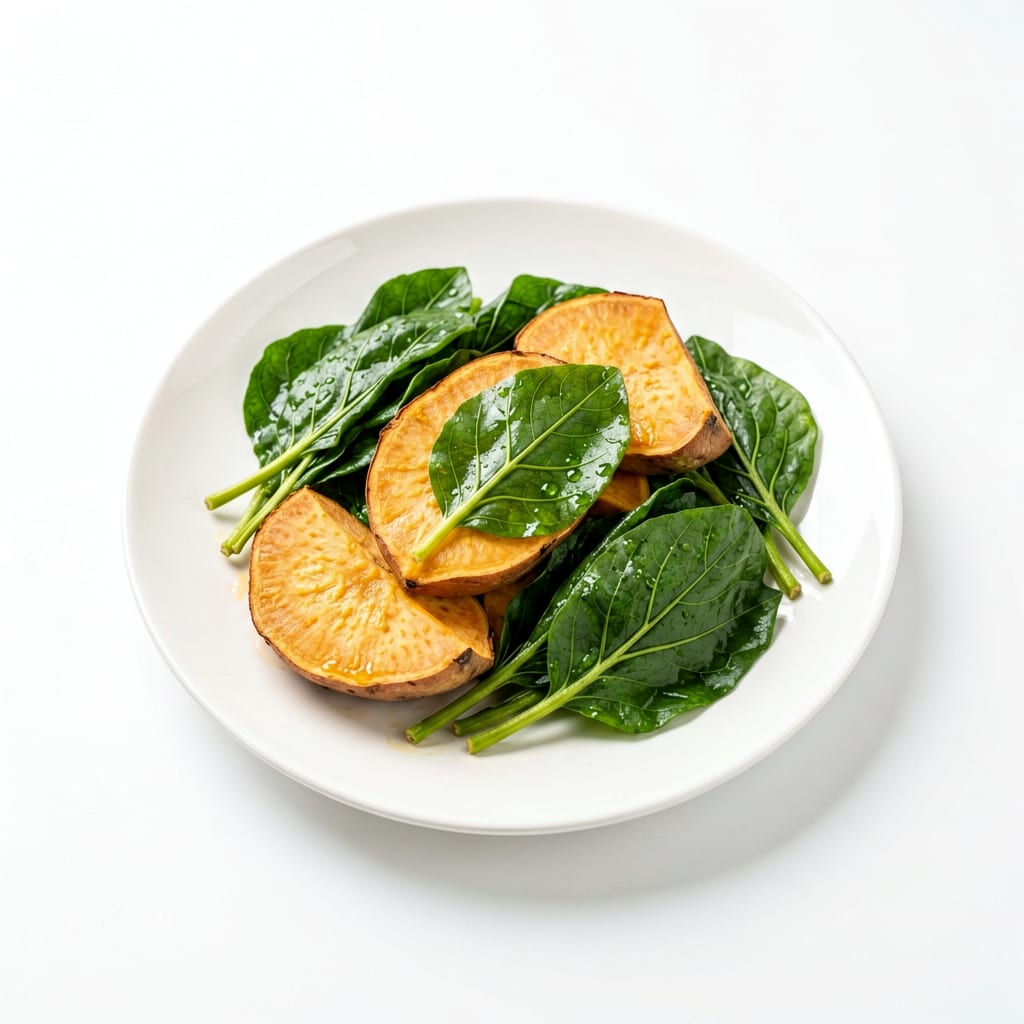
Sweet Potato Leaves
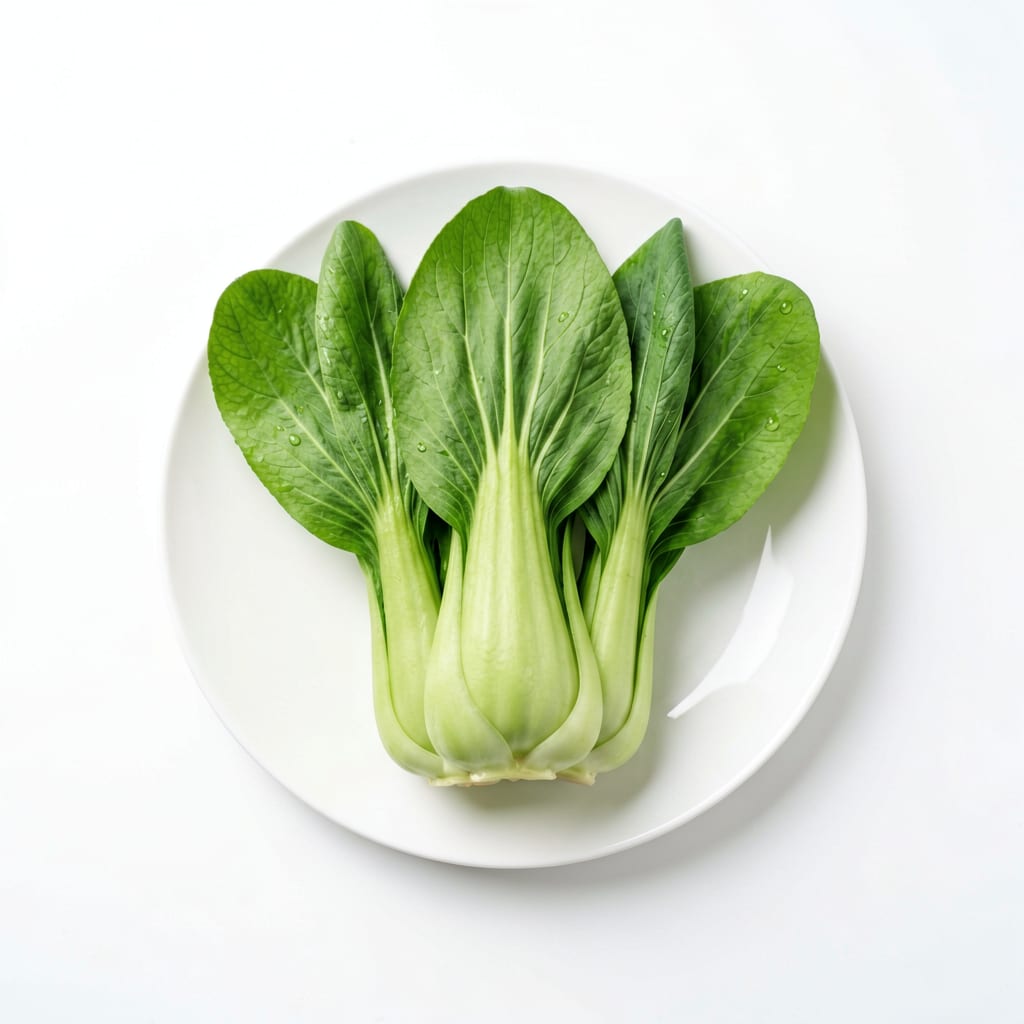
Bok Choy
Sweet potato leaves edge out bok choy on raw nutrient density and antioxidant power, but bok choy wins on convenience, availability, and everyday practicality.
Sweet potato leaves score higher on nutrient density and antioxidant content, but bok choy's superior availability, milder flavor, and faster cooking close the gap significantly. The close scores reflect that practical factors often outweigh marginal nutritional edges in real life.
Maximum nutrition with sweet potato leaves versus easy access and quicker cooking with bok choy.
At a glance
Executive summary
Overall
It depends
Healthier
Sweet Potato Leaves
More practical
Bok Choy
Daily use
Bok Choy
Key comparison lenses
nutrient density comparison
Both are powerhouse leafy greens, so users want to know which packs more nutrition per bite
antioxidant and disease prevention
Sweet potato leaves are rich in unique polyphenols while bok choy offers glucosinolates — different protective pathways matter
everyday availability and cooking ease
Bok choy is a grocery staple; sweet potato leaves can be hard to find outside specialty or Asian markets
eye health and vitamin A
Sweet potato leaves are exceptionally rich in lutein and beta-carotene, making vision protection a key differentiator
bone health and vitamin K
Both deliver strong vitamin K, but users with bone concerns want to know which offers more
Best choice for
Sweet Potato Leaves
- People focused on maximizing antioxidant intake
- Anyone seeking exceptional eye health support
- Those with access to Asian or specialty grocery stores
- Individuals wanting more iron from leafy greens
Bok Choy
- Busy home cooks needing fast weeknight vegetables
- Anyone shopping at regular grocery stores
- People who want a mild-tasting green for picky eaters
- Those prioritizing cancer-protective glucosinolates
Least suitable for
Sweet Potato Leaves
- People without access to specialty markets
- Anyone needing a quick-cooking weeknight side dish
- Those sensitive to slightly bitter greens
Bok Choy
- People seeking the highest possible iron from greens
- Anyone wanting maximum lutein for eye health
- Those looking for the most nutrient-dense option per calorie
Deep comparison
Dimension by dimension
Each lens scores both foods and breaks down who each option suits.
- Dimension 1 · Priority 92Sweet Potato Leaves
Nutrient Density
Sweet Potato Leaves · 91Bok Choy · 82Sweet potato leaves deliver more vitamins and minerals per calorie, especially iron, vitamin A, and B vitamins.
Tradeoff
You get more nutrition from sweet potato leaves but may need to visit specialty stores to find them.
Why it matters
Higher nutrient density means each serving does more for your body — less food, more benefit.
Real-world impact
A single serving of sweet potato leaves covers a larger share of your daily iron and vitamin A needs compared to bok choy.
Sweet Potato Leaves
- Anemia-prone individuals needing plant iron
- Anyone eating fewer calories who needs more nutrition per bite
- Pregnant women seeking folate and iron together
Better for
- People who can't find sweet potato leaves regularly enough to benefit
Worse for
Bok Choy
- People who already eat a varied diet and don't need to maximize every bite
- Those getting iron from other sources like legumes or meat
Better for
- Anyone relying on a single green as their main nutrient source
Worse for
- Dimension 2 · Priority 88Sweet Potato Leaves
Antioxidant Power
Sweet Potato Leaves · 93Bok Choy · 80Sweet potato leaves are unusually rich in polyphenols and lutein, giving them stronger overall antioxidant capacity.
Tradeoff
More antioxidant diversity from sweet potato leaves versus bok choy's unique glucosinolate compounds that target cancer pathways differently.
Why it matters
Antioxidants protect cells from daily damage — more variety means broader protection against aging and disease.
Real-world impact
Eating sweet potato leaves regularly may offer stronger protection against oxidative stress, but bok choy's glucosinolates provide cancer-fighting benefits that sweet potato leaves don't match.
Sweet Potato Leaves
- Older adults concerned about cellular aging
- People with high oxidative stress from intense exercise or pollution exposure
- Anyone wanting maximum lutein for eye protection
Better for
- Those who miss out on glucosinolate benefits found only in cruciferous vegetables
Worse for
Bok Choy
- People prioritizing cruciferous vegetable benefits for cancer risk reduction
- Anyone with a family history of hormone-sensitive cancers
Better for
- People wanting the highest total antioxidant capacity from a single green
Worse for
- Dimension 3 · Priority 85Bok Choy
Availability and Convenience
Sweet Potato Leaves · 45Bok Choy · 92Bok choy is available in nearly every grocery store and cooks in minutes. Sweet potato leaves require specialty shopping.
Tradeoff
The most nutritious green does you no good if you can't find it — bok choy's convenience is a real health advantage because you'll actually eat it.
Why it matters
Consistency beats perfection. A green you eat twice a week outperforms one you can only find occasionally.
Real-world impact
You can grab bok choy at any supermarket on your way home. Sweet potato leaves might require a trip to an Asian market or growing your own.
Sweet Potato Leaves
- Home gardeners who can grow their own supply
- People living near well-stocked Asian or international markets
Better for
- Suburban and rural shoppers with limited market access
- Anyone unwilling to make special trips for vegetables
Worse for
Bok Choy
- Anyone doing regular grocery runs at standard stores
- Busy people who need to grab and cook quickly
- Meal preppers who want reliable weekly availability
Better for
- People who enjoy hunting for unique ingredients and exploring new markets
Worse for
- Dimension 4 · Priority 78Bok Choy
Cooking Versatility and Flavor
Sweet Potato Leaves · 68Bok Choy · 84Bok choy's mild, slightly sweet flavor fits into almost any dish. Sweet potato leaves can be slightly bitter and need more careful cooking.
Tradeoff
Bok choy is the safer bet for picky eaters and quick meals; sweet potato leaves reward more thoughtful preparation with deeper flavor.
Why it matters
If a vegetable tastes good easily, you'll cook it more often — and frequency matters more than perfection.
Real-world impact
Bok choy can be tossed into soup, stir-fry, or eaten raw in salads with minimal effort. Sweet potato leaves usually need blanching or sautéing to tame bitterness.
Sweet Potato Leaves
- Adventurous cooks who enjoy developing flavor through technique
- Anyone making traditional Asian or African stews where the leaves shine
Better for
- People sensitive to bitter flavors
- Anyone wanting a raw salad green
Worse for
Bok Choy
- Families with kids or picky eaters
- Beginner cooks wanting foolproof results
- Anyone making quick stir-fries or soups on busy nights
Better for
- Cooks seeking bold, distinctive flavors that stand out
Worse for
- Dimension 5 · Priority 75It depends
Bone Health Support
Sweet Potato Leaves · 85Bok Choy · 83Both are excellent vitamin K sources. Sweet potato leaves offer slightly more, but bok choy provides highly absorbable calcium too.
Tradeoff
Sweet potato leaves give more vitamin K for bone protein activation; bok choy adds calcium that's actually well-absorbed unlike some other plant sources.
Why it matters
Strong bones need both vitamin K and calcium — each green emphasizes a different piece of that puzzle.
Real-world impact
If you're low on calcium, bok choy helps more directly. If you're already getting calcium elsewhere, sweet potato leaves provide the vitamin K that activates bone-building proteins.
Sweet Potato Leaves
- People already consuming adequate calcium from dairy or fortified foods
- Anyone wanting maximum vitamin K for bone protein activation
Better for
- Those relying on a single vegetable for both calcium and vitamin K
Worse for
Bok Choy
- Dairy-free individuals needing a plant calcium source
- Older adults wanting both calcium and vitamin K in one food
Better for
- People needing the absolute highest vitamin K intake possible
Worse for
- Dimension 6 · Priority 72Bok Choy
Digestive Tolerance
Sweet Potato Leaves · 70Bok Choy · 82Bok choy is gentler on digestion for most people. Sweet potato leaves have more fiber and oxalates, which can bother sensitive stomachs.
Tradeoff
More fiber from sweet potato leaves helps regularity but may cause bloating in sensitive people. Bok choy's softer fiber is easier to tolerate.
Why it matters
A food that causes discomfort won't be eaten consistently, no matter how nutritious it is.
Real-world impact
Bok choy is usually well-tolerated even in larger portions. Sweet potato leaves may cause gas or bloating if you eat a big serving without building up gradually.
Sweet Potato Leaves
- People wanting more fiber to support regular bowel movements
- Anyone already accustomed to high-fiber greens
Better for
- People prone to bloating from high-fiber foods
- Those with oxalate sensitivity
Worse for
Bok Choy
- People with IBS or sensitive digestion
- Anyone introducing more greens into their diet gradually
- Older adults with more delicate digestive systems
Better for
- Anyone specifically trying to increase fiber intake significantly
Worse for
Timeline
Health impact over time
Short-term
Hours to days
Sweet Potato Leaves
- Provides a noticeable iron boost, helpful for energy if you're running low
- High fiber content supports satisfying fullness after meals
- May cause mild bloating if you're not used to high-fiber greens
- Lutein supports visual acuity and reduces eye fatigue
Bok Choy
- Quick-digesting and light — won't leave you feeling heavy after eating
- Hydrating due to high water content, which helps with satiety without fullness discomfort
- Mild flavor makes it easy to eat larger portions for more vitamins
- Vitamin C content helps absorb iron from other foods on your plate
Long-term
Months to years
Sweet Potato Leaves
- Consistent polyphenol intake may reduce chronic disease risk more strongly than common greens
- High lutein supports long-term eye health and may lower macular degeneration risk
- Iron and folate together support healthy blood over time, especially for menstruating women
- Strong vitamin K intake contributes to maintained bone density with age
Bok Choy
- Glucosinolates from regular consumption are linked to lower cancer risk, especially colorectal
- Bioavailable calcium supports sustained bone mineral density without dairy
- Consistent vitamin K and C intake promotes cardiovascular and immune health long-term
- Easy availability makes consistent daily or weekly consumption more realistic
Risk profile
Safety & processing
Both sweet potato leaves and bok choy are whole, minimally processed vegetables with essentially zero additive concerns when purchased fresh. The only processing risk comes from canned or frozen versions, which may contain added sodium.
Sweet Potato Leaves
Oxalate content
mediumSweet potato leaves contain moderate oxalates. People with kidney stone history should moderate intake or cook them to reduce oxalate levels.
Pesticide residue
lowWhen conventionally grown, sweet potato leaves may carry pesticide residue. Washing thoroughly or choosing organic reduces this concern.
Bok Choy
Pesticide residue
mediumBok choy frequently appears on the Environmental Working Group's Dirty Dozen list due to pesticide residues. Choosing organic is advisable when possible.
Goitrogenic compounds
lowRaw bok choy contains glucosinolates that can interfere with thyroid function in very large amounts. Cooking significantly reduces this risk, and normal portions pose no problem for healthy thyroids.
Who wins for whom
Audience fit
Same foods, different winners depending on your goal.
children
Bok ChoyBok choy's mild, slightly sweet taste is far more kid-friendly than the slight bitterness of sweet potato leaves. Its crisp texture when lightly cooked also appeals more to children.
daily consumption
Bok ChoyDaily use demands reliability. Bok choy's easy availability, quick cooking time, gentle digestion, and mild flavor make it the more sustainable daily choice for most people.
diabetes
Sweet Potato LeavesSweet potato leaves have more fiber and a lower effective glycemic impact, helping stabilize blood sugar more effectively. Their higher magnesium content also supports insulin sensitivity.
elderly
Bok ChoyBok choy is gentler on digestion, provides well-absorbed calcium for bone health, and requires less chewing when cooked — all important for older adults. Its consistent availability also supports regular consumption.
muscle gain
It dependsNeither is a significant protein source. Sweet potato leaves offer slightly more iron for oxygen delivery to muscles, but bok choy's vitamin C helps absorb iron from other foods. The difference is negligible — focus on protein sources instead.
weight loss
Bok ChoyBok choy's lower calorie density, milder flavor, and higher water content make it easier to eat in large volumes — helping you feel full on fewer calories. Consistency from easy availability also matters more for weight loss than marginal nutrient differences.
Your move
Decision guide
Choose Sweet Potato Leaves
- You have access to sweet potato leaves through specialty markets or home gardening
- Maximizing antioxidant and iron intake is a top priority for you
- Eye health is a specific concern, especially if macular degeneration runs in your family
- You enjoy cooking and developing technique to bring out the best in ingredients
- You're managing blood sugar and want the highest-fiber green option
Choose Bok Choy
- You want a nutritious green you can find at any grocery store, any day of the week
- You're cooking for a family and need something everyone will eat without complaint
- You have sensitive digestion and need a gentler fiber source
- You want cancer-protective glucosinolates from a cruciferous vegetable
- You need a vegetable that cooks in under 5 minutes on busy nights
Either works if
- You simply want more leafy greens in your diet and both are available
- You're rotating vegetables for nutrient diversity — both are excellent choices
- You're making a stir-fry and either would work well with your other ingredients
Avoid both if
- You're on a strict vitamin K restriction due to blood-thinning medication like warfarin
- You have severe oxalate sensitivity or a history of calcium oxalate kidney stones
Final recommendation
Eat bok choy as your everyday green — it's reliable, mild, and easy. When you find sweet potato leaves, grab them as a nutritional upgrade. The best strategy is rotating both for broader antioxidant coverage. If you can only choose one long-term, bok choy wins because you'll actually eat it consistently.
Practical
Consumer tips
- 1
If buying sweet potato leaves, look for vibrant dark green color with no yellowing — freshness matters more than with bok choy
- 2
Blanch sweet potato leaves briefly before sautéing to reduce bitterness and oxalates simultaneously
- 3
Choose organic bok choy when possible — it's a high-pesticide-residue crop that appears frequently on watch lists
- 4
Both greens lose vitamin C with prolonged cooking — quick stir-frying or light steaming preserves the most nutrients
- 5
If you grow your own sweet potatoes, the leaves are an underappreciated bonus crop — harvest younger leaves for tenderness
- 6
Don't discard bok choy stems — they're crunchy, sweet, and hold sauce beautifully when braised or stir-fried
- 7
Pair either green with a fat source like olive oil or sesame oil to absorb fat-soluble vitamins A and K effectively