
Nutrition comparison
Sweet Potato Leaves vs Sweet Potato Root: Nutrition, Blood Sugar, and Health Comparison
Sweet potato leaves and root come from the same plant but serve completely different nutritional roles. Compare their nutrient density, blood sugar impact, satiety, and best uses to decide which fits your health goals.
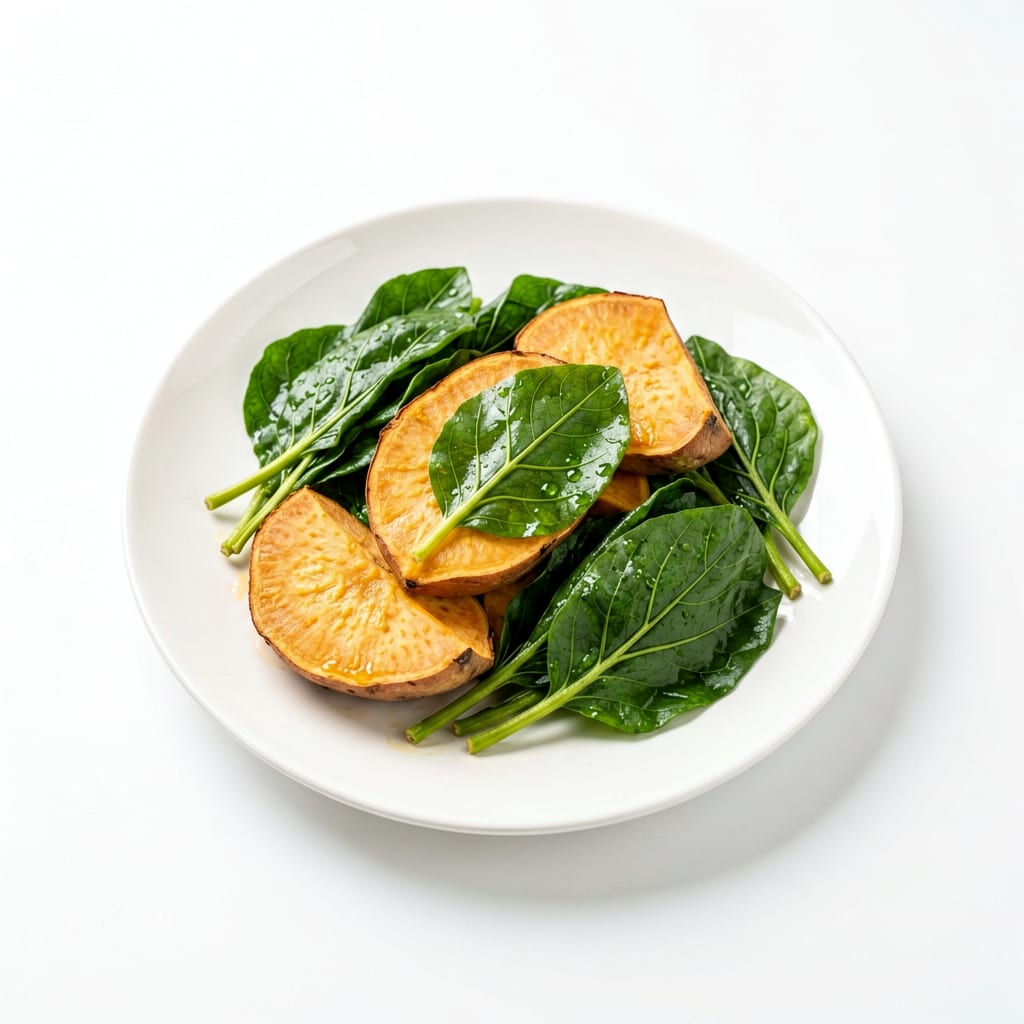
Sweet Potato Leaves
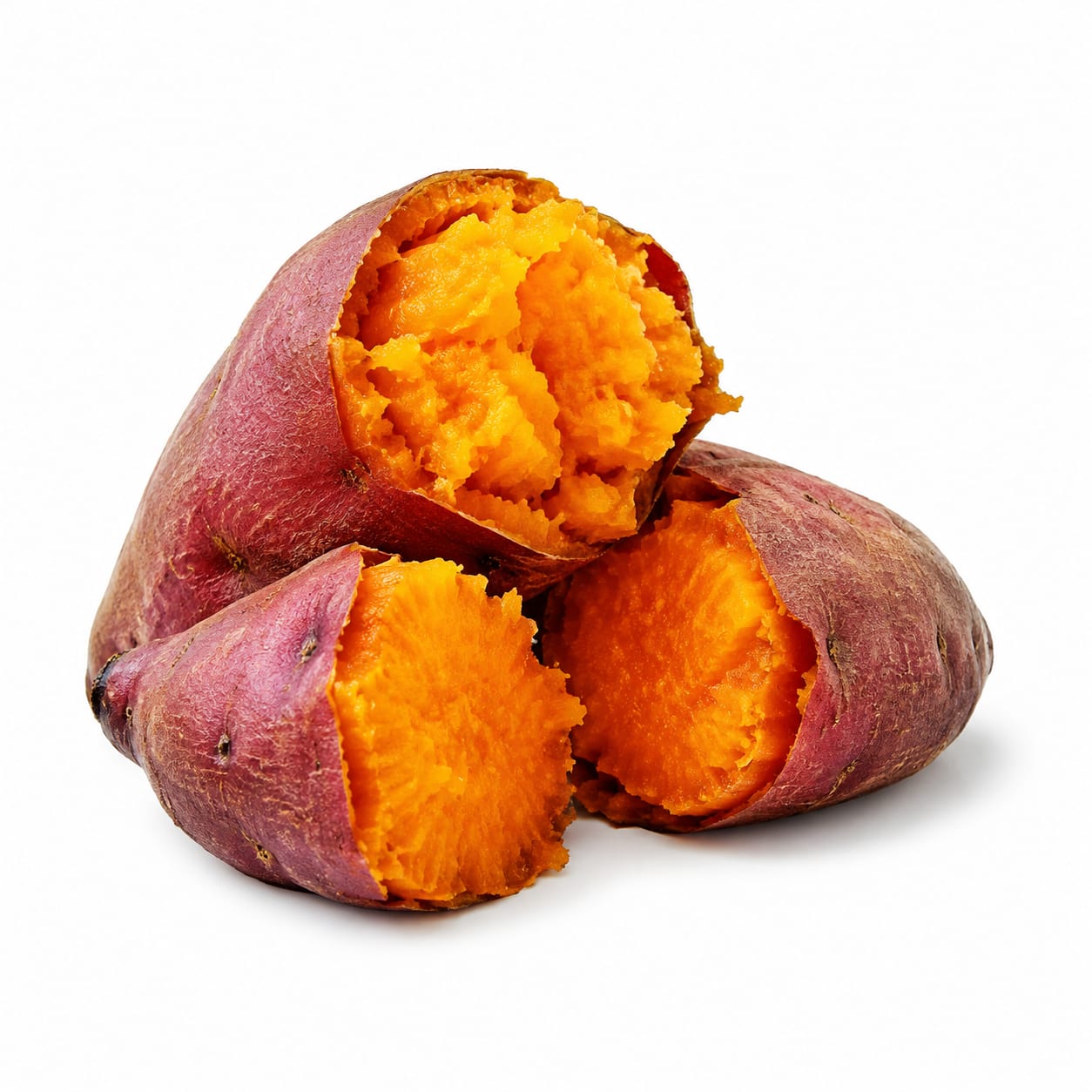
Sweet Potato Root
Same plant, completely different nutritional profiles. Sweet potato leaves are a low-calorie vitamin bomb; the root is a filling energy source with unmatched beta-carotene.
Sweet potato leaves win on nutrient density and metabolic health, but the root's satiety, availability, and versatility keep it competitive. The leaves are objectively more nutrient-rich per calorie, but most people will eat the root more often because it is more accessible and satisfying.
Leaves give you more nutrients per calorie with almost no carbs. The root gives you lasting energy and fullness but at a higher caloric and glycemic cost.
At a glance
Executive summary
Overall
It depends
Healthier
Sweet Potato Leaves
More practical
Sweet Potato Root
Daily use
It depends
Key comparison lenses
nutrient density per calorie
Leaves are dramatically lower in calories but packed with vitamins and minerals, making this the core tradeoff
blood sugar management
The root is starchy and carb-dense while the leaves have almost no digestible carbs, a critical difference for diabetics
satiety and meal satisfaction
The root fills you up substantially; the leaves are light and may leave you hungry if eaten alone
antioxidant diversity
Both are antioxidant powerhouses but in completely different ways — leaves offer polyphenols while roots offer beta-carotene
practicality and availability
Sweet potato roots are available everywhere; the leaves are harder to find in most Western grocery stores
Best choice for
Sweet Potato Leaves
- Blood sugar management and diabetes
- Low-calorie nutrient density
- Eye health beyond just beta-carotene
- Anti-inflammatory diets
- Weight loss with maximum nutrition
Sweet Potato Root
- Sustained energy for active days
- Athletes needing carb fuel
- Families wanting affordable filling meals
- Vitamin A deficiency prevention
- Meal prep and batch cooking
Least suitable for
Sweet Potato Leaves
- People needing calorie surplus
- Those who find bitter greens unappealing
- Anyone without access to specialty or Asian markets
- Endurance athletes needing quick carbs
Sweet Potato Root
- Strict low-carb or keto dieters
- People managing severe blood sugar spikes
- Those watching calorie intake closely
- Anyone prone to overeating starchy foods
Deep comparison
Dimension by dimension
Each lens scores both foods and breaks down who each option suits.
- Dimension 1 · Priority 95Sweet Potato Leaves
Nutrient Density Per Calorie
Sweet Potato Leaves · 96Sweet Potato Root · 62Sweet potato leaves deliver dramatically more vitamins and minerals per calorie than the root, making them one of the most nutrient-dense greens available.
Tradeoff
You get more nutrition per bite from the leaves, but you would need to eat a large volume to match the total nutrient load of a serving of root.
Why it matters
If you are eating fewer calories, the leaves help you avoid nutrient gaps without blowing your budget.
Real-world impact
A big bowl of sautéed sweet potato leaves gives you more vitamin K, iron, and folate than the root for a fraction of the calories.
Sweet Potato Leaves
- Calorie-restricted diets
- Nutrient optimization without weight gain
- Older adults with low appetites
Better for
- Those who need calorie density
- People who find large volumes of greens filling but unsatisfying
Worse for
Sweet Potato Root
- Growing children who need calories
- Active adults needing energy
- Anyone struggling to eat enough
Better for
- Anyone counting calories strictly
- Diabetics monitoring carb intake
Worse for
- Dimension 2 · Priority 90Sweet Potato Leaves
Blood Sugar Impact
Sweet Potato Leaves · 95Sweet Potato Root · 55Sweet potato leaves have virtually no digestible carbohydrates and will not spike blood sugar. The root contains significant starch that raises blood glucose, even with its fiber content.
Tradeoff
The root provides usable energy for activity; the leaves provide almost no energy but keep blood sugar perfectly stable.
Why it matters
For anyone with insulin resistance, prediabetes, or diabetes, this difference is the most important factor in choosing between them.
Real-world impact
Eating sweet potato root can cause a noticeable blood sugar rise within 30-60 minutes. The leaves will not move the needle at all.
Sweet Potato Leaves
- Type 2 diabetes management
- Insulin resistance reversal
- Low-carb and keto diets
- Steady afternoon energy without crashes
Better for
- Endurance athletes who need carbs during activity
Worse for
Sweet Potato Root
- Pre-workout carb loading
- Post-exercise glycogen recovery
- Active laborers needing sustained fuel
Better for
- Anyone monitoring fasting blood sugar
- Late-night snacking when blood sugar should stay low
Worse for
- Dimension 3 · Priority 85Sweet Potato Root
Satiety and Fullness
Sweet Potato Leaves · 52Sweet Potato Root · 88The root is dense, starchy, and genuinely filling. The leaves are light and watery, leaving you hungry again sooner.
Tradeoff
Sweet potato root keeps you full for hours but costs more calories. The leaves are light and refreshing but will not carry a meal on their own.
Why it matters
If you struggle with hunger between meals, the root is the better tool. If you prefer eating larger volumes without feeling heavy, the leaves win.
Real-world impact
A medium baked sweet potato can replace a grain serving and keep you satisfied for 3-4 hours. A plate of sweet potato leaves feels more like a side salad.
Sweet Potato Leaves
- Volume eaters who like large portions
- Light lunch preferences
- Hot weather meals when heavy food feels wrong
Better for
- Anyone prone to snacking after meals
- People who feel hungry on salad-heavy diets
Worse for
Sweet Potato Root
- Main dish satisfaction
- Replacing grains or bread at dinner
- Hikers and manual workers needing lasting fuel
Better for
- Those who feel sluggish after heavy meals
- Anyone trying to reduce portion sizes
Worse for
- Dimension 4 · Priority 80It depends
Antioxidant Profile
Sweet Potato Leaves · 85Sweet Potato Root · 83The leaves are rich in polyphenols, flavonoids, and lutein. The root is one of the best sources of beta-carotene on earth. They protect your body in different ways.
Tradeoff
Leaves offer broader antioxidant diversity including compounds that support brain and eye health. The root offers unmatched provitamin A for immune function and skin.
Why it matters
Eating both gives you complementary antioxidant coverage that neither provides alone.
Real-world impact
The root's orange color signals massive beta-carotene — one serving can exceed your daily vitamin A needs. The leaves' green color signals lutein and zeaxanthin, which protect your eyes from screen damage and aging.
Sweet Potato Leaves
- Eye strain from screen use
- Brain health and cognitive aging
- Anti-inflammatory protocols
Better for
- Situations requiring high provitamin A intake quickly
Worse for
Sweet Potato Root
- Immune system support
- Skin health and repair
- Vitamin A deficiency correction
Better for
- Those already getting plenty of beta-carotene from other orange vegetables
Worse for
- Dimension 5 · Priority 75Sweet Potato Root
Practicality and Availability
Sweet Potato Leaves · 38Sweet Potato Root · 92Sweet potato root is available in virtually every grocery store worldwide and stores for weeks. The leaves are specialty items in most Western countries and wilt within days.
Tradeoff
The root is easy to find, store, and cook. The leaves require specialty shopping and immediate use but reward you with superior nutrient density.
Why it matters
The best food nutritionally is useless if you cannot find or store it. This is the biggest practical barrier to eating sweet potato leaves regularly.
Real-world impact
You can buy sweet potato roots at any supermarket and forget about them for two weeks. Sweet potato leaves need an Asian, African, or specialty market and should be cooked within 1-2 days.
Sweet Potato Leaves
- Home gardeners who grow their own
- People with access to Asian or African markets
- Farmers market shoppers in tropical regions
Better for
- Anyone without specialty grocery access
- People who shop once per week
- Busy households needing low-maintenance ingredients
Worse for
Sweet Potato Root
- Weekly grocery shoppers
- Meal preppers who buy in bulk
- Rural and suburban dwellers with limited market access
Better for
- Those seeking maximum nutrient novelty
- Anyone bored with standard vegetable rotations
Worse for
- Dimension 6 · Priority 70Sweet Potato Leaves
Mineral Content
Sweet Potato Leaves · 86Sweet Potato Root · 68Sweet potato leaves are surprisingly rich in iron, calcium, and magnesium — minerals many people lack. The root provides good potassium but less of the others.
Tradeoff
The leaves are a legitimate source of iron and calcium, which are harder to get from most vegetables. The root offers more potassium, which helps with blood pressure and cramping.
Why it matters
Iron and calcium deficiencies are widespread, especially among women. The leaves can help fill those gaps in a plant-based way.
Real-world impact
A serving of sweet potato leaves provides meaningful iron and calcium, making them valuable for plant-based eaters. The root's potassium helps with post-workout recovery and blood pressure management.
Sweet Potato Leaves
- Plant-based eaters needing iron
- Women with low iron stores
- Bone health support through calcium
Better for
- Those who need quick electrolyte replenishment after exercise
Worse for
Sweet Potato Root
- Athletes needing potassium for cramp prevention
- Blood pressure management
- Electrolyte replenishment after sweating
Better for
- Anyone relying on a single vegetable for mineral coverage
Worse for
Timeline
Health impact over time
Short-term
Hours to days
Sweet Potato Leaves
- Immediate blood sugar stability with no glycemic spike
- Light digestive feeling without heaviness or bloating
- Quick hydration from high water content
Sweet Potato Root
- Noticeable blood sugar rise within 30-60 minutes of eating
- Sustained fullness lasting 3-4 hours
- Warm, comforting satiety that reduces between-meal snacking
Long-term
Months to years
Sweet Potato Leaves
- Consistent intake supports eye health through lutein and zeaxanthin
- Polyphenol content may reduce chronic inflammation markers
- Iron and calcium contribution helps prevent deficiencies over time
- Very low calorie density supports healthy weight maintenance
Sweet Potato Root
- High beta-carotene intake supports immune resilience and skin health over years
- Fiber content promotes gut microbiome diversity with regular consumption
- Potassium contribution supports cardiovascular health long-term
- Caloric density requires portion awareness to avoid gradual weight gain
Risk profile
Safety & processing
Both are whole, unprocessed plant foods straight from the same plant. Neither typically carries additives unless canned or frozen with added salt or syrup. Fresh versions of both are as natural as food gets.
Sweet Potato Leaves
Pesticide residue on leafy surfaces
mediumLeaves have large surface area that can retain pesticide spray. Washing thoroughly is important, especially from conventional farms.
Rapid spoilage and bacterial growth
mediumWilted or slimy leaves can harbor bacteria. Use within 1-2 days of purchase and discard any yellowing or mushy leaves.
Sweet Potato Root
Mold growth on damaged roots
lowSweet potato roots can develop mold at bruised spots. Inspect before cooking and cut away any soft or discolored areas.
Oxalate content in some varieties
lowSweet potato roots contain moderate oxalates. This is mainly a concern for people with a history of calcium oxalate kidney stones.
Who wins for whom
Audience fit
Same foods, different winners depending on your goal.
children
Sweet Potato RootChildren generally prefer the sweet, soft taste of the root over the slightly bitter leaves. The root also provides the calories and vitamin A growing bodies need.
daily consumption
It dependsThe root is easier to eat daily due to availability and versatility, but the leaves offer better daily nutrition per calorie. Rotating both is ideal.
diabetes
Sweet Potato LeavesSweet potato leaves have virtually no digestible carbs and will not raise blood sugar. The root, while moderate on the glycemic index, still requires insulin response and portion management.
elderly
Sweet Potato LeavesOlder adults often need nutrient density without excess calories, and the leaves' vitamin K supports bone health while their iron helps prevent anemia common in aging.
muscle gain
Sweet Potato RootThe root provides the carbohydrate fuel needed for training intensity and recovery. The leaves lack the caloric and carb support required for muscle building.
weight loss
Sweet Potato LeavesSweet potato leaves provide maximum nutrition with minimal calories, allowing larger portions without caloric concern. The root's calorie density requires more portion control.
Your move
Decision guide
Choose Sweet Potato Leaves
- You are managing blood sugar, insulin resistance, or diabetes
- You want maximum nutrition with minimal calories
- You have access to Asian, African, or specialty markets
- You grow sweet potatoes at home and want to use the whole plant
- You are looking for new leafy greens with a different nutrient profile than spinach or kale
Choose Sweet Potato Root
- You need satisfying, filling meals that carry you between eating
- You are active and need carbohydrate fuel for performance
- You want a versatile ingredient that works in sweet and savory dishes
- You shop at standard grocery stores and need reliable availability
- You are feeding a family and need affordable, crowd-pleasing food
Either works if
- You want antioxidant-rich whole foods from the same plant
- You are building a diverse vegetable rotation
- You have no specific blood sugar or calorie concerns
Avoid both if
- You have a specific sweet potato allergy, which is rare but possible
- You are on a strict very-low-oxalate diet for kidney stone prevention
Final recommendation
Eat both when possible. The leaves and root are nutritionally complementary — the root gives you energy, fullness, and beta-carotene while the leaves give you iron, calcium, polyphenols, and blood sugar stability. If you can only choose one, pick the root for practicality and satiety, or the leaves for metabolic health and nutrient density. Growing your own sweet potatoes gives you free access to both.
Practical
Consumer tips
- 1
If you grow sweet potatoes, harvest leaves regularly — the plant keeps producing and you get free nutrient-dense greens
- 2
Sweet potato leaves cook similarly to spinach but hold texture better — try sautéing with garlic and a splash of soy sauce
- 3
Store sweet potato roots in a cool, dark, dry place — never the refrigerator, which causes hard core and off-flavors
- 4
Use sweet potato leaves within 1-2 days of purchase — they wilt faster than kale or collard greens
- 5
Pair the root with protein and healthy fat to slow blood sugar rise — cinnamon also helps moderate the glycemic response
- 6
If you find sweet potato leaves at a market, choose bright green, firm leaves with no yellowing or slimy spots
- 7
Boiling sweet potato roots and cooling them before eating increases resistant starch, which feeds gut bacteria and lowers glycemic impact