
Nutrition comparison
Sweet Potato Leaves vs Mustard Greens: Which Leafy Green Is Healthier?
Compare sweet potato leaves and mustard greens nutrition. Discover which is better for eye health, cancer prevention, digestion, and daily use with our expert breakdown.
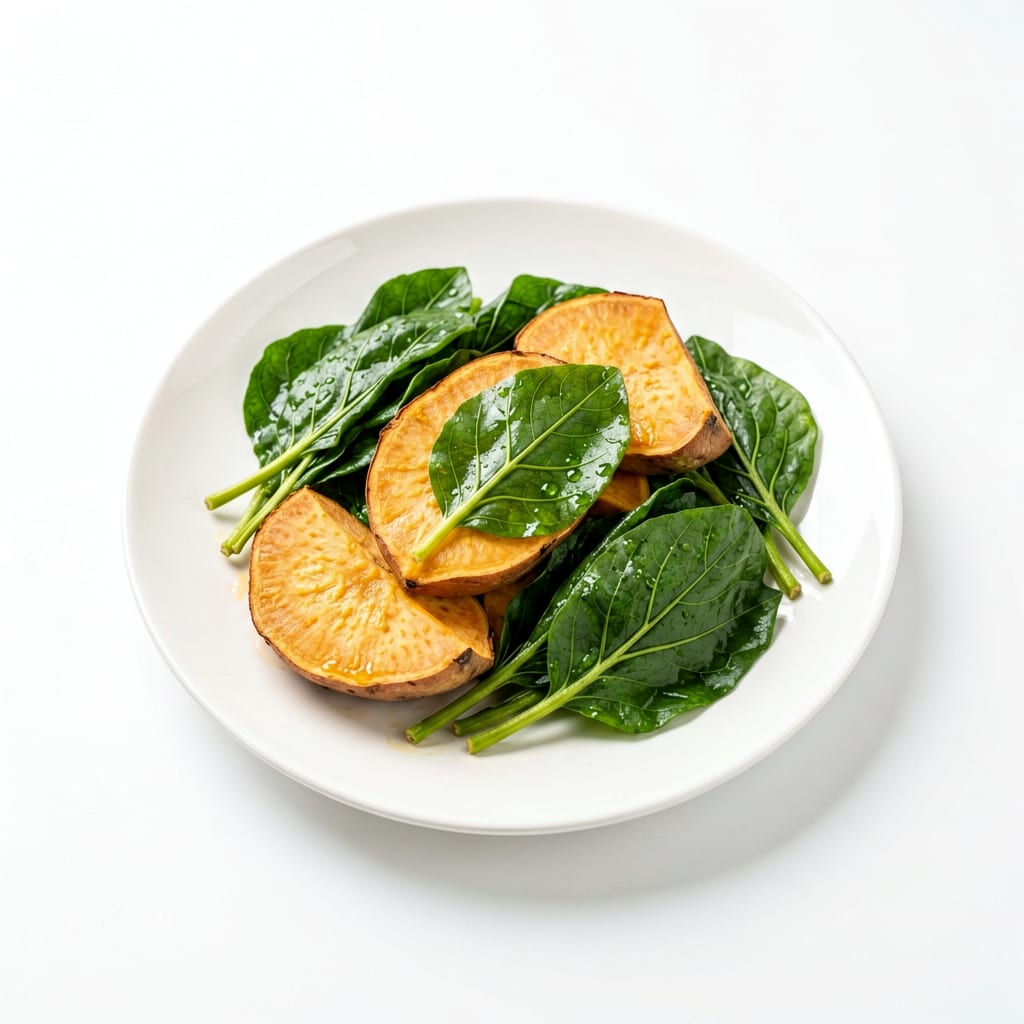
Sweet Potato Leaves
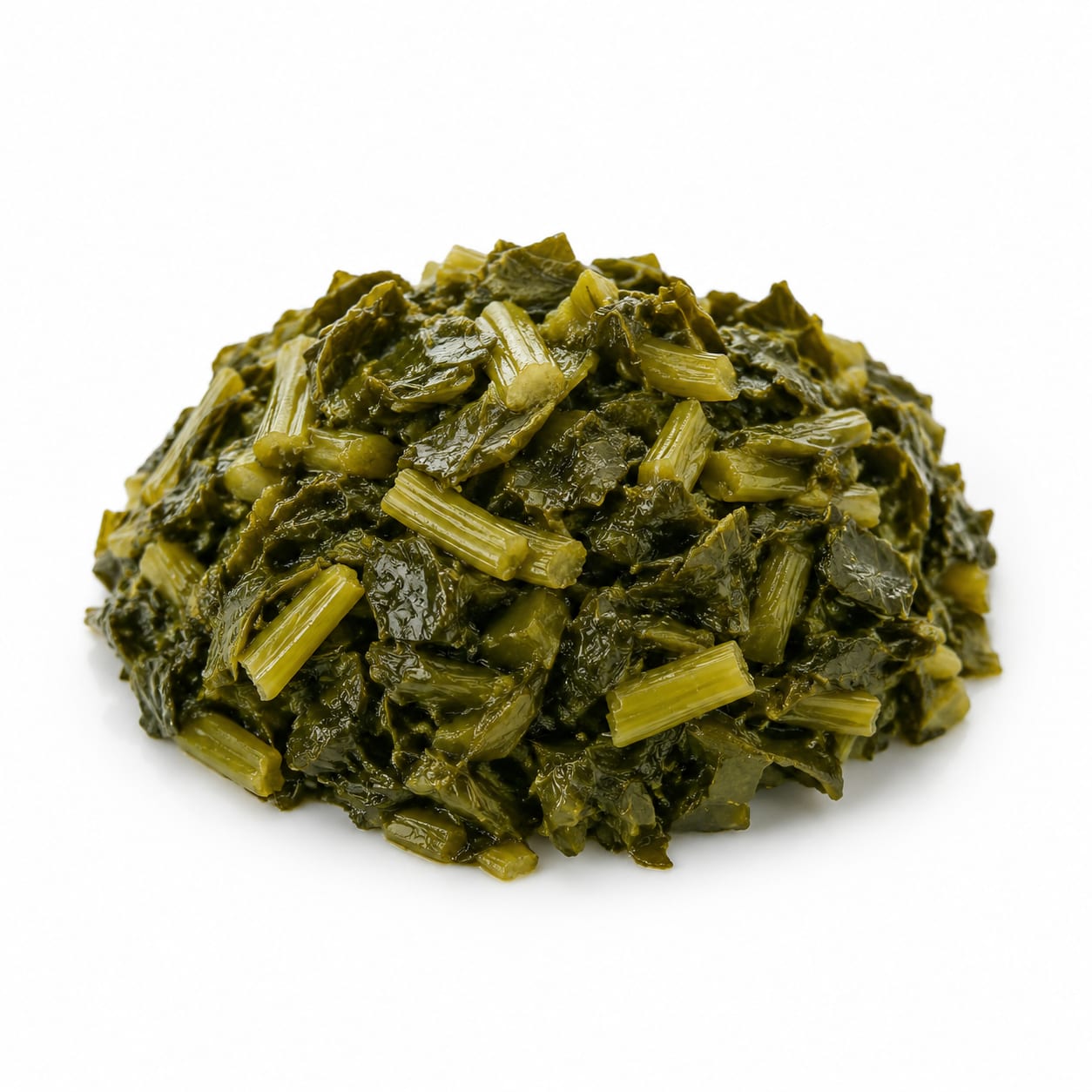
Mustard Greens
Sweet potato leaves win for eye health and gentle digestion; mustard greens win for cancer-fighting glucosinolates and vitamin K density.
Nearly identical overall scores reflect that both are elite leafy greens. Sweet potato leaves edge ahead slightly due to better digestive tolerance and lutein content, while mustard greens offer unique cruciferous benefits that close the gap.
You choose between sweet potato leaves' lutein-rich, stomach-friendly profile and mustard greens' cruciferous cancer-fighting power with stronger flavor.
At a glance
Executive summary
Overall
It depends
Healthier
It depends
More practical
Mustard Greens
Daily use
Sweet Potato Leaves
Key comparison lenses
nutrient density comparison between leafy greens
Both are powerhouse greens but with distinctly different micronutrient profiles and phytochemical strengths
digestive tolerance and oxalate concerns
Mustard greens contain notable oxalates while sweet potato leaves are gentler on the stomach and kidneys
cancer-fighting compound comparison
Mustard greens deliver glucosinolates unique to cruciferous vegetables; sweet potato leaves lack these entirely
eye health and vision protection
Sweet potato leaves are exceptionally rich in lutein and zeaxanthin, surpassing most leafy greens
flavor versatility and culinary adaptability
Sweet potato leaves are mild and versatile; mustard greens bring bold peppery heat that limits pairing options
Best choice for
Sweet Potato Leaves
- People concerned about eye health and macular degeneration
- Those with sensitive digestion or kidney stone history
- Anyone seeking a mild-flavored green for everyday meals
- People who want a low-oxalate nutrient-dense green
- Families introducing leafy greens to picky eaters
Mustard Greens
- People prioritizing cancer-fighting cruciferous compounds
- Anyone needing maximum vitamin K intake
- Those who enjoy bold peppery flavors in cooking
- People following detox-focused nutrition protocols
- Anyone seeking folate-rich greens for pregnancy support
Least suitable for
Sweet Potato Leaves
- People specifically seeking glucosinolate benefits
- Those wanting a strong flavorful green for bold dishes
- Anyone who cannot find sweet potato leaves locally
Mustard Greens
- People with kidney stone risk or oxalate sensitivity
- Those on blood thinners who must limit vitamin K
- Anyone who dislikes bitter or peppery flavors
- People with thyroid concerns about cruciferous goitrogens
Deep comparison
Dimension by dimension
Each lens scores both foods and breaks down who each option suits.
- Dimension 1 · Priority 95Mustard Greens
Vitamin and Mineral Density
Sweet Potato Leaves · 82Mustard Greens · 90Mustard greens pack more vitamin K, folate, and manganese per serving. Sweet potato leaves hold their own with impressive vitamin A and iron.
Tradeoff
Mustard greens deliver higher peaks in key vitamins but sweet potato leaves offer a more balanced spread without oxalate interference that can block mineral absorption.
Why it matters
Higher vitamin K supports bone density and blood clotting. Folate is critical for cell repair and pregnancy. The oxalate in mustard greens can reduce how much calcium and iron your body actually absorbs.
Real-world impact
A single serving of mustard greens covers over 500% of your vitamin K needs. Sweet potato leaves cover roughly 100-150% but let your body absorb more of the minerals present.
Sweet Potato Leaves
- Iron absorption due to lower oxalate interference
- Balanced micronutrient spread without absorption blockers
Better for
- Lower total vitamin K per serving
- Less folate compared to mustard greens
Worse for
Mustard Greens
- Vitamin K density for bone and blood health
- Folate intake for prenatal and cellular health
- Manganese for metabolism and antioxidant defense
Better for
- Oxalates reduce calcium and iron bioavailability
- Very high vitamin K requires caution with blood thinners
Worse for
- Dimension 2 · Priority 85Sweet Potato Leaves
Eye Health and Vision Protection
Sweet Potato Leaves · 95Mustard Greens · 70Sweet potato leaves are among the top dietary sources of lutein and zeaxanthin, the two carotenoids most strongly linked to macular degeneration prevention.
Tradeoff
Mustard greens provide vitamin A and some lutein, but sweet potato leaves deliver lutein at levels rivaling kale and spinach without the oxalate baggage.
Why it matters
Lutein and zeaxanthin accumulate in your retina and filter harmful blue light. Most people get far too little of these from their diet.
Real-world impact
Regularly eating sweet potato leaves is like wearing internal sunglasses for your retina. Over years, this can meaningfully slow age-related vision decline.
Sweet Potato Leaves
- Lutein content for macular degeneration defense
- Zeaxanthin for retinal blue light filtering
- Long-term vision preservation strategy
Better for
- Less beta-carotene than mustard greens
Worse for
Mustard Greens
- Beta-carotene for general vitamin A and night vision support
Better for
- Significantly less lutein and zeaxanthin
- No special advantage for macular protection
Worse for
- Dimension 3 · Priority 88Mustard Greens
Cancer-Fighting Phytochemicals
Sweet Potato Leaves · 65Mustard Greens · 92Mustard greens contain glucosinolates that convert to sulforaphane and other compounds with strong anti-cancer evidence. Sweet potato leaves have polyphenols but lack this cruciferous advantage.
Tradeoff
The glucosinolate benefit is unique to cruciferous vegetables like mustard greens. No amount of sweet potato leaves can replicate this specific cancer-fighting pathway.
Why it matters
Sulforaphane activates your body's own detoxification enzymes and has been shown to inhibit tumor growth in numerous studies. This is one of the most researched anti-cancer compounds in food.
Real-world impact
Eating mustard greens a few times weekly gives you the same class of cancer-fighting compounds found in broccoli and Brussels sprouts, but often in higher concentrations.
Sweet Potato Leaves
- Polyphenols with antioxidant and anti-inflammatory effects
- Chlorogenic acid for cellular protection
Better for
- No glucosinolates or sulforaphane potential
- Less researched for direct anti-cancer mechanisms
Worse for
Mustard Greens
- Glucosinolates converting to sulforaphane
- Cruciferous-specific detoxification enzyme activation
- Indole-3-carbinol for hormone-sensitive cancer defense
Better for
- Goitrogenic compounds may concern those with thyroid issues when consumed raw
Worse for
- Dimension 4 · Priority 82Sweet Potato Leaves
Digestive Tolerance and Kidney Safety
Sweet Potato Leaves · 90Mustard Greens · 65Sweet potato leaves are low in oxalates and gentle on the digestive system. Mustard greens contain moderate oxalates and goitrogens that require cooking to reduce.
Tradeoff
If you have kidney stone history or sensitive digestion, sweet potato leaves are clearly safer. Mustard greens need proper cooking to mitigate their oxalate and goitrogen content.
Why it matters
Oxalates bind to calcium and can form kidney stones in susceptible people. Goitrogens can interfere with thyroid function when consumed raw in large amounts.
Real-world impact
Someone prone to kidney stones can eat sweet potato leaves freely. With mustard greens, they need to boil and discard the water, which also loses some water-soluble vitamins.
Sweet Potato Leaves
- Low oxalate content safe for kidney stone formers
- Gentle on sensitive stomachs
- No goitrogen concerns for thyroid health
- Can be eaten raw or lightly cooked without risk
Better for
- Less fiber per serving than mustard greens
Worse for
Mustard Greens
- Fiber supports healthy digestion when tolerated
Better for
- Moderate oxalates require caution for kidney health
- Goitrogens need cooking to neutralize
- May cause bloating in sensitive individuals
Worse for
- Dimension 5 · Priority 70Sweet Potato Leaves
Flavor Versatility and Culinary Use
Sweet Potato Leaves · 82Mustard Greens · 68Sweet potato leaves have a mild, slightly sweet flavor that works in almost any dish. Mustard greens bring a bold peppery punch that dominates recipes.
Tradeoff
Mild flavor means sweet potato leaves blend into anything but never star. Mustard greens create signature dishes but limit what they pair with.
Why it matters
The green you actually enjoy eating regularly matters more than its nutrient profile. Flavor determines whether a health food becomes a habit or gets abandoned.
Real-world impact
Sweet potato leaves slip into smoothies, soups, and stir-fries without anyone noticing. Mustard greens announce themselves loudly and work best in dishes built around their heat.
Sweet Potato Leaves
- Mild flavor works in smoothies, soups, and stir-fries
- Easy to serve to children and picky eaters
- Pairs with any cuisine from Asian to Mediterranean
- Can be eaten raw in salads when young
Better for
- Less character for dishes where green flavor should shine
- Can feel bland if you enjoy assertive vegetables
Worse for
Mustard Greens
- Bold flavor creates distinctive signature dishes
- Essential for Southern, Indian, and Asian recipes
- Peppery heat reduces need for added spices
Better for
- Peppery bitterness limits pairing options
- Requires cooking to mellow for most palates
- Challenging for children and flavor-sensitive eaters
Worse for
- Dimension 6 · Priority 68Mustard Greens
Availability and Practical Access
Sweet Potato Leaves · 55Mustard Greens · 82Mustard greens are widely available in most grocery stores. Sweet potato leaves are harder to find outside Asian markets, specialty stores, or home gardens.
Tradeoff
The best green nutritionally means nothing if you cannot buy it. Mustard greens win on access, though sweet potato leaves are easy to grow if you have space.
Why it matters
Consistency requires convenience. A green you can grab at any supermarket beats a slightly more nutritious one that requires a special trip.
Real-world impact
Most Americans can find mustard greens at their regular grocery store year-round. Sweet potato leaves often require visiting an Asian market or growing them yourself.
Sweet Potato Leaves
- Very easy to grow at home from sweet potato cuttings
- Regrows quickly for continuous harvest
Better for
- Rare in conventional grocery stores
- May require Asian or specialty markets
- Less familiar to most Western cooks
Worse for
Mustard Greens
- Widely stocked in mainstream grocery stores
- Available year-round in most regions
- No special shopping trip required
Better for
- Less common in some international markets
Worse for
Timeline
Health impact over time
Short-term
Hours to days
Sweet Potato Leaves
- Gentle energy support from B vitamins without blood sugar spikes
- Mild digestive comfort with no bloating or gas typically
- Quick hydration from high water content
Mustard Greens
- Noticeable digestive stimulation from bitter compounds
- Possible mild bloating if eaten raw due to goitrogens and fiber
- Satiety from robust fiber content
Long-term
Months to years
Sweet Potato Leaves
- Stronger retinal protection and slower macular degeneration progression
- Lower kidney stone risk compared to high-oxalate greens
- Consistent antioxidant intake supporting cellular aging defense
- Better mineral absorption over decades due to low oxalate levels
Mustard Greens
- Enhanced detoxification enzyme activity from regular sulforaphane exposure
- Stronger bone density from exceptional vitamin K intake
- Reduced hormone-related cancer risk from indole-3-carbinol
- Potential thyroid adjustment needed if consumed raw in large quantities long-term
Risk profile
Safety & processing
Both sweet potato leaves and mustard greens are whole, unprocessed vegetables typically sold fresh. Neither carries meaningful additive concerns when purchased as raw greens.
Sweet Potato Leaves
Pesticide residue on conventionally grown leaves
mediumLeafy greens can retain pesticide residue. Washing thoroughly or choosing organic reduces this, especially since the leaves have large surface area.
Contamination from soil if eaten unwashed
lowSweet potato leaves grow close to the ground. Proper washing eliminates most soil-borne bacteria risk.
Mustard Greens
Pesticide residue on conventional mustard greens
mediumMustard greens appear on EWG's watch list for pesticide residue. Their textured leaves can trap sprays more than smooth greens.
Oxalate accumulation with heavy raw consumption
mediumEating large quantities of raw mustard greens regularly could contribute to kidney stone formation in susceptible individuals. Cooking significantly reduces oxalate content.
Goitrogenic effects from raw consumption
lowRaw mustard greens contain goitrogens that can interfere with thyroid function. Cooking neutralizes most of this concern. Only problematic if you eat large raw quantities and have existing thyroid issues.
Who wins for whom
Audience fit
Same foods, different winners depending on your goal.
children
Sweet Potato LeavesMild flavor and tender texture make sweet potato leaves far more kid-friendly. Mustard greens' peppery bitterness usually gets rejected by young palates.
daily consumption
Sweet Potato LeavesLower oxalate load, no goitrogen concerns, and milder flavor make sweet potato leaves safer and easier to eat every single day without accumulating risks.
diabetes
Sweet Potato LeavesSweet potato leaves have a gentler effect on blood sugar and contain chlorogenic acid which may improve insulin sensitivity. Their low oxalate content also means better mineral absorption that supports metabolic health.
elderly
Sweet Potato LeavesEye health protection becomes critical with age, and sweet potato leaves deliver exceptional lutein. Their gentle digestibility also suits aging digestive systems better than the tougher, oxalate-rich mustard greens.
muscle gain
It dependsNeither green is a significant protein source. Both support muscle gain indirectly through micronutrients. Sweet potato leaves offer better iron absorption; mustard greens provide more folate for cell repair.
weight loss
Mustard GreensMustard greens have slightly fewer calories per serving with more fiber, creating stronger satiety. Their bold flavor also makes meals feel more satisfying with less food.
Your move
Decision guide
Choose Sweet Potato Leaves
- You want to protect your vision as you age
- You have kidney stone history or oxalate sensitivity
- You prefer mild greens that blend into any dish
- You have thyroid concerns and want to avoid goitrogens
- You are feeding children or picky eaters
- You want a daily green you can eat without worry
Choose Mustard Greens
- Cancer prevention is your top nutritional priority
- You love bold peppery flavors in your cooking
- You need maximum vitamin K for bone health
- You are pregnant or trying to conceive and need folate
- You enjoy Southern, Indian, or Asian cooking traditions
- You want a green that makes meals feel hearty and satisfying
Either works if
- You simply want more leafy greens in your diet
- You are looking to diversify your vegetable rotation
- You want affordable nutrient-dense foods
- You are generally healthy without specific restrictions
Avoid both if
- You are on warfarin or blood thinners and must strictly control vitamin K intake without medical guidance
- You have severe oral allergy syndrome related to leafy greens
Final recommendation
Eat both if you can. Sweet potato leaves and mustard greens complement each other beautifully because their strengths are completely different. Sweet potato leaves protect your eyes and digest gently. Mustard greens fight cancer and build bones. Rotate them weekly and you get the best of both worlds without the downsides of over-relying on either one.
Practical
Consumer tips
- 1
Boil mustard greens for 3-5 minutes and discard the water to reduce oxalates by up to 50%, though you will lose some vitamin C
- 2
Sweet potato leaves cook in under 3 minutes and need no special preparation to be safe and nutritious
- 3
If you grow your own sweet potatoes, you have a free continuous supply of leaves by trimming vines regularly
- 4
Pair mustard greens with a fat source like olive oil or bacon to absorb their fat-soluble vitamins A and K
- 5
Sweet potato leaves work raw in salads when young and tender; older leaves benefit from brief cooking
- 6
If you cannot find sweet potato leaves locally, check Asian grocery stores or farmers markets in summer and fall
- 7
Freeze mustard greens after blanching if you buy in bulk; they retain most nutrients for up to 6 months