
Nutrition comparison
Sweet Potato Leaves vs Swiss Chard: Nutrition, Oxalates, and Health Benefits
Comparing Sweet Potato Leaves and Swiss Chard? Discover which leafy green is safer for kidneys, better for blood sugar, and easier to add to your meals.
Overall winner · Sweet Potato Leaves
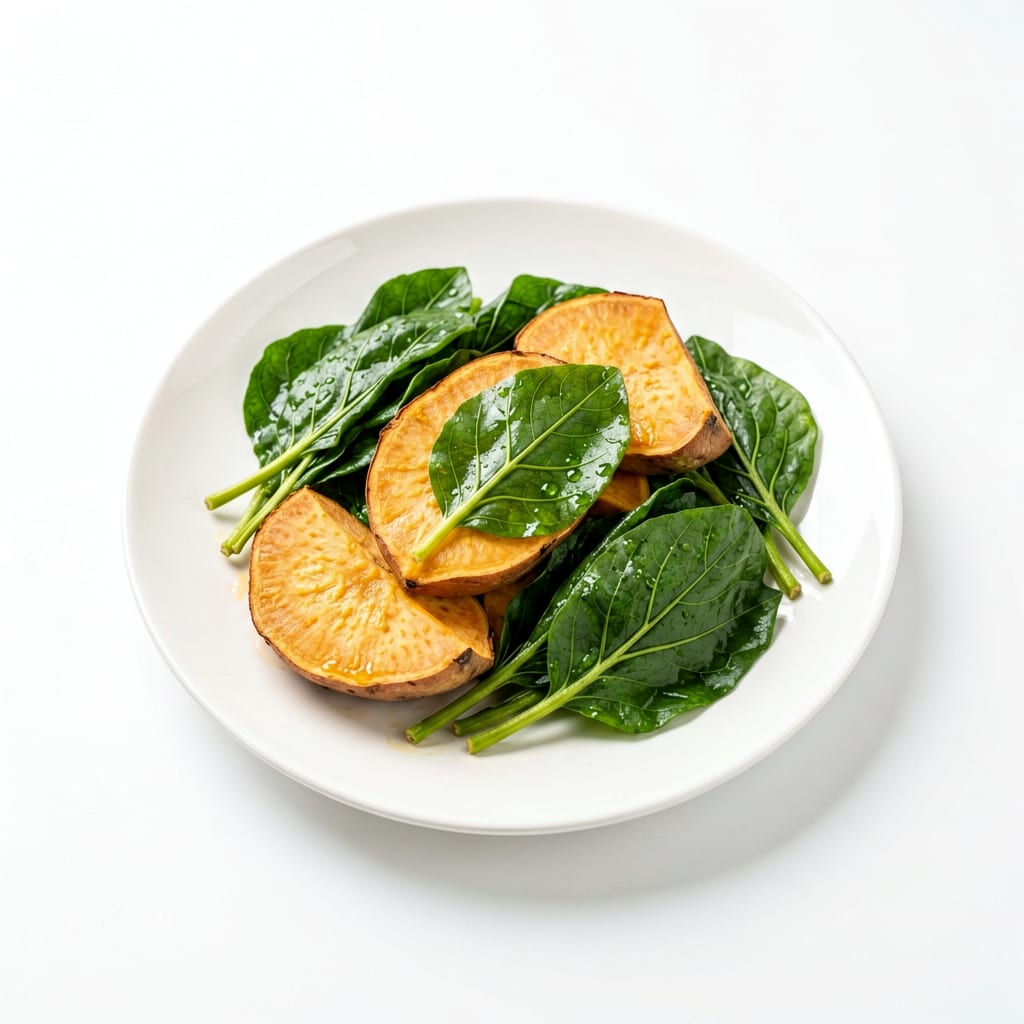
Sweet Potato Leaves
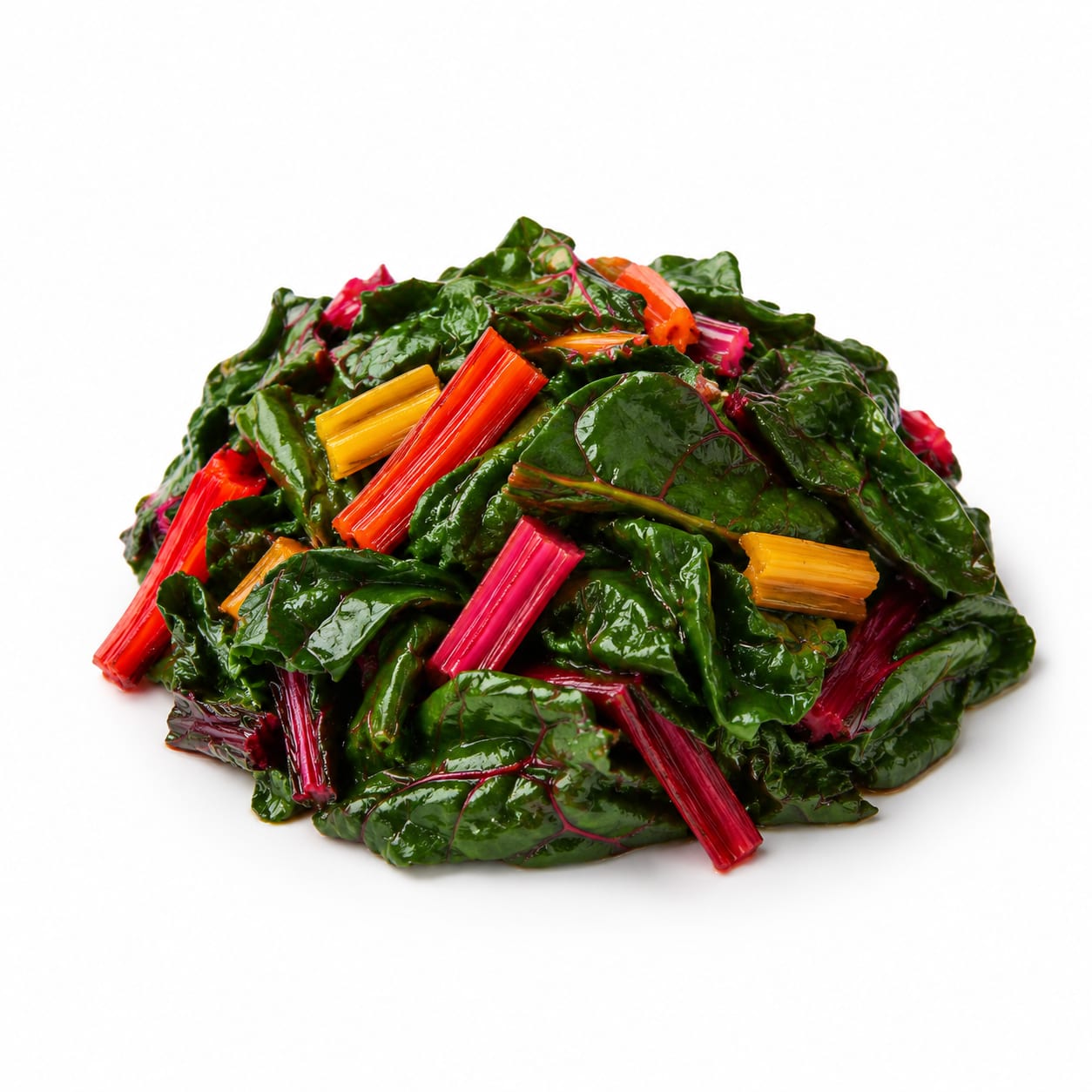
Swiss Chard
Sweet Potato Leaves edge out Swiss Chard due to lower oxalate levels and unique blood-sugar-friendly polyphenols, though Swiss Chard is far easier to find and packs more magnesium.
Sweet Potato Leaves win by a small margin primarily due to their superior safety profile for daily consumption (lower oxalates) and targeted metabolic benefits. Swiss Chard remains an elite green but carries a higher risk for kidney stone sufferers.
You trade the grocery-store convenience and mineral density of Swiss Chard for the kidney-friendly, metabolism-boosting profile of Sweet Potato Leaves.
At a glance
Executive summary
Overall
Sweet Potato Leaves
Healthier
Sweet Potato Leaves
More practical
Swiss Chard
Daily use
Sweet Potato Leaves
Key comparison lenses
Oxalate and kidney stone risk
Swiss Chard is notoriously high in oxalates, while Sweet Potato Leaves offer a similar nutrient profile with significantly lower oxalate loads, making this a crucial differentiator for daily consumption.
Blood sugar and metabolic support
Sweet Potato Leaves contain unique polyphenols that mimic insulin, giving them a distinct edge for metabolic health compared to standard leafy greens.
Nutrient density and mineral content
Both are powerhouse greens, but Swiss Chard delivers higher magnesium and potassium, which are vital for muscle and nerve function.
Accessibility and culinary use
Swiss Chard is a grocery store staple, whereas Sweet Potato Leaves are often limited to specialty markets or home gardens, impacting practicality.
Best choice for
Sweet Potato Leaves
- People prone to kidney stones
- Those managing blood sugar issues
- Home gardeners looking for a dual-purpose crop
- Anyone seeking a mild-flavored cooking green
Swiss Chard
- Those needing a magnesium boost
- People wanting a widely available grocery store green
- Cooks who love colorful, edible stems
- Anyone seeking a bitter green for sautés
Least suitable for
Sweet Potato Leaves
- People without access to specialty markets or gardens
- Those looking for a raw salad green
Swiss Chard
- People with a history of calcium oxalate kidney stones
- Anyone sensitive to high-oxalate foods
- Those who dislike bitter flavors unless cooked down
Deep comparison
Dimension by dimension
Each lens scores both foods and breaks down who each option suits.
- Dimension 1 · Priority 95Sweet Potato Leaves
Oxalate Load & Kidney Safety
Sweet Potato Leaves · 90Swiss Chard · 40Sweet Potato Leaves are moderate in oxalates, while Swiss Chard is extremely high, posing a real risk for kidney stones if eaten regularly.
Tradeoff
Swiss Chard offers incredible nutrition, but its high oxalate content can bind to calcium and form stones, forcing you to boil it heavily to reduce the risk.
Why it matters
If you have ever passed a kidney stone, this is the most important difference between these two greens.
Real-world impact
Eating Swiss Chard raw or lightly sautéed regularly could trigger kidney stones in susceptible people, whereas Sweet Potato Leaves are much safer for everyday cooking.
Sweet Potato Leaves
- Kidney health
- Daily worry-free consumption
- Easier digestion for sensitive stomachs
Better for
Swiss Chard
- Kidney stone risk
- Nutrient loss from required boiling
- Thyroid interference if consumed raw in large amounts
Worse for
- Dimension 2 · Priority 88Sweet Potato Leaves
Blood Sugar & Metabolic Support
Sweet Potato Leaves · 92Swiss Chard · 78Sweet Potato Leaves contain specific polyphenols that help lower blood sugar, giving them a unique metabolic advantage.
Tradeoff
Swiss Chard is great for general health, but Sweet Potato Leaves actively work to stabilize blood sugar after meals.
Why it matters
For anyone tracking glucose or managing insulin resistance, choosing greens that actively help metabolism is a smart, effortless upgrade.
Real-world impact
Adding Sweet Potato Leaves to a carb-heavy meal can help blunt the blood sugar spike, making post-meal energy feel steadier.
Sweet Potato Leaves
- Insulin sensitivity
- Post-meal blood sugar control
- Steady afternoon energy
Better for
Swiss Chard
- Lacks targeted blood sugar lowering compounds
Worse for
- Dimension 3 · Priority 85Swiss Chard
Mineral Density
Sweet Potato Leaves · 75Swiss Chard · 92Swiss Chard is a mineral powerhouse, delivering exceptional amounts of magnesium and potassium.
Tradeoff
You get more muscle-calming magnesium from Swiss Chard, but you have to manage the high oxalate tradeoff to absorb those minerals effectively.
Why it matters
Magnesium is essential for sleep, muscle recovery, and stress management, and many people fall short in their diets.
Real-world impact
A serving of Swiss Chard can help with muscle cramps and sleep quality, provided you prepare it correctly to unlock those minerals.
Sweet Potato Leaves
- Lower magnesium content
Worse for
Swiss Chard
- Muscle recovery
- Sleep support
- Blood pressure regulation
Better for
- Dimension 4 · Priority 80Swiss Chard
Accessibility & Culinary Practicality
Sweet Potato Leaves · 50Swiss Chard · 90Swiss Chard is available in nearly every supermarket, while Sweet Potato Leaves are often a specialty item.
Tradeoff
You can grab Swiss Chard anywhere and use its colorful stems in cooking, but Sweet Potato Leaves usually require a farmers market trip or home gardening.
Why it matters
The healthiest food is the one you can actually find and cook regularly without hassle.
Real-world impact
If you are meal planning on a busy Tuesday, Swiss Chard is an easy grab. Sweet Potato Leaves require more foresight or a green thumb.
Sweet Potato Leaves
- Hard to find commercially
- Often sold out or unavailable
Worse for
Swiss Chard
- Easy grocery access
- Versatile stems and leaves
- Longer shelf life in stores
Better for
Timeline
Health impact over time
Short-term
Hours to days
Sweet Potato Leaves
- Gentle on the stomach when cooked
- Helps prevent a blood sugar crash after eating
- Mild flavor makes it easy to eat in large quantities
Swiss Chard
- Can cause a gritty mouthfeel if eaten raw due to oxalate crystals
- Very hydrating due to high water content
- Bitter flavor might require more seasoning or fat to make palatable
Long-term
Months to years
Sweet Potato Leaves
- Supports kidney health due to moderate oxalate levels
- May improve long-term insulin sensitivity
- Provides sustained antioxidant protection for cellular health
Swiss Chard
- Excellent for bone density and blood clotting via vitamin K
- High oxalates could contribute to kidney stones if overconsumed
- Supports cardiovascular health through potassium and magnesium
Risk profile
Safety & processing
Both Sweet Potato Leaves and Swiss Chard are whole, natural foods sold fresh. Neither carries concerns about artificial additives, making them equally clean choices.
Sweet Potato Leaves
Pesticide residue
mediumLeafy greens can hold pesticides; washing thoroughly is essential, especially if not organic.
Swiss Chard
Calcium oxalate kidney stones
highSwiss Chard is extremely high in oxalates. Regular consumption without boiling can significantly increase kidney stone risk in prone individuals.
Goitrogenic compounds
lowRaw Swiss Chard contains goitrogens that can interfere with thyroid function, though cooking largely neutralizes this.
Who wins for whom
Audience fit
Same foods, different winners depending on your goal.
children
Sweet Potato LeavesSweet Potato Leaves have a milder, sweeter flavor and lack the high oxalates that make raw Swiss Chard a poor choice for kids.
daily consumption
Sweet Potato LeavesThe lower oxalate content of Sweet Potato Leaves makes them safer to eat every day without worrying about mineral binding or kidney stones.
diabetes
Sweet Potato LeavesSweet Potato Leaves have unique polyphenols that actively help lower blood sugar, offering a distinct metabolic advantage.
elderly
Sweet Potato LeavesOlder adults are more susceptible to kidney stones, making the lower-oxalate Sweet Potato Leaves a safer long-term choice.
muscle gain
Swiss ChardSwiss Chard provides more magnesium, which is crucial for muscle contraction, recovery, and preventing cramps.
weight loss
It dependsBoth are incredibly low in calories and high in fiber, making them equally excellent for filling up without overeating.
Your move
Decision guide
Choose Sweet Potato Leaves
- You have a history of kidney stones or want to avoid them
- You are focused on managing blood sugar or insulin resistance
- You grow your own sweet potatoes and want to use the whole plant
- You prefer a milder, sweeter green that picks up flavors easily
Choose Swiss Chard
- You need an easy-to-find green at your local supermarket
- You want a boost of magnesium for sleep or muscle recovery
- You enjoy bitter greens and the satisfying crunch of colorful stems
- You have no oxalate concerns and want a versatile cooking staple
Either works if
- You just need a nutrient-dense leafy green for a soup or stew
- You are trying to eat more greens in general and will cook them
- You want to boost your daily vitamin K intake
Avoid both if
- You are on blood thinners like Warfarin and cannot maintain consistent vitamin K intake
- You have a severe allergy to either plant family
Final recommendation
If you can find them, Sweet Potato Leaves are the smarter daily green due to their kidney-friendly oxalate levels and blood sugar benefits. However, Swiss Chard remains a fantastic, accessible choice as long as you boil it to reduce oxalates and enjoy it in moderation.
Practical
Consumer tips
- 1
If you buy Swiss Chard, boil it for a few minutes and drain the water to remove a significant portion of the oxalates before eating.
- 2
Sweet Potato Leaves cook down quickly like spinach; try sautéing them with garlic and olive oil for a simple, healthy side.
- 3
If you grow sweet potatoes, you have a free supply of Sweet Potato Leaves—just harvest sparingly so the roots keep growing.
- 4
Pair either green with a healthy fat like olive oil or avocado to absorb the fat-soluble vitamins (A and K) more effectively.