
Nutrition comparison
Sweet Potato Leaves vs Beet Greens: Which Leafy Green Is Healthier?
Compare Sweet Potato Leaves and Beet Greens side by side. Learn which is safer for kidneys, better for blood pressure, and best for daily use with expert nutritional analysis.
Overall winner · Sweet Potato Leaves
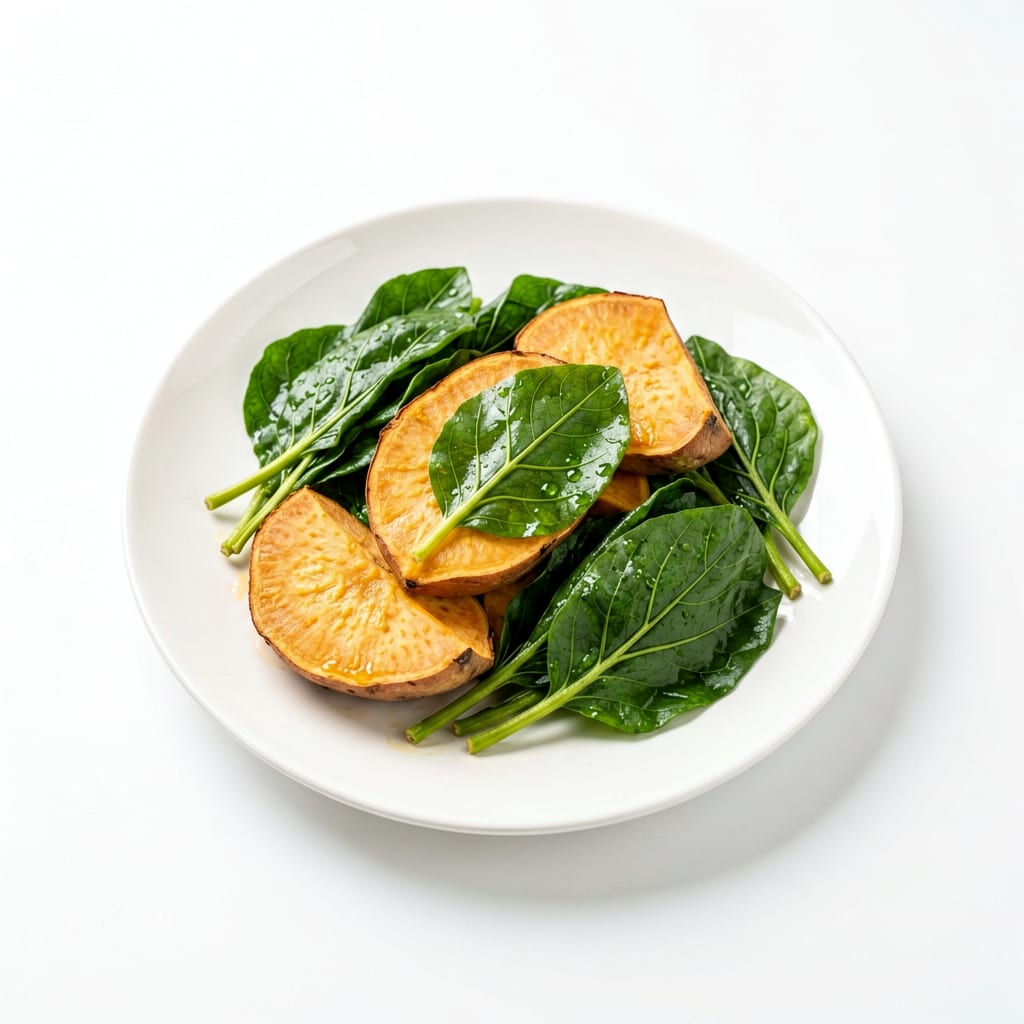
Sweet Potato Leaves
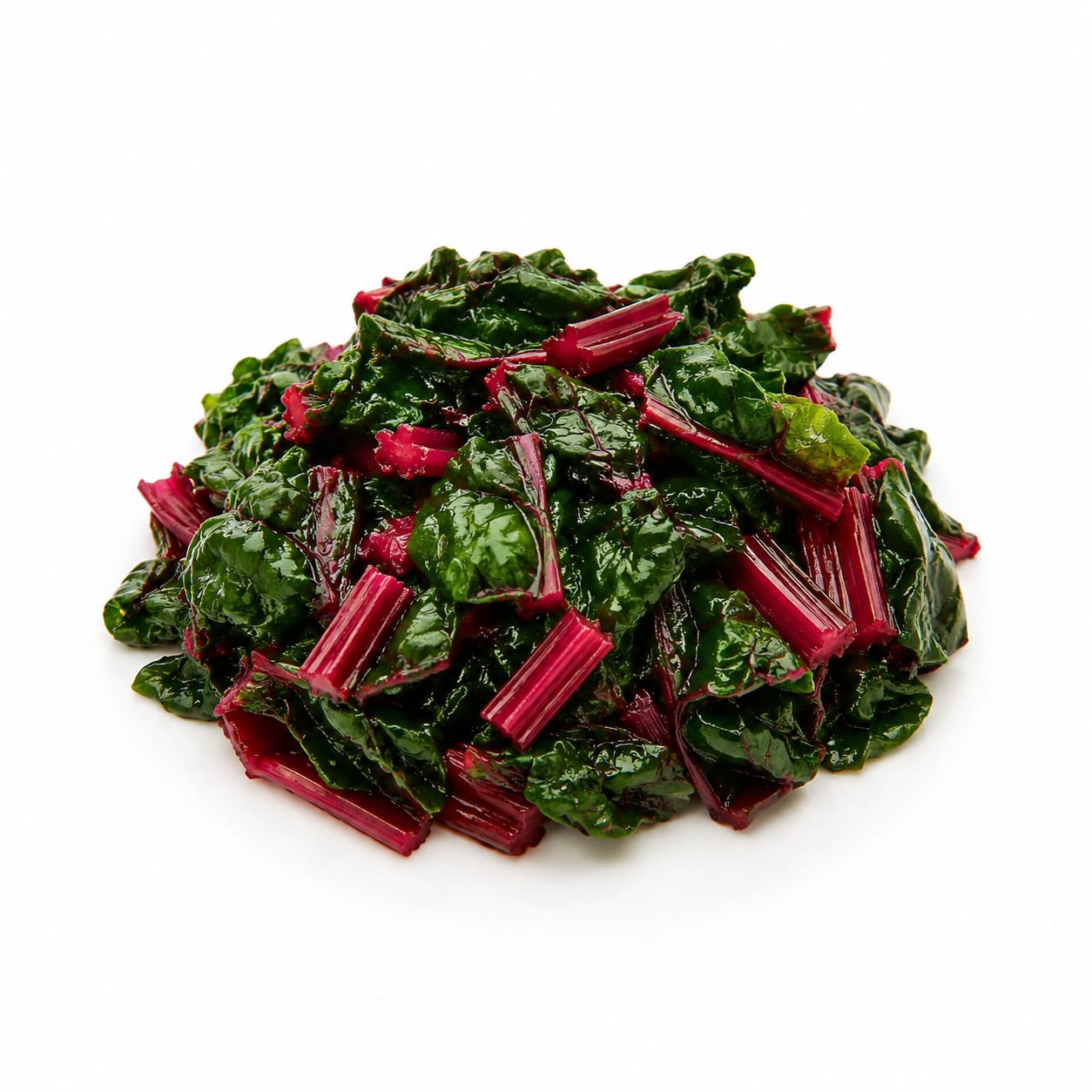
Beet Greens
Sweet Potato Leaves edge out Beet Greens thanks to lower oxalate risk, superior eye-health nutrients, and a milder flavor, though Beet Greens win for blood pressure support.
Sweet Potato Leaves score higher primarily due to lower oxalate content, broader antioxidant coverage, and better long-term safety for daily consumption. Beet Greens remain excellent but their high oxalate load is a meaningful drawback that narrows their suitable audience.
Sweet Potato Leaves are safer for daily long-term use and eye health, while Beet Greens offer unique cardiovascular benefits but carry a real kidney stone risk for susceptible people.
At a glance
Executive summary
Overall
Sweet Potato Leaves
Healthier
Sweet Potato Leaves
More practical
Beet Greens
Daily use
Sweet Potato Leaves
Key comparison lenses
nutrient density comparison
Both are powerhouse leafy greens, so users want to know which delivers more nutrition per bite
oxalate and kidney stone risk
Beet Greens are notably high in oxalates while Sweet Potato Leaves are much lower, a critical safety differentiator
blood pressure and cardiovascular benefit
Beet Greens contain dietary nitrates that actively lower blood pressure, a unique advantage worth highlighting
eye health and antioxidant profile
Sweet Potato Leaves are exceptionally rich in lutein and beta-carotene, making eye health a key comparison point
availability and practical use
Sweet Potato Leaves can be harder to find in Western grocery stores, affecting real-world usability
Best choice for
Sweet Potato Leaves
- People prone to kidney stones
- Anyone focused on eye health and vision protection
- Those wanting a mild-tasting green for everyday meals
- Families introducing leafy greens to picky eaters
- People with oxalate sensitivity or gut issues
Beet Greens
- People managing high blood pressure
- Athletes seeking natural nitrate performance boosts
- Anyone who already enjoys earthy, bitter greens
- Home cooks who buy beets and want to use the whole vegetable
- Older adults needing cardiovascular support
Least suitable for
Sweet Potato Leaves
- People who cannot find them locally
- Those specifically seeking dietary nitrates for blood pressure
- Anyone wanting a readily available grocery staple
Beet Greens
- People with a history of kidney stones
- Anyone with oxalate sensitivity or interstitial cystitis
- Those who dislike bitter flavors
- People on blood thinners who need stable vitamin K intake
Deep comparison
Dimension by dimension
Each lens scores both foods and breaks down who each option suits.
- Dimension 1 · Priority 95Sweet Potato Leaves
Oxalate Load and Kidney Safety
Sweet Potato Leaves · 90Beet Greens · 35Sweet Potato Leaves contain low-to-moderate oxalates, while Beet Greens are among the highest-oxalate foods commonly eaten.
Tradeoff
Choosing Beet Greens for their nutrients means accepting a significantly higher risk of contributing to kidney stone formation in susceptible individuals.
Why it matters
Oxalates bind to calcium and can form painful kidney stones. For the roughly 1 in 10 people who will experience one, this is not a minor concern.
Real-world impact
If you have ever passed a kidney stone, Beet Greens should be an occasional treat, not a staple. Sweet Potato Leaves let you eat generous portions without that worry.
Sweet Potato Leaves
- Kidney stone formers
- Daily generous portions
- Low-oxalate diets
- People with gut absorption issues
Better for
Beet Greens
- Short-term therapeutic use for blood pressure
- Small garnish portions
Better for
- Anyone with oxalate-related conditions
- Large daily servings
- Calcium absorption concerns
Worse for
- Dimension 2 · Priority 88Beet Greens
Blood Pressure and Cardiovascular Support
Sweet Potato Leaves · 55Beet Greens · 90Beet Greens are rich in dietary nitrates, which your body converts to nitric oxide to relax and widen blood vessels.
Tradeoff
If lowering blood pressure naturally is a priority, Beet Greens deliver a pharmacologically meaningful dose of nitrates that Sweet Potato Leaves simply cannot match.
Why it matters
Nearly half of adults have elevated blood pressure. Dietary nitrates are one of the few food compounds with clinically proven blood-pressure-lowering effects.
Real-world impact
A serving of Beet Greens before exercise can improve blood flow and endurance. Over weeks, regular intake may meaningfully reduce systolic blood pressure by several points.
Sweet Potato Leaves
- General antioxidant cardiovascular protection
Better for
- Acute blood pressure support
Worse for
Beet Greens
- Hypertension management
- Athletic performance and stamina
- Post-workout recovery circulation
- Older adults with vascular stiffness
Better for
- Dimension 3 · Priority 82Sweet Potato Leaves
Eye Health and Vision Protection
Sweet Potato Leaves · 92Beet Greens · 65Sweet Potato Leaves are loaded with lutein, zeaxanthin, and beta-carotene — the three nutrients most strongly linked to protecting vision as you age.
Tradeoff
Beet Greens provide decent vitamin A, but Sweet Potato Leaves deliver a far more concentrated eye-health package.
Why it matters
Age-related macular degeneration is a leading cause of vision loss. Lutein and zeaxanthin accumulate in the retina and act like internal sunglasses.
Real-world impact
Eating Sweet Potato Leaves regularly is like putting money in a retirement account for your eyesight — the payoff comes decades later when it matters most.
Sweet Potato Leaves
- Aging adults concerned about vision
- People with family history of macular degeneration
- Anyone staring at screens all day
- Children whose eyes are still developing
Better for
Beet Greens
- General vitamin A support
Better for
- Targeted macular degeneration prevention
Worse for
- Dimension 4 · Priority 85Sweet Potato Leaves
Overall Nutrient Density
Sweet Potato Leaves · 88Beet Greens · 83Both greens are nutritional powerhouses, but Sweet Potato Leaves offer a slightly broader spectrum of vitamins and unique antioxidants.
Tradeoff
Beet Greens have more vitamin K and potassium, while Sweet Potato Leaves provide more B vitamins, lutein, and diverse polyphenols.
Why it matters
Nutrient density determines how much health value you get per calorie. Both excel here, so the difference is at the margins.
Real-world impact
Either green eaten regularly will dramatically outperform iceberg lettuce or even spinach. The real win is eating either one consistently.
Sweet Potato Leaves
- B vitamin coverage
- Antioxidant diversity
- Polyphenol content
Better for
- Vitamin K per serving
Worse for
Beet Greens
- Vitamin K concentration
- Potassium intake
- Dietary nitrate intake
Better for
- Breadth of antioxidant types
Worse for
- Dimension 5 · Priority 72Sweet Potato Leaves
Taste and Culinary Versatility
Sweet Potato Leaves · 78Beet Greens · 62Sweet Potato Leaves have a mild, slightly sweet flavor that works in soups, stir-fries, and salads. Beet Greens are distinctly earthy and bitter.
Tradeoff
Beet Greens pair beautifully with rich, fatty foods that balance their bitterness, but they are harder to enjoy on their own or in simple preparations.
Why it matters
The healthiest green only works if you actually eat it. Flavor and ease of use determine real-world compliance.
Real-world impact
Sweet Potato Leaves can be slipped into dishes without anyone noticing. Beet Greens announce themselves and require more culinary skill to make appealing.
Sweet Potato Leaves
- Picky eaters and children
- Simple weeknight cooking
- Blending into smoothies or soups
- Raw salad use when young and tender
Better for
Beet Greens
- Mediterranean and rustic recipes
- Pairing with olive oil and garlic
- Adding depth to hearty stews
Better for
- Quick simple preparations
- Smoothies
- People sensitive to bitter flavors
Worse for
- Dimension 6 · Priority 68Beet Greens
Availability and Food Waste Reduction
Sweet Potato Leaves · 40Beet Greens · 80Beet Greens are widely available in Western grocery stores and often attached to beets you already buy. Sweet Potato Leaves require specialty markets or home growing.
Tradeoff
Choosing Beet Greens is practical and reduces food waste when you buy whole beets. Sweet Potato Leaves may require effort to source.
Why it matters
The best nutrition plan is one you can actually execute. Availability often trumps marginal nutrient advantages.
Real-world impact
If you buy beets with the greens attached, you already have Beet Greens — using them is free and zero-waste. Sweet Potato Leaves might mean a trip to an Asian market or ordering seeds.
Sweet Potato Leaves
- Home gardeners in warm climates
- Access to Asian or African markets
Better for
- Impulse meal planning
- Quick grocery runs
- Cold climate home gardeners
Worse for
Beet Greens
- Mainstream grocery shoppers
- Zero-waste cooking enthusiasts
- Budget-conscious cooks
- Rural areas with limited specialty access
Better for
Timeline
Health impact over time
Short-term
Hours to days
Sweet Potato Leaves
- Steady energy without blood sugar spikes due to fiber content
- Gentle digestive support from soluble fiber
- Mild anti-inflammatory effect from polyphenols
- Quick hydration support from high water content
Beet Greens
- Noticeable blood pressure dip within hours of eating due to nitrates
- Improved exercise endurance if eaten before activity
- Possible stomach upset in oxalate-sensitive individuals
- Earthy aftertaste that may linger
Long-term
Months to years
Sweet Potato Leaves
- Stronger vision protection against age-related decline
- Lower kidney stone risk compared to high-oxalate greens
- Consistent antioxidant intake supporting cellular repair
- Better long-term compliance due to mild flavor and versatility
Beet Greens
- Measurable cardiovascular benefit from sustained nitrate intake
- Potential kidney stone accumulation risk with frequent large servings
- Excellent bone support from very high vitamin K
- Iron stores may improve due to good iron content paired with vitamin C
Risk profile
Safety & processing
Both Sweet Potato Leaves and Beet Greens are whole, unprocessed foods typically sold fresh. Neither carries meaningful additive concerns. The main difference is that Beet Greens are more often found attached to conventionally grown beets, which may carry more pesticide residue, while Sweet Potato Leaves are frequently sourced from smaller or home-grown operations.
Sweet Potato Leaves
Pesticide residue on conventionally grown leaves
lowSweet Potato Leaves are often grown on smaller farms with less intensive spraying, but always wash thoroughly. Organic is preferable when available.
Potential confusion with ornamental sweet potato vine
mediumSome ornamental sweet potato vines sold at garden centers are not grown for food and may be treated with non-food-safe chemicals. Only eat leaves from varieties explicitly grown as food crops.
Beet Greens
High oxalate content contributing to kidney stones
highBeet Greens contain hundreds of milligrams of oxalates per serving. For people with a history of calcium oxalate stones, this is a clinically significant risk that warrants medical guidance.
Beeturia causing harmless but alarming red urine
lowAbout 10-15% of people pass red or pink urine after eating beets or beet greens. This is harmless but can cause unnecessary anxiety if unexpected.
Vitamin K interference with blood thinners
mediumBeet Greens are extremely high in vitamin K, which can counteract anticoagulant medications like warfarin. Consistent intake patterns matter more than avoiding the food entirely, but consult your doctor.
Who wins for whom
Audience fit
Same foods, different winners depending on your goal.
children
Sweet Potato LeavesThe mild, slightly sweet flavor of Sweet Potato Leaves is far more kid-friendly than the bitter earthiness of Beet Greens, and lower oxalates are safer for small developing bodies.
daily consumption
Sweet Potato LeavesLower oxalate content, milder flavor, and broader nutrient coverage make Sweet Potato Leaves the safer and more sustainable daily staple.
diabetes
Sweet Potato LeavesSweet Potato Leaves have a milder effect on blood sugar stability and can be eaten in larger quantities, while Beet Greens are also fine but their oxalate load limits portion sizes for some people.
elderly
It dependsSweet Potato Leaves protect aging eyes and are safer for kidneys, but Beet Greens support cardiovascular health and bone density — both top concerns for older adults. Choose based on individual health priorities.
muscle gain
It dependsNeither green is a significant protein source. Beet Greens offer a slight edge for workout performance via nitrates, while Sweet Potato Leaves provide B vitamins that support energy metabolism.
weight loss
Sweet Potato LeavesBoth are extremely low calorie, but Sweet Potato Leaves are easier to eat in larger volumes without oxalate concerns, making them a better high-volume, low-calorie staple.
Your move
Decision guide
Choose Sweet Potato Leaves
- You have a history of kidney stones or oxalate sensitivity
- Eye health and vision protection are top priorities for you
- You want a mild green that works in almost any dish
- You are feeding children or picky eaters
- You can access them through an Asian market, African market, or home garden
Choose Beet Greens
- You are actively managing high blood pressure
- You want a natural performance boost for endurance exercise
- You already buy whole beets and want to stop throwing away the greens
- You enjoy bitter, earthy flavors and cook with olive oil and garlic regularly
- You have no kidney stone risk and want maximum vitamin K and potassium
Either works if
- You simply want more leafy greens in your life and both are available
- You rotate your greens weekly for nutrient diversity
- You are generally healthy with no specific oxalate or blood pressure concerns
Avoid both if
- You are on strict blood thinner protocols and have not consulted your doctor about vitamin K intake
- You have severe oxalate restrictions — in which case avoid Beet Greens entirely and limit Sweet Potato Leaves to moderate portions
Final recommendation
Make Sweet Potato Leaves your everyday green if you can find them — they are safer for long-term daily use, incredibly nutrient-dense, and versatile in the kitchen. Keep Beet Greens in rotation for their unique blood pressure and performance benefits, but treat them more like a therapeutic specialty: powerful in the right dose, not ideal as your sole daily green. The best approach is rotating both, letting each one fill what the other lacks.
Practical
Consumer tips
- 1
If you buy beets with greens attached, use the greens within two days — they wilt faster than the roots
- 2
Sweet Potato Leaves can be grown at home from store-bought sweet potatoes; just suspend a tuber in water and plant the sprouts
- 3
Boiling Beet Greens and discarding the water can reduce oxalate content by 30-87%, making them significantly safer for stone-formers
- 4
Pair either green with a healthy fat like olive oil to absorb fat-soluble vitamins A and K more effectively
- 5
If you cannot find Sweet Potato Leaves locally, check frozen sections of Asian grocery stores — they are often stocked there
- 6
Start with small portions of Beet Greens if you have never tried them, to assess how your digestive system handles the oxalates
- 7
Sweet Potato Leaves cook down dramatically like spinach — buy more volume than you think you need