
Nutrition comparison
Sweet Potato Leaves vs Spinach: Which Green Is Healthier?
Compare sweet potato leaves vs spinach for nutrition, oxalates, and health benefits. Find out which leafy green is safer for kidney stones and better for daily use.
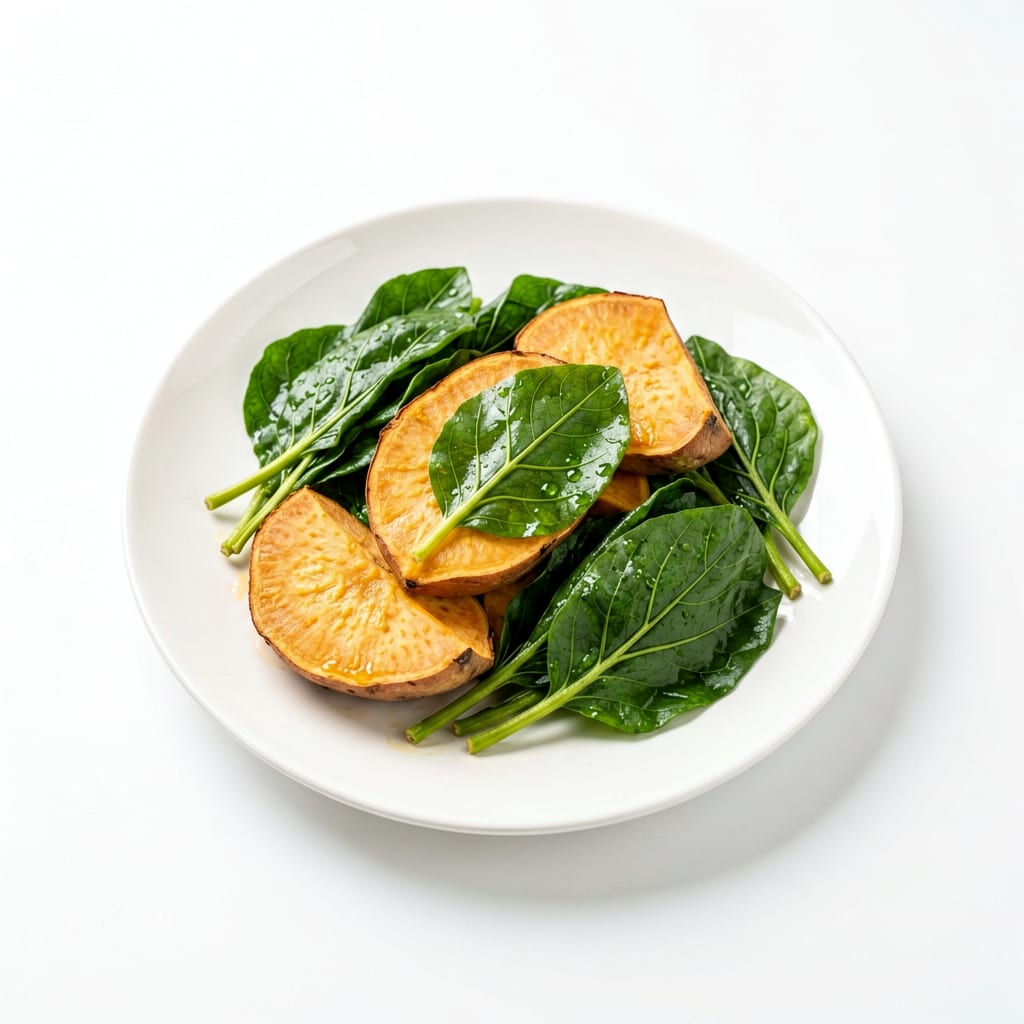
Sweet Potato Leaves
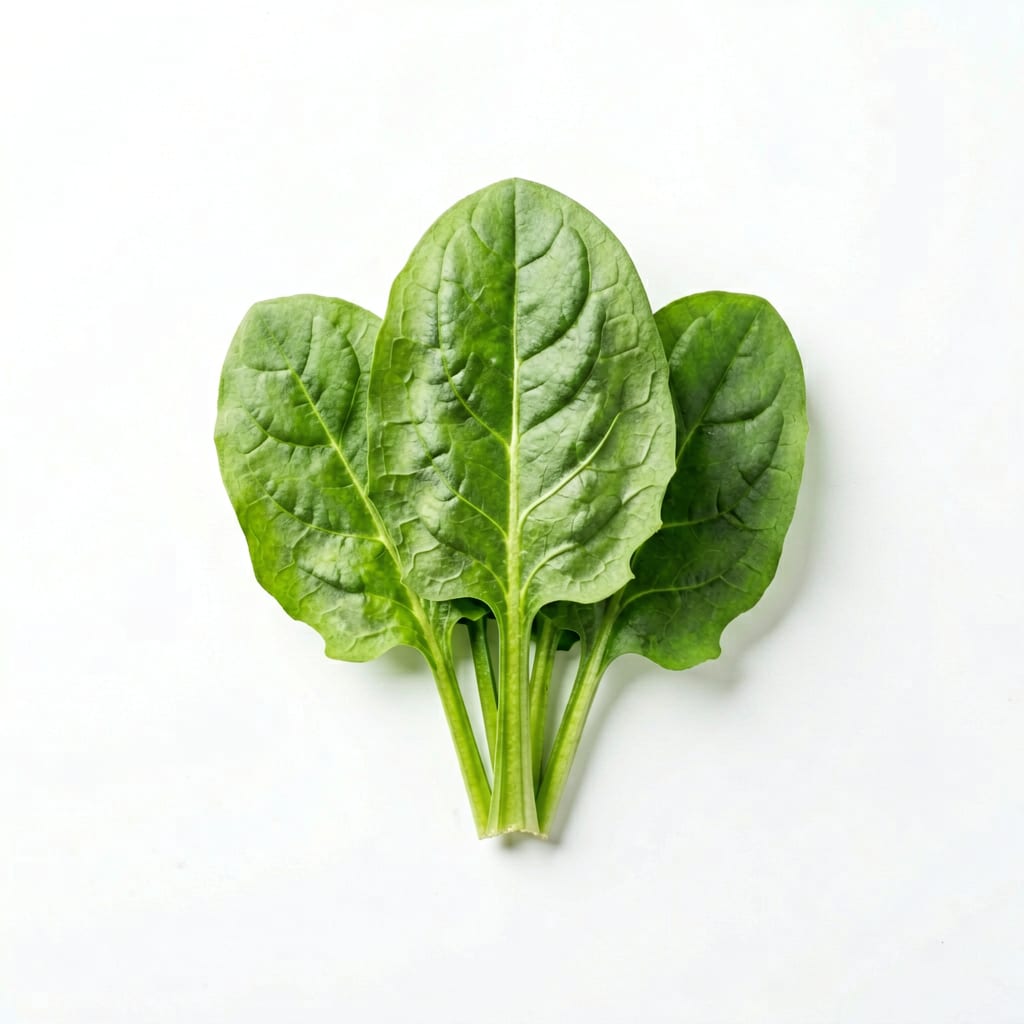
Spinach
Spinach offers more iron and folate, but sweet potato leaves deliver similar green-power with far fewer oxalates, making them easier on your kidneys.
Sweet potato leaves edge ahead slightly for daily long-term use due to lower oxalates, but spinach's superior iron and folate keep it highly competitive. The best choice depends heavily on your specific health concerns.
Spinach brings superior iron and folate but packs high oxalates; sweet potato leaves are gentler on the kidneys and rich in B vitamins but harder to find.
At a glance
Executive summary
Overall
It depends
Healthier
It depends
More practical
Spinach
Daily use
Sweet Potato Leaves
Key comparison lenses
Oxalate and Kidney Stone Risk
Spinach is notoriously high in oxalates, while sweet potato leaves offer similar greens nutrition with significantly lower oxalate levels.
Nutrient Density Tradeoffs
Both are superfoods, but spinach leads in iron and folate, while sweet potato leaves offer more B vitamins and manganese.
Culinary Versatility and Availability
Spinach is easy to find and eat raw or cooked; sweet potato leaves are often restricted to specialty markets and usually require cooking.
Best choice for
Sweet Potato Leaves
- People prone to kidney stones
- Those watching oxalate intake
- Anyone seeking B-vitamin rich greens like sweet potato leaves
Spinach
- Those needing an iron boost
- Pregnant women needing folate
- People who want easy-to-find salad greens like spinach
Least suitable for
Sweet Potato Leaves
- Those wanting raw salad greens
- People without access to specialty markets for sweet potato leaves
Spinach
- People with a history of kidney stones
- Those sensitive to high oxalate levels in spinach
Deep comparison
Dimension by dimension
Each lens scores both foods and breaks down who each option suits.
- Dimension 1 · Priority 95Sweet Potato Leaves
Oxalate Load & Kidney Health
Sweet Potato Leaves · 90Spinach · 40Sweet potato leaves are dramatically lower in oxalates than spinach, making them much safer for regular consumption if you worry about kidney stones.
Tradeoff
You sacrifice some of spinach's iron bioavailability but gain peace of mind regarding calcium absorption and kidney health.
Why it matters
High oxalates can bind to minerals and contribute to kidney stones, a painful and recurring issue for many people.
Real-world impact
If you've ever passed a kidney stone, swapping spinach for sweet potato leaves in your smoothies or stir-fries is a smart, low-risk move.
Sweet Potato Leaves
- Kidney stone prevention
- Better calcium absorption
Better for
Spinach
- Kidney stone risk from high oxalates in spinach
- Mineral absorption hindered by spinach oxalates
Worse for
- Dimension 2 · Priority 90Spinach
Vitamin & Mineral Profile
Sweet Potato Leaves · 82Spinach · 90Spinach is a powerhouse of iron and folate, while sweet potato leaves shine with vitamin B6 and manganese.
Tradeoff
Spinach gives you more blood-building iron, but its oxalates block some of that absorption; sweet potato leaves give you less iron but more usable B vitamins.
Why it matters
Iron and folate are critical for energy and blood health, especially for women, while B6 supports brain function and metabolism.
Real-world impact
If you're feeling fatigued or anemic, spinach is the classic go-to, but pair it with vitamin C to overcome the oxalate barrier.
Sweet Potato Leaves
- Brain and metabolism support via B6 in sweet potato leaves
- Antioxidant defense via manganese in sweet potato leaves
Better for
- Lower total iron and folate than spinach
Worse for
Spinach
- Blood health and energy via iron and folate in spinach
- Prenatal nutrition support in spinach
Better for
- Mineral absorption hindered by spinach oxalates
Worse for
- Dimension 3 · Priority 80Spinach
Culinary Versatility & Availability
Sweet Potato Leaves · 55Spinach · 92Spinach is available everywhere and can be eaten raw or cooked, while sweet potato leaves usually require cooking and a trip to a specialty market.
Tradeoff
Spinach is effortless to add to any meal, whereas sweet potato leaves take more effort to source and prepare properly.
Why it matters
Convenience heavily dictates what you actually eat day-to-day. A green you can easily buy and toss in a salad wins on practicality.
Real-world impact
You can grab a bag of spinach at any grocery store for a quick salad; sweet potato leaves might require an Asian or African market visit and a quick sauté.
Sweet Potato Leaves
- Hearty stir-fries and stews with sweet potato leaves
Better for
- Raw salads
- Quick convenience
Worse for
Spinach
- Smoothies with spinach
- Raw salads with spinach
- Quick side dishes with spinach
Better for
- Dishes where a heartier green is preferred over spinach
Worse for
- Dimension 4 · Priority 75It depends
Antioxidant Content
Sweet Potato Leaves · 88Spinach · 88Both greens are loaded with antioxidants, particularly lutein and zeaxanthin, which protect your eyes from aging.
Tradeoff
It's a tie; both offer incredible cellular defense, just with slightly different antioxidant profiles.
Why it matters
Antioxidants fight off daily cellular damage from stress, pollution, and aging, keeping your skin and eyes healthier longer.
Real-world impact
Eating either sweet potato leaves or spinach regularly helps protect your vision and keeps your skin glowing, so you can't go wrong here.
Sweet Potato Leaves
- Eye health via lutein in sweet potato leaves
- Vitamin C for skin in sweet potato leaves
Better for
Spinach
- Eye health via lutein in spinach
- Anti-inflammatory flavonoids in spinach
Better for
Timeline
Health impact over time
Short-term
Hours to days
Sweet Potato Leaves
- Gentle on the digestive system
- Provides steady, jitter-free energy from B vitamins in sweet potato leaves
Spinach
- Quick boost in iron and hydration
- Can cause stomach discomfort in oxalate-sensitive individuals eating spinach
Long-term
Months to years
Sweet Potato Leaves
- Lower risk of kidney stones with regular consumption of sweet potato leaves
- Sustained brain and metabolic health from B6
Spinach
- Excellent support for blood health and prenatal needs from spinach
- Increased risk of kidney stones if spinach is consumed in large quantities daily
Risk profile
Safety & processing
Both sweet potato leaves and spinach are whole, natural foods with minimal processing when bought fresh or frozen.
Sweet Potato Leaves
Pesticide residue on sweet potato leaves
mediumAs a leafy green, sweet potato leaves can carry pesticide residue; washing thoroughly is essential, especially if not organic.
Spinach
High oxalate accumulation from spinach
highRegular, large consumption of raw spinach can lead to oxalate buildup, increasing kidney stone risk.
Pesticide residue on spinach
highSpinach consistently ranks high on the EWG's Dirty Dozen list for pesticide residue; buying organic is highly recommended.
Who wins for whom
Audience fit
Same foods, different winners depending on your goal.
children
SpinachSpinach is easier to blend into smoothies or sneak into sauces for picky eaters, though it should be cooked to reduce oxalates for kids.
daily consumption
Sweet Potato LeavesBecause sweet potato leaves are lower in oxalates, they are safer to eat every day without risking mineral depletion or kidney stones.
diabetes
Sweet Potato LeavesSweet potato leaves have a slightly better impact on blood sugar stability and lack the oxalate concerns that can complicate overall metabolic health.
elderly
Sweet Potato LeavesOlder adults are more prone to kidney stones and need better calcium absorption, making lower-oxalate sweet potato leaves a safer daily choice.
muscle gain
SpinachSpinach provides slightly more iron, which is crucial for oxygen delivery to working muscles, though both are low in protein.
weight loss
It dependsBoth are incredibly low in calories and high in fiber, making them equally great for filling up without overeating.
Your move
Decision guide
Choose Sweet Potato Leaves
- You have a history of kidney stones or are prone to them.
- You want a daily cooked green like sweet potato leaves that won't deplete your calcium.
- You are looking for a good source of vitamin B6 and manganese.
Choose Spinach
- You need a folate or iron boost from spinach, especially during pregnancy.
- You want a versatile green like spinach for raw salads and smoothies.
- You have no oxalate sensitivity and want easy grocery access to spinach.
Either works if
- You just want a nutrient-dense leafy green for a side dish.
- You are focusing on eye health and antioxidant intake.
Avoid both if
- You are on a strict vitamin K restriction due to blood-thinning medications like Warfarin.
Final recommendation
If kidney stones or mineral absorption are concerns, sweet potato leaves are your best daily green. If you need an easy-to-find iron and folate boost and tolerate oxalates well, spinach is the classic winner. Rotating both is the smartest move for nutrient diversity.
Practical
Consumer tips
- 1
If you eat spinach, squeeze lemon juice over it; the vitamin C helps your body absorb the iron despite the oxalates.
- 2
Always cook sweet potato leaves before eating to remove any mild bitterness and improve digestibility.
- 3
Buy organic spinach whenever possible, as it consistently ranks high for pesticide residue.
- 4
If you can't find fresh sweet potato leaves, check the freezer section of Asian or international grocery stores.