
Nutrition comparison
Sweet Potato Leaves vs Collard Greens: Which Is Healthier?
Compare Sweet Potato Leaves vs Collard Greens for nutrition, cooking ease, and health benefits. Discover which leafy green is better for thyroid, bones, and daily meals.
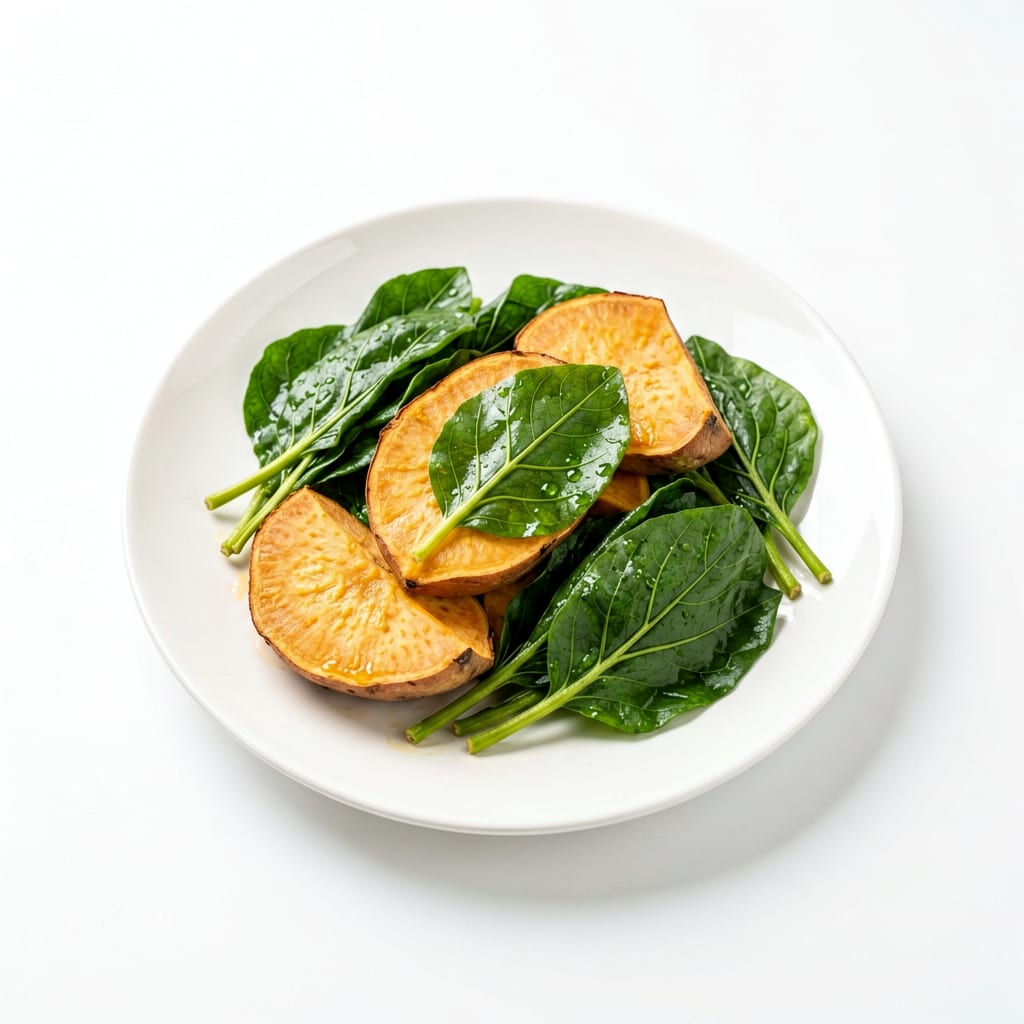
Sweet Potato Leaves
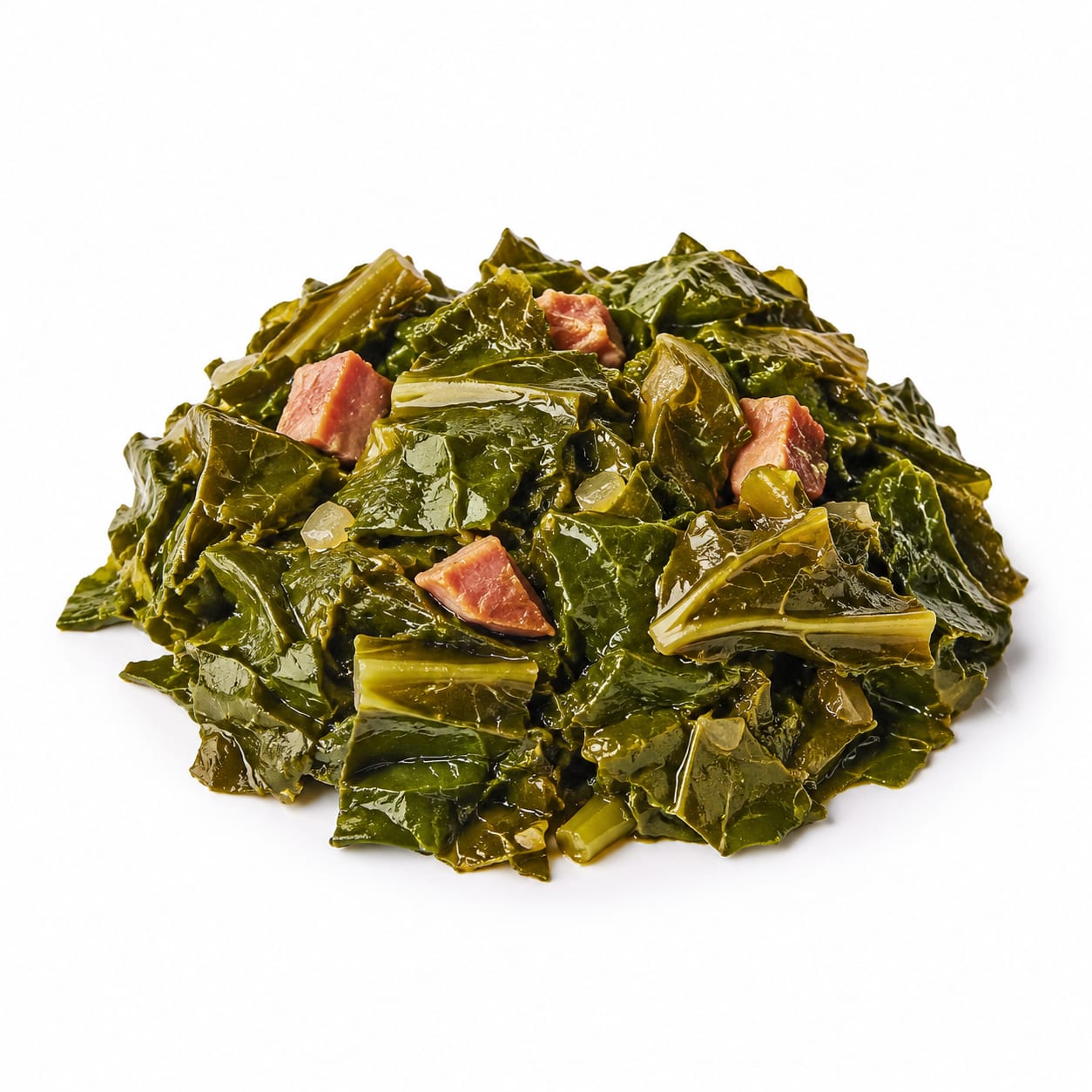
Collard Greens
Both are nutrient powerhouses, but Collard Greens edge ahead on calcium and availability, while Sweet Potato Leaves offer unique antioxidants and easier digestion.
Collard Greens score slightly higher due to superior calcium content and widespread availability, but Sweet Potato Leaves are exceptionally close in overall health value.
Collard Greens provide more bone-supporting calcium and are easier to find, but Sweet Potato Leaves cook faster and lack the goitrogens found in cruciferous vegetables.
At a glance
Executive summary
Overall
It depends
Healthier
It depends
More practical
Collard Greens
Daily use
Sweet Potato Leaves
Key comparison lenses
Nutrient density in leafy greens
Both are nutritional powerhouses, so users want to know which offers more vitamins and minerals per bite.
Cruciferous vs non-cruciferous health impacts
Collard Greens contain goitrogens and glucosinolates, while Sweet Potato Leaves do not, impacting thyroid and detox pathways differently.
Culinary convenience and cooking time
Sweet Potato Leaves cook in minutes, whereas Collard Greens require long braising, affecting weeknight meal choices.
Grocery store accessibility
Collard Greens are a supermarket staple, while Sweet Potato Leaves are often limited to specialty markets or home gardens.
Best choice for
Sweet Potato Leaves
- People with thyroid concerns wanting Sweet Potato Leaves
- Those wanting a quick-cooking green like Sweet Potato Leaves
- Anyone seeking unique polyphenol antioxidants from Sweet Potato Leaves
Collard Greens
- People prioritizing bone health and calcium from Collard Greens
- Those who prefer hearty, braised greens like Collard Greens
- Shoppers needing easy grocery store access to Collard Greens
Least suitable for
Sweet Potato Leaves
- People without access to specialty markets for Sweet Potato Leaves
- Those who dislike slightly slimy textures when Sweet Potato Leaves are overcooked
Collard Greens
- People with severe thyroid issues who must limit Collard Greens
- Those wanting a quick 5-minute side dish, as Collard Greens require longer cooking
Deep comparison
Dimension by dimension
Each lens scores both foods and breaks down who each option suits.
- Dimension 1 · Priority 95Collard Greens
Micronutrient Density
Sweet Potato Leaves · 86Collard Greens · 92Collard Greens pack a heavier punch in calcium and vitamin K, while Sweet Potato Leaves offer more iron and vitamin B.
Tradeoff
You trade a bit of bone-strengthening calcium for a slightly better iron profile.
Why it matters
Calcium is critical for bone density, making Collard Greens a top choice for osteoporosis prevention.
Real-world impact
Eating Collard Greens regularly helps hit your calcium targets without dairy, whereas Sweet Potato Leaves are better for supporting energy and blood health.
Sweet Potato Leaves
- Anemia-prone individuals needing more iron from Sweet Potato Leaves
- Those seeking B-vitamins for energy from Sweet Potato Leaves
Better for
- Those relying on greens as a primary calcium source, as Sweet Potato Leaves have less
Worse for
Collard Greens
- Dairy-free individuals needing calcium from Collard Greens
- Older adults focusing on bone density with Collard Greens
Better for
- People needing rapid iron replenishment, as Collard Greens have less
Worse for
- Dimension 2 · Priority 90It depends
Antioxidant & Disease-Fighting Compounds
Sweet Potato Leaves · 90Collard Greens · 90Sweet Potato Leaves are rich in lutein and polyphenols for eye and brain health, while Collard Greens offer glucosinolates for detox and cancer defense.
Tradeoff
It is a choice between eye-protective antioxidants and liver-detoxifying compounds.
Why it matters
Different antioxidants protect different systems, so variety is key.
Real-world impact
Sweet Potato Leaves support screen-strained eyes, while Collard Greens help the body clear environmental toxins.
Sweet Potato Leaves
- People with heavy screen time needing lutein from Sweet Potato Leaves
- Those focused on cognitive longevity with Sweet Potato Leaves
Better for
- Those specifically seeking glucosinolate benefits, which Sweet Potato Leaves lack
Worse for
Collard Greens
- People wanting liver detox support from Collard Greens
- Those focused on cellular defense against carcinogens with Collard Greens
Better for
- Those prioritizing lutein for vision health, which Collard Greens have less of
Worse for
- Dimension 3 · Priority 80Sweet Potato Leaves
Digestive Tolerance & Anti-nutrients
Sweet Potato Leaves · 88Collard Greens · 75Sweet Potato Leaves are gentler on the thyroid and digestion, whereas raw Collard Greens contain goitrogens that can interfere with thyroid function.
Tradeoff
You avoid goitrogenic compounds with Sweet Potato Leaves but miss out on the specific detox pathways triggered by cruciferous vegetables.
Why it matters
Thyroid issues are common, and cruciferous vegetables require careful cooking to minimize goitrogen exposure.
Real-world impact
If you have hypothyroidism, Sweet Potato Leaves are a safer daily green without needing to worry about thorough cooking.
Sweet Potato Leaves
- People with hypothyroidism who need a safe green like Sweet Potato Leaves
- Those prone to digestive bloating from raw greens, who tolerate Sweet Potato Leaves better
Better for
- None significant for Sweet Potato Leaves
Worse for
Collard Greens
- People with healthy thyroid function wanting detox benefits from Collard Greens
Better for
- Those with unmanaged thyroid conditions, who should limit Collard Greens
Worse for
- Dimension 4 · Priority 85Collard Greens
Practicality & Availability
Sweet Potato Leaves · 60Collard Greens · 95Collard Greens are a staple in almost every grocery store, while Sweet Potato Leaves can be hard to find outside specialty markets or home gardens.
Tradeoff
You trade grocery store convenience for a unique, home-garden-friendly green.
Why it matters
A healthy food only works if you can actually buy and eat it consistently.
Real-world impact
You can grab Collard Greens anywhere, but you might need to grow or forage Sweet Potato Leaves yourself.
Sweet Potato Leaves
- Home gardeners looking for an easy, prolific crop of Sweet Potato Leaves
- Shoppers at Asian or African international markets where Sweet Potato Leaves are sold
Better for
- Those without garden space or specialty market access to Sweet Potato Leaves
Worse for
Collard Greens
- Busy shoppers needing reliable grocery store access to Collard Greens
- People living in food deserts where only staple greens like Collard Greens are available
Better for
- None significant for Collard Greens
Worse for
- Dimension 5 · Priority 75Sweet Potato Leaves
Culinary Versatility & Cooking Ease
Sweet Potato Leaves · 88Collard Greens · 78Sweet Potato Leaves cook in minutes like spinach, while Collard Greens require longer braising to become tender.
Tradeoff
Quick weeknight cooking versus slow, comforting braises.
Why it matters
Time spent cooking determines how often you actually eat the vegetable.
Real-world impact
Sweet Potato Leaves can be tossed into a stir-fry at the last minute, while Collard Greens need a low simmer for a hearty side dish.
Sweet Potato Leaves
- Busy weeknight cooks needing fast sides like Sweet Potato Leaves
- Stir-fry enthusiasts using Sweet Potato Leaves
Better for
- Those wanting a sturdy green for long roasting, as Sweet Potato Leaves are too delicate
Worse for
Collard Greens
- Slow-cooking and braising fans making Collard Greens
- Those who enjoy meal-prepping large batches of Collard Greens
Better for
- Impatient cooks wanting a 5-minute veggie, as Collard Greens take longer
Worse for
Timeline
Health impact over time
Short-term
Hours to days
Sweet Potato Leaves
- Quick energy boost from B vitamins in Sweet Potato Leaves
- Gentle digestion without bloating from Sweet Potato Leaves
Collard Greens
- Sustained fullness from hearty fiber in Collard Greens
- Slight thyroid suppression if Collard Greens are eaten raw in large amounts
Long-term
Months to years
Sweet Potato Leaves
- Better vision protection from lutein in Sweet Potato Leaves
- Improved blood health from iron and folate in Sweet Potato Leaves
Collard Greens
- Stronger bones from high calcium and vitamin K in Collard Greens
- Lower cancer risk from glucosinolates in Collard Greens
Risk profile
Safety & processing
Both are whole, natural leafy greens typically sold fresh or frozen without additives.
Sweet Potato Leaves
Pesticide residue on Sweet Potato Leaves
mediumLeafy greens can retain pesticides; washing Sweet Potato Leaves thoroughly is essential, especially if not organic.
Oxalate content in Sweet Potato Leaves
lowSweet Potato Leaves contain moderate oxalates, which are usually not an issue unless you have a history of kidney stones.
Collard Greens
Goitrogen exposure from Collard Greens
mediumRaw Collard Greens contain goitrogens that can interfere with thyroid hormones; cooking significantly reduces this risk.
Pesticide residue on Collard Greens
highCollard Greens frequently appear on the EWG's Dirty Dozen list for high pesticide residues; opt for organic when possible.
Who wins for whom
Audience fit
Same foods, different winners depending on your goal.
children
Sweet Potato LeavesSweet Potato Leaves have a milder flavor and softer texture when cooked, making them easier for kids to eat compared to tough Collard Greens.
daily consumption
Sweet Potato LeavesSweet Potato Leaves are safer to eat daily without worrying about goitrogen buildup affecting the thyroid, unlike Collard Greens.
diabetes
Sweet Potato LeavesSweet Potato Leaves have slightly more fiber and a gentler effect on blood sugar, plus they lack the goitrogen concerns that can complicate metabolic issues.
elderly
Collard GreensCollard Greens provide exceptional calcium and vitamin K, which are critical for preventing osteoporosis in older adults.
muscle gain
It dependsNeither Sweet Potato Leaves nor Collard Greens are primary protein sources, but both provide the micronutrients needed for recovery and energy metabolism.
weight loss
It dependsBoth Sweet Potato Leaves and Collard Greens are extremely low in calories and high in fiber, making them equally excellent for volume eating.
Your move
Decision guide
Choose Sweet Potato Leaves
- You have a thyroid condition and want a safe daily green
- You want a fast-cooking, mild green like Sweet Potato Leaves
- You grow your own vegetables and want prolific Sweet Potato Leaves
- You spend long hours looking at screens and want lutein from Sweet Potato Leaves
Choose Collard Greens
- You need more calcium in your diet from Collard Greens
- You love slow-cooked Southern-style Collard Greens
- You want maximum cancer-fighting glucosinolates from Collard Greens
- You shop at a standard grocery store and need easy access to Collard Greens
Either works if
- You just want a nutrient-dense leafy green side dish
- You are trying to eat more vegetables in general
- You are focusing on heart health and fiber intake
Avoid both if
- You are on a strict vitamin K restriction due to blood thinners like Warfarin
- You have severe oxalate restrictions for kidney health
Final recommendation
For everyday ease and thyroid safety, Sweet Potato Leaves are a fantastic, underappreciated choice. For bone health and easy grocery access, Collard Greens are a classic powerhouse. Rotate both to get the widest spectrum of antioxidants.
Practical
Consumer tips
- 1
If buying Collard Greens, choose organic whenever possible due to high pesticide residues.
- 2
Cook Collard Greens thoroughly to neutralize goitrogens and improve digestibility.
- 3
Sweet Potato Leaves wilt down quickly; add them at the very end of stir-fries or soups.
- 4
If you cannot find Sweet Potato Leaves at the store, check an Asian or international market, or grow them yourself—they thrive in hot weather.
- 5
Pair either Sweet Potato Leaves or Collard Greens with a healthy fat like olive oil to absorb the fat-soluble vitamins A and K.