
Nutrition comparison
Sweet Potato Leaves vs Kale: Which Green Is Healthier?
Compare Sweet Potato Leaves vs Kale for nutrition, thyroid safety, and digestibility. Find out which leafy green is better for your health goals.
Overall winner · Sweet Potato Leaves
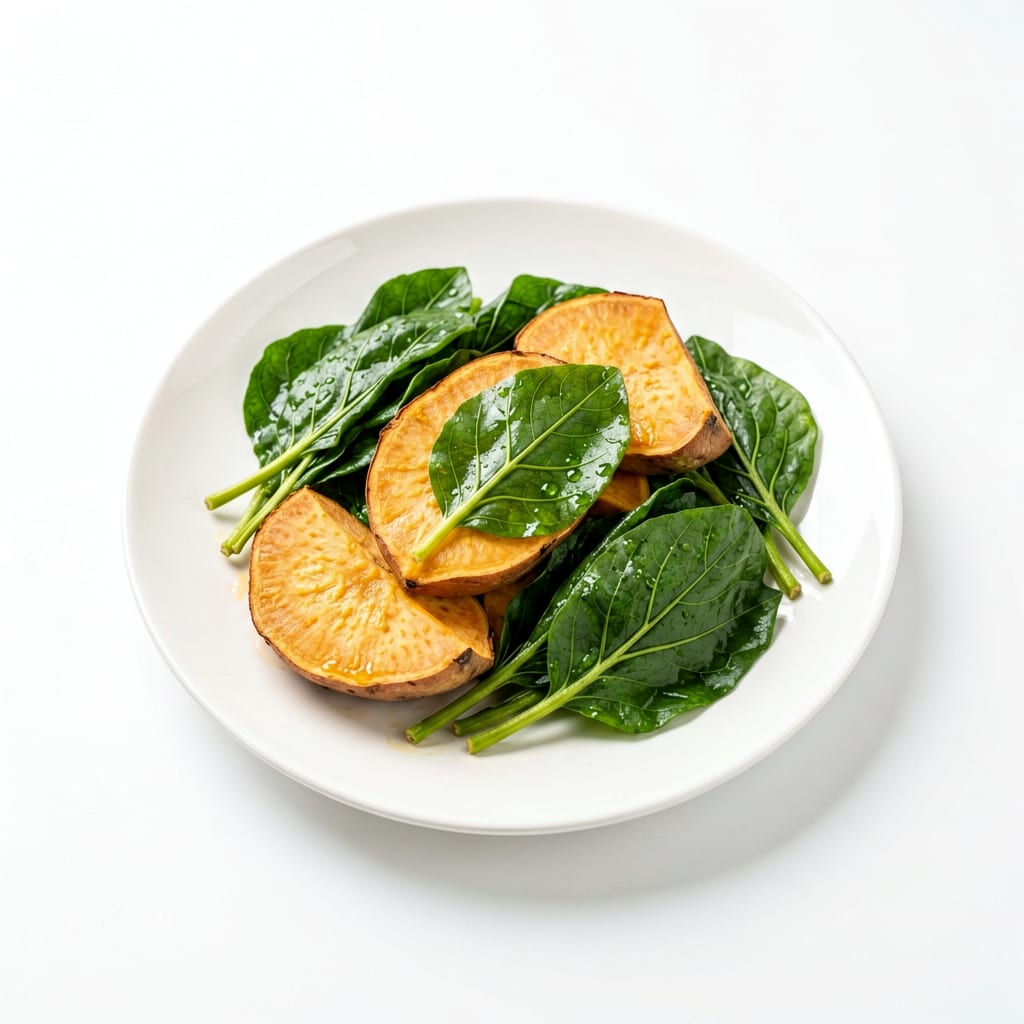
Sweet Potato Leaves
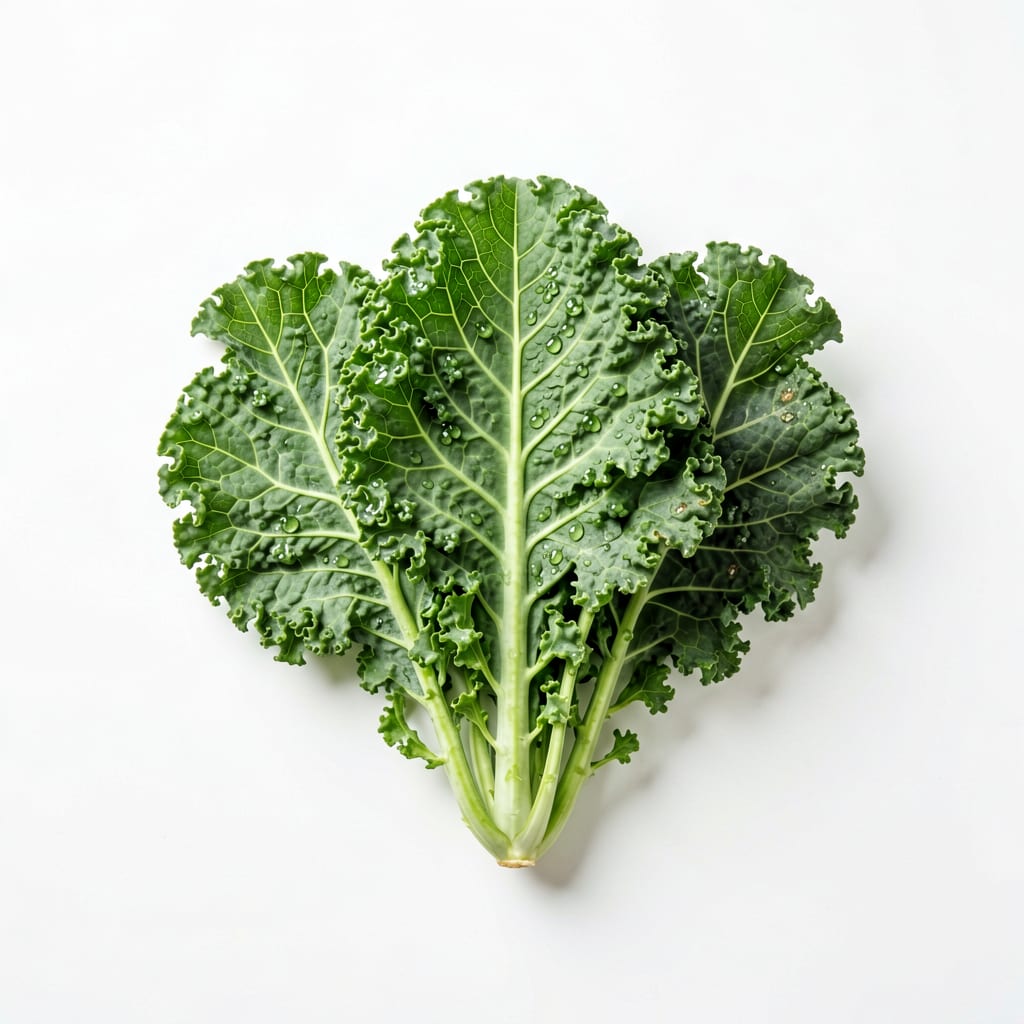
Kale
Sweet Potato Leaves edge out Kale for digestibility and thyroid safety, while Kale offers slightly higher overall nutrient density and far better availability.
Sweet Potato Leaves win on digestibility and thyroid safety, while Kale scores higher for nutrient density and availability. The close scores reflect that both are elite leafy greens, but Sweet Potato Leaves have a slight edge for sustainable, daily consumption.
Kale brings more vitamin C and widespread convenience, but Sweet Potato Leaves are gentler on your stomach and thyroid, with superior eye-health antioxidants.
At a glance
Executive summary
Overall
Sweet Potato Leaves
Healthier
It depends
More practical
Kale
Daily use
Sweet Potato Leaves
Key comparison lenses
Nutrient Density Comparison
Both are renowned superfoods, so users want to know which packs a stronger nutritional punch.
Digestive Comfort and Tolerance
Kale is infamous for causing bloating, making digestibility a key deciding factor.
Thyroid Safety
Kale contains goitrogens that affect thyroid function, a critical health concern for many.
Eye Health and Antioxidants
Sweet potato leaves are uniquely rich in vision-protecting compounds, offering a distinct advantage.
Practicality and Sourcing
Kale is a supermarket staple, while sweet potato leaves can be harder to find, impacting real-world use.
Best choice for
Sweet Potato Leaves
- People with underactive thyroid or thyroid concerns
- Those who get bloated from tough fibrous greens
- People focusing on long-term vision and eye health
- Anyone seeking a mild, comforting cooked green
Kale
- People who want a robust, crunchy raw salad base
- Those relying on supermarket convenience
- Anyone needing a massive vitamin K and C boost
- Budget-conscious shoppers looking for affordable greens
Least suitable for
Sweet Potato Leaves
- People without access to Asian or specialty markets
- Those wanting a crispy raw texture for salads
Kale
- People with hypothyroidism
- Those sensitive to bitter flavors or tough fiber
- Individuals prone to bloating from raw greens
Deep comparison
Dimension by dimension
Each lens scores both foods and breaks down who each option suits.
- Dimension 1 · Priority 90Kale
Nutrient Density
Sweet Potato Leaves · 88Kale · 95Kale packs a slightly heavier punch of vitamins C and K, while Sweet Potato Leaves counter with more folate and unique B vitamins.
Tradeoff
You get more immune-supporting vitamin C from Kale, but Sweet Potato Leaves offer better B-vitamin support for steady energy.
Why it matters
Vitamin C is crucial for immunity and skin, while B vitamins help convert food into energy without crashes.
Real-world impact
Kale might keep your immune system resilient during cold season, while Sweet Potato Leaves help maintain steady energy throughout the day.
Sweet Potato Leaves
- Energy metabolism
- Folate intake
- Pregnancy nutrition
Better for
- Raw vitamin C content
Worse for
Kale
- Immune support
- Bone health
- Blood clotting
Better for
- Balanced B-vitamin profile
Worse for
- Dimension 2 · Priority 85Sweet Potato Leaves
Digestibility & Gut Comfort
Sweet Potato Leaves · 92Kale · 68Sweet Potato Leaves are tender and mild when cooked, making them much easier to digest than tough, fibrous Kale.
Tradeoff
Kale's rugged fiber is great for scrubbing the gut, but can cause bloating, whereas Sweet Potato Leaves are comforting and light.
Why it matters
If greens leave you gassy or uncomfortable, the texture and fiber type matters more than the nutrient label.
Real-world impact
A bowl of cooked Sweet Potato Leaves feels soothing after a heavy day, while a raw Kale salad might leave you reaching for digestive relief.
Sweet Potato Leaves
- Sensitive stomachs
- Post-workout meals
- Easy evening digestion
Better for
- Raw salad applications
Worse for
Kale
- Roughage for constipation
- Crunchy salad texture
Better for
- Bloating and gas
Worse for
- Dimension 3 · Priority 75Sweet Potato Leaves
Antioxidant & Eye Health
Sweet Potato Leaves · 94Kale · 85Sweet Potato Leaves are loaded with lutein and zeaxanthin, outshining Kale in compounds specifically protective for your eyes.
Tradeoff
Kale has more quercetin for fighting inflammation, but Sweet Potato Leaves are superior for long-term vision protection.
Why it matters
Screen time makes eye-health antioxidants increasingly critical for modern lifestyles.
Real-world impact
Eating Sweet Potato Leaves regularly is like giving your eyes a protective shield against blue light and aging.
Sweet Potato Leaves
- Screen users
- Aging eyes
- Macular degeneration prevention
Better for
- Quercetin-specific benefits
Worse for
Kale
- Chronic inflammation
- Allergy support
Better for
- Targeted vision support
Worse for
- Dimension 4 · Priority 80Sweet Potato Leaves
Thyroid Safety
Sweet Potato Leaves · 95Kale · 65Sweet Potato Leaves are free of goitrogens, while raw Kale contains compounds that can interfere with thyroid function.
Tradeoff
Kale is safe when cooked, but if you eat a lot of raw greens or have thyroid issues, Sweet Potato Leaves are a worry-free choice.
Why it matters
Thyroid health regulates metabolism, energy, and mood; goitrogens can quietly undermine this if consumed in excess raw.
Real-world impact
If you have hypothyroidism, swapping raw Kale for Sweet Potato Leaves can prevent that sluggish, cold feeling.
Sweet Potato Leaves
- Hypothyroidism
- Raw green smoothies
- Worry-free daily consumption
Better for
- None significant
Worse for
Kale
- Those with hyperthyroidism
- Those who always cook their greens
Better for
- Thyroid suppression risk if raw
Worse for
- Dimension 5 · Priority 70Kale
Practicality & Availability
Sweet Potato Leaves · 55Kale · 92Kale is a supermarket staple with a long shelf life, while Sweet Potato Leaves often require a trip to a specialty market.
Tradeoff
Sweet Potato Leaves might be nutritionally superior in some ways, but Kale is significantly easier to find and store.
Why it matters
The healthiest green is the one you can actually buy and eat consistently.
Real-world impact
You can grab Kale anywhere, anytime, but finding Sweet Potato Leaves takes effort and planning.
Sweet Potato Leaves
- Home gardeners
- Access to Asian markets
Better for
- Supermarket availability
- Mainstream restaurant menus
Worse for
Kale
- One-stop shopping
- Long fridge life
- Meal prep consistency
Better for
- None significant
Worse for
Timeline
Health impact over time
Short-term
Hours to days
Sweet Potato Leaves
- Gentle on the digestive system
- Quick preparation when sautéed
- No bloating or gas
Kale
- Can cause gas or stomach discomfort if eaten raw
- High vitamin C for an immediate immune boost
- Very filling due to dense fiber
Long-term
Months to years
Sweet Potato Leaves
- Superior vision protection
- Safe for thyroid health with daily use
- Steady energy from B vitamins
Kale
- Strong bone support from massive vitamin K
- Anti-inflammatory from flavonoids
- Potential thyroid issues if overconsumed raw
Risk profile
Safety & processing
Both Sweet Potato Leaves and Kale are whole, minimally processed foods that are as natural as it gets when purchased fresh.
Sweet Potato Leaves
Pesticide residue
mediumLike all leafy greens, they can harbor pesticide residue; washing thoroughly is essential.
Oxalates
lowContains some oxalates, but cooking significantly reduces them, making them safe for most people.
Kale
Pesticide residue
highKale frequently appears on the EWG's Dirty Dozen list due to high pesticide residue; buy organic if possible.
Goitrogens
mediumRaw kale contains goitrogens that can suppress thyroid function; cooking neutralizes most of them.
Who wins for whom
Audience fit
Same foods, different winners depending on your goal.
children
Sweet Potato LeavesThe milder flavor and softer texture of cooked Sweet Potato Leaves are much easier for kids to accept than bitter, chewy Kale.
daily consumption
Sweet Potato LeavesSafe for the thyroid and gentle on the gut, making it easier to eat every single day without side effects.
diabetes
Sweet Potato LeavesSweet Potato Leaves have a milder effect on the system without the goitrogenic stress that can indirectly affect metabolic health.
elderly
Sweet Potato LeavesEasier to chew, gentler on digestion, and packed with eye-health antioxidants that aging eyes desperately need.
muscle gain
KaleKale has slightly more protein and vitamin C, which supports collagen synthesis and workout recovery.
weight loss
It dependsKale's high fiber keeps you full longer, but Sweet Potato Leaves are lower in calories and easier to digest without bloating.
Your move
Decision guide
Choose Sweet Potato Leaves
- You have thyroid concerns or take thyroid medication
- You want a mild, easy-to-digest cooked green
- Eye health is a top priority for you
- You can find them at local markets or grow your own
Choose Kale
- You need easy supermarket access and long fridge life
- You want a robust, crunchy base for raw salads
- You're looking for maximum vitamin K and C
- You have no issues digesting rough fiber
Either works if
- You just need more leafy greens in your diet
- You plan to cook them thoroughly as a side dish
- You want to rotate your greens to diversify nutrients
Avoid both if
- You are on blood thinners like Warfarin without doctor approval due to high vitamin K content
Final recommendation
If you can find them, Sweet Potato Leaves are the smarter everyday green—kinder to your gut and thyroid, with unique benefits for your eyes. Keep Kale in the rotation for its raw crunch and vitamin C, but rely on Sweet Potato Leaves for comfortable, consistent nourishment.
Practical
Consumer tips
- 1
Massage Kale with olive oil and salt to break down tough fibers if eating raw.
- 2
Cook Sweet Potato Leaves lightly like spinach; they shrink down significantly and cook in minutes.
- 3
If you have thyroid issues, always cook Kale to reduce goitrogens before eating.
- 4
Look for Sweet Potato Leaves at Asian, African, or international farmers markets.
- 5
Pair both greens with a squeeze of lemon juice to boost iron absorption.