
Nutrition comparison
Sweet Potato Leaves vs Water Spinach: Nutrition, Safety, and Which Green to Choose
Compare Sweet Potato Leaves and Water Spinach side by side. Learn which leafy green is safer, more nutritious, and better for your health goals.
Overall winner · Sweet Potato Leaves
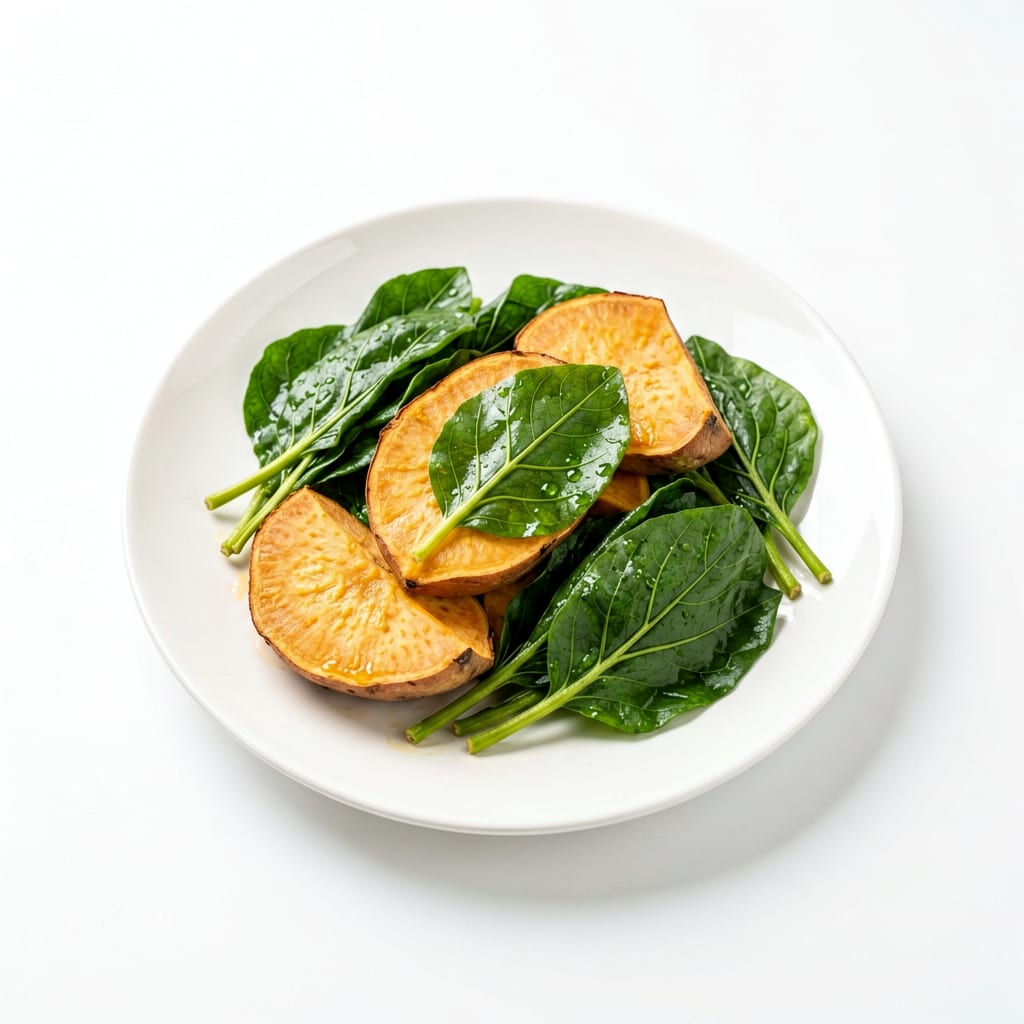
Sweet Potato Leaves
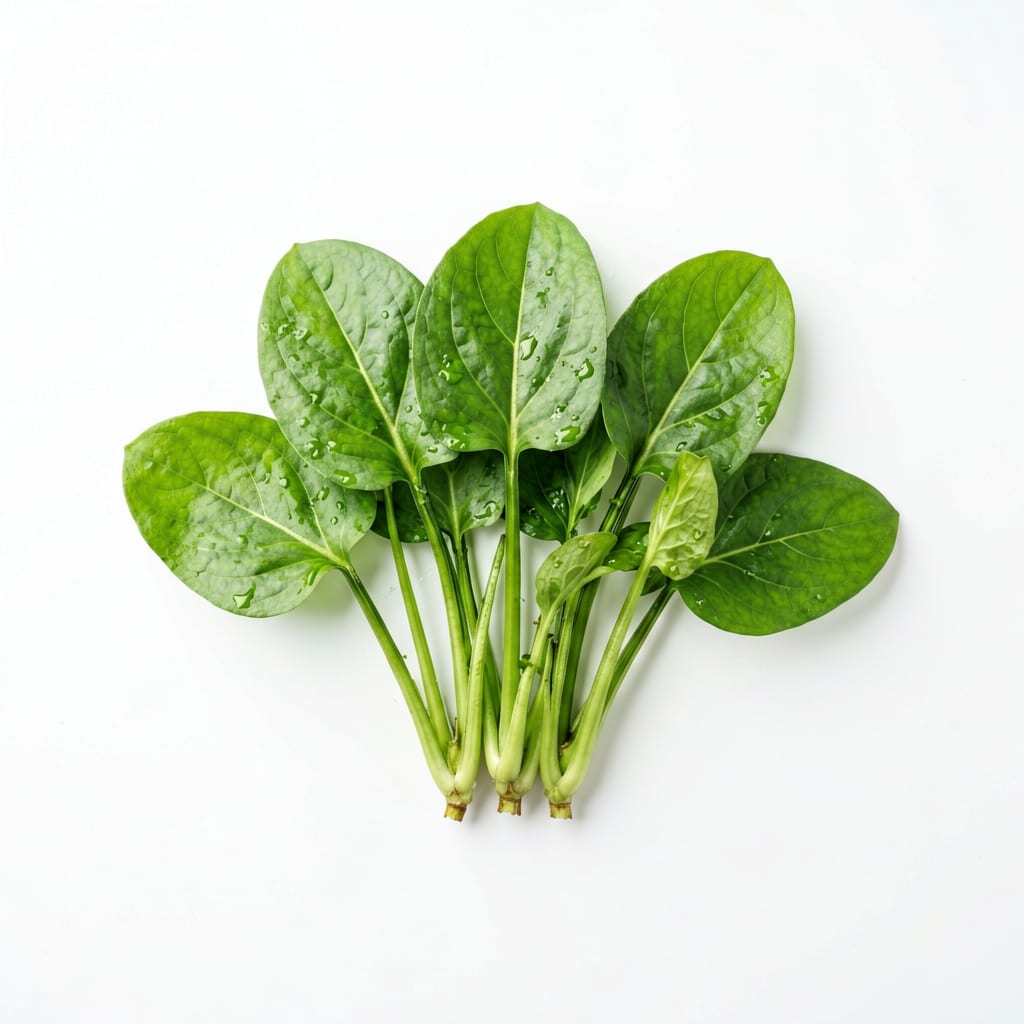
Water Spinach
Sweet Potato Leaves deliver significantly more vitamins, antioxidants, and minerals with far lower contamination risk, making them the stronger choice for most people.
Sweet Potato Leaves score notably higher due to superior nutrient density, stronger antioxidant content, and significantly lower contamination risk. Water Spinach remains a solid, affordable green but loses ground on safety and vitamin concentration.
Water Spinach is cheaper and more widely available in Asian markets, but it carries real safety concerns from waterborne contaminants that Sweet Potato Leaves avoid.
At a glance
Executive summary
Overall
Sweet Potato Leaves
Healthier
Sweet Potato Leaves
More practical
Water Spinach
Daily use
Sweet Potato Leaves
Key comparison lenses
nutrient density comparison
Both are leafy greens, so users want to know which packs more nutrition per bite
food safety and contamination
Water Spinach grows in water and carries higher contamination risk, a critical differentiator
antioxidant and anti inflammatory value
Sweet Potato Leaves are exceptionally rich in polyphenols, a standout quality worth highlighting
everyday practicality and access
Availability and preparation ease vary significantly between these greens
digestive and gut health
Both are fiber-rich greens, but their fiber profiles and digestive effects differ
Best choice for
Sweet Potato Leaves
- People prioritizing maximum nutrition per calorie
- Anyone concerned about food safety and contamination
- Those seeking strong antioxidant protection
- Families wanting a safer leafy green for children
- Individuals with iron-deficiency anemia needing plant-based iron
Water Spinach
- Budget-conscious shoppers in Southeast Asia
- Home cooks preparing traditional Asian stir-fries
- People who want a mild-flavored green that cooks down quickly
- Anyone with easy access to fresh, trusted Water Spinach sources
Least suitable for
Sweet Potato Leaves
- People who cannot find them locally or grow them at home
- Those wanting a green that wilts quickly for large-volume dishes
Water Spinach
- Pregnant women due to parasite and contamination risk
- Immunocompromised individuals who must avoid potential waterborne pathogens
- People in regions where Water Spinach is not reliably sourced or inspected
Deep comparison
Dimension by dimension
Each lens scores both foods and breaks down who each option suits.
- Dimension 1 · Priority 92Sweet Potato Leaves
Nutrient Density
Sweet Potato Leaves · 91Water Spinach · 68Sweet Potato Leaves are significantly more nutrient-dense, offering more vitamins A, C, K, B2, B6, iron, and potassium per serving.
Tradeoff
Water Spinach still provides respectable nutrition but cannot match the vitamin and mineral concentration of Sweet Potato Leaves.
Why it matters
If you eat leafy greens partly to cover micronutrient gaps, Sweet Potato Leaves do substantially more heavy lifting per plate.
Real-world impact
A single serving of Sweet Potato Leaves can cover over 100% of your vitamin A needs, while Water Spinach covers roughly half that.
Sweet Potato Leaves
- Covering vitamin A requirements efficiently
- Boosting iron intake from plant sources
- Getting more B vitamins for energy metabolism
Better for
- Harder to find in stores, so you may not eat them as often
Worse for
Water Spinach
- Adding bulk and mild flavor to dishes without overwhelming other ingredients
Better for
- You need larger portions to get the same micronutrient payoff
Worse for
- Dimension 2 · Priority 80Sweet Potato Leaves
Antioxidant Power
Sweet Potato Leaves · 93Water Spinach · 62Sweet Potato Leaves are among the most antioxidant-rich leafy greens studied, with exceptionally high polyphenol and flavonoid content.
Tradeoff
Water Spinach contains some antioxidants but at much lower concentrations, making it a weaker choice for fighting oxidative stress.
Why it matters
Diets high in polyphenols are linked to lower rates of chronic disease, better brain aging, and reduced inflammation.
Real-world impact
Regularly eating Sweet Potato Leaves can meaningfully contribute to your daily antioxidant intake in a way Water Spinach simply cannot match.
Sweet Potato Leaves
- Reducing chronic inflammation
- Supporting long-term brain health
- Protecting cells from oxidative damage
Better for
- None significant — this is a clear strength
Worse for
Water Spinach
- Still contributes some antioxidant value, just less impressively
Better for
- Relies on other foods in your diet to fill the antioxidant gap
Worse for
- Dimension 3 · Priority 88Sweet Potato Leaves
Food Safety and Contamination Risk
Sweet Potato Leaves · 90Water Spinach · 52Sweet Potato Leaves grow on dry land and carry minimal contamination risk. Water Spinach grows in waterways that may harbor parasites, heavy metals, and bacteria.
Tradeoff
Water Spinach is safe when properly sourced and thoroughly cooked, but the baseline risk is meaningfully higher.
Why it matters
Waterborne contamination is not theoretical — it is a documented concern with Water Spinach in many regions.
Real-world impact
Undercooked Water Spinach has been linked to parasitic infections in Southeast Asia. Sweet Potato Leaves carry no such documented risk.
Sweet Potato Leaves
- Pregnant women needing safe produce
- Anyone with a weakened immune system
- Families who sometimes eat greens lightly cooked
Better for
- No meaningful safety downside
Worse for
Water Spinach
- Experienced cooks who always blanch or thoroughly cook their greens
Better for
- Raw or lightly cooked preparations carry real risk
- Heavy metal accumulation possible from polluted water sources
Worse for
- Dimension 4 · Priority 75Water Spinach
Practicality and Availability
Sweet Potato Leaves · 55Water Spinach · 82Water Spinach is a staple in Asian markets, inexpensive, and easy to find. Sweet Potato Leaves are harder to source unless you grow them or visit specialty stores.
Tradeoff
The more nutritious green is harder to put on your plate regularly, while the less nutrient-dense option is conveniently available.
Why it matters
The best leafy green is the one you can actually buy and eat consistently.
Real-world impact
If you live in Southeast Asia, Water Spinach is probably at every corner market. Sweet Potato Leaves may require a garden or a specialty trip.
Sweet Potato Leaves
- Easy to grow at home if you have a sweet potato plant
- Keeps well after harvesting
Better for
- Rarely found in mainstream Western grocery stores
- May require growing your own supply
Worse for
Water Spinach
- Widely available in Asian grocery stores
- Very affordable in regions where it is common
- Cooks in minutes, making weeknight meals easy
Better for
- Quality and safety vary greatly depending on the source
Worse for
- Dimension 5 · Priority 70Sweet Potato Leaves
Digestive Health and Fiber
Sweet Potato Leaves · 79Water Spinach · 72Both greens provide solid fiber, but Sweet Potato Leaves offer slightly more per serving along with resistant starch-like compounds that feed beneficial gut bacteria.
Tradeoff
The difference is modest — both are genuinely good for digestion compared to most other foods.
Why it matters
Fiber from varied vegetable sources supports a diverse gut microbiome, and both greens contribute well here.
Real-world impact
Either green will help you meet daily fiber targets. Sweet Potato Leaves just do it a little more efficiently.
Sweet Potato Leaves
- Slightly more fiber per serving
- Contains compounds that specifically support beneficial gut bacteria
Better for
- Tougher stems may require longer cooking for some people
Worse for
Water Spinach
- Very gentle on the stomach when cooked
- Wilts down easily, making large portions manageable
Better for
- Slightly less fiber means you need bigger portions for the same gut benefit
Worse for
Timeline
Health impact over time
Short-term
Hours to days
Sweet Potato Leaves
- Provides a noticeable energy lift from B vitamins and iron
- Supports hydration and electrolyte balance due to high potassium
- Mild anti-inflammatory effect from concentrated polyphenols
Water Spinach
- Light and easy to digest, comfortable after rich meals
- Quick-cooking nature preserves some vitamin C when briefly stir-fried
- Mild diuretic effect may help with bloating
Long-term
Months to years
Sweet Potato Leaves
- Strong antioxidant intake may reduce chronic disease risk over decades
- Consistent vitamin K intake supports bone density and cardiovascular health
- Iron and folate synergy supports healthy blood long-term
Water Spinach
- Regular fiber intake supports digestive health and regularity
- Adequate vitamin A contributes to eye health over time
- Contamination risk accumulates if sourced from polluted waterways repeatedly
Risk profile
Safety & processing
Both greens are whole, minimally processed foods typically sold fresh. Neither carries meaningful additive concerns. The real difference is environmental exposure — Sweet Potato Leaves grow in soil, while Water Spinach grows in water that may carry hidden contaminants.
Sweet Potato Leaves
Pesticide residue
lowStandard washing removes most residue. Sweet Potato Leaves are not typically high-spray crops.
Oxalate content
lowModerate oxalate levels — a concern only for people with a history of calcium oxalate kidney stones.
Water Spinach
Parasitic contamination
highWater Spinach grows in stagnant or slow-moving water where Fasciolopsis buski and other parasites thrive. Thorough cooking is essential.
Heavy metal accumulation
mediumWaterways near agriculture or industry can contaminate Water Spinach with lead, cadmium, and other heavy metals.
Bacterial contamination
mediumE. coli and other waterborne bacteria are more likely on Water Spinach than on soil-grown greens.
Who wins for whom
Audience fit
Same foods, different winners depending on your goal.
children
Sweet Potato LeavesHigher vitamin A supports growing immune systems, and the safety profile is far more reassuring for young, vulnerable digestive systems.
daily consumption
Sweet Potato LeavesBetter safety profile and higher nutrient density make Sweet Potato Leaves the more reliable daily staple — if you can access them.
diabetes
Sweet Potato LeavesSweet Potato Leaves have a lower glycemic impact and more fiber, plus their polyphenols may improve insulin sensitivity over time.
elderly
Sweet Potato LeavesSuperior vitamin K and calcium support bone health, and lower contamination risk matters more for aging immune systems.
muscle gain
It dependsNeither green is a protein source. Both serve as micronutrient support for muscle-building diets, with Sweet Potato Leaves offering slightly more iron for oxygen delivery to muscles.
weight loss
Sweet Potato LeavesBoth are extremely low in calories, but Sweet Potato Leaves provide more satiating nutrients per calorie, helping you feel nourished while cutting intake.
Your move
Decision guide
Choose Sweet Potato Leaves
- You can find or grow Sweet Potato Leaves locally
- Food safety is a top priority, especially for vulnerable family members
- You want maximum nutritional return from your leafy greens
- You are focused on antioxidant intake and long-term disease prevention
- You have a history of iron deficiency and need plant-based iron sources
Choose Water Spinach
- You live in Southeast Asia with access to fresh, inspected Water Spinach
- Budget is a primary concern and Sweet Potato Leaves are unavailable
- You are preparing traditional dishes where Water Spinach is the authentic ingredient
- You always cook greens thoroughly and never eat them raw
Either works if
- You simply want a fiber-rich leafy green to round out a meal
- Both are available and you enjoy variety in your vegetable rotation
Avoid both if
- You have severe oxalate sensitivity and need to limit all high-oxalate greens
- You are on a very restricted diet that limits potassium intake
Final recommendation
Sweet Potato Leaves are the nutritionally superior and safer choice for most people. However, if Water Spinach is what you can reliably access and you always cook it thoroughly, it remains a perfectly good leafy green. The best green is the one you actually eat regularly — just be mindful of sourcing for Water Spinach.
Practical
Consumer tips
- 1
If buying Water Spinach, choose bunches from reputable suppliers and avoid any that look slimy or smell off
- 2
Always cook Water Spinach thoroughly — blanching or stir-frying at high heat reduces parasite and bacterial risk significantly
- 3
Growing Sweet Potato Leaves at home is surprisingly easy: plant a sweet potato slip in soil and harvest leaves within weeks
- 4
Wash both greens thoroughly, but give Water Spinach extra attention with multiple rinses to remove sediment and potential contaminants
- 5
If you have kidney stone concerns, cook both greens rather than eating them raw to reduce oxalate content
- 6
Sweet Potato Leaves pair beautifully with garlic and a splash of soy sauce — simple preparation that preserves nutrients