
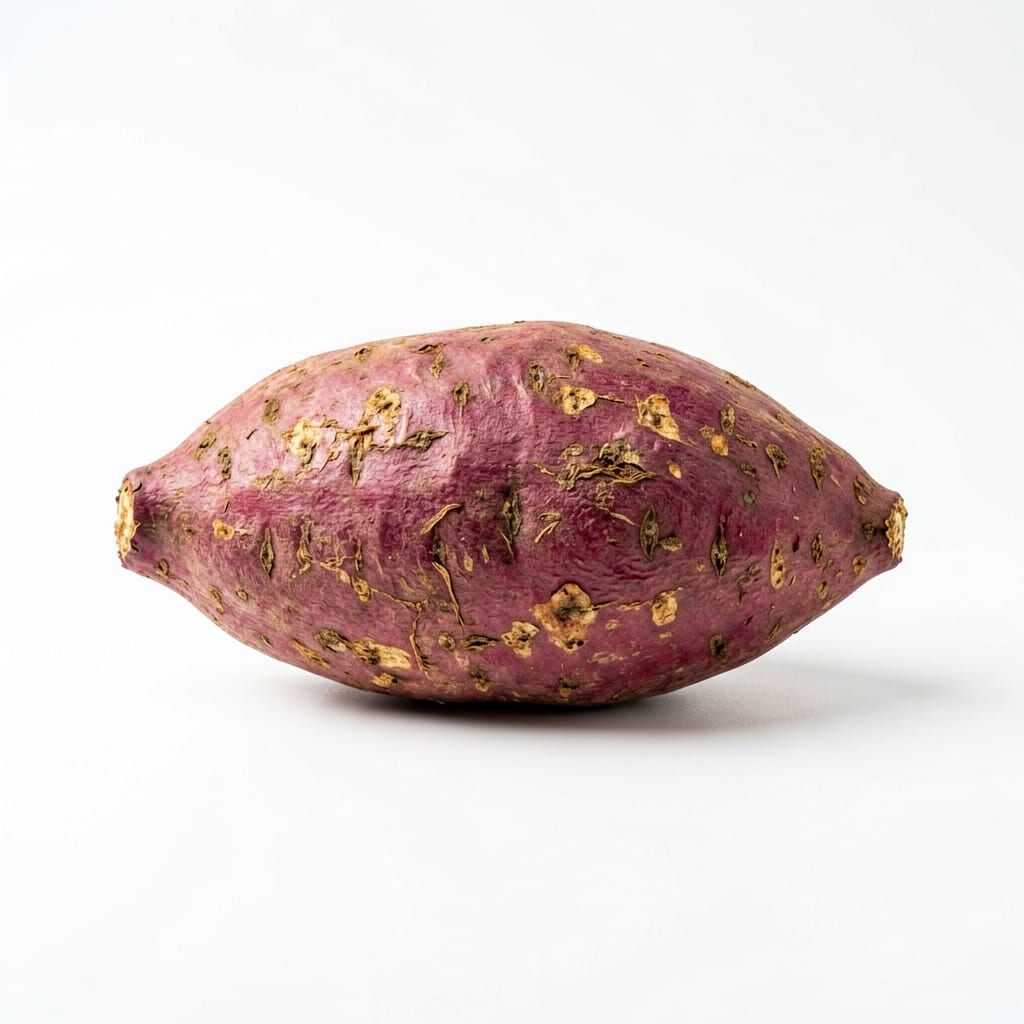
Root Vegetable
Sweet Potato
A nutrient-dense root vegetable high in vitamin A and fiber, serving as a healthier complex carbohydrate alternative to white potatoes.
A starchy, sweet-tasting root vegetable recognized by its vibrant orange flesh, though varieties range from white to purple. It is a staple carbohydrate source globally, prized for its high beta-carotene content and versatility in both savory and sweet dishes.
fiber-rich complex carbohydrate source
Typical serving · 130g
Common varieties · Beauregard, Jewel, Garnet, Japanese (Satsumaimo), Hannah +1 more
Overall context score across nutrition, safety, and diet fit
At a glance
Quick facts
Simple indicators based on nutrition, processing, and diet fit.
The story
What makes it unique
Sweet potatoes are complex carbohydrates with a moderate digestion speed largely influenced by preparation method; boiling results in a lower glycemic index than baking. They provide moderate satiety due to fiber and water content. Their macronutrient profile is dominated by carbohydrates with minimal fat and protein. As a whole, unprocessed tuber, they retain their natural cellular structure and micronutrient density.
Varieties: Beauregard · Jewel · Garnet · Japanese (Satsumaimo) · Hannah · Stokes Purple
Per 100g
Nutrition breakdown
Macro balance and key metrics at a glance.
Energy
Density 0.86 kcal/g
Protein
Carbs
Fat
Fiber
Sugar
4.2 g
Sodium
55 mg
Potassium
337 mg
Glycemic index
50
Glycemic load
11
Water content
77%
Standout compounds
Nutrient highlights
Vitamin A (Beta-Carotene)
highEssential for vision, immune function, and skin health.
Fiber
moderatePromotes satiety, stabilizes blood sugar, and supports digestive health.
Potassium
moderateHelps regulate blood pressure and fluid balance.
Vitamin C
moderateSupports immune function and acts as an antioxidant.
Wellness map
Health scores & processing
NOVA processing scale
minimally processed · Whole food
Whole, unprocessed root vegetable straight from the ground with no added ingredients when purchased raw.
Diet compatibility
- Weight loss
- Muscle gain
- Diabetes
- Gut health
- Low carb
- High protein
- Heart health
Relative standing
Food rankings
Qualitative ranks compared to similar whole foods.
- Satietygood
- Blood sugargood
- Nutrient densityexcellent
- Fitness fuelgood
- Processing qualityexcellent
Eat with confidence
Food safety profile
Generally very safe; the thick skin protects inner flesh from most contaminants and microbial growth.
Evidence confidence 85%
- Pesticidesmoderate
- Antibioticslow
- Heavy metalslow
- Contaminationlow
Watch for
- soil residue
- pesticide residue
Safer choices
Organic sweet potatoes to avoid soil-applied agricultural chemicals.
Prep tips
Scrub skin thoroughly under running water to remove soil and potential pesticide residue before cooking.
Conventional farming frequently uses herbicides and fungicides on root vegetables; choosing organic reduces exposure.
Deep dive
Health analysis
How this food may fit different goals and preparation choices.
Weight loss
Moderate calorie density and high fiber promote fullness, making them a solid carb choice for weight loss when portioned correctly.
Blood sugar
Boiling results in a lower glycemic impact than baking; pairing with protein or fat further stabilizes the blood sugar response.
Fitness & energy
Provides complex carbohydrates for sustained glycogen replenishment, ideal as a pre-workout fuel or post-workout recovery carb.
Gut health
Soluble and insoluble fiber support healthy bowel movements and feed beneficial gut bacteria.
Processing quality
A whole, unprocessed food with a clean nutritional profile when bought raw and cooked at home.
Food safety
Low risk of microbial contamination; primary concern is agricultural chemical residue on the skin.
Common mistakes
Deep-frying them as fries or loading them with brown sugar and marshmallows negates their natural health benefits.
Best preparation
Boiling or steaming retains the most vitamins and keeps the glycemic index lowest; baking increases sweetness and glycemic index slightly.
Practical guide
Best use cases
When and how this food fits real eating patterns.
Pre-workout carb loading
Provides sustained energy from complex carbohydrates without causing a severe blood sugar crash during exercise.
Vitamin A deficiency prevention
Just one medium sweet potato can provide well over 100% of the daily recommended intake of vitamin A.
Weight loss side dish
A fiber-rich, lower-glycemic alternative to white rice or white potatoes that increases meal satiety.
Gut health maintenance
The mix of soluble and insoluble fiber supports regular digestion and feeds beneficial gut microbiota.
Balance sheet
Pros & cons
Upsides
- Excellent source of beta-carotene and vitamin A
- Good source of dietary fiber for digestion
- Lower glycemic index than white potatoes
- Rich in antioxidants that reduce inflammation
- Versatile and easy to prepare in various dishes
Trade-offs
- Higher in carbohydrates than non-starchy vegetables
- Baking significantly raises the glycemic index
- Not suitable for strict low-carb or keto diets
- Can cause digestive discomfort if consumed in excessive amounts
Fit check
Who is it for?
Great match
- complex carb fueling
- vitamin A deficiency prevention
- moderate calorie weight loss diets
- endurance athletes
Consider alternatives
- strict ketogenic diets
- zero-carb diets
- people severely sensitive to dietary fiber
Side by side
How it compares
Open the full head-to-head analysis for nutrition, safety, and practical tradeoffs.
This food
Sweet Potato
VS90% alike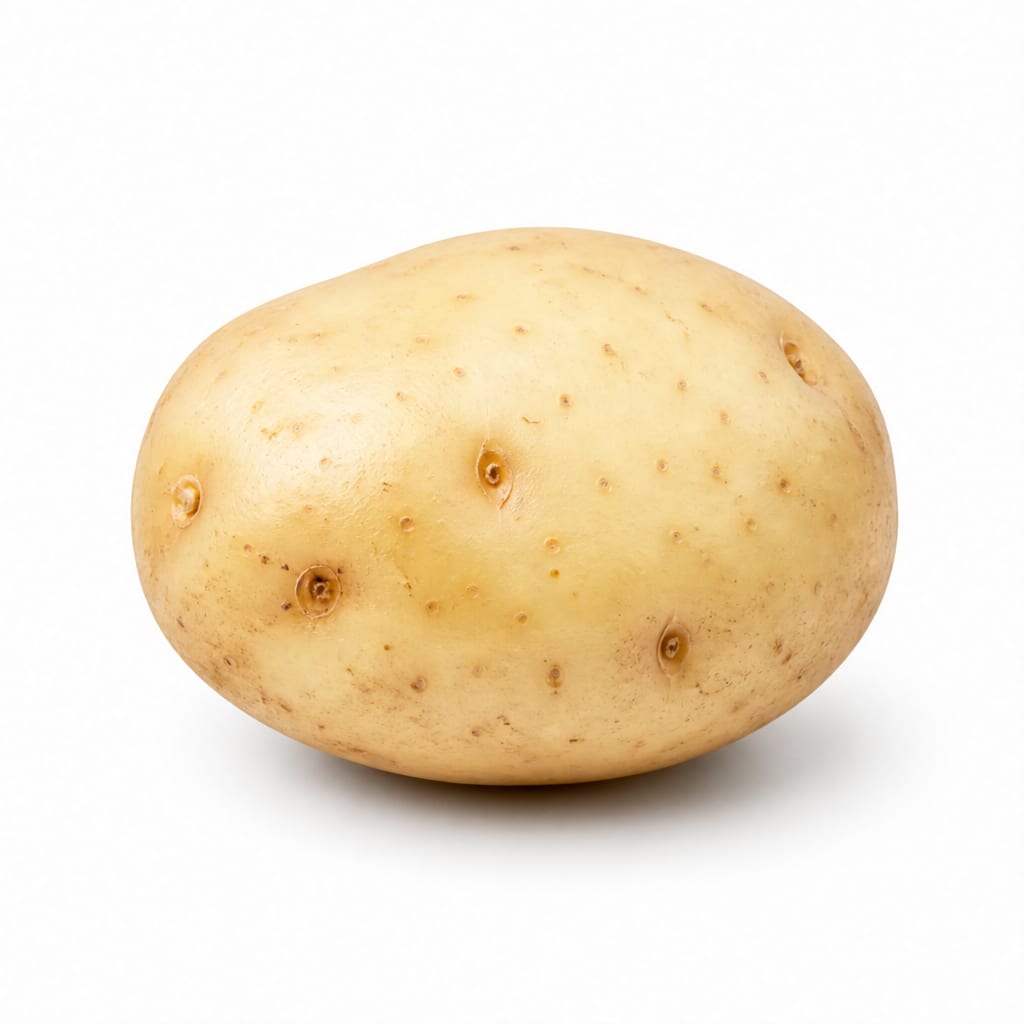
Compare with
White Potato
Sweet potatoes offer more vitamin A and fiber with a lower glycemic index, while white potatoes provide more potassium and protein.
Sweet potatoes are better for blood sugar control and vitamin A, while white potatoes are slightly more satiating and better for rapid post-workout glycogen replenishment.
This food
Sweet Potato
VS85% alike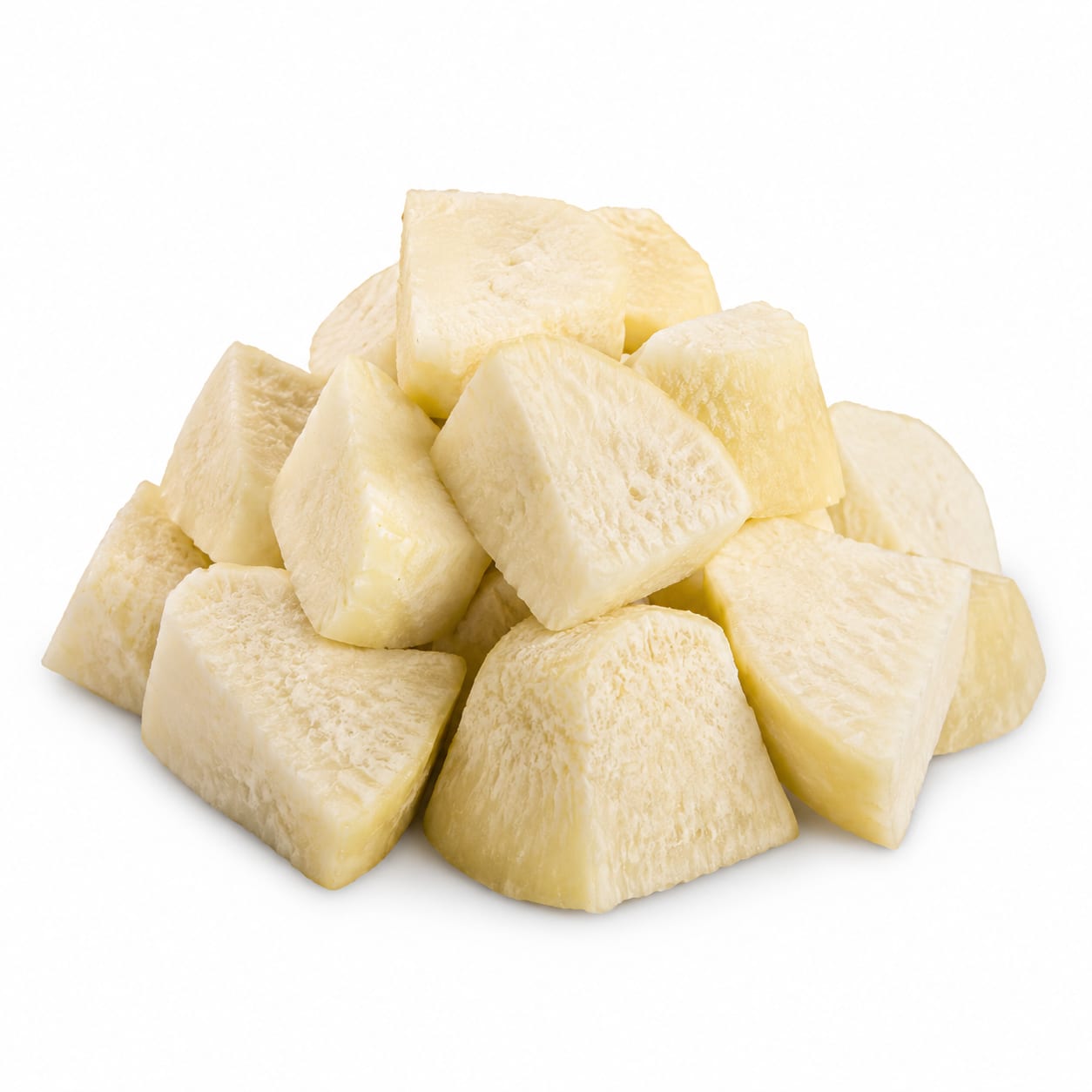
Compare with
Yam
Yams are starchier and drier with less sugar and vitamin A, while sweet potatoes are sweeter and more nutrient-dense.
Yams are lower in sugar and higher in fiber, making them slightly better for strict blood sugar control, but sweet potatoes win on overall micronutrient density.
This food
Sweet Potato
VS75% alike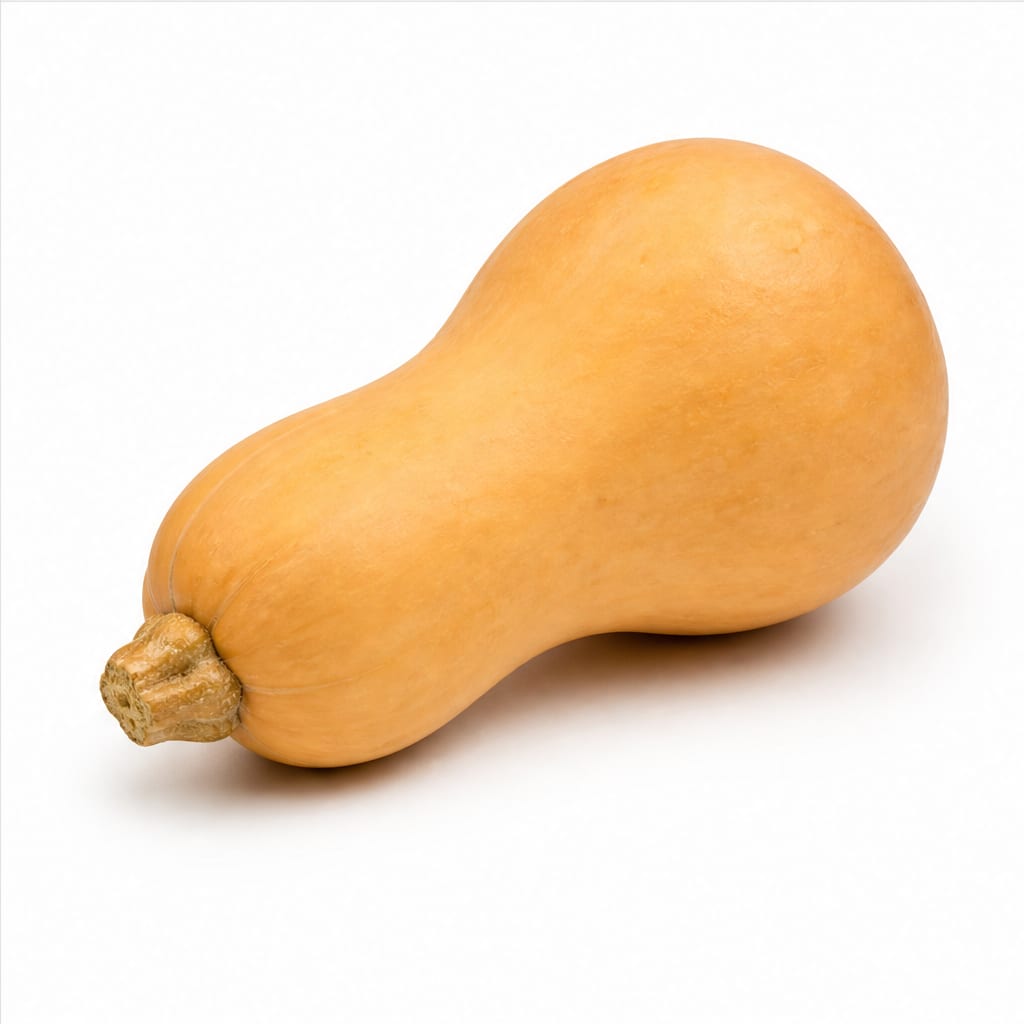
Compare with
Butternut Squash
Butternut squash is lower in calories and carbs, making it a lighter alternative to sweet potato.
Butternut squash is lower in calories and carbs for dieting, while sweet potatoes offer more sustained energy and satiety for active individuals.
This food
Sweet Potato
VS65% alike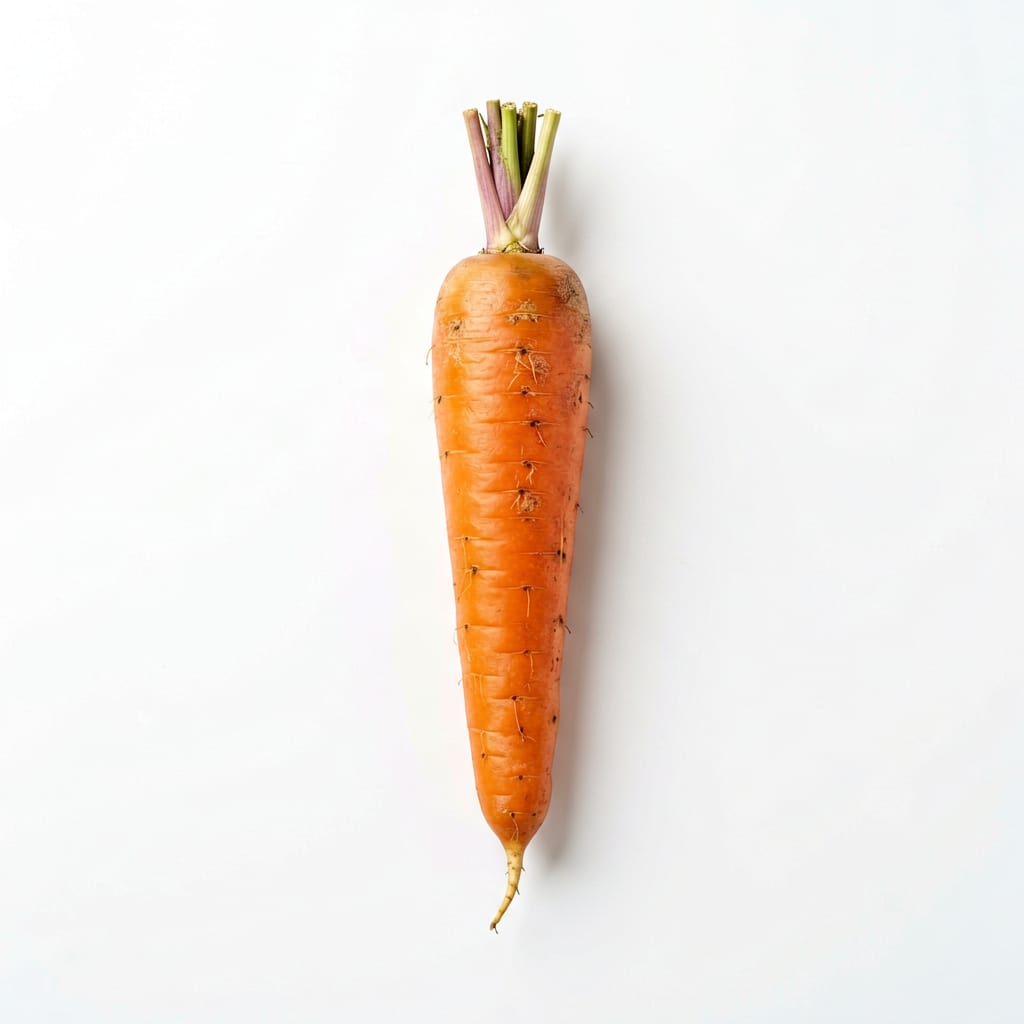
Compare with
Carrot
Carrots are much lower in calories and carbohydrates, functioning better as a raw snack, whereas sweet potatoes serve as a caloric energy source.
Carrots are a low-calorie, crunchy snack great for weight loss, while sweet potatoes are a filling energy source ideal for meals.
This food
Sweet Potato
VS60% alike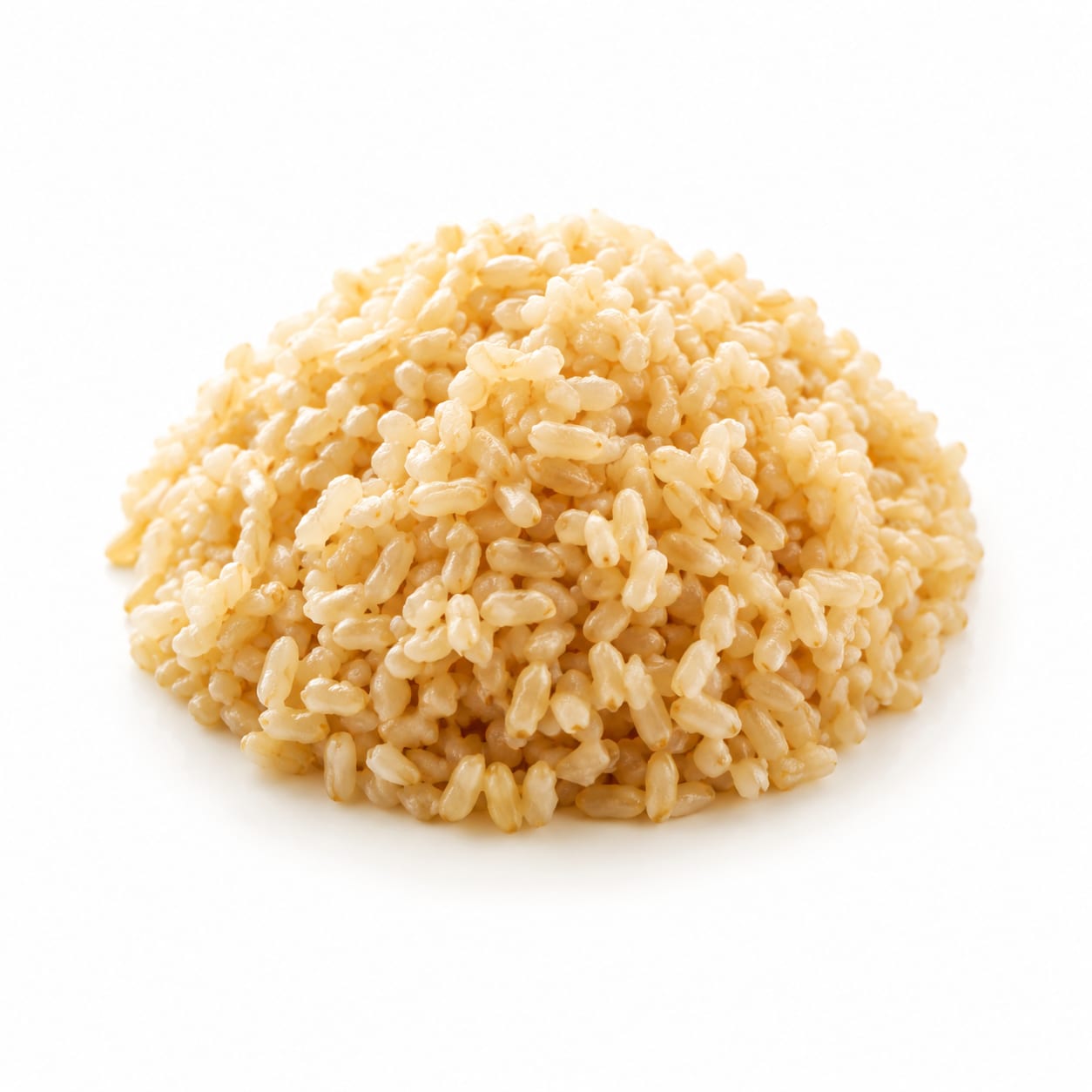
Compare with
Brown Rice
Sweet potatoes provide vastly more vitamin A and have a lower glycemic load, while brown rice offers more protein and is a grain alternative.
Sweet potatoes offer more vitamins and better blood sugar control, while brown rice provides slightly more protein and a different texture for meal prep.
This food
Sweet Potato
VS60% alike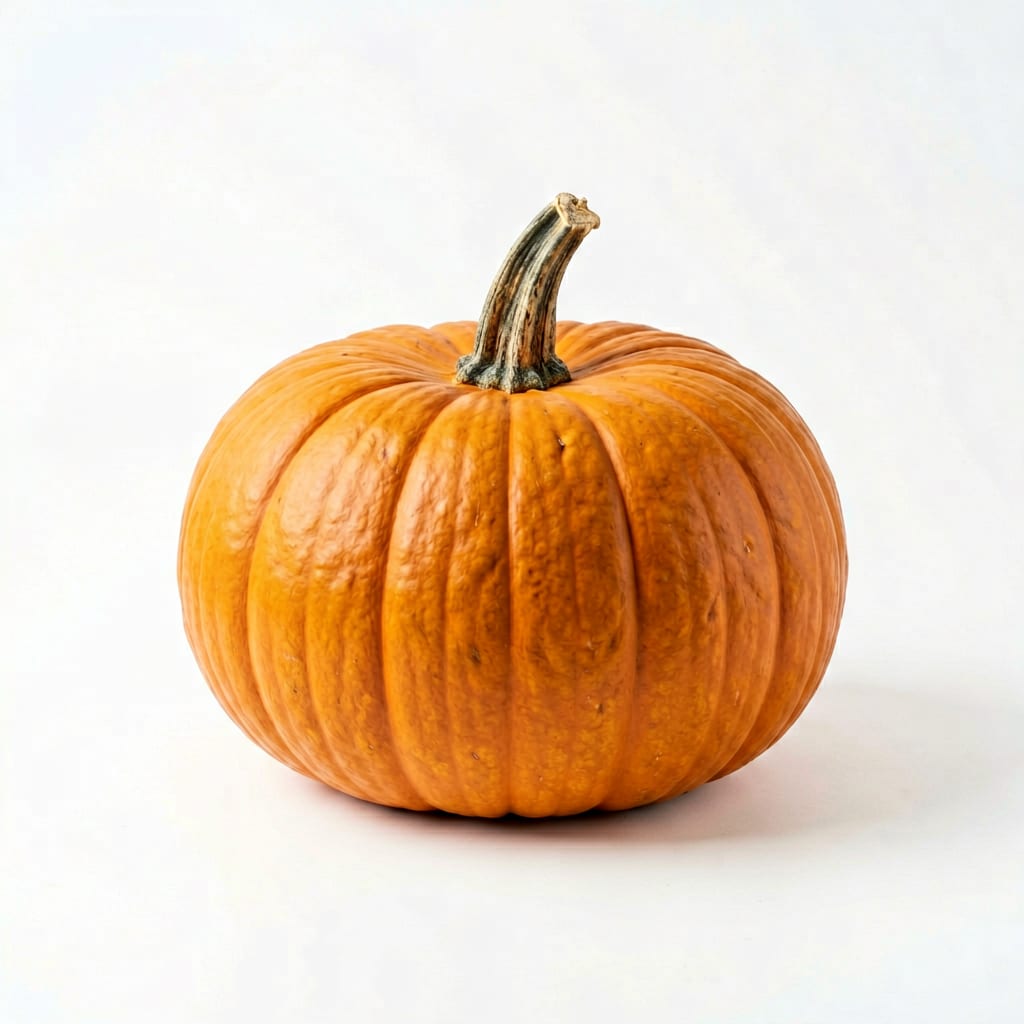
Compare with
Pumpkin
Pumpkin is significantly lower in calories and carbs, acting as a high-volume food, while sweet potatoes are denser in energy and fiber.
Pumpkin is a low-calorie, high-volume choice for fat loss, whereas sweet potatoes provide the substantial carbs and fiber needed for energy and fullness.
This food
Sweet Potato
VS55% alike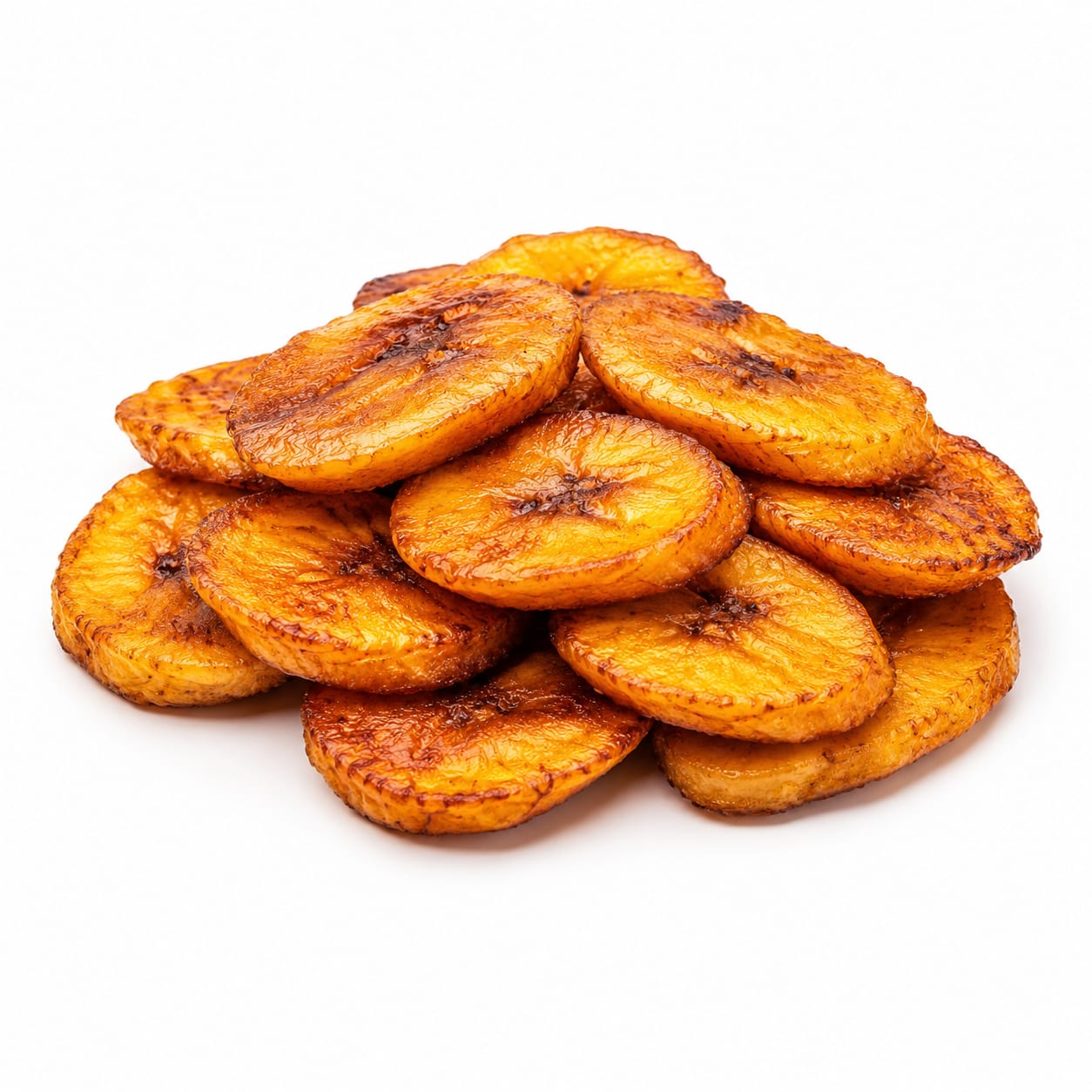
Compare with
Plantain
Plantains are higher in calories and potassium, while sweet potatoes are richer in vitamin A and fiber.
Sweet potatoes are better for weight loss and blood sugar due to lower calories and higher fiber, while plantains offer more potassium for electrolyte balance.
This food
Sweet Potato
VS50% alike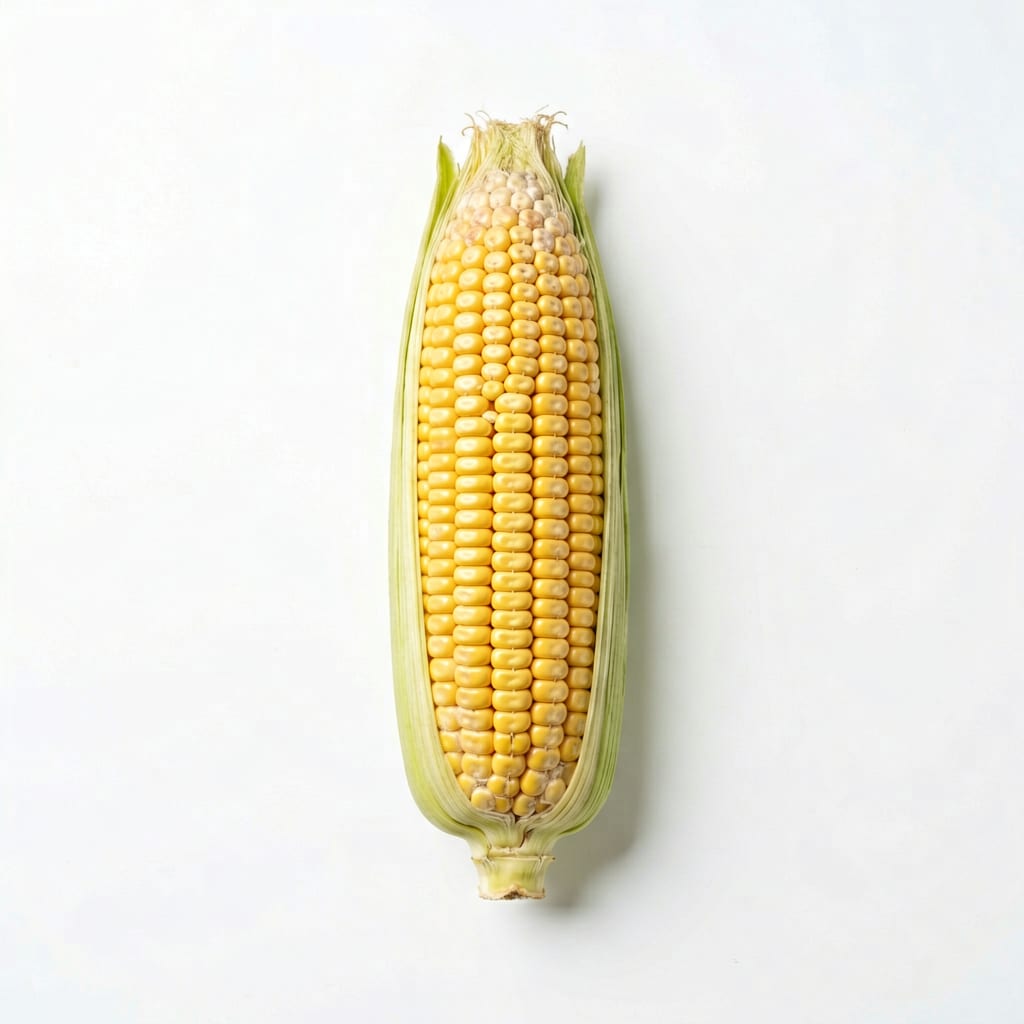
Compare with
Corn
Corn is a grain with higher sugar content, while sweet potatoes are a root vegetable with more fiber and vitamin A.
Sweet potatoes provide more fiber and a lower glycemic impact than corn, making them a better choice for sustained energy and blood sugar management.
This food
Sweet Potato
VS45% alike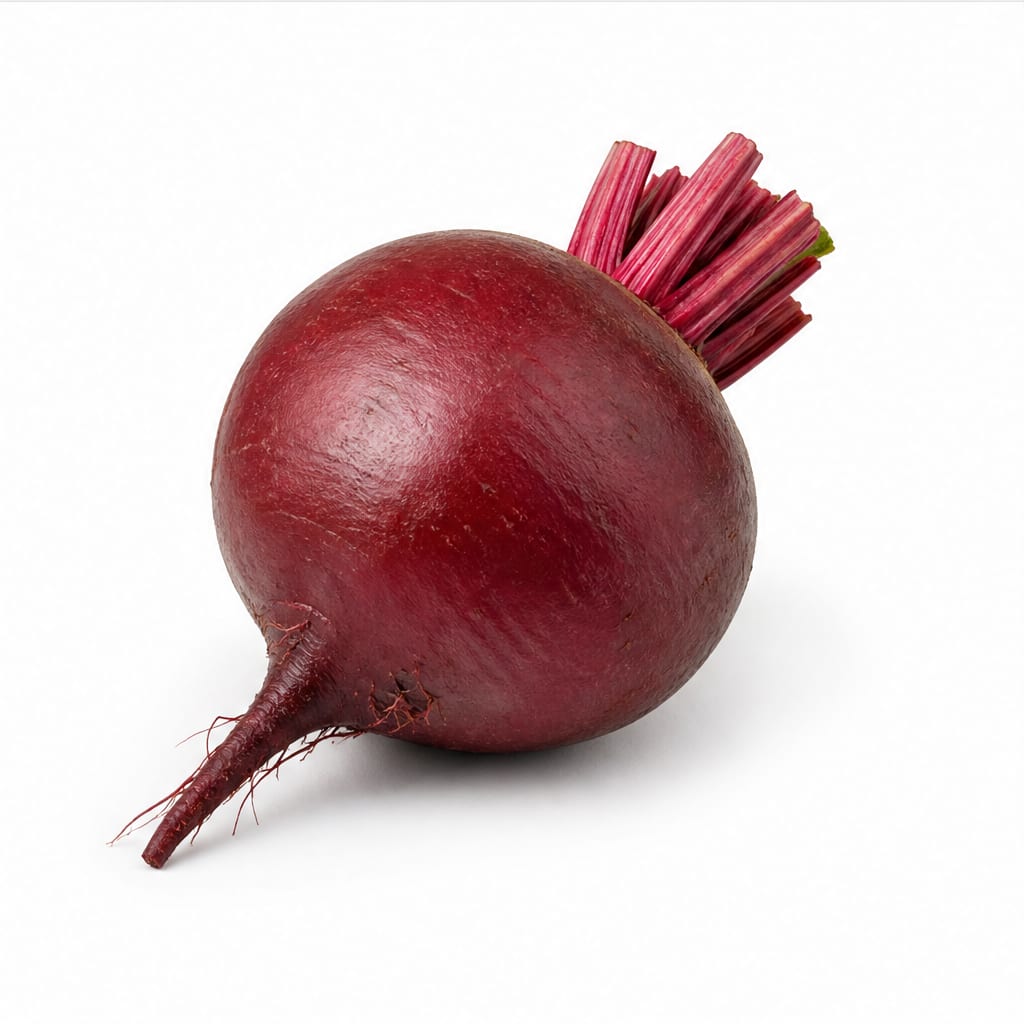
Compare with
Beet
Beets are lower in calories and offer unique nitrates for blood flow, while sweet potatoes provide more substantial energy and vitamin A.
Beets are lower in calories and boost athletic blood flow via nitrates, while sweet potatoes are better for carb-loading and muscle glycogen replenishment.
This food
Sweet Potato
VS40% alike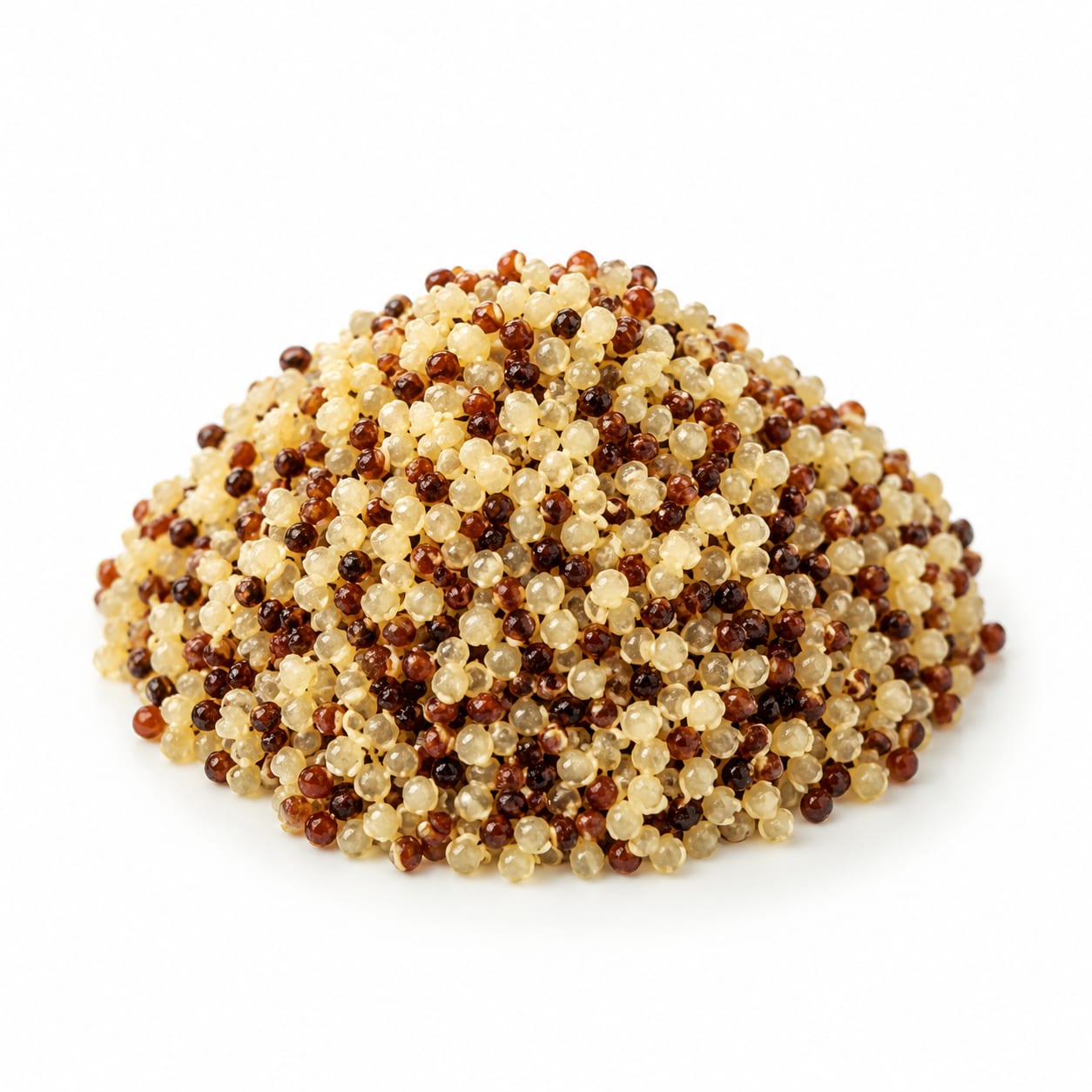
Compare with
Quinoa
Quinoa is a complete protein and a grain, while sweet potato is a fat-free root vegetable with high vitamin A.
Quinoa is superior for muscle building due to its complete protein, but sweet potatoes are better for low-fat, high-vitamin-A carb fueling.
Common questions
FAQ
Answers aligned with how people search for this food.
Are sweet potatoes good for weight loss?
Yes, sweet potatoes can aid weight loss due to their high fiber content, which increases satiety and helps control appetite, provided they are eaten in appropriate portions without high-calorie toppings.
Can diabetics eat sweet potatoes?
Yes, sweet potatoes have a lower glycemic index than white potatoes, especially when boiled. Their fiber helps regulate blood sugar, making them a safe carbohydrate choice for diabetics in moderation.
Is sweet potato healthier than regular potato?
Sweet potatoes offer more vitamin A and fiber, while white potatoes provide more potassium and protein. Both are healthy whole foods, but sweet potatoes generally have a better impact on blood sugar.
Are sweet potatoes keto?
No, sweet potatoes are too high in carbohydrates to fit into a standard ketogenic diet. They are better suited for moderate or high-carb dietary approaches.
What is the healthiest way to cook sweet potatoes?
Boiling or steaming is the healthiest method because it retains the most water-soluble vitamins and results in the lowest glycemic index compared to baking or frying.
Do sweet potatoes have a lot of sugar?
They contain natural sugars (about 4.2g per 100g), which is moderate. Baking caramelizes these sugars, making them taste much sweeter than when boiled or steamed.
Are yams and sweet potatoes the same?
No, they are completely different species. True yams are starchy and dry, while sweet potatoes are sweeter and more moist. Most orange-fleshed vegetables in US grocery stores are actually sweet potatoes.
Can you eat sweet potato skin?
Yes, the skin is highly nutritious and contains a significant portion of the fiber and antioxidants. Just be sure to scrub it thoroughly to remove dirt and potential pesticide residue.
Transparency
Data confidence
Estimated confidence for nutrition data, interpretation, safety notes, and comparisons.
Nutrition data
Health analysis
Food safety
Comparisons