
Nutrition comparison
Sweet Potato vs Beet: Which Root Vegetable Is Better for You?
Compare Sweet Potato and Beet nutrition, health benefits, and best uses. Discover which is better for blood pressure, weight loss, energy, and daily eating.
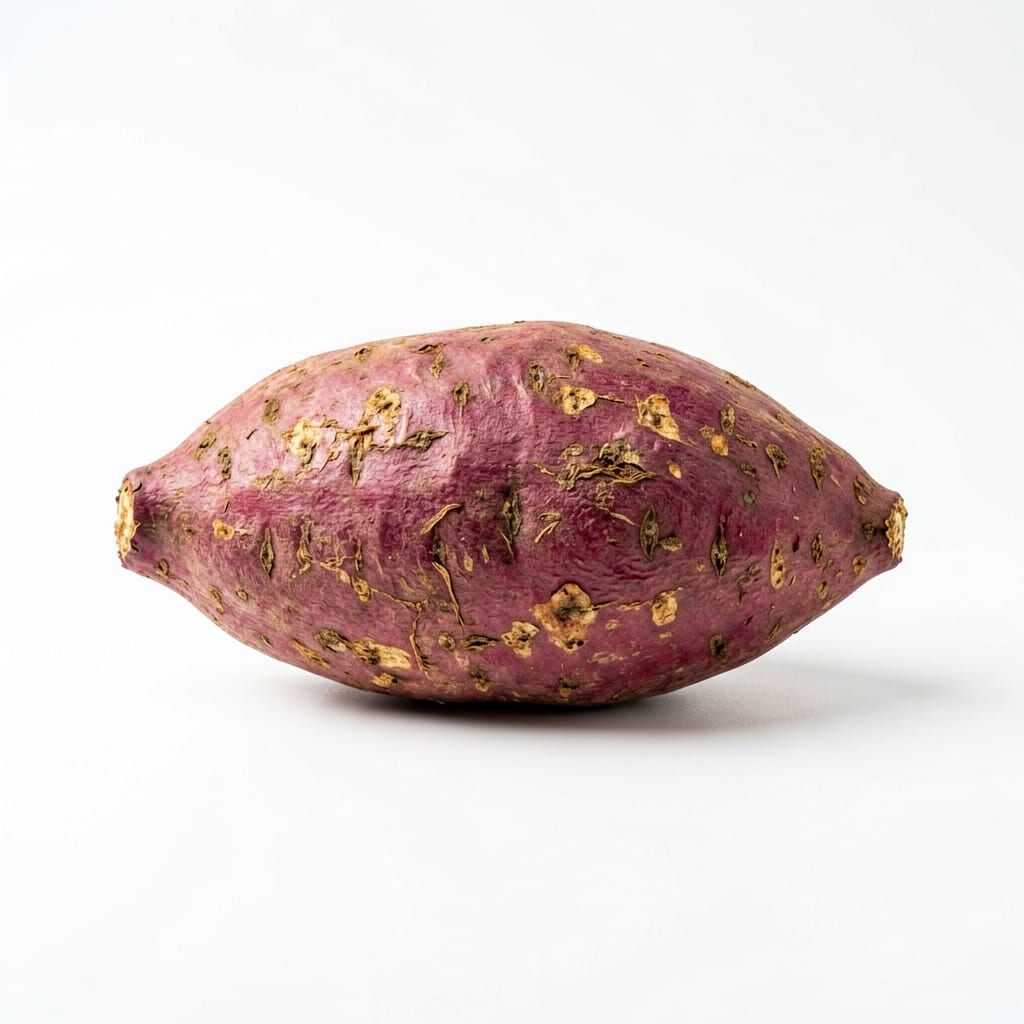
Sweet Potato
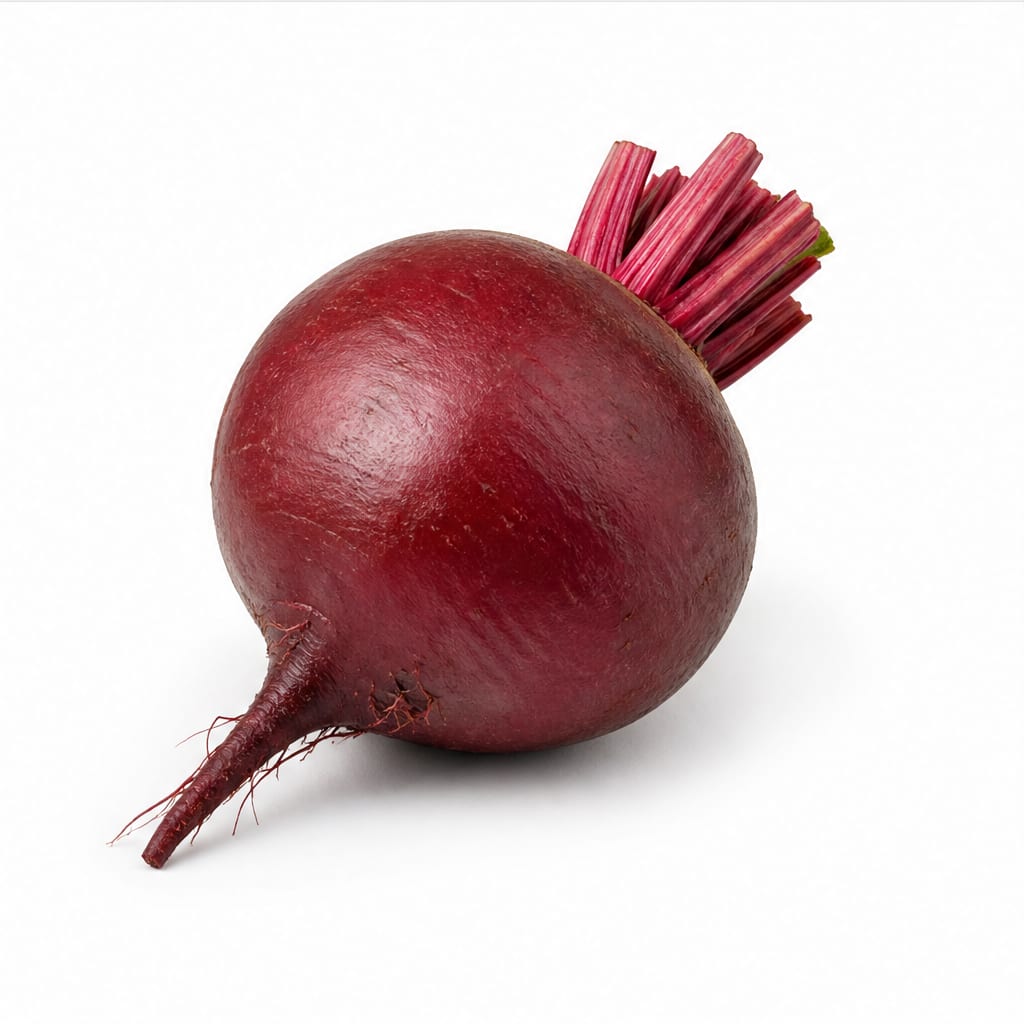
Beet
Sweet Potato fuels you longer; Beet circulates better. Pick based on whether you need sustained energy or cardiovascular performance.
Sweet Potato scores slightly higher for versatility and satiety, but Beet nearly matches it thanks to unique cardiovascular benefits. The close scores reflect how context-dependent this choice truly is.
Sweet Potato delivers more calories and lasting fullness, while Beet offers fewer calories but superior blood flow and blood pressure benefits.
At a glance
Executive summary
Overall
It depends
Healthier
It depends
More practical
Sweet Potato
Daily use
Sweet Potato
Key comparison lenses
blood sugar and energy management
Sweet Potato is carb-dense with steady energy release; Beets are low-glycemic with minimal blood sugar impact
athletic performance and circulation
Beets are famous for dietary nitrates that boost blood flow and endurance; Sweet Potato provides sustained fuel
weight management and satiety
Calorie density and fullness differ significantly between these two root vegetables
antioxidant and anti-inflammatory benefits
Both offer distinct antioxidant profiles—beta-carotene vs betalains—with different health implications
digestive tolerance and gut health
Oxalates in beets and fiber types in sweet potatoes affect different people differently
Best choice for
Sweet Potato
- Active people needing sustained energy
- Those recovering from illness needing nourishment
- Anyone looking for a filling meal base
- Children who need calorie-dense nutrition
- Endurance athletes carb-loading before events
Beet
- Adults managing high blood pressure
- Athletes seeking performance edge via nitrates
- Older adults prioritizing cardiovascular health
- People on calorie-restricted diets
- Anyone focused on blood flow and circulation
Least suitable for
Sweet Potato
- People on strict low-carb diets
- Those managing diabetes with tight glucose control
- Anyone counting calories closely
Beet
- People prone to kidney stones due to oxalates
- Anyone bothered by red urine or stool discoloration
- Those who need calorie-dense nourishment
Deep comparison
Dimension by dimension
Each lens scores both foods and breaks down who each option suits.
- Dimension 1 · Priority 92Beet
blood sugar stability
Sweet Potato · 62Beet · 85Beets have a much lower glycemic load, making them gentler on blood sugar despite their natural sweetness.
Tradeoff
Sweet Potato provides more sustained energy over hours but causes a larger initial glucose rise; Beet barely moves the needle but offers less staying power.
Why it matters
If you are diabetic or insulin-resistant, Beet creates less metabolic stress per serving.
Real-world impact
A beet salad won't cause that 2pm energy crash the way a sweet potato might if you're sitting at a desk all day.
Sweet Potato
- Pre-workout fueling when you need carbs to burn
- Recovery meals after intense exercise
Better for
- Late-night eating when glucose spikes matter
- Tight diabetic glucose control
Worse for
Beet
- Sedentary days with minimal activity
- Blood sugar management with every meal
Better for
- Pre-endurance event fueling where carbs matter
- Recovering from hypoglycemia
Worse for
- Dimension 2 · Priority 88Beet
cardiovascular and circulation benefits
Sweet Potato · 55Beet · 92Beets are one of the best natural sources of dietary nitrates, which convert to nitric oxide and relax blood vessels.
Tradeoff
Sweet Potato supports heart health indirectly through potassium and fiber, but Beet actively lowers blood pressure within hours of consumption.
Why it matters
For the 45% of adults with elevated blood pressure, regular beet consumption offers a measurable, drug-free intervention.
Real-world impact
Drinking beet juice or eating beets before exercise can meaningfully improve your performance and reduce cardiovascular strain.
Sweet Potato
- General heart health through potassium intake
- Cholesterol management via soluble fiber
Better for
- Immediate blood pressure lowering needs
- Athletic performance via nitric oxide pathways
Worse for
Beet
- Acute blood pressure reduction
- Exercise performance enhancement
- Peripheral circulation improvement
Better for
- Long-term cholesterol management alone
Worse for
- Dimension 3 · Priority 85Sweet Potato
satiety and fullness
Sweet Potato · 88Beet · 58Sweet Potato is significantly more filling per serving due to higher calorie density, complex carbs, and starch content.
Tradeoff
You feel full for hours after a sweet potato, but a beet serving leaves you looking for more food sooner.
Why it matters
If you are trying to reduce snacking or eat fewer meals, Sweet Potato is the better anchor food.
Real-world impact
A medium sweet potato at lunch can keep you satisfied until dinner; a beet salad often needs protein or grains added to feel complete.
Sweet Potato
- Meal replacement or substantial snack
- Reducing between-meal hunger
- Active individuals with high energy needs
Better for
- When you want a light pre-workout snack
- Small appetite situations
Worse for
Beet
- Light eating before workouts
- Small frequent meal approaches
- Calorie restriction without feeling heavy
Better for
- Anyone prone to overeating later from insufficient meals
- Situations needing lasting fullness
Worse for
- Dimension 4 · Priority 80It depends
antioxidant diversity
Sweet Potato · 82Beet · 80Sweet Potato excels in beta-carotene and vitamin A precursors; Beet shines with betalains, a unique class of anti-inflammatory compounds.
Tradeoff
Beta-carotene supports vision, skin, and immune function; betalains support liver detoxification and fight inflammation through different pathways.
Why it matters
Eating both gives you broader antioxidant coverage than doubling down on either one.
Real-world impact
Orange sweet potatoes help your skin and eyes; beets help your liver process toxins more efficiently.
Sweet Potato
- Eye and vision health
- Immune system support
- Skin health and repair
Better for
- Liver-specific detox support
- Betalain-specific inflammation reduction
Worse for
Beet
- Liver detoxification support
- Unique anti-inflammatory pathways
- Anti-cancer research on betalains
Better for
- Vitamin A deficiency concerns
- Vision and immune support needs
Worse for
- Dimension 5 · Priority 83Beet
calorie efficiency and weight management
Sweet Potato · 55Beet · 84Beets deliver strong nutrition at roughly one-third the calories per serving of sweet potato.
Tradeoff
Sweet Potato provides more nutrition per bite but also more calories; Beet requires larger volumes or pairing with other foods to match satiety.
Why it matters
For calorie-counting diets, Beets let you eat more volume for fewer calories, which helps psychologically.
Real-world impact
You can eat a large beet salad for under 60 calories, while a single medium sweet potato runs 100-110 calories.
Sweet Potato
- Bulking diets where calorie density helps
- Athletes needing efficient calorie intake
Better for
- Strict calorie counting
- Volume-based eating approaches
Worse for
Beet
- Calorie-restricted weight loss plans
- Volume eating strategies
- Intermittent fasting low-calorie windows
Better for
- Weight gain or muscle-building phases
- High-calorie efficiency needs
Worse for
- Dimension 6 · Priority 72It depends
digestive tolerance
Sweet Potato · 75Beet · 65Sweet Potato is generally well-tolerated and soothing to the gut; Beets contain oxalates that can trigger issues for susceptible people.
Tradeoff
Sweet Potato's soluble fiber is gentle and nourishing for gut lining; Beet's oxalates can contribute to kidney stones in prone individuals.
Why it matters
About 10-15% of kidney stones are oxalate-related, making Beet a concern for this population.
Real-world impact
If you've ever had a kidney stone, beets should be moderated; sweet potatoes are almost universally gut-friendly.
Sweet Potato
- Sensitive digestive systems
- Post-illness recovery eating
- Kidney stone prevention diets
Better for
- Severe FODMAP restrictions during elimination phases
Worse for
Beet
- Healthy individuals without oxalate concerns
- Those seeking liver and gallbladder support
Better for
- History of calcium oxalate kidney stones
- Oxalate-sensitive gut conditions
Worse for
- Dimension 7 · Priority 70Sweet Potato
practicality and convenience
Sweet Potato · 82Beet · 60Sweet Potato is easier to prepare, store, and incorporate into meals as a standalone dish.
Tradeoff
Sweet Potato works as a complete side dish; Beet usually needs peeling, roasting time, or pairing to shine.
Why it matters
Convenience determines what you actually eat consistently, not what's theoretically optimal.
Real-world impact
Microwaving a sweet potato takes 5 minutes and it's a meal; preparing beets requires peeling, staining your hands, and longer cook times.
Sweet Potato
- Quick weeknight meals
- Meal prep and batch cooking
- Portable snack options
Better for
- Raw food preparation needs
Worse for
Beet
- Salad additions and garnishes
- Juicing for concentrated benefits
Better for
- Quick meal situations
- Minimal cleanup cooking
- Portable whole-food snacking
Worse for
Timeline
Health impact over time
Short-term
Hours to days
Sweet Potato
- Steady energy release over 2-3 hours after eating
- Noticeable fullness that reduces snacking urges
- Mild blood sugar rise that peaks around 45 minutes post-meal
Beet
- Blood pressure may drop within 2-3 hours of consumption
- Red or pink urine within 24 hours, which is harmless but can be alarming
- Light feeling in the stomach without heaviness
Long-term
Months to years
Sweet Potato
- Improved vitamin A status supporting vision and immune function
- Better digestive regularity from consistent fiber intake
- Potential for unwanted weight gain if portions are not managed
Beet
- Measurably lower resting blood pressure with regular consumption
- Enhanced exercise tolerance and endurance capacity
- Improved liver enzyme function and detoxification efficiency
Risk profile
Safety & processing
Both Sweet Potato and Beet are whole, minimally processed root vegetables when purchased fresh. Neither typically carries concerning additive loads unless canned or pre-seasoned.
Sweet Potato
Mold and spoilage
lowSweet Potatoes can develop internal mold if stored in damp conditions. Inspect before cooking and discard any with soft spots or mold.
Beet
Oxalate accumulation
mediumBeets are moderately high in oxalates. Regular high consumption may increase kidney stone risk in susceptible individuals.
Pesticide residue
lowBeets grown conventionally may carry pesticide residue on the skin. Peeling or choosing organic reduces this concern.
Beeturia confusion
lowRed urine after eating beets can mimic blood in urine, causing unnecessary alarm or medical visits. Knowing this is harmless prevents stress.
Who wins for whom
Audience fit
Same foods, different winners depending on your goal.
children
Sweet PotatoSweet Potato is naturally sweet, calorie-dense for growing bodies, and rarely triggers digestive issues or allergic reactions in kids.
daily consumption
Sweet PotatoSweet Potato is more versatile, more filling, and easier to incorporate as a daily staple without oxalate accumulation concerns.
diabetes
BeetBeets have a significantly lower glycemic load and cause less blood sugar disruption, though both can fit in moderate portions.
elderly
BeetBeets support cardiovascular health and blood pressure management, which are top priorities for aging adults, and are easier to chew when cooked.
muscle gain
Sweet PotatoSweet Potato provides the carbohydrate fuel and calorie density needed to support training volume and recovery for muscle building.
weight loss
BeetBeets provide strong nutrition at roughly one-third the calories, allowing larger portions and more food volume per calorie budget.
Your move
Decision guide
Choose Sweet Potato
- You need lasting energy for long workdays or training sessions
- You want a filling food that reduces the urge to snack
- You're feeding children who benefit from calorie-dense nutrition
- You've had kidney stones and need to limit oxalate intake
- You want an easy-to-prepare side dish that stands alone
Choose Beet
- You're managing high blood pressure or cardiovascular risk
- You want an athletic performance edge from dietary nitrates
- You're on a calorie-restricted diet and need low-calorie volume
- You want liver support and detoxification benefits
- You prefer light meals that don't leave you feeling heavy
Either works if
- You want antioxidant diversity and can rotate both weekly
- You're generally healthy and enjoy variety in root vegetables
- You're building a balanced vegetable rotation for long-term health
Avoid both if
- You're on a strict very-low-carb or ketogenic diet
- You have specific FODMAP sensitivities during elimination phases
Final recommendation
Eat both, but let your primary goal decide the ratio. If energy and fullness matter most, Sweet Potato is your daily driver with Beet as a circulatory boost. If blood pressure and performance are priorities, make Beet your regular choice and Sweet Potato your occasional fuel. The ideal approach is rotating both weekly for complementary antioxidant coverage.
Practical
Consumer tips
- 1
Pair Sweet Potato with a protein source to slow digestion and extend satiety even further
- 2
Roast beets with olive oil and herbs to improve palatability if you find them too earthy
- 3
If you eat beets regularly, stay well-hydrated to help flush oxalates and reduce kidney stone risk
- 4
Choose smaller sweet potatoes for lower calorie portions without sacrificing nutrition
- 5
Beet juice delivers more concentrated nitrates than whole beets but lacks the fiber benefits
- 6
Store sweet potatoes in a cool, dry place, never the refrigerator, to prevent hard core development
- 7
Wear gloves when peeling raw beets to avoid staining your hands for hours