
Nutrition comparison
Sweet Potato vs Quinoa: Which Is Better for Weight Loss, Protein, and Energy?
Compare Sweet Potato and Quinoa side by side. Learn which is better for weight loss, blood sugar, protein intake, and daily meals with practical tradeoffs explained.
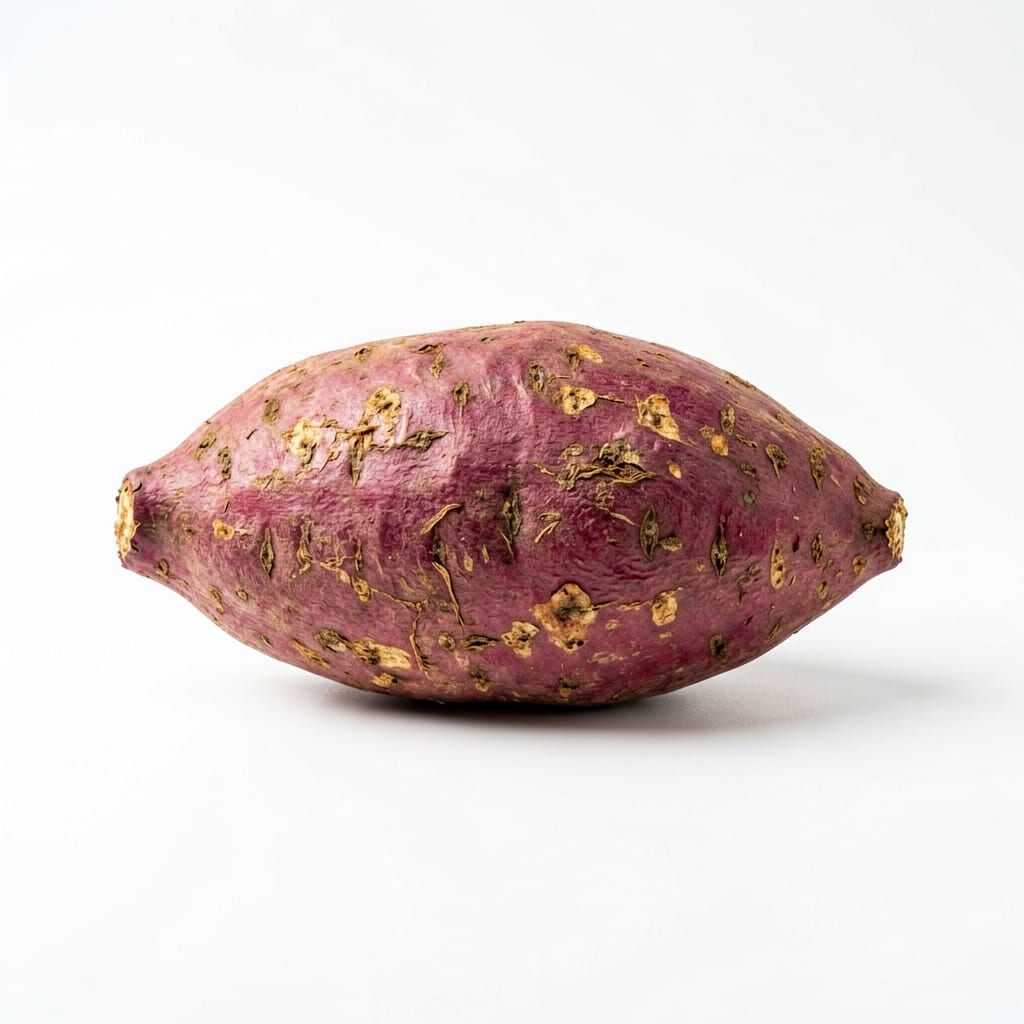
Sweet Potato
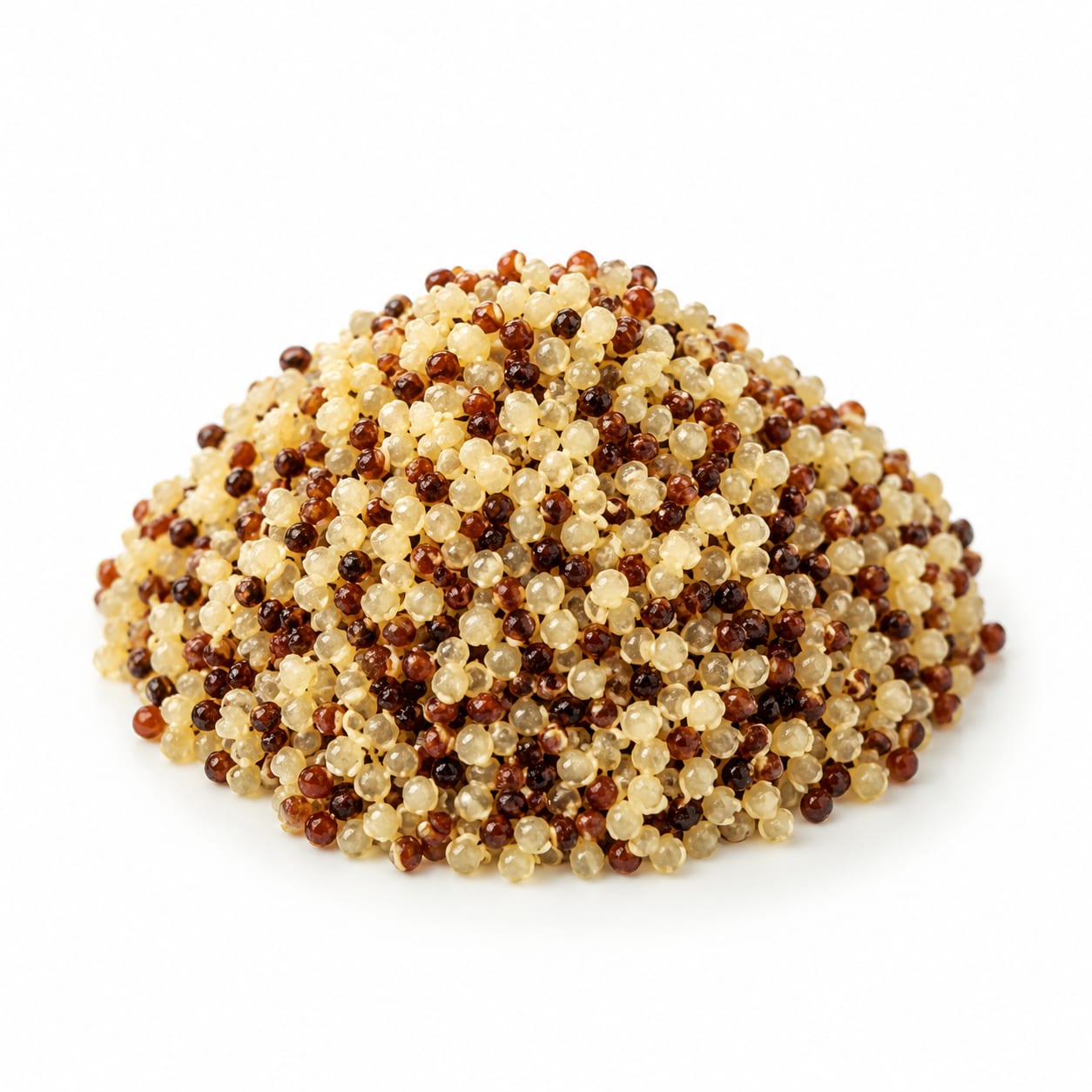
Quinoa
Sweet Potato is the lower-calorie, vitamin-A powerhouse best for filling meals and steady energy. Quinoa is the protein-rich complete food better for balanced plates and muscle support.
Quinoa edges ahead slightly due to complete protein and broader mineral content, but Sweet Potato wins on calorie efficiency and vitamin A. The close scores reflect that both are excellent choices serving different needs.
Sweet Potato gives you more volume and beta-carotene for fewer calories. Quinoa gives you complete protein and more minerals but at higher calorie density.
At a glance
Executive summary
Overall
It depends
Healthier
It depends
More practical
Sweet Potato
Daily use
It depends
Key comparison lenses
carb source selection for meals
Both are popular complex carb options people choose between when building healthy plates
protein completeness and satiety
Quinoa offers complete protein while sweet potato is primarily carb-focused, a key differentiator
blood sugar management
Both are carb-heavy foods where glycemic impact matters for daily energy and diabetes risk
weight loss and calorie density
Calorie density differs significantly, affecting portion control and fullness
athletic fueling and recovery
Both are common in athletic diets but serve different fueling roles
Best choice for
Sweet Potato
- People prioritizing weight loss and calorie control
- Anyone needing steady energy without crashes
- Those seeking comfort food that is still nutritious
- Vitamin A deficiency concerns or eye health focus
- Budget-conscious eaters
Quinoa
- Vegetarians and vegans needing complete protein
- Athletes combining carbs and protein in one food
- People building balanced grain bowls
- Those needing more iron and magnesium
- Anyone wanting a versatile base for mixed meals
Least suitable for
Sweet Potato
- People needing high protein from their carb source
- Very low-carb or keto dieters
- Those who find starchy foods trigger overeating
Quinoa
- People strictly controlling calories
- Those with saponin sensitivity or digestive irritation
- Budget-limited households
- Anyone avoiding all seed-like foods due to digestive issues
Deep comparison
Dimension by dimension
Each lens scores both foods and breaks down who each option suits.
- Dimension 1 · Priority 92Quinoa
Protein Quality and Satiety
Sweet Potato · 35Quinoa · 85Quinoa provides all nine essential amino acids in meaningful amounts. Sweet Potato offers minimal protein per serving.
Tradeoff
Quinoa delivers complete protein that keeps you fuller longer, but you pay with more calories per serving than Sweet Potato.
Why it matters
Protein is the most satiating macronutrient. Getting it from your carb source means fewer additions needed to feel full.
Real-world impact
A quinoa bowl keeps you satisfied for hours. A sweet potato alone may leave you hungry again within 90 minutes unless paired with protein.
Sweet Potato
- Light meals where you want to stay hungry for the next course
- Pre-workout fueling where heavy protein feels uncomfortable
Better for
- Situations requiring a standalone satisfying meal
- Anyone tracking protein intake carefully
Worse for
Quinoa
- Lunches that need to carry you to dinner
- Post-workout meals combining recovery protein and carbs
- Vegetarian plates where every protein gram counts
Better for
- Small frequent meals where lighter food is preferred
- Hot weather eating where heavy protein feels too filling
Worse for
- Dimension 2 · Priority 85Sweet Potato
Blood Sugar Stability
Sweet Potato · 78Quinoa · 70Sweet Potato has a lower glycemic load per typical serving and more fiber relative to its carb content, leading to steadier blood sugar.
Tradeoff
Sweet Potato provides gentler blood sugar curves, but Quinoa's protein content also helps slow glucose absorption in mixed meals.
Why it matters
Steady blood sugar means fewer energy crashes, less cravings, and better long-term metabolic health.
Real-world impact
Eating Sweet Potato as your carb side makes afternoon energy dips less likely. Quinoa is still solid but has slightly more impact per serving.
Sweet Potato
- Diabetics managing post-meal glucose spikes
- Anyone prone to afternoon energy crashes
- Evening meals before bed
Better for
- Immediate post-endurance-workout recovery where faster glycogen replenishment is desired
Worse for
Quinoa
- Active days where faster energy availability helps
- Morning meals paired with fats and protein
Better for
- Sedentary evenings where excess carbs may spike blood sugar more
Worse for
- Dimension 3 · Priority 80It depends
Micronutrient Density
Sweet Potato · 82Quinoa · 80Sweet Potato dominates in vitamin A and vitamin C. Quinoa leads in iron, magnesium, zinc, and B vitamins.
Tradeoff
Sweet Potato is an orange vitamin A bomb. Quinoa covers more minerals but none as dramatically as Sweet Potato's beta-carotene.
Why it matters
Different micronutrient profiles mean each food fills different nutritional gaps in your diet.
Real-world impact
Eat Sweet Potato for skin, vision, and immune support. Eat Quinoa for energy metabolism, oxygen transport, and bone health.
Sweet Potato
- Eye health and vision support
- Immune system strengthening
- Skin health and antioxidant protection
Better for
- Diets already rich in orange vegetables
- People needing iron and magnesium more urgently
Worse for
Quinoa
- Iron deficiency or low energy concerns
- Magnesium needs for muscle recovery and sleep
- Plant-based diets needing mineral diversity
Better for
- Those already getting ample minerals from other sources
- Situations where vitamin A is the priority gap
Worse for
- Dimension 4 · Priority 83Sweet Potato
Calorie Efficiency and Weight Management
Sweet Potato · 86Quinoa · 62Sweet Potato provides more food volume per calorie, making it easier to eat satisfying portions without overconsuming.
Tradeoff
Sweet Potato lets you eat more volume for fewer calories. Quinoa is more calorie-dense, so portions must be watched carefully.
Why it matters
Calorie density is one of the strongest predictors of overeating. Lower density foods naturally help with portion control.
Real-world impact
A medium Sweet Potato is about 103 calories and very filling. A cup of cooked Quinoa is 222 calories and less visually substantial on the plate.
Sweet Potato
- Weight loss diets where volume matters
- Large plate visual eaters who need to see full portions
- Evening meals where lighter is better
Better for
- Hard-gainers needing calorie surplus
- Endurance athletes needing compact energy
Worse for
Quinoa
- Athletes needing calorie-dense fuel
- Underweight individuals trying to gain
- Backpacking and hiking where calorie density is desirable
Better for
- Anyone tracking calories strictly
- Emotional eaters who struggle with portion awareness
Worse for
- Dimension 5 · Priority 72Sweet Potato
Digestive Tolerance
Sweet Potato · 85Quinoa · 65Sweet Potato is gentle on most digestive systems. Quinoa contains saponins that can irritate sensitive guts if not rinsed properly.
Tradeoff
Sweet Potato is nearly universally well-tolerated. Quinoa requires rinsing and still bothers some people despite being gluten-free.
Why it matters
A perfectly nutritious food causes harm if your body cannot comfortably process it.
Real-world impact
Sweet Potato is a go-to recovery food for upset stomachs. Quinoa can cause bloating or discomfort in sensitive individuals even after rinsing.
Sweet Potato
- Sensitive digestion or IBS management
- Post-illness recovery eating
- Introducing solids after fasting or restriction
Better for
- Situations where variety is needed and tolerance is not a concern
Worse for
Quinoa
- Those with no digestive sensitivity who tolerate it well
- Gluten-free diets needing grain alternatives
Better for
- Anyone with saponin sensitivity
- People prone to bloating from seed-based foods
- Those who skip rinsing steps in meal prep
Worse for
- Dimension 6 · Priority 70It depends
Versatility and Meal Integration
Sweet Potato · 75Quinoa · 80Quinoa works in salads, bowls, soups, and even breakfast porridge. Sweet Potato shines in roasted, mashed, and baked dishes but is less flexible cold.
Tradeoff
Quinoa adapts to more cuisines and temperatures. Sweet Potato is more limited but excels at comforting hot preparations.
Why it matters
A food you can use in more ways gets eaten more often and wasted less.
Real-world impact
Quinoa is easy to batch-cook and use across the week in different meals. Sweet Potato is best fresh and hot, limiting meal prep flexibility.
Sweet Potato
- Comforting dinner sides
- Baked and stuffed preparations
- Sweet and savory hybrid dishes
Better for
- Cold lunch preparations
- Quick no-cook meals
Worse for
Quinoa
- Meal prep and batch cooking
- Cold salads and grain bowls
- Breakfast porridge alternatives
Better for
- Comfort food cravings
- Sweet dish applications
Worse for
Timeline
Health impact over time
Short-term
Hours to days
Sweet Potato
- Steady energy rise without sharp crashes
- Gentle digestive comfort with minimal bloating
- Quick visual fullness from volume per calorie
Quinoa
- Longer-lasting fullness from protein content
- Possible mild bloating if saponins are not rinsed
- More sustained energy over 3-4 hours due to protein-carb combo
Long-term
Months to years
Sweet Potato
- Strong vitamin A status supporting vision and immunity
- Lower calorie intake patterns supporting weight maintenance
- Consistent fiber intake promoting gut health
Quinoa
- Better mineral status especially iron and magnesium
- Improved protein intake supporting muscle retention with aging
- Plant-based complete protein source reducing reliance on animal foods
Risk profile
Safety & processing
Both foods are whole and minimally processed in their natural forms. Sweet Potato is eaten essentially as grown. Quinoa requires mechanical removal of the bitter saponin coating but remains a whole food.
Sweet Potato
Mold and spoilage
lowSweet Potatoes can develop mold or black rot if stored in damp conditions. Inspect before cooking and discard any with soft spots.
Oxalate content
lowContains moderate oxalates which are rarely an issue except for people with a history of calcium oxalate kidney stones.
Quinoa
Saponin residue
mediumUnrinsed Quinoa retains bitter saponins that can irritate the digestive tract and reduce nutrient absorption. Always rinse thoroughly before cooking.
Cross-contamination with gluten grains
mediumQuinoa is often processed in facilities handling wheat. Those with celiac disease should seek certified gluten-free brands.
Pesticide residue
lowConventionally grown Quinoa may carry pesticide residues. Organic options reduce this concern significantly.
Who wins for whom
Audience fit
Same foods, different winners depending on your goal.
children
Sweet PotatoNaturally sweet taste is more kid-friendly, and the soft texture is easier for young children to eat safely.
daily consumption
It dependsBoth are safe and healthy daily. Sweet Potato suits calorie-conscious routines. Quinoa suits protein-focused routines. Rotating both is ideal.
diabetes
Sweet PotatoLower glycemic load per serving and higher fiber-to-carb ratio support steadier blood sugar control.
elderly
It dependsSweet Potato is easier to chew and digest. Quinoa provides more protein which helps prevent age-related muscle loss. Choose based on the individual's priority.
muscle gain
QuinoaComplete protein content supports muscle repair and growth alongside its carbohydrate fuel.
weight loss
Sweet PotatoLower calorie density means you can eat satisfying portions while staying in a deficit more easily.
Your move
Decision guide
Choose Sweet Potato
- You want to lose weight or control calories without feeling deprived
- You need gentle digestion and comfort food appeal
- You are focused on vitamin A intake for skin, eyes, or immunity
- You are feeding children who prefer sweeter softer foods
- You are eating a late dinner and want something lighter before bed
Choose Quinoa
- You are vegetarian or vegan and need complete protein sources
- You are an athlete needing protein and carbs in one food
- You meal prep weekly and want a versatile base for multiple dishes
- You have higher iron or magnesium needs
- You want a grain bowl foundation that works hot or cold
Either works if
- You are building a healthy plate and both fit your macros
- You want variety in your carb sources across the week
- You have no specific health condition driving the choice
Avoid both if
- You are on a strict ketogenic diet requiring very low carb intake
- You have severe carbohydrate malabsorption conditions
- You are eliminating all starches for a specific therapeutic protocol
Final recommendation
Eat both on different days. Sweet Potato is your comfort-and-volume choice for lighter meals and steady energy. Quinoa is your protein-and-mineral choice for balanced plates and athletic fueling. Rotating between them gives you the vitamin A of Sweet Potato and the complete protein of Quinoa without having to choose.
Practical
Consumer tips
- 1
Rinse Quinoa thoroughly under running water for at least 30 seconds to remove bitter saponins
- 2
Pierce Sweet Potato skins before baking to prevent steam buildup and uneven cooking
- 3
Buy certified gluten-free Quinoa if you have celiac disease or gluten sensitivity
- 4
Store Sweet Potatoes in a cool dry dark place, never the refrigerator which alters texture
- 5
Cook a large batch of Quinoa on Sunday and use it in bowls, salads, and soups all week
- 6
Pair Sweet Potato with a protein source like black beans or eggs to make the meal more satiating
- 7
Choose orange-fleshed Sweet Potatoes over white varieties for dramatically more beta-carotene
- 8
Soak Quinoa for 15 minutes before cooking if you have a sensitive stomach, then rinse and cook normally