
Nutrition comparison
Carrot vs Sweet Potato: Which Is Healthier for Your Goals?
Compare carrot vs sweet potato on calories, blood sugar impact, satiety, and nutrients. Find out which root vegetable fits your weight loss, energy, or meal planning needs.
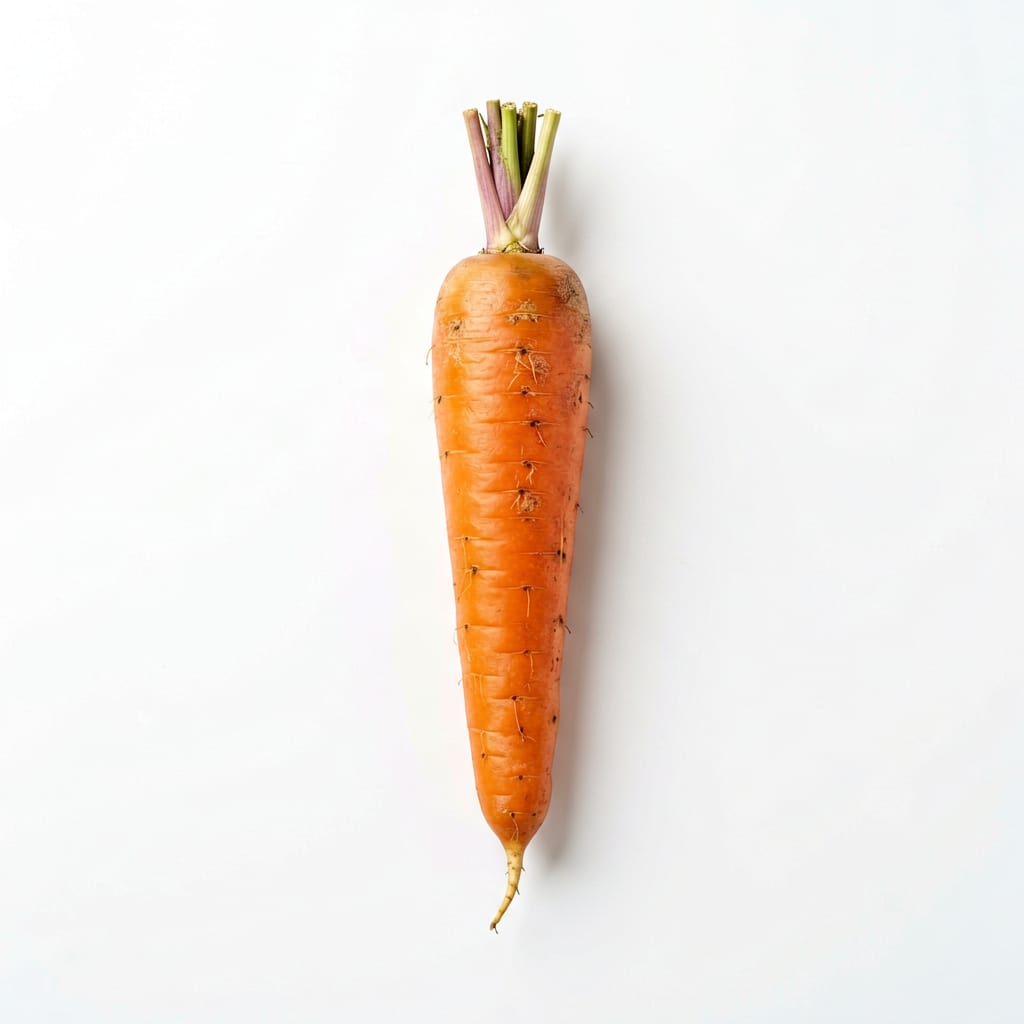
Carrot
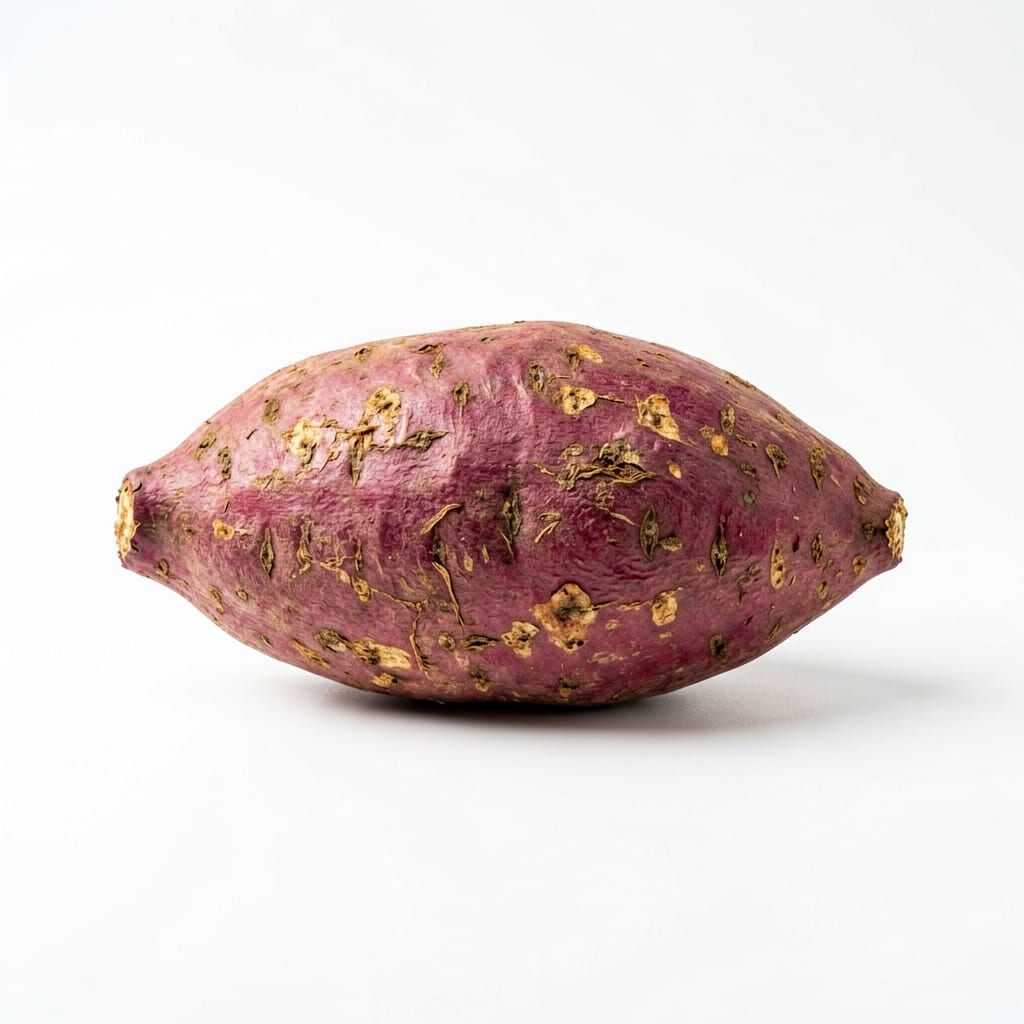
Sweet Potato
Carrots win for low-calorie snacking and blood sugar control; sweet potatoes win for sustained energy and meal satisfaction.
Sweet potatoes edge ahead slightly due to superior satiety and meal versatility, but carrots dominate in calorie efficiency and convenience. The close scores reflect that both are genuinely healthy whole foods serving different needs.
Calorie density versus satiety power — carrots let you eat more volume for fewer calories, but sweet potatoes keep you full much longer.
At a glance
Executive summary
Overall
It depends
Healthier
It depends
More practical
Carrot
Daily use
Sweet Potato
Key comparison lenses
weight management and calorie efficiency
Carrots are dramatically lower in calories per serving, making them the obvious choice for volume eating and weight control
blood sugar management
Sweet potatoes carry more carbs and a higher glycemic load, which matters significantly for diabetes or metabolic concerns
meal vs snack suitability
Carrots shine as raw snacks while sweet potatoes are meal anchors — they serve fundamentally different eating occasions
satiety and staying full
Sweet potatoes are far more filling per serving, which matters for appetite control and meal satisfaction
convenience and preparation
Carrots require zero cooking; sweet potatoes need preparation time, which affects daily practicality
Best choice for
Carrot
- Weight loss and calorie counting
- Raw snacking and on-the-go eating
- Blood sugar management
- Quick prep meals and busy lifestyles
- Volume eating without overconsumption
Sweet Potato
- Sustained energy and post-workout recovery
- Hearty meals that keep you full for hours
- Athletes needing carb fuel
- Children who need calorie-dense nutrition
- Cold weather comfort eating
Least suitable for
Carrot
- Athletes needing carb replenishment
- People struggling to eat enough calories
- Those wanting a meal that actually feels like a meal
- Very low-fiber diets requiring gentler foods
Sweet Potato
- Strict low-carb or keto diets
- Those monitoring blood sugar closely
- Raw food diet followers
- Quick snack situations with no cooking access
Deep comparison
Dimension by dimension
Each lens scores both foods and breaks down who each option suits.
- Dimension 1 · Priority 92Carrot
Calorie Efficiency and Weight Management
Carrot · 92Sweet Potato · 58Carrots deliver far more food volume per calorie, making them ideal for weight loss and guilt-free snacking.
Tradeoff
You get more bites with carrots but far less staying power — hunger returns faster.
Why it matters
For anyone tracking calories or trying to lose weight, calorie density is the single most important number.
Real-world impact
A large carrot costs you about 30 calories; a medium sweet potato runs 100+. You can eat three carrots and still be under one sweet potato.
Carrot
- Weight loss diets
- Volume eating strategies
- Late-night guilt-free snacking
- Calorie counters
Better for
- People who need to gain weight
- Endurance athletes needing carb loading
Worse for
Sweet Potato
- Underweight individuals needing calories
- Athletes refueling after training
- Growing children
Better for
- Strict calorie restriction plans
- Low-carb diet phases
Worse for
- Dimension 2 · Priority 88Sweet Potato
Satiety and Fullness
Carrot · 52Sweet Potato · 89Sweet potatoes are substantially more filling due to higher calories, carbs, and dense starch content.
Tradeoff
That fullness comes with triple the calories — it is earned energy, not free satisfaction.
Why it matters
If a snack leaves you hungry again in 30 minutes, you may end up eating more total calories anyway.
Real-world impact
A sweet potato at lunch can keep you satisfied until dinner. A carrot buys you maybe an hour before you are back in the pantry.
Carrot
- Light snacking between meals
- Situations where you want to eat without getting full
Better for
- Replacing a real meal
- People who need lasting energy
Worse for
Sweet Potato
- Main meal carbohydrate
- Post-workout recovery meals
- Breakfast for sustained morning energy
- Anyone prone to overeating from hunger
Better for
- Light snacking occasions
- Right before intense exercise when you want something light
Worse for
- Dimension 3 · Priority 86Carrot
Blood Sugar Stability
Carrot · 88Sweet Potato · 62Carrots have a much lower glycemic load and barely nudge blood sugar compared to sweet potatoes.
Tradeoff
Sweet potatoes are still a moderate-GI food and far better than white potatoes or bread, but they do raise glucose more noticeably.
Why it matters
For prediabetes, diabetes, or metabolic syndrome, glycemic load directly affects energy crashes and long-term health.
Real-world impact
Carrots will not cause an afternoon energy dip. A large sweet potato might, especially eaten alone without protein or fat.
Carrot
- Type 2 diabetes management
- Prediabetes and insulin resistance
- Low-carb diet transitions
- Steady energy without crashes
Better for
- Situations requiring rapid energy replenishment
Worse for
Sweet Potato
- Athletes who need quick glycogen replenishment
- Post-exercise recovery when insulin sensitivity is high
Better for
- Uncontrolled blood sugar conditions
- Eating sweet potatoes alone without balancing protein or fat
Worse for
- Dimension 4 · Priority 82Sweet Potato
Nutrient Density and Vitamin A
Carrot · 78Sweet Potato · 88Both are beta-carotene superstars, but sweet potatoes deliver more total nutrients per serving including vitamin C, B6, and potassium.
Tradeoff
Carrots provide similar vitamin A per calorie but fewer total nutrients because they simply have less food mass per serving.
Why it matters
Vitamin A is critical for vision, immunity, and skin — both foods are excellent sources, but sweet potatoes win on breadth.
Real-world impact
One medium sweet potato gives you over 400% of your daily vitamin A needs plus a solid vitamin C hit. Carrots are great too but narrower in their nutrient profile.
Carrot
- Maximizing vitamin A per calorie
- Light nutrient boosting without heavy eating
Better for
- Needing a wide nutrient spectrum from one food
Worse for
Sweet Potato
- Broader micronutrient coverage
- Vitamin C and B6 needs
- Immune support during illness
Better for
- Situations where you want maximum nutrients for minimum calories
Worse for
- Dimension 5 · Priority 78Carrot
Convenience and Practicality
Carrot · 94Sweet Potato · 48Carrots are grab-and-go ready; sweet potatoes require cooking and planning.
Tradeoff
Sweet potatoes reward the effort with a more satisfying eating experience, but the prep barrier is real.
Why it matters
The healthiest food is the one you actually eat. Convenience often determines what reaches your plate.
Real-world impact
You can eat a carrot at your desk, in your car, or walking to a meeting. Sweet potatoes need a fork, a microwave at minimum, and 5-8 minutes.
Carrot
- Office snacking
- Commuting and travel
- Quick lunch additions
- Meal prep shortcuts
Better for
- Wanting a hot comforting meal
Worse for
Sweet Potato
- Planned dinner sides
- Batch cooking on weekends
- Meal prep containers for the week
Better for
- Spontaneous hunger moments
- Zero-prep situations
Worse for
- Dimension 6 · Priority 74Sweet Potato
Versatility in Meals
Carrot · 68Sweet Potato · 86Sweet potatoes anchor meals as a carb base; carrots are more of a side player or snack addition.
Tradeoff
Carrots work in more raw applications but rarely carry a meal. Sweet potatoes can be the main event.
Why it matters
A food that forms the backbone of multiple meals gives you more dietary variety and sustainability.
Real-world impact
Sweet potatoes become fries, mash, soup, toast, bowls, and casseroles. Carrots become sticks, gratins, or cake — narrower range.
Carrot
- Salads and crudité
- Juicing and smoothies
- Stir-fry additions
- Raw snack plates
Better for
- Being the star of a meal
- Hot dish centerpieces
Worse for
Sweet Potato
- Hearty main dishes
- Breakfast bowls and hash
- Soup bases
- Comfort food alternatives
Better for
- Raw applications
- Cold quick-prep dishes
Worse for
Timeline
Health impact over time
Short-term
Hours to days
Carrot
- Quick hydration and crunch satisfaction without heaviness
- Minimal blood sugar impact — no energy crash after eating
- Light on the stomach, easy to digest raw
Sweet Potato
- Noticeable fullness and satisfaction after eating
- Mild blood sugar rise that provides energy but may cause a dip if eaten alone
- Warming and comforting, especially in cold weather
Long-term
Months to years
Carrot
- Consistent low-calorie snacking supports weight maintenance
- High beta-carotene intake supports eye health and immune function over decades
- Low glycemic load helps maintain insulin sensitivity with regular consumption
Sweet Potato
- Rich antioxidant intake supports reduced inflammation and cellular health
- Sustained energy from complex carbs supports active lifestyles and metabolic health
- High potassium content contributes to long-term blood pressure regulation
Risk profile
Safety & processing
Both carrots and sweet potatoes are whole foods as typically consumed. Neither carries processing concerns unless purchased pre-cut with preservatives or in frozen meal kits.
Carrot
Pesticide residue on conventional carrots
mediumCarrots grow underground and can retain soil pesticide residues. Peeling reduces exposure significantly. Organic carrots eliminate this concern.
Choking hazard for young children
mediumRaw carrot coins and sticks are a known choking risk for children under 4. Grating or cooking eliminates this.
Sweet Potato
Mold and spoilage from improper storage
lowSweet potatoes can develop mold or bacterial soft rot if stored in damp or cold conditions. Keep in a cool, dry, dark place — never the refrigerator.
Solanine in green-tinged sweet potatoes
lowRare but possible if sweet potatoes are exposed to light and develop green patches. Trim away green areas before cooking.
Who wins for whom
Audience fit
Same foods, different winners depending on your goal.
children
Sweet PotatoSweet potatoes are naturally sweet, calorie-dense, and soft when cooked — ideal for growing kids who need energy and nutrients. Just avoid raw carrots for toddlers due to choking risk.
daily consumption
Sweet PotatoSweet potatoes provide more sustained energy and broader nutrition as a daily staple, though carrots are excellent as a daily snack alongside other foods.
diabetes
CarrotCarrots have a significantly lower glycemic load and will not spike blood sugar, making them safer for glucose management.
elderly
Sweet PotatoSweet potatoes are easier to chew and digest when cooked, and their nutrient density supports aging bodies that need more nutrition per bite.
muscle gain
Sweet PotatoSweet potatoes offer more carbs for glycogen replenishment and post-workout recovery fuel, which supports training and muscle growth.
weight loss
CarrotCarrots provide maximum eating volume for minimal calories, making them the smarter choice for calorie-controlled diets.
Your move
Decision guide
Choose Carrot
- You are actively trying to lose weight or maintain a calorie deficit
- You need a portable, zero-prep snack for work or travel
- You are managing blood sugar or insulin resistance
- You want something crunchy and light between meals
- You are meal-prepping salads and need a low-calorie base
Choose Sweet Potato
- You need lasting energy for physical activity or long workdays
- You want a comforting, filling carb that actually satisfies hunger
- You are cooking for a family and need a crowd-pleasing side dish
- You are an athlete refueling after training
- You want a warm, nourishing food during cold months
Either works if
- You simply want more vegetables in your diet and enjoy both
- You are meal-prepping and can use both in different dishes throughout the week
- You are focusing on vitamin A intake — both deliver excellently
Avoid both if
- You have a specific allergy or intolerance to either food, which is rare but possible
- You are on a strict very-low-carb diet and need to minimize all carb sources
Final recommendation
Keep both in your kitchen. Use carrots for snacking, salads, and raw crunch. Use sweet potatoes for meals, energy, and comfort. They complement each other perfectly — carrots fill the snack gap, sweet potatoes carry the meal. Choosing one over the other means giving up something genuinely useful.
Practical
Consumer tips
- 1
Buy organic carrots when possible — they are on the EWG's Dirty Dozen list and grow in pesticide-treated soil
- 2
Store sweet potatoes in a cool, dry, dark cabinet — never the fridge, which ruins their texture and taste
- 3
Pair sweet potatoes with protein or healthy fat to blunt the blood sugar rise and extend satiety even further
- 4
Grate carrots into salads, soups, and baked goods for easy nutrient boosting without cooking
- 5
Roast both together with olive oil and rosemary for a simple side dish that gives you the best of both worlds
- 6
Baby carrots are convenient but are just regular carrots shaved down — they lose some surface nutrients and dry out faster
- 7
A medium sweet potato is about the size of your fist — larger ones can pack 200+ calories, so portion awareness matters