
Nutrition comparison
Sweet Potato vs Pumpkin: Which Is Healthier for Your Goals?
Compare Sweet Potato and Pumpkin on calories, blood sugar impact, vitamin A, satiety, and weight loss. Find out which orange vegetable fits your diet best.
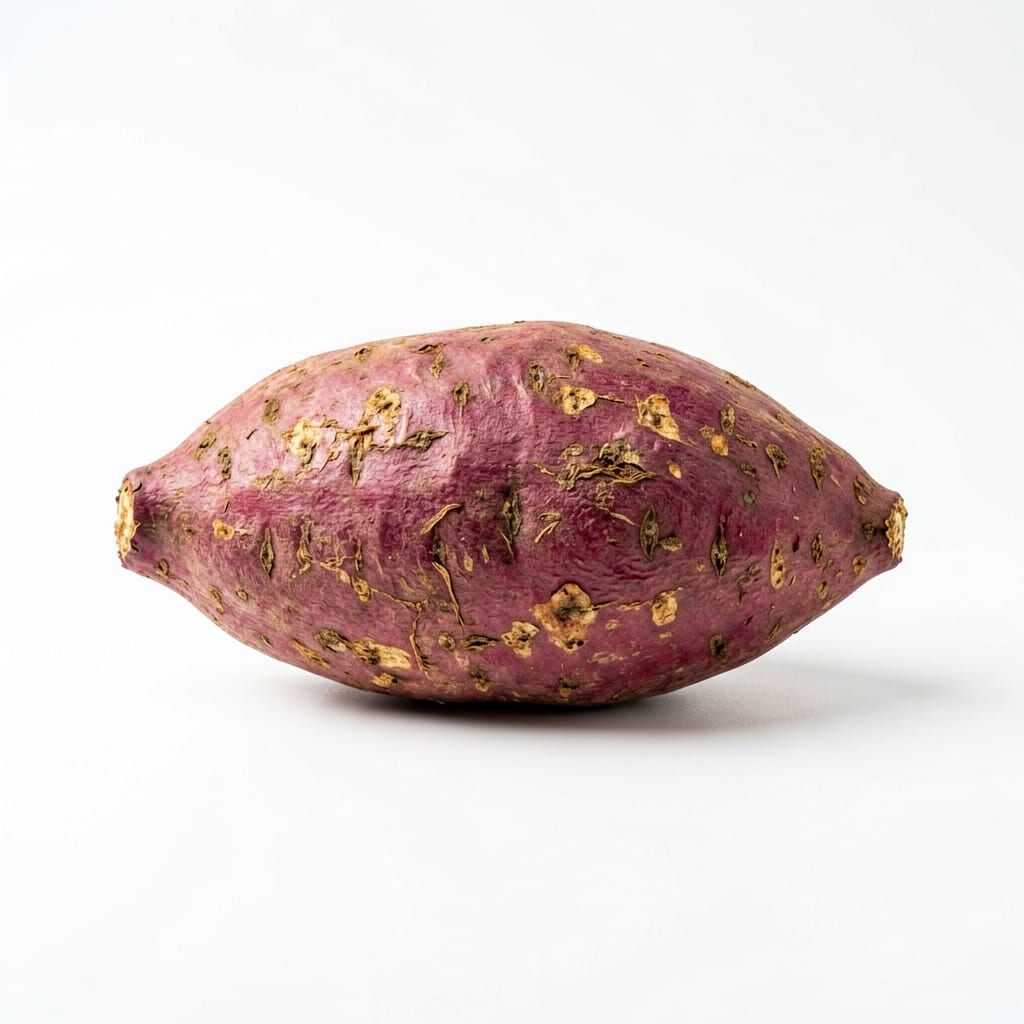
Sweet Potato
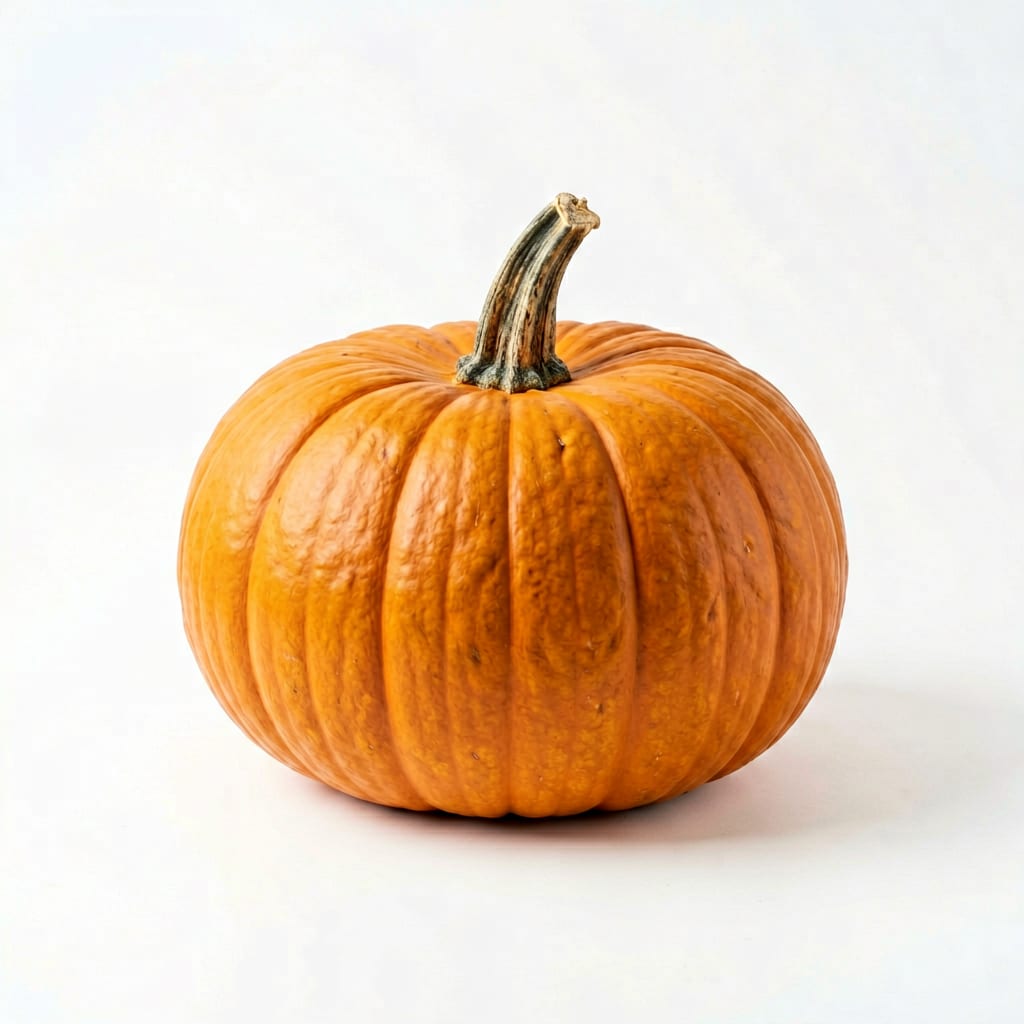
Pumpkin
Sweet Potato wins on nutrition density and satiety; Pumpkin wins on calorie control and blood sugar lightness.
Sweet Potato edges ahead on nutrient density and satiety, but Pumpkin's calorie advantage keeps it competitive. The close scores reflect that neither is universally better — it depends on your goals.
You either get more nutrients and fullness with Sweet Potato, or fewer calories and gentler blood sugar with Pumpkin.
At a glance
Executive summary
Overall
It depends
Healthier
It depends
More practical
Sweet Potato
Daily use
Sweet Potato
Key comparison lenses
blood sugar management and carb load
Sweet Potato has significantly more carbs and a higher glycemic impact, while Pumpkin is much lighter and lower in sugar
weight loss and calorie density
Pumpkin is dramatically lower in calories per serving, making it a go-to for volume eating
vitamin A and beta-carotene intake
Both are orange powerhouses but Sweet Potato delivers roughly twice the vitamin A
satiety and meal satisfaction
Sweet Potato is denser and more filling, while Pumpkin feels lighter and less satisfying alone
everyday versatility and convenience
Sweet Potato is easier to find year-round in fresh form; Pumpkin is often canned with additives
Best choice for
Sweet Potato
- athletes needing sustained carb energy
- people wanting a filling meal base
- anyone prioritizing maximum vitamin A intake
- those seeking potassium for muscle recovery
Pumpkin
- people cutting calories without cutting volume
- diabetics wanting lower glycemic load
- anyone wanting a light soup or side dish
- those who find Sweet Potato too heavy
Least suitable for
Sweet Potato
- strict low-carb dieters
- people managing blood sugar spikes
- anyone counting calories closely
Pumpkin
- athletes needing dense carb fuel
- people who find light meals unsatisfying
- anyone avoiding canned or processed options
Deep comparison
Dimension by dimension
Each lens scores both foods and breaks down who each option suits.
- Dimension 1 · Priority 92Pumpkin
blood sugar stability
Sweet Potato · 55Pumpkin · 82Pumpkin has roughly half the carbs and a lower glycemic load, making it gentler on blood sugar.
Tradeoff
Sweet Potato provides more sustained energy for active people but can spike blood sugar more in sedentary contexts.
Why it matters
If you sit at a desk all day, a Sweet Potato at lunch might leave you sleepy. Pumpkin keeps things lighter.
Real-world impact
A Sweet Potato can cause that afternoon energy dip for some people. Pumpkin soup rarely does.
Sweet Potato
- post-workout carb replenishment
- endurance athletes needing glycogen
Better for
- late-night eating
- prediabetic blood sugar management
Worse for
Pumpkin
- diabetics managing glucose
- sedentary office workers
- low-carb meal plans
Better for
- pre-workout fueling
- recovering from intense exercise
Worse for
- Dimension 2 · Priority 80Sweet Potato
satiety and fullness
Sweet Potato · 85Pumpkin · 58Sweet Potato is dense, fibrous, and genuinely filling. Pumpkin is watery and light — you'll be hungry sooner.
Tradeoff
Fullness comes with more calories. Pumpkin lets you eat more volume for fewer calories but won't stick with you as long.
Why it matters
If you're trying to avoid snacking between meals, Sweet Potato is the better anchor food.
Real-world impact
A baked Sweet Potato at dinner can keep you full until morning. Pumpkin soup often leaves you reaching for a snack by 9pm.
Sweet Potato
- main dish base
- meal prep for long days
- appetite control
Better for
- when you want a light meal
Worse for
Pumpkin
- light starter courses
- low-calorie volume eating
Better for
- when you need lasting energy
- as a standalone meal
Worse for
- Dimension 3 · Priority 85Sweet Potato
vitamin A and antioxidant density
Sweet Potato · 92Pumpkin · 75Sweet Potato delivers roughly double the beta-carotene per serving. Both are excellent sources, but Sweet Potato is the heavyweight.
Tradeoff
You get more vitamin A with Sweet Potato, but you also get more calories to access it.
Why it matters
For immune health, skin, and vision, Sweet Potato is one of the most efficient foods on the planet.
Real-world impact
One medium Sweet Potato covers over 400% of your daily vitamin A needs. Pumpkin covers about 200%.
Sweet Potato
- immune support during winter
- skin and eye health optimization
- pregnancy nutrition (with doctor guidance)
Better for
- people already taking vitamin A supplements (risk of excess)
Worse for
Pumpkin
- moderate vitamin A without excess calories
Better for
- situations requiring maximum nutrient density per meal
Worse for
- Dimension 4 · Priority 88Pumpkin
calorie efficiency and weight management
Sweet Potato · 52Pumpkin · 88Pumpkin has about one-third the calories of Sweet Potato per cup. It's a dieter's best friend for volume eating.
Tradeoff
You can eat a mountain of Pumpkin for the calories of one Sweet Potato — but you'll feel less satisfied.
Why it matters
If you're cutting calories, Pumpkin lets you fill your plate without filling your calorie budget.
Real-world impact
A full cup of Pumpkin is under 50 calories. A Sweet Potato is 100-180 calories depending on size. That difference adds up fast over a week.
Sweet Potato
- bulking or gaining weight healthfully
- active people needing calorie fuel
Better for
- strict calorie counting
- weight loss plateaus
Worse for
Pumpkin
- calorie-restricted diets
- volume eaters who want big portions
- intermittent fasting refeeds with low calories
Better for
- underweight individuals needing calories
- growing children who need energy density
Worse for
- Dimension 5 · Priority 70Sweet Potato
potassium and electrolyte content
Sweet Potato · 85Pumpkin · 55Sweet Potato is a top-tier potassium source, crucial for muscle function and blood pressure. Pumpkin has less than half.
Tradeoff
If you're active and sweating, Sweet Potato is almost a natural sports food. Pumpkin won't replace those electrolytes as effectively.
Why it matters
Most people don't get enough potassium. Sweet Potato is one of the easiest ways to fix that.
Real-world impact
After a sweaty workout, a Sweet Potato helps more than a banana for many people. Pumpkin doesn't come close.
Sweet Potato
- post-workout recovery
- blood pressure management
- cramp prevention
Better for
- people on potassium-restricted diets
Worse for
Pumpkin
- situations where potassium intake needs to be limited (kidney issues)
Better for
- athletes needing electrolyte replenishment
Worse for
- Dimension 6 · Priority 75Sweet Potato
convenience and availability
Sweet Potato · 80Pumpkin · 62Fresh Sweet Potato is available year-round and easy to prep. Fresh Pumpkin is seasonal; canned Pumpkin often has additives.
Tradeoff
Canned Pumpkin is convenient but may contain sodium or be mixed with other squash. Sweet Potato is almost always sold as-is.
Why it matters
If you want a whole food with minimal processing, Sweet Potato is the safer bet most of the year.
Real-world impact
You can microwave a Sweet Potato in 5 minutes. Getting fresh Pumpkin requires peeling, seeding, and roasting — or trusting a can.
Sweet Potato
- quick weeknight meals
- whole-food purists
- budget shoppers
Better for
- when you need a smooth puree quickly
Worse for
Pumpkin
- fall seasonal cooking
- baking and dessert recipes
- soups and purees
Better for
- people avoiding canned goods
- spring and summer cooking
Worse for
Timeline
Health impact over time
Short-term
Hours to days
Sweet Potato
- Provides steady energy for 3-4 hours after eating
- Can cause drowsiness in sedentary people due to carb load
- Very filling — reduces urge to snack
Pumpkin
- Light on the stomach, easy to digest
- Unlikely to cause energy crashes
- May leave you hungry within 1-2 hours if eaten alone
Long-term
Months to years
Sweet Potato
- Excellent for maintaining healthy vitamin A levels over time
- Supports blood pressure regulation through high potassium
- Regular consumption may support healthy skin and immune function
Pumpkin
- Helps maintain healthy calorie intake long-term
- Supports eye health through consistent beta-carotene intake
- Low calorie density makes it sustainable for weight management
Risk profile
Safety & processing
Fresh Sweet Potato is almost always sold whole with nothing added. Canned Pumpkin often contains added sodium or is blended with other squashes. If you buy fresh Pumpkin, it's just as clean — but most people use canned, which introduces mild processing concerns.
Sweet Potato
mold and spoilage
lowSweet Potatoes can develop mold if stored in damp conditions. Inspect before cooking and discard any with soft spots.
Pumpkin
canned Pumpkin BPA exposure
mediumMany canned Pumpkin products use BPA-lined cans. Look for BPA-free brands or use fresh Pumpkin when possible.
mislabeling with other squash
lowSome canned Pumpkin is actually a blend of winter squashes. Nutritionally similar, but not pure Pumpkin if that matters to you.
Who wins for whom
Audience fit
Same foods, different winners depending on your goal.
children
Sweet PotatoSweet Potato is naturally sweet, nutrient-dense, and provides the calories growing kids need. Pumpkin puree is also great for infants but less calorie-dense for older kids.
daily consumption
Sweet PotatoSweet Potato offers more consistent satiety and broader nutrient coverage for everyday meals.
diabetes
PumpkinPumpkin has roughly half the carbs and a lower glycemic load, making blood sugar management easier.
elderly
PumpkinPumpkin is easier to digest, lighter on the stomach, and lower in calories — which matters as metabolism slows.
muscle gain
Sweet PotatoSweet Potato provides more carbs for glycogen replenishment and more potassium for muscle recovery.
weight loss
PumpkinPumpkin's extremely low calorie density lets you eat large portions without overshooting your daily budget.
Your move
Decision guide
Choose Sweet Potato
- you need a filling meal that keeps you satisfied for hours
- you're active and need carb fuel for performance
- you want maximum vitamin A and potassium per bite
- you prefer a whole food that requires no label reading
- you're meal prepping for busy weekdays
Choose Pumpkin
- you're cutting calories and want big portions
- you need gentle blood sugar control
- you want a light soup or side that won't weigh you down
- you're cooking fall recipes or making desserts
- you find Sweet Potato too heavy or starchy
Either works if
- you just want a healthy orange vegetable with beta-carotene
- you're making a stew or curry where both work well
- you're focusing on overall plant variety
Avoid both if
- you're on a strict ketogenic diet (both have too many carbs)
- you have a rare allergy to either root vegetables or cucurbits
Final recommendation
Keep both in rotation. Sweet Potato is your everyday workhorse — filling, nutrient-packed, and easy. Pumpkin is your secret weapon when calories matter more than fullness. The best choice depends on what your body needs today, not which one is objectively healthier.
Practical
Consumer tips
- 1
If buying canned Pumpkin, check the label — choose 100% pure Pumpkin with no added sodium or sugar
- 2
Sweet Potato bakes beautifully in the microwave: poke holes, microwave 5-7 minutes, top as desired
- 3
Fresh Pumpkin is worth trying in fall — roast cubes with olive oil and salt for a lighter alternative to Sweet Potato fries
- 4
Pair Pumpkin with a protein source to make up for its low satiety — try Pumpkin soup with lentils
- 5
Don't refrigerate raw Sweet Potatoes — cold temperatures create hard spots and alter the taste
- 6
If blood sugar is a concern, cool your cooked Sweet Potato before eating — this increases resistant starch and lowers the glycemic response