
Nutrition comparison
Sweet Potato vs Corn: Which Is Healthier for Blood Sugar, Weight Loss, and Daily Nutrition?
Compare Sweet Potato and Corn side by side. Learn which is better for blood sugar control, weight loss, and daily nutrition. Discover the real tradeoffs in fiber, vitamins, and glycemic impact.
Overall winner · Sweet Potato
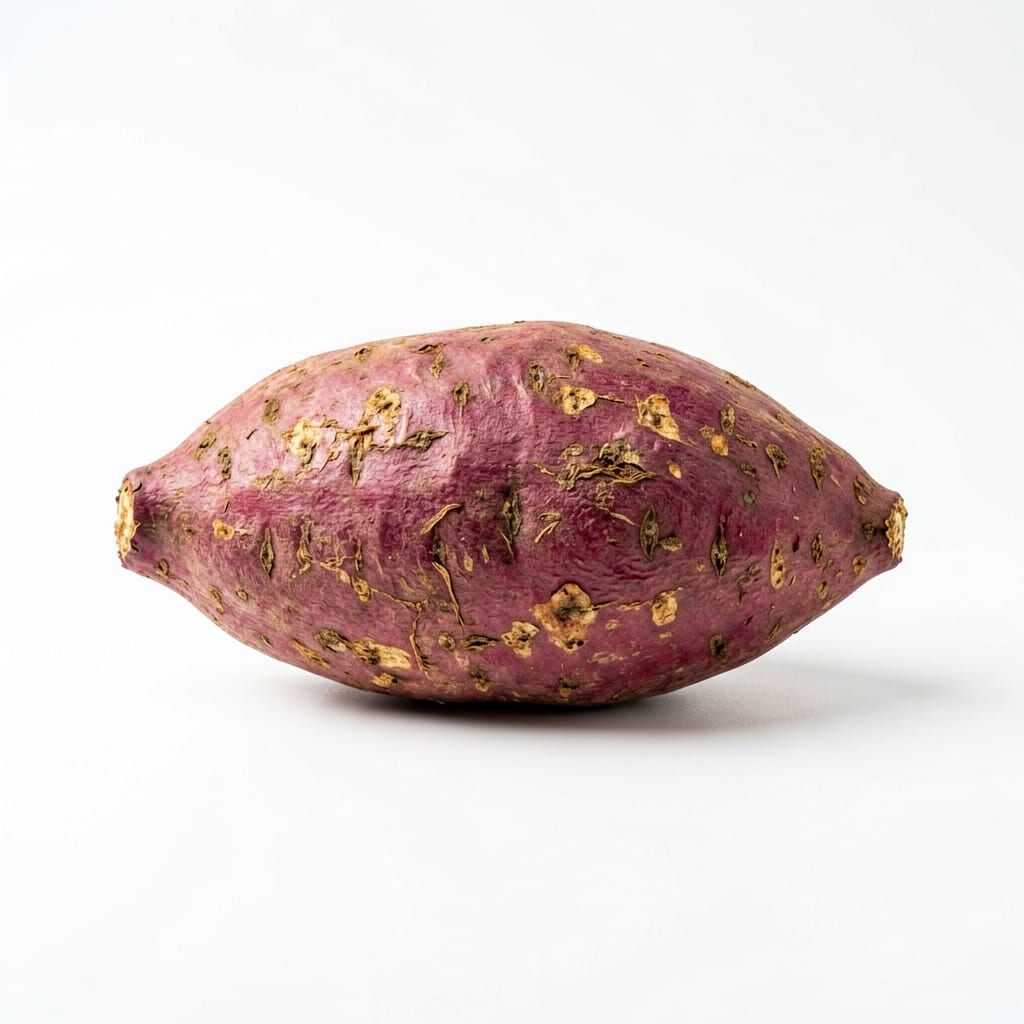
Sweet Potato
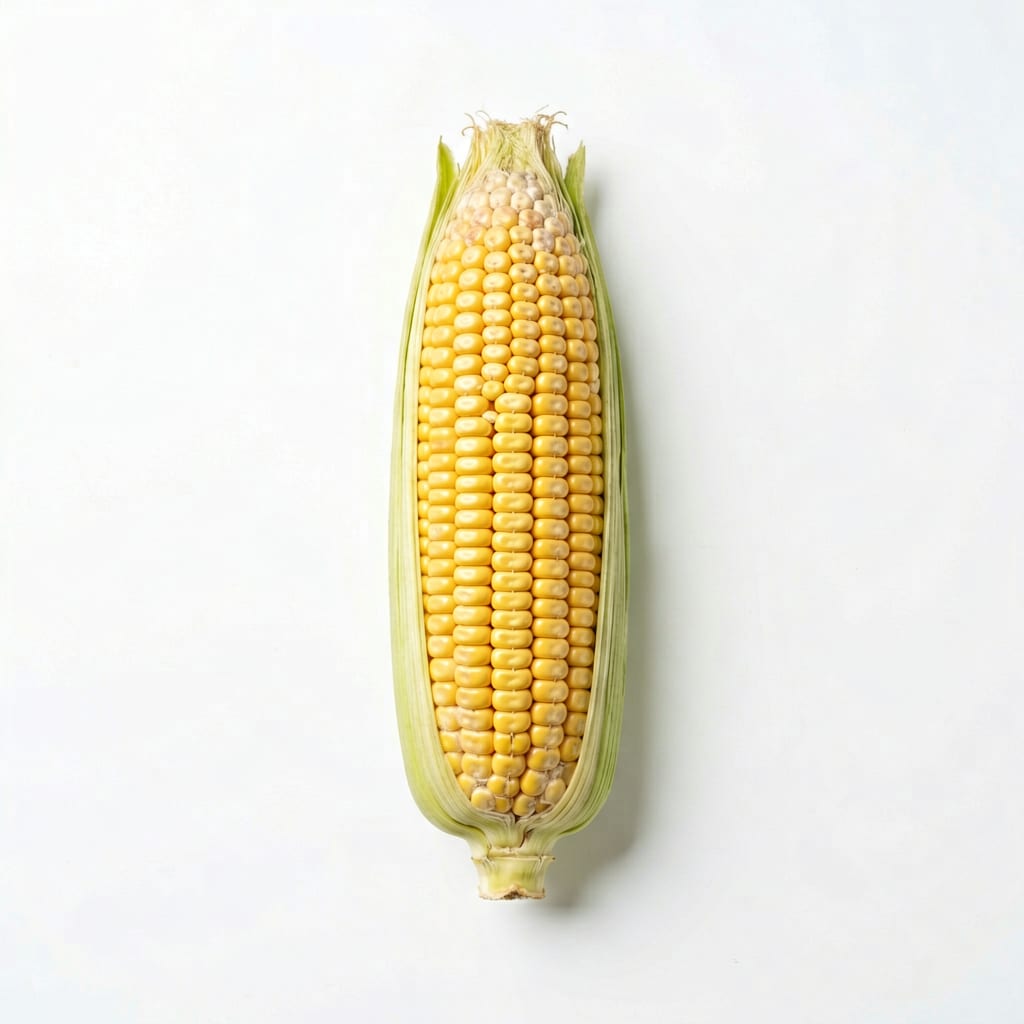
Corn
Sweet Potato edges out corn thanks to superior fiber, dramatically more vitamin A, and steadier blood sugar response. Corn stays competitive with unique eye-health antioxidants and easier convenience.
Sweet Potato scores noticeably higher due to its fiber advantage, massive vitamin A content, and gentler blood sugar impact. Corn remains solid but its higher glycemic load and GMO concerns pull it down.
Sweet Potato gives you deeper nutrition and steadier energy, but corn offers quicker prep, more protein, and lutein for eye health.
At a glance
Executive summary
Overall
Sweet Potato
Healthier
Sweet Potato
More practical
Corn
Daily use
Sweet Potato
Key comparison lenses
blood sugar management
Both are starchy carbs with meaningfully different glycemic impacts, a primary concern for most users comparing these foods
nutrient density comparison
Sweet Potato offers dramatically more vitamin A while corn provides unique antioxidants like lutein
weight management and satiety
Fiber content and caloric density differ enough to affect fullness and portion control
GMO and pesticide concerns
Corn is heavily GMO-dominated in the US while sweet potatoes are rarely GMO, a common consumer worry
meal versatility and convenience
Both are staple carbs but serve different culinary roles and prep requirements
Best choice for
Sweet Potato
- Blood sugar management and diabetes prevention
- Vitamin A deficiency or immune support needs
- Sustained energy without afternoon crashes
- Post-workout carb refueling with minimal spike
- Infant and toddler first foods
Corn
- Quick side dish on busy weeknights
- Eye health maintenance (lutein and zeaxanthin)
- Budget-conscious meal prep
- Outdoor grilling and social eating
- Adding whole grains to salads and bowls
Least suitable for
Sweet Potato
- Very low-carb or keto diets
- People watching calorie density closely
- Last-minute meal prep when time is tight
Corn
- Blood sugar sensitive individuals
- Those avoiding GMO foods without organic access
- People prone to overeating starchy sides
Deep comparison
Dimension by dimension
Each lens scores both foods and breaks down who each option suits.
- Dimension 1 · Priority 95Sweet Potato
Blood Sugar Stability
Sweet Potato · 82Corn · 55Sweet Potato digests more slowly, giving you steadier energy. Corn spikes blood sugar faster, especially as sweet corn.
Tradeoff
Sweet Potato requires more cook time to achieve its low glycemic benefit, while corn's convenience comes with a faster glucose rise.
Why it matters
Steadier blood sugar means fewer cravings, better focus, and less fatigue between meals.
Real-world impact
A Sweet Potato at lunch keeps you satisfied until dinner. Corn on the cob may leave you hungry again within two hours.
Sweet Potato
- Diabetics and pre-diabetics
- People prone to energy crashes
- Intermittent fasters breaking a fast
Better for
- Those wanting instant carb energy during exercise
Worse for
Corn
- Athletes needing quick carb fuel mid-activity
- Underweight individuals needing easy calories
Better for
- Anyone monitoring glycemic load closely
- People with insulin resistance
Worse for
- Dimension 2 · Priority 90Sweet Potato
Nutrient Density
Sweet Potato · 88Corn · 62Sweet Potato delivers an extraordinary amount of vitamin A along with strong potassium and vitamin C. Corn offers B vitamins and lutein but less overall micronutrient punch.
Tradeoff
Sweet Potato dominates vitamin A but corn uniquely provides lutein and zeaxanthin, which protect eyes from blue light and aging damage.
Why it matters
Vitamin A supports immunity, skin, and vision. Most people fall short, making Sweet Potato an easy win.
Real-world impact
One medium Sweet Potato covers over 400% of your daily vitamin A needs. You would need to eat several ears of corn to match that impact on any single vitamin.
Sweet Potato
- Immune system support
- Skin health and wound healing
- Pregnancy nutrition (vitamin A from beta-carotene)
- Children needing nutrient-dense calories
Better for
- Those with vitamin A toxicity concerns from supplements (not an issue from food)
Worse for
Corn
- Long-term eye health and screen fatigue protection
- B vitamin intake, especially thiamin and folate
Better for
- Anyone relying on it as a primary nutrient source
Worse for
- Dimension 3 · Priority 87Sweet Potato
Satiety and Fullness
Sweet Potato · 80Corn · 60Sweet Potato keeps you fuller longer thanks to more fiber and a denser texture that slows eating pace.
Tradeoff
Corn feels lighter in the stomach, which can be pleasant or unsatisfying depending on your hunger level.
Why it matters
Feeling full reduces snacking and overeating without requiring willpower.
Real-world impact
A baked Sweet Potato feels like a real meal component. Corn on the cob feels more like a side that disappears quickly.
Sweet Potato
- Weight management through natural portion control
- Long gaps between meals
- Emotional eaters needing physical fullness
Better for
- People who dislike feeling overly full
Worse for
Corn
- Light eaters who feel uncomfortable when too full
- Hot summer meals where heavy food feels wrong
Better for
- Anyone trying to reduce between-meal snacking
Worse for
- Dimension 4 · Priority 68Corn
Protein Content
Sweet Potato · 45Corn · 58Corn contains slightly more protein per serving, though neither is a significant protein source.
Tradeoff
The protein difference is small and unlikely to matter unless you eat large quantities. Both need pairing with real protein sources.
Why it matters
Even small protein advantages help with muscle maintenance and satiety signals.
Real-world impact
Neither food moves the needle on protein alone. A cup of corn gives about 5g versus 2g in Sweet Potato, but you still need beans, eggs, or meat.
Sweet Potato
- Not a meaningful winner in any protein context
Better for
- High-protein diet followers needing efficiency
Worse for
Corn
- Vegans scraping together every gram of protein
- Plant-based bowls where corn adds a small protein bump
Better for
- Not applicable — margin is too small to be a real downside
Worse for
- Dimension 5 · Priority 80Sweet Potato
Safety and Contamination Concerns
Sweet Potato · 85Corn · 58Sweet Potato faces minimal GMO exposure and low pesticide risk. Conventionally grown corn is overwhelmingly GMO and carries higher pesticide residue concerns.
Tradeoff
Organic corn eliminates most concerns but costs more and is less available. Sweet Potato is naturally safer even in conventional form.
Why it matters
Long-term pesticide and GMO exposure remains uncertain. Choosing lower-risk foods is a reasonable precaution.
Real-world impact
If you buy conventional produce, Sweet Potato is the safer bet. With corn, going organic matters more for reducing exposure.
Sweet Potato
- Families wanting lower pesticide exposure on a budget
- People avoiding GMOs without paying organic premiums
Better for
- Minimal safety downsides
Worse for
Corn
- Not a safety winner unless organic is guaranteed
Better for
- Consumers worried about GMOs and glyphosate residues
- Children's diets where lower exposure is preferred
Worse for
- Dimension 6 · Priority 75Corn
Convenience and Versatility
Sweet Potato · 55Corn · 78Corn is faster to prepare, easier to find pre-cut or frozen, and works in more dish types from salads to salsas. Sweet Potato needs peeling and longer cooking.
Tradeoff
Sweet Potato rewards patience with better nutrition. Corn delivers acceptable nutrition with minimal effort.
Why it matters
The best food nutritionally is the one you actually prepare and eat consistently.
Real-world impact
Frozen corn steams in 3 minutes and tosses into anything. Sweet Potato needs 30-45 minutes baked or 15 minutes boiled and peeled.
Sweet Potato
- Meal preppers who batch-cook on weekends
- People who enjoy cooking and slow meals
Better for
- Weeknight cooks with under 20 minutes
- Anyone who hates peeling
Worse for
Corn
- Busy parents needing fast sides
- Camping and outdoor cooking
- Salad and grain bowl builders
- People who keep frozen vegetables as staples
Better for
- Not versatile as a standalone meal base
Worse for
Timeline
Health impact over time
Short-term
Hours to days
Sweet Potato
- Steady energy rise without jittery spikes
- Comforting warmth and fullness after eating
- Potential for mild digestive adjustment if unused to high fiber
Corn
- Quicker energy boost that may fade within 1-2 hours
- Light feeling in the stomach, less heavy than Sweet Potato
- Easier to overeat due to lower satiety signals
Long-term
Months to years
Sweet Potato
- Better blood sugar regulation with regular consumption
- Stronger immune function from consistent vitamin A intake
- Improved digestive regularity from higher fiber intake
- Potential reduced risk of vitamin A deficiency-related vision issues
Corn
- Eye health protection from lutein and zeaxanthin accumulation
- Possible GMO and pesticide exposure concerns with conventional corn
- Higher glycemic load contributing to insulin resistance if overconsumed
- Decent B vitamin support for energy metabolism
Risk profile
Safety & processing
Both foods are whole and minimally processed in their natural form. However, corn appears in far more ultra-processed products like corn syrup, cornmeal snacks, and cereals. Sweet Potato is rarely processed beyond canning or freezing. When eating either food in whole form, additive concerns are negligible.
Sweet Potato
Mold and spoilage
lowSweet Potatoes can develop mold if stored in damp conditions. Discard any with soft spots or mold, as toxins can spread beyond visible areas.
Pesticide residue
lowSweet Potato consistently ranks low on pesticide residue tests. The thick skin provides natural protection, and it is not a GMO crop.
Corn
GMO exposure
mediumOver 90% of US corn is genetically modified. While health effects remain debated, many consumers prefer avoiding GMOs. Choose organic corn to eliminate this concern.
Pesticide residue
mediumConventionally grown corn often carries pesticide residues including glyphosate. Washing helps but does not fully remove systemic residues.
Mycotoxin contamination
lowCorn is susceptible to fungal toxins like aflatoxins during storage. Regulations monitor this closely, but risk increases with improper storage.
Who wins for whom
Audience fit
Same foods, different winners depending on your goal.
children
Sweet PotatoSweet Potato is a top first food for babies due to its nutrient density, natural sweetness, and low allergy risk. Corn is fine but less nutrient-packed per bite.
daily consumption
Sweet PotatoBroader nutrient coverage and better blood sugar control make Sweet Potato more sustainable as a daily staple without metabolic downsides.
diabetes
Sweet PotatoLower glycemic impact and more fiber help stabilize blood sugar. Corn's faster glucose rise makes it riskier for insulin-sensitive individuals.
elderly
Sweet PotatoVitamin A supports aging immune systems, potassium helps blood pressure, and the soft texture when cooked is easy to chew and digest.
muscle gain
CornCorn provides slightly more protein and faster-digesting carbs that can fuel training, though both should be paired with protein sources.
weight loss
Sweet PotatoHigher fiber and greater satiety make Sweet Potato more filling per calorie, reducing the urge to snack between meals.
Your move
Decision guide
Choose Sweet Potato
- You want steadier energy without crashes
- Blood sugar management is a priority
- You need more vitamin A in your diet
- You prefer feeling full and satisfied after meals
- You want to minimize GMO and pesticide exposure on a budget
- You are meal prepping for the week
Choose Corn
- You need a quick side dish in under 5 minutes
- Eye health and screen-time protection matter to you
- You are an athlete needing fast carb fuel
- You are building grain bowls or salads and want texture
- You have access to organic corn and want variety
- You find Sweet Potato too heavy or sweet
Either works if
- You simply want a whole-food carb source instead of refined grains
- You are eating a balanced plate with protein and vegetables already covered
- You rotate starches for dietary diversity
Avoid both if
- You are on a strict keto or very low-carb diet
- You have severe digestive issues with starches
- You are counting every gram of carbohydrate carefully
Final recommendation
Make Sweet Potato your default starchy carb and treat corn as a rotating alternative. Sweet Potato delivers more nutrition per bite, steadier energy, and fewer safety concerns. Corn earns its place for convenience, eye-health antioxidants, and meal variety. If you eat corn regularly, choose organic when possible to avoid GMO and pesticide exposure.
Practical
Consumer tips
- 1
Boil Sweet Potato rather than baking if you want the lowest glycemic impact — cooling it after cooking further reduces the glycemic load
- 2
Buy organic corn when possible, especially if you eat it multiple times per week
- 3
Pair either food with a protein source like black beans, chicken, or eggs to balance the meal
- 4
Frozen corn retains most nutrients and is incredibly convenient for quick meals
- 5
Purple and orange Sweet Potatoes have different antioxidant profiles — mix them for broader coverage
- 6
Avoid Sweet Potato fries as a health food — deep frying negates most blood sugar benefits
- 7
Corn on the cob with butter is fine occasionally, but the added fat increases calorie density quickly