
Nutrition comparison
Sweet Potato vs Brown Rice: Which Carb Is Healthier for You?
Compare Sweet Potato and Brown Rice on blood sugar, weight loss, protein, arsenic risk, and meal prep convenience. Find out which carb fits your goals better.
Overall winner · Sweet Potato
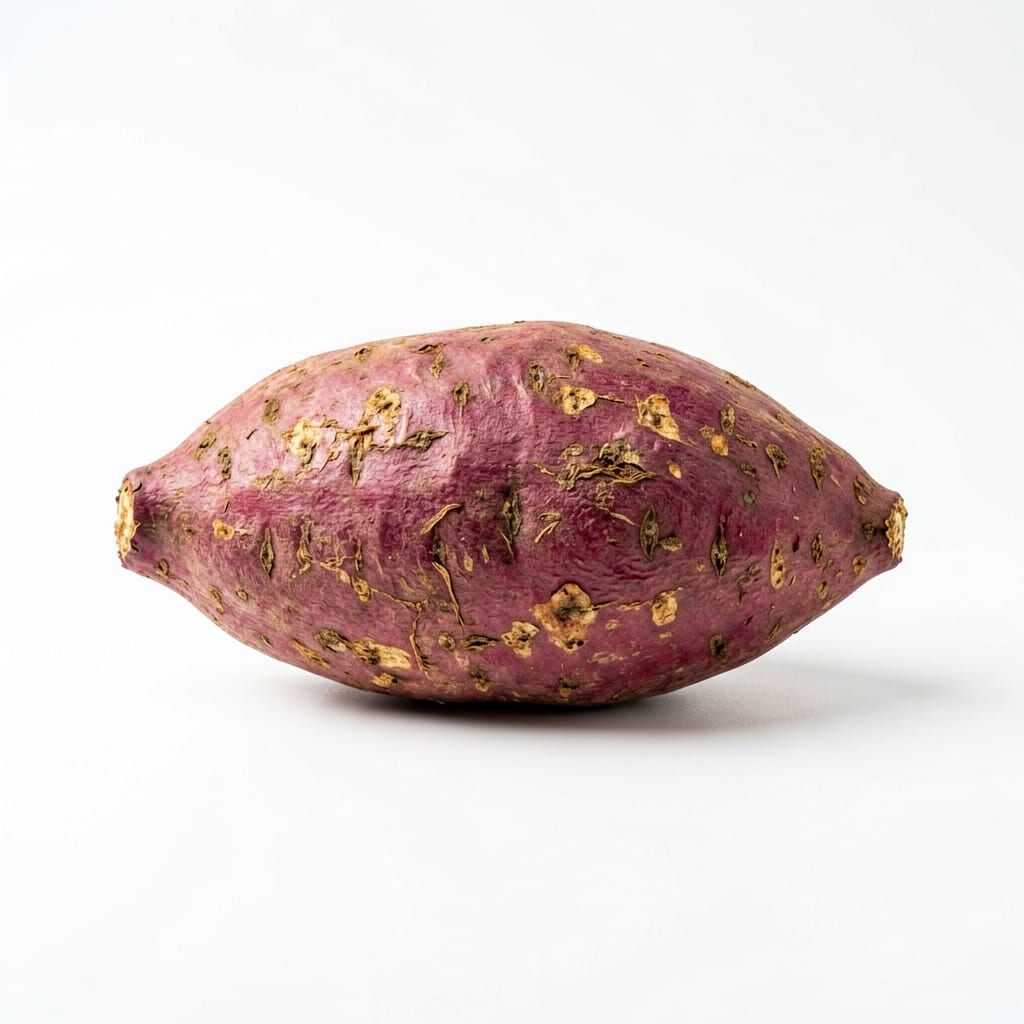
Sweet Potato
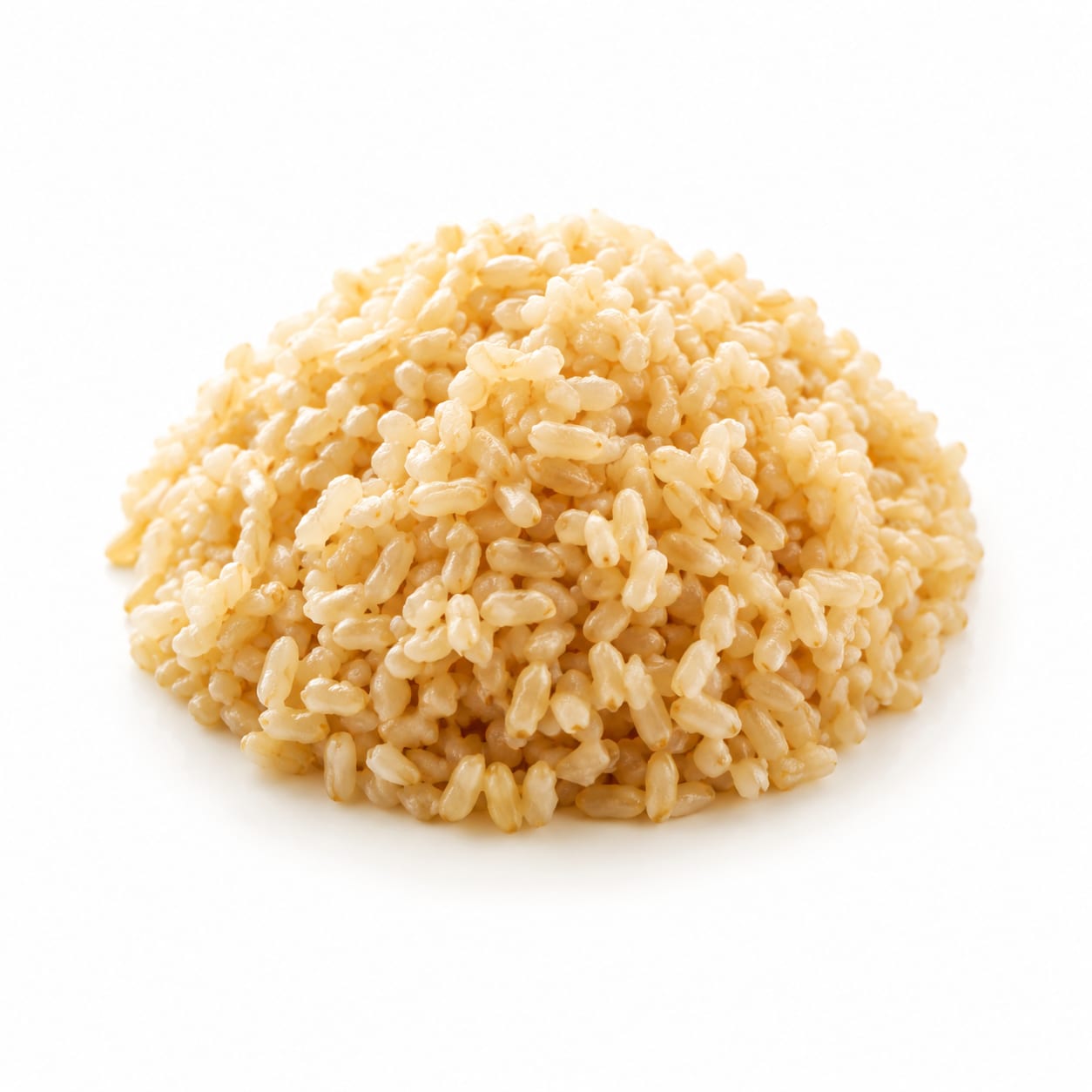
Brown Rice
Sweet Potato wins on nutrition, blood sugar, and safety. Brown Rice wins on protein, meal prep convenience, and mineral content.
Sweet Potato scores higher due to superior micronutrient density, lower glycemic impact, and absence of arsenic concerns. Brown Rice remains competitive with better protein and mineral content, but safety and blood sugar factors tip the balance.
You get more vitamins and steadier energy from Sweet Potato, but Brown Rice offers more protein and reheats better for batch cooking.
At a glance
Executive summary
Overall
Sweet Potato
Healthier
Sweet Potato
More practical
Brown Rice
Daily use
Sweet Potato
Key comparison lenses
blood sugar management
Both are staple carbs with meaningfully different glycemic impacts, a primary concern for most users choosing between them
weight management and satiety
Calorie density and fullness differ substantially, directly affecting portion control and diet adherence
micronutrient value per calorie
Sweet Potato delivers dramatically more vitamins per calorie, making it a nutrient-dense choice
meal prep and everyday practicality
Brown Rice stores and reheats better, which matters for weekly planning and convenience
heavy metal and contamination safety
Arsenic in brown rice is a legitimate concern that many consumers are unaware of
Best choice for
Sweet Potato
- People managing blood sugar or prediabetes
- Anyone prioritizing vitamin A and antioxidant intake
- Those seeking lower calorie density for weight loss
- Families wanting a naturally sweet, kid-friendly carb
- Individuals concerned about arsenic exposure
Brown Rice
- Athletes needing higher protein carb sources
- Meal preppers who cook once for the whole week
- Those seeking selenium and manganese for thyroid and bone health
- People wanting a neutral base for bowls and stir-fries
- Vegans and vegetarians maximizing plant protein
Least suitable for
Sweet Potato
- Those who need long shelf-stable pantry staples
- People who want a neutral-flavored carb base
- Anyone doing extended meal prep beyond 3-4 days
Brown Rice
- People with arsenic concerns, especially children
- Those managing diabetes who need the lowest glycemic option
- Anyone counting calories closely and needing maximum volume
Deep comparison
Dimension by dimension
Each lens scores both foods and breaks down who each option suits.
- Dimension 1 · Priority 92Sweet Potato
Blood Sugar Stability
Sweet Potato · 82Brown Rice · 58Sweet Potato has a meaningfully lower glycemic index, especially when boiled and cooled, leading to steadier energy with less crash.
Tradeoff
Brown Rice causes a faster blood sugar rise, which can be useful post-workout but problematic for sedentary meals.
Why it matters
Stable blood sugar means fewer cravings, better focus, and less afternoon energy dips.
Real-world impact
A Sweet Potato lunch keeps you satisfied until dinner. Brown Rice may leave you reaching for a snack by 3pm.
Sweet Potato
- Prediabetics and diabetics
- Sedentary office workers
- Anyone prone to afternoon energy crashes
Better for
- Athletes needing rapid carb uptake immediately after training
Worse for
Brown Rice
- Post-workout recovery meals
- Endomorphs needing quick glycogen replenishment
Better for
- People with insulin resistance
- Late-night eaters
Worse for
- Dimension 2 · Priority 88Sweet Potato
Micronutrient Density
Sweet Potato · 90Brown Rice · 55Sweet Potato is a micronutrient powerhouse with massive vitamin A, strong vitamin C, and solid potassium. Brown Rice offers modest B vitamins and minerals.
Tradeoff
You get dramatically more vitamins per calorie from Sweet Potato, but Brown Rice provides more manganese and selenium.
Why it matters
Vitamin A supports immunity, skin, and vision. Most people under-consume it, making Sweet Potato an easy win.
Real-world impact
One medium Sweet Potato delivers over 400% of daily vitamin A needs. You would need to eat a lot of Brown Rice to match its micronutrient impact.
Sweet Potato
- Anyone with low vitamin A intake
- People wanting immune and skin support
- Children who need nutrient-dense foods
Better for
- Those on vitamin A-restricted diets for medical reasons
Worse for
Brown Rice
- Those needing extra selenium for thyroid health
- People focused on manganese for bone metabolism
Better for
- Anyone relying on a single carb source for vitamin coverage
Worse for
- Dimension 3 · Priority 86Sweet Potato
Satiety and Calorie Density
Sweet Potato · 80Brown Rice · 62Sweet Potato provides more food volume per calorie, making it easier to feel full without overeating.
Tradeoff
Brown Rice is more calorie-dense, which helps when you need energy in a smaller portion but works against portion control.
Why it matters
Lower calorie density means you can eat a satisfying portion without accidentally consuming excess calories.
Real-world impact
A large baked Sweet Potato feels like a hearty meal for around 100 calories. The same calories in Brown Rice is a small, less satisfying scoop.
Sweet Potato
- Weight loss seekers
- Volume eaters who like large portions
- Emotional eaters needing physical fullness
Better for
- Those who struggle to eat enough calories
Worse for
Brown Rice
- Athletes needing concentrated calories
- Underweight individuals trying to gain
- Hikers and endurance athletes packing light
Better for
- People who tend to overeat calorie-dense foods
Worse for
- Dimension 4 · Priority 80Brown Rice
Protein and Mineral Content
Sweet Potato · 50Brown Rice · 75Brown Rice delivers more protein per serving and significantly more manganese, selenium, and magnesium.
Tradeoff
The protein advantage is real but modest. Neither food is a protein powerhouse, so the gap matters most for plant-based eaters.
Why it matters
For vegans and vegetarians, every gram of protein counts. Brown Rice contributes more meaningfully to daily protein targets.
Real-world impact
A cup of Brown Rice adds about 5g of protein versus 2g from Sweet Potato. Over a day of mixed meals, this adds up.
Sweet Potato
- Those already meeting protein needs from other sources
Better for
- Vegans not tracking protein intake carefully
Worse for
Brown Rice
- Plant-based eaters maximizing protein from all sources
- People needing selenium for thyroid support
- Those focused on magnesium for sleep and recovery
Better for
- Those who assume Brown Rice is a significant protein source on its own
Worse for
- Dimension 5 · Priority 78Brown Rice
Meal Prep and Convenience
Sweet Potato · 55Brown Rice · 82Brown Rice stores, reheats, and integrates into meals far more easily than Sweet Potato.
Tradeoff
Sweet Potato requires more careful storage and loses texture when reheated, but it cooks faster in a microwave.
Why it matters
The best carb is the one you actually prepare and eat consistently. Convenience drives adherence.
Real-world impact
Cooked Brown Rice lasts 5-6 days in the fridge and works in bowls, wraps, and sides. Sweet Potato gets mushy and watery after day 3.
Sweet Potato
- People who microwave single servings on demand
- Those who prefer baking whole foods with minimal prep
Better for
- Anyone prepping more than 3 days of meals ahead
Worse for
Brown Rice
- Sunday meal preppers
- Anyone building grain bowls for the week
- People who cook in bulk and reheat daily
Better for
- Those without 40-45 minutes to cook it initially
Worse for
- Dimension 6 · Priority 72Sweet Potato
Safety and Contamination Risk
Sweet Potato · 88Brown Rice · 55Brown Rice consistently contains inorganic arsenic from soil and water. Sweet Potato has no comparable contamination concern.
Tradeoff
Rinsing and cooking Brown Rice in excess water reduces arsenic by up to 60%, but some residual risk remains.
Why it matters
Long-term arsenic exposure is linked to cancer and cardiovascular risk. This matters most for children and daily consumers.
Real-world impact
If you eat Brown Rice daily, arsenic exposure accumulates. Rotating with Sweet Potato or other grains significantly reduces this burden.
Sweet Potato
- Children and pregnant women
- Daily carb consumers who eat rice at every meal
- Anyone concerned about long-term heavy metal exposure
Better for
- Those who ignore mold on aging sweet potatoes
Worse for
Brown Rice
- Occasional eaters for whom arsenic accumulation is minimal
Better for
- Families relying on rice as a daily staple
- People with compromised detox pathways
Worse for
Timeline
Health impact over time
Short-term
Hours to days
Sweet Potato
- Steadier energy with less post-meal crash
- Natural sweetness reduces dessert cravings
- High water content feels lighter in the stomach
Brown Rice
- More sustained fullness from higher calorie density
- Slightly faster blood sugar rise after meals
- Can feel heavy in large portions
Long-term
Months to years
Sweet Potato
- Better blood sugar management reduces diabetes risk
- High beta-carotene supports eye and immune health long-term
- Lower arsenic exposure protects against chronic disease
Brown Rice
- Selenium supports thyroid function over decades
- Manganese contributes to bone density maintenance
- Daily consumption without rotation raises arsenic accumulation risk
Risk profile
Safety & processing
Both are whole foods with minimal processing. Sweet Potato is eaten essentially as harvested. Brown Rice has the hull removed but retains bran and germ, keeping it close to its natural state.
Sweet Potato
Mold and spoilage
lowSweet Potatoes spoil faster than dried rice. Discard any with soft spots or mold, as toxins can spread beyond visible areas.
Oxalate content
lowModerate oxalates may concern people with a history of calcium oxalate kidney stones, though boiling reduces levels significantly.
Brown Rice
Inorganic arsenic
mediumBrown Rice absorbs more arsenic than white rice because arsenic concentrates in the bran. Cooking in excess water and varying grain sources reduces exposure.
Phytic acid reducing mineral absorption
lowPhytic acid can bind iron, zinc, and calcium. Soaking before cooking mitigates this, but most people do not bother.
Who wins for whom
Audience fit
Same foods, different winners depending on your goal.
children
Sweet PotatoNatural sweetness appeals to kids, vitamin A supports development, and the absence of arsenic concerns makes it safer for small bodies.
daily consumption
Sweet PotatoLower arsenic risk and higher vitamin content make Sweet Potato safer and more beneficial as a daily staple, though rotating both is ideal.
diabetes
Sweet PotatoLower glycemic index and resistant starch content when cooled make Sweet Potato significantly gentler on blood sugar.
elderly
Sweet PotatoSofter texture when cooked is easier to chew and digest, and the micronutrient density supports immune and eye health in aging.
muscle gain
Brown RiceMore protein per serving and higher calorie density help hit daily protein and calorie targets essential for muscle building.
weight loss
Sweet PotatoLower calorie density and higher fiber per calorie make Sweet Potato more filling for fewer calories, supporting sustainable portion control.
Your move
Decision guide
Choose Sweet Potato
- You want steadier energy without blood sugar spikes
- You are managing weight and need more food volume per calorie
- You eat carbs daily and want to minimize arsenic exposure
- You want maximum vitamin A and antioxidant benefit
- You prefer a naturally sweet carb that satisfies cravings
Choose Brown Rice
- You meal prep weekly and need a carb that stores and reheats well
- You are plant-based and need every gram of protein you can get
- You want a neutral base for savory bowls and stir-fries
- You are an athlete needing concentrated post-workout calories
- You eat rice only a few times per week, making arsenic risk minimal
Either works if
- You rotate carb sources throughout the week anyway
- You are generally healthy with no blood sugar or weight concerns
- You enjoy both and want dietary variety
Avoid both if
- You are on a strict very-low-carb or ketogenic diet
- You have severe digestive issues requiring low-fiber foods temporarily
Final recommendation
Make Sweet Potato your default daily carb for its vitamin density, blood sugar stability, and safety profile. Use Brown Rice a few times per week for its protein, mineral content, and meal prep convenience. Rotating between them gives you the best of both while minimizing arsenic risk from rice and keeping meals interesting.
Practical
Consumer tips
- 1
Boil Sweet Potatoes instead of baking to lower the glycemic index further
- 2
Cook Brown Rice in 6 cups of water per cup of rice and drain the excess to reduce arsenic by up to 60%
- 3
Cool cooked Sweet Potato before eating to increase resistant starch, which feeds gut bacteria and lowers glycemic impact
- 4
Buy Brown Rice from California or India rather than the US South, as southern soil has higher arsenic levels
- 5
Store Sweet Potatoes in a cool dark place but never the fridge, as cold converts starches to sugar and alters texture
- 6
Soak Brown Rice for 6-8 hours before cooking to reduce phytic acid and improve mineral absorption
- 7
Pair either carb with a protein and healthy fat to further slow digestion and stabilize blood sugar