
Nutrition comparison
Sweet Potato vs Plantain: Which Starchy Carb Is Healthier?
Compare Sweet Potato and Plantain nutrition, glycemic impact, and health benefits. Learn which is better for blood sugar, weight loss, and daily eating.
Overall winner · Sweet Potato
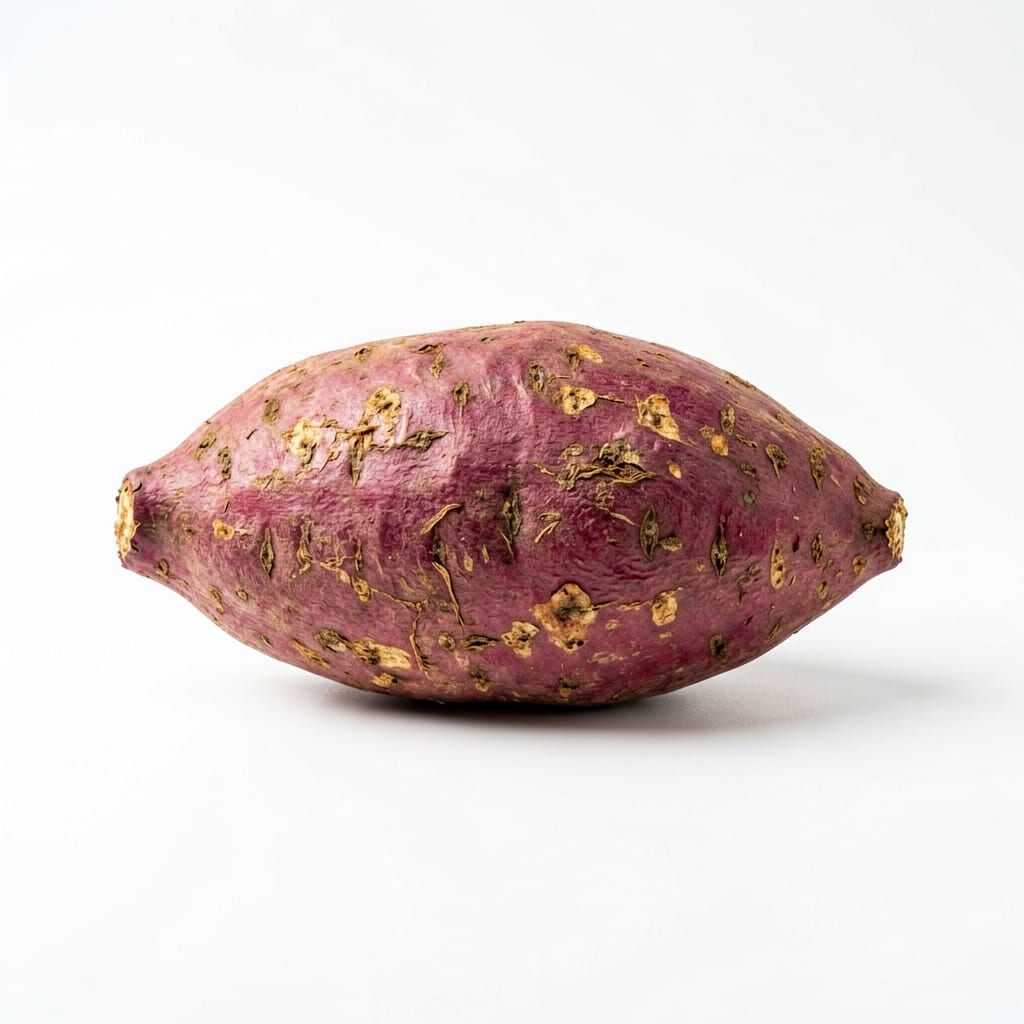
Sweet Potato
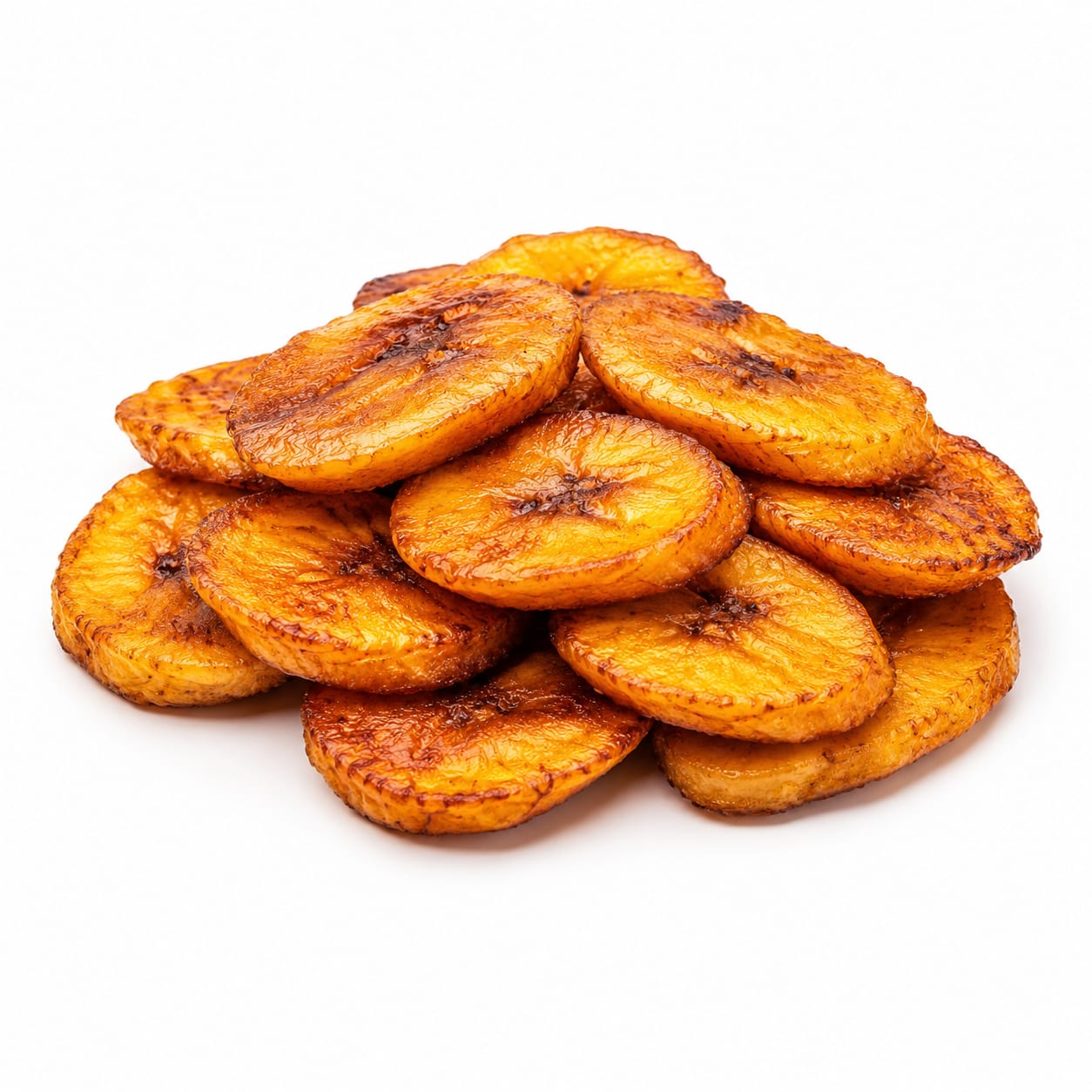
Plantain
Sweet Potato wins for most health goals thanks to its vitamin A dominance, lower glycemic impact, and higher fiber. Plantain shines when you need resistant starch or a more calorie-dense, savory carb base.
Sweet Potato scores notably higher due to its exceptional vitamin A content, lower glycemic load, and superior fiber-to-calorie ratio. Plantain remains a solid choice but loses ground because its most common preparations involve frying, and its glycemic impact is higher when ripe.
Sweet Potato gives you more nutrients per calorie and steadier blood sugar. Plantain gives you more calories, more potassium, and unique gut-friendly starch when green.
At a glance
Executive summary
Overall
Sweet Potato
Healthier
Sweet Potato
More practical
It depends
Daily use
Sweet Potato
Key comparison lenses
blood sugar management and glycemic impact
Both are starchy carb sources with meaningfully different glycemic profiles that affect energy and cravings
vitamin A and antioxidant intake
Sweet Potato is one of the richest vitamin A sources available, a massive differentiator
weight management and calorie density
Sweet Potato offers more volume per calorie while Plantain is denser, impacting portion control
cultural cooking and meal context
Plantain is often fried or prepared with oil, dramatically changing its health profile compared to baked Sweet Potato
resistant starch and gut health
Green Plantain offers unique resistant starch benefits that Sweet Potato cannot match
Best choice for
Sweet Potato
- People managing blood sugar or prediabetes
- Anyone seeking vitamin A and antioxidant support
- Weight-conscious eaters wanting more volume per calorie
- Those who prefer a naturally sweet carb without added sugar
- Individuals with digestive sensitivity who need gentle fiber
Plantain
- Athletes needing calorie-dense carb fuel
- People seeking resistant starch for gut health
- Those wanting a savory starchy side for cultural meals
- Anyone needing extra potassium and magnesium
- Active individuals who burn through carbs quickly
Least suitable for
Sweet Potato
- Very low-fiber diets after certain surgeries
- People who dislike sweet flavors in savory meals
- Those needing extremely high calorie intake for weight gain
Plantain
- Strict low-carb or keto dieters
- People with blood sugar concerns when eating ripe or fried versions
- Those watching calorie density closely
- Anyone avoiding fried or oil-heavy preparations
Deep comparison
Dimension by dimension
Each lens scores both foods and breaks down who each option suits.
- Dimension 1 · Priority 92Sweet Potato
Blood Sugar Stability
Sweet Potato · 82Plantain · 55Sweet Potato has a meaningfully lower glycemic index, especially when boiled, causing slower blood sugar rises.
Tradeoff
Green Plantain offers resistant starch that feeds gut bacteria and barely raises blood sugar, but most people eat ripe Plantain which spikes glucose faster than Sweet Potato.
Why it matters
If you get afternoon energy crashes or have insulin resistance, Sweet Potato keeps things steadier. Ripe Plantain can trigger hunger again sooner.
Real-world impact
A baked Sweet Potato at lunch keeps you full until dinner. A serving of ripe fried Plantain may leave you reaching for a snack by 3pm.
Sweet Potato
- Prediabetics and insulin-resistant individuals
- People prone to energy crashes after carb-heavy meals
- Anyone trying to reduce sugar cravings
Better for
- Situations requiring rapid carb absorption after intense exercise
Worse for
Plantain
- Post-workout when you want faster glycogen replenishment
- Endurance athletes mid-activity needing quick fuel
Better for
- Sedentary evenings when blood sugar spikes linger
- Breakfast before a desk-bound workday
Worse for
- Dimension 2 · Priority 88Sweet Potato
Nutrient Density
Sweet Potato · 90Plantain · 62Sweet Potato delivers dramatically more vitamin A, more vitamin C, and more fiber per calorie than Plantain.
Tradeoff
Plantain offers more potassium and vitamin B6, but the overall micronutrient gap heavily favors Sweet Potato due to its beta-carotene content.
Why it matters
Vitamin A supports immune function, skin health, and vision. A single Sweet Potato can provide several days' worth of vitamin A.
Real-world impact
Eating Sweet Potato regularly is like taking a natural multivitamin focused on vitamin A. Plantain is more of a straight energy source with some mineral benefits.
Sweet Potato
- Anyone with vitamin A deficiency concerns
- People wanting immune and skin support from food
- Children who need nutrient-dense calories for growth
Better for
- Those already consuming excessive vitamin A from supplements or liver
Worse for
Plantain
- Cramp-prone athletes needing extra potassium
- People with B6 needs related to mood or energy
Better for
- Anyone relying on it as a primary nutrient source rather than energy source
Worse for
- Dimension 3 · Priority 84Sweet Potato
Satiety and Fullness
Sweet Potato · 80Plantain · 68Sweet Potato provides more volume and fiber per calorie, making it more filling for the same energy intake.
Tradeoff
Plantain's higher calorie density can feel more satisfying in the moment, especially when fried, but leads to less satiety per calorie consumed.
Why it matters
If you are trying to eat less without feeling hungry, Sweet Potato gives you more food on your plate for fewer calories.
Real-world impact
A medium baked Sweet Potato (about 100 calories) feels like a substantial side. The same calories in Plantain is a small portion that may not feel like enough.
Sweet Potato
- Weight loss diets where volume matters
- People who eat until physically full rather than calorie-counting
Better for
- Very active people who struggle to eat enough calories
Worse for
Plantain
- Underweight individuals needing calorie density
- Athletes in bulking phases
Better for
- Anyone who tends to overeat calorie-dense foods
Worse for
- Dimension 4 · Priority 78It depends
Gut Health and Digestive Tolerance
Sweet Potato · 76Plantain · 78Green Plantain's resistant starch feeds beneficial gut bacteria uniquely well. Sweet Potato's soluble fiber is gentler and more universally tolerated.
Tradeoff
Resistant starch from green Plantain is powerful for microbiome health but can cause bloating in sensitive people. Sweet Potato fiber is soothing and less likely to cause gas.
Why it matters
Your gut bacteria thrive on different fiber types. Resistant starch from green Plantain is rare in most diets and uniquely beneficial.
Real-world impact
Green Plantain flour or boiled green Plantain can noticeably improve digestion over weeks. Sweet Potato is the safer daily choice that never upsets your stomach.
Sweet Potato
- People with IBS or sensitive digestion
- Anyone introducing more fiber gradually
- Those who find resistant starch foods cause bloating
Better for
- Those specifically seeking resistant starch benefits
Worse for
Plantain
- Healthy gut microbiome optimization
- People already tolerant of high-fiber diets
- Anyone wanting to diversify their prebiotic fiber sources
Better for
- FODMAP-sensitive individuals
- People transitioning from low-fiber diets who need gradual introduction
Worse for
- Dimension 5 · Priority 80It depends
Preparation and Real-World Eating
Sweet Potato · 78Plantain · 72Sweet Potato is more forgiving to prepare healthily. Plantain is delicious but most common preparations add significant fat and calories.
Tradeoff
Baking or boiling Sweet Potato is simple and healthy by default. Plantain is most commonly fried in oil, which triples its calorie density and adds inflammatory fats.
Why it matters
The healthiest version of a food only matters if you actually eat it that way. Most people fry Plantain, which dramatically changes its nutritional profile.
Real-world impact
A baked Sweet Potato is naturally delicious with just salt. Getting a healthy Plantain requires deliberate effort to boil or bake it, which most people skip.
Sweet Potato
- Meal preppers wanting simple healthy carbs
- People who default to easy preparations
- Anyone baking or microwaving as their main cooking method
Better for
- Those seeking crispy starchy textures without added oil
Worse for
Plantain
- Cooks making traditional Caribbean, Latin, or West African dishes
- People comfortable boiling or baking Plantain instead of frying
Better for
- Anyone whose default cooking method is frying
- People tracking calories who eat restaurant-prepared Plantain
Worse for
Timeline
Health impact over time
Short-term
Hours to days
Sweet Potato
- Steadier energy after meals with no crash
- Mild blood sugar rise that resolves within two hours
- Gentle digestive comfort due to soluble fiber
- Natural sweetness satisfying sugar cravings without actual sugar
Plantain
- Faster blood sugar rise, especially with ripe or fried versions
- More immediate satiety from calorie density but shorter-lasting fullness
- Possible bloating from resistant starch if eating green Plantain in large amounts
- Heavier feeling in stomach when fried due to oil content
Long-term
Months to years
Sweet Potato
- Improved vitamin A status supporting immune resilience and skin health
- Better blood sugar regulation with regular consumption
- Lower risk of constipation due to consistent fiber intake
- Potential reduced cancer risk from high antioxidant content
Plantain
- Improved gut microbiome diversity from resistant starch when green varieties are consumed regularly
- Higher potassium intake supporting blood pressure management
- Risk of weight gain if fried preparations dominate
- Possible blood sugar dysregulation with frequent ripe Plantain consumption
Risk profile
Safety & processing
Both foods are whole, unprocessed starchy staples in their natural form. The processing concern with Plantain comes not from the food itself but from how it is typically prepared. Fried Plantain absorbs substantial oil, effectively making it a different food nutritionally. Sweet Potato is more commonly baked, boiled, or microwaved, keeping its natural profile intact.
Sweet Potato
Mold and spoilage
lowSweet Potato can develop internal mold if stored in damp conditions. Inspect before cooking and discard any with soft spots or mold.
Oxalate content
lowSweet Potato contains moderate oxalates. Not a concern for most people, but those with calcium oxalate kidney stones should moderate intake.
Plantain
Acrylamide formation when fried
mediumFrying starchy foods at high temperatures creates acrylamide, a probable carcinogen. Baking or boiling Plantain eliminates this risk.
Oil quality concerns in common preparations
mediumRestaurant and street-food Plantain is often fried in reused or low-quality oils, introducing inflammatory compounds and oxidized fats.
Pesticide residue on conventional varieties
lowBoth foods carry moderate pesticide risk when conventionally grown. Washing and peeling reduces exposure significantly.
Who wins for whom
Audience fit
Same foods, different winners depending on your goal.
children
Sweet PotatoSweet Potato's vitamin A content is crucial for childhood development, and its natural sweetness appeals to kids without added sugar.
daily consumption
Sweet PotatoSweet Potato's nutrient density, blood sugar stability, and preparation simplicity make it a more sustainable daily staple.
diabetes
Sweet PotatoSweet Potato has a lower glycemic index and more fiber, causing smaller blood sugar rises. Green Plantain is acceptable but ripe Plantain is risky.
elderly
Sweet PotatoSweet Potato is easier to digest, provides critical vitamin A for aging immune systems, and its softer texture when cooked suits elderly diets better.
muscle gain
PlantainPlantain's higher calorie and carb density supports the caloric surplus and glycogen replenishment needed for muscle building.
weight loss
Sweet PotatoSweet Potato provides more volume and fiber per calorie, making it easier to feel full while staying in a calorie deficit.
Your move
Decision guide
Choose Sweet Potato
- You want steady energy without blood sugar rollercoasters
- Vitamin A and antioxidant intake is a priority
- You are managing your weight and want more food volume per calorie
- You prefer simple baking or boiling over frying
- You need a gentle, digestion-friendly carb source
Choose Plantain
- You are an athlete needing calorie-dense carb fuel
- You want to incorporate resistant starch for gut health using green Plantain
- You are cooking traditional dishes where Plantain is essential
- You struggle to eat enough calories and need energy density
- You are willing to boil or bake it rather than fry
Either works if
- You want a starchy carb side and have no specific health concerns
- You rotate carb sources for dietary variety
- You are at a healthy weight with good blood sugar control
Avoid both if
- You are on a strict ketogenic or very low-carb diet
- You have severe carbohydrate malabsorption issues
- You need to limit potassium intake due to kidney disease
Final recommendation
Make Sweet Potato your default daily starch and treat Plantain as a purposeful addition. Sweet Potato gives you more nutrients, steadier energy, and easier healthy preparation. When you choose Plantain, opt for green varieties boiled or baked to access resistant starch benefits, and save fried ripe Plantain for occasional enjoyment rather than routine.
Practical
Consumer tips
- 1
Boil Sweet Potato instead of baking to lower its glycemic index further
- 2
Cool cooked Sweet Potato in the fridge overnight to increase its resistant starch content, similar to green Plantain benefits
- 3
Choose green Plantain for gut health and lower sugar impact; choose ripe Plantain only for taste and faster energy
- 4
If frying Plantain, use minimal oil in an air fryer to get crispiness without the calorie and inflammatory fat penalty
- 5
Pair either food with a protein source like beans, eggs, or fish to slow digestion and stabilize blood sugar
- 6
Store Sweet Potato in a cool dark place but never the fridge, which alters its texture and flavor
- 7
Freeze overripe Plantain slices for smoothies — they add creaminess and natural sweetness without refined sugar