
Nutrition comparison
Sweet Potato vs White Potato: Which Is Actually Healthier?
Sweet potatoes beat white potatoes on vitamins and blood sugar stability, but white potatoes win on satiety and athletic fueling. Here is how to choose based on your goals.
Overall winner · Sweet Potato
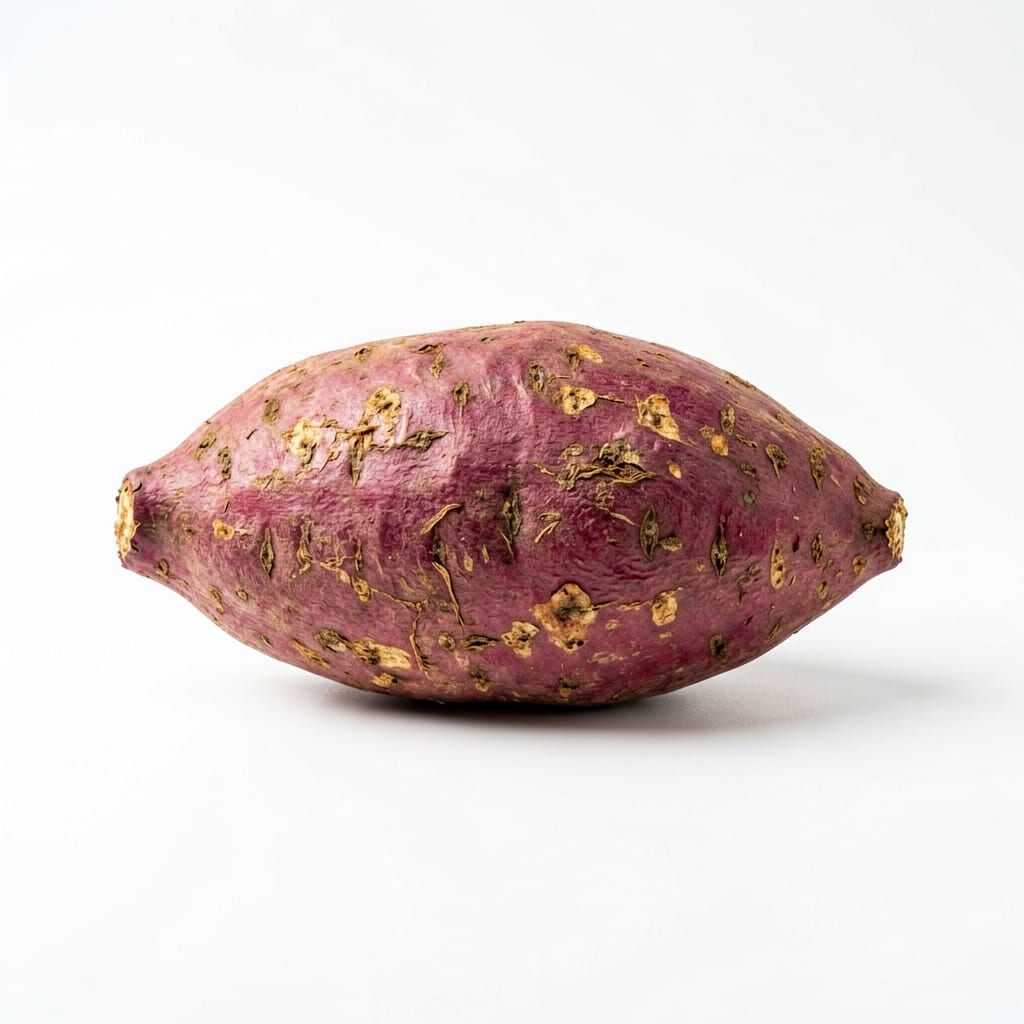
Sweet Potato
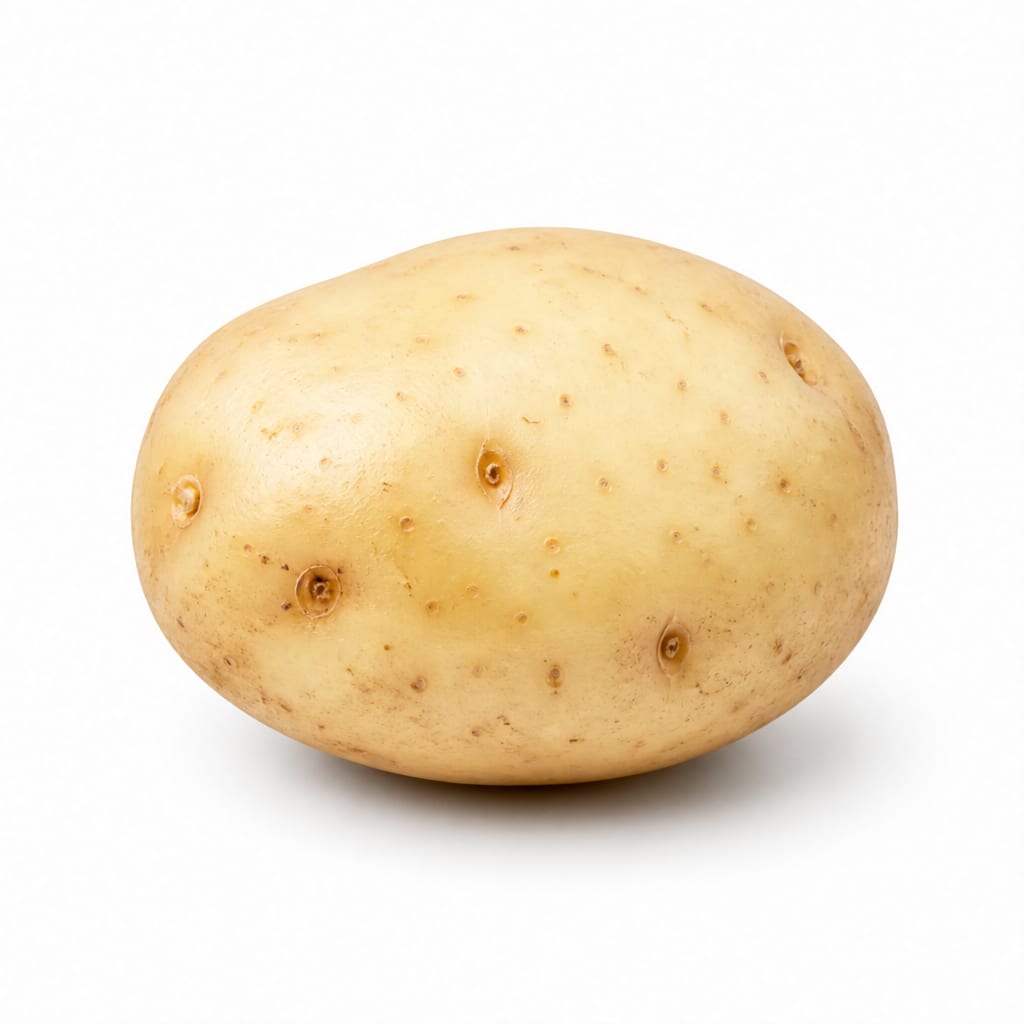
White Potato
Sweet potatoes edge out white potatoes thanks to stronger micronutrient content, steadier blood sugar impact, and more fiber — but white potatoes win on satiety, potassium, and athletic fueling.
Sweet potatoes score higher due to superior micronutrient density, lower glycemic impact, and more fiber. White potatoes remain strong for satiety and potassium but lose ground on blood sugar stability and vitamin content.
Sweet potatoes give you more vitamins and steadier energy; white potatoes keep you fuller and refuel muscles faster after training.
At a glance
Executive summary
Overall
Sweet Potato
Healthier
Sweet Potato
More practical
White Potato
Daily use
Sweet Potato
Key comparison lenses
blood sugar management and glycemic impact
The glycemic difference between these two staples is the most commonly cited reason people choose one over the other
weight loss and satiety
Both are carb-heavy staples, so understanding which keeps you fuller longer is critical for portion control
nutrient density and micronutrient value
Sweet potatoes deliver dramatically more vitamin A, while white potatoes offer more potassium — users want to know what they are actually getting
athletic performance and carb fueling
White potatoes are a go-to carb for athletes, but sweet potatoes offer slower-burning energy
everyday meal versatility and practicality
How easily each fits into daily cooking routines matters as much as nutrition
Best choice for
Sweet Potato
- People managing blood sugar or prediabetes
- Anyone wanting more vitamins from their carbs
- Those seeking steadier, crash-free energy
- People who eat carbs as a side and need nutrient density
White Potato
- Athletes needing fast post-workout carb replenishment
- People who rely on carbs for fullness and meal satisfaction
- Those on tight grocery budgets
- Anyone wanting maximum potassium without supplements
Least suitable for
Sweet Potato
- Athletes needing rapid glycogen reload immediately after intense training
- People who find sweet flavors in savory meals unappealing
White Potato
- People with insulin resistance or poorly controlled diabetes
- Those prone to blood sugar crashes after high-GI meals
Deep comparison
Dimension by dimension
Each lens scores both foods and breaks down who each option suits.
- Dimension 1 · Priority 95Sweet Potato
Blood Sugar Stability
Sweet Potato · 78White Potato · 42Sweet potatoes digest noticeably slower, causing a gentler blood sugar rise. White potatoes, especially baked or mashed, spike glucose fast.
Tradeoff
You trade faster available energy from white potatoes for more stable, crash-free energy from sweet potatoes.
Why it matters
If you sit at a desk all day, a white potato at lunch can leave you sleepy by 2pm. Sweet potatoes are far less likely to cause that crash.
Real-world impact
After a sweet potato, you feel comfortably full and steady. After a baked white potato, you might feel a quick surge followed by a dip that sends you hunting for snacks.
Sweet Potato
- Desk workers who need steady afternoon focus
- People with prediabetes or metabolic syndrome
- Anyone tired of post-lunch energy crashes
Better for
- Situations requiring immediate available glucose
Worse for
White Potato
- Endurance athletes mid-event who need quick glucose
- Underweight individuals needing easy calorie absorption
Better for
- Sedentary evenings when a glucose spike just sits as fat
- Anyone monitoring HbA1c
Worse for
- Dimension 2 · Priority 88White Potato
Satiety and Fullness
Sweet Potato · 68White Potato · 82White potatoes rank among the most filling foods ever tested. Sweet potatoes are satisfying but slightly less so per calorie.
Tradeoff
White potatoes keep you fuller longer, but the faster digestion can trigger hunger again sooner if you are sensitive to blood sugar swings.
Why it matters
If you are trying to eat less overall, a white potato might help you skip the afternoon snack. But if that snack craving hits hard after the sugar drop, the satiety advantage vanishes.
Real-world impact
A medium baked white potato with skin feels like a real meal. A sweet potato feels lighter — great if you want that, less great if you are fighting hunger.
Sweet Potato
- People who prefer lighter, less heavy meals
- Smaller appetites that find white potatoes too filling
Better for
- People who find themselves hungry again within 2 hours
Worse for
White Potato
- Big eaters who need maximum fullness per calorie
- Manual laborers needing sustained meal satisfaction
- Anyone trying to reduce overall food intake
Better for
- Those who feel uncomfortably stuffed after heavy meals
Worse for
- Dimension 3 · Priority 85Sweet Potato
Micronutrient Density
Sweet Potato · 88White Potato · 55Sweet potatoes deliver massive amounts of vitamin A along with more vitamin C and manganese. White potatoes offer more potassium and some B6 but fall short on most other vitamins.
Tradeoff
Sweet potatoes are clearly more vitamin-rich, but white potatoes are an underrated potassium source that many people lack.
Why it matters
One medium sweet potato gives you over 400% of your daily vitamin A. That is not a trivial amount — it supports immunity, skin, and vision in a single serving.
Real-world impact
Eating sweet potatoes regularly is like taking a gentle multivitamin with your carbs. White potatoes are more like a clean energy source with an electrolyte bonus.
Sweet Potato
- People who do not eat many vitamin A sources like carrots or liver
- Anyone wanting their carbs to pull double duty nutritionally
- Skin and immune health optimizers
Better for
- Those concerned about excessive beta-carotene intake from supplements plus food
Worse for
White Potato
- People who need potassium but avoid bananas
- Those already getting plenty of vitamin A from other sources
Better for
- Anyone relying on a single staple carb for vitamin coverage
Worse for
- Dimension 4 · Priority 75White Potato
Athletic Fueling and Recovery
Sweet Potato · 62White Potato · 80White potatoes digest faster and replenish glycogen more efficiently after hard training. Sweet potatoes work better as a pre-workout slow-burn fuel.
Tradeoff
White potatoes are superior post-workout when speed matters. Sweet potatoes are better before activity when you want sustained energy without a crash.
Why it matters
After a hard gym session, your muscles want glucose quickly. A white potato delivers it faster. But before a long hike, a sweet potato keeps you going without the spike.
Real-world impact
Athletes who eat white potatoes post-workout recover faster. Those who eat sweet potatoes pre-workout avoid hitting the wall mid-session.
Sweet Potato
- Pre-workout meals 2-3 hours before exercise
- Endurance athletes needing slow-release fuel
- Casual exercisers who do not deplete glycogen heavily
Better for
- Immediate post-workout refueling windows
Worse for
White Potato
- Post-workout recovery within 1-2 hours
- Strength athletes needing fast glycogen reload
- Competitive athletes training multiple times per day
Better for
- Pre-workout meals for people sensitive to sugar crashes
Worse for
- Dimension 5 · Priority 72Sweet Potato
Digestive Tolerance and Fiber
Sweet Potato · 75White Potato · 58Sweet potatoes contain more fiber and are gentler on blood sugar, which generally makes them easier on the digestive system. White potatoes can cause bloating in some people, especially with the skin.
Tradeoff
Sweet potatoes offer more gut-friendly fiber but can cause gas if you are not used to them. White potatoes are blander and easier on sensitive stomachs when peeled.
Why it matters
If you have IBS or a sensitive gut, peeled white potatoes are often better tolerated. But for general gut health, sweet potatoes feed beneficial bacteria more effectively.
Real-world impact
Sweet potatoes support regular digestion and gut bacteria over time. Peeled white potatoes are a safe choice when your stomach is already upset.
Sweet Potato
- People wanting to improve gut health and regularity
- Those who tolerate fiber well and want the microbiome benefit
Better for
- Fiber-sensitive individuals during digestive flare-ups
Worse for
White Potato
- People recovering from stomach illness who need bland food
- Those with IBS who find fiber irritating during flares
Better for
- Long-term gut health optimization
Worse for
- Dimension 6 · Priority 70White Potato
Versatility and Everyday Practicality
Sweet Potato · 60White Potato · 78White potatoes are cheaper, more widely available, and fit into more recipes without clashing. Sweet potatoes have a distinct sweetness that limits some savory applications.
Tradeoff
White potatoes go with almost any cuisine and cooking method. Sweet potatoes shine in specific dishes but can feel out of place in others.
Why it matters
If you meal prep for a family with varied tastes, white potatoes are the safer bet. Sweet potatoes require more recipe intentionality.
Real-world impact
You can throw white potatoes into soups, stews, roasts, and mashes without thinking. Sweet potatoes work beautifully but announce themselves in every dish.
Sweet Potato
- People who love sweet-and-savory flavor combinations
- Anyone building bowls, hashes, or autumn-inspired meals
Better for
- Traditional recipes where sweetness feels wrong
- Very tight grocery budgets
Worse for
White Potato
- Budget-conscious households
- Cooks who want a neutral carb base for any cuisine
- Families with picky eaters who resist sweet flavors in dinner
Better for
- Health-conscious eaters wanting maximum nutrient return per calorie
Worse for
Timeline
Health impact over time
Short-term
Hours to days
Sweet Potato
- Steadier energy with less post-meal drowsiness
- Gentler blood sugar response reduces cravings within 1-2 hours
- Slightly lighter feeling in the stomach after eating
White Potato
- Faster energy availability, useful after physical exertion
- Higher immediate satiety that may reduce snacking for 2-3 hours
- Possible blood sugar spike and dip in sedentary contexts, leading to fatigue
Long-term
Months to years
Sweet Potato
- Better vitamin A status supports immune resilience and skin health over years
- Lower glycemic diet pattern may reduce type 2 diabetes risk
- Higher fiber intake supports colorectal health and microbiome diversity
White Potato
- Excellent potassium intake supports blood pressure management long-term
- High satiety may help with weight maintenance when portions are controlled
- Frequent high-GI meals without activity may increase metabolic risk over time
Risk profile
Safety & processing
Both are whole, minimally processed root vegetables in their natural form. The processing concern is not the potato itself — it is how you prepare it. Frying either one in industrial oils or loading them with butter and sour cream changes the health profile dramatically. Baked, boiled, or roasted, both are clean whole foods.
Sweet Potato
Oxalate content
lowSweet potatoes contain moderate oxalates. Not a concern for most people, but those with a history of calcium oxalate kidney stones should moderate intake.
Solanine exposure
lowMuch lower solanine levels than white potatoes. Sprouting or green spots are rare but discard if present.
White Potato
Solanine and chaconine toxicity
mediumWhite potatoes can develop glycoalkaloids when green or sprouted. These compounds are genuinely toxic at high doses and can cause nausea, headaches, and digestive distress. Always discard green or sprouted potatoes.
Acrylamide formation when fried
mediumHigh-temperature cooking of white potatoes, especially frying or roasting at very high heat, produces acrylamide, a probable carcinogen. Boiling and steaming avoid this entirely.
Who wins for whom
Audience fit
Same foods, different winners depending on your goal.
children
It dependsSweet potatoes are excellent for kids needing vitamin A and are often loved as fries or mash. White potatoes are more familiar and versatile for picky eaters. Both are healthy whole foods for children when prepared simply.
daily consumption
Sweet PotatoSweet potatoes offer more nutritional variety per serving and a gentler metabolic impact for daily use. Rotating both is ideal, but if you eat one carb staple daily, sweet potatoes give you more for the calorie cost.
diabetes
Sweet PotatoSweet potatoes have a significantly lower glycemic index and more fiber, making them far easier on blood sugar. White potatoes can spike glucose sharply, especially baked or mashed.
elderly
Sweet PotatoOlder adults benefit more from the vitamin A, fiber, and gentler blood sugar impact of sweet potatoes. The potassium in white potatoes is also valuable, but the glycemic concern becomes more important with age.
muscle gain
White PotatoWhite potatoes deliver faster-digesting carbs that replenish muscle glycogen more efficiently after training. For building muscle, the post-workout window favors white potatoes.
weight loss
It dependsSweet potatoes have slightly fewer calories per serving and more fiber, but white potatoes score higher on satiety. If you overeat when hungry, white potatoes may help you eat less overall. If you are a volume eater who wants more food for fewer calories, sweet potatoes win.
Your move
Decision guide
Choose Sweet Potato
- You want steadier energy without afternoon crashes
- You are managing blood sugar, insulin resistance, or prediabetes
- You value getting more vitamins from your carb sources
- You eat carbs as a side dish and want maximum nutrient density
- You are willing to cook and do not mind the sweet flavor in meals
Choose White Potato
- You train hard and need fast post-workout carb replenishment
- You want the most filling carb per calorie to control appetite
- You need a neutral carb that fits any cuisine or recipe
- You are on a tight budget and need affordable calories
- You are cooking for a family with varied preferences
Either works if
- You are healthy, active, and have no blood sugar concerns
- You rotate your carb sources throughout the week anyway
- You prepare both by boiling or baking without heavy additions
- You simply enjoy both and eat them in different meals
Avoid both if
- You are following a strict ketogenic or very-low-carb protocol
- You deep-fry either one regularly and call it a vegetable serving
- You load them with butter, sour cream, or cheese and expect weight loss
- You have a nightshade sensitivity that affects white potatoes specifically
Final recommendation
Eat both, but lean toward sweet potatoes for everyday meals and save white potatoes for post-workout refueling or when you need maximum fullness. The best approach is rotation: sweet potatoes on rest days and lighter meals, white potatoes after training or on heavy-activity days. Neither deserves the demonization they sometimes get — both are real, whole foods that outperform bread, pasta, or rice in most nutritional comparisons.
Practical
Consumer tips
- 1
Cooling cooked potatoes of either type increases resistant starch, which feeds gut bacteria and lowers the glycemic impact. Make potato salad or refrigerate leftovers.
- 2
Always discard white potatoes that have turned green or sprouted — the solanine is not destroyed by cooking and is genuinely toxic.
- 3
Sweet potatoes with darker orange flesh have more beta-carotene than lighter varieties. Choose the deepest color you can find.
- 4
Boiling white potatoes and discarding the water removes some potassium but also reduces the glycemic impact. Baking concentrates both the nutrients and the sugar spike.
- 5
Eating either potato with the skin on roughly doubles the fiber content. Just scrub them well first.
- 6
Pair either potato with a protein source like eggs, chicken, or beans to blunt the blood sugar response and make the meal more complete.
- 7
Avoid storing sweet potatoes in the refrigerator — cold temperatures create hard centers and off-flavors. A cool, dark pantry is ideal.