
Nutrition comparison
Sweet Potato vs Butternut Squash: Which Is Healthier for You?
Compare Sweet Potato and Butternut Squash nutrition, blood sugar impact, calories, and best uses. Find out which orange vegetable fits your health goals better.
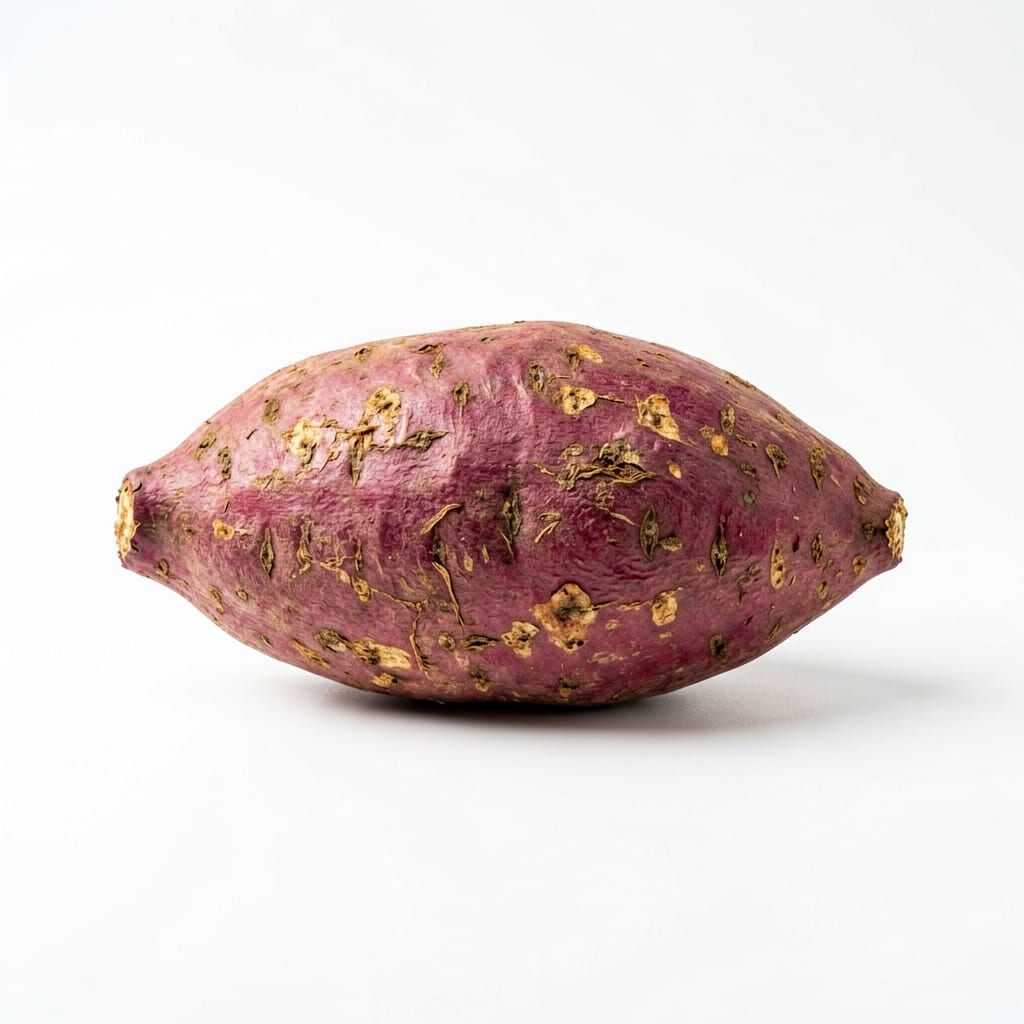
Sweet Potato
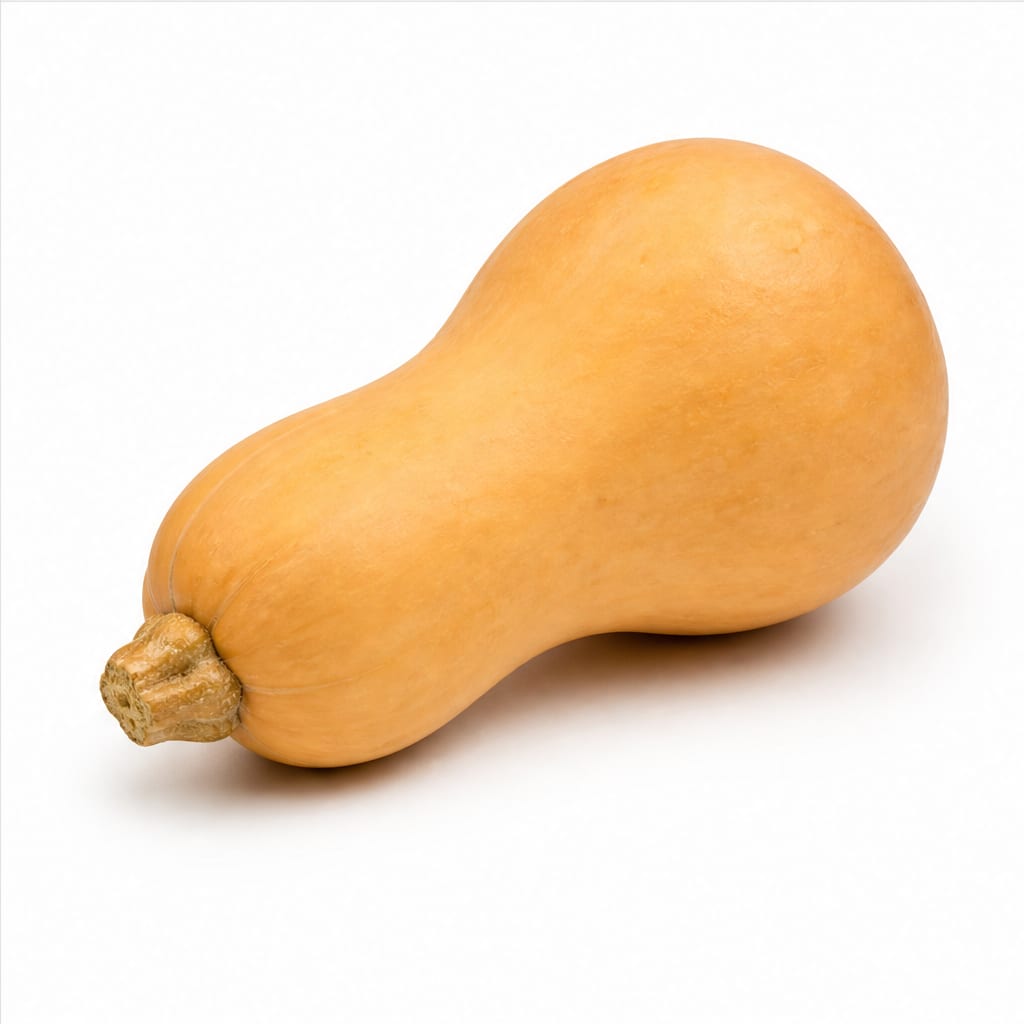
Butternut Squash
Sweet Potato delivers more nutrients and fills you up longer, while Butternut Squash keeps calories and blood sugar lower. Pick based on whether you need substance or lightness.
Sweet Potato scores slightly higher due to superior nutrient density and satiety, but Butternut Squash stays competitive thanks to its blood sugar advantage and lower calorie load. The close scores reflect that neither is universally better.
Sweet Potato gives you more vitamins, fiber, and staying power at the cost of more calories and a higher glycemic impact. Butternut Squash is lighter and gentler on blood sugar but less filling and lower in key nutrients.
At a glance
Executive summary
Overall
It depends
Healthier
It depends
More practical
Sweet Potato
Daily use
It depends
Key comparison lenses
blood sugar management and glycemic impact
Both are starchy orange vegetables with meaningfully different glycemic responses that matter for daily energy and metabolic health
weight management and calorie density
Significant calorie difference per serving makes this a common decision point for calorie-conscious eaters
nutrient density comparison for daily staple choice
Users often want to know which to eat regularly as a carb source for maximum nutritional benefit
meal prep and cooking practicality
Preparation difficulty differs substantially and affects real-world adherence
vitamin A and antioxidant intake
Both are prized for beta-carotene but deliver very different amounts
Best choice for
Sweet Potato
- Active people needing sustained energy
- Those wanting maximum nutrition per bite
- Athletes refueling after training
- Anyone struggling to feel full after meals
- People needing more potassium in their diet
Butternut Squash
- People managing blood sugar or insulin resistance
- Calorie-conscious eaters wanting volume without excess
- Those preferring lighter meals that won't cause energy dips
- Anyone reducing carbohydrate intake without eliminating carbs entirely
- People seeking gentle digestion after stomach upset
Least suitable for
Sweet Potato
- People strictly limiting carbohydrates
- Those monitoring blood sugar spikes closely
- Very low-calorie diet followers
Butternut Squash
- Athletes needing dense caloric fuel
- People who find light meals unsatisfying
- Those needing high potassium intake for blood pressure management
Deep comparison
Dimension by dimension
Each lens scores both foods and breaks down who each option suits.
- Dimension 1 · Priority 92Butternut Squash
Blood Sugar Stability
Sweet Potato · 55Butternut Squash · 78Butternut Squash has a meaningfully lower glycemic impact, making it the safer choice for steady energy and metabolic health.
Tradeoff
Sweet Potato's extra fiber helps somewhat, but its higher starch content still drives a faster blood sugar rise, especially when baked.
Why it matters
If you get afternoon energy crashes or manage prediabetes, this difference affects how you feel for hours after eating.
Real-world impact
A Butternut Squash lunch keeps you steady through the afternoon. Sweet Potato may leave you reaching for a snack sooner unless paired with protein or fat.
Sweet Potato
- Post-workout recovery when you want faster carb replenishment
Better for
- Late-night eating close to bedtime
- Unaccompanied snacking without protein or fat
Worse for
Butternut Squash
- Sustained desk-work focus without energy dips
- Prediabetes or insulin resistance management
- Evening meals when you want to avoid blood sugar spikes before bed
Better for
- Situations where you need quick energy replenishment after intense exercise
Worse for
- Dimension 2 · Priority 88Sweet Potato
Nutrient Density
Sweet Potato · 88Butternut Squash · 72Sweet Potato packs significantly more vitamin A, potassium, and fiber per serving, making each bite more nutritionally rewarding.
Tradeoff
You get more nutrients with Sweet Potato but also more calories. Butternut Squash offers decent nutrition with fewer calories attached.
Why it matters
If you eat one of these daily as a staple carb, the nutrient gap compounds over weeks and months.
Real-world impact
A single Sweet Potato delivers over 400% of your daily vitamin A needs versus roughly 300% from Butternut Squash. That difference matters if you rely on these as a primary vitamin A source.
Sweet Potato
- People eating fewer total calories who need maximum nutrition per bite
- Pregnant women needing extra vitamin A and potassium
- Anyone not taking a multivitamin
Better for
- Very low-calorie diets where every calorie must be carefully rationed
Worse for
Butternut Squash
- Those already meeting nutrient needs through other foods who prefer lighter meals
Better for
- People relying on a single orange vegetable as their main vitamin A source
Worse for
- Dimension 3 · Priority 85Sweet Potato
Satiety and Fullness
Sweet Potato · 82Butternut Squash · 65Sweet Potato keeps you fuller longer thanks to more fiber and denser caloric content.
Tradeoff
That fullness comes with a heavier feeling. Butternut Squash offers a lighter eating experience that some people prefer.
Why it matters
If you find yourself snacking between meals, switching to Sweet Potato may reduce that without changing anything else.
Real-world impact
A Sweet Potato at lunch can carry you to dinner. Butternut Squash may leave you hungry again by mid-afternoon unless you add protein or healthy fats.
Sweet Potato
- People who skip snacks and need meals to last 5-6 hours
- Anyone trying to reduce overall food intake by eating more filling foods
Better for
- Those who dislike feeling stuffed after meals
Worse for
Butternut Squash
- Small frequent meal eaters who prefer lighter portions
- Hot weather eating when heavy meals feel unappealing
Better for
- People prone to overeating later when earlier meals were too light
Worse for
- Dimension 4 · Priority 83Butternut Squash
Weight Management
Sweet Potato · 65Butternut Squash · 80Butternut Squash has roughly 40% fewer calories per cup, making it easier to fit into calorie-controlled eating.
Tradeoff
You may eat more Butternut Squash to feel satisfied, narrowing the calorie advantage. Sweet Potato's filling nature can prevent overeating elsewhere.
Why it matters
For someone eating 2000 calories daily, swapping Sweet Potato for Butternut Squash saves 40-60 calories per meal without feeling deprived.
Real-world impact
Over a month, that daily calorie difference could translate to roughly half a pound of weight difference, assuming you do not compensate with extra snacking.
Sweet Potato
- People who find low-calorie meals trigger later binge eating
- Active individuals whose calorie budgets are generous enough that satiety matters more than savings
Better for
- Strict calorie restriction diets under 1500 calories
Worse for
Butternut Squash
- Steady calorie counters who track intake precisely
- Volume eaters who like large portions without high calorie costs
Better for
- People who end up eating more total food because the lighter meal felt insufficient
Worse for
- Dimension 5 · Priority 78Sweet Potato
Cooking and Meal Prep Practicality
Sweet Potato · 80Butternut Squash · 60Sweet Potato is easier to prepare, more versatile in recipes, and available in more convenient forms like pre-baked or canned.
Tradeoff
Butternut Squash is notoriously difficult to peel and cut raw, though pre-cut options exist at a higher price.
Why it matters
If prep is annoying, you will cook it less often. Convenience directly affects how consistently you eat either food.
Real-world impact
You can microwave a Sweet Potato in 5 minutes. Butternut Squash requires peeling, seeding, and roasting for 25-40 minutes unless you buy pre-cut packages.
Sweet Potato
- Busy weeknight cooking when time is limited
- Meal preppers who batch-cook a staple carb for the week
- Budget shoppers avoiding premium pre-cut produce
Better for
- Minimal downsides beyond monotony if eaten too often
Worse for
Butternut Squash
- Weekend cooking when you have time to roast properly
- Soup makers who can bypass peeling by roasting whole
Better for
- Weeknight cooking when you need something fast
- Anyone with limited hand strength or arthritis who struggles with hard squash
Worse for
- Dimension 6 · Priority 72Butternut Squash
Digestive Tolerance
Sweet Potato · 62Butternut Squash · 78Butternut Squash is gentler on digestion due to lower fiber and starch content, making it better for sensitive stomachs.
Tradeoff
Sweet Potato's higher fiber is great for regular digestion but can cause bloating in sensitive people, especially in large portions.
Why it matters
If you have IBS or a sensitive gut, the wrong choice can mean discomfort for hours.
Real-world impact
Butternut Squash soup is a common recommendation after stomach illness. Sweet Potato is more likely to cause gas if you are not used to high-fiber foods.
Sweet Potato
- People wanting to improve digestion regularity through more fiber
- Those already accustomed to high-fiber diets
Better for
- Anyone currently experiencing bloating or gas issues
Worse for
Butternut Squash
- IBS sufferers or those with fiber sensitivity
- Post-illness recovery eating
- People transitioning to more vegetables who need a gentler entry point
Better for
- People specifically trying to increase fiber intake for gut health
Worse for
Timeline
Health impact over time
Short-term
Hours to days
Sweet Potato
- Noticeable energy boost within 30-60 minutes due to faster carb absorption
- Strong feeling of fullness that reduces snacking for 3-4 hours
- Possible bloating or gas if you eat a large portion and are not used to high fiber
Butternut Squash
- Steady mild energy without the spike-and-dip pattern
- Lighter feeling in the stomach after eating
- Less likely to cause digestive discomfort even in larger portions
Long-term
Months to years
Sweet Potato
- Better potassium intake supports healthier blood pressure over time
- Higher vitamin A intake strengthens immune function and skin health
- Consistent high-fiber intake reduces constipation risk and supports gut microbiome diversity
- Higher glycemic load may be a concern if eaten in large quantities without balancing protein or fat
Butternut Squash
- Lower glycemic diet pattern supports more stable insulin sensitivity over years
- Moderate calorie intake helps maintain healthy weight without strict tracking
- Consistent vitamin C intake supports collagen production and immune resilience
- Lower overall nutrient density means you may need to ensure other foods fill the gaps
Risk profile
Safety & processing
Both are whole foods in their natural state. The main concern is canned Sweet Potato in syrup, which adds sugar and should be avoided. Frozen and pre-cut Butternut Squash are fine but check for added sauces or seasonings.
Sweet Potato
Mold and spoilage in stored sweet potatoes
mediumSweet Potatoes can develop mold or bacterial hot spots when stored in damp or warm conditions. Discard any with soft spots or mold, as toxins can spread beyond visible areas.
Pesticide residue on conventionally grown
lowSweet Potatoes typically have lower pesticide residue than many other crops, but peeling reduces exposure further if you are concerned.
Butternut Squash
Physical injury during preparation
mediumRaw Butternut Squash is extremely hard and causes many kitchen injuries. Use a sharp knife, stable cutting board, and consider microwaving briefly to soften before cutting.
Pesticide residue on conventionally grown
lowSimilar to Sweet Potato, pesticide concerns are relatively low. The thick skin provides natural protection, and most residues are removed by peeling.
Who wins for whom
Audience fit
Same foods, different winners depending on your goal.
children
Sweet PotatoKids often prefer the sweeter taste and softer texture of Sweet Potato. The higher nutrient density also supports growing bodies, and preparation is simpler for busy parents.
daily consumption
It dependsActive people benefit more from Sweet Potato daily. Sedentary or blood-sugar-conscious individuals do better with Butternut Squash as their regular staple. Rotating both is ideal.
diabetes
Butternut SquashLower glycemic impact makes Butternut Squash the safer regular choice, though Sweet Potato in moderate portions with protein is also acceptable for many people managing diabetes.
elderly
Butternut SquashEasier to digest, gentler on blood sugar, and lower calorie density suits older adults who are less active and may have slower digestion. The softer cooked texture works well for dental concerns too.
muscle gain
Sweet PotatoMore carbs and potassium support glycogen replenishment and muscle recovery after training. The extra calories are a feature, not a bug, for building phase eating.
weight loss
Butternut SquashLower calorie density lets you eat a satisfying volume while staying within calorie targets, though Sweet Potato's filling nature works for people who prefer fewer, more substantial meals.
Your move
Decision guide
Choose Sweet Potato
- You are active and need filling, energy-dense carbs to fuel your day
- Blood sugar is not a primary concern for you
- You want maximum nutrition from every meal without supplements
- You need a quick-cooking staple that works in sweet and savory dishes
- You are pregnant and need extra potassium and vitamin A
Choose Butternut Squash
- You are managing blood sugar, insulin resistance, or prediabetes
- You prefer lighter meals that do not leave you feeling heavy
- You are counting calories and want more volume for fewer calories
- You have a sensitive stomach or are recovering from illness
- You enjoy cooking on weekends and do not mind the prep time
Either works if
- You simply want a nutritious orange vegetable and have no specific health constraints
- You are rotating between them for variety, which is the healthiest long-term approach
- You are making soup or roasted vegetable medleys where both work well together
Avoid both if
- You are on a strict very-low-carb or ketogenic diet, as both contain meaningful carbohydrates
- You have a specific allergy to either, which is rare but possible
Final recommendation
Eat both. Sweet Potato gives you more nutrients and staying power on active days. Butternut Squash keeps things light and blood-sugar-friendly on rest days. Rotating between them gives you the benefits of each without the downsides of relying on just one. If you must pick only one, choose Sweet Potato for nutrient density and satiety, or Butternut Squash for blood sugar control and calorie management.
Practical
Consumer tips
- 1
Prick and microwave Sweet Potatoes for 5-7 minutes instead of baking for 45 minutes. Nearly identical results with a fraction of the effort.
- 2
Buy pre-cut Butternut Squash if prep difficulty stops you from eating it. The extra cost is worth it if it means you actually cook and eat it.
- 3
Pair either with a protein source like chicken, beans, or eggs to slow digestion and flatten the blood sugar curve significantly.
- 4
Roast Butternut Squash whole, then scoop the flesh. This bypasses the dangerous peeling step entirely and produces a sweeter, caramelized result.
- 5
Cool cooked Sweet Potato before eating to increase resistant starch, which feeds gut bacteria and lowers the glycemic response by roughly 15-20%.
- 6
Store both in a cool, dark, dry place. Never refrigerate raw Sweet Potato, as cold converts starches to sugar and ruins the texture.
- 7
Canned Sweet Potato is fine if it is packed in water with no added syrup. Check labels carefully, as many brands add sugar.