
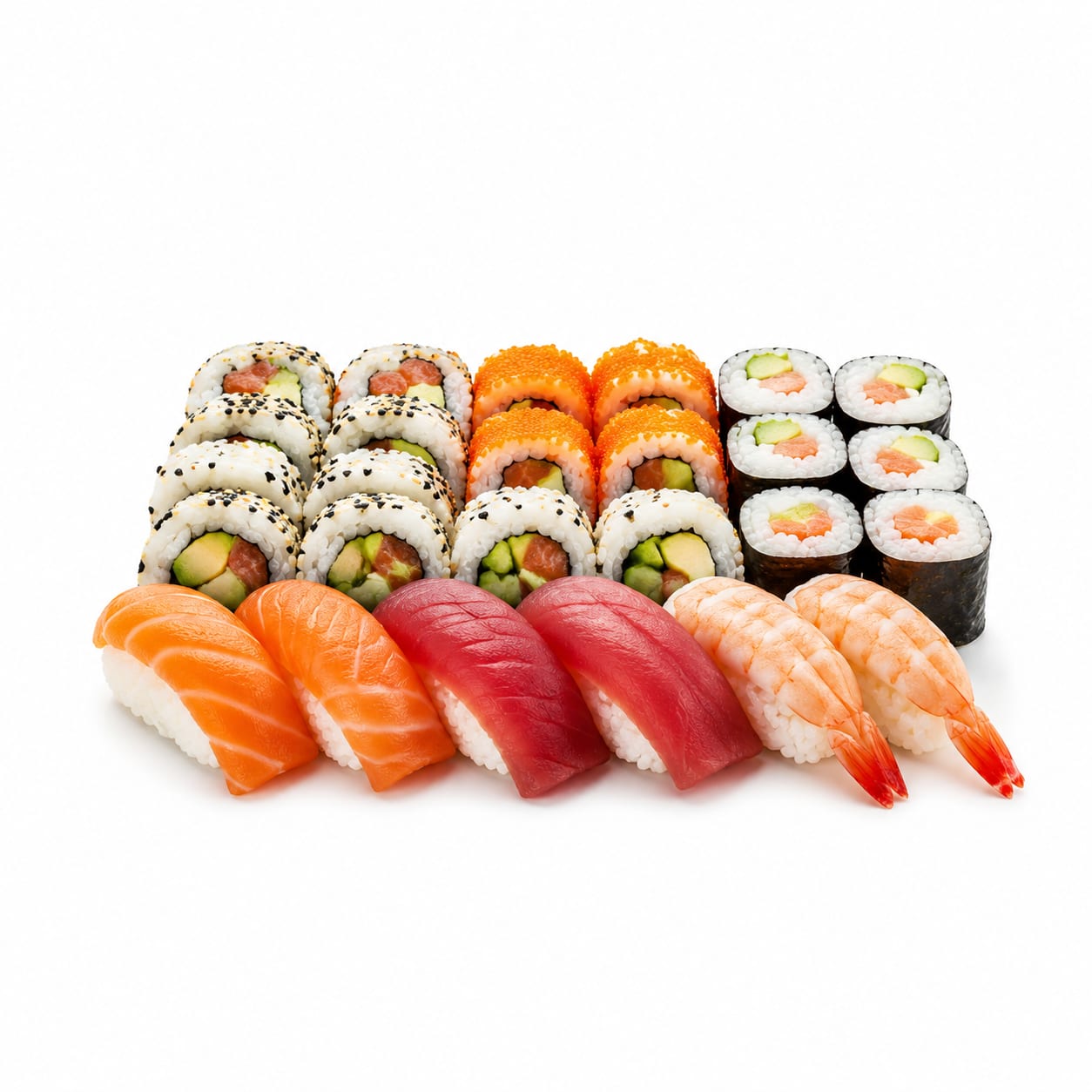
Mixed Dish
Sushi
A Japanese dish featuring vinegared white rice paired with raw fish, vegetables, or seaweed.
A Japanese dish consisting of specially prepared vinegared rice combined with various ingredients such as raw seafood, vegetables, and occasionally tropical fruits, often wrapped in seaweed.
mixed-macro refined-carb and seafood dish
Typical serving · 190g
Common varieties · maki, nigiri, sashimi, uramaki, temaki
Overall context score across nutrition, safety, and diet fit
The story
What makes it unique
Sushi provides a mix of fast-digesting refined carbohydrates from white rice and lean protein with omega-3 fatty acids from fish. The high glycemic index of the rice causes rapid blood sugar elevation, but pairing it with protein and fat slows gastric emptying slightly. Satiety is moderate due to the protein content, though the refined carbs offer minimal fiber. Processing varies widely by style, from simple raw fish and rice to deep-fried or mayonnaise-heavy rolls.
Varieties: maki · nigiri · sashimi · uramaki · temaki
Per 100g
Nutrition breakdown
Macro balance and key metrics at a glance.
Energy
Density 1.60 kcal/g
Protein
Carbs
Fat
Fiber
Sugar
4 g
Sodium
550 mg
Potassium
90 mg
Glycemic index
72
Glycemic load
18
Water content
58%
Standout compounds
Nutrient highlights
Omega-3 Fatty Acids
highsupports heart and brain health
Iodine
moderatesupports thyroid function from seaweed wrapping
Protein
moderatesupports muscle repair and satiety
Carbohydrates
highprovides quick energy but spikes blood sugar
Sodium
highexcess intake from rice seasoning and soy sauce raises blood pressure risk
Wellness map
Health scores & processing
NOVA processing scale
moderately processed · Whole food
Traditional sushi uses minimally processed ingredients like raw fish and seaweed, but the white rice is polished and cooked with added sugar and vinegar, placing it in Nova group 3. Specialty rolls with fried elements or mayonnaise cross into ultra-processed territory.
Diet compatibility
- Weight loss
- Muscle gain
- Diabetes
- Gut health
- Low carb
- High protein
- Heart health
Relative standing
Food rankings
Qualitative ranks compared to similar whole foods.
- Satietymoderate
- Blood sugarpoor
- Nutrient densitymoderate
- Fitness fuelgood
- Processing qualitymoderate
Eat with confidence
Food safety profile
Raw fish carries inherent risks for bacterial and parasitic contamination. Large predatory fish used in sushi, like tuna, accumulate mercury. Pregnant women and immunocompromised individuals should avoid raw seafood.
Evidence confidence 85%
- Pesticideslow
- Antibioticsmoderate
- Heavy metalsmoderate
- Contaminationhigh
Watch for
- mercury
- anisakis parasites
- listeria
- salmonella
- vibrio
Safer choices
Choose cooked seafood rolls (eel, shrimp) or vegetable rolls. Opt for lower-mercury fish like salmon or shrimp over tuna.
Prep tips
Only consume sushi from reputable establishments with high turnover and strict health inspections. Keep refrigerated until immediately before consumption.
Raw seafood requires strict cold-chain management and freezing protocols to kill parasites. High mercury fish like tuna are monitored for consumption limits.
Deep dive
Health analysis
How this food may fit different goals and preparation choices.
Weight loss
Standard sushi rolls are calorie-dense due to the rice; eating multiple rolls can easily exceed 500-800 calories before feeling full.
Blood sugar
The refined white rice has a high glycemic index, causing rapid blood sugar and insulin spikes that can lead to energy crashes.
Fitness & energy
Provides easily digestible carbohydrates and lean protein, making it a suitable post-workout meal for replenishing glycogen.
Gut health
Lacks significant fiber for microbiome support, though fermented accompaniments like wasabi and ginger offer mild prebiotic and antimicrobial benefits.
Processing quality
Traditional styles are minimally processed, but Americanized rolls featuring cream cheese, fried tempura, and spicy mayo are highly processed.
Food safety
Raw fish presents risks of parasites and mercury; proper sourcing and freezing protocols are essential for safety.
Common mistakes
Drowning sushi in soy sauce adds massive sodium loads, and choosing tempura or spicy mayo rolls turns a lean meal into a high-fat, high-calorie one.
Best preparation
Order sashimi with a side of brown rice, request 'light rice' on rolls, and limit soy sauce usage.
Practical guide
Best use cases
When and how this food fits real eating patterns.
post-workout recovery
The combination of fast-digesting carbohydrates from the rice and high-quality protein from the fish makes sushi an effective post-gym meal for muscle recovery and glycogen replenishment.
heart-healthy dining out
Salmon and tuna sushi provide substantial omega-3 fatty acids which support cardiovascular health when consumed as part of a balanced diet.
lean protein intake
Sashimi and simple nigiri offer excellent complete proteins with low saturated fat, ideal for maintaining muscle mass.
Balance sheet
Pros & cons
Upsides
- Provides high-quality omega-3 fatty acids from fish
- Seaweed wraps supply iodine and trace minerals
- Contains lean protein for muscle maintenance
- Offers portion control per individual piece
- Ginger and wasabi have natural antimicrobial properties
Trade-offs
- Refined white rice causes rapid blood sugar spikes
- Raw fish carries a risk of parasites and bacterial contamination
- Soy sauce adds excessive sodium to the meal
- Specialty rolls are hidden sources of calories from mayo and frying
- Large predatory fish like tuna contain accumulated mercury
Fit check
Who is it for?
Great match
- post-workout carb refueling
- heart-healthy dining out
- lean protein intake
Consider alternatives
- strict low-carb diets
- blood sugar management
- pregnancy due to raw fish risk
- low-sodium diets
Side by side
How it compares
Open the full head-to-head analysis for nutrition, safety, and practical tradeoffs.
This food
Sushi
VS90% alike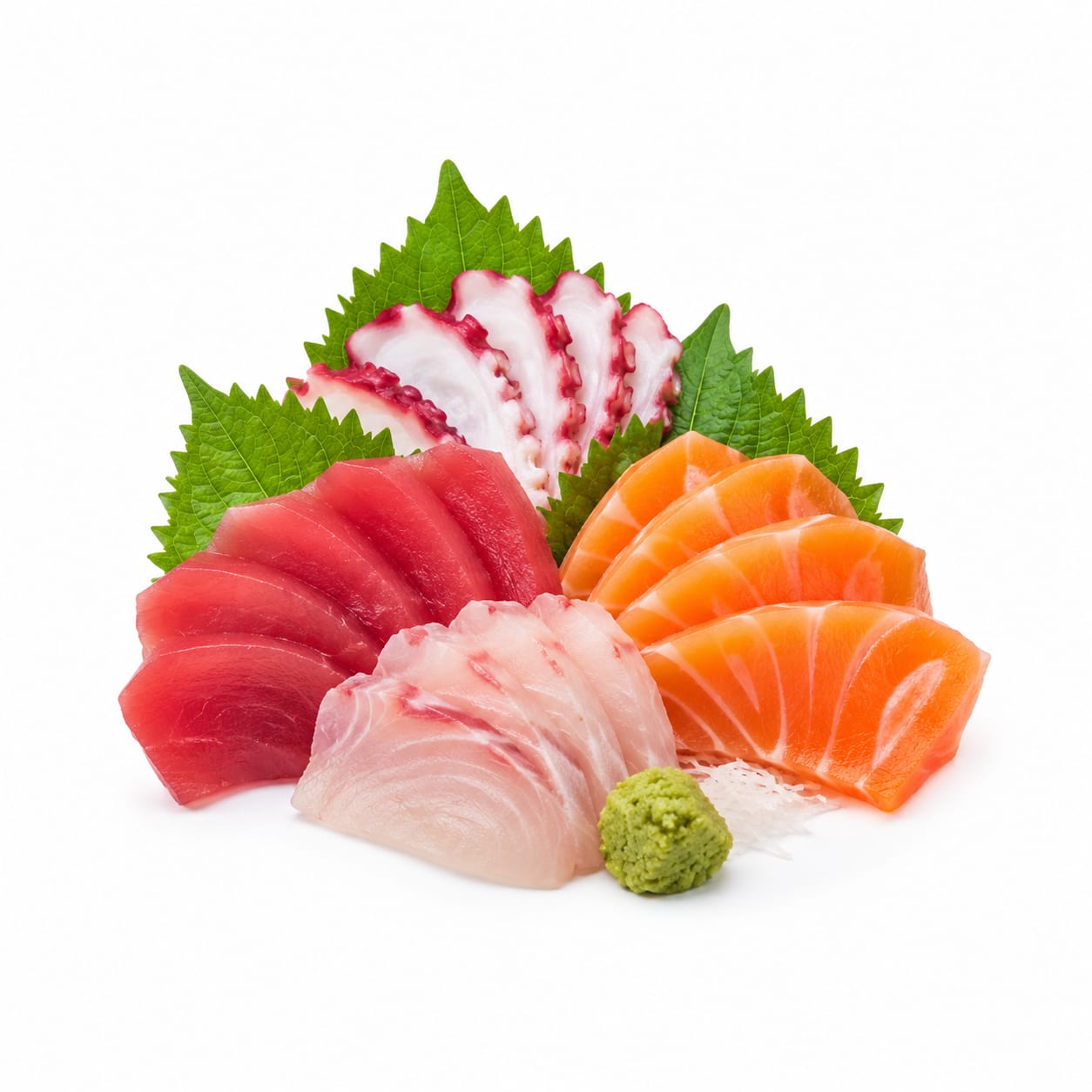
Compare with
Sashimi
Sashimi is pure fish without rice, eliminating the high carbohydrate load and blood sugar spike of sushi.
Sashimi provides the same healthy fish without the carb-heavy rice, making it far better for blood sugar and weight loss, while sushi offers better post-workout energy.
This food
Sushi
VS85% alike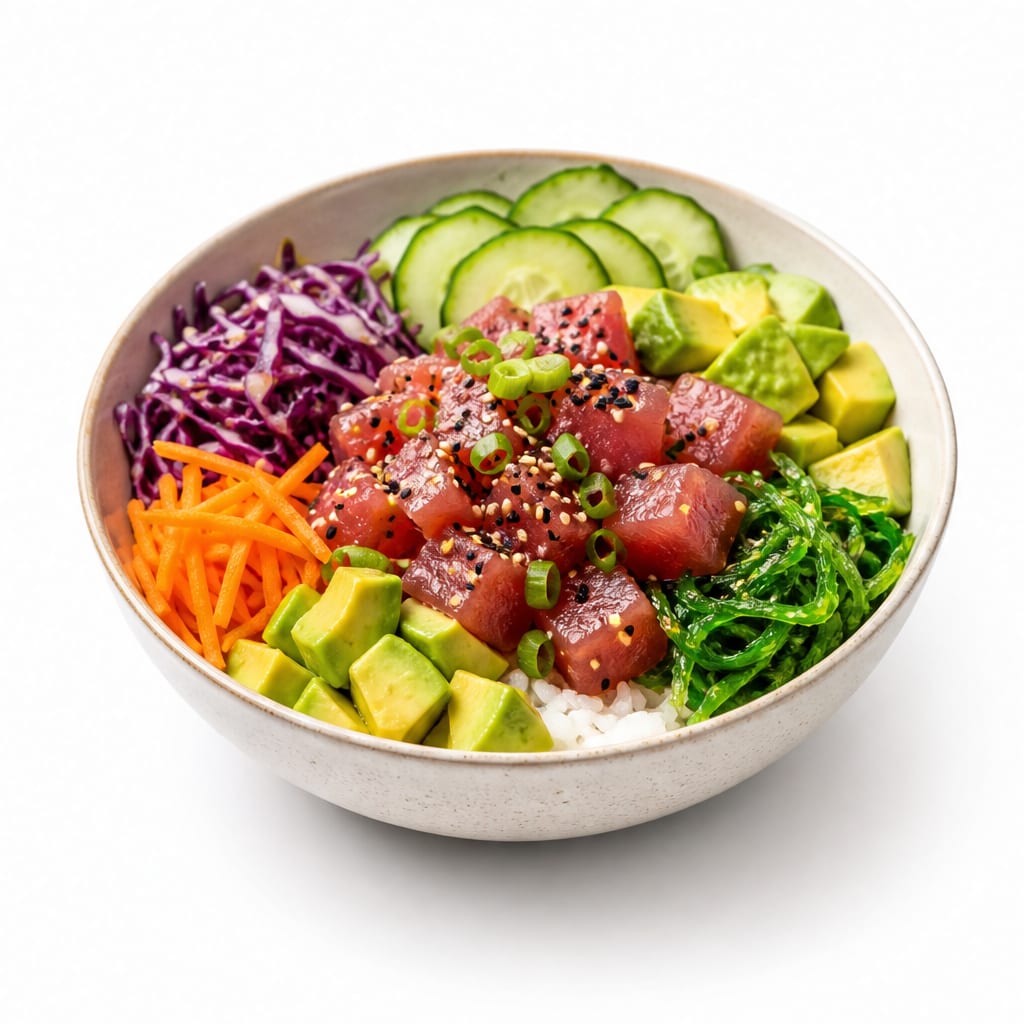
Compare with
Poke Bowl
Poke bowls offer more customization with vegetables and brown rice options, whereas standard sushi defaults to white rice.
Poke bowls usually offer more veggies and whole grain rice options, making them healthier than standard sushi, though sushi is more portion-controlled.
This food
Sushi
VS70% alike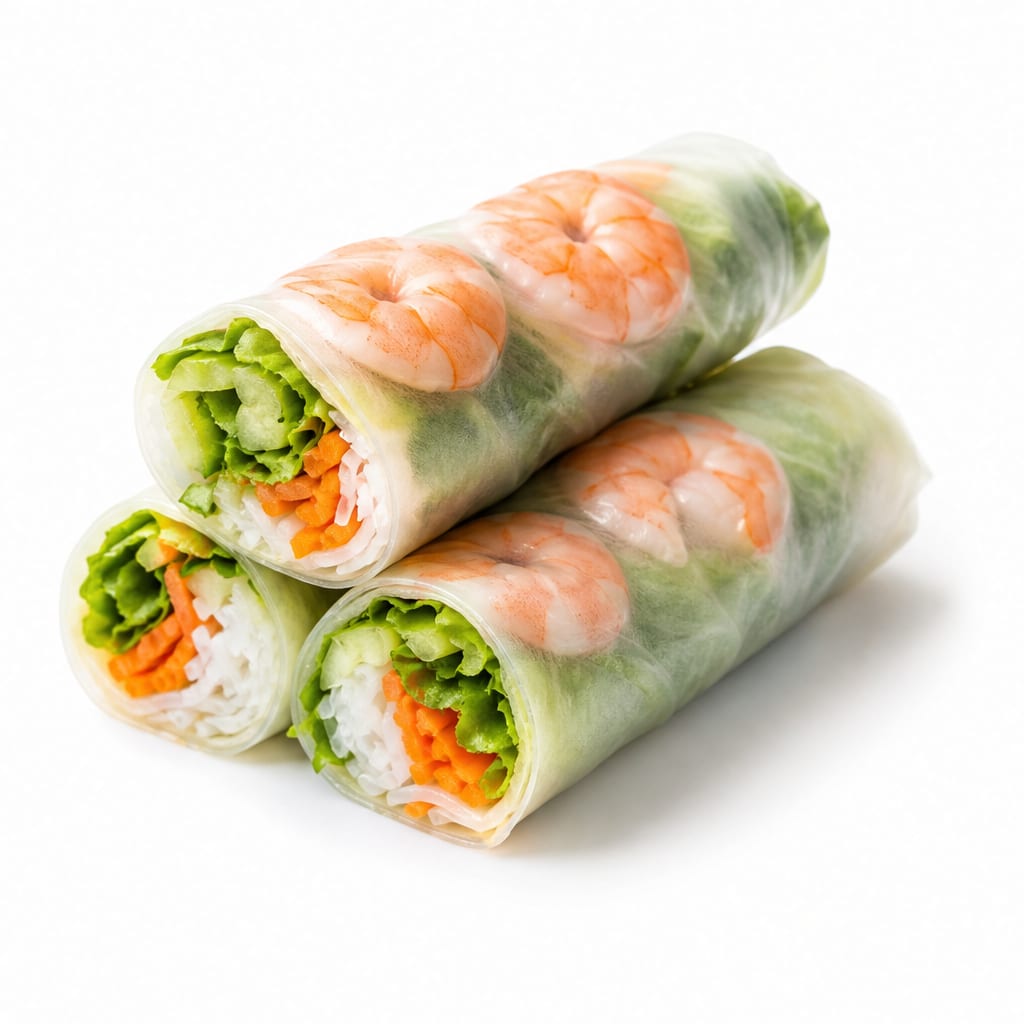
Compare with
Spring Rolls
Fresh spring rolls are lower in calories and carbs than sushi, but also lower in protein and omega-3s.
Fresh spring rolls are lower in carbs and calories than sushi, but sushi provides more protein and omega-3s for fitness and satiety.
This food
Sushi
VS65% alike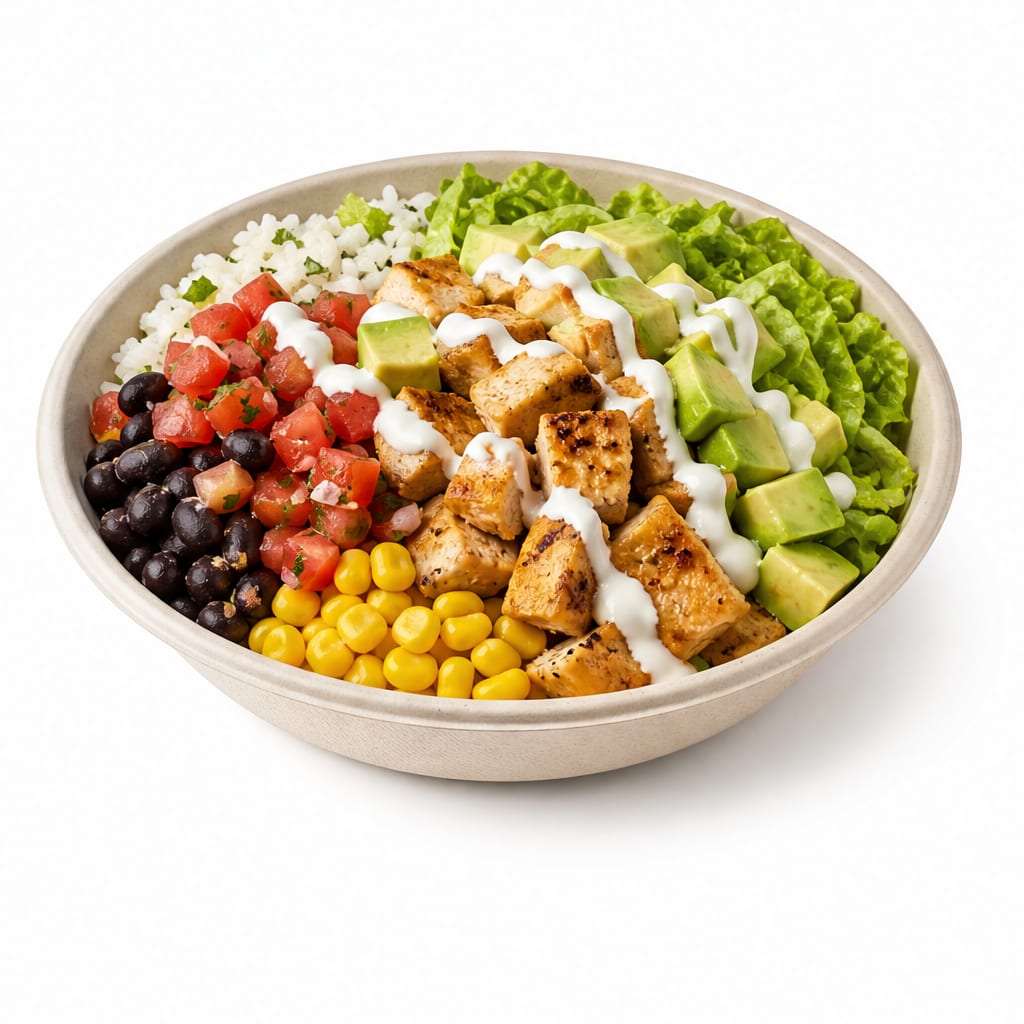
Compare with
Burrito Bowl
Burrito bowls offer more fiber from beans and brown rice, while sushi provides healthier fats from fish.
Sushi offers leaner protein and healthier fats, but a burrito bowl with beans and brown rice provides more fiber and better blood sugar stability.
This food
Sushi
VS60% alike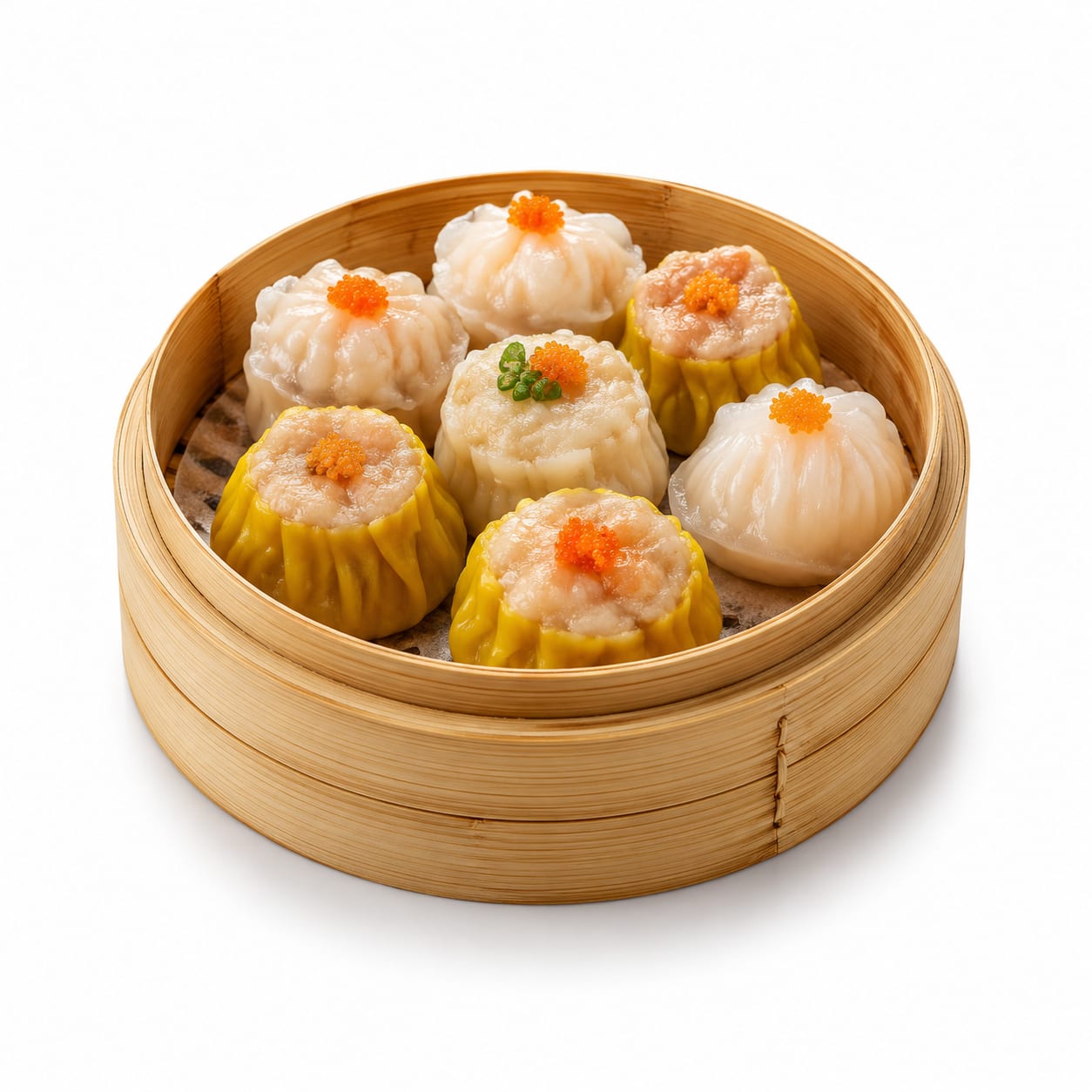
Compare with
Dim Sum
Dim sum is often higher in saturated fat from pork and frying, whereas sushi relies on leaner fish and steamed rice.
Sushi is generally leaner and lower in saturated fat than dim sum, which often features fried and pork-based dumplings.
This food
Sushi
VS55% alike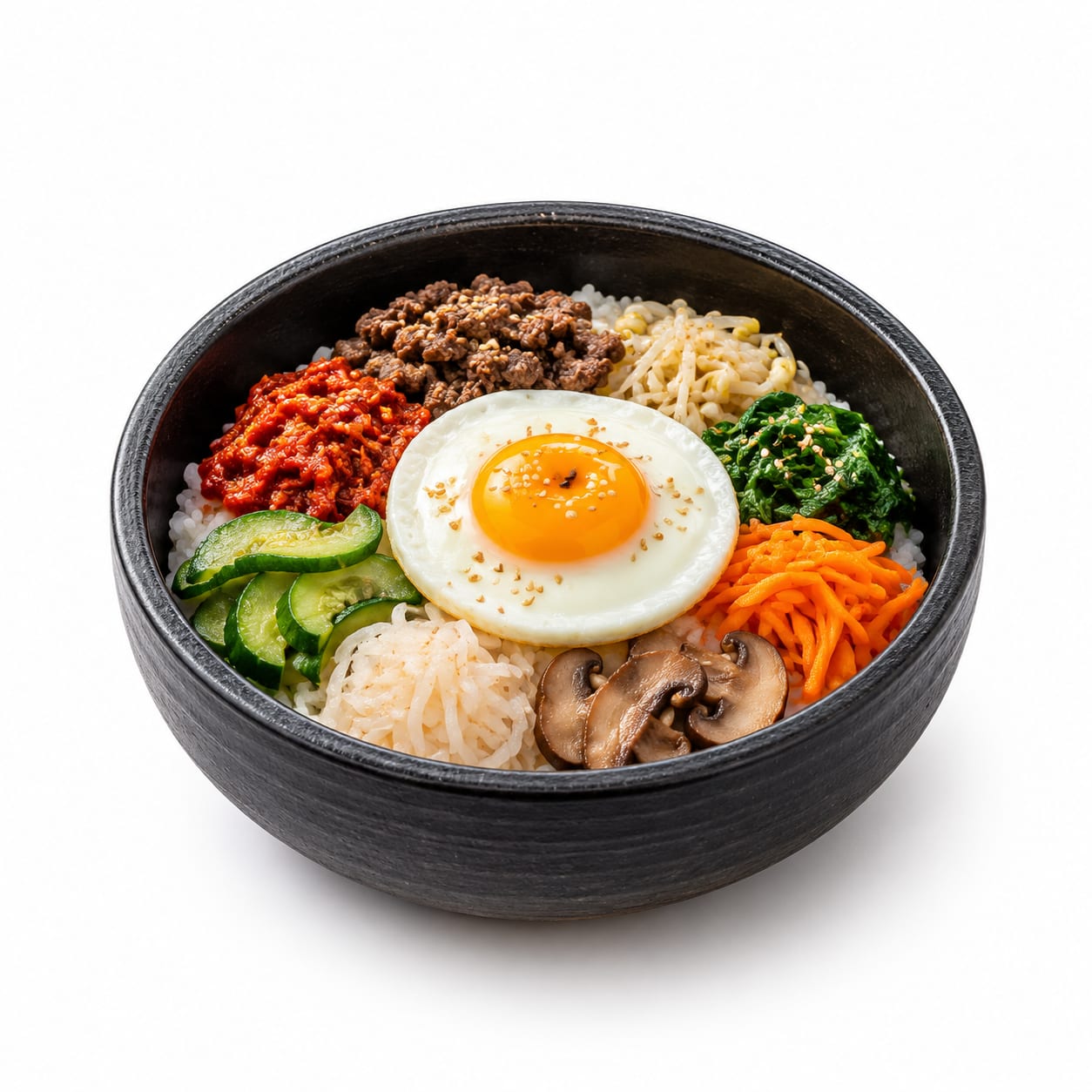
Compare with
Bibimbap
Bibimbap includes more vegetables and fiber than standard sushi, but can be high in sodium and sesame oil.
Bibimbap offers more fiber from vegetables, but sushi provides leaner protein and omega-3s with less added fat.
This food
Sushi
VS50% alike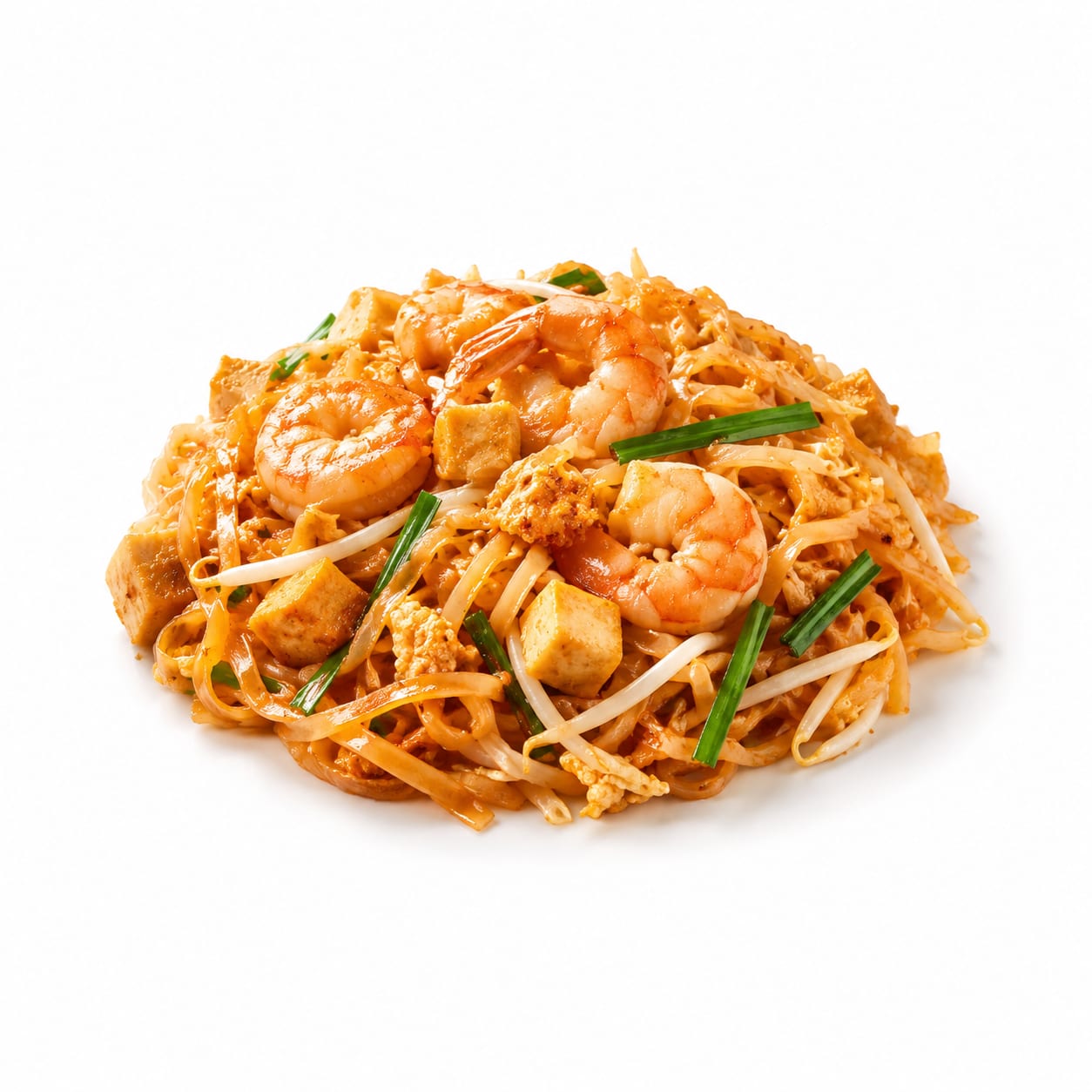
Compare with
Pad Thai
Pad Thai is higher in calories, fat, and sugar from the tamarind sauce, while sushi offers cleaner protein.
Sushi is lower in calories and added sugars compared to Pad Thai, which is heavily sauced and higher in fat.
This food
Sushi
VS45% alike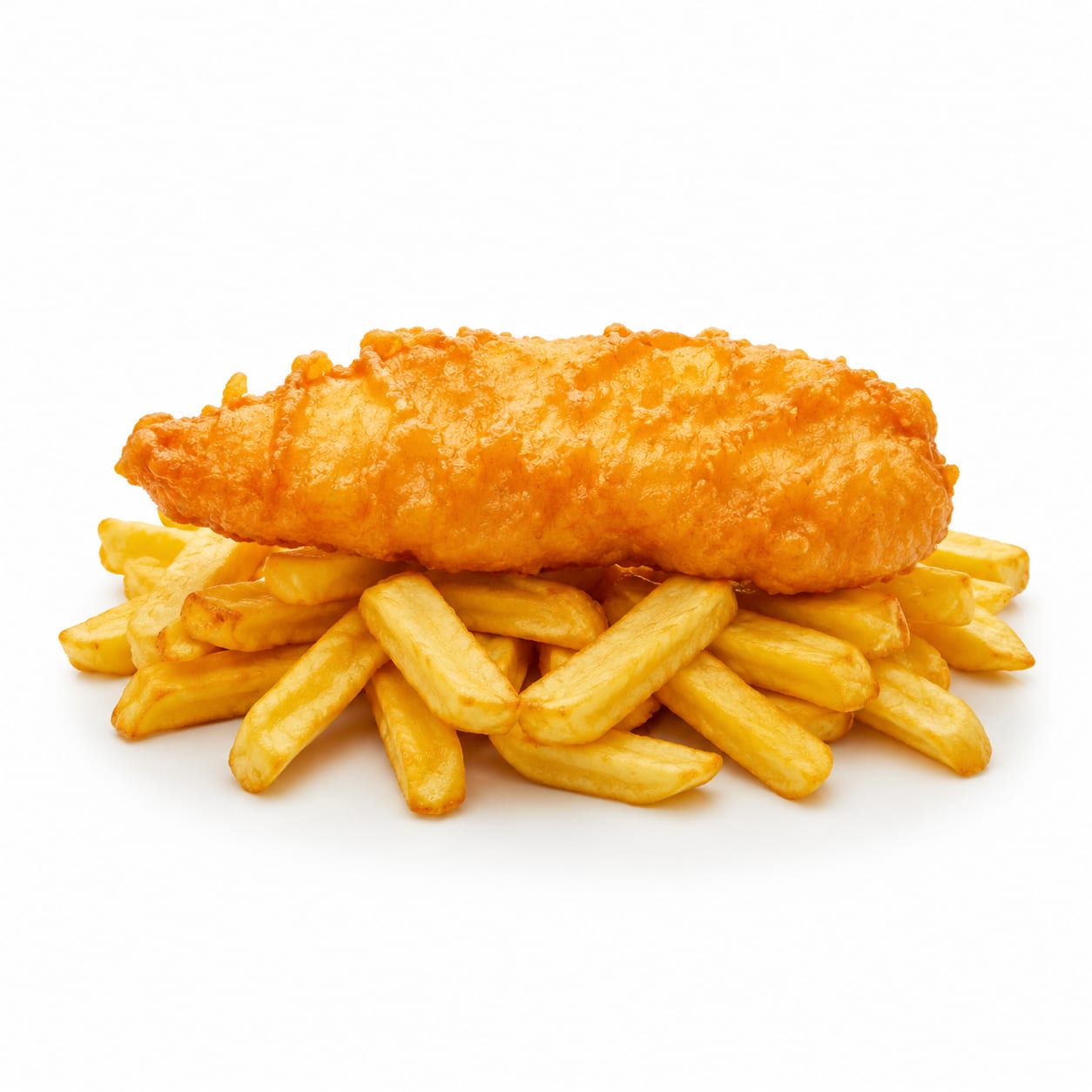
Compare with
Fish and Chips
Fish and chips is deep-fried and high in saturated fat, while sushi is served raw or lightly prepared, making sushi significantly healthier.
Sushi is far leaner and provides healthier fats than fish and chips, which is battered and deep-fried.
This food
Sushi
VS40% alike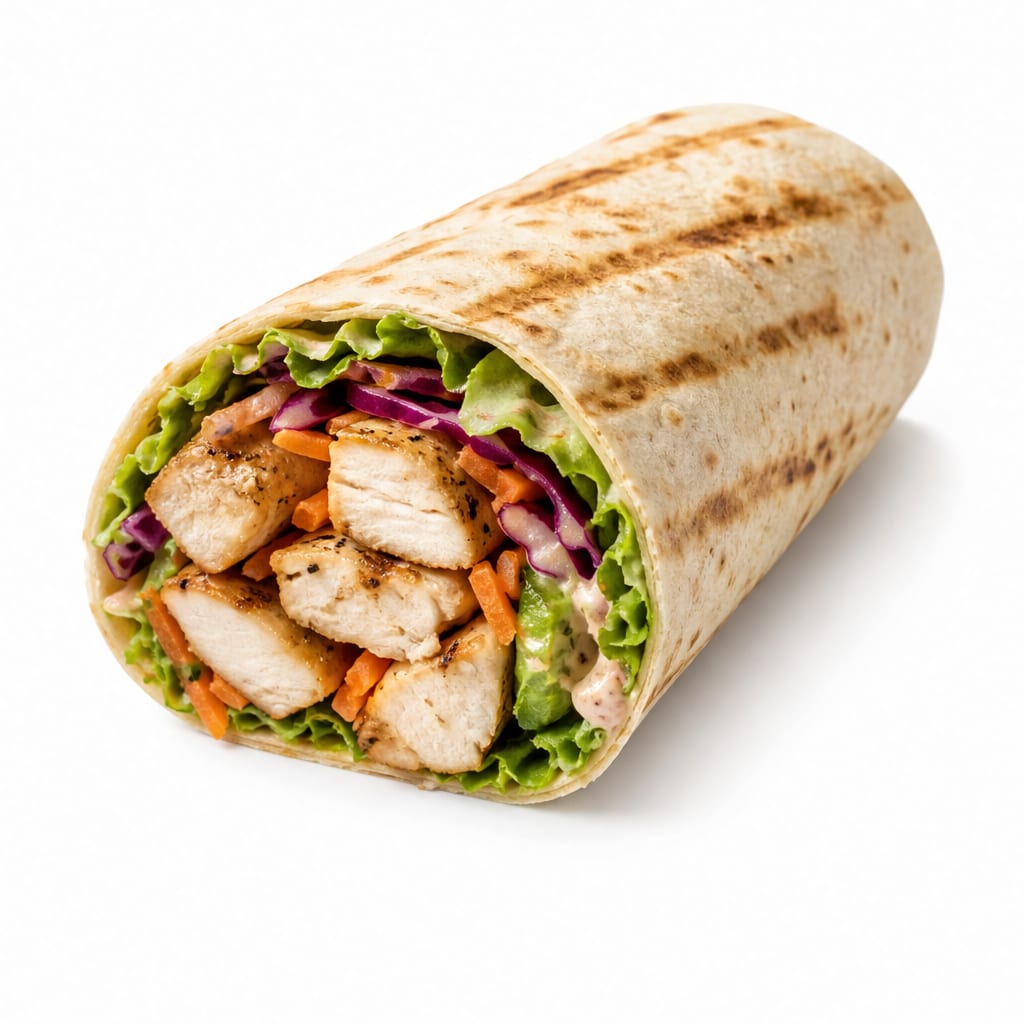
Compare with
Chicken Wrap
A chicken wrap typically offers more fiber from a whole wheat tortilla and more protein, but sushi has healthier fats.
A whole wheat chicken wrap provides more fiber and protein for satiety, while sushi offers better fats but more refined carbs.
This food
Sushi
VS35% alike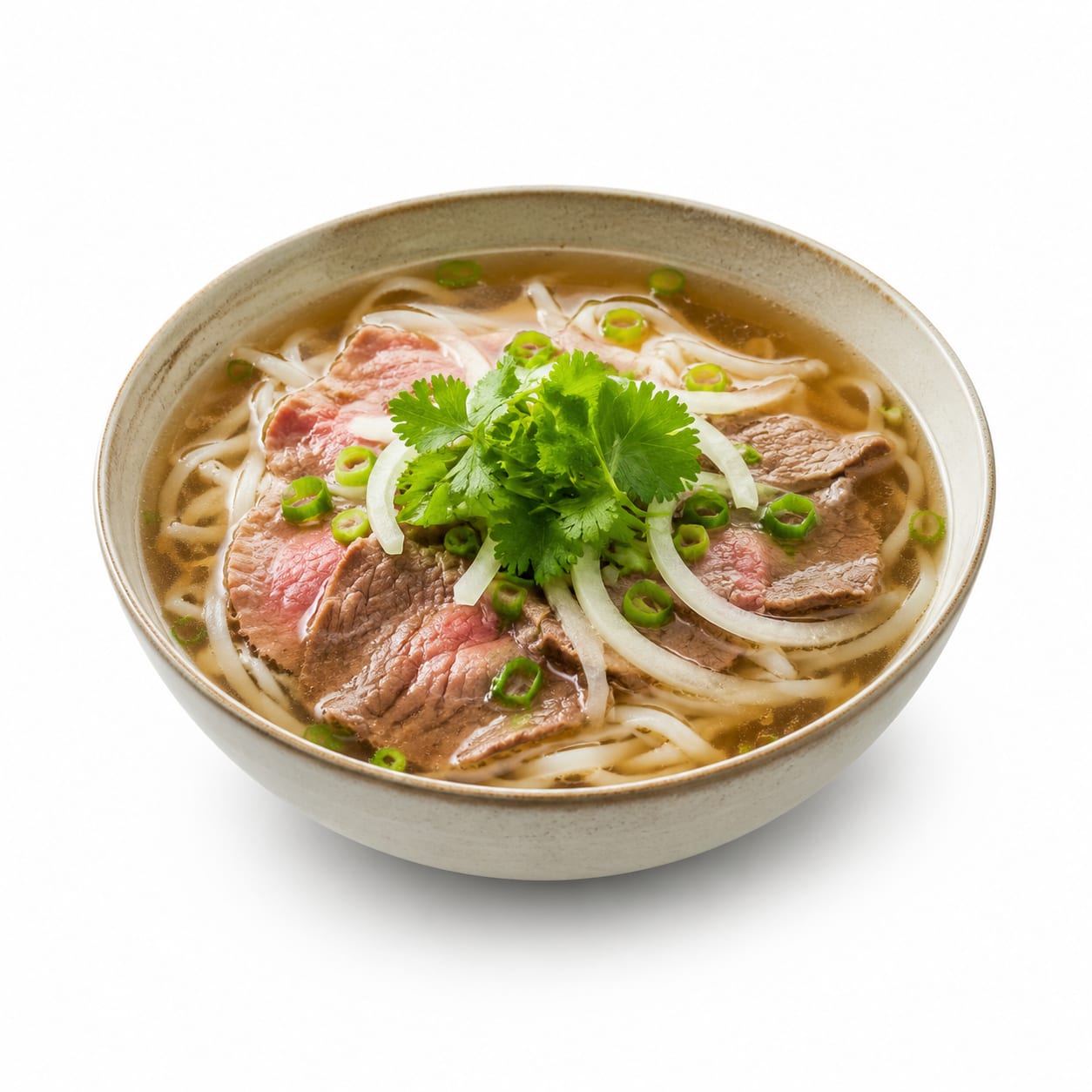
Compare with
Pho
Pho is lower in fat and calories than heavy sushi rolls, but extremely high in sodium and offers less protein.
Pho is a lower-fat, lower-calorie alternative to sushi, but sushi delivers more protein and omega-3s for fitness goals.
Common questions
FAQ
Answers aligned with how people search for this food.
Is sushi good for weight loss?
Traditional sushi can be tricky for weight loss because the white rice is calorie-dense and easy to overeat. Opting for sashimi or rolls with less rice is a better strategy.
Can diabetics eat sushi?
Standard sushi spikes blood sugar quickly due to the sweetened, refined white rice. Diabetics should limit maki and nigiri, and choose sashimi or brown rice options instead.
How many carbs are in a sushi roll?
A typical 6-8 piece sushi roll contains 40 to 60 grams of carbohydrates, mostly from the refined white rice, which is equivalent to 3-4 slices of white bread.
What is the healthiest sushi to order?
Sashimi is the healthiest option as it is just plain fish without the rice. For rolls, choose those with salmon or tuna, avocado, and cucumber, avoiding fried tempura or spicy mayo.
Does sushi have a lot of mercury?
It depends on the fish. Tuna, especially bluefin and bigeye, is high in mercury. Salmon, shrimp, and eel are much lower in mercury and safer for regular consumption.
Is sushi safe to eat during pregnancy?
Pregnant women are advised to avoid raw fish sushi due to the risk of parasites and bacteria, as well as high-mercury fish. Cooked sushi rolls are generally safe.
Why does sushi rice have sugar?
Sushi rice is seasoned with a mixture of rice vinegar, sugar, and salt. The sugar balances the acidity of the vinegar and helps preserve the rice, but it adds empty calories.
Is sushi considered a processed food?
Basic sushi is a culinary prepared food (Nova group 3) rather than an ultra-processed one, but Americanized rolls with fried ingredients, artificial colors, or heavy sauces are ultra-processed.
Transparency
Data confidence
Estimated confidence for nutrition data, interpretation, safety notes, and comparisons.
Nutrition data
Health analysis
Food safety
Comparisons