
Nutrition comparison
Sushi vs Bibimbap: Which Korean or Japanese Meal Is Healthier?
Compare sushi and bibimbap on nutrition, safety, sodium, omega-3, and weight loss. Find out which rice bowl is better for your health goals.
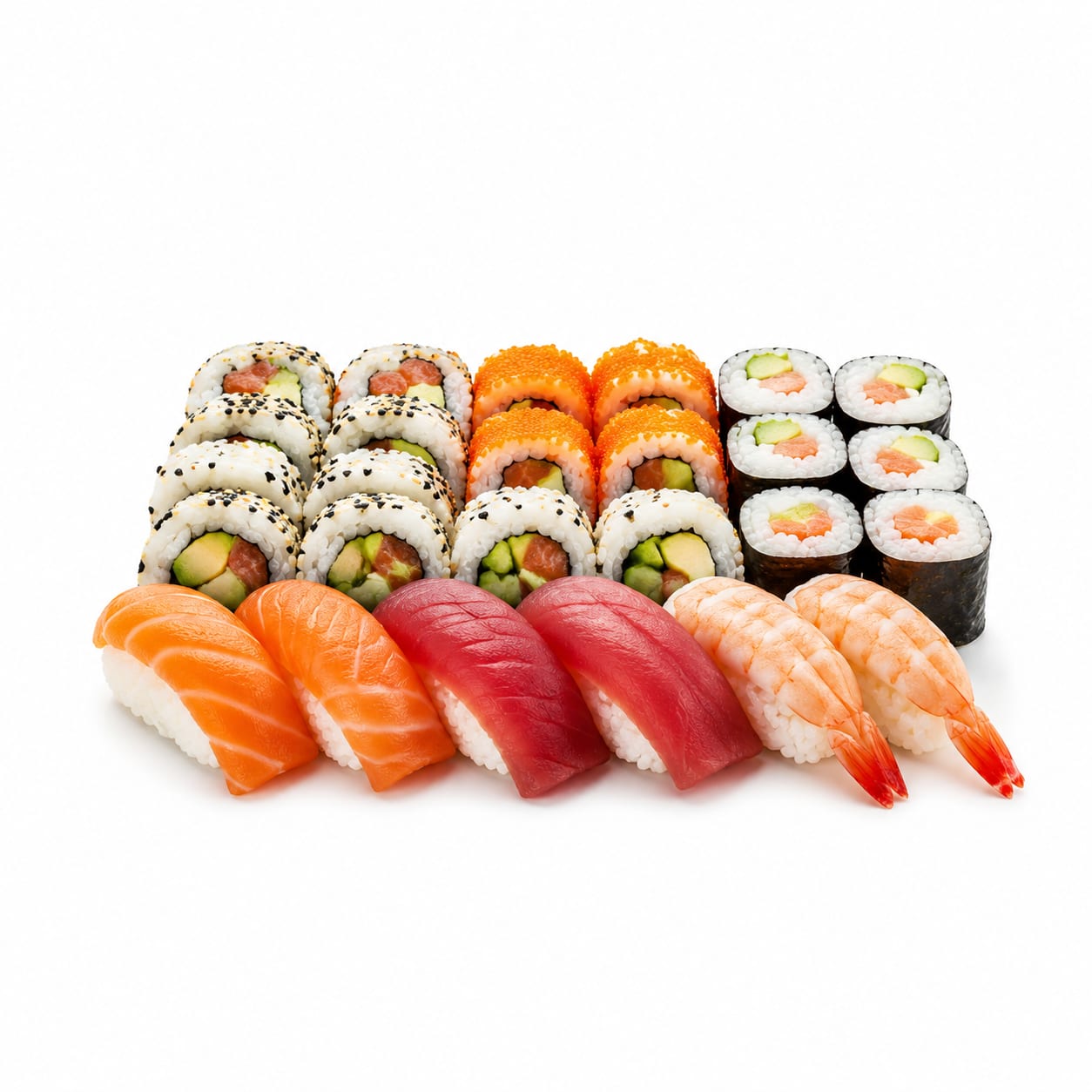
Sushi
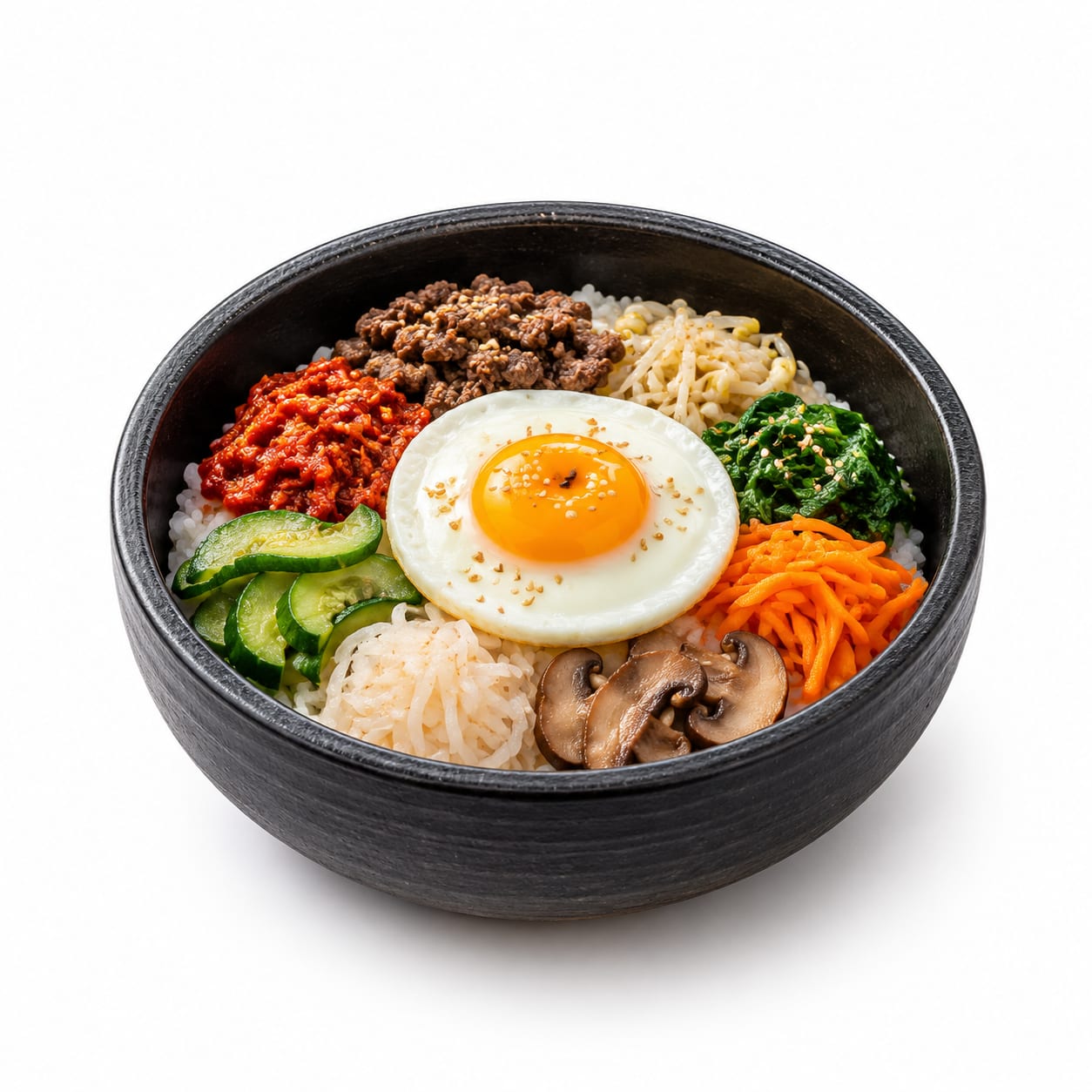
Bibimbap
Sushi wins for heart-healthy fats and lighter eating; bibimbap wins for nutritional completeness and food safety.
Bibimbap edges ahead thanks to better nutritional balance, more fiber, and no raw-food safety concerns. Sushi remains valuable for omega-3s but loses ground on mercury risk, sodium, and lower satiety.
You trade raw fish omega-3 benefits for cooked-food safety and vegetable diversity.
At a glance
Executive summary
Overall
It depends
Healthier
It depends
More practical
Bibimbap
Daily use
Bibimbap
Key comparison lenses
raw vs cooked safety
Sushi's raw fish carries inherent contamination risk that bibimbap's cooked ingredients avoid entirely
nutritional balance and completeness
Bibimbap delivers a wider vegetable variety and more balanced macros in a single bowl
heart health and omega3
Sushi provides marine omega-3s that bibimbap cannot match unless fish is added
sodium load comparison
Both dishes carry significant sodium but from different sources — soy sauce vs gochujang
blood sugar and carb density
Both are rice-centric meals that can spike blood sugar, but fiber content differs meaningfully
Best choice for
Sushi
- People prioritizing omega-3 intake and heart health
- Those wanting a lighter, less filling meal
- Anyone seeking marine-sourced protein
- Pescatarians avoiding meat
Bibimbap
- People wanting a nutritionally complete single-bowl meal
- Those concerned about raw food safety
- Anyone needing more fiber and vegetable variety
- Budget-conscious diners seeking better value per calorie
Least suitable for
Sushi
- Pregnant women due to mercury and raw fish risk
- Immune-compromised individuals
- Those with severe sodium restrictions
- People avoiding refined carbohydrates
Bibimbap
- People strictly limiting sodium intake
- Those avoiding nightshades or spicy food
- Anyone needing a portable grab-and-go meal
- People seeking low-calorie options
Deep comparison
Dimension by dimension
Each lens scores both foods and breaks down who each option suits.
- Dimension 1 · Priority 90Bibimbap
Nutritional Completeness
Sushi · 62Bibimbap · 85Bibimbap delivers protein, fiber, vitamins, and minerals from multiple vegetable sources in one bowl. Sushi is narrower — mostly rice and fish with minimal vegetable content.
Tradeoff
Sushi offers superior omega-3 fats, but bibimbap covers more micronutrient ground overall.
Why it matters
A single bibimbap bowl can realistically hit half your vegetable variety needs for the day. A sushi roll typically contains a sliver of cucumber and avocado.
Real-world impact
After bibimbap you feel genuinely nourished. After sushi you may feel full but still crave something green.
Sushi
- Omega-3 fatty acid intake
- Iodine from seaweed
- Lean marine protein
Better for
- Very low fiber content
- Limited vegetable diversity
- Minimal calcium unless fortified
Worse for
Bibimbap
- Fiber from multiple vegetables
- B-vitamins from spinach and fern brake
- Iron from beef and egg yolk
- Vitamin A and C from carrots and zucchini
Better for
- No marine omega-3s with standard beef version
- Can lack iodine without seaweed side
Worse for
- Dimension 2 · Priority 92Bibimbap
Food Safety and Contamination Risk
Sushi · 48Bibimbap · 88Sushi's raw fish introduces real contamination risk that bibimbap's fully cooked ingredients largely eliminate.
Tradeoff
The very thing that makes sushi nutritionally valuable — raw fish — is also its biggest safety liability.
Why it matters
Listeria, salmonella, and parasitic worm infections are documented risks with raw seafood. Cooking destroys most of these threats.
Real-world impact
A bad sushi experience can mean 48 hours of misery. Bibimbap's cooked ingredients make food poisoning far less likely.
Sushi
- High-quality sushi bars follow strict cold-chain protocols
- Wasabi has mild antimicrobial properties
Better for
- Raw fish parasite risk including anisakiasis
- Mercury exposure from tuna and other predatory fish
- Sushi rice left warm can breed bacillus cereus
- Cross-contamination at busy sushi counters
Worse for
Bibimbap
- Cooking kills most bacteria and parasites
- Egg is typically cooked through in authentic versions
- No mercury accumulation concern
Better for
- Gochujang fermentation rarely carries botulism risk if commercially produced
- Rice handling same bacillus cereus concern if left out
Worse for
- Dimension 3 · Priority 85Sushi
Heart Health
Sushi · 78Bibimbap · 60Sushi's omega-3 fatty acids from fish actively support cardiovascular health. Bibimbap's beef and egg yolk add saturated fat and cholesterol.
Tradeoff
Sushi helps your heart long-term but carries mercury that can offset benefits if eaten too frequently. Bibimbap is heart-neutral at best with standard beef.
Why it matters
EPA and DHA from fish reduce triglycerides and inflammation. Bibimbap's gochujang has some capsaicin benefit but not enough to compete.
Real-world impact
Twice-weekly sushi eaters often see improved lipid panels. Daily bibimbap with beef could raise LDL over time.
Sushi
- EPA and DHA omega-3s reduce triglycerides
- Lean fish options like salmon and mackerel
- Seaweed provides cardioprotective minerals
Better for
- Mercury from frequent tuna consumption harms endothelial function
- Soy sauce sodium raises blood pressure
Worse for
Bibimbap
- Vegetable antioxidants reduce oxidative stress
- Can be made with lean chicken or tofu instead of beef
Better for
- Beef saturated fat raises LDL cholesterol
- Gochujang and soy sauce sodium load is substantial
- Sesame oil adds calories without omega-3 benefit
Worse for
- Dimension 4 · Priority 78Bibimbap
Blood Sugar Stability
Sushi · 55Bibimbap · 68Both are rice-heavy meals, but bibimbap's fiber from vegetables slows glucose absorption meaningfully.
Tradeoff
Neither is ideal for strict blood sugar control. Bibimbap is slightly better but still a rice-forward meal.
Why it matters
White short-grain rice digests fast. Fiber and fat slow that spike. Bibimbap has more of both.
Real-world impact
After sushi you might feel a sugar crash within 90 minutes. Bibimbap gives you steadier energy for 2-3 hours.
Sushi
- Protein from fish slows gastric emptying slightly
- Vinegar in sushi rice may modestly reduce glycemic response
Better for
- Very low fiber means faster glucose absorption
- Refined white rice with high glycemic index
- Easy to overeat rice-heavy rolls
Worse for
Bibimbap
- Vegetable fiber significantly slows glucose absorption
- Egg and meat fat further blunt the spike
- More total protein per serving helps stabilize blood sugar
Better for
- Still a large white rice portion
- Sweet gochujang adds hidden sugar
Worse for
- Dimension 5 · Priority 82Bibimbap
Satiety and Fullness
Sushi · 58Bibimbap · 82Bibimbap's combination of fiber, fat, and protein makes it substantially more filling per calorie.
Tradeoff
Sushi feels light going down, which is either refreshing or unsatisfying depending on your hunger level.
Why it matters
Meals that actually fill you up prevent snacking later. Sushi's reputation for leaving people hungry an hour later is well-earned.
Real-world impact
A bibimbap bowl at noon keeps you full until dinner. A sushi lunch often has you reaching for a snack by 3pm.
Sushi
- Protein from fish contributes to satiety
- Lighter feel suits hot weather or small appetites
Better for
- Low fiber means stomach empties faster
- Refined carbs digest quickly
- Small individual pieces encourage fast eating before fullness registers
Worse for
Bibimbap
- Fiber from 5+ vegetables stretches gastric volume
- Egg and meat protein are highly satiating
- Sesame oil and egg yolk fat slow digestion
- Hot serving temperature enhances fullness signaling
Better for
- Very large portions can cause uncomfortable fullness
- High calorie density if you finish the whole bowl
Worse for
- Dimension 6 · Priority 76It depends
Sodium Load
Sushi · 45Bibimbap · 42Both dishes are sodium bombs. Sushi gets it from soy sauce and pickled items. Bibimbap from gochujang, soy sauce, and fermented vegetables.
Tradeoff
Neither wins here. The sodium sources differ but the total load is similarly high.
Why it matters
A single meal of either can deliver 1500-2500mg sodium. That is your entire daily limit in one sitting.
Real-world impact
After either meal you may notice thirst, bloating, or puffy fingers the next morning.
Sushi
- Sashimi-only orders eliminate most sodium
- You can control soy sauce dipping amount
Better for
- Soy sauce dipping adds 900-1000mg sodium easily
- Miso soup side adds another 600-800mg
- Pickled ginger and cured fish add more
Worse for
Bibimbap
- Can request less gochujang sauce
- Homemade versions allow full sodium control
Better for
- Gochujang paste is very sodium-dense
- Soy sauce in seasoning adds up fast
- Fermented vegetables like kimchi are salt-heavy
Worse for
Timeline
Health impact over time
Short-term
Hours to days
Sushi
- Quick energy from refined carbs but possible crash within 1-2 hours
- Soy sauce may cause bloating and thirst
- Risk of digestive upset if fish is not fresh
- Light post-meal feeling suitable for active afternoons
Bibimbap
- Sustained energy for 2-3 hours from balanced macros
- High sodium may cause water retention and bloating
- Very filling — may cause drowsiness if portion is large
- Warming and comforting sensation from hot meal
Long-term
Months to years
Sushi
- Regular omega-3 intake supports heart and brain health
- Frequent high-mercury fish consumption may harm neurological health
- Low fiber intake long-term affects gut microbiome diversity
- Sustained high sodium increases hypertension risk
Bibimbap
- Diverse vegetable intake supports gut microbiome health
- Consistent high sodium may raise blood pressure over years
- Beef-heavy versions may increase cardiovascular risk if eaten daily
- Fiber-rich pattern supports digestive regularity and colon health
Risk profile
Safety & processing
Sushi is closer to whole food — raw fish, rice, seaweed, minimal intervention. Bibimbap relies on gochujang, a fermented paste with added sugar and sodium, plus seasoned vegetables that undergo more preparation. Both use refined white rice, which is a processing concern shared equally.
Sushi
Parasitic infection from raw fish
mediumAnisakis and other parasites can survive in raw or undercooked fish. Reputable sushi bars freeze fish to kill parasites, but risk is never zero.
Mercury exposure from predatory fish
mediumTuna, swordfish, and mackerel accumulate methylmercury. Frequent consumption is especially concerning for pregnant women and children.
Bacterial contamination
mediumListeria and salmonella can contaminate raw seafood. Immunocompromised individuals face higher risk of severe illness.
Sushi rice temperature abuse
lowRice left at room temperature can grow bacillus cereus. Reputable establishments add vinegar which reduces but does not eliminate risk.
Bibimbap
High sodium from fermented sauces
mediumGochujang and soy sauce deliver concentrated sodium. Not an acute safety risk but a chronic health concern with regular consumption.
Undercooked egg yolk
lowTraditional bibimbap tops with a raw or barely cooked egg. Salmonella risk exists but is low with commercially produced eggs in many countries.
Fermented food histamine
lowGochujang and kimchi contain histamine from fermentation. Sensitive individuals may experience headaches or flushing.
Who wins for whom
Audience fit
Same foods, different winners depending on your goal.
children
BibimbapCooked food is safer for developing immune systems. Mercury exposure from sushi fish is a documented concern for children. Bibimbap's vegetables also support growth.
daily consumption
BibimbapBibimbap's nutritional diversity and cooked ingredients make it more sustainable as a daily meal. Sushi's mercury risk and raw fish concerns limit safe daily frequency.
diabetes
BibimbapNeither is ideal, but bibimbap's fiber slows glucose absorption better. Sushi's refined rice with minimal fiber causes sharper spikes.
elderly
BibimbapOlder adults face higher risk from foodborne illness, making cooked bibimbap safer. Softer rice and vegetables are also easier to chew than some sushi textures.
muscle gain
BibimbapBibimbap delivers more total protein from beef and egg along with more calories needed for muscle building. Sushi's protein per piece is modest.
weight loss
SushiSushi portions are easier to control and individual pieces are lower in calories. Sashimi-focused orders eliminate most carbs. Bibimbap's large rice portion and sesame oil make calorie creep easy.
Your move
Decision guide
Choose Sushi
- You want heart-healthy omega-3s from real fish
- You prefer lighter meals that do not leave you sluggish
- You are comfortable with raw fish from reputable sources
- You are pescatarian or avoiding red meat
- You want portion control with elegant presentation
Choose Bibimbap
- You want a complete balanced meal in one bowl
- Food safety is a top priority for you
- You need lasting fullness to power through your afternoon
- You want more vegetable variety and fiber
- You are eating after intense physical activity
- You are pregnant, elderly, or immune-compromised
Either works if
- You are comfortable with high sodium intake
- You want a satisfying restaurant-quality meal
- You enjoy fermented flavors from either cuisine
- You are not strictly limiting refined carbohydrates
Avoid both if
- You are on a strict low-sodium diet
- You must avoid refined white rice entirely
- You have severe soy or sesame allergies
- You are following a very low-carb or keto protocol
Final recommendation
Eat sushi when you want omega-3s and a lighter experience from a trusted restaurant. Eat bibimbap when you need a filling, nutritionally complete, and safer everyday meal. For most people eating several times a week, bibimbap is the more sustainable choice — but swap the beef for tofu or chicken and request light gochujang to manage sodium and saturated fat.
Practical
Consumer tips
- 1
Order sashimi with a small side of rice instead of rolls to cut carbs and boost protein
- 2
Ask for gochujang on the side so you control the sodium and sugar
- 3
Choose salmon or mackerel sushi over tuna to reduce mercury exposure
- 4
Replace white rice with brown rice in bibimbap when available for better blood sugar control
- 5
Limit soy sauce dipping — each tablespoon adds about 1000mg sodium
- 6
Pregnant women should avoid raw fish sushi entirely but can enjoy cooked rolls like eel or shrimp
- 7
Make bibimbap at home to control sodium, oil, and rice portions precisely
- 8
If eating sushi twice weekly, vary your fish types to minimize mercury accumulation