
Nutrition comparison
Sushi vs Sashimi: Nutrition, Carbs, and Health Comparison
Is sashimi healthier than sushi? Compare carbs, protein, calories, and health benefits to see which Japanese dish fits your diet.
Overall winner · Sashimi
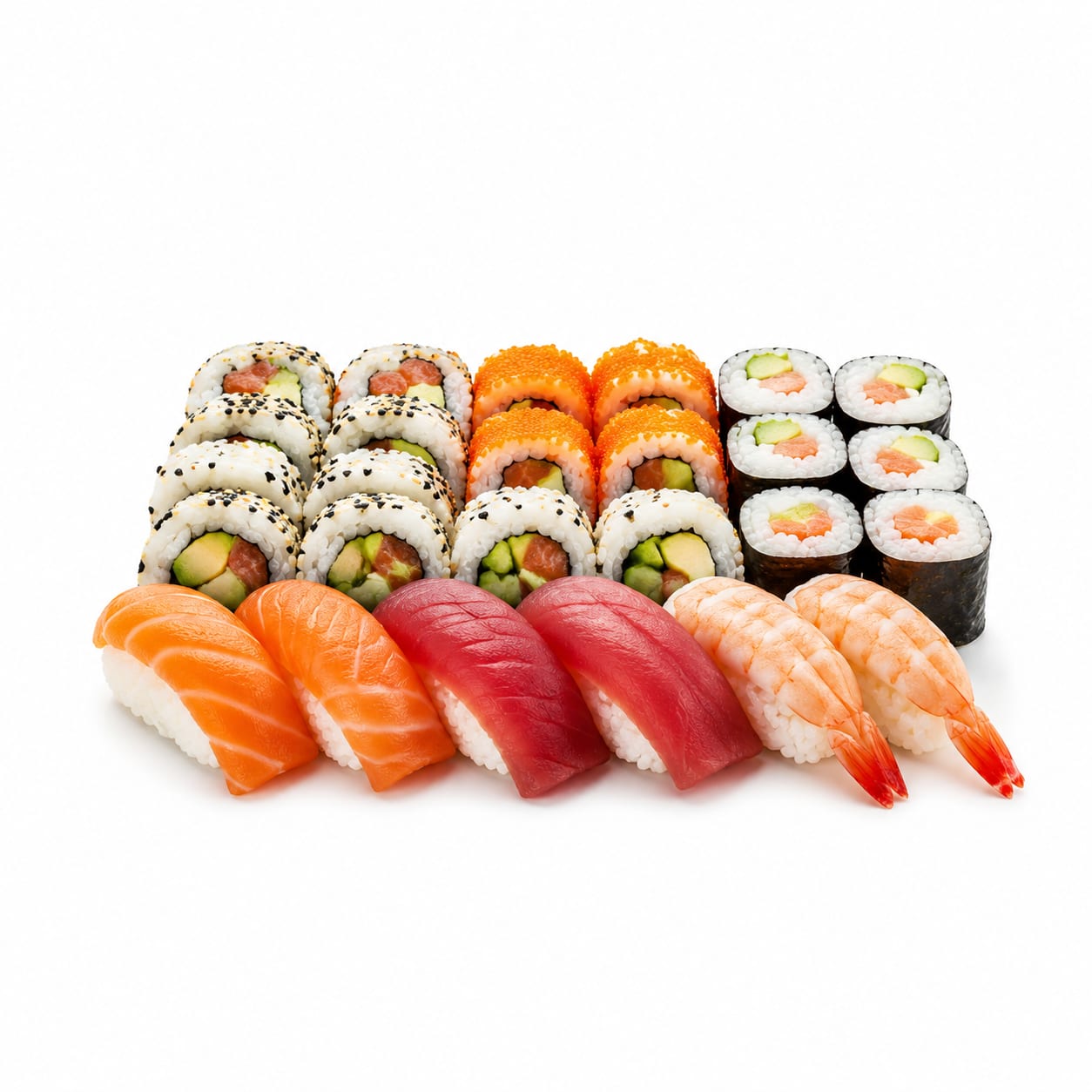
Sushi
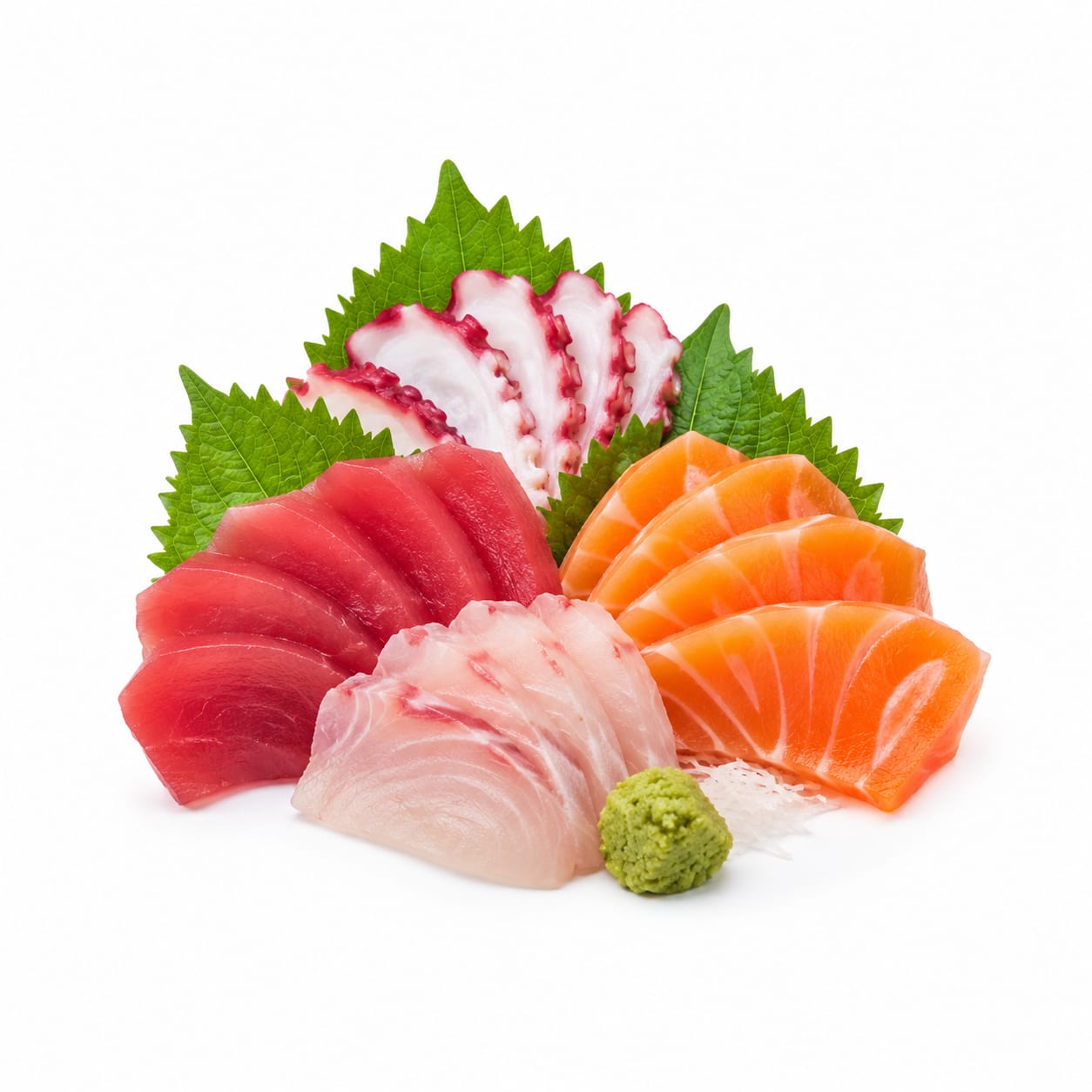
Sashimi
Sashimi delivers pure protein and healthy fats without the carb crash, while sushi adds filling but insulin-spiking rice.
Sashimi scores higher due to superior protein density and zero carbs, making it more versatile for health goals. Sushi remains a solid choice but is held back by the refined carbs in the rice.
You trade the quick energy and heavy fullness of sushi rice for the lean, steady fuel of sashimi.
At a glance
Executive summary
Overall
Sashimi
Healthier
Sashimi
More practical
Sushi
Daily use
Sashimi
Key comparison lenses
Carbohydrate load and blood sugar impact
Sushi contains rice which spikes blood sugar, while sashimi is virtually carb-free.
Protein density and satiety
Sashimi provides pure protein without fillers, making it more efficient for fullness and muscle support.
Calorie efficiency for weight management
Sushi packs extra calories from rice and sauces, whereas sashimi keeps calories low and nutrition high.
Raw fish safety and contamination
Both involve raw seafood, raising identical parasite and bacteria risks that require careful sourcing.
Best choice for
Sushi
- People needing carb fuel before or after a workout
- Diners wanting a budget-friendly, filling meal
Sashimi
- Low-carb and keto dieters
- Those prioritizing protein intake without extra calories
Least suitable for
Sushi
- People managing diabetes or insulin resistance
- Those strictly limiting refined carbohydrates
Sashimi
- Anyone looking for a cheap, filling meal on a tight budget
- People who find plain fish without sides unsatisfying
Deep comparison
Dimension by dimension
Each lens scores both foods and breaks down who each option suits.
- Dimension 1 · Priority 95Sashimi
Carbohydrate Impact & Blood Sugar
Sushi · 40Sashimi · 100Sashimi has virtually zero carbs, keeping blood sugar stable. Sushi rice spikes insulin quickly.
Tradeoff
Sushi gives you quick energy from carbs, but you risk an afternoon crash.
Why it matters
Steady blood sugar means fewer cravings and more consistent energy throughout the day.
Real-world impact
Eating sushi can leave you hungry an hour later, while sashimi keeps you full and focused.
Sushi
- Pre-workout energy boost
- Endurance athletes needing carb reloads
Better for
- Keto or low-carb diets
- Insulin-sensitive individuals
Worse for
Sashimi
- Managing diabetes
- Avoiding the afternoon energy crash
Better for
- Immediate post-marathon recovery where carbs are needed
Worse for
- Dimension 2 · Priority 90Sashimi
Protein Density & Satiety
Sushi · 60Sashimi · 95Sashimi is pure protein, while sushi dilutes the protein with rice.
Tradeoff
You get more bite-sized protein per serving with sashimi, but sushi feels heavier in the stomach initially.
Why it matters
Higher protein density supports muscle maintenance and keeps you full longer.
Real-world impact
A sashimi order delivers more muscle-building fuel without the heavy, bloated feeling of a large sushi roll.
Sushi
- Those who eat small portions and want a heavy feeling of fullness
Better for
- Maximizing protein intake without overeating calories
Worse for
Sashimi
- Muscle gain goals
- Getting more protein per calorie
Better for
- People who feel unsatisfied without carbs
Worse for
- Dimension 3 · Priority 85Sashimi
Calorie Efficiency
Sushi · 55Sashimi · 90Sashimi provides more nutrition per calorie. Sushi packs extra calories from rice and sometimes mayo or fried ingredients.
Tradeoff
Sushi is a cheaper way to feel full, but you consume more empty calories to get there.
Why it matters
Eating calorie-dense foods without realizing it is a common trap for weight gain.
Real-world impact
A sushi dinner can easily hit 1,000 calories thanks to the rice, while sashimi keeps the meal light and lean.
Sushi
- Budget diners getting full on less money
Better for
- Strict calorie tracking
- Avoiding hidden weight gain
Worse for
Sashimi
- Weight loss and calorie counting
- Lean bulking
Better for
- Those who need high caloric intake to maintain weight
Worse for
- Dimension 4 · Priority 70Sashimi
Sodium & Hidden Additives
Sushi · 50Sashimi · 75Sushi rice is seasoned with salt and sugar, and rolls often include high-sodium sauces.
Tradeoff
Sashimi is cleaner, but both rely on soy sauce which adds sodium if you dip heavily.
Why it matters
High sodium leads to bloating and water retention, making you feel sluggish.
Real-world impact
After a sushi meal, you might wake up puffy from the salt and sugar in the rice; sashimi is gentler on the body.
Sushi
- Those who prefer sweet and savory flavor profiles
Better for
- Blood pressure management
- Avoiding sugar spikes
Worse for
Sashimi
- Reducing bloating
- Avoiding hidden sugars and excess salt
Better for
- People who dislike plain fish flavors
Worse for
Timeline
Health impact over time
Short-term
Hours to days
Sushi
- Quick energy from carbs, but potential sugar crash and bloating from rice
Sashimi
- Steady energy, high satiety from protein, and feeling light after eating
Long-term
Months to years
Sushi
- Frequent consumption may contribute to insulin resistance and weight gain due to refined carbs
Sashimi
- Supports muscle retention and metabolic health, though heavy fish consumption requires mercury awareness
Risk profile
Safety & processing
Sashimi is essentially unprocessed fresh fish. Sushi involves processed white rice, often seasoned with refined sugar and vinegar, making it a more processed meal overall.
Sushi
Raw fish contamination
mediumBoth carry parasite and bacteria risks from raw seafood, requiring reputable sourcing.
Rice spoilage
lowImproperly stored sushi rice can harbor Bacillus cereus, though vinegar helps inhibit growth.
Sashimi
Raw fish contamination
mediumPure raw fish carries the same parasite and bacteria risks as sushi, demanding high-quality sourcing.
Mercury accumulation
mediumEating large amounts of sashimi, especially tuna, can lead to heavy metal exposure over time.
Who wins for whom
Audience fit
Same foods, different winners depending on your goal.
children
SushiSushi offers cooked options and milder flavors, and the rice makes it easier for kids to chew and enjoy.
daily consumption
SashimiSashimi's low carb profile makes it a better daily staple, provided you rotate fish types to manage mercury.
diabetes
SashimiWithout the rice, sashimi will not spike blood sugar, making it much safer for glucose management.
elderly
SushiSushi is softer and easier to chew, and cooked roll options reduce the risk of foodborne illness.
muscle gain
SashimiSashimi offers more protein per bite, which is crucial for muscle repair and growth.
weight loss
SashimiSashimi provides high protein and zero carbs, making it far easier to stay in a calorie deficit.
Your move
Decision guide
Choose Sushi
- You need carb fuel for an active day or workout
- You want a more affordable, filling meal
- You prefer milder flavors and varied textures
Choose Sashimi
- You are watching your carb intake or blood sugar
- You want maximum protein without extra calories
- You prefer a lighter, cleaner feeling after eating
Either works if
- You are dining at a high-quality Japanese restaurant with fresh fish
- You want healthy omega-3 fatty acids from fish
Avoid both if
- You have a compromised immune system and must avoid raw fish
- You are pregnant and advised against raw seafood consumption
Final recommendation
Choose sashimi if your priority is lean protein and steady energy, but opt for sushi when you need satisfying carbs or a more budget-friendly meal. Just go easy on the soy sauce either way.
Practical
Consumer tips
- 1
Order sushi with brown rice or request 'light rice' to reduce the carb load.
- 2
Choose salmon over tuna for sashimi to lower your mercury exposure.
- 3
Dip your fish lightly in soy sauce—most of the sodium comes from over-dipping.
- 4
Ask for ginger on the side to cleanse your palate instead of loading up on salty sauces.