
Nutrition comparison
Sushi vs Poke Bowl: Nutrition, Calories, and Health Comparison
Sushi or Poke Bowl? Discover the nutritional differences, calorie counts, and health tradeoffs to decide which raw fish dish is better for your goals.
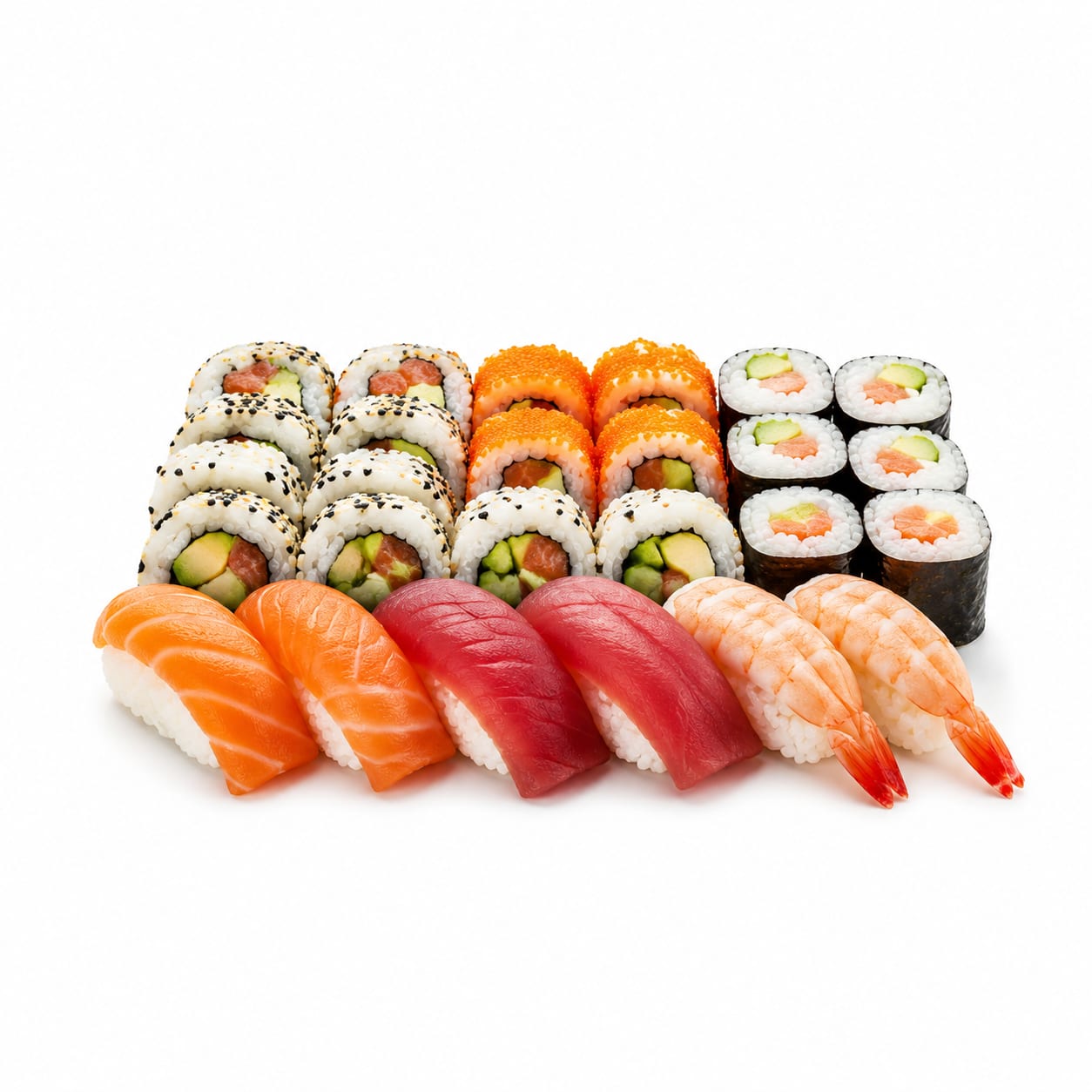
Sushi
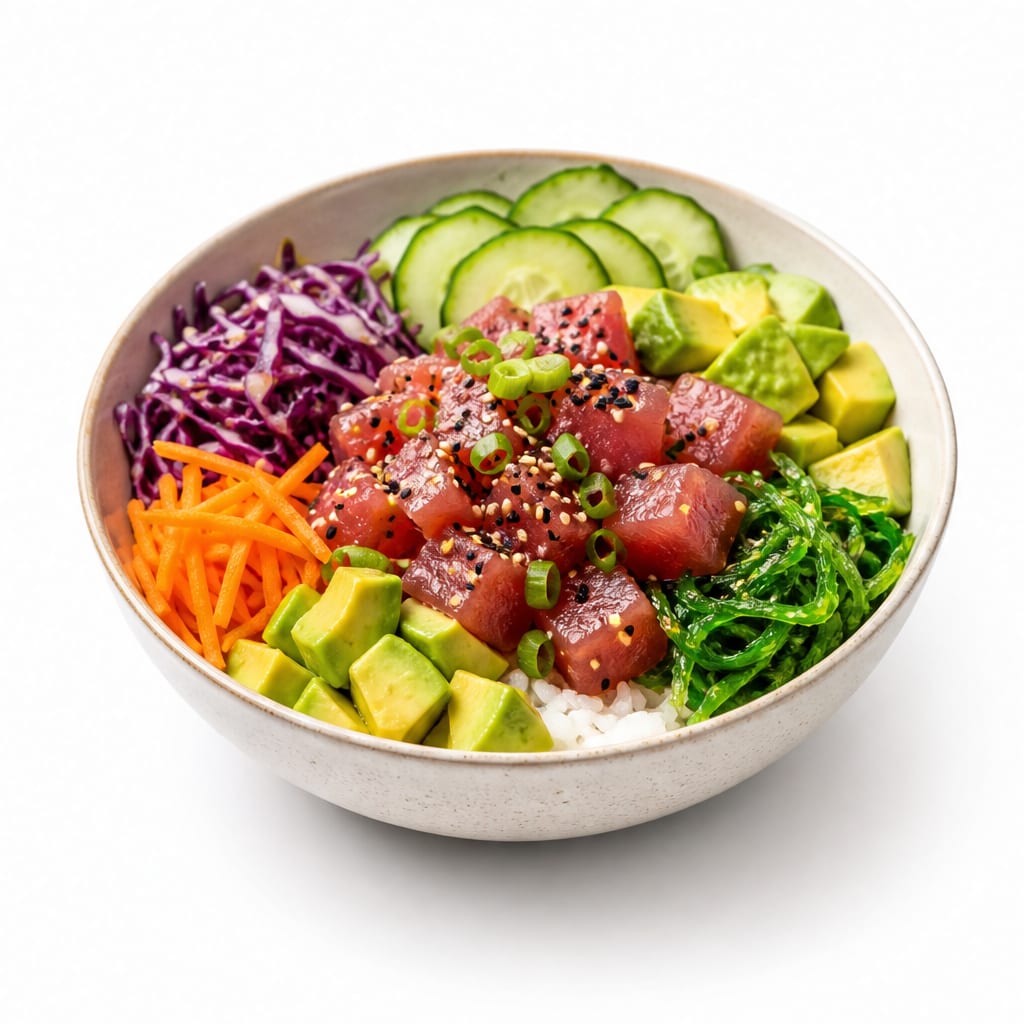
Poke Bowl
Sushi offers built-in portion control and a lighter meal, while Poke Bowls deliver more protein and healthy fats but can easily become a calorie bomb.
Scores are very close because both foods share similar core ingredients. Sushi wins slightly on portion control and lower fat, while Poke Bowl wins on protein and fiber potential. The ultimate healthfulness depends entirely on how the Poke Bowl is built.
Refined carbohydrate load versus high-calorie sauces and larger portions.
At a glance
Executive summary
Overall
It depends
Healthier
It depends
More practical
Poke Bowl
Daily use
It depends
Key comparison lenses
Portion control and caloric density
Poke bowls are often massive and calorie-dense, while sushi offers built-in portion control through bite-sized pieces.
Macronutrient balance
Sushi leans heavily on refined carbs, whereas poke bowls typically deliver more protein and fat per bite.
Hidden calories from sauces
Poke bowls often drown ingredients in mayo-based sauces, while sushi relies on lighter soy and wasabi.
Raw fish safety and mercury exposure
Both feature raw fish, but poke often uses ahi tuna, which carries higher mercury risks than typical sushi salmon.
Best choice for
Sushi
- People tracking calories strictly
- Lighter lunch eaters
- Those who struggle with portion control
- Carb-preferring athletes before workouts
Poke Bowl
- People needing high protein intake
- Post-workout recovery meals
- Those preferring lower-carb or keto-friendly options
- Very hungry eaters needing a filling meal
Least suitable for
Sushi
- People needing high protein
- Those watching blood sugar due to high white rice content
- Anyone sensitive to refined carbs
Poke Bowl
- Strict calorie counters
- People avoiding high-fat dressings
- Those prone to overeating large meals
Deep comparison
Dimension by dimension
Each lens scores both foods and breaks down who each option suits.
- Dimension 1 · Priority 92Sushi
Portion Control & Caloric Density
Sushi · 85Poke Bowl · 60Sushi naturally limits how much you eat because it comes in specific piece counts. Poke bowls are often giant troughs of food.
Tradeoff
You might leave the table hungry after sushi, but you will rarely accidentally overeat. With poke, one bowl can easily exceed 1000 calories.
Why it matters
Unconscious overeating is the biggest driver of weight gain. Built-in boundaries help more than willpower.
Real-world impact
A sushi dinner might leave you satisfied with 600 calories. A large poke bowl can silently hit 1200 calories before you feel full.
Sushi
- Weight management
- Mindful eating
Better for
- Very active people needing fuel
Worse for
Poke Bowl
- Mass gain
- Intense training days
Better for
- Sedentary days
- Cutting phases
Worse for
- Dimension 2 · Priority 88Poke Bowl
Protein & Satiety
Sushi · 65Poke Bowl · 88Poke bowls pack significantly more protein per serving because fish is the main event, not just a thin slice on rice.
Tradeoff
You get fuller faster with poke, but the extra protein often comes with extra fat from sauces and toppings.
Why it matters
Protein is the most satiating macronutrient. Higher protein meals reduce snacking later in the day.
Real-world impact
A poke bowl will likely keep you full from noon until dinner. A sushi lunch might have you reaching for a snack by 3 PM.
Sushi
- Light eaters
Better for
- Blood sugar crashes
- High hunger levels
Worse for
Poke Bowl
- Muscle maintenance
- Long workdays without breaks
Better for
- Those wanting a light, nimble feeling
Worse for
- Dimension 3 · Priority 82Poke Bowl
Carb Quality & Blood Sugar
Sushi · 55Poke Bowl · 70Sushi rice is heavily refined and sweetened. Poke bowls offer easy low-carb bases like greens or half-rice options.
Tradeoff
If you get a full rice base in a poke bowl, the carb load is actually worse than sushi due to the sheer volume.
Why it matters
Large amounts of refined carbs spike blood sugar and lead to afternoon energy crashes.
Real-world impact
Eating 8 pieces of sushi is a big carb hit. Swapping to a salad base in a poke bowl removes that crash entirely.
Sushi
- Carb-loaders before endurance events
Better for
- Insulin resistance
- Afternoon fatigue
Worse for
Poke Bowl
- Diabetics
- Low-carb dieters
Better for
- Budget eaters (salad bases often cost extra)
Worse for
- Dimension 4 · Priority 85Sushi
Hidden Fats & Sauces
Sushi · 80Poke Bowl · 55Sushi relies on soy sauce and wasabi. Poke often uses spicy mayo, ponzu, and eel sauce, which add massive hidden calories.
Tradeoff
Poke sauces make the bowl taste incredible, but they turn a healthy fish bowl into a high-fat meal.
Why it matters
Fat from oils and mayo is calorie-dense. Two tablespoons of spicy mayo adds 200 calories without making you fuller.
Real-world impact
Drenching a poke bowl in sauces can double its calorie count compared to a simple sushi order.
Sushi
- Clean eating
- Calorie tracking
Better for
- Those who dislike dry food
Worse for
Poke Bowl
- Flavor seekers
- High-calorie needs
Better for
- Weight loss
- Heart health
Worse for
Timeline
Health impact over time
Short-term
Hours to days
Sushi
- Quick energy from white rice, but risk of a blood sugar crash within hours
- Light feeling in the stomach shortly after eating
Poke Bowl
- High satiety and long-lasting fullness from protein and fat
- Potential sluggishness if the portion or sauce amount is too heavy
Long-term
Months to years
Sushi
- Frequent consumption may contribute to insulin resistance due to refined carbs
- Mercury accumulation possible if always choosing tuna rolls
Poke Bowl
- Better muscle preservation due to higher protein intake
- Weight gain risk if heavy sauces and large rice bases are a daily habit
Risk profile
Safety & processing
Both feature whole foods like fish and vegetables, but sushi rice is refined and sweetened, and poke bowl sauces often contain added sugars, preservatives, and emulsifiers.
Sushi
Parasites and bacteria
mediumRaw fish always carries a risk of pathogens, though reputable sushi restaurants freeze fish to kill parasites.
Mercury exposure
mediumTuna and swordfish rolls can be high in mercury, posing risks if eaten multiple times a week.
Poke Bowl
Parasites and bacteria
mediumRaw cubed fish has more surface area exposed to potential contaminants than solid slices.
Mercury exposure
highPoke heavily features ahi tuna, which is a high-mercury fish. Eating it regularly increases heavy metal burden.
Who wins for whom
Audience fit
Same foods, different winners depending on your goal.
children
SushiSushi is easier for kids to eat, has fun shapes, and cooked options like shrimp tempura avoid raw fish risks.
daily consumption
It dependsNeither is ideal daily due to raw fish mercury, but a sauce-free poke bowl on greens is a better daily nutritional profile if fish variety is rotated.
diabetes
Poke BowlPoke bowls can easily be ordered with a green base, avoiding the massive refined carb hit of sushi rice.
elderly
SushiSushi is softer and easier to digest, though both require caution regarding raw fish and foodborne illness.
muscle gain
Poke BowlPoke bowls deliver substantially more protein per serving, which is essential for muscle repair and growth.
weight loss
SushiSushi provides strict portion boundaries and fewer hidden calories from sauces, making it easier to stay in a deficit.
Your move
Decision guide
Choose Sushi
- You want a lighter meal without the risk of a food coma
- You struggle with portion control and need natural boundaries
- You are craving refined carbs and a fun eating experience
Choose Poke Bowl
- You are very hungry and need a meal that will stick with you
- You need a high-protein post-workout meal
- You prefer a lower-carb lifestyle and can opt for a greens base
Either works if
- You just want fresh fish and are willing to customize your order
- You are dining with someone who prefers the other format
Avoid both if
- You are pregnant, as raw fish poses listeria and parasite risks
- You have a compromised immune system
- You are highly sensitive to sodium from soy sauce
Final recommendation
Choose Sushi for a controlled, lighter meal where someone else manages the portions. Choose a Poke Bowl when you need serious protein and lasting energy, but get it on greens and go easy on the spicy mayo to keep it healthy.
Practical
Consumer tips
- 1
Order poke bowls with half rice and half greens to slash carbs without feeling deprived.
- 2
Ask for poke sauce on the side; you will likely use half of what they normally pour on.
- 3
Choose salmon over tuna in both dishes to significantly reduce your mercury exposure.
- 4
Order sashimi if you want the protein and omega-3s of sushi without the refined carb crash.
- 5
Limit soy sauce in both meals to avoid bloating and excessive sodium intake.