
Nutrition comparison
Sushi vs Spring Rolls: Nutrition, Calories, and Health Comparison
Comparing Sushi and Spring Rolls? Discover which is lower in calories, higher in protein, and safer for your health goals in this expert breakdown.
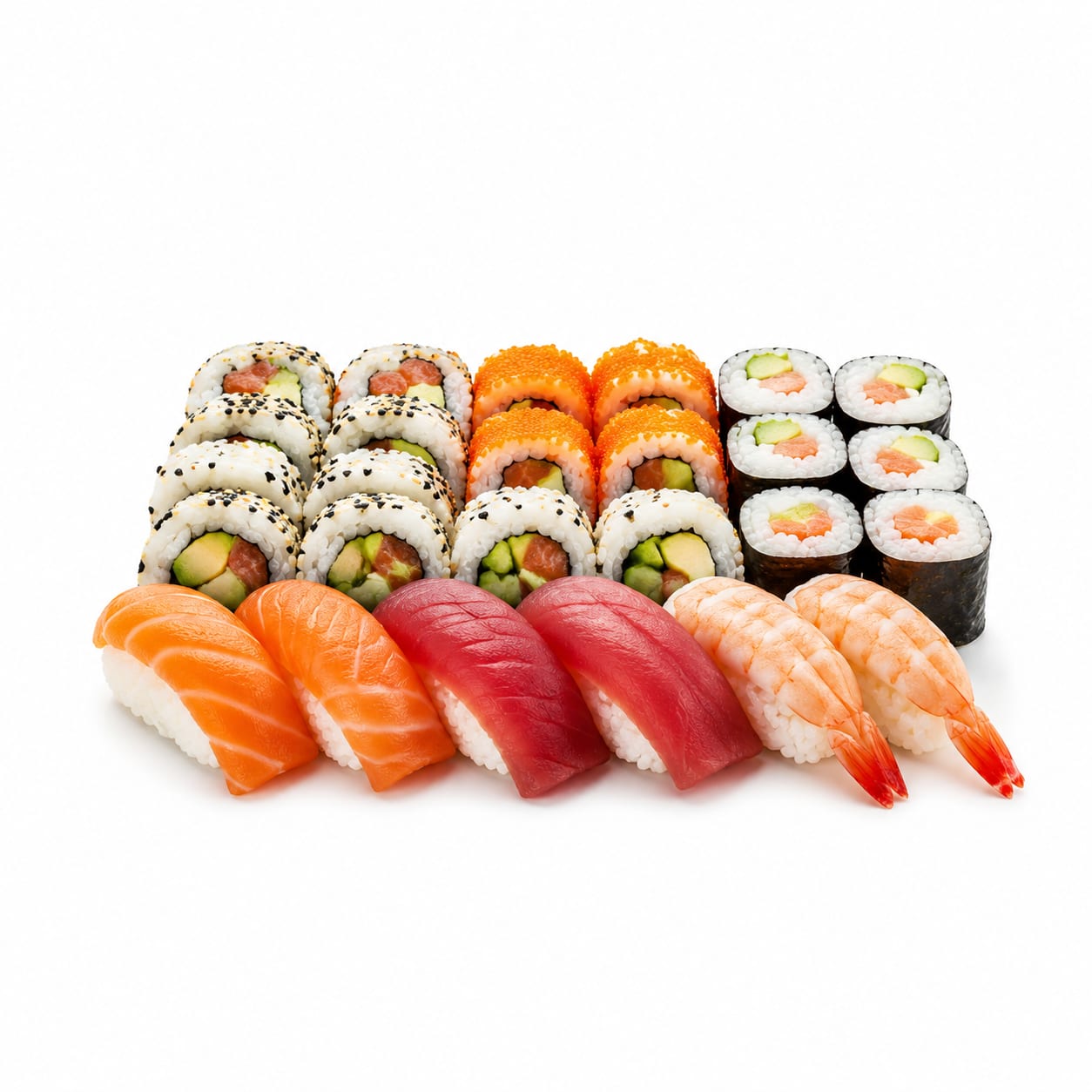
Sushi
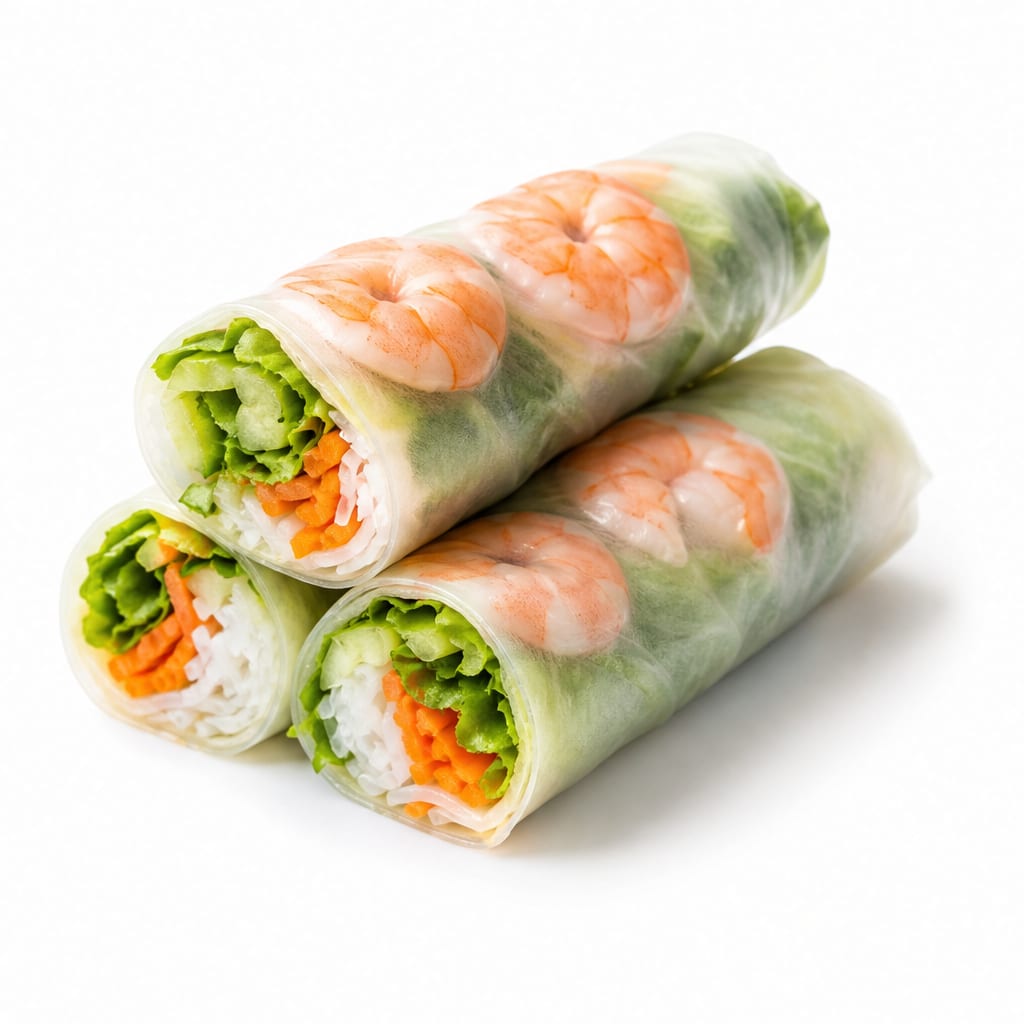
Spring Rolls
Sushi delivers satisfying protein and brain-boosting omega-3s, while Spring Rolls offer a lighter, lower-carb veggie-packed bite.
Spring Rolls score slightly higher due to lower calorie density, fewer carbs, and better safety profile, but Sushi remains a strong choice for its omega-3s and protein.
You trade the filling protein and healthy fats of Sushi for the lower calorie count and digestive lightness of Spring Rolls.
At a glance
Executive summary
Overall
It depends
Healthier
It depends
More practical
Sushi
Daily use
Spring Rolls
Key comparison lenses
Weight management and calorie density
Spring Rolls are typically much lighter and lower in calories than Sushi, which is often rice-heavy.
Food safety and raw ingredient risks
Sushi frequently contains raw fish, introducing parasite and bacterial risks not present in fresh Spring Rolls.
Protein quality and omega-3 intake
Sushi provides high-quality complete protein and omega-3s from fish, whereas Spring Rolls usually offer less protein.
Blood sugar impact and carbohydrate load
Sushi rice can spike blood sugar quickly, while Spring Rolls rely more on veggies and rice paper wrappers.
Best choice for
Sushi
- Post-workout recovery needing protein
- Boosting omega-3 intake for brain health
- A filling lunch that prevents afternoon crashes
Spring Rolls
- Light warm-weather dining
- Low-carb snacking
- Pregnancy-safe eating where raw fish is avoided
Least suitable for
Sushi
- Those monitoring blood sugar closely
- People concerned about mercury exposure
- Strict low-carb dieters
Spring Rolls
- Athletes needing high protein intake
- Those seeking a heavy, filling meal
- People looking for sustained energy for hours
Deep comparison
Dimension by dimension
Each lens scores both foods and breaks down who each option suits.
- Dimension 1 · Priority 90Sushi
Protein & Healthy Fats
Sushi · 88Spring Rolls · 45Sushi easily wins here thanks to fish-based protein and omega-3 fatty acids.
Tradeoff
You get far more satiating protein and anti-inflammatory fats with Sushi, but you take on the mercury risk that comes with fish.
Why it matters
Protein keeps you full, while omega-3s support heart and brain health.
Real-world impact
A Sushi lunch will keep you full until dinner, while Spring Rolls might leave you hunting for a snack by 3 PM.
Sushi
- Muscle maintenance
- Omega-3 intake
- Long-lasting satiety
Better for
- Vegans and vegetarians
- Those avoiding seafood mercury
Worse for
Spring Rolls
- Very low-fat diets
Better for
- Recovering from intense workouts
- Growing teenagers needing protein
Worse for
- Dimension 2 · Priority 88Spring Rolls
Calorie Density & Carbohydrate Load
Sushi · 55Spring Rolls · 85Spring Rolls are far lighter and lower in carbs than Sushi.
Tradeoff
You save hundreds of calories and avoid a carb crash with Spring Rolls, but you sacrifice the satisfying fullness that Sushi provides.
Why it matters
Sushi rice packs dense carbs that spike blood sugar, while rice paper and veggies in Spring Rolls are gentler on your energy levels.
Real-world impact
Eating Spring Rolls means you will not experience that heavy, sluggish feeling that often follows a large Sushi meal.
Sushi
- Carb-loading before endurance events
Better for
- Diabetes management
- Sedentary evenings
Worse for
Spring Rolls
- Steady energy levels
- Weight loss diets
- Low-carb lifestyles
Better for
- Refueling after a marathon
Worse for
- Dimension 3 · Priority 85Spring Rolls
Food Safety & Contamination Risk
Sushi · 50Spring Rolls · 90Spring Rolls are significantly safer to eat, especially for vulnerable groups.
Tradeoff
Sushi offers raw fish delicacies but carries a real risk of parasites and bacteria, whereas Spring Rolls use cooked or fresh whole ingredients.
Why it matters
Raw seafood carries inherent risks of listeria, salmonella, and parasites that fresh produce and cooked shrimp do not.
Real-world impact
Pregnant women, the elderly, and those with weak immune systems can comfortably eat Spring Rolls but should generally avoid raw Sushi.
Sushi
- Those with iron-clad digestive systems
Better for
- People with foodborne illness anxiety
- Those dining at low-quality establishments
Worse for
Spring Rolls
- Pregnant women
- Elderly diners
- Compromised immune systems
Better for
- Dimension 4 · Priority 75Spring Rolls
Nutrient Density & Fiber
Sushi · 65Spring Rolls · 82Spring Rolls pack more vegetables and fiber, while Sushi offers micronutrients from seaweed and fish.
Tradeoff
You get better digestion and gut health from Spring Rolls, but Sushi provides unique marine minerals like iodine.
Why it matters
Fiber regulates digestion and steadies blood sugar, which the white rice in Sushi fails to do.
Real-world impact
Spring Rolls help you hit your daily vegetable quota effortlessly, while Sushi leaves you short on fiber.
Sushi
- Iodine intake
- Vitamin D from fish
Better for
- Constipation-prone individuals
Worse for
Spring Rolls
- Gut health
- Digestive regularity
- Antioxidant variety
Better for
- Those needing concentrated calories
Worse for
Timeline
Health impact over time
Short-term
Hours to days
Sushi
- Quick energy from white rice
- Satisfying fullness from protein and fats
- Potential blood sugar spike followed by a mild crash
Spring Rolls
- Light, refreshing feeling after eating
- Easy on the stomach and digestion
- May feel hungry again sooner due to lower protein
Long-term
Months to years
Sushi
- Improved cardiovascular health from omega-3s
- Potential mercury accumulation with frequent tuna consumption
- Possible weight gain if eating rice-heavy rolls frequently
Spring Rolls
- Better weight management due to low calorie density
- Improved digestion from high fiber intake
- Need to ensure adequate protein from other diet sources
Risk profile
Safety & processing
Both are whole-food forward, but Sushi rice often includes added sugar and vinegar, and soy sauce brings high sodium, whereas Spring Rolls usually rely on fresh veggies and rice paper with fewer additives.
Sushi
Parasites and Bacteria
highRaw fish can harbor anisakis parasites and listeria, making proper sourcing and freezing critical.
Mercury Exposure
mediumPredatory fish like tuna used in Sushi accumulate mercury, which is harmful in high amounts.
Spring Rolls
Produce Contamination
lowFresh herbs and vegetables can carry pesticide residue or bacteria like E. coli if not washed properly.
Undercooked Protein
lowIf containing shrimp or pork, there is a minor risk of undercooking, though most Spring Rolls use fully cooked ingredients.
Who wins for whom
Audience fit
Same foods, different winners depending on your goal.
children
Spring RollsSpring Rolls are safer for kids since they avoid the raw fish contamination risk and are fun to eat.
daily consumption
Spring RollsSpring Rolls are safer and lighter for daily eating, whereas daily Sushi consumption could lead to heavy metal exposure.
diabetes
Spring RollsSpring Rolls have a lower glycemic load and more fiber, preventing the blood sugar spikes caused by Sushi rice.
elderly
Spring RollsSpring Rolls are safer for aging immune systems and easier to digest, avoiding raw seafood risks and heavy rice loads.
muscle gain
SushiSushi provides high-quality complete protein from fish, which is essential for muscle repair and growth.
weight loss
Spring RollsSpring Rolls are far lower in calories and carbs, making it much easier to stay in a calorie deficit.
Your move
Decision guide
Choose Sushi
- You need a protein-rich meal after a workout
- You want to boost your omega-3 intake
- You are dining at a high-quality restaurant with trusted fish sourcing
Choose Spring Rolls
- You want a light, refreshing lunch on a hot day
- You are watching your carbohydrate or calorie intake
- You are pregnant or have a weakened immune system
Either works if
- You are craving a fresh, hand-held appetizer
- You want a meal that feels lighter than traditional fast food
Avoid both if
- You have a severe soy or shellfish allergy, as both often contain or cross-contaminate with these
Final recommendation
Choose Sushi when your body needs satisfying protein and healthy fats, but lean toward Spring Rolls when you want something light, safe, and low-carb that will not weigh you down.
Practical
Consumer tips
- 1
Ask for Sushi rolls with brown rice or cucumber wraps to drastically reduce the carb load and glycemic spike.
- 2
Limit Sushi with high-mercury fish like tuna to once a week, opting for salmon or avocado rolls instead.
- 3
Choose fresh Spring Rolls over fried egg rolls to keep the calorie and fat content low.
- 4
Use low-sodium soy sauce or coconut aminos with Sushi to avoid bloating from salt.
- 5
Dip Spring Rolls lightly in sauce, as peanut and sweet chili dips can add hidden calories and sugar.