
Nutrition comparison
Sushi vs Pho: Nutrition, Health Benefits & Which is Better
Compare Sushi vs Pho to see which is healthier. Learn about omega-3s, sodium, carbs, and which dish fits your diet and lifestyle best.
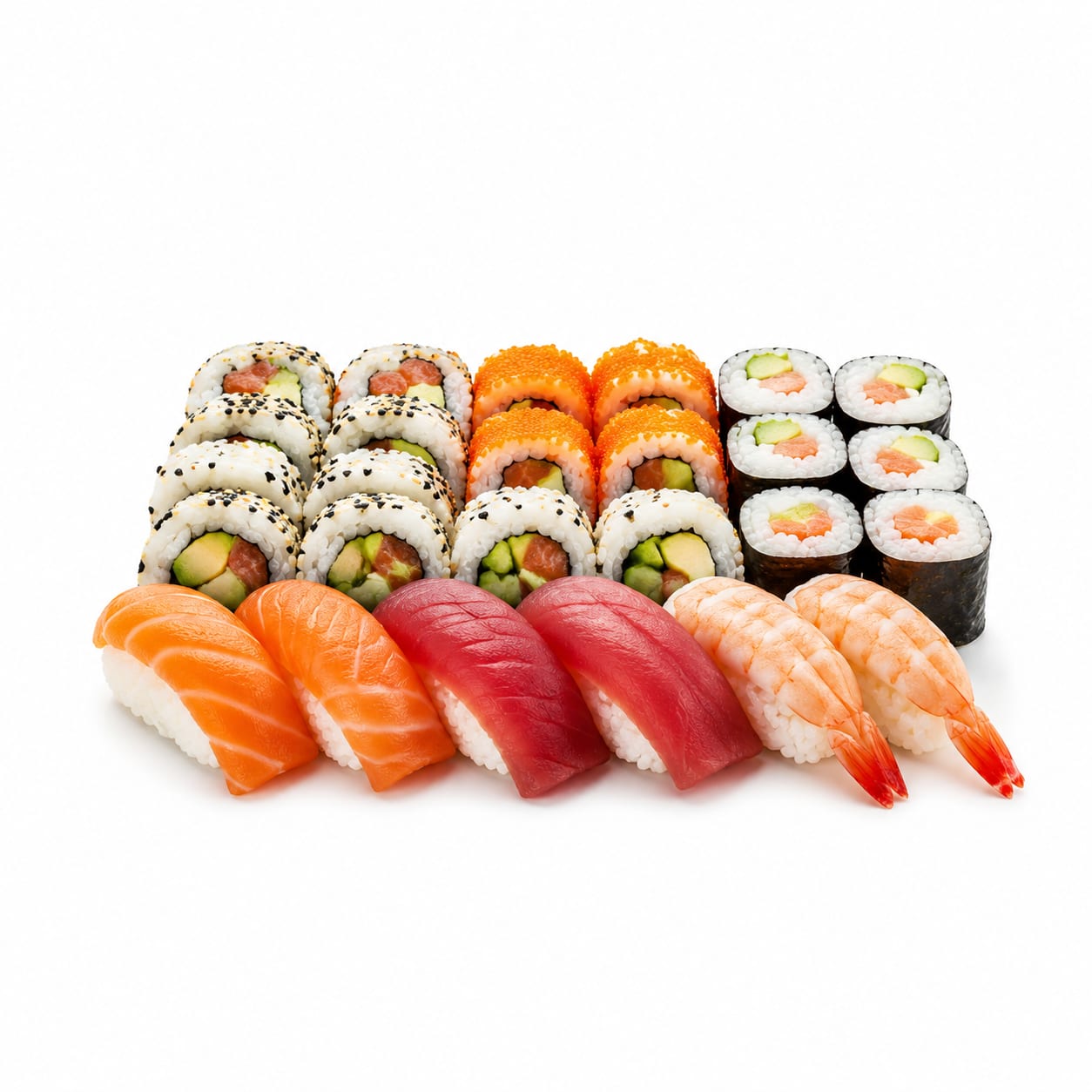
Sushi
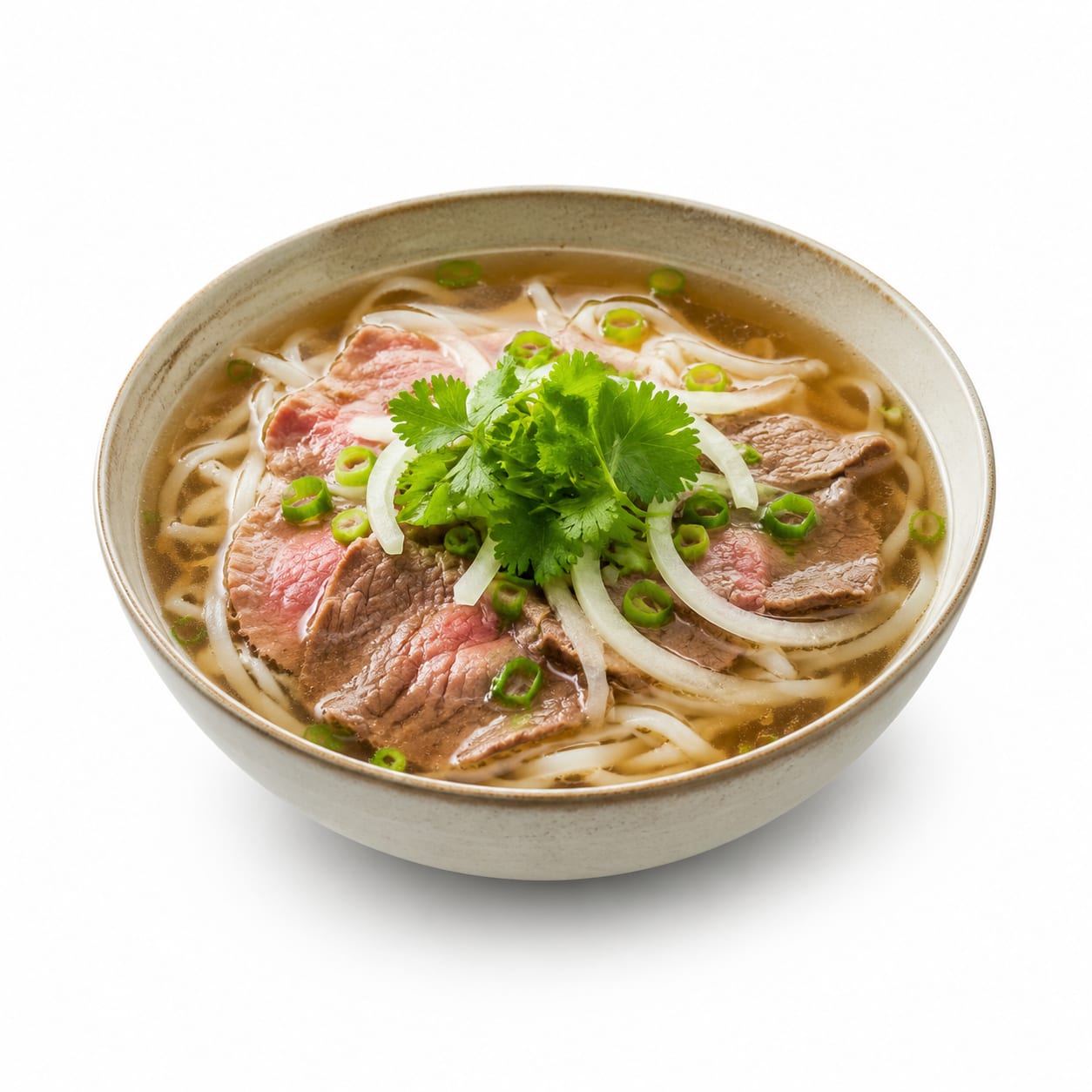
Pho
Sushi delivers lean protein and omega-3s for a lighter meal, while Pho offers comforting warmth and hydration but packs a heavy sodium punch.
Sushi edges out Pho slightly due to superior healthy fat content and lower inherent sodium, but Pho's cooked safety and comfort make it contextually equal depending on your needs.
Choosing between the anti-inflammatory fats of raw fish in Sushi versus the cooked, comforting safety of Pho's hot broth.
At a glance
Executive summary
Overall
It depends
Healthier
It depends
More practical
It depends
Daily use
It depends
Key comparison lenses
Carbohydrate tolerance and blood sugar impact
Both Sushi and Pho are rice-based meals, making carbohydrate quality and portion size a primary concern for energy and metabolic health.
Sodium load and hydration
Pho is broth-based and inherently high in sodium, while Sushi's salt content is mostly controlled by how much soy sauce you use.
Food safety and immune risk
Sushi involves raw seafood which carries parasite and bacteria risks, whereas Pho is thoroughly cooked and safer for vulnerable populations.
Comfort versus lightness
Pho provides a hot, hydrating, and comforting experience, while Sushi is typically eaten cold and feels much lighter in the stomach.
Best choice for
Sushi
- Warm weather dining when you want something light
- Increasing omega-3 intake for heart and brain health
- Controlling sodium by managing soy sauce portions
Pho
- Cold weather comfort and deep satiety
- Soothing an upset stomach with warm broth
- Rehydrating after illness or heavy sweating
Least suitable for
Sushi
- Pregnant women due to raw fish risks
- Those with compromised immune systems
- People who dislike raw seafood textures
Pho
- Strict low-sodium diets due to the broth
- Those prone to fluid retention and bloating
- People sensitive to MSG often used in restaurant broths
Deep comparison
Dimension by dimension
Each lens scores both foods and breaks down who each option suits.
- Dimension 1 · Priority 90Pho
Satiety & Comfort
Sushi · 65Pho · 88Pho's hot broth and large volume make it deeply satisfying, while Sushi can feel lighter and less filling.
Tradeoff
Pho fills you up longer and warms you, but Sushi leaves you feeling lighter and less sluggish.
Why it matters
Feeling comfortably full prevents overeating later, but heavy meals can cause afternoon energy dips.
Real-world impact
A bowl of Pho feels like a hug on a cold day and keeps you full for hours, whereas Sushi might leave you hunting for a snack by 3 PM.
Sushi
- Hot summer days when Sushi feels refreshing
- Light lunch meetings where Sushi won't cause a food coma
Better for
- After a heavy workout when you need serious volume
- Freezing winter evenings
Worse for
Pho
- Recovering from a cold with comforting Pho broth
- Days when you need a meal to last you 5 hours
Better for
- Quick desk lunches where Pho's broth is impractical
- Scorching days when hot soup sounds awful
Worse for
- Dimension 2 · Priority 95Sushi
Protein Quality & Healthy Fats
Sushi · 88Pho · 70Sushi delivers high-quality protein and anti-inflammatory omega-3s from fish, whereas Pho relies more on beef or chicken with less healthy fat diversity.
Tradeoff
Sushi offers superior fats for brain and heart health, but Pho provides solid protein without the raw fish risks.
Why it matters
Omega-3s reduce inflammation and support brain health, making the type of protein you eat matter as much as the amount.
Real-world impact
Eating Sushi regularly can boost your omega-3 intake noticeably, while Pho keeps you fueled with cooked meats but fewer anti-inflammatory benefits.
Sushi
- Heart health focused diets where Sushi's omega-3s shine
- Reducing inflammation with Sushi's fish oils
Better for
- People avoiding raw fish who can't eat traditional Sushi
Worse for
Pho
- Those who prefer cooked protein from Pho's boiled meats
- Getting collagen from Pho's bone broth
Better for
- Strict low-fat diets since Pho broth can be greasy
Worse for
- Dimension 3 · Priority 85Sushi
Sodium & Hydration
Sushi · 60Pho · 35Pho broth is notoriously high in sodium, which can cause bloating, while Sushi's sodium is mostly optional via soy sauce.
Tradeoff
Pho hydrates you with fluid but can overload sodium, whereas Sushi gives you more control over your salt intake.
Why it matters
High sodium intake leads to bloating, thirst, and elevated blood pressure, undermining the meal's health benefits.
Real-world impact
After a bowl of Pho you might feel puffy and thirsty all afternoon, while Sushi lets you manage salt by simply using less soy sauce.
Sushi
- Blood pressure management where Sushi offers salt control
- Avoiding bloating by skipping the soy sauce with Sushi
Better for
- When you need heavy hydration from fluids
Worse for
Pho
- Rehydrating after intense exercise with Pho's salty broth
- Restoring electrolytes lost in sweat
Better for
- Salt-sensitive individuals who will bloat from Pho
- Late-night meals where Pho's sodium disrupts sleep
Worse for
- Dimension 4 · Priority 80It depends
Blood Sugar & Carbohydrates
Sushi · 55Pho · 55Both are built on refined white carbs, leading to similar blood sugar spikes if eaten in standard portions.
Tradeoff
Sushi rice has vinegar which may slightly blunt spikes, but Pho has more broth and herbs that slow down eating speed.
Why it matters
Refined carbs can cause energy crashes, so portion control and pacing are essential for both meals.
Real-world impact
Eating too many Sushi rolls or a massive bowl of Pho noodles will both leave you reaching for a coffee an hour later.
Sushi
- Sashimi-heavy Sushi orders that skip the rice
- Eating Sushi slowly to let vinegar aid digestion
Better for
- All-you-can-eat Sushi binges that overload carbs
Worse for
Pho
- Adding extra bean sprouts to Pho to lower the glycemic load
- Eating Pho slowly by sipping broth first
Better for
- Drinking all the Pho broth on an empty stomach before touching the noodles
Worse for
- Dimension 5 · Priority 75Pho
Food Safety & Contamination
Sushi · 50Pho · 90Sushi carries inherent risks from raw seafood, while Pho is thoroughly cooked and generally safer for vulnerable people.
Tradeoff
Pho is safer for sensitive stomachs and pregnant women, but Sushi's raw fish offers unique nutrients if sourced carefully.
Why it matters
Foodborne illness can completely derail your week, making sourcing and preparation methods critical.
Real-world impact
Bad Sushi can lead to parasitic or bacterial infections, whereas Pho's boiling broth kills off most harmful pathogens.
Sushi
- Healthy adults dining at high-quality Sushi restaurants
- Those seeking the specific nutrient profile of raw fish
Better for
- Pregnant women who must avoid raw Sushi
- People with weakened immune systems
Worse for
Pho
- Pregnancy where Pho's cooked ingredients are safe
- Sensitive stomachs that need gentle, cooked foods like Pho
Better for
- Those avoiding high-sodium restaurant foods
Worse for
Timeline
Health impact over time
Short-term
Hours to days
Sushi
- Quick energy from white rice
- Light feeling in the stomach if portions are controlled
- Potential stomach upset if fish is poorly handled
Pho
- Immediate hydration from hot broth
- Bloating and thirst from high sodium intake
- Deep comfort and warmth on cold days
Long-term
Months to years
Sushi
- Better heart health from regular omega-3 intake
- Potential heavy metal exposure with frequent high-mercury fish
- Blood sugar issues if portions are consistently too large
Pho
- Risk of high blood pressure from frequent sodium overload
- Joint and gut benefits from bone broth collagen
- Stable weight if broth replaces higher-calorie comfort foods
Risk profile
Safety & processing
Both Sushi and Pho are largely whole-food based, but restaurant Pho broths often hide MSG and artificial flavor enhancers, while Sushi is typically just fish, rice, and seaweed.
Sushi
Parasites and Bacteria
highRaw fish in Sushi can harbor anisakis and listeria, making it risky for pregnant women and the immunocompromised.
Mercury Exposure
mediumTuna and other large fish used in Sushi accumulate mercury, which is harmful in high amounts over time.
Pho
Excess Sodium
highPho broth can contain a day's worth of sodium, leading to acute blood pressure spikes and bloating.
MSG Sensitivity
lowSome Pho restaurants use MSG, which can cause headaches or flushing in sensitive individuals.
Who wins for whom
Audience fit
Same foods, different winners depending on your goal.
children
PhoPho is cooked, gentle on the stomach, and easy to slurp, making it far safer and more appealing for kids than raw fish.
daily consumption
It dependsSushi is better for lighter daily intake with omega-3s, but daily Pho would likely cause sodium overload for most people.
diabetes
It dependsBoth are rice-heavy and require strict portion control, though Sushi can be modified to sashimi more easily than Pho can be made noodle-free.
elderly
PhoHot, cooked, and easy to digest, Pho is much safer for aging immune systems and dental needs than chewy raw fish.
muscle gain
SushiSushi provides higher protein density per bite from fish, making it easier to hit protein targets without carb overload.
weight loss
SushiSushi offers easier portion control and lower-calorie options like sashimi, while Pho's broth can be deceptively caloric and sodium-heavy.
Your move
Decision guide
Choose Sushi
- You want a lighter, cooler meal rich in omega-3s
- You are dining in warm weather
- You want precise control over your sodium intake
Choose Pho
- You need a comforting, hot meal that fills you up
- You are recovering from illness or braving cold weather
- You prefer cooked foods over raw fish
Either works if
- You want a balanced meal that pairs carbs with protein
- You are dining out and want something flavorful but not deep-fried
Avoid both if
- You are on a strict low-carb or ketogenic diet
- You are highly sensitive to refined carbohydrates
Final recommendation
Let the weather and your stomach guide you. Pick Sushi for a nutrient-dense, light meal with healthy fats, and Pho for a warming, comforting bowl—just go easy on the soy sauce and broth to manage sodium.
Practical
Consumer tips
- 1
Ask for low-sodium soy sauce when eating Sushi to cut your salt intake significantly.
- 2
Drink extra water after eating Pho to flush out the high sodium from the broth.
- 3
Order Sushi with brown rice or opt for sashimi to lower the carb load and boost protein.
- 4
Ask for your Pho broth on the side or avoid finishing it to dodge the sodium bomb.
- 5
Add extra bean sprouts and herbs to Pho to increase fiber and slow down carb absorption.