
Nutrition comparison
Sushi vs Burrito Bowl: Which Is Actually Healthier for Lunch?
Compare sushi and burrito bowls on protein, calories, safety, and satiety. Find out which lunch option keeps you full, builds muscle, and fits your health goals better.
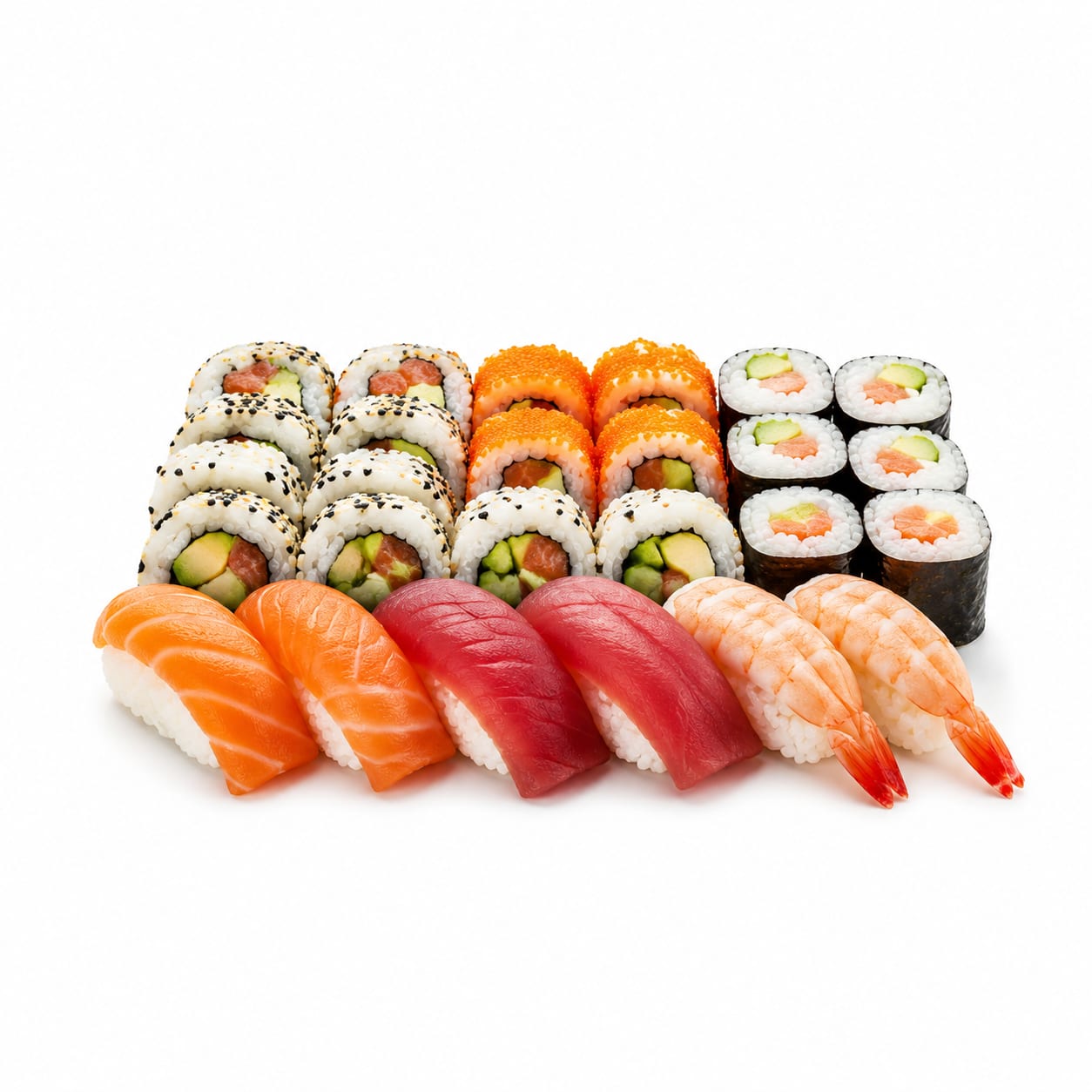
Sushi
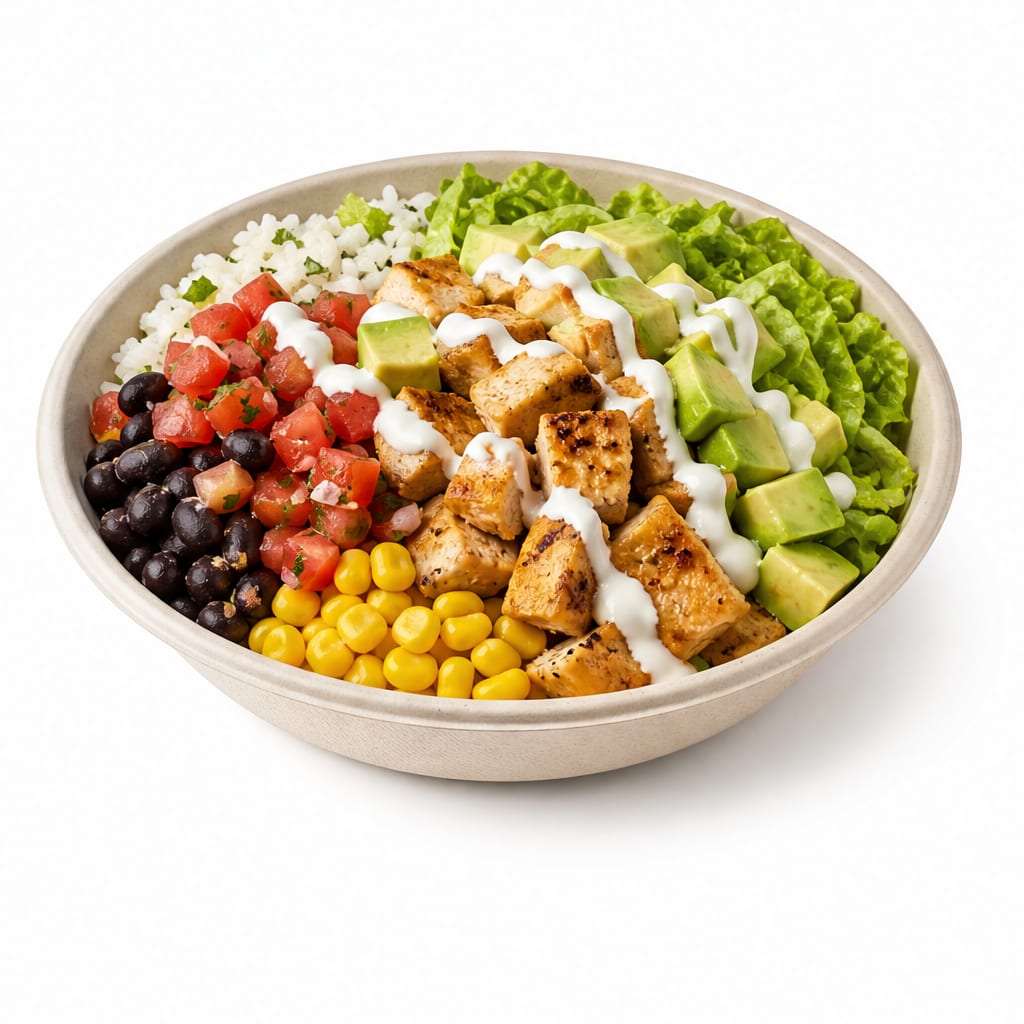
Burrito Bowl
Sushi is lighter and heart-healthier but riskier for frequent raw fish consumption. Burrito bowls are more filling and protein-rich but can easily become calorie and sodium bombs.
Burrito bowls edge ahead due to higher protein, more fiber, better satiety, and no raw food safety risks. Sushi wins on calorie density and omega-3 content but loses on filling power and frequent-consumption safety. The close scores reflect that both can be excellent or poor choices depending entirely on how they are built.
Light elegance with omega-3 benefits versus hearty satiety with more protein and fiber but higher calorie and sodium potential.
At a glance
Executive summary
Overall
It depends
Healthier
It depends
More practical
Burrito Bowl
Daily use
Burrito Bowl
Key comparison lenses
Which is better for weight management and feeling full?
Both are popular lunch options where satiety and calorie control matter enormously for afternoon productivity and avoiding cravings.
Which is safer to eat regularly?
Sushi carries raw fish risks while burrito bowls have sodium and portion concerns. Safety frequency matters for daily or weekly consumption.
Which provides better sustained energy?
Both are carb-heavy meals that can cause energy crashes or sustained fuel depending on composition.
Which is more nutritionally customizable?
Burrito bowls offer build-your-own flexibility while sushi is often pre-made with less control over ingredients.
Which supports muscle building and recovery?
Protein quantity and quality differ significantly between these two popular post-workout meal options.
Best choice for
Sushi
- People prioritizing heart health and omega-3 intake
- Those wanting a lighter meal that will not cause afternoon sluggishness
- Anyone watching calorie density who struggles with portion control
- Seafood lovers seeking iodine and selenium from fish
Burrito Bowl
- Athletes and active people needing serious protein and calories
- Anyone who feels hungry again two hours after eating sushi
- People wanting high fiber from beans for digestive regularity
- Those who need a filling meal that powers through a long afternoon
Least suitable for
Sushi
- Pregnant women due to raw fish and mercury concerns
- People with compromised immune systems
- Anyone needing a high-protein meal for recovery
- Those sensitive to high-glycemic refined carbs
Burrito Bowl
- People watching sodium intake closely
- Anyone trying to keep meals under 600 calories
- Those with bean or legume sensitivities
- People prone to feeling sluggish after heavy meals
Deep comparison
Dimension by dimension
Each lens scores both foods and breaks down who each option suits.
- Dimension 1 · Priority 95Burrito Bowl
Satiety and Fullness
Sushi · 52Burrito Bowl · 85Burrito bowls keep you full for hours. Sushi often leaves you hunting for a snack by 3pm.
Tradeoff
That light feeling after sushi is pleasant but short-lived. Burrito bowls are heavier but actually sustain you.
Why it matters
Meals that fail to fill you up lead to afternoon cravings, unnecessary snacking, and worse daily nutrition overall.
Real-world impact
A typical sushi lunch of 6-8 pieces often leads to a coffee run or vending machine visit by mid-afternoon. A burrito bowl typically carries you to dinner.
Sushi
- Hot days when you want something light
- Pre-event meals where you cannot feel heavy
- Smaller appetites who prefer grazing
Better for
- Sustained physical labor or active days
- Anyone prone to afternoon energy crashes
- Growing teenagers who need real fuel
Worse for
Burrito Bowl
- Long workdays with no snack breaks
- Post-workout recovery meals
- Anyone tired of being hungry two hours after lunch
Better for
- Right before a workout or athletic event
- Hot summer days when heavy food sounds awful
- Late dinners close to bedtime
Worse for
- Dimension 2 · Priority 90Burrito Bowl
Protein Content and Quality
Sushi · 48Burrito Bowl · 82Burrito bowls deliver substantially more protein. Sushi portions are surprisingly protein-light unless you order sashimi.
Tradeoff
Sushi offers high-quality marine protein with omega-3s but in small total amounts. Burrito bowls provide abundant protein from combined sources.
Why it matters
Protein drives fullness, muscle maintenance, and metabolic health. Under-eating protein at lunch is a common mistake.
Real-world impact
A standard sushi roll meal provides 15-25g protein. A burrito bowl with chicken or steak easily hits 35-50g. That difference compounds over weeks and months for body composition.
Sushi
- Omega-3 quality per gram of protein consumed
- People who supplement protein elsewhere in the day
- Those prioritizing protein source variety
Better for
- Anyone counting on lunch as their main protein meal
- Post-workout recovery nutrition
- People trying to maintain muscle while losing weight
Worse for
Burrito Bowl
- Hitting daily protein targets in one meal
- Athletes in building phases
- Older adults needing more protein per meal
Better for
- Those avoiding meat who do not customize with extra beans
- Anyone sensitive to protein digestion heaviness
Worse for
- Dimension 3 · Priority 85Burrito Bowl
Blood Sugar Stability
Sushi · 45Burrito Bowl · 68Burrito bowls have fiber from beans and more protein to slow carb absorption. Sushi rice spikes blood sugar fast with little to slow it down.
Tradeoff
White sushi rice is essentially refined carbohydrate with rapid absorption. Burrito bowls also have rice but beans and fat buffer the spike significantly.
Why it matters
Blood sugar crashes after lunch destroy afternoon focus, mood, and willpower for healthy eating later.
Real-world impact
That 2pm energy dip at your desk? Sushi's white rice without enough protein or fiber is a likely contributor. Burrito bowls with beans create a slower energy release.
Sushi
- Sashimi-only orders that skip the rice entirely
- Small portions paired with edamame and miso soup
Better for
- Diabetics eating standard maki rolls
- Anyone sensitive to blood sugar swings
- People who cannot afford an afternoon energy dip
Worse for
Burrito Bowl
- Steady afternoon energy without crashes
- Pre-diabetics or insulin-resistant individuals
- Anyone who gets irritable or foggy after carb-heavy meals
Better for
- Double-rice portions can still spike blood sugar
- Large bowls with chips on the side push carb load too high
Worse for
- Dimension 4 · Priority 88Burrito Bowl
Food Safety and Contamination Risk
Sushi · 40Burrito Bowl · 78Raw fish in sushi carries real risks from parasites, mercury, and bacterial contamination. Burrito bowls use cooked ingredients with far lower risk.
Tradeoff
Sushi's raw fish delivers unique nutrients but at a safety cost that increases with frequency. Burrito bowls trade that nutritional edge for peace of mind.
Why it matters
Foodborne illness from raw fish can range from unpleasant to life-threatening. Cumulative mercury exposure from frequent tuna consumption is a hidden long-term risk.
Real-world impact
Eating sushi twice a week means roughly 100 raw fish exposures per year. Even a small per-meal risk adds up. Pregnant women, children, and immunocompromised people should be especially cautious.
Sushi
- High-end sushi restaurants with rigorous sourcing
- Occasional consumption rather than regular habit
- Choosing cooked rolls or vegetable rolls
Better for
- Frequent tuna or high-mercury fish consumption
- Gas station or grocery store pre-made sushi
- People who eat sushi as a regular weekly meal
Worse for
Burrito Bowl
- Daily or near-daily consumption safety
- Pregnant women and children
- Anyone with a weakened immune system
Better for
- Improperly stored rice at buffet-style restaurants
- Cross-contamination from shared prep surfaces
Worse for
- Dimension 5 · Priority 78It depends
Sodium Load
Sushi · 55Burrito Bowl · 42Both can be sodium bombs. Sushi gets there through soy sauce. Burrito bowls through seasoned rice, beans, salsa, and cheese.
Tradeoff
Sodium in sushi is optional since you control soy sauce dipping. Burrito bowl sodium is baked into nearly every component.
Why it matters
High sodium meals cause bloating, thirst, and blood pressure spikes. Regular high-sodium lunches compound cardiovascular risk over years.
Real-world impact
A burrito bowl can easily hit 1500-2000mg sodium before you add chips. Sushi with heavy soy sauce use reaches similar levels. The difference is you can easily reduce sushi sodium by using less sauce.
Sushi
- Easy to reduce sodium by limiting soy sauce
- Sashimi has naturally low sodium
- Low-sodium soy sauce is a simple swap
Better for
- Heavy soy sauce users who dunk every piece
- Miso soup adds another 700-1000mg sodium as a side
Worse for
Burrito Bowl
- Homemade bowls where you control all seasoning
- Asking for no salt on rice and light dressing
Better for
- Restaurant bowls where sodium is pre-loaded in every component
- Adding chips and salsa pushes sodium even higher
- Chips and guacamole as a side doubles the problem
Worse for
- Dimension 6 · Priority 82Sushi
Omega-3 and Heart Health
Sushi · 85Burrito Bowl · 35Sushi is one of the best common lunch sources of EPA and DHA omega-3s. Burrito bowls offer almost none.
Tradeoff
The heart and brain benefits of marine omega-3s are substantial and hard to get elsewhere. But you must weigh this against mercury and contamination frequency concerns.
Why it matters
Most people are severely deficient in omega-3s. Getting them from food rather than supplements is ideal when the source is safe.
Real-world impact
Two servings of fatty fish per week meaningfully reduces cardiovascular risk. Sushi makes this achievable if you choose salmon over tuna and eat it occasionally rather than daily.
Sushi
- Cardiovascular risk reduction from EPA and DHA
- Brain health and cognitive function support
- Anti-inflammatory benefits from marine omega-3s
Better for
- Tuna rolls have more mercury than omega-3 benefit at high frequency
- Fried or tempura rolls negate heart benefits
Worse for
Burrito Bowl
- Avocado provides some heart-healthy monounsaturated fats
- Beans support cholesterol reduction through soluble fiber
Better for
- Essentially zero marine omega-3 content
- Saturated fat from cheese and sour cream can counter heart benefits
Worse for
- Dimension 7 · Priority 80Sushi
Calorie Density and Portion Control
Sushi · 78Burrito Bowl · 45Sushi portions are naturally limited and lower in calories. Burrito bowls can easily exceed 1000 calories without feeling like a large meal.
Tradeoff
Sushi's built-in portion control helps with weight management. Burrito bowls feel like one meal but can contain two meals worth of calories.
Why it matters
Underestimating calorie intake is the primary reason people fail at weight management. Deceptive calorie density sabotages good intentions.
Real-world impact
A Chipotle-style burrito bowl with rice, beans, chicken, cheese, sour cream, guacamole, and salsa can hit 1100-1300 calories. A satisfying sushi meal of two rolls is typically 500-700 calories.
Sushi
- Built-in portion limits from piece count
- Lower calorie density per bite
- Easier to estimate total intake
Better for
- Tempura and cream cheese rolls are deceptively caloric
- Multiple specialty rolls add up fast
Worse for
Burrito Bowl
- Active people who genuinely need more calories
- Hard gainers struggling to eat enough
Better for
- Calories accumulate invisibly from rice, cheese, and dressings
- Large bowls encourage overeating past fullness
- Guacamole is healthy but very calorie-dense
Worse for
- Dimension 8 · Priority 75Burrito Bowl
Fiber and Digestive Health
Sushi · 30Burrito Bowl · 85Burrito bowls are fiber powerhouses from beans, rice, and vegetables. Sushi is remarkably fiber-poor.
Tradeoff
Fiber is essential for gut health, cholesterol management, and blood sugar control. Most people get far too little and burrito bowls help significantly.
Why it matters
The average person gets half the recommended daily fiber. A single burrito bowl with beans can provide 15-20g, nearly hitting the daily target alone.
Real-world impact
Better digestion, more regular bowel movements, and less bloating from bean fiber. Sushi's refined rice and minimal vegetables contribute almost nothing to daily fiber needs.
Sushi
- Seaweed wraps provide a small amount of unique fiber
- Easier on the stomach when you have digestive upset
Better for
- Essentially zero contribution to daily fiber needs
- Refined white rice offers no fiber benefit
Worse for
Burrito Bowl
- Meeting daily fiber goals in one meal
- Gut microbiome support from bean fiber
- Cholesterol reduction through soluble fiber
Better for
- Sudden fiber increase can cause gas if your body is not used to beans
- Brown rice adds more fiber but is not always available
Worse for
- Dimension 9 · Priority 72Burrito Bowl
Customizability and Control
Sushi · 40Burrito Bowl · 88Burrito bowls are build-your-own by design. Sushi offers limited modification once you order a roll.
Tradeoff
Having control over every ingredient means you can optimize nutrition or sabotage it. Sushi's limited options actually prevent poor customization choices.
Why it matters
People with dietary restrictions, allergies, or specific goals need meals that adapt. Rigid menu items force compromises.
Real-world impact
At a burrito bowl restaurant you can skip rice, double vegetables, choose lean protein, and hold the cheese. At a sushi restaurant you are mostly choosing which pre-designed roll to accept.
Sushi
- Fewer decisions reduces decision fatigue
- Less temptation to add unhealthy extras
- Simpler ordering for indecisive eaters
Better for
- Cannot easily modify rolls after ordering
- Substitutions often mean ordering entirely different items
- Hidden ingredients in sauces and toppings
Worse for
Burrito Bowl
- Complete control over macros and calories
- Allergy and intolerance accommodation
- Gradual healthy swaps without changing the entire meal
Better for
- Too many options can lead to indulgent choices
- Decision paralysis at the counter
- Healthy base easily undermined by cheese and sour cream
Worse for
Timeline
Health impact over time
Short-term
Hours to days
Sushi
- Quick energy from refined rice followed by potential crash within 1-2 hours
- Light feeling that may seem positive but leads to early hunger return
- Soy sauce can cause immediate thirst and mild bloating from sodium
- Wasabi may clear sinuses and slightly boost metabolism temporarily
Burrito Bowl
- Sustained fullness lasting 4-6 hours from combined protein, fiber, and fat
- Possible bloating or gas from beans if not a regular bean eater
- Sodium-induced thirst especially with seasoned rice and salsa
- Warm satisfied feeling that supports focus and productivity
Long-term
Months to years
Sushi
- Regular omega-3 intake supports cardiovascular and cognitive health when choosing fatty fish
- Accumulated mercury exposure from frequent tuna consumption poses neurological risks
- Chronic under-consumption of protein and fiber if sushi is a daily habit
- Potential parasitic infection risk that increases with raw fish frequency
Burrito Bowl
- High fiber from beans supports gut microbiome diversity and colorectal health over time
- Excessive sodium intake from regular restaurant bowls raises blood pressure risk
- Adequate protein supports muscle maintenance and metabolic health long-term
- Calorie creep from large bowls contributes to gradual weight gain if not monitored
Risk profile
Safety & processing
Sushi uses mostly whole foods like raw fish, rice, seaweed, and vegetables with minimal additives. Burrito bowls incorporate seasoned rice, prepared salsas, and dressings that often contain preservatives, added sugars, and industrial oils. Sushi wins on naturalness but burrito bowls are far from ultra-processed compared to most fast food.
Sushi
Parasitic infection from raw fish
mediumAnisakis and other parasites can survive in raw or undercooked fish. Reputable restaurants freeze fish to kill parasites but not all do. Symptoms range from mild stomach pain to requiring medical intervention.
Mercury accumulation from frequent tuna consumption
highTuna is a large predatory fish that bioaccumulates mercury. Regular consumption can lead to neurological symptoms over time. Pregnant women and children are especially vulnerable. Salmon and shrimp are lower-mercury alternatives.
Bacterial contamination from improper handling
mediumRaw fish requires strict cold chain management. Time spent at room temperature during preparation or display increases risk of Vibrio, Salmonella, and Listeria contamination.
Burrito Bowl
Sodium-related health effects from heavily seasoned components
mediumSeasoned rice, canned beans, salsas, and cheese all contribute significant sodium. A single bowl can exceed half the daily recommended limit, raising blood pressure over time with regular consumption.
Foodborne illness from improper rice handling
lowBacillus cereus can grow in improperly stored rice. This is less common than raw fish risks but possible at restaurants with poor food safety practices.
Cross-contamination at assembly-line restaurants
lowShared scoops and prep surfaces can transfer allergens and pathogens between ingredients. Less dangerous than raw fish risks but relevant for those with severe allergies.
Who wins for whom
Audience fit
Same foods, different winners depending on your goal.
children
Burrito BowlNo raw fish safety concerns, more protein for growth, and customizable ingredients make burrito bowls safer and more practical for kids. Sushi's raw fish and choking hazard from small pieces make it less suitable.
daily consumption
Burrito BowlNo cumulative mercury risk, more balanced macros, and better satiety make burrito bowls safer and more sustainable as a daily meal. Sushi's raw fish frequency concerns make daily consumption inadvisable.
diabetes
Burrito BowlBeans provide fiber that slows glucose absorption, and higher protein content stabilizes blood sugar. Sushi's white rice causes rapid spikes with minimal fiber or protein to buffer the response.
elderly
Burrito BowlHigher protein helps prevent age-related muscle loss, beans support digestive regularity, and no raw food safety concerns. Sushi's raw fish risk is more dangerous for older immune systems.
muscle gain
Burrito BowlSignificantly more protein per serving and higher overall calories support muscle building. Sushi simply does not deliver enough protein unless you eat massive quantities or supplement with sashimi.
weight loss
SushiLower calorie density and built-in portion control make sushi easier to fit into a calorie deficit. Burrito bowls can work but require careful construction and willpower to avoid calorie-dense add-ons.
Your move
Decision guide
Choose Sushi
- You want a lighter meal that will not slow you down
- Heart health and omega-3 intake are top priorities
- You eat it once or twice a week rather than daily
- You prefer smaller portions and grazing-style eating
- You choose salmon or low-mercury fish over tuna
Choose Burrito Bowl
- You need a meal that actually keeps you full until dinner
- Protein intake and muscle maintenance matter to you
- You want something safe to eat multiple times per week
- Fiber and digestive health are priorities
- You are active and need sustained fuel for long days
Either works if
- You mix up your lunch rotation and want variety
- Both fit your calorie and macro targets when built thoughtfully
- You enjoy both and alternate based on mood and craving
- You customize either option to address their weak points
Avoid both if
- You need a low-sodium meal since both can easily exceed limits
- You are looking for a vegetable-forward meal since both are carb and protein dominant
- You have severe seafood allergies and cannot risk cross-contamination at sushi restaurants
- You are seeking a meal under 400 calories since both typically exceed this
Final recommendation
Eat sushi once or twice a week for omega-3 benefits and enjoyment, choosing salmon over tuna and using soy sauce sparingly. Make burrito bowls your more frequent lunch, but build them with extra vegetables, moderate rice, and go easy on cheese and sour cream. Neither is perfect daily, but alternating both gives you the best of each while minimizing their specific risks.
Practical
Consumer tips
- 1
Order sashimi with a side of steamed rice instead of rolls to dramatically increase protein while controlling carbs
- 2
Ask for brown rice in your burrito bowl when available for added fiber and slower energy release
- 3
Use low-sodium soy sauce and dip lightly rather than drowning each piece of sushi
- 4
Get burrito bowls in a bowl rather than a tortilla to save 300 calories and 50g of refined carbs instantly
- 5
Choose salmon or shrimp sushi over tuna to reduce mercury exposure by roughly 70%
- 6
Ask for half rice in your burrito bowl and double vegetables to improve the fiber-to-calorie ratio
- 7
Skip tempura rolls and cream cheese fillings which turn sushi from healthy to caloric fast
- 8
Skip the chips at burrito restaurants to save 500+ calories and significant sodium
- 9
Eat edamame as a sushi appetizer to add protein and fiber before the rolls arrive
- 10
Build burrito bowls with fajita vegetables and lettuce as the base instead of rice for a lighter version