
Nutrition comparison
Sushi vs Pad Thai: Which is Healthier?
Compare Sushi vs Pad Thai for weight loss, protein, sodium, and health benefits. Find out which Asian takeout is better for your goals.
Overall winner · Sushi
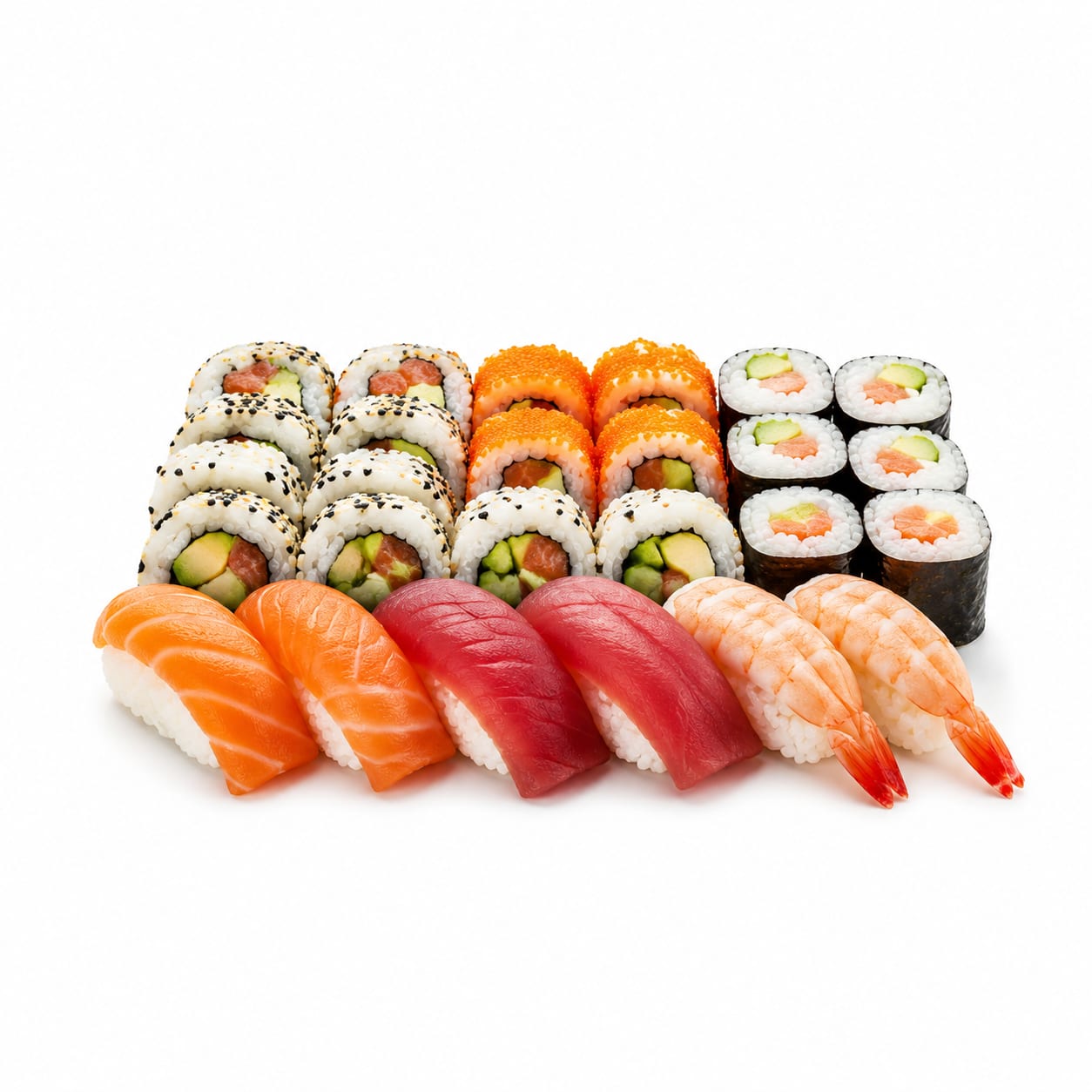
Sushi
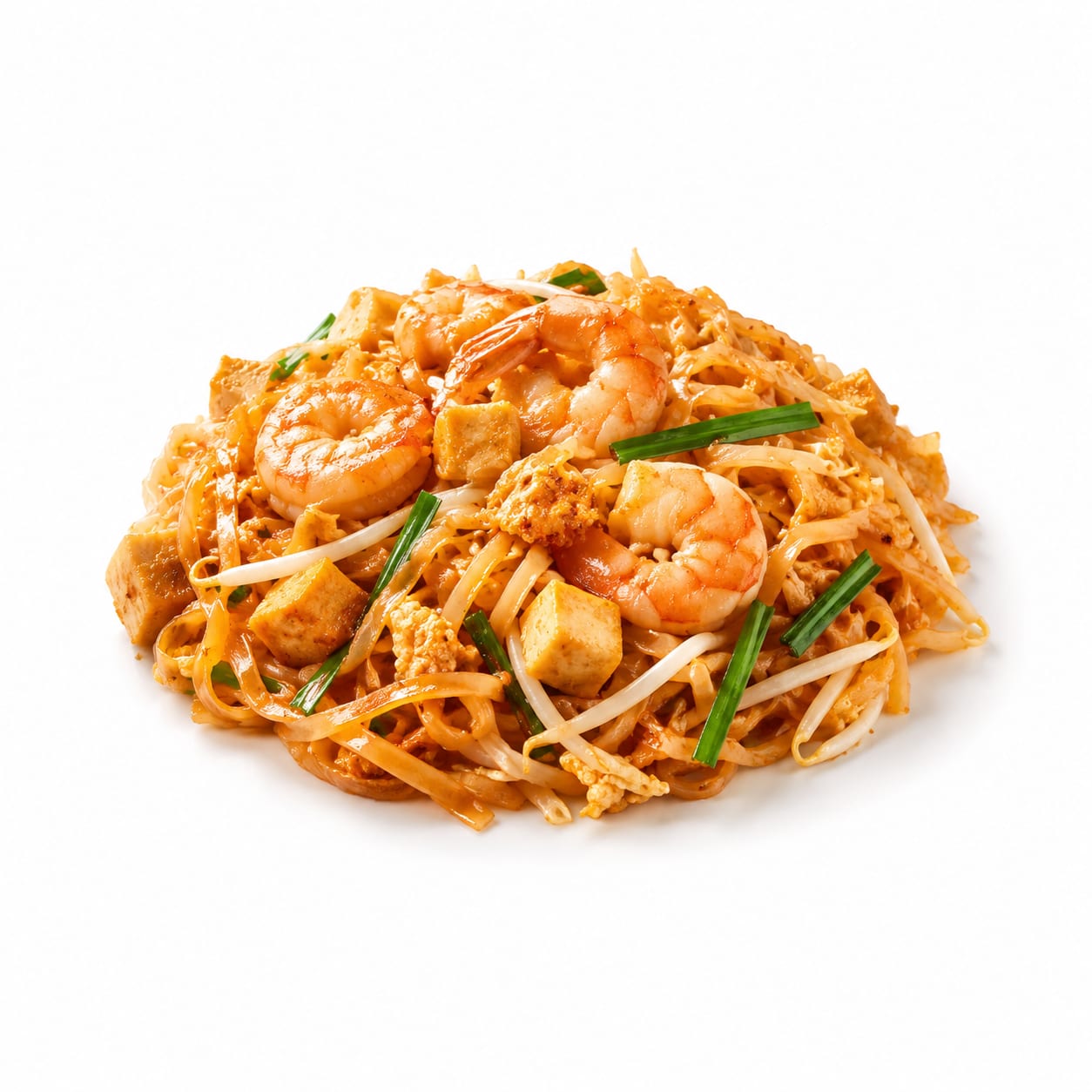
Pad Thai
Sushi edges out Pad Thai thanks to anti-inflammatory omega-3s and leaner protein, though both are carb-heavy meals that can spike blood sugar.
Sushi scores higher due to superior protein quality and beneficial omega-3 fats. Pad Thai loses points for high sodium, refined carbs, and inflammatory cooking oils.
You trade the heart-healthy fats and clean protein of sushi for the comforting, bold flavors of Pad Thai, which comes with more sodium and inflammatory oils.
At a glance
Executive summary
Overall
Sushi
Healthier
Sushi
More practical
It depends
Daily use
Sushi
Key comparison lenses
Carb-heavy takeout comparison
Both are popular restaurant meals relying heavily on refined carbohydrates, making blood sugar and portion control key concerns.
Protein and fat quality
Sushi offers omega-3 rich fish, while Pad Thai relies on peanuts and cooking oils, leading to different inflammatory profiles.
Sodium and sauce impact
Pad Thai sauce and sushi soy sauce both deliver high sodium, but Pad Thai's is mixed in, making it harder to control.
Best choice for
Sushi
- Heart health focus
- Lean protein seekers
- Omega-3 boost
Pad Thai
- Calorie-dense needs
- Comfort food cravings
- Budget-friendly takeout
Least suitable for
Sushi
- Pregnant women (raw fish risk)
- Severe immune compromise
Pad Thai
- Low-sodium diets
- Peanut allergies
- Strict blood sugar management
Deep comparison
Dimension by dimension
Each lens scores both foods and breaks down who each option suits.
- Dimension 1 · Priority 90It depends
Blood Sugar Stability
Sushi · 45Pad Thai · 40Both meals are carbohydrate-dominant. Sushi rice is refined and sweetened with vinegar and sugar, while Pad Thai uses flat rice noodles.
Tradeoff
Sushi offers a slightly better carb-to-protein ratio if you choose sashimi-heavy rolls, but a large Pad Thai portion can easily equal the carb load of multiple sushi rolls.
Why it matters
High carb loads without enough fiber lead to energy crashes a few hours after eating.
Real-world impact
Expect an afternoon slump after either meal unless you pair them with extra protein or veggies.
Sushi
- Those who can control portions easily
- People who pair meals with protein-heavy sides
Better for
- People with severe insulin resistance
Worse for
Pad Thai
- Those needing quick carb refueling after intense exercise
Better for
- People prone to carb comas after lunch
Worse for
- Dimension 2 · Priority 85Sushi
Protein Quality & Satiety
Sushi · 80Pad Thai · 55Sushi provides high-quality, complete protein from fish, whereas Pad Thai's protein is lower and often comes from just a few shrimp or tofu chunks.
Tradeoff
Fish protein in sushi is more satiating and muscle-friendly, while Pad Thai relies more on carbs and fats to keep you full.
Why it matters
Better protein quality means you stay fuller longer and maintain muscle mass more effectively.
Real-world impact
After Pad Thai, you might find yourself hungry again in 2-3 hours; sushi with high fish content keeps you satisfied longer.
Sushi
- Muscle maintenance and growth
- Staying full between meals
Better for
- Those avoiding raw fish
Worse for
Pad Thai
- Vegans opting for tofu variations
Better for
- High-protein diet followers
Worse for
- Dimension 3 · Priority 80Sushi
Sodium Load
Sushi · 50Pad Thai · 30Pad Thai sauce is a sodium bomb made with fish sauce and soy sauce mixed directly in. Sushi's sodium comes from soy sauce, which you can control.
Tradeoff
You can eat sushi with less soy sauce, but you cannot remove the salt already cooked into Pad Thai noodles.
Why it matters
High sodium intake leads to bloating and raises blood pressure over time.
Real-world impact
Eating Pad Thai often means waking up the next day with puffy fingers and a heavy feeling from water retention.
Sushi
- Those who skip or lightly use soy sauce
- People monitoring blood pressure
Better for
- Soy sauce lovers who heavily dip every piece
Worse for
Pad Thai
- Those who need heavy salt replacement after sweating
Better for
- Anyone prone to bloating or water retention
Worse for
- Dimension 4 · Priority 75Sushi
Healthy Fats & Inflammation
Sushi · 85Pad Thai · 40Sushi delivers omega-3 fatty acids from fish, which fight inflammation. Pad Thai is typically cooked in refined vegetable oils high in omega-6s.
Tradeoff
Sushi supports heart and brain health, while Pad Thai's oil profile can promote inflammation if eaten frequently.
Why it matters
The balance of omega-3 to omega-6 fats heavily influences long-term inflammatory status.
Real-world impact
Choosing sushi helps your joints and heart feel better long-term; frequent Pad Thai might contribute to sluggishness and systemic inflammation.
Sushi
- Heart health focus
- Reducing joint pain
Better for
- Tempura-fried roll lovers
Worse for
Pad Thai
- Those needing calorie-dense meals for weight gain
Better for
- People with inflammatory conditions
Worse for
- Dimension 5 · Priority 70It depends
Food Safety & Allergens
Sushi · 55Pad Thai · 55Sushi carries a risk of raw fish contamination and parasites. Pad Thai carries a high risk for peanut allergies and sometimes cross-contamination in street-food settings.
Tradeoff
Sushi is risky for pregnant or immunocompromised individuals, while Pad Thai is outright dangerous for those with peanut allergies.
Why it matters
Acute food safety risks can immediately outweigh any long-term nutritional benefits.
Real-world impact
A bad piece of raw fish ruins your week; a hidden peanut in Pad Thai can cause a medical emergency.
Sushi
- Those with peanut or tree nut allergies
Better for
- People with compromised immune systems
Worse for
Pad Thai
- Pregnant women avoiding raw fish
- Immunocompromised individuals
Better for
- Anyone with a peanut allergy
Worse for
Timeline
Health impact over time
Short-term
Hours to days
Sushi
- Quick energy from white rice
- Possible bloating if using heavy soy sauce
- Light feeling if eating sashimi-heavy rolls
Pad Thai
- Immediate fullness from high carb and fat combo
- High sodium causes thirst and bloating
- Satisfying comfort food feeling
Long-term
Months to years
Sushi
- Improved cardiovascular health from omega-3s
- Potential mercury exposure if eating high-mercury fish frequently
- Better weight maintenance if avoiding fried rolls
Pad Thai
- Increased blood pressure from frequent high sodium intake
- Potential weight gain from calorie-dense oils and carbs
- Higher inflammatory marker risk
Risk profile
Safety & processing
Both rely on refined carbohydrates, but sushi features more whole-food ingredients like raw fish and seaweed, whereas Pad Thai relies heavily on processed sauces and refined oils.
Sushi
Raw seafood pathogens
mediumRaw fish can harbor bacteria or parasites like Anisakis, posing risks if not properly frozen and handled.
Mercury accumulation
mediumFrequent consumption of high-mercury fish like tuna can lead to heavy metal exposure over time.
Pad Thai
Peanut allergens
highPad Thai traditionally contains peanuts and peanut oil, making it highly dangerous for those with allergies.
Cross-contamination
mediumOften prepared in woks that cook multiple dishes, increasing the risk of cross-contamination with other allergens.
Who wins for whom
Audience fit
Same foods, different winners depending on your goal.
children
Pad ThaiCooked Pad Thai avoids the raw fish risk of sushi and is generally more appealing to kids' palates, provided there are no peanut allergies.
daily consumption
SushiSushi offers better nutrient density and healthy fats, making it more suitable as a regular meal than sodium-heavy Pad Thai.
diabetes
It dependsNeither is great for blood sugar, but sushi can be modified easily by ordering sashimi or less rice, whereas Pad Thai noodles are inescapably high-glycemic.
elderly
Pad ThaiCooked food reduces the risk of foodborne illness, which is more dangerous for older immune systems, assuming sodium is managed.
muscle gain
SushiSushi provides higher quality, more bioavailable protein from fish, which is superior for muscle repair.
weight loss
SushiSashimi or simple sushi rolls are lower in calories and fat than the oil-drenched noodles in Pad Thai.
Your move
Decision guide
Choose Sushi
- You want heart-healthy omega-3s
- You prefer lighter, leaner meals
- You want high-quality protein for muscle maintenance
Choose Pad Thai
- You need a comforting, filling meal
- You are avoiding raw fish during pregnancy
- You want a budget-friendly takeout option
Either works if
- You need a quick carb-refuel after intense exercise
- You are dining out and both are on the menu
Avoid both if
- You are on a strict low-carb or keto diet
- You are highly sensitive to sodium and bloating
Final recommendation
Opt for sushi when you want a nutrient-dense, lighter meal with anti-inflammatory benefits. Choose Pad Thai when you need comforting, shelf-stable takeout, but be mindful of the sodium crash later.
Practical
Consumer tips
- 1
Ask for sushi rolls with brown rice or request 'light rice' to lower the carb impact.
- 2
Dip sushi gingerly in soy sauce rather than soaking it to cut sodium in half.
- 3
Ask for Pad Thai 'light on the sauce' or with extra vegetables to improve its nutritional profile.
- 4
Choose salmon or mackerel sushi over tuna to reduce mercury exposure while maximizing omega-3s.
- 5
If ordering Pad Thai, request lime on the side and add it yourself for flavor without extra salt.