
Nutrition comparison
Sushi vs Dim Sum: Nutrition, Calories, and Health Comparison
Comparing Sushi and Dim Sum? Discover which is better for weight loss, sodium, and protein, plus the health tradeoffs of raw fish vs steamed dumplings.
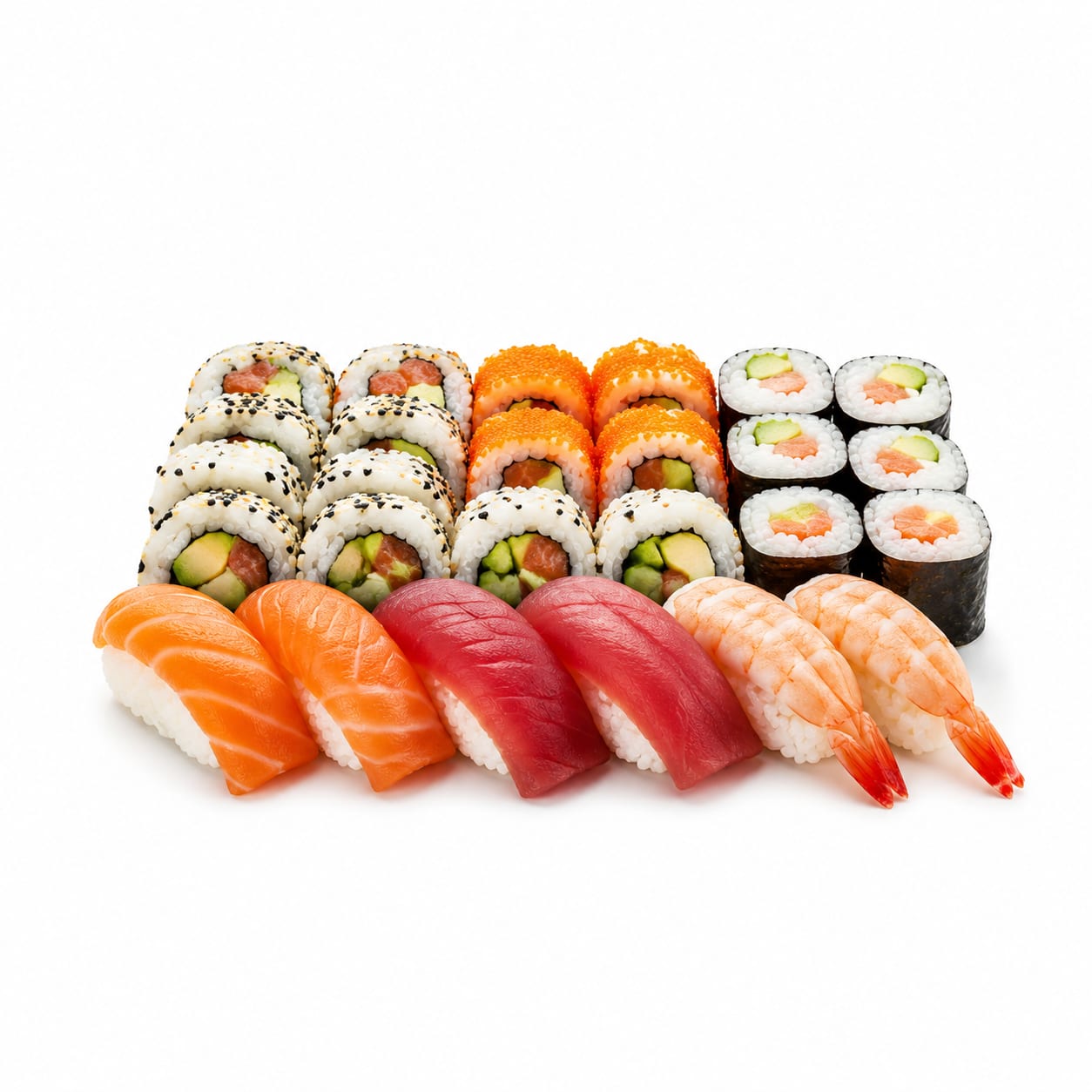
Sushi
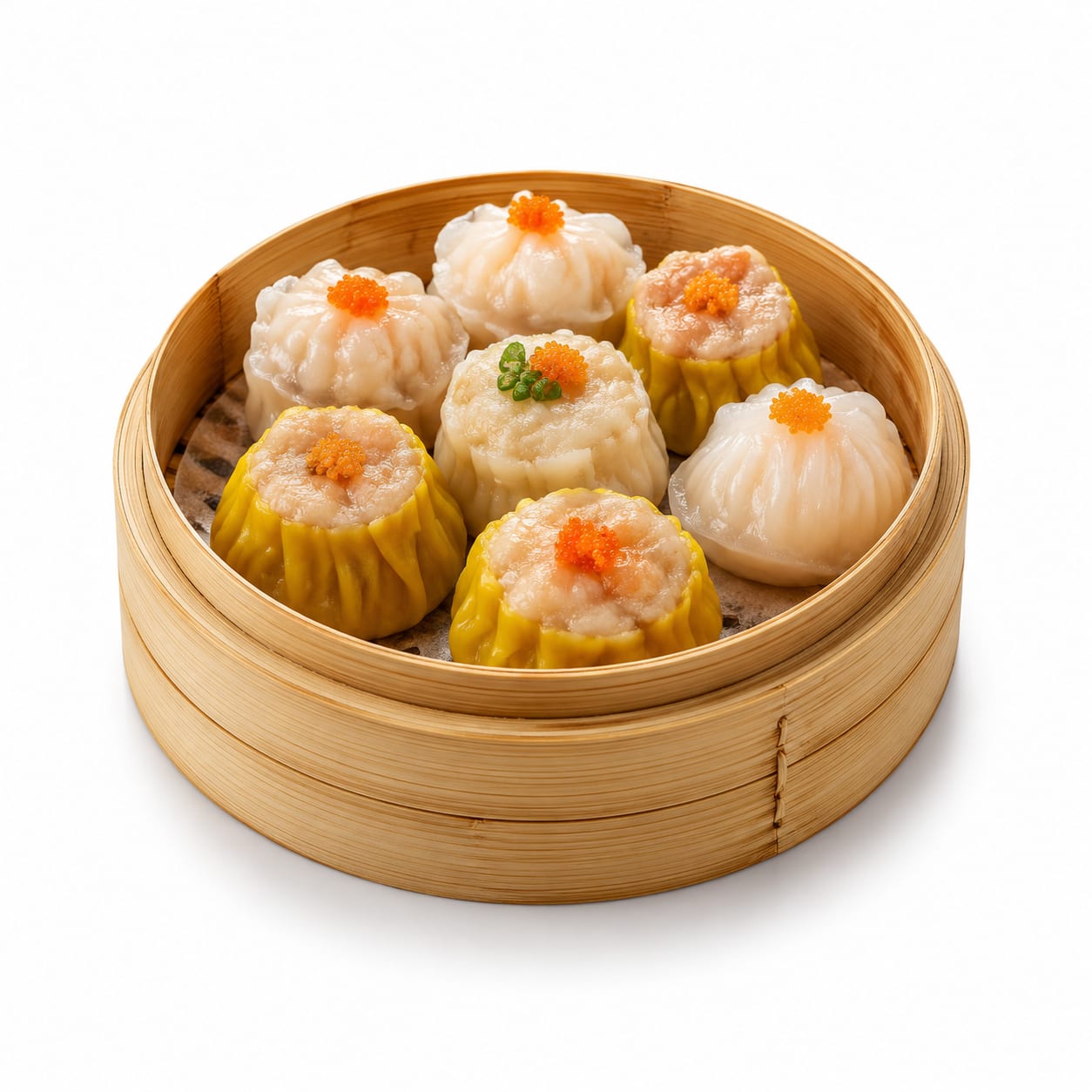
Dim Sum
Sushi offers leaner protein and heart-healthy fats but carries raw fish risks, while Dim Sum is comforting and cooked but packs a heavier sodium and calorie punch.
Sushi scores higher due to better protein quality and omega-3 content, but Dim Sum remains a popular cooked alternative with significant sodium and fat tradeoffs.
Raw fish benefits and risks versus high sodium and shared-plate overeating.
At a glance
Executive summary
Overall
It depends
Healthier
Sushi
More practical
Dim Sum
Daily use
Sushi
Key comparison lenses
Sodium load and blood pressure impact
Both cuisines rely heavily on soy sauce and salty seasonings, making sodium a major health differentiator.
Food safety and contamination risks
Sushi's raw fish introduces parasite and bacteria concerns, whereas Dim Sum is generally cooked, shifting the risk profile.
Portion control and overeating potential
Dim Sum is served family-style encouraging overeating, while Sushi pieces are more individually trackable.
Protein quality and healthy fat intake
Sushi provides omega-3 rich fish, whereas Dim Sum often uses fatty pork and shrimp with less healthy fat profiles.
Best choice for
Sushi
- Lean protein seekers
- Omega-3 boost
- Lighter meal preference
Dim Sum
- Group dining experiences
- Avoiding raw food
- Comfort food cravings
Least suitable for
Sushi
- Immune-compromised individuals
- Low-carb dieters
- Pregnant women (due to raw fish)
Dim Sum
- Low-sodium diets
- Strict calorie counters
- Heart health management
Deep comparison
Dimension by dimension
Each lens scores both foods and breaks down who each option suits.
- Dimension 1 · Priority 90Sushi
Sodium and Blood Pressure
Sushi · 55Dim Sum · 35Sushi has high sodium from soy sauce, but Dim Sum fillings and dipping sauces pack a double punch of salt that easily overshoots daily limits.
Tradeoff
You avoid raw fish risks with Dim Sum, but you take in far more sodium which spikes blood pressure.
Why it matters
Consistently high sodium intake is a leading driver of hypertension and cardiovascular strain.
Real-world impact
Eating Dim Sum often leaves you bloated and reaching for water all afternoon, whereas Sushi's salt hit is more controllable if you go easy on the soy sauce.
Sushi
- Managing blood pressure
- Reducing post-meal bloating
Better for
Dim Sum
- Heart health
- Kidney strain
Worse for
- Dimension 2 · Priority 85Dim Sum
Food Safety and Contamination
Sushi · 50Dim Sum · 85Sushi's raw seafood introduces real risks of parasites and bacteria, while Dim Sum is steamed or fried, effectively killing pathogens.
Tradeoff
Dim Sum is safer from a bacterial standpoint, but Sushi's raw state preserves delicate omega-3 fats that high heat can degrade.
Why it matters
Foodborne illness from raw fish can cause severe digestive distress and long-term complications for vulnerable people.
Real-world impact
A bad piece of sushi can ruin your week with stomach issues, whereas Dim Sum rarely causes acute food poisoning.
Sushi
- Preserving omega-3 integrity
Better for
- People with sensitive digestion
- Those avoiding raw foods
Worse for
Dim Sum
- Pregnant women
- Compromised immune systems
- Guaranteed food safety
Better for
- Dimension 3 · Priority 80Sushi
Calorie Control and Overeating
Sushi · 70Dim Sum · 45Sushi pieces are discrete units making it easier to track intake, while Dim Sum's shared plates and variety encourage mindless overeating.
Tradeoff
Sushi requires more mindful ordering to avoid carb-heavy rolls, but Dim Sum's social setting makes stopping at fullness very difficult.
Why it matters
Unintentional overeating is a primary driver of weight gain, and social dining heavily distorts portion awareness.
Real-world impact
It is surprisingly easy to consume over 1000 calories of Dim Sum without feeling full, while Sushi's rice volume fills you up faster.
Sushi
- Weight management
- Portion awareness
Better for
- Budget diners (can be expensive per piece)
Worse for
Dim Sum
- Social sharing
- Tasting variety
Better for
- Calorie restriction
- Mindful eating
Worse for
- Dimension 4 · Priority 75Sushi
Protein Quality and Healthy Fats
Sushi · 85Dim Sum · 50Sushi features omega-3 rich fish like salmon and tuna, whereas Dim Sum relies heavily on pork, shrimp, and carb-heavy wrappers.
Tradeoff
You get superior anti-inflammatory fats from Sushi, but Dim Sum offers a broader amino acid profile from mixed meats.
Why it matters
Omega-3 intake is critical for brain and heart health, and most diets are already deficient in these fats.
Real-world impact
Regular Sushi consumption can improve your lipid panel over time, while heavy Dim Sum consumption might raise saturated fat intake.
Sushi
- Heart health
- Anti-inflammatory diets
Better for
Dim Sum
- High-protein bulk eating
Better for
- Cholesterol management
- Lean diets
Worse for
Timeline
Health impact over time
Short-term
Hours to days
Sushi
- Quick energy from white rice
- Light feeling post-meal
- Possible mild bloating from soy sauce
Dim Sum
- High satiety from fat and carbs
- Significant bloating from sodium
- Comforting and warming sensation
Long-term
Months to years
Sushi
- Cardiovascular benefits from omega-3s
- Potential heavy metal accumulation with frequent high-mercury fish intake
- Blood sugar challenges from refined white rice
Dim Sum
- Increased blood pressure risk from sodium load
- Weight gain from calorie density and overeating
- Potential cardiovascular strain from saturated fat in pork buns and fried items
Risk profile
Safety & processing
Both rely on refined carbohydrates like white rice and wheat flour. Dim Sum often contains more hidden additives and MSG in fillings, while Sushi is generally closer to its whole-food ingredients.
Sushi
Parasites and Bacteria
highRaw fish can harbor anisakis and listeria, making Sushi risky for pregnant women and the immunocompromised.
Heavy Metals
mediumPredatory fish like tuna can accumulate mercury, which is neurotoxic in high amounts.
Dim Sum
Sodium Overload
highThe combination of seasoned fillings and soy sauce dips can easily exceed daily sodium limits in one meal.
Cross-contamination
lowWhile steaming kills most pathogens, shared bamboo steamers and handling can pose minor hygiene risks.
Who wins for whom
Audience fit
Same foods, different winners depending on your goal.
children
Dim SumCooked food is safer for developing immune systems, and the soft, savory buns are more appealing and safer for kids.
daily consumption
SushiSushi is lighter and offers more nutritional upside with omega-3s, though mercury means you should vary your fish choices.
diabetes
It dependsBoth are carb-heavy; Sushi rice spikes blood sugar quickly, while Dim Sum wrappers do the same. Neither is ideal without careful selection.
elderly
Dim SumSteamed Dim Sum is soft, easy to chew, and carries no raw food infection risk, which is crucial for older immune systems.
muscle gain
SushiHigh-quality, complete proteins from fish make Sushi superior for muscle repair and growth.
weight loss
SushiSushi provides better portion control and leaner protein options like sashimi, making it easier to stay in a calorie deficit.
Your move
Decision guide
Choose Sushi
- You want a lighter meal that will not leave you sluggish
- You are focusing on omega-3 intake and lean protein
- You are dining solo or with one other person and want precise portions
Choose Dim Sum
- You are sharing a meal with a group and want variety
- You are pregnant or immunocompromised and must avoid raw food
- You want a comforting, warming, and highly savory meal
Either works if
- You are craving Asian cuisine and want a satisfying experience
- You are comfortable navigating high-sodium menu items
Avoid both if
- You are on a strict low-carb or ketogenic diet
- You have severe sodium restrictions due to hypertension
- You are looking for a high-fiber meal
Final recommendation
Choose Sushi for a leaner, omega-3 rich meal with built-in portion control, but opt for Dim Sum when you want a comforting, cooked, and social dining experience—just keep an eye on the soy sauce.
Practical
Consumer tips
- 1
Order Sashimi alongside your Sushi to reduce refined carb intake while boosting protein.
- 2
Dip Sushi lightly in soy sauce rather than soaking it to cut sodium in half.
- 3
Start with steamed Dim Sum options like har gow before moving to fried items to fill up on lighter calories.
- 4
Request low-sodium soy sauce at both restaurants to significantly reduce bloating.
- 5
Limit tuna and swordfish Sushi to reduce mercury exposure, choosing salmon or shrimp instead.