
Nutrition comparison
Sushi vs Fish and Chips: Nutrition, Health & Taste Comparison
Comparing Sushi and Fish and Chips: discover which seafood meal is healthier, lower in calories, and better for your goals. Full nutrition breakdown and safety tips.
Overall winner · Sushi
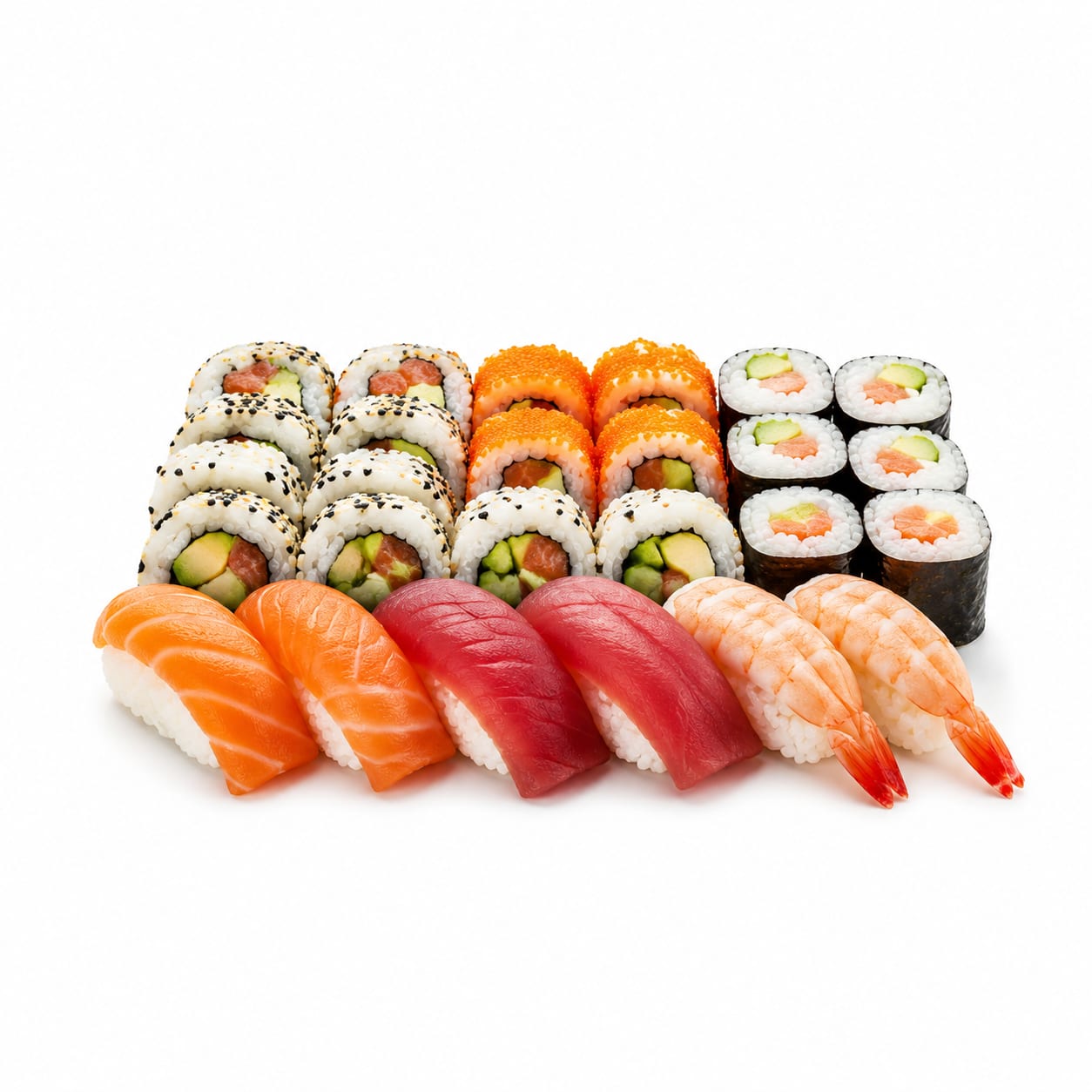
Sushi
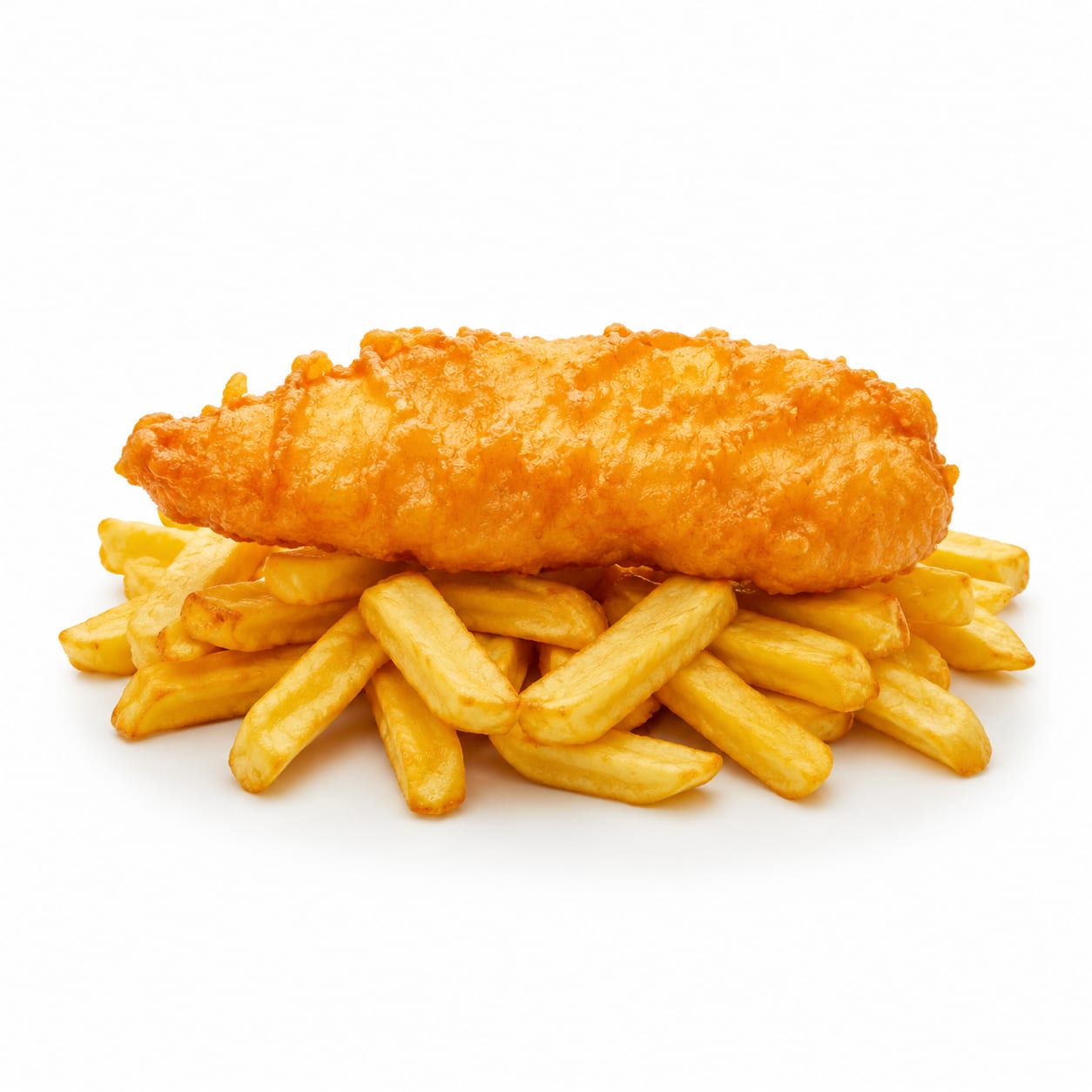
Fish and Chips
Sushi offers lean protein and heart-healthy fats, while Fish and Chips is a heavy, deep-fried comfort meal best enjoyed occasionally.
Sushi scores significantly higher due to its favorable fat profile and lower calorie density, though Fish and Chips avoids raw seafood risks.
You trade the deep-fried crunch and zero raw-fish risk of Fish and Chips for the lighter, omega-3 rich profile of Sushi, which carries its own raw seafood risks.
At a glance
Executive summary
Overall
Sushi
Healthier
Sushi
More practical
It depends
Daily use
Sushi
Key comparison lenses
Heart health and fat quality
Sushi provides omega-3s from raw fish, while Fish and Chips delivers inflammatory oils from deep frying.
Weight management and calorie density
Deep-fried batter dramatically increases the calorie load of Fish and Chips compared to lighter Sushi rolls.
Food safety and contamination
Raw seafood in Sushi carries parasite and bacteria risks that fully cooked Fish and Chips avoids.
Sodium load and blood pressure
Both meals can be sodium bombs, but from entirely different sources—soy sauce versus seasoned batter and salt.
Best choice for
Sushi
- Lean protein seekers
- Omega-3 supplementation
- Lighter lunch eaters
Fish and Chips
- Comfort food cravings
- Those avoiding raw fish
- High-calorie bulking needs
Least suitable for
Sushi
- Immune-compromised individuals
- Pregnant women avoiding raw fish
- People watching sodium closely
Fish and Chips
- Heart disease patients
- Weight loss diets
- Those avoiding fried foods
Deep comparison
Dimension by dimension
Each lens scores both foods and breaks down who each option suits.
- Dimension 1 · Priority 90Sushi
Calorie Density & Weight Management
Sushi · 80Fish and Chips · 30Sushi is far less calorie-dense, making it easier to manage portions and weight.
Tradeoff
Fish and Chips packs hundreds more calories per serving due to deep frying, but may feel more immediately filling.
Why it matters
Consistently eating high-calorie fried meals leads to weight gain, whereas lighter meals allow better daily calorie control.
Real-world impact
A Sushi meal leaves you satisfied but not sluggish, while Fish and Chips often causes a heavy, lethargic feeling afterward.
Sushi
- Staying under daily calorie limits
- Avoiding post-meal food comas
Better for
- Situations requiring massive energy intake
Worse for
Fish and Chips
- Refueling after intense physical labor
- When you need a massive calorie surplus
Better for
- Sedentary workdays
- Cutting weight for athletics
Worse for
- Dimension 2 · Priority 95Sushi
Fat Quality & Heart Health
Sushi · 85Fish and Chips · 20Sushi provides anti-inflammatory omega-3s from fish, while Fish and Chips delivers inflammatory frying oils.
Tradeoff
The deep-fried batter in Fish and Chips adds harmful fats, whereas Sushi's fish offers protective cardiovascular benefits.
Why it matters
Omega-3s support heart and brain health, whereas repeated consumption of fried oils increases heart disease risk.
Real-world impact
Choosing Sushi regularly supports long-term heart health, while frequent Fish and Chips can raise cholesterol over time.
Sushi
- Reducing systemic inflammation
- Supporting cardiovascular function
Better for
- Risk is only elevated if tempura-fried rolls are chosen
Worse for
Fish and Chips
- Nothing notable for heart health
Better for
- Raising LDL cholesterol
- Promoting arterial plaque buildup
Worse for
- Dimension 3 · Priority 85Fish and Chips
Food Safety & Contamination Risk
Sushi · 40Fish and Chips · 75Fish and Chips is fully cooked, eliminating the parasite risk present in raw Sushi fish.
Tradeoff
Sushi's raw fish carries a small but real risk of foodborne illness, while deep frying ensures Fish and Chips is pathogen-free.
Why it matters
Pregnant women, the elderly, and immunocompromised people must avoid raw seafood due to bacterial and parasitic risks.
Real-world impact
A bad piece of raw fish can ruin your week with food poisoning, whereas cooked fish is reliably safe for nearly everyone.
Sushi
- Nothing notable for food safety
Better for
- Risk of Anisakis parasites
- Susceptibility to spoilage if unrefrigerated
Worse for
Fish and Chips
- Guaranteed parasite-free fish
- Safe during pregnancy
Better for
- Acrylamide formation in fried potatoes
Worse for
- Dimension 4 · Priority 75It depends
Sodium Load & Blood Pressure
Sushi · 45Fish and Chips · 40Both can be sodium bombs, but from different sources: soy sauce for Sushi, batter and seasoning for Fish and Chips.
Tradeoff
Sushi's sodium is mostly optional depending on soy sauce use, while Fish and Chips has salt baked into the batter and sprinkled on top.
Why it matters
High sodium intake raises blood pressure and increases cardiovascular strain over time.
Real-world impact
If you drown your Sushi in soy sauce, it becomes just as salty as a heavily seasoned portion of Fish and Chips.
Sushi
- Controlling sodium is possible by limiting soy sauce
Better for
- Soy sauce is deceptively high in sodium
Worse for
Fish and Chips
- You can ask for no extra salt on the fries
Better for
- Batter absorbs and retains high amounts of salt
Worse for
- Dimension 5 · Priority 70It depends
Satiety & Digestive Comfort
Sushi · 65Fish and Chips · 60Fish and Chips feels heavier and more immediately filling, while Sushi digests easier but might leave you hungry sooner.
Tradeoff
The deep-fried heaviness of Fish and Chips can cause indigestion, whereas Sushi is lighter but relies on refined carbs that digest quickly.
Why it matters
Feeling comfortably full without feeling stuffed is key to meal satisfaction and energy levels.
Real-world impact
Sushi is a better pre-meeting lunch to avoid a food coma, while Fish and Chips is a comforting end to a long, exhausting day.
Sushi
- Avoiding greasy indigestion
- Staying alert after eating
Better for
- Hunger returning within a couple hours
Worse for
Fish and Chips
- Feeling stuffed and comforted
- Satisfying intense hunger
Better for
- Sluggishness and bloating
Worse for
Timeline
Health impact over time
Short-term
Hours to days
Sushi
- Light, energized feeling
- Potential stomach upset if fish isn't fresh
- Quick digestion
Fish and Chips
- Heavy, full sensation
- Possible greasy indigestion
- Post-meal sluggishness
Long-term
Months to years
Sushi
- Better cardiovascular health from omega-3s
- Mercury accumulation if eating high-mercury fish frequently
- Blood pressure issues if overusing soy sauce
Fish and Chips
- Weight gain from high calorie density
- Increased heart disease risk from fried oils
- Elevated blood pressure from high sodium
Risk profile
Safety & processing
Sushi consists of simple, whole ingredients like raw fish, rice, and seaweed. Fish and Chips involves refined flour, commercial frying oils, and heavy batters.
Sushi
Parasites and Bacteria
mediumRaw fish can harbor Anisakis parasites and harmful bacteria like Listeria or Salmonella if not handled or frozen properly before serving.
Mercury Exposure
mediumTuna and other large predatory fish used in Sushi can contain high mercury levels, which is risky if consumed frequently.
Fish and Chips
Oxidized Oils
mediumReused or overheated frying oils in deep fryers can contain lipid peroxides, which promote inflammation and cellular damage.
Acrylamide Formation
lowFrying starchy potatoes at high temperatures can create acrylamide, a potential carcinogen found in crispy fried foods.
Who wins for whom
Audience fit
Same foods, different winners depending on your goal.
children
Fish and ChipsCooked fish eliminates the parasite risk of raw seafood, making Fish and Chips a safer choice for kids, despite being a fried treat.
daily consumption
SushiThe lighter macronutrient profile of Sushi is more sustainable for daily eating than the heavy grease and inflammatory oils of deep-fried fish.
diabetes
SushiSushi has a lower fat content that doesn't induce insulin resistance like deep-fried foods, though both have refined carbs that require portion control.
elderly
Fish and ChipsOlder adults with weakened immune systems should avoid raw fish, making fully cooked Fish and Chips a safer option.
muscle gain
It dependsFish and Chips offers more total calories and protein for bulking, but Sushi provides cleaner protein without the inflammatory fats.
weight loss
SushiSushi is lower in calories and fat, making it much easier to fit into a calorie-controlled diet.
Your move
Decision guide
Choose Sushi
- You want a lighter, nutrient-dense meal
- Heart health and omega-3 intake are priorities
- You are watching your calorie intake but want flavor
Choose Fish and Chips
- You are craving comforting, hot food on a cold day
- You are avoiding raw fish for safety or pregnancy reasons
- You need a heavy, filling meal after intense physical labor
Either works if
- You want a high-protein seafood meal
- You are dining out and both are high-quality options
Avoid both if
- You have a severe fish or seafood allergy
- You are on a strict low-sodium diet without modifications
Final recommendation
Choose Sushi for a regular, lighter seafood meal that supports long-term health. Save Fish and Chips for an occasional comfort food treat when you want something hot and deeply satisfying.
Practical
Consumer tips
- 1
Ask for low-sodium soy sauce when eating Sushi to cut the salt load by nearly half.
- 2
Opt for Sushi rolls with salmon or avocado instead of high-mercury tuna to reduce heavy metal exposure.
- 3
If ordering Fish and Chips, ask for the fish grilled instead of fried if the restaurant offers it.
- 4
Share a portion of Fish and Chips to cut down on calories and fried oil intake while still satisfying the craving.
- 5
Eat pickled ginger with Sushi—it isn't just for flavor, it has mild antimicrobial properties that aid raw fish digestion.