
Nutrition comparison
Sushi vs Chicken Wrap: Which is Healthier?
Compare Sushi vs Chicken Wrap for weight loss, protein, and daily use. Discover the health tradeoffs between omega-3s, satiety, and food safety.
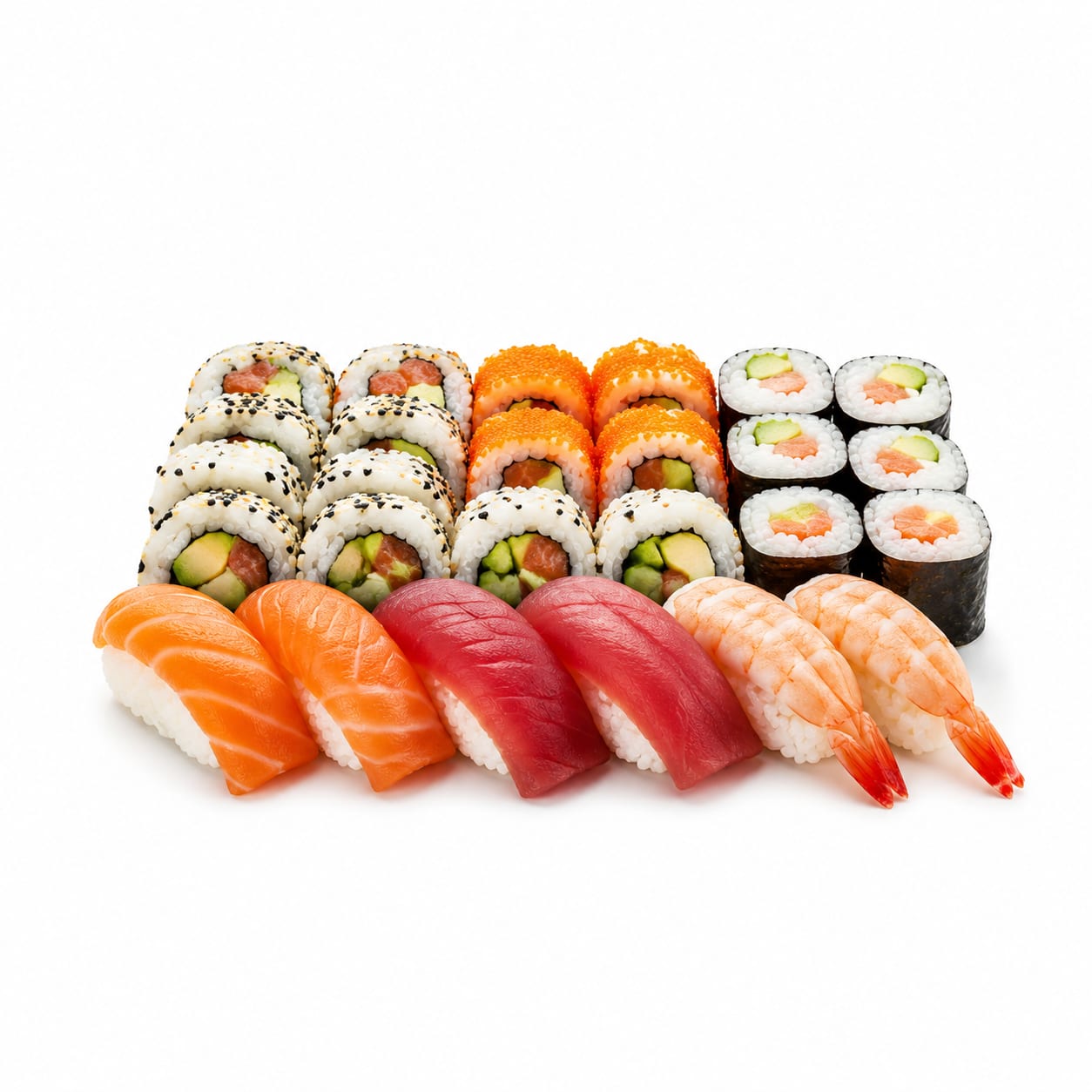
Sushi
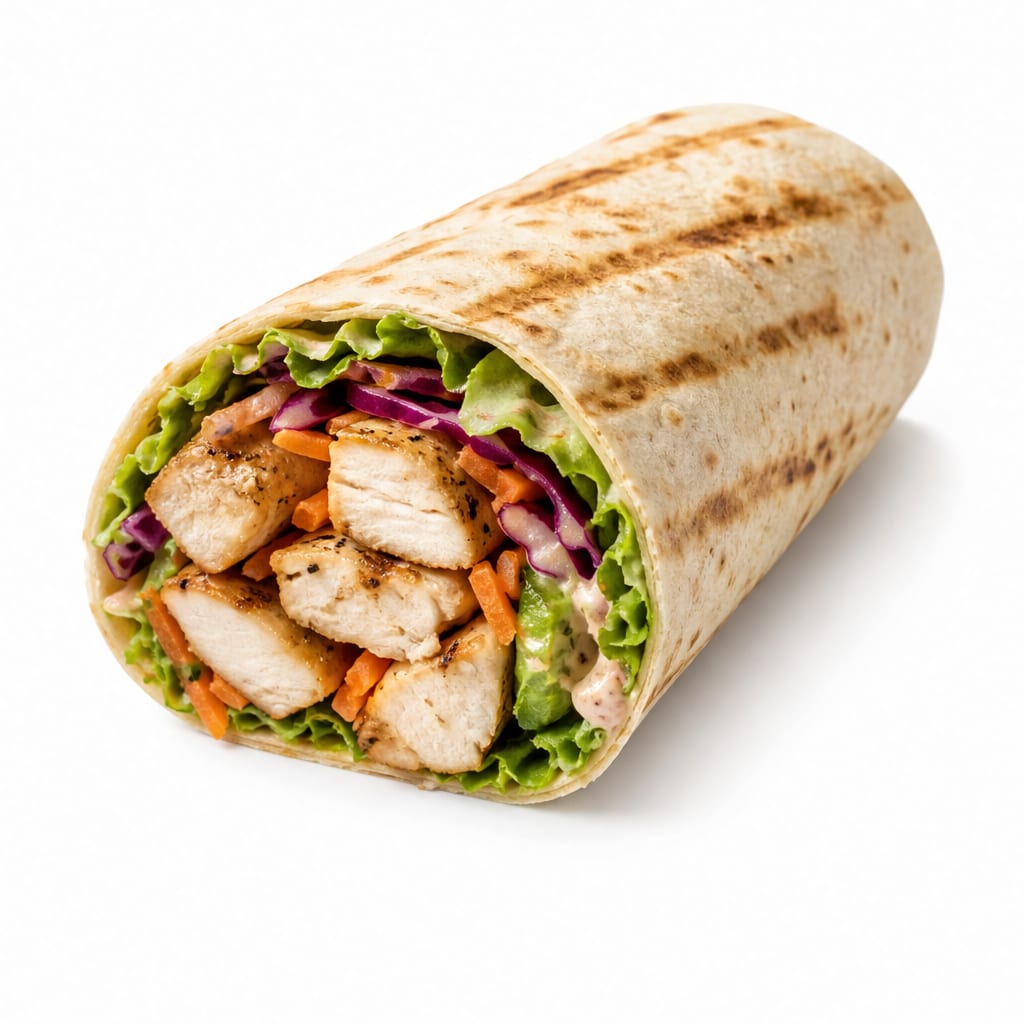
Chicken Wrap
Sushi offers heart-healthy omega-3s but leaves you hungry sooner; a Chicken Wrap delivers steadier energy and better satiety but lacks the anti-inflammatory fats.
Chicken Wrap edges ahead due to better satiety and food safety, but Sushi's omega-3 content keeps it competitive depending on your health goals.
Omega-3 benefits and a lighter feeling versus better fullness and safer, more portable protein.
At a glance
Executive summary
Overall
It depends
Healthier
It depends
More practical
Chicken Wrap
Daily use
Chicken Wrap
Key comparison lenses
Weight management and satiety
Sushi is notoriously light, while a chicken wrap is a heavy, filling lunch staple.
Heart health and fat quality
Sushi provides omega-3s from fish, whereas wraps rely on dressing and poultry fats.
Food safety and contamination
Raw fish carries inherent risks that cooked chicken generally avoids.
Convenience and on-the-go eating
Wraps are built for portability; sushi is fragile and requires careful handling.
Carbohydrate load and blood sugar
Both are carb-forward meals, but the source of the carbs differs significantly.
Best choice for
Sushi
- People prioritizing omega-3 intake
- Lighter lunch eaters
- Those wanting anti-inflammatory fats
Chicken Wrap
- People needing lasting energy
- On-the-go eaters
- Those focused on muscle maintenance
Least suitable for
Sushi
- Pregnant women due to raw fish risk
- People with weak immune systems
- Those needing a filling, lasting meal
Chicken Wrap
- People avoiding gluten or wheat
- Those watching sodium from deli meats
- People seeking omega-3 fats
Deep comparison
Dimension by dimension
Each lens scores both foods and breaks down who each option suits.
- Dimension 1 · Priority 92Chicken Wrap
Satiety & Fullness
Sushi · 60Chicken Wrap · 85A chicken wrap keeps you full much longer than sushi.
Tradeoff
Sushi feels light and refreshing, but you might be hungry an hour later.
Why it matters
Staying full prevents afternoon snacking and energy crashes.
Real-world impact
You likely need a snack after a sushi lunch, while a wrap carries you to dinner.
Sushi
- Light eaters who prefer small meals
Better for
- Anyone trying to avoid late-afternoon cravings
Worse for
Chicken Wrap
- Busy professionals skipping snacks
- Athletes needing sustained energy
Better for
- People who feel sluggish after heavy lunches
Worse for
- Dimension 2 · Priority 88Sushi
Heart Health & Fat Quality
Sushi · 88Chicken Wrap · 65Sushi provides anti-inflammatory omega-3s from fish, while wraps often rely on dressings or leaner meats.
Tradeoff
You get superior fats with sushi, but it comes with raw fish considerations.
Why it matters
Omega-3s support heart and brain health long-term.
Real-world impact
Regular sushi eaters get a meaningful boost in healthy fats that wraps rarely provide.
Sushi
- People focusing on cardiovascular health
- Those needing more omega-3s
Better for
- Those avoiding fish due to mercury concerns
Worse for
Chicken Wrap
- People watching overall fat calories
Better for
- People needing anti-inflammatory dietary choices
Worse for
- Dimension 3 · Priority 75It depends
Blood Sugar Stability
Sushi · 55Chicken Wrap · 65Both can spike blood sugar depending on the wrap or rice portion, but wraps have a slight edge with more protein and fiber.
Tradeoff
Sushi rice is often sweetened and refined, while whole wheat wraps offer more fiber.
Why it matters
Preventing blood sugar spikes avoids energy crashes and cravings.
Real-world impact
A white rice sushi roll causes a quicker crash than a whole grain wrap with chicken.
Sushi
- Those choosing sashimi or brown rice sushi
Better for
- Diabetics sensitive to refined carbs
- People prone to afternoon energy dips
Worse for
Chicken Wrap
- People needing steady energy for long workdays
Better for
- Those eating white flour wraps with sweet dressings
Worse for
- Dimension 4 · Priority 85Chicken Wrap
Food Safety & Contamination
Sushi · 50Chicken Wrap · 85Cooked chicken in a wrap is significantly safer than raw fish in sushi.
Tradeoff
Sushi carries a real risk of parasites and bacteria, while wraps are generally safe unless using processed deli meats.
Why it matters
Foodborne illness can be severe, especially for vulnerable groups.
Real-world impact
You can grab a wrap anywhere with minimal risk, but sushi requires trusting the source completely.
Sushi
- Diners at high-end, trusted sushi restaurants
Better for
- Immunocompromised individuals
- Pregnant women
Worse for
Chicken Wrap
- Pregnant women
- Older adults
- Anyone with a compromised immune system
Better for
- Those worried about sodium nitrites in deli chicken
Worse for
- Dimension 5 · Priority 80Chicken Wrap
Convenience & Portability
Sushi · 60Chicken Wrap · 90Wraps are the ultimate grab-and-go meal; sushi is fragile and requires careful handling.
Tradeoff
Sushi is a sit-down experience, while a wrap is built for movement.
Why it matters
Easy meals are easier to stick with during busy days.
Real-world impact
You can eat a wrap while driving or walking; sushi requires two hands and immediate refrigeration.
Sushi
- Sit-down lunch meetings
- Leisurely dining
Better for
- Anyone eating on the move
Worse for
Chicken Wrap
- Commuters
- Hikers
- Desk lunches with back-to-back calls
Better for
- Formal dining situations
Worse for
Timeline
Health impact over time
Short-term
Hours to days
Sushi
- Quick energy from white rice
- Light feeling post-meal
- Potential stomach upset if fish isn't fresh
Chicken Wrap
- Sustained fullness
- Steadier energy levels
- Possible bloating if wrap is very high in fiber
Long-term
Months to years
Sushi
- Improved omega-3 status
- Lower inflammation
- Potential heavy metal exposure if eating high-mercury fish frequently
Chicken Wrap
- Better muscle maintenance from consistent protein
- Stable blood sugar if choosing whole grain
- Possible sodium concerns if using processed chicken
Risk profile
Safety & processing
Sushi uses simple, whole ingredients like fish and rice, while chicken wraps often include processed tortillas, dressings, and sometimes deli meats with preservatives.
Sushi
Parasites and Bacteria from Raw Seafood
highRaw fish can harbor Anisakis parasites and harmful bacteria like Listeria or Salmonella.
Mercury Exposure
mediumTuna and other large fish used in sushi accumulate mercury, which is risky if eaten daily.
Chicken Wrap
Pathogen Cross-Contamination
mediumUndercooked chicken or cross-contamination during prep can cause Salmonella infections.
Sodium Nitrites in Deli Meat
lowProcessed chicken may contain nitrates, which have been linked to health risks when consumed frequently.
Who wins for whom
Audience fit
Same foods, different winners depending on your goal.
children
Chicken WrapCooked chicken is safer and more kid-friendly than raw fish, with less choking hazard and zero mercury risk.
daily consumption
Chicken WrapLower food safety risks and better satiety make a chicken wrap more sustainable for everyday eating.
diabetes
Chicken WrapWraps can be made with low-carb or whole wheat tortillas, offering better blood sugar control than sweetened sushi rice.
elderly
Chicken WrapOlder adults are more susceptible to foodborne illness, making cooked chicken a much safer choice than raw seafood.
muscle gain
Chicken WrapChicken wrap typically delivers more protein per serving, which is essential for muscle repair and growth.
weight loss
Chicken WrapA chicken wrap provides more protein and fiber, keeping you full longer and reducing overall calorie intake from snacking.
Your move
Decision guide
Choose Sushi
- You want to boost your omega-3 intake
- You prefer a light, refreshing meal
- You are eating at a reputable restaurant
Choose Chicken Wrap
- You need fuel to last until dinner
- You are eating on the go
- You want a safer, high-protein option
Either works if
- You need a quick lunch away from home
- You are tired of salads
Avoid both if
- You are strictly limiting carbohydrates
- You have severe gluten and seafood allergies
Final recommendation
Choose Sushi when you want a lighter meal with anti-inflammatory fats and can trust the source; choose a Chicken Wrap when you need reliable energy, high protein, and on-the-go convenience.
Practical
Consumer tips
- 1
Ask for brown rice in your sushi to stabilize blood sugar.
- 2
Opt for sashimi to skip the rice and get pure protein with your omega-3s.
- 3
Choose a whole wheat or spinach wrap for more fiber and nutrients.
- 4
Avoid spicy mayo or creamy dressings in both options to save hundreds of calories.
- 5
Limit tuna sushi to once a week to manage mercury exposure.