
Grains
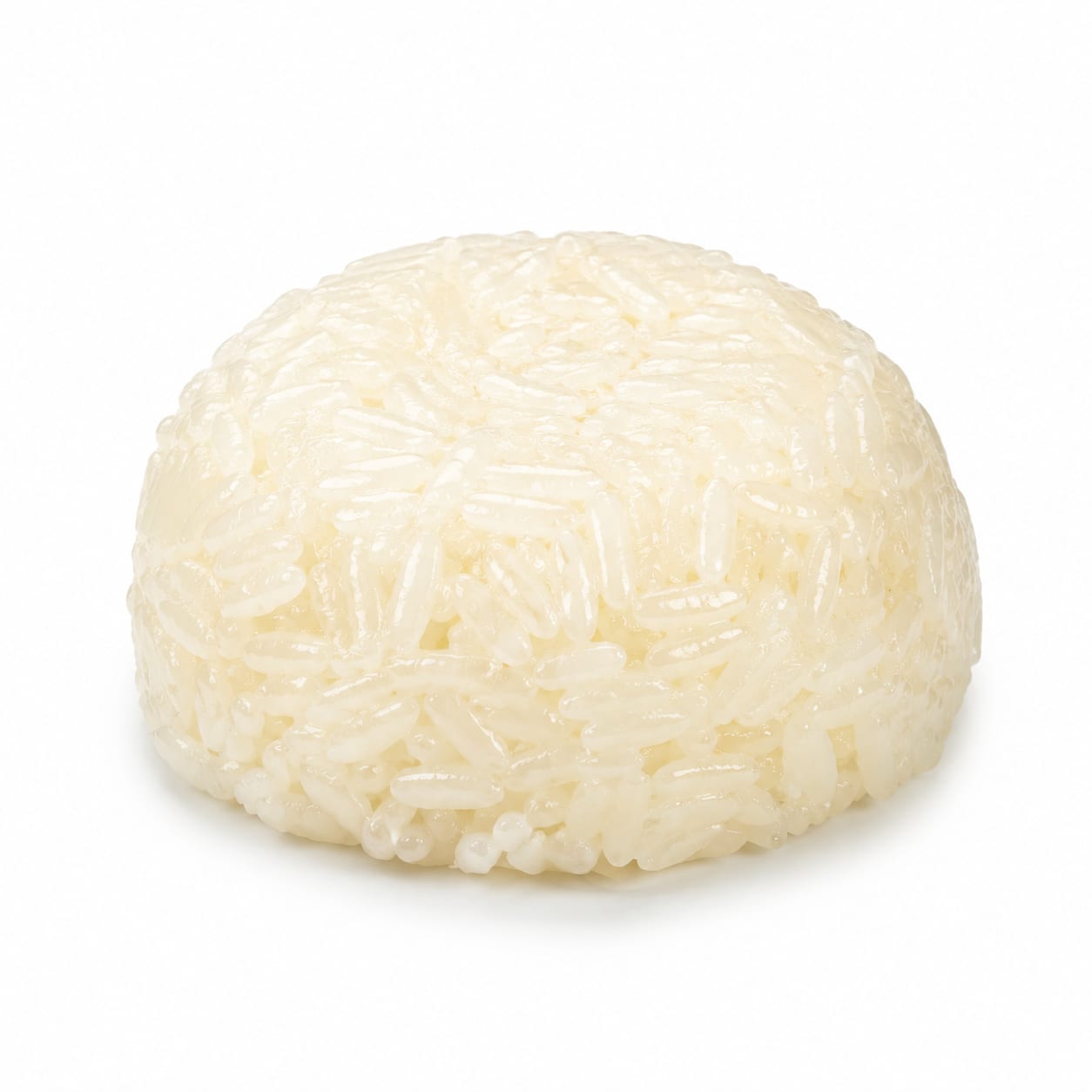
Sticky Rice
A high-amylopectin short-grain rice that becomes distinctly sticky when cooked.
A short-grain Asian rice known for its sticky, glue-like texture when cooked, resulting from a high amylopectin and low amylose starch composition.
fast-digesting carbohydrate source
Typical serving · 150g
Common varieties · white sticky rice, black sticky rice, purple sticky rice, sweet rice, glutinous rice
Overall context score across nutrition, safety, and diet fit
The story
What makes it unique
Sticky rice is rapidly digested due to its high amylopectin content, leading to fast gastric emptying and a high glycemic response. It provides minimal protein or fat, functioning primarily as a fast-digesting carbohydrate source with low satiety impact.
Varieties: white sticky rice · black sticky rice · purple sticky rice · sweet rice · glutinous rice
Per 100g
Nutrition breakdown
Macro balance and key metrics at a glance.
Energy
Density 0.97 kcal/g
Protein
Carbs
Fat
Fiber
Sugar
0 g
Sodium
1 mg
Potassium
10 mg
Glycemic index
90
Glycemic load
18
Water content
70%
Standout compounds
Nutrient highlights
Carbohydrates
highFast energy delivery and glycogen replenishment
Manganese
moderateSupports metabolism and bone formation
Selenium
lowActs as an antioxidant and supports thyroid function
Wellness map
Health scores & processing
NOVA processing scale
minimally processed · Whole food
Plain sticky rice is a single-ingredient agricultural product, though the bran and germ are typically removed during milling.
Diet compatibility
- Weight loss
- Muscle gain
- Diabetes
- Gut health
- Low carb
- High protein
- Heart health
Relative standing
Food rankings
Qualitative ranks compared to similar whole foods.
- Satietypoor
- Blood sugarpoor
- Nutrient densitypoor
- Fitness fuelgood
- Processing qualitygood
Eat with confidence
Food safety profile
Rice naturally accumulates arsenic from soil and water. Sticky rice typically has lower arsenic than brown rice but higher than basmati. Sourcing from regions with strict agricultural regulations reduces risk.
Evidence confidence 85%
- Pesticidesmoderate
- Antibioticslow
- Heavy metalsmoderate
- Contaminationlow
Watch for
- inorganic arsenic
- pesticide residues
Safer choices
White basmati rice sourced from California or India
Prep tips
Rinse thoroughly 3 to 5 times until water runs clear to remove surface starch and reduce potential contaminants. Cooking with excess water and draining can further lower arsenic levels.
FDA and EFSA monitor inorganic arsenic levels in rice products due to natural accumulation in flooded rice paddies.
Deep dive
Health analysis
How this food may fit different goals and preparation choices.
Weight loss
Low fiber and high glycemic index make it less filling, leading to quicker hunger and potential overeating if not paired with protein or fat.
Blood sugar
Rapidly digested starches cause sharp blood sugar spikes, making it unsuitable for glucose management or insulin resistance.
Fitness & energy
Provides fast-digesting carbohydrates that quickly replenish glycogen, useful for immediate pre-workout fuel or post-workout recovery.
Gut health
Lacks significant fiber to support beneficial gut bacteria; resistant starch forms when cooled but is minimal compared to whole grains.
Processing quality
A simple, minimally processed grain when consumed plain, though milling removes the bran and the majority of micronutrients.
Food safety
Primary concern is inorganic arsenic accumulation, which can be mitigated by sourcing from low-arsenic regions and rinsing well before cooking.
Common mistakes
Assuming it is a whole grain; most sticky rice is refined. Also, confusing glutinous with gluten-containing, leading to unnecessary dietary restrictions.
Best preparation
Soaking grains for several hours and steaming rather than boiling preserves the signature sticky texture and prevents mushiness.
Practical guide
Best use cases
When and how this food fits real eating patterns.
Pre-workout energy
Provides fast-digesting carbohydrates for quick energy availability during high-intensity training.
Post-workout recovery
Rapidly replenishes depleted muscle glycogen stores after strenuous exercise.
Gluten-free diets
Serves as a safe, gluten-free carbohydrate base for individuals with celiac disease or gluten intolerance.
Balance sheet
Pros & cons
Upsides
- Provides fast-digesting carbohydrates for quick energy
- Naturally gluten-free despite the glutinous name
- Easy to digest for sensitive stomachs
- Minimally processed when consumed plain
Trade-offs
- Spikes blood sugar rapidly due to high glycemic index
- Very low in dietary fiber
- Minimal protein and essential micronutrients
- Can contain inorganic arsenic
Fit check
Who is it for?
Great match
- quick pre-workout energy
- post-workout glycogen replenishment
- gluten-sensitive individuals
- easy-to-digest carb sourcing
Consider alternatives
- strict ketogenic diets
- blood sugar management
- high-volume weight loss eating
- high-fiber diet requirements
Side by side
How it compares
Open the full head-to-head analysis for nutrition, safety, and practical tradeoffs.
This food
Sticky Rice
VS95% alike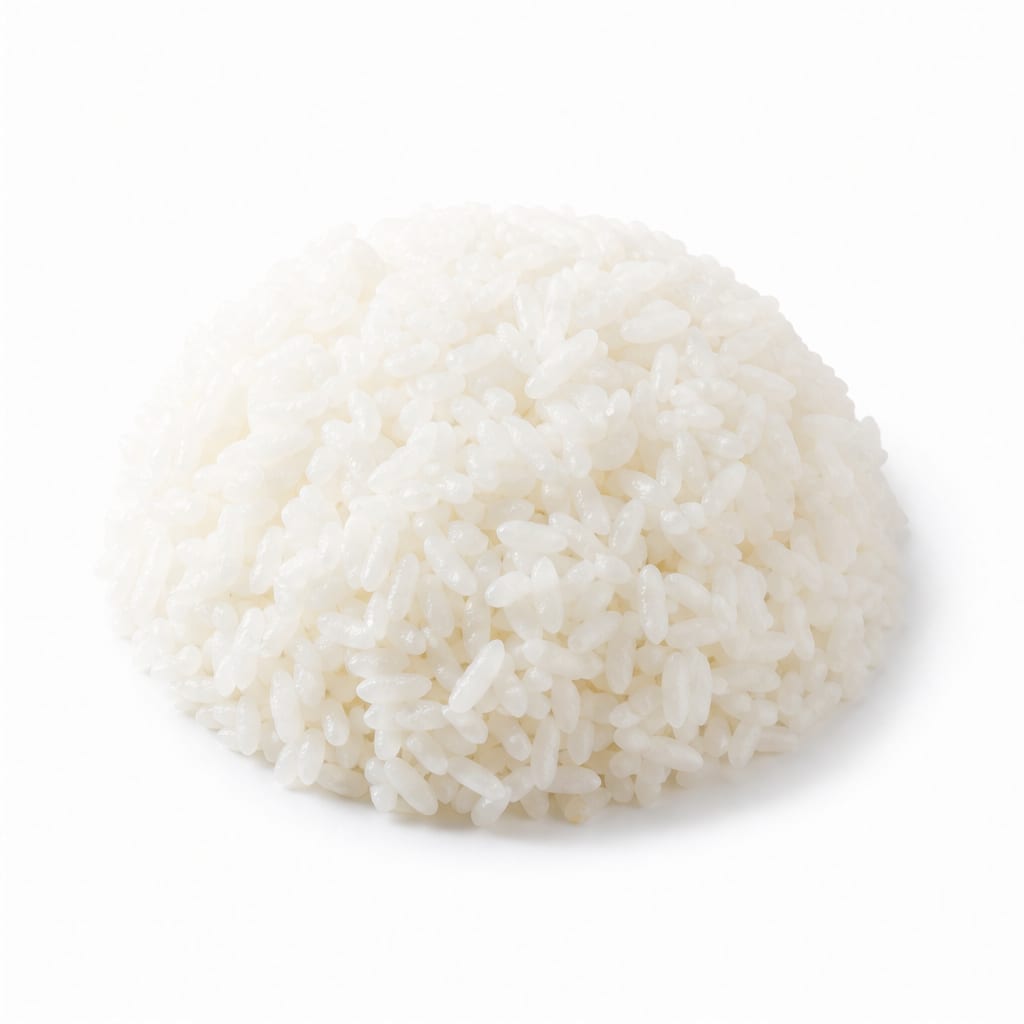
Compare with
White Rice
Sticky rice is stickier and slightly higher in glycemic index than standard white rice, but both are fast-digesting refined carbs.
Sticky rice provides faster energy due to higher amylopectin, while white rice has a slightly lower glycemic impact.
This food
Sticky Rice
VS80% alike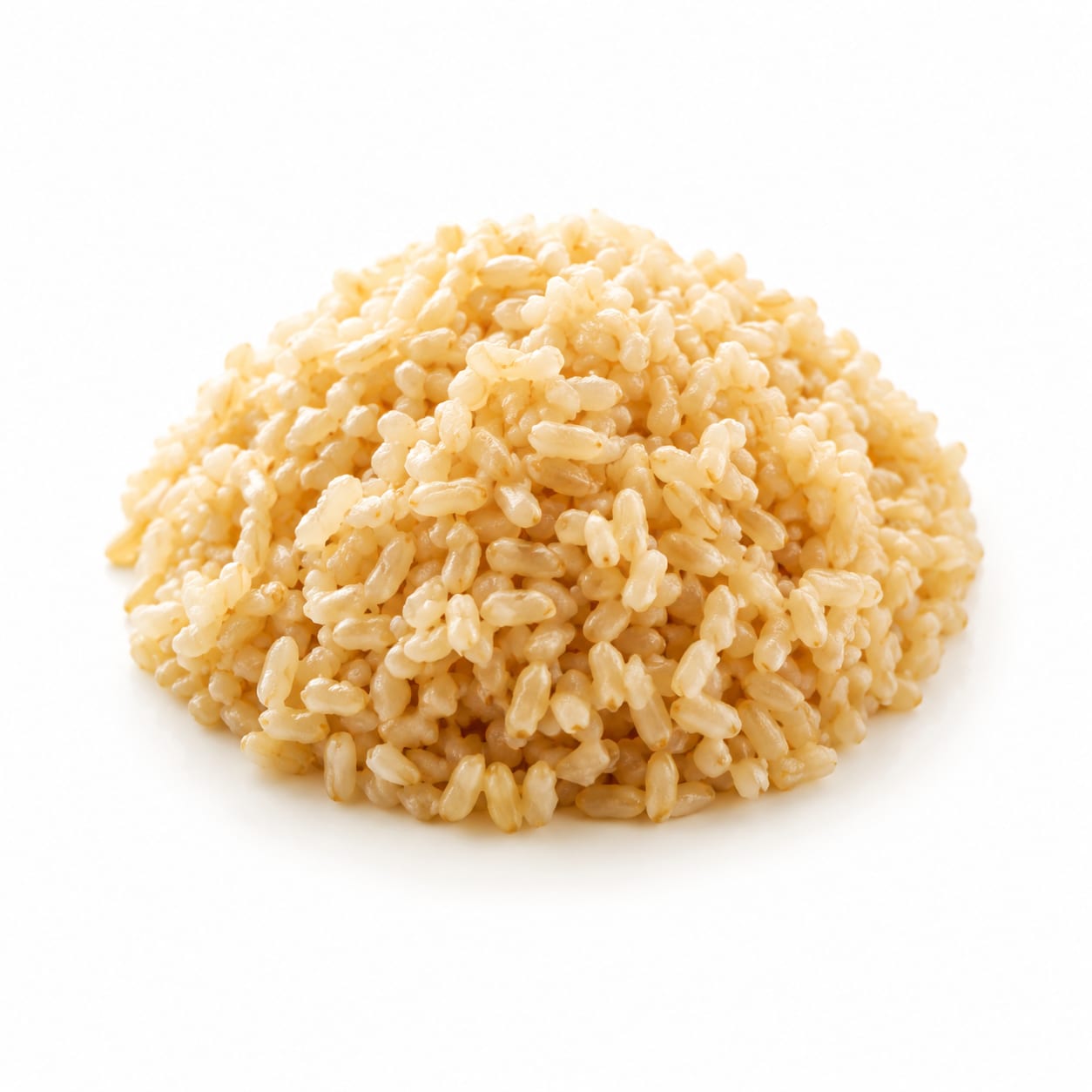
Compare with
Brown Rice
Brown rice offers significantly more fiber and micronutrients, leading to better blood sugar control than sticky rice.
Brown rice provides more fiber and better blood sugar control, while sticky rice offers faster digesting carbs for quick energy.
This food
Sticky Rice
VS90% alike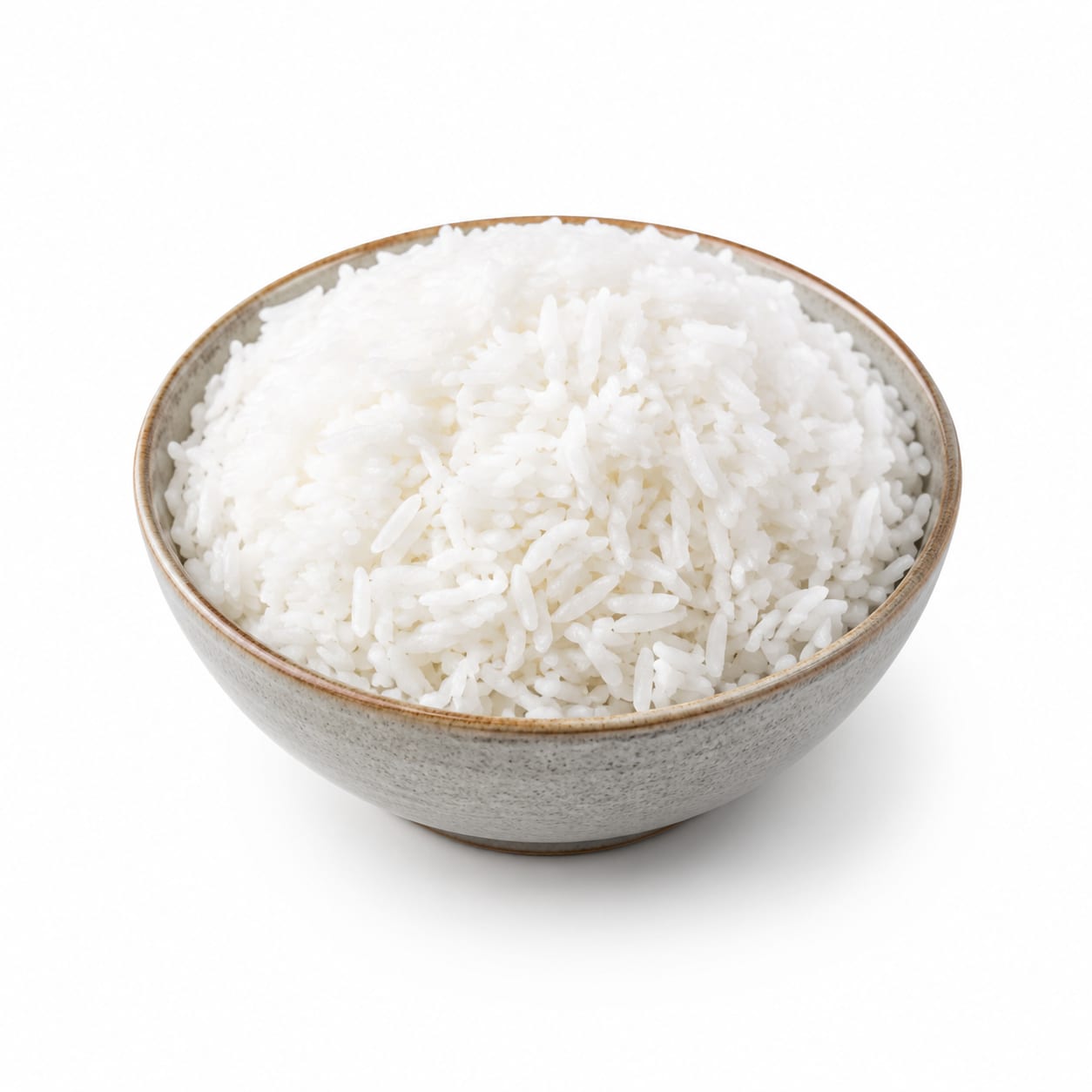
Compare with
Jasmine Rice
Jasmine rice is fluffier and less sticky, but both cause rapid blood sugar spikes and lack fiber.
Jasmine rice is fluffier while sticky rice is chewier, but both act as fast-digesting, high-glycemic carbohydrate sources.
This food
Sticky Rice
VS60% alike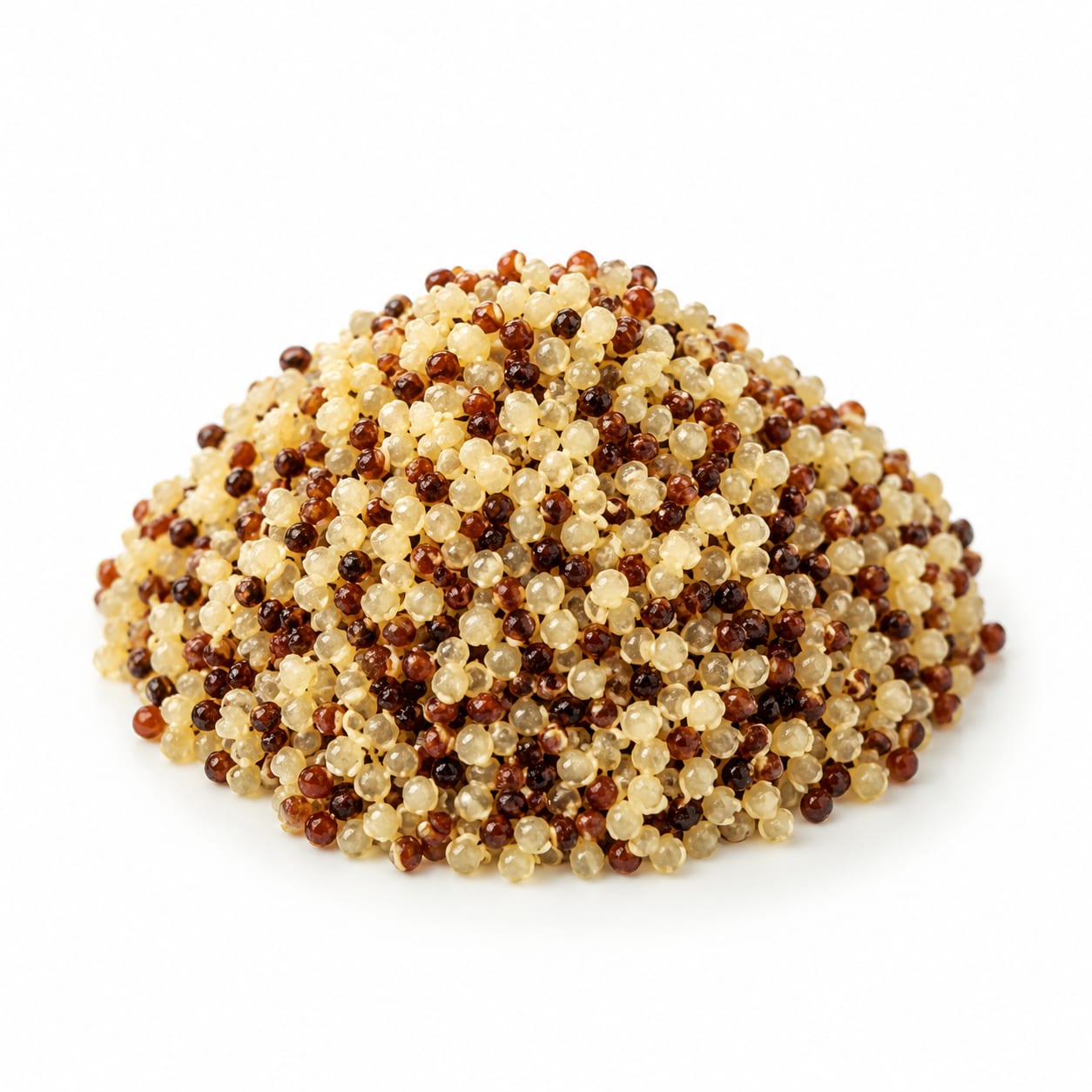
Compare with
Quinoa
Quinoa is a complete protein with high fiber, vastly outperforming sticky rice in satiety and blood sugar control.
Quinoa provides more protein and fiber for sustained energy, whereas sticky rice is a quick-burning carbohydrate.
This food
Sticky Rice
VS40% alike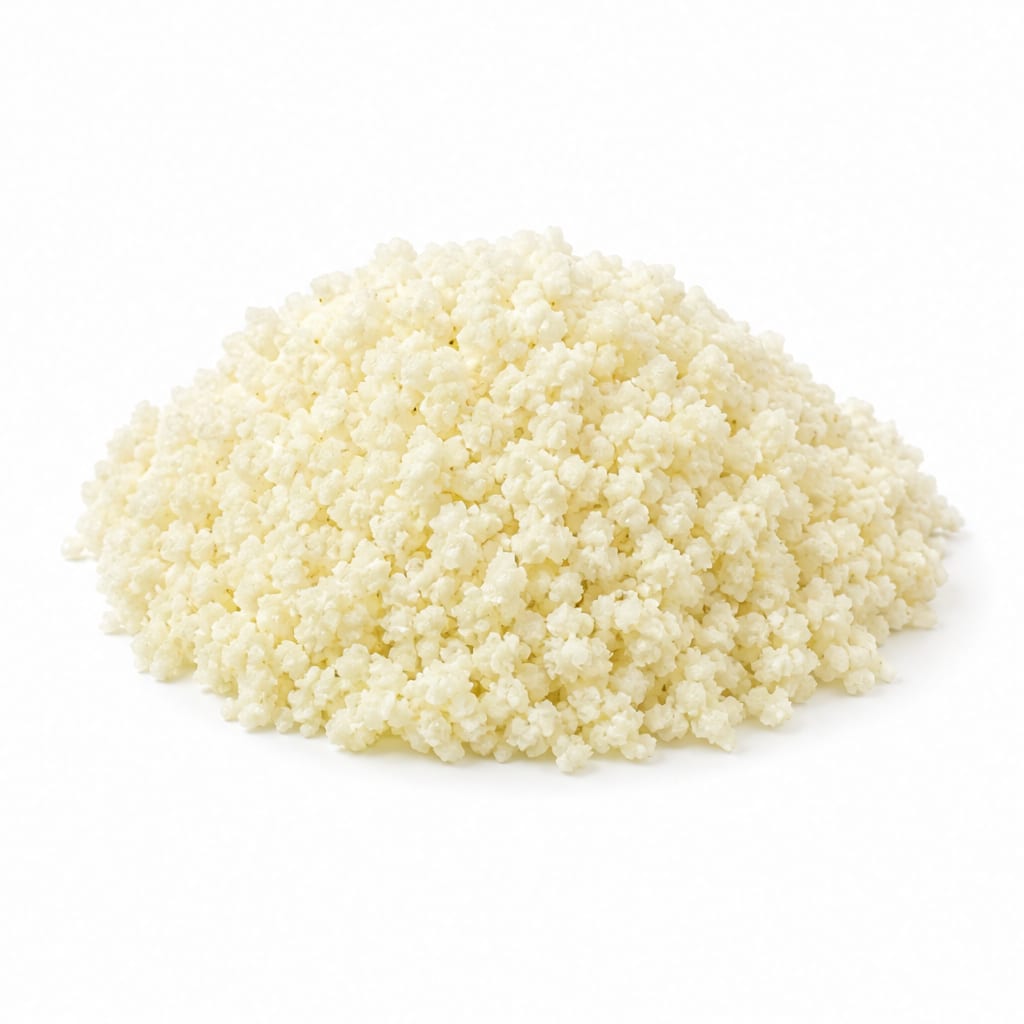
Compare with
Cauliflower Rice
Cauliflower rice is extremely low in calories and carbs, making it ideal for weight loss, unlike calorie-dense sticky rice.
Cauliflower rice is best for low-carb and weight loss diets, while sticky rice is better for carb-loading and quick energy.
This food
Sticky Rice
VS98% alike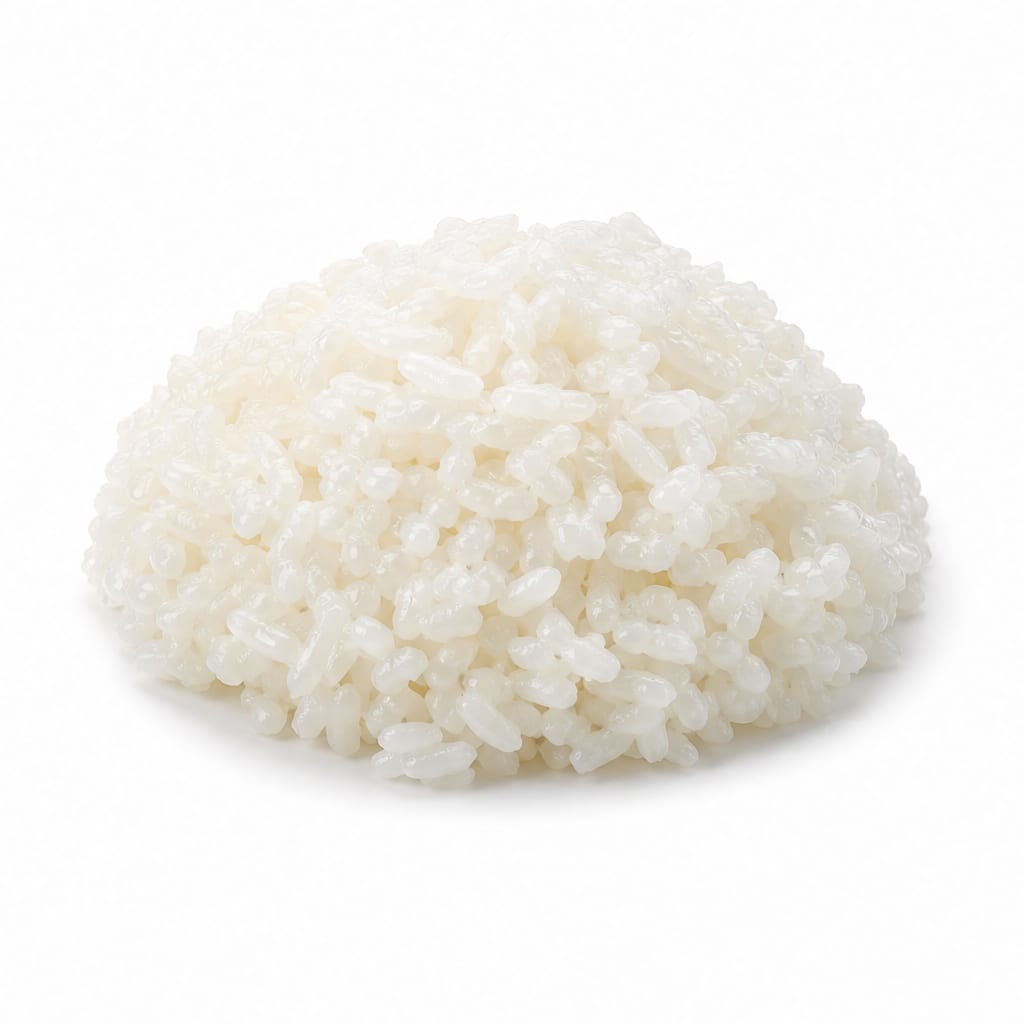
Compare with
Sushi Rice
Sushi rice is seasoned with vinegar and sugar, while sticky rice relies purely on its high amylopectin content for texture.
Sticky rice is naturally sticky without added sugar, whereas sushi rice relies on added vinegar and sugar for its texture.
This food
Sticky Rice
VS75% alike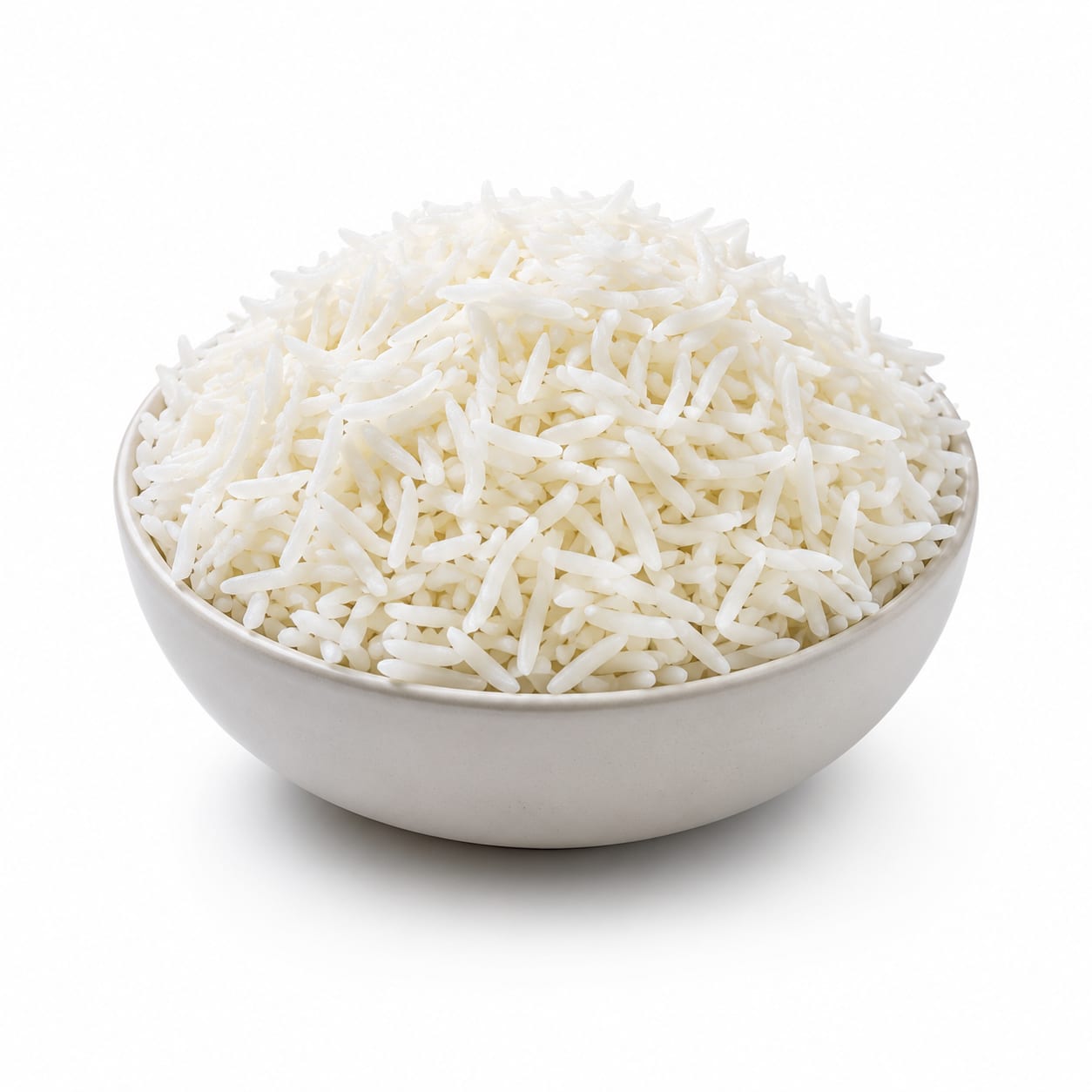
Compare with
Basmati Rice
Basmati rice has a lower glycemic index and fluffier texture, making it better for blood sugar control than sticky rice.
Basmati rice offers a lower glycemic index for steadier blood sugar, while sticky rice provides faster carbohydrate absorption.
This food
Sticky Rice
VS85% alike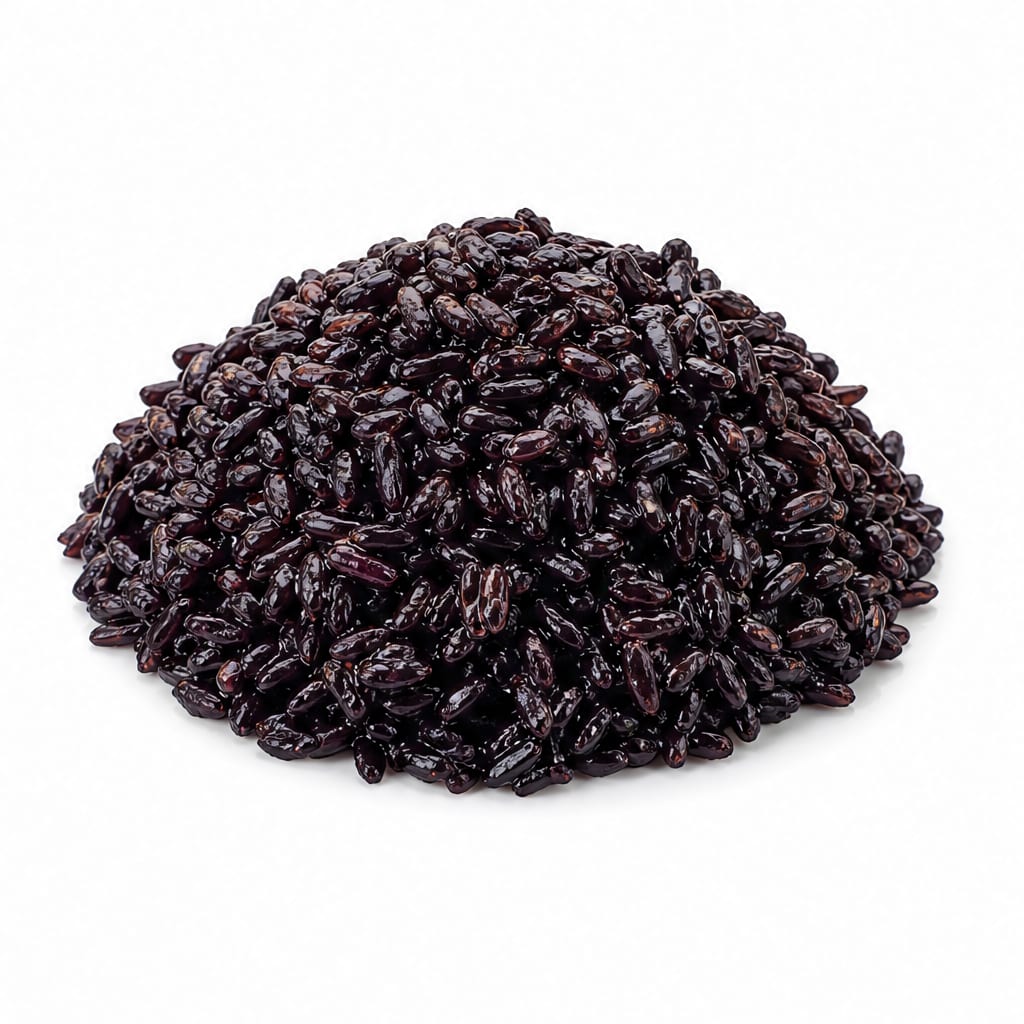
Compare with
Black Sticky Rice
Black sticky rice retains its bran layer, providing antioxidants, fiber, and a lower glycemic impact than white sticky rice.
Black sticky rice contains more fiber and antioxidants than white sticky rice, offering better blood sugar regulation and satiety.
This food
Sticky Rice
VS50% alike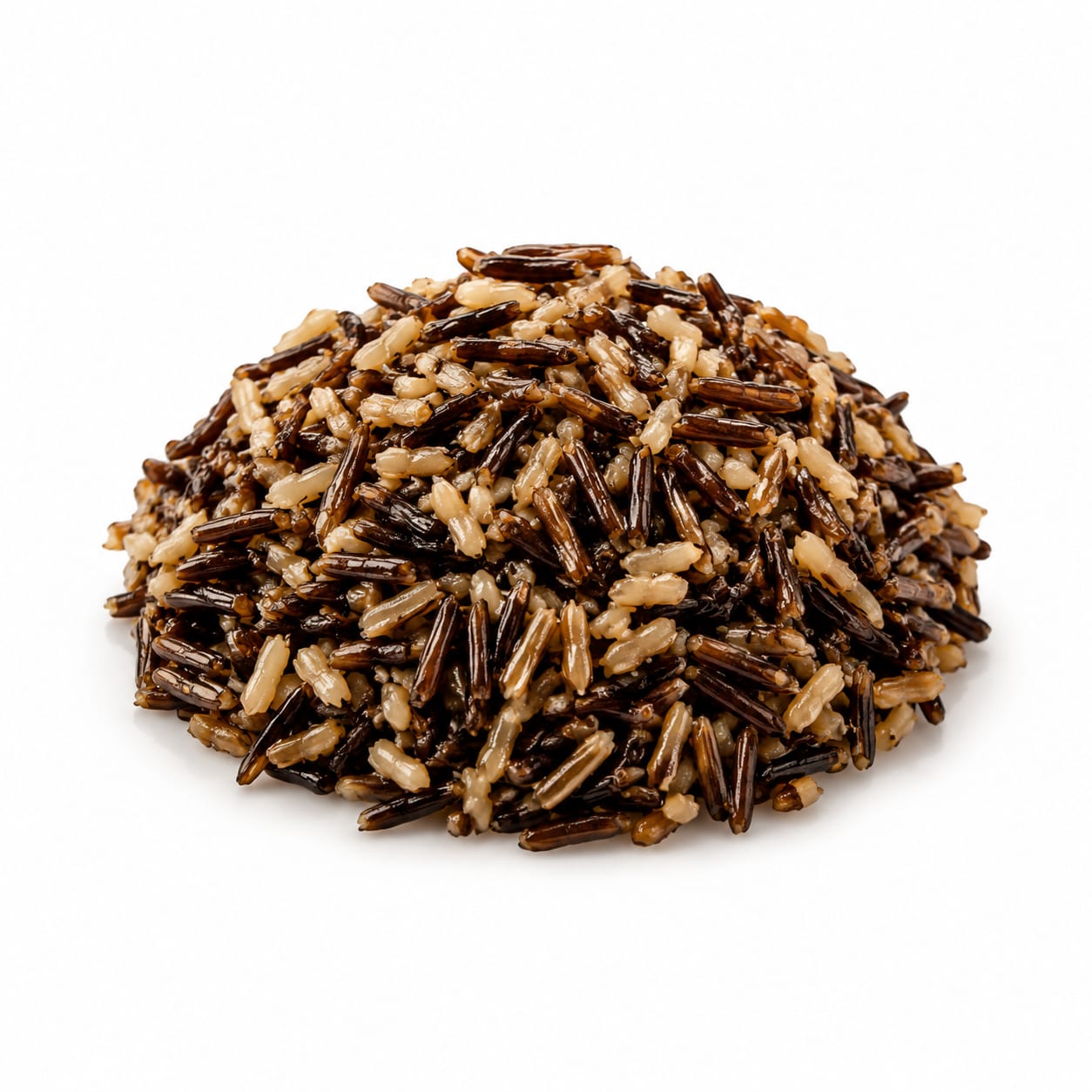
Compare with
Wild Rice
Wild rice is high in protein and fiber with a low glycemic index, contrasting sharply with sticky rice's fast carbs.
Wild rice is a high-protein, high-fiber grain with steady energy release, while sticky rice is a low-fiber, fast-energy grain.
This food
Sticky Rice
VS70% alike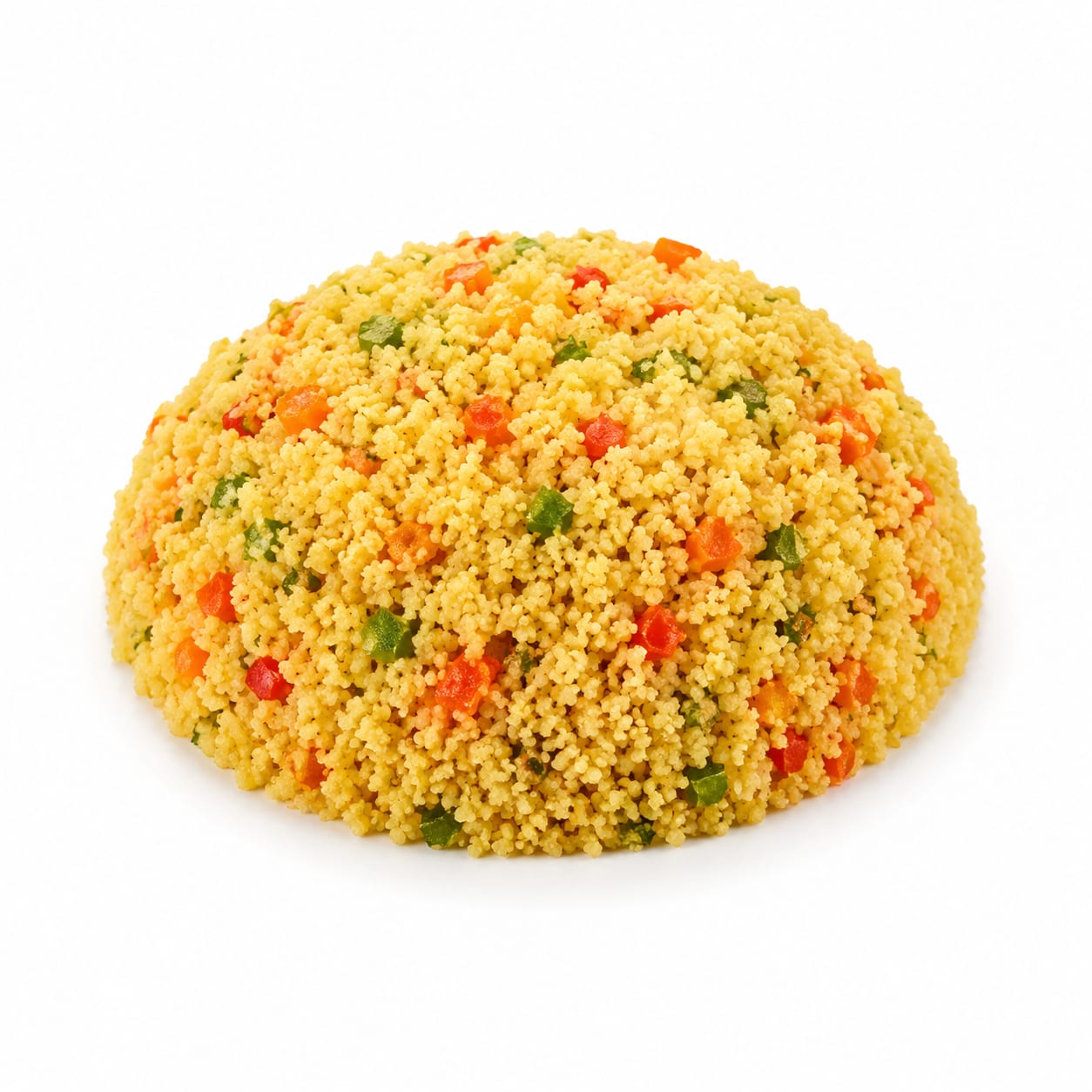
Compare with
Couscous
Couscous is a pasta made from semolina, while sticky rice is a whole grain. Both are low in fiber but couscous has slightly more protein.
Couscous contains slightly more protein, but sticky rice is naturally gluten-free; both are fast-digesting refined carbs.
Common questions
FAQ
Answers aligned with how people search for this food.
Is sticky rice gluten free?
Yes, sticky rice is naturally gluten-free. The term glutinous refers to its sticky texture from high amylopectin starch, not gluten proteins.
Does sticky rice spike blood sugar?
Yes, sticky rice has a very high glycemic index and is digested rapidly, causing significant blood sugar spikes.
Is sticky rice good for weight loss?
No, sticky rice is low in fiber and digests quickly, which can leave you feeling hungry sooner and make calorie control more difficult.
How many carbs are in sticky rice?
There are approximately 21 grams of carbohydrates in a 100-gram serving of cooked sticky rice.
Can diabetics eat sticky rice?
It is generally not recommended for diabetics due to its high glycemic index, which causes rapid blood sugar fluctuations.
Why is sticky rice so sticky?
Sticky rice is high in amylopectin and very low in amylose. This starch composition breaks down and sticks together during cooking.
Is sticky rice healthier than white rice?
Nutritionally, they are very similar. Both are refined grains with high carbs and low fiber. Sticky rice has a slightly higher glycemic index.
Does sticky rice have arsenic?
Like all rice, sticky rice can contain trace amounts of inorganic arsenic. Rinsing thoroughly before cooking and sourcing from low-arsenic regions minimizes exposure.
Can I eat sticky rice before a workout?
Yes, its fast-digesting carbohydrates make it a good pre-workout fuel source to provide quick energy for high-intensity exercise.
Transparency
Data confidence
Estimated confidence for nutrition data, interpretation, safety notes, and comparisons.
Nutrition data
Health analysis
Food safety
Comparisons