
Nutrition comparison
Sticky Rice vs Couscous: Which Carb Is Better for You?
Compare Sticky Rice and Couscous on blood sugar impact, gluten content, convenience, and nutrition. Find out which grain fits your diet and lifestyle better.
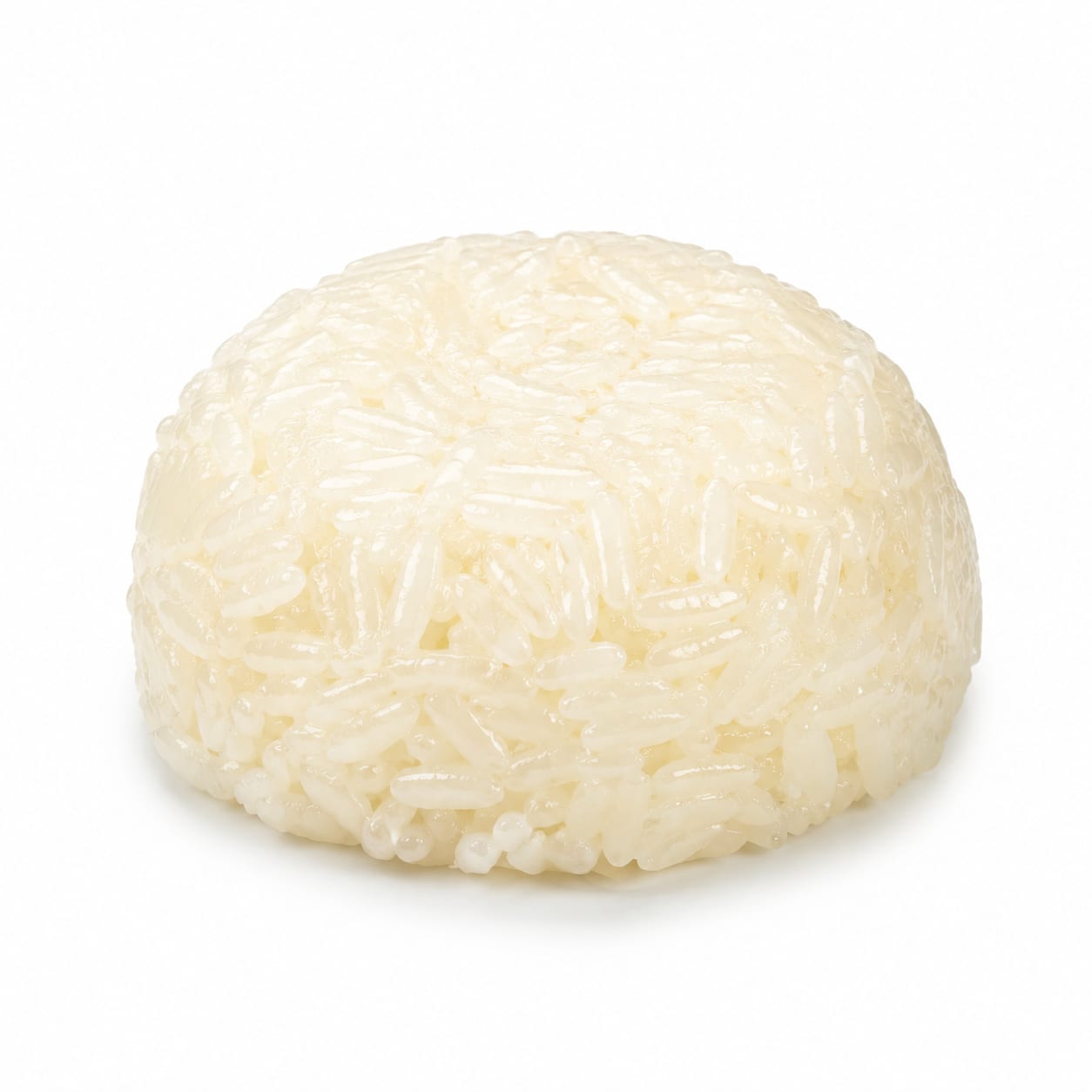
Sticky Rice
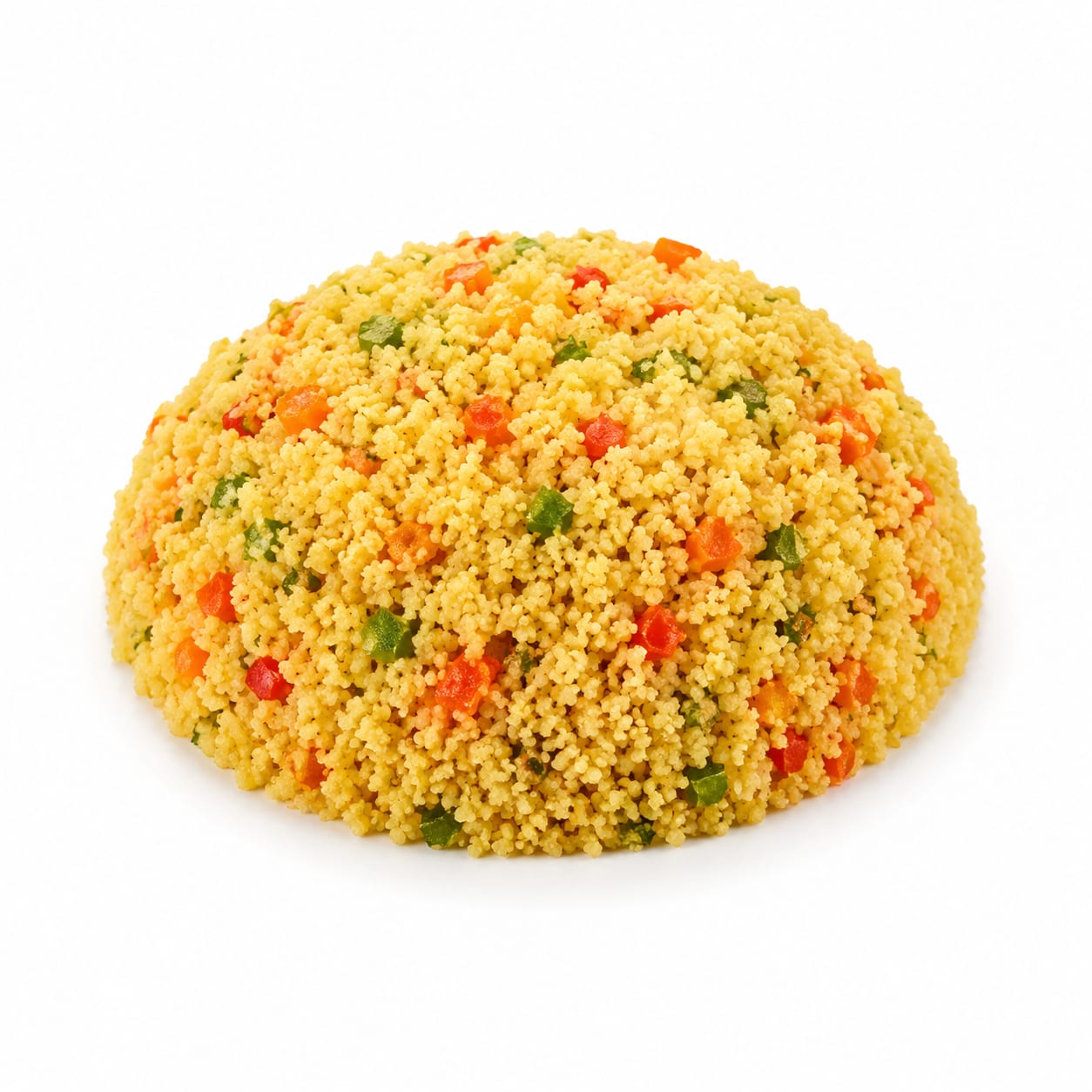
Couscous
Sticky Rice wins for gluten-free and digestive comfort; Couscous wins for convenience and slightly better blood sugar control.
Couscous scores slightly higher due to easier preparation, marginally better nutrition, and less severe blood sugar impact. Sticky Rice remains valuable for gluten-free diets and digestive gentleness. Neither is a nutritional standout.
Sticky Rice is gentler on digestion and gluten-free but spikes blood sugar faster. Couscous is quicker to prepare and has marginally better nutrient content but contains gluten.
At a glance
Executive summary
Overall
It depends
Healthier
It depends
More practical
Couscous
Daily use
Couscous
Key comparison lenses
blood sugar management
Both are high-glycemic refined carbs, making blood sugar impact the most critical differentiator
gluten-free dietary needs
Sticky Rice is naturally gluten-free while Couscous contains wheat, a major decision factor for many
convenience and meal prep
Couscous cooks in minutes while Sticky Rice requires soaking and steaming, affecting daily practicality
digestive comfort
Sticky Rice is famously gentle on the stomach, while Couscous can cause issues for gluten-sensitive individuals
nutritional value as a staple
Neither is nutrient-dense, but users want to know which offers slightly more per calorie
Best choice for
Sticky Rice
- Celiac or gluten-sensitive individuals
- People with sensitive digestion or recovering from illness
- Southeast Asian cuisine enthusiasts wanting authentic texture
- Athletes needing quick pre-workout carbs who tolerate gluten poorly
Couscous
- Busy professionals needing fast meal prep
- Mediterranean and North African dish lovers
- People wanting slightly more protein and fiber in their carb base
- Anyone meal-prepping for the week
Least suitable for
Sticky Rice
- People managing diabetes or insulin resistance
- Anyone seeking high-fiber carb options
- Those watching blood sugar spikes
- People who want quick-cooking staples
Couscous
- Anyone with celiac disease or gluten intolerance
- People avoiding wheat products
- Those with wheat allergies
- Individuals seeking minimally processed foods
Deep comparison
Dimension by dimension
Each lens scores both foods and breaks down who each option suits.
- Dimension 1 · Priority 92Couscous
Blood Sugar Stability
Sticky Rice · 18Couscous · 35Both spike blood sugar significantly, but Sticky Rice is worse due to its extremely high glycemic index and near-zero fiber.
Tradeoff
Sticky Rice delivers faster energy but causes sharper crashes. Couscous still spikes blood sugar but with a slightly softer landing.
Why it matters
If you struggle with afternoon energy crashes, irritability after meals, or have any blood sugar concerns, both are challenging but Sticky Rice is the rougher ride.
Real-world impact
Eating Sticky Rice alone can leave you hungry again within 90 minutes. Couscous buys you maybe 30 more minutes before hunger returns.
Sticky Rice
- Quick energy before intense short-duration exercise
- Recovering from hypoglycemia when you need sugar fast
Better for
- Diabetes management
- Sustained focus during long work sessions
Worse for
Couscous
- Slightly steadier energy through a work afternoon
- Less dramatic post-meal crashes
Better for
- Anyone assuming Couscous is a low-glycemic choice
- Blood sugar control without pairing with protein and fat
Worse for
- Dimension 2 · Priority 88Sticky Rice
Gluten and Allergen Profile
Sticky Rice · 90Couscous · 15Sticky Rice is naturally gluten-free. Couscous is made from durum wheat and contains gluten.
Tradeoff
If gluten is a concern, Sticky Rice is the clear safe choice. Couscous offers no workaround for those with celiac or wheat sensitivity.
Why it matters
Roughly 6-7% of the population has some form of gluten sensitivity, and for them Couscous is simply off the table.
Real-world impact
For someone with celiac disease, Sticky Rice is a reliable staple. Couscous would trigger symptoms ranging from bloating to serious intestinal damage.
Sticky Rice
- Celiac disease management
- Gluten-free lifestyle
- Wheat allergy accommodation
Better for
- No disadvantage in this dimension
Worse for
Couscous
- No advantage in this dimension
Better for
- Celiac disease
- Non-celiac gluten sensitivity
- Wheat allergy
Worse for
- Dimension 3 · Priority 80Couscous
Convenience and Preparation
Sticky Rice · 30Couscous · 85Couscous cooks in about 5 minutes with just hot water. Sticky Rice requires soaking for hours and steaming for 20-30 minutes.
Tradeoff
Couscous is weeknight-friendly. Sticky Rice rewards patience with a unique chewy texture that instant methods cannot replicate.
Why it matters
On a busy Tuesday evening, the 5-minute Couscous wins. The 4-hour soak for Sticky Rice means planning ahead or keeping a rice cooker warm.
Real-world impact
Most people will reach for Couscous more often simply because it fits into real life without planning. Sticky Rice tends to be a weekend or special-occasion choice.
Sticky Rice
- Meal prep when you have time on weekends
- Using a rice cooker on a regular schedule
Better for
- Spontaneous weeknight meals
- Anyone without a steamer or rice cooker
Worse for
Couscous
- Last-minute dinner after a long workday
- Quick lunch prep between meetings
- Camping and travel cooking
Better for
- Occasions where texture and authenticity matter more than speed
Worse for
- Dimension 4 · Priority 75Sticky Rice
Digestive Comfort
Sticky Rice · 82Couscous · 45Sticky Rice is famously easy to digest and is traditional comfort food for illness recovery across Asia. Couscous can cause bloating in gluten-sensitive people.
Tradeoff
Sticky Rice soothes the stomach but offers little fiber for gut health long-term. Couscous provides slightly more fiber but can irritate sensitive digestive systems.
Why it matters
If you have IBS, are recovering from a stomach bug, or have general digestive sensitivity, Sticky Rice is the gentler choice.
Real-world impact
Many Asian cultures serve Sticky Rice porridge to sick people for the same reason chicken soup works in the West: it is warm, bland, and easy on the stomach.
Sticky Rice
- Recovery from stomach illness
- IBS flare-ups
- Elderly with weakened digestion
Better for
- Long-term gut microbiome diversity due to low fiber
Worse for
Couscous
- Slightly more fiber for regular bowel habits in healthy individuals
Better for
- Gluten-related bloating and discomfort
- Wheat sensitivity reactions
Worse for
- Dimension 5 · Priority 70Couscous
Nutritional Density
Sticky Rice · 25Couscous · 40Neither is a nutritional powerhouse, but Couscous offers slightly more protein, fiber, and B vitamins due to its wheat semolina base.
Tradeoff
The nutritional gap is small. Both are essentially energy sources that need protein, vegetables, and healthy fats to become complete meals.
Why it matters
If your carb choice is the only thing on your plate, Couscous gives you marginally more to work with. In real meals with sides, the difference nearly vanishes.
Real-world impact
A cup of Couscous has about 6g of protein versus 4g in Sticky Rice. Neither is enough to matter without adding protein-rich foods.
Sticky Rice
- No real advantage in nutritional density
Better for
- Very low in all micronutrients
- Almost no fiber
Worse for
Couscous
- Slightly more protein per serving
- Marginally more fiber and B vitamins
- Often enriched with additional nutrients in commercial products
Better for
- Still a refined grain with limited nutritional value
- Enriched versions may have synthetic vitamins that absorb poorly
Worse for
- Dimension 6 · Priority 65It depends
Versatility and Cuisine Fit
Sticky Rice · 60Couscous · 60Sticky Rice shines in Southeast Asian dishes, desserts, and dumpling wrappers. Couscous excels in Mediterranean bowls, salads, and North African stews.
Tradeoff
They belong to entirely different culinary traditions. Substituting one for the other usually disappoints.
Why it matters
Trying to make mango sticky rice with Couscous or serving Couscous with Thai curry both feel wrong. Pick the one that matches your cuisine.
Real-world impact
If you cook Thai, Lao, or Vietnamese food regularly, Sticky Rice is essential. If you lean Mediterranean or Middle Eastern, Couscous is your staple.
Sticky Rice
- Thai and Lao cuisine
- Asian desserts and sweet dishes
- Dumpling and mochi recipes
Better for
- Mediterranean and Middle Eastern recipes
- Cold salad applications
Worse for
Couscous
- Mediterranean grain bowls
- North African tagines
- Cold pasta-style salads
Better for
- Southeast Asian dishes
- Sweet dessert applications
Worse for
Timeline
Health impact over time
Short-term
Hours to days
Sticky Rice
- Rapid blood sugar spike within 30-60 minutes of eating
- Quick energy surge followed by potential crash
- Very gentle on an upset stomach
- High satiety immediately after eating due to dense, chewy texture
Couscous
- Moderate blood sugar rise, slightly slower than Sticky Rice
- Mild bloating possible in gluten-sensitive individuals
- Light feeling in the stomach, less dense than Sticky Rice
- Quick preparation encourages eating sooner, potentially less thoughtful portions
Long-term
Months to years
Sticky Rice
- Regular consumption without fiber-rich sides may impair gut microbiome diversity
- High glycemic load over years can increase insulin resistance risk
- Gluten-free nature makes it a safe long-term staple for celiac individuals
- Low nutrient density means reliance on other foods to meet micronutrient needs
Couscous
- Slightly better fiber intake supports more regular digestion over time
- Wheat consumption may trigger low-grade inflammation in sensitive individuals
- Enriched varieties can contribute to daily B vitamin intake
- Still a refined grain, so long-term exclusive use without whole grains is suboptimal
Risk profile
Safety & processing
Sticky Rice is simply milled glutinous rice with nothing added. Couscous is made from semolina wheat that has been moistened, rolled, and steamed, making it slightly more processed. Instant Couscous is pre-steamed and dried, adding another processing step. Neither typically contains artificial additives, but Sticky Rice has a cleaner path from field to plate.
Sticky Rice
Arsenic contamination
mediumRice can accumulate arsenic from soil and water. Sticky Rice grown in certain regions may have elevated levels. Rinsing thoroughly and cooking with excess water reduces exposure.
Bacillus cereus food poisoning
mediumCooked rice left at room temperature can harbor Bacillus cereus. Sticky Rice should be refrigerated promptly and not kept warm for extended periods.
Couscous
Gluten cross-contamination in production
lowCouscous is inherently wheat-based, so gluten contamination is not an issue for the product itself but shared facilities may introduce other allergens.
Pesticide residue on wheat
lowConventionally grown wheat may carry pesticide residues. Choosing organic Couscous reduces this concern significantly.
Who wins for whom
Audience fit
Same foods, different winners depending on your goal.
children
Sticky RiceSticky Rice is gluten-free, easy to chew, gentle on digestion, and less likely to cause allergic reactions. Its fun, chewy texture also appeals to kids.
daily consumption
CouscousCouscous is faster to prepare, slightly more nutritious, and easier to incorporate into varied meals throughout the week. Its convenience makes daily use more realistic.
diabetes
CouscousNeither is ideal, but Couscous has a moderately lower glycemic impact. Both require pairing with protein, fat, and fiber to blunt blood sugar spikes.
elderly
Sticky RiceSticky Rice is softer, easier to digest, and gluten-free, making it more suitable for aging digestive systems and those with developing sensitivities.
muscle gain
CouscousCouscous offers slightly more protein per serving and pairs more easily with lean meats in Mediterranean-style meals. Neither is a protein source on its own.
weight loss
CouscousCouscous has slightly more fiber and protein, providing marginally better satiety per calorie. Both are calorie-dense refined carbs that require portion control.
Your move
Decision guide
Choose Sticky Rice
- You are gluten-free or have celiac disease
- You have a sensitive stomach or are recovering from illness
- You regularly cook Southeast Asian cuisine
- You want a gentle carb for children or elderly family members
- You prioritize minimally processed foods
Choose Couscous
- You need a quick-cooking carb for busy weeknights
- You enjoy Mediterranean or North African cooking
- You want slightly more protein and fiber in your base carb
- You are meal-prepping for the week and need convenience
- You have no gluten concerns and want more culinary versatility
Either works if
- You are building a balanced plate with plenty of protein and vegetables
- You want a neutral carb base to absorb flavorful sauces
- Neither is a dietary staple and you rotate between various grains
Avoid both if
- You are managing diabetes and need low-glycemic carb sources like quinoa or lentils
- You are following a low-carb or ketogenic diet
- You need high-fiber grains for gut health, in which case choose brown rice or farro
Final recommendation
Let your dietary needs decide. If gluten is off-limits, Sticky Rice is your friend. If convenience and slight nutritional edges matter more, Couscous fits better into daily life. Neither should be your only grain. Rotate in whole grains like quinoa, brown rice, or barley for the fiber and nutrients both Sticky Rice and Couscous lack.
Practical
Consumer tips
- 1
Rinse Sticky Rice thoroughly before cooking to reduce arsenic exposure
- 2
Soak Sticky Rice for at least 4 hours or overnight for the best texture
- 3
Pair either grain with protein and healthy fats to slow blood sugar spikes
- 4
Choose whole wheat Couscous when available for nearly triple the fiber
- 5
Refrigerate cooked Sticky Rice within 2 hours to avoid Bacillus cereus risk
- 6
Add vegetables and legumes to either grain to create a more nutritionally complete meal
- 7
Try congee (rice porridge) as a more hydrating, easier-to-digest way to enjoy Sticky Rice
- 8
Fluff Couscous with a fork and a drizzle of olive oil after cooking for better texture