
Nutrition comparison
Sticky Rice vs Quinoa: Nutrition, Blood Sugar, and Health Comparison
Sticky Rice vs Quinoa: Which grain is better for weight loss and blood sugar? Compare protein, fiber, and glycemic impact to find the right choice for your diet.
Overall winner · Quinoa
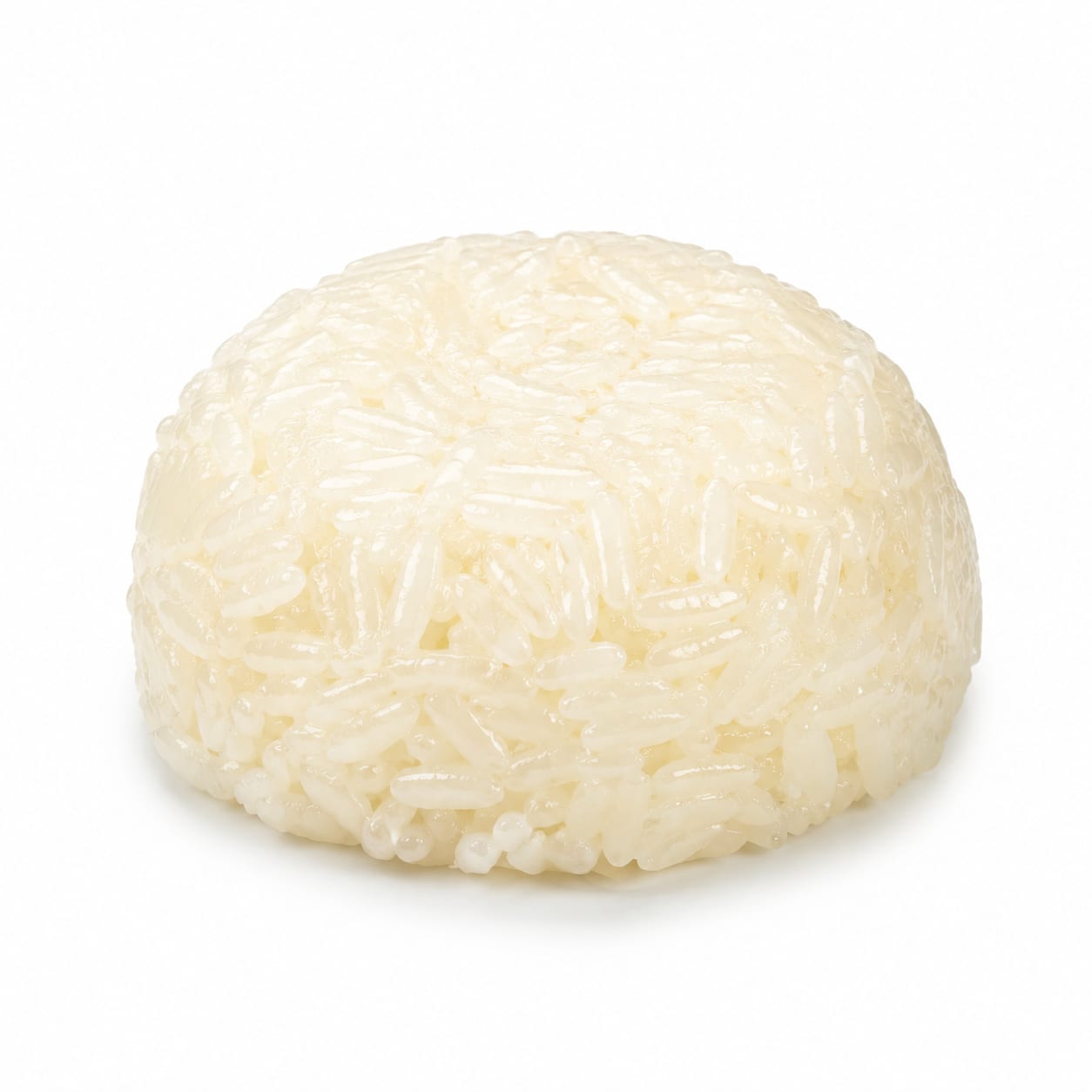
Sticky Rice
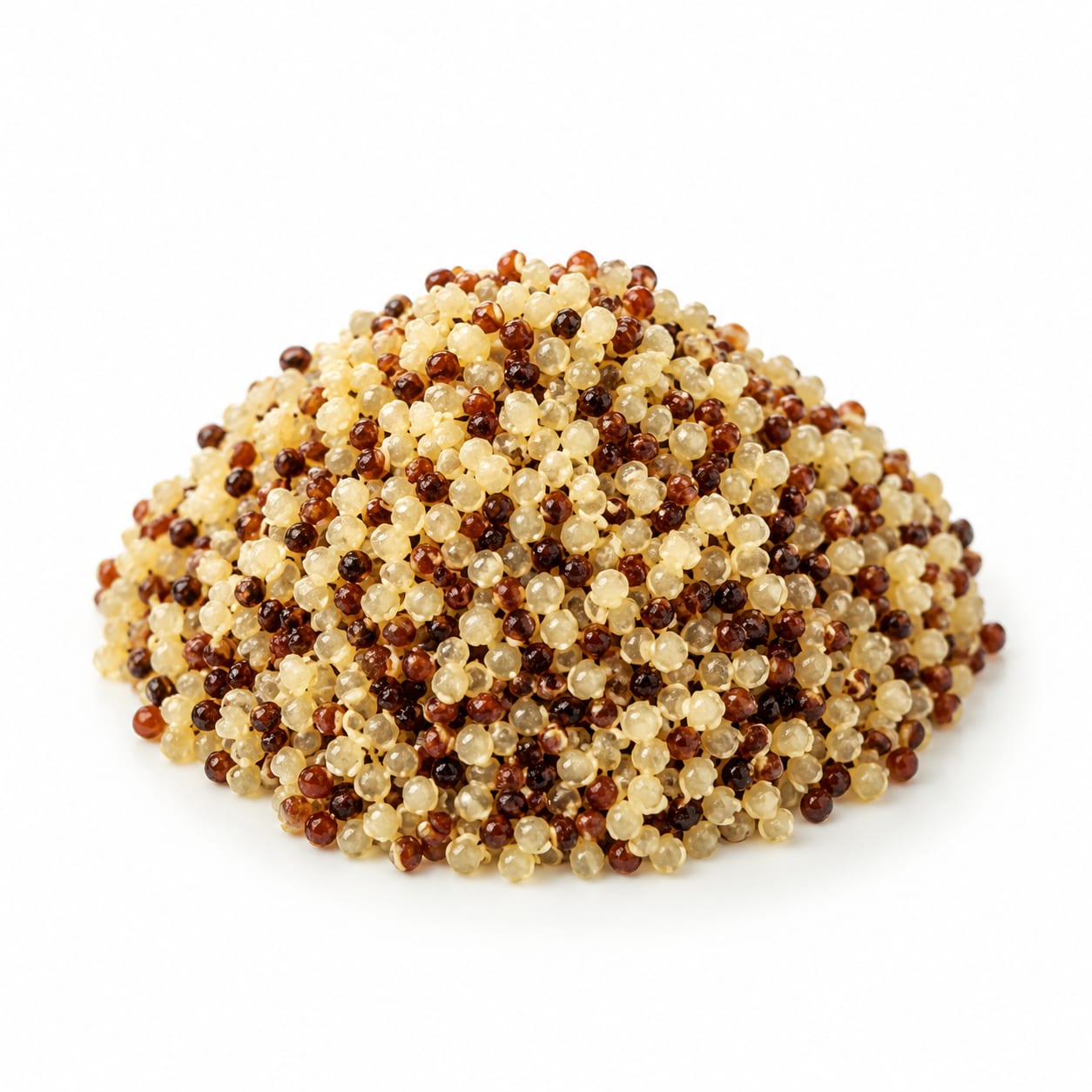
Quinoa
Quinoa wins for everyday nutrition and blood sugar stability, but Sticky Rice is better when you need gentle, easily digestible energy.
Quinoa scores significantly higher due to its superior protein, fiber, and micronutrient profile, along with its low glycemic impact. Sticky Rice scores lower because it acts primarily as empty carbs that spike blood sugar, though it earns points for digestibility.
Nutritional density and steady energy versus quick-digesting comfort and cultural authenticity.
At a glance
Executive summary
Overall
Quinoa
Healthier
Quinoa
More practical
It depends
Daily use
Quinoa
Key comparison lenses
Blood sugar management
Sticky Rice has a very high glycemic index causing rapid spikes, while Quinoa provides slow, steady energy.
Satiety and weight control
Quinoa's protein and fiber keep you full much longer than the quickly digested carbs in Sticky Rice.
Digestive sensitivity
Sticky Rice is extremely gentle on the stomach, making it a go-to for upset stomachs, whereas Quinoa's fiber can be irritating for some.
Best choice for
Sticky Rice
- People recovering from stomach illness
- Athletes needing fast glycogen replenishment
- Those wanting easily chewable, comforting food
Quinoa
- People managing diabetes or insulin resistance
- Anyone trying to lose weight or stay full longer
- Plant-based eaters needing complete protein
Least suitable for
Sticky Rice
- People with sedentary lifestyles eating large portions
- Those managing type 2 diabetes
- Individuals struggling with afternoon energy crashes
Quinoa
- People with severe IBS or fiber sensitivity
- Those who need immediate quick energy during endurance events
- Picky eaters who dislike the texture or earthy taste
Deep comparison
Dimension by dimension
Each lens scores both foods and breaks down who each option suits.
- Dimension 1 · Priority 95Quinoa
Blood Sugar Stability
Sticky Rice · 20Quinoa · 90Quinoa keeps your blood sugar steady, while Sticky Rice causes rapid spikes and crashes.
Tradeoff
You trade the quick energy burst from Sticky Rice for long-lasting stable energy from Quinoa.
Why it matters
Preventing blood sugar spikes reduces cravings, fatigue, and long-term metabolic risk.
Real-world impact
Eating Quinoa at lunch means no 3 PM energy crash; Sticky Rice might leave you reaching for a coffee or snack.
Sticky Rice
- Post-workout glycogen replenishment
- Endurance athletes mid-event
Better for
- Sedentary evenings
- Prediabetics
Worse for
Quinoa
- Desk workers needing focus
- People with diabetes
- Steady morning fuel
Better for
- During an acute hypoglycemic event where fast carbs are required
Worse for
- Dimension 2 · Priority 90Quinoa
Satiety & Fullness
Sticky Rice · 35Quinoa · 88Quinoa is far more filling per calorie due to its protein and fiber content.
Tradeoff
Sticky Rice is less filling and easy to overeat, but it feels lighter in the stomach immediately after eating.
Why it matters
Staying full longer helps control portions and prevents unnecessary snacking between meals.
Real-world impact
A Quinoa bowl keeps you full for hours; a Sticky Rice portion leaves you hungry again soon.
Sticky Rice
- People with poor appetite who need easy-to-eat calories
- Before a workout when you need a light stomach
Better for
- Controlling calorie intake
Worse for
Quinoa
- Weight management
- Large active lunches
Better for
- Right before an intense workout when you need a light stomach
Worse for
- Dimension 3 · Priority 85Quinoa
Protein Quality
Sticky Rice · 15Quinoa · 85Quinoa is a complete protein source with all essential amino acids, whereas Sticky Rice provides almost no protein.
Tradeoff
Quinoa supports muscle repair directly; Sticky Rice only provides raw carbohydrate energy.
Why it matters
Protein is essential for maintaining muscle mass, immune function, and metabolic health.
Real-world impact
Replacing Sticky Rice with Quinoa makes it much easier to hit your daily protein goals without adding meat.
Sticky Rice
- Carb-loading before a marathon
Better for
- Anyone needing muscle maintenance or repair
Worse for
Quinoa
- Plant-based diets
- Post-workout recovery meals
Better for
- Pure carb-loading strategies
Worse for
- Dimension 4 · Priority 80Sticky Rice
Digestive Comfort
Sticky Rice · 90Quinoa · 55Sticky Rice is extremely easy to digest and gentle on the stomach, while Quinoa can cause bloating for some.
Tradeoff
You trade digestive ease for nutritional density.
Why it matters
People with sensitive GI tracts or recovering from illness need foods that do not irritate the gut.
Real-world impact
Sticky Rice is a comforting choice when your stomach is upset; Quinoa might feel heavy or gassy.
Sticky Rice
- Recovering from a stomach bug
- IBS flare-ups requiring low fiber
- Elderly with weak digestion
Better for
- Constipation-prone individuals
Worse for
Quinoa
- Promoting regular bowel movements through fiber
Better for
- People with severe bloating or sensitive guts
Worse for
- Dimension 5 · Priority 75Quinoa
Micronutrient Density
Sticky Rice · 25Quinoa · 90Quinoa is packed with magnesium, iron, and B vitamins, while Sticky Rice is mostly empty carbs.
Tradeoff
Sticky Rice offers pure fuel; Quinoa offers fuel plus essential vitamins and minerals.
Why it matters
Nutrient-dense foods prevent hidden deficiencies that cause fatigue and poor recovery.
Real-world impact
Regularly choosing Quinoa supports energy production and bone health naturally without supplements.
Sticky Rice
- When you only need quick calories and get nutrients from other foods
Better for
- Reliance on it as a dietary staple without diverse sides
Worse for
Quinoa
- Boosting overall diet quality
- Preventing nutrient gaps
Better for
- Those who need immediate, uncomplicated energy
Worse for
Timeline
Health impact over time
Short-term
Hours to days
Sticky Rice
- Quick energy surge
- Comforting and easy on the stomach
- Hunger returning quickly
Quinoa
- Sustained energy without crashes
- Feeling pleasantly full
- Possible mild bloating if not used to fiber
Long-term
Months to years
Sticky Rice
- Increased risk of insulin resistance if eaten frequently in large portions
- Potential weight gain from overeating due to low satiety
Quinoa
- Improved metabolic health and blood sugar regulation
- Better digestion and regularity from high fiber
- Easier weight management
Risk profile
Safety & processing
Both are whole, natural foods with no artificial additives, though Quinoa requires rinsing to remove its natural bitter saponin coating.
Sticky Rice
Arsenic contamination
mediumRice tends to absorb more arsenic from soil and water than other grains, which can be a concern with heavy daily consumption.
Choking hazard
lowThe sticky texture can be a choking risk for very young children if not supervised.
Quinoa
Saponin residue
lowNatural coating can cause bitterness and mild stomach upset if not rinsed thoroughly before cooking.
Oxalates
lowContains moderate oxalates which might be an issue for people prone to calcium kidney stones.
Who wins for whom
Audience fit
Same foods, different winners depending on your goal.
children
Sticky RiceSticky Rice is easier for kids to chew and digest, though it should be paired with nutrient-rich sides.
daily consumption
QuinoaQuinoa offers more daily nutritional value and metabolic protection without the blood sugar rollercoaster.
diabetes
QuinoaQuinoa prevents dangerous blood sugar spikes, while Sticky Rice can cause rapid glucose surges.
elderly
Sticky RiceSticky Rice is gentler on aging digestive systems and easier to chew for those with dental issues.
muscle gain
QuinoaQuinoa provides complete protein with all essential amino acids to support muscle repair.
weight loss
QuinoaQuinoa's high fiber and protein keep you full on fewer calories, preventing overeating.
Your move
Decision guide
Choose Sticky Rice
- You need easily digestible comfort food after an illness
- You are carb-loading for an athletic event
- You are making cultural dishes where the sticky texture is essential
Choose Quinoa
- You want steady energy for a busy day
- You are trying to lose weight or manage blood sugar
- You need a plant-based protein boost in your meal
Either works if
- You are building a balanced bowl with plenty of vegetables and lean proteins
- You are mixing grains for a balance of texture and nutrition
Avoid both if
- You are on a strict ketogenic or very low-carb diet
Final recommendation
Quinoa is the superior choice for everyday health, blood sugar control, and satiety. However, Sticky Rice holds a valuable place for quick energy, digestive sensitivity, and cultural comfort dishes. Make Quinoa your daily default, and enjoy Sticky Rice when your body needs gentle, fast carbs.
Practical
Consumer tips
- 1
Always rinse Quinoa under cold water for 30 seconds to remove the bitter saponin coating.
- 2
Pair Sticky Rice with a protein source like chicken or tofu and fiber-rich veggies to blunt its blood sugar spike.
- 3
Cook Quinoa in broth instead of water to add extra flavor without extra effort.
- 4
If Sticky Rice is a daily staple, consider swapping at least half your portions for Quinoa to improve long-term metabolic health.