
Nutrition comparison
Sticky Rice vs Sushi Rice: Which Is Healthier for You?
Compare sticky rice and sushi rice on blood sugar impact, sodium, added sugar, and meal versatility. Find out which rice fits your health goals and eating style.
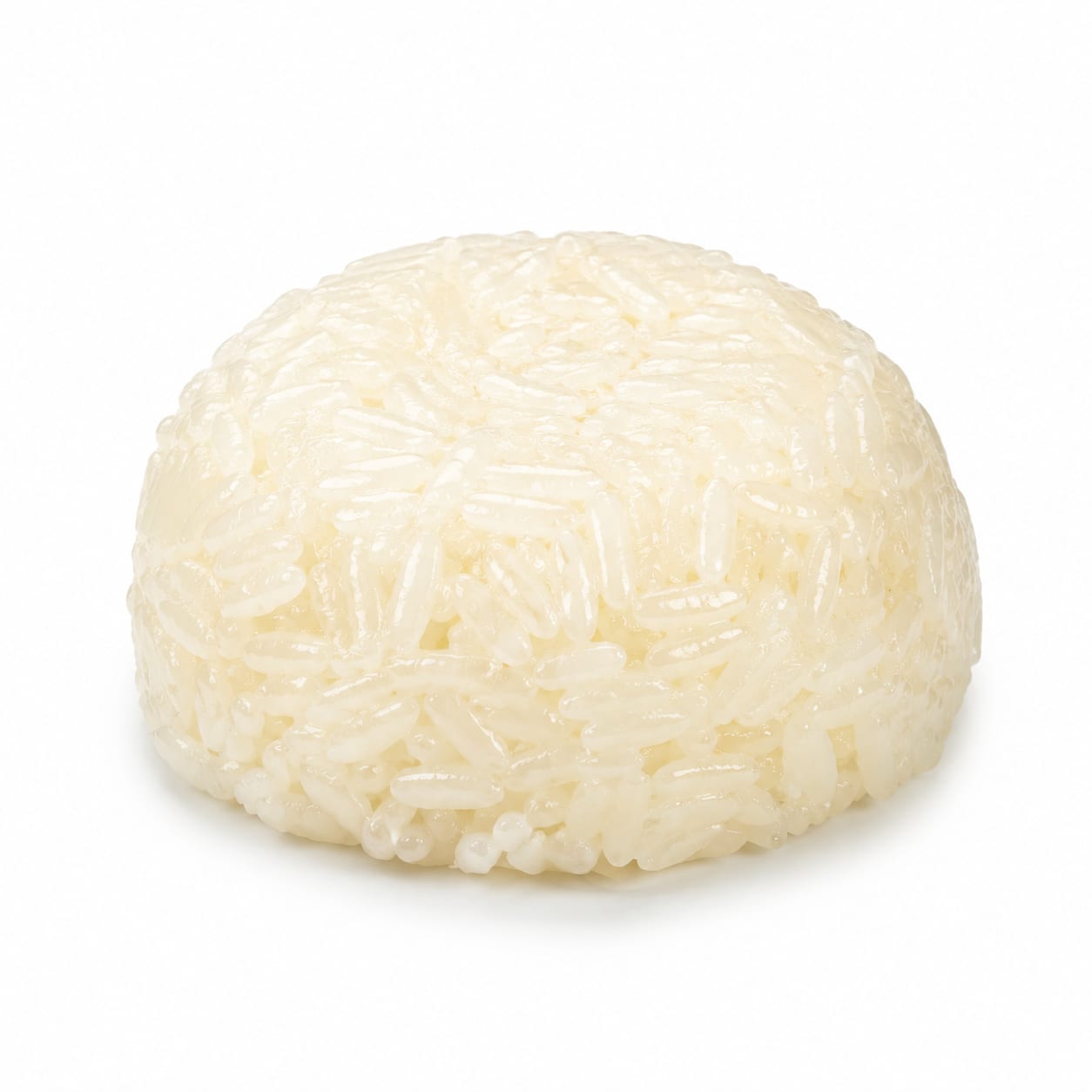
Sticky Rice
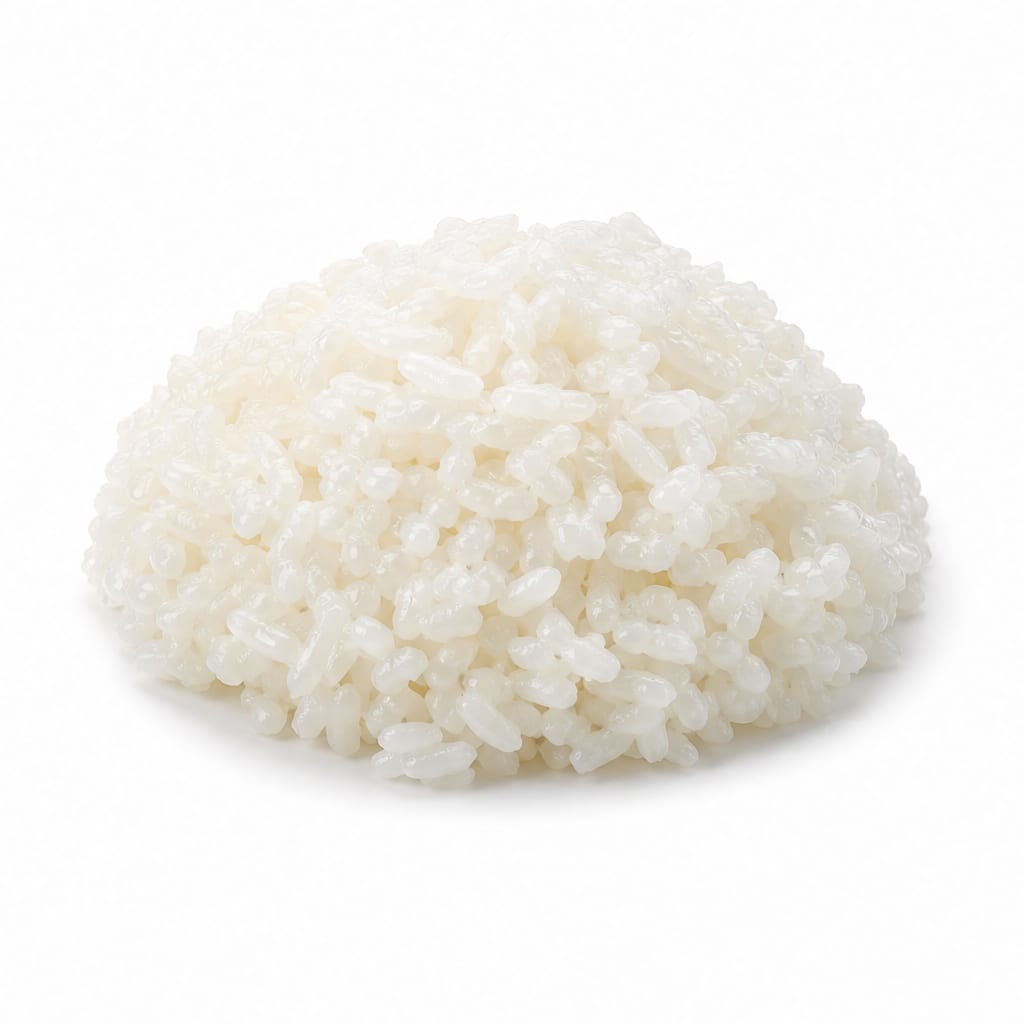
Sushi Rice
Sushi rice is slightly easier on blood sugar and more versatile for balanced meals, but sticky rice wins on simplicity with zero added sugar or sodium.
Sushi rice scores moderately higher due to its slightly better glycemic profile and meal versatility, but neither is a nutritional standout. Both are refined carbs best enjoyed in moderation rather than as dietary staples.
Sticky rice gives you a cleaner ingredient list but hits your blood sugar harder. Sushi rice adds sugar and salt but the vinegar seasoning slows glucose absorption slightly.
At a glance
Executive summary
Overall
It depends
Healthier
Sushi Rice
More practical
Sushi Rice
Daily use
Sushi Rice
Key comparison lenses
blood sugar management
Both are high-glycemic refined carbs, but sticky rice spikes blood sugar significantly faster due to its amylopectin-dominant composition
everyday meal suitability
Users often choose between these as staple carbs and need to understand how each fits into regular meals
sodium and added sugar awareness
Sushi rice contains added sugar and salt from seasoning, while sticky rice is typically plain
weight management
Both are calorie-dense refined carbs with different satiety profiles and eating patterns
digestive comfort
Sticky rice's dense texture can feel heavy, while sushi rice's vinegar may aid digestion
Best choice for
Sticky Rice
- People avoiding added sugar and sodium
- Traditional Southeast Asian dishes like mango sticky rice or larb
- Those who prefer eating rice plain without seasoning
- Anyone needing a dense, compact carb source for hiking or endurance
Sushi Rice
- Building balanced meals with protein and vegetables
- People who want slightly steadier blood sugar response
- Meal prep and portable lunches like sushi rolls or rice bowls
- Those who find vinegar-seasoned rice easier to digest
Least suitable for
Sticky Rice
- People with diabetes or insulin resistance
- Anyone monitoring blood sugar closely
- Those who tend to overeat dense carb-heavy foods
- Low-calorie or weight loss diets
Sushi Rice
- People on low-sodium diets
- Anyone strictly avoiding added sugars
- Those sensitive to vinegar or acidic foods
- Clean-eating advocates avoiding all added seasonings
Deep comparison
Dimension by dimension
Each lens scores both foods and breaks down who each option suits.
- Dimension 1 · Priority 95Sushi Rice
Blood Sugar Stability
Sticky Rice · 18Sushi Rice · 35Sticky rice causes a faster, steeper blood sugar spike than almost any other rice variety. Sushi rice is also high-glycemic but the vinegar seasoning slows glucose absorption modestly.
Tradeoff
Neither rice is blood-sugar-friendly, but sushi rice's vinegar gives it a slight edge. If blood sugar management is critical, both should be paired with protein and fiber.
Why it matters
Rapid blood sugar spikes lead to energy crashes, increased hunger, and over time, insulin resistance. The difference matters most for prediabetics and anyone trying to avoid afternoon slumps.
Real-world impact
Eating sticky rice alone can leave you hungry again within 90 minutes. Sushi rice in a roll with fish and vegetables gives you another 30-60 minutes of satisfied energy.
Sticky Rice
- Post-workout carb replenishment when fast absorption is desired
- Situations where quick energy matters more than sustained energy
Better for
- Diabetics and prediabetics
- Solo snacking without protein or fiber
- Sedentary evenings when glucose disposal is slow
Worse for
Sushi Rice
- Meals where steadier energy matters
- Anyone with mild blood sugar concerns
- Pairing with protein and fat for balanced digestion
Better for
- Strict low-glycemic diets
- Anyone assuming sushi rice is a safe choice for diabetes management
Worse for
- Dimension 2 · Priority 82Sticky Rice
Added Sugar and Sodium
Sticky Rice · 85Sushi Rice · 40Sticky rice is typically served plain with no added sugar or salt. Sushi rice is seasoned with rice vinegar, sugar, and salt, adding roughly 1-2 teaspoons of sugar and 200-400mg sodium per cup.
Tradeoff
You get a cleaner ingredient profile with sticky rice but less flavor flexibility. Sushi rice's seasoning makes it tastier and more versatile but introduces hidden sugar and sodium.
Why it matters
Added sugars and sodium add up quickly across meals. If sushi rice is your daily lunch, you are consuming extra sugar and salt you might not account for.
Real-world impact
A sushi dinner with 3 cups of seasoned rice can deliver 3-6 teaspoons of added sugar and 600-1200mg of sodium before you even count soy sauce.
Sticky Rice
- Sodium-restricted diets
- Sugar-free eating plans
- Parents wanting plain food for children
- Clean-label and whole-food preferences
Better for
- People who find plain rice unappealing and compensate with fatty or salty sides
Worse for
Sushi Rice
- Flavor without heavy sauces
- Making vegetables and lean protein more enjoyable
- Reducing the need for additional salty condiments
Better for
- Hypertension management
- Sugar-free or low-carb transitions
- Anyone tracking hidden calories
Worse for
- Dimension 3 · Priority 78Sushi Rice
Satiety and Fullness
Sticky Rice · 38Sushi Rice · 48Sticky rice is extremely dense and compact, which feels filling initially but digests quickly. Sushi rice is typically eaten with protein and vegetables, creating a more satisfying meal overall.
Tradeoff
Sticky rice feels heavier in the moment but leaves you hungry sooner. Sushi rice is lighter per bite but usually comes in more balanced meals.
Why it matters
Foods that leave you hungry soon after eating drive overeating and poor snack choices later. Context and pairing matter more than the rice itself.
Real-world impact
A plate of sticky rice with mango feels like a lot of food but leaves you searching for snacks an hour later. A sushi roll with the same rice keeps you satisfied until your next meal.
Sticky Rice
- Quick pre-activity fueling when you need calories without feeling bloated
Better for
- Emotional eaters who confuse density with satisfaction
- Anyone trying to reduce overall calorie intake
Worse for
Sushi Rice
- Meals where staying full for 3-4 hours matters
- Preventing afternoon cravings
- Portion control through balanced plate composition
Better for
- Very active people who need large calorie intakes affordably
Worse for
- Dimension 4 · Priority 68Sushi Rice
Digestive Tolerance
Sticky Rice · 45Sushi Rice · 58Sticky rice's dense, gummy texture can feel heavy and slow to digest for some people. Sushi rice's vinegar content may aid digestion and slightly reduce bloating.
Tradeoff
Sticky rice is gentle ingredient-wise but physically dense. Sushi rice adds vinegar which helps digestion but may irritate sensitive stomachs.
Why it matters
Digestive comfort affects meal enjoyment, portion control, and whether you feel energized or sluggish after eating.
Real-world impact
After a sticky rice meal, you might feel pleasantly full or uncomfortably stuffed depending on portion size. Sushi rice tends to feel lighter in the stomach.
Sticky Rice
- People with vinegar sensitivity or acid reflux triggered by acidic foods
- Those who prefer warm, comforting, plain carbs when feeling unwell
Better for
- Anyone prone to feeling overly full or sluggish after carb-heavy meals
- Gastroparesis or slow gastric emptying
Worse for
Sushi Rice
- People who feel bloated after heavy carb meals
- Those who benefit from vinegar's digestive properties
- Hot weather eating when heavy foods feel unappealing
Better for
- GERD or acid reflux sufferers sensitive to vinegar
- Those with irritable bowel sensitive to fermented or acidic foods
Worse for
- Dimension 5 · Priority 72Sushi Rice
Culinary Versatility
Sticky Rice · 40Sushi Rice · 75Sushi rice works in rolls, bowls, onigiri, and side dishes. Sticky rice has a narrower range, excelling mainly in Southeast Asian dishes and desserts.
Tradeoff
Sticky rice is irreplaceable in specific traditional dishes but harder to incorporate into varied weekly meals. Sushi rice adapts easily to many cuisines and meal formats.
Why it matters
A versatile staple makes it easier to build balanced meals consistently, which matters more for long-term health than any single nutrient profile.
Real-world impact
Leftover sushi rice becomes a grain bowl, fried rice, or onigiri. Leftover sticky rice mostly gets reheated as a side or turned into a sweet snack.
Sticky Rice
- Authentic Thai and Lao cuisine
- Dessert applications like mango sticky rice
- Cultural and traditional cooking
Better for
- Busy people who need one staple for multiple meal types
- Those who eat varied international cuisines weekly
Worse for
Sushi Rice
- Weekly meal prep with varied cuisines
- Bento boxes and portable lunches
- Fusion cooking and creative recipes
- Getting picky eaters to enjoy rice-based meals
Better for
- Traditional Southeast Asian recipes where texture must be glutinous
Worse for
Timeline
Health impact over time
Short-term
Hours to days
Sticky Rice
- Rapid blood sugar spike within 30-45 minutes of eating
- Quick energy surge followed by potential crash
- Feeling of heavy fullness that fades faster than expected
- Sleepiness or lethargy if eaten in large portions without protein
Sushi Rice
- Moderate blood sugar rise, slightly delayed by vinegar
- More sustained energy when paired with protein and vegetables
- Mild digestive aid from vinegar content
- Thirst from sodium content if heavily seasoned
Long-term
Months to years
Sticky Rice
- Regular consumption without protein or fiber pairing may worsen insulin sensitivity
- Higher diabetes risk if eaten frequently as a standalone carb
- Minimal sodium exposure supports healthier blood pressure
- Possible weight gain from calorie density and low satiety
Sushi Rice
- Added sodium contributes to cumulative daily intake, potentially affecting blood pressure over time
- Vinegar's modest blood sugar benefit may compound positively with regular consumption
- Hidden sugar intake adds up across frequent sushi meals
- Better meal pairing habits may develop naturally due to sushi's structure
Risk profile
Safety & processing
Sticky rice is typically just steamed glutinous rice with nothing added. Sushi rice is the same base grain but seasoned with vinegar, sugar, and salt, which moves it into lightly processed territory. Neither contains artificial additives or preservatives, but sushi rice's seasoning adds refined sugar and sodium that sticky rice avoids entirely.
Sticky Rice
Arsenic exposure
lowGlutinous rice tends to have slightly lower arsenic levels than some long-grain varieties, but all rice contains some inorganic arsenic. Rinsing thoroughly before cooking reduces this.
Foodborne illness from improper holding
mediumSticky rice is often held at room temperature for extended periods at gatherings or markets. Bacillus cereus can grow in rice left unrefrigerated for over 2 hours.
Sushi Rice
Arsenic exposure
lowSimilar to other short-grain rice varieties. Rinsing before cooking and using varied grain sources minimizes risk.
Foodborne illness from raw fish pairing
mediumThe rice itself is low-risk, but sushi rice is frequently paired with raw fish, which introduces parasite and bacterial contamination risk. Vinegar provides some antimicrobial effect but is not sufficient alone.
Sodium-related health effects
lowThe seasoning adds moderate sodium. Not an acute safety concern but contributes to cumulative intake affecting blood pressure over time.
Who wins for whom
Audience fit
Same foods, different winners depending on your goal.
children
Sticky RiceSticky rice is plain, free of added sugar and sodium, and its fun texture appeals to kids. Parents have full control over what accompanies it. Sushi rice introduces unnecessary added sugar to a child's diet.
daily consumption
Sushi RiceSushi rice integrates more easily into varied, balanced meals throughout the week. Its versatility makes it more sustainable as an everyday staple, though both should be moderated due to their refined carb nature.
diabetes
Sushi RiceNeither is ideal, but sushi rice's vinegar content slightly blunts the glucose response. The margin is small, and portion control matters far more than rice choice for diabetics.
elderly
Sushi RiceSushi rice is softer and easier to chew, and the vinegar may aid digestion in aging stomachs. Sticky rice's dense texture can be difficult for those with dental issues or slower digestion.
muscle gain
It dependsBoth provide fast-digesting carbs useful post-workout. Sticky rice absorbs slightly faster, which can be advantageous immediately after training. Sushi rice works better in a complete post-workout meal with protein.
weight loss
Sushi RiceSushi rice is typically eaten in smaller portions with filling protein and vegetables, making it easier to control calories. Sticky rice is often consumed in larger quantities with less protein pairing.
Your move
Decision guide
Choose Sticky Rice
- You want a plain carb with zero added sugar or sodium
- You are cooking Southeast Asian dishes where sticky texture is essential
- You need dense, portable calories for hiking or endurance activities
- You are feeding children and want full control over seasonings
- You find plain rice satisfying and do not need flavor enhancement
Choose Sushi Rice
- You want a more versatile rice that works across multiple cuisines and meal types
- You are meal prepping balanced bowls, rolls, or bento boxes
- You want slightly steadier energy from the vinegar-blunted glycemic response
- You enjoy rice more when it has flavor, which helps with portion satisfaction
- You are building meals around lean protein and vegetables and need a carb that complements them
Either works if
- You are eating rice occasionally and the nutritional differences will not matter much
- You are pairing either rice with plenty of protein, fiber, and healthy fats
- You are an active person who tolerates high-glycemic carbs well
Avoid both if
- You have diabetes or insulin resistance and have not stabilized your blood sugar
- You are following a low-carb or ketogenic diet
- You are trying to reduce refined carbohydrate intake for metabolic health
- You are sensitive to arsenic and already consume rice daily from other sources
Final recommendation
For most people eating rice a few times per week, sushi rice is the more practical and slightly healthier choice due to its versatility and modest blood sugar advantage. However, if you are strictly avoiding added sugar and sodium, sticky rice is the cleaner option. The real decision is not which rice to pick, but whether either should be a daily staple. Both are best enjoyed as part of a meal rich in protein, vegetables, and healthy fats, rather than as a standalone carb. Pair wisely, watch portions, and neither will derail your health goals.
Practical
Consumer tips
- 1
Rinse both rice types thoroughly before cooking to reduce arsenic and improve texture
- 2
Always pair either rice with protein and fiber to slow digestion and stabilize blood sugar
- 3
Refrigerate leftover rice within 2 hours to prevent Bacillus cereus growth
- 4
Make sushi rice at home so you control the sugar and salt amounts in the seasoning
- 5
Try mixing either rice with cauliflower rice to cut calories and add fiber while keeping the texture you enjoy
- 6
If choosing sticky rice, add a side of grilled chicken or tofu and vegetables rather than eating it alone or with sweet toppings
- 7
Limit either rice to 1 cup cooked per meal for most adults, and fill half your plate with non-starchy vegetables
- 8
Vary your grain choices throughout the week with quinoa, farro, or brown rice to reduce arsenic exposure and improve nutrient diversity