
Nutrition comparison
Sticky Rice vs Cauliflower Rice: Nutrition, Carbs, and Health Comparison
Compare Sticky Rice vs Cauliflower Rice for weight loss, blood sugar, and nutrition. See which is better for keto, diabetes, and everyday meals.
Overall winner · Cauliflower Rice
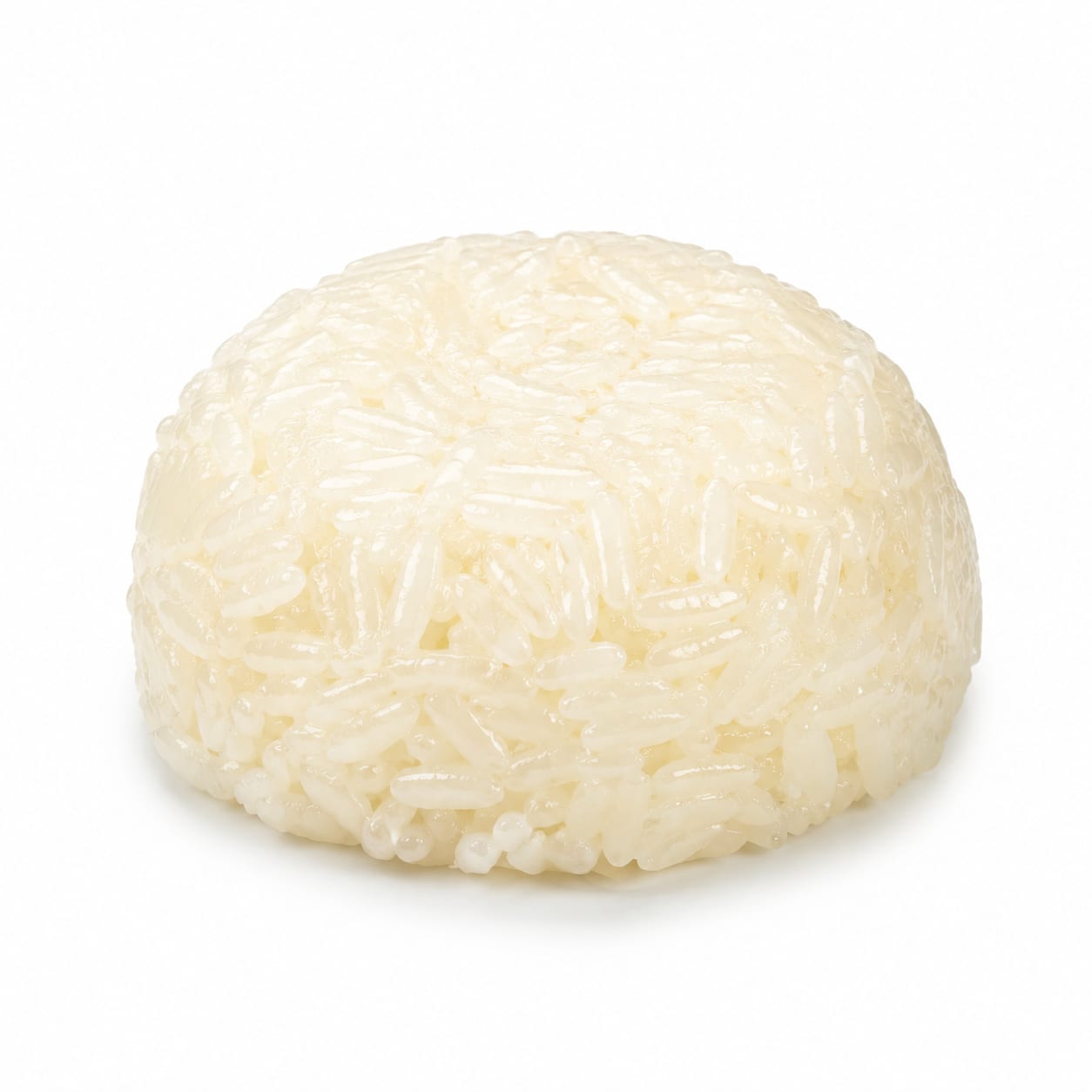
Sticky Rice
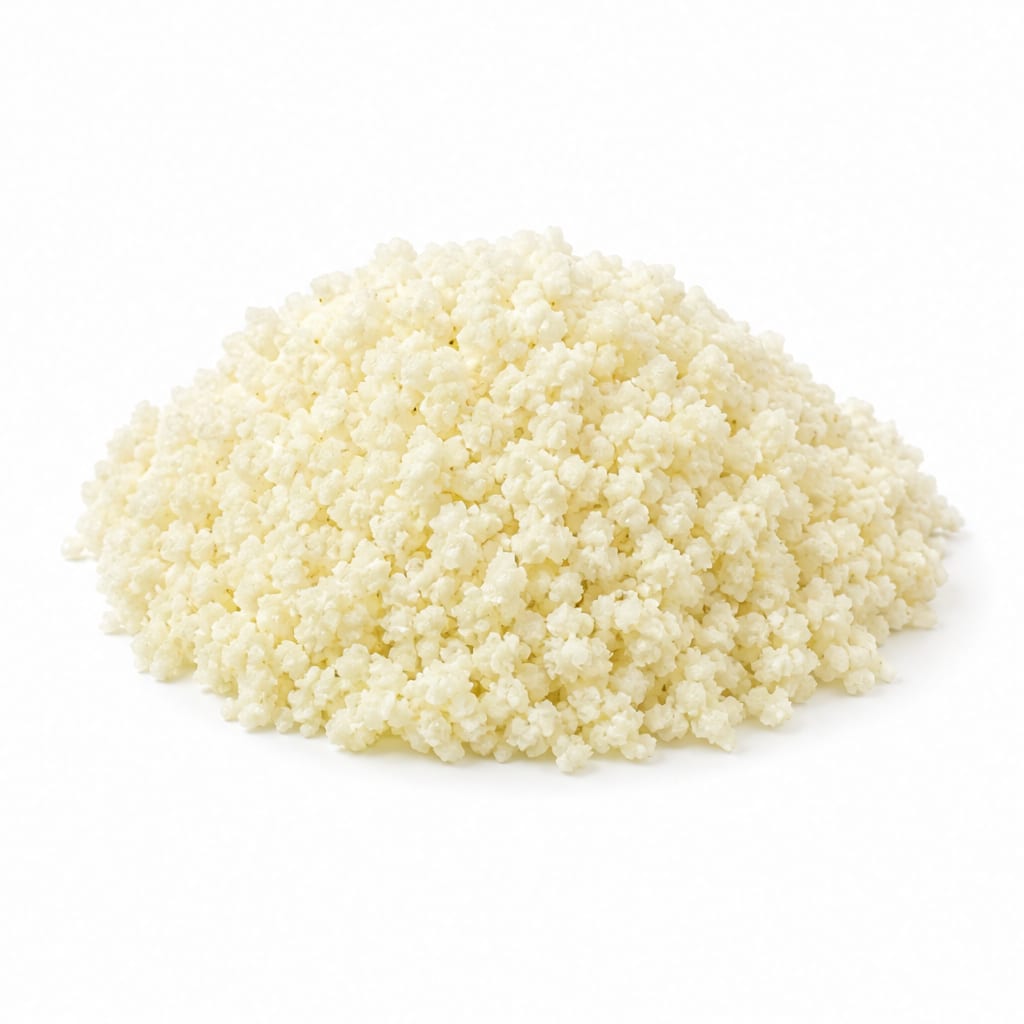
Cauliflower Rice
Cauliflower Rice wins for metabolic health and weight management, but Sticky Rice delivers unmatched comfort and quick energy.
Cauliflower Rice scores significantly higher due to its low calorie density, high fiber, and blood sugar stability. Sticky Rice scores lower because its high glycemic load and minimal nutrient density make it a less optimal everyday staple for sedentary or metabolically compromised individuals.
You are trading quick-digesting carbs and comforting texture for low calories and steady blood sugar.
At a glance
Executive summary
Overall
Cauliflower Rice
Healthier
Cauliflower Rice
More practical
It depends
Daily use
Cauliflower Rice
Key comparison lenses
blood sugar management
Sticky Rice is extremely high on the glycemic index, while Cauliflower Rice has virtually zero impact on blood sugar.
weight loss and calorie reduction
Cauliflower Rice offers massive calorie savings compared to Sticky Rice, making it a go-to for dieting.
cultural authenticity vs dietary substitution
Sticky Rice provides irreplaceable texture and cultural satisfaction in Asian cuisine, whereas Cauliflower Rice is a functional mimic.
digestive tolerance
Sticky Rice is gentle and easy to digest for sensitive stomachs, while Cauliflower Rice can cause bloating or gas in some people.
Best choice for
Sticky Rice
- Athletes needing fast glycogen replenishment
- People with sensitive digestion or upset stomachs
- Traditional Asian meals where texture is essential
Cauliflower Rice
- Low-carb and keto dieters
- People managing type 2 diabetes or insulin resistance
- Anyone cutting calories without shrinking portion sizes
Least suitable for
Sticky Rice
- People with diabetes or blood sugar issues
- Low-carb dieters
- Those trying to lose weight rapidly
Cauliflower Rice
- High-performance endurance athletes needing carbs
- People with IBS or severe cruciferous vegetable intolerances
- Those seeking traditional culinary authenticity
Deep comparison
Dimension by dimension
Each lens scores both foods and breaks down who each option suits.
- Dimension 1 · Priority 95Cauliflower Rice
blood sugar stability
Sticky Rice · 15Cauliflower Rice · 98Sticky Rice causes rapid blood sugar spikes; Cauliflower Rice keeps levels completely steady.
Tradeoff
You lose the quick energy burst from Sticky Rice but avoid the subsequent crash and fatigue.
Why it matters
Frequent blood sugar spikes drive cravings, fatigue, and long-term insulin resistance.
Real-world impact
Eating Sticky Rice alone for lunch often leads to an afternoon energy crash, whereas Cauliflower Rice keeps you on an even keel.
Sticky Rice
- Post-workout recovery when glycogen depletion is real
Better for
- Sustained focus during long work sessions
- Fasting blood sugar management
Worse for
Cauliflower Rice
- Preventing the mid-afternoon energy slump
- Managing diabetes or prediabetes
Better for
- Quick recovery after intense, glycogen-depleting exercise
Worse for
- Dimension 2 · Priority 90Cauliflower Rice
calorie density and weight management
Sticky Rice · 25Cauliflower Rice · 95Cauliflower Rice allows massive portion sizes for very few calories, while Sticky Rice is calorie-dense and easy to overeat.
Tradeoff
Sticky Rice is more calorie-efficient for weight gain, while Cauliflower Rice is far superior for weight loss.
Why it matters
Volume eating helps you feel full without overconsuming calories, which is the key to sustainable weight loss.
Real-world impact
You can eat a massive bowl of Cauliflower Rice for under 50 calories, but a standard bowl of Sticky Rice packs over 200 calories and may not keep you full as long.
Sticky Rice
- Bulking phases where getting enough calories is a struggle
Better for
- Creating a calorie deficit
- Controlling portion sizes intuitively
Worse for
Cauliflower Rice
- Cutting calories without feeling deprived
- Eating large, satisfying portions
Better for
- Getting enough calories for heavy training loads
Worse for
- Dimension 3 · Priority 80Cauliflower Rice
nutritional value
Sticky Rice · 20Cauliflower Rice · 85Cauliflower Rice brings fiber, vitamin C, and antioxidants; Sticky Rice is mostly pure starch with trace nutrients.
Tradeoff
Sticky Rice provides clean, easily digestible fuel, but Cauliflower Rice offers actual micronutrients and gut-friendly fiber.
Why it matters
Micronutrients and fiber support immune function, digestion, and long-term disease prevention.
Real-world impact
Choosing Cauliflower Rice helps you hit your daily vegetable targets and keeps your digestion regular, while Sticky Rice acts as empty energy.
Sticky Rice
- Pre-race meals where fiber would cause stomach distress
Better for
- Meeting daily vitamin and mineral needs
Worse for
Cauliflower Rice
- Boosting daily fiber intake
- Increasing antioxidant consumption
Better for
- Race day or intense competition fueling
Worse for
- Dimension 4 · Priority 70Sticky Rice
digestive tolerance
Sticky Rice · 85Cauliflower Rice · 45Sticky Rice is extremely gentle on the gut, while Cauliflower Rice can trigger bloating and gas.
Tradeoff
You get gut-soothing comfort from Sticky Rice, but risk gassiness with large portions of Cauliflower Rice.
Why it matters
Digestive discomfort can ruin your day and make healthy eating feel punishing.
Real-world impact
Sticky Rice is a classic comfort food when you feel unwell, whereas a big bowl of Cauliflower Rice might leave you reaching for stretchy pants.
Sticky Rice
- Recovering from a stomach bug
- Days when your digestion feels sensitive
Better for
- Promoting diverse, robust gut microbiota
Worse for
Cauliflower Rice
- Feeding beneficial gut bacteria with prebiotic fiber
Better for
- Date nights or occasions where bloating is highly undesirable
Worse for
- Dimension 5 · Priority 75Sticky Rice
culinary satisfaction and texture
Sticky Rice · 90Cauliflower Rice · 40Sticky Rice offers a unique, chewy, and comforting bite; Cauliflower Rice is watery and lacks cohesion.
Tradeoff
You sacrifice authentic mouthfeel and cultural satisfaction when swapping to the vegetable alternative.
Why it matters
Food is not just fuel; texture and emotional satisfaction determine if a diet is sustainable.
Real-world impact
Eating Thai curry with Cauliflower Rice feels like a compromise, but pairing it with Sticky Rice feels like a real, satisfying meal.
Sticky Rice
- Traditional Asian dishes like mango sticky rice or laab
- Comfort meals on cold days
Better for
- Light, refreshing summer meals
Worse for
Cauliflower Rice
- Burrito bowls where the rice texture matters less
- Meals where the sauce carries the flavor
Better for
- Dishes requiring chopsticks and a sticky texture
Worse for
Timeline
Health impact over time
Short-term
Hours to days
Sticky Rice
- Rapid energy surge followed by a potential crash
- Quick relief from acute hunger
- Soothing effect on an upset stomach
Cauliflower Rice
- Steady, crash-free energy levels
- Immediate feeling of physical fullness from volume
- Possible gassiness or bloating if you eat a large portion
Long-term
Months to years
Sticky Rice
- Increased risk of insulin resistance if consumed in large amounts without activity
- Potential contribution to weight gain due to high calorie density
- Minimal protection against chronic disease due to low micronutrient content
Cauliflower Rice
- Improved blood sugar regulation and insulin sensitivity
- Better weight management due to low calorie density
- Enhanced gut health and reduced cancer risk from glucosinolates in cruciferous veggies
Risk profile
Safety & processing
Both are whole foods in their natural state. However, pre-packaged Cauliflower Rice often undergoes more handling and may contain preservatives to maintain freshness, whereas Sticky Rice is typically sold as a raw, untouched grain.
Sticky Rice
Arsenic exposure
mediumRice naturally accumulates more arsenic than other crops. Sticky Rice generally has lower arsenic than brown rice, but regular consumption still warrants moderation and proper rinsing.
Cauliflower Rice
Pesticide residue
mediumCauliflower is not on the highest-risk list, but its tight florets can trap pesticide spray. Washing thoroughly or choosing organic mitigates this.
Bacterial contamination in pre-cut versions
mediumPre-riced cauliflower has more surface area exposed to air and processing equipment, increasing the risk of spoilage and foodborne illness compared to a whole head.
Who wins for whom
Audience fit
Same foods, different winners depending on your goal.
children
Sticky RiceSticky Rice is easy to chew, gentle on immature digestive systems, and provides the energy growing kids actively need.
daily consumption
Cauliflower RiceCauliflower Rice offers more daily nutritional value and metabolic safety for the average sedentary to moderately active adult.
diabetes
Cauliflower RiceCauliflower Rice has virtually zero carbs and will not spike blood sugar, making it a safe and filling choice for glucose management.
elderly
It dependsSticky Rice is easier to chew and digest for those with dental or gut issues, but Cauliflower Rice is better for managing blood sugar and weight in older adults.
muscle gain
Sticky RiceSticky Rice provides the dense, fast-digesting carbohydrates needed to replenish glycogen and support intense training volumes.
weight loss
Cauliflower RiceCauliflower Rice allows you to eat a large volume of food for minimal calories, making it far easier to sustain a calorie deficit.
Your move
Decision guide
Choose Sticky Rice
- You are an athlete carb-loading before or refueling after an event
- You are making traditional Thai or Laotian dishes where the sticky texture is essential
- You have a sensitive stomach and need a bland, easily digestible comfort food
Choose Cauliflower Rice
- You are trying to lose weight or maintain a calorie deficit without eating tiny portions
- You have diabetes, prediabetes, or want to avoid afternoon energy crashes
- You want to increase your daily vegetable and fiber intake effortlessly
Either works if
- You are mixing the two to balance texture and health benefits
- You are eating a heavily sauced dish where the base grain is mostly a vehicle for flavor
Avoid both if
- You need a high-protein base for your meal, as both are essentially protein-free
Final recommendation
Use Cauliflower Rice as your everyday base to keep calories low and blood sugar steady. Save Sticky Rice for post-workout refueling, cultural meals, or when you need true comfort food. Mixing half of each is a great compromise that adds fiber and cuts calories while preserving some of that satisfying chew.
Practical
Consumer tips
- 1
Rinse Sticky Rice thoroughly and soak it before cooking to reduce arsenic levels and achieve the best texture.
- 2
If Cauliflower Rice tastes too watery, dry-fry it in a pan for a few minutes before adding sauce to improve the texture.
- 3
Try a 50/50 mix of Sticky Rice and Cauliflower Rice to cut calories in half while keeping a recognizable rice texture.
- 4
Buy whole cauliflower heads and pulse them in a food processor rather than buying pre-riced bags to save money and reduce food safety risks.