
Nutrition comparison
Sticky Rice vs Basmati Rice: Which Is Healthier for Daily Eating?
Basmati rice beats sticky rice for blood sugar control, satiety, and daily use. Learn the key nutritional differences and when each rice makes sense.
Overall winner · Basmati Rice
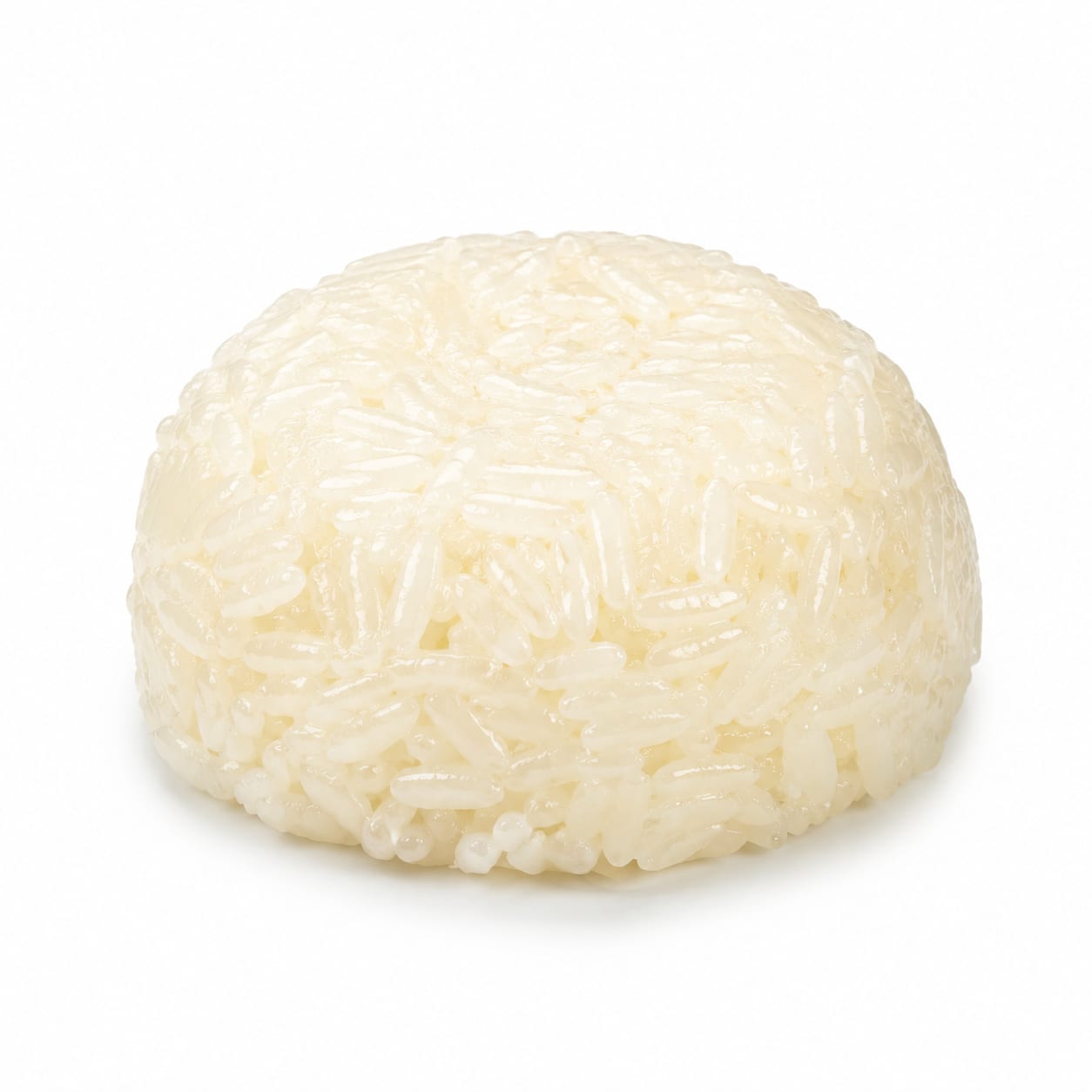
Sticky Rice
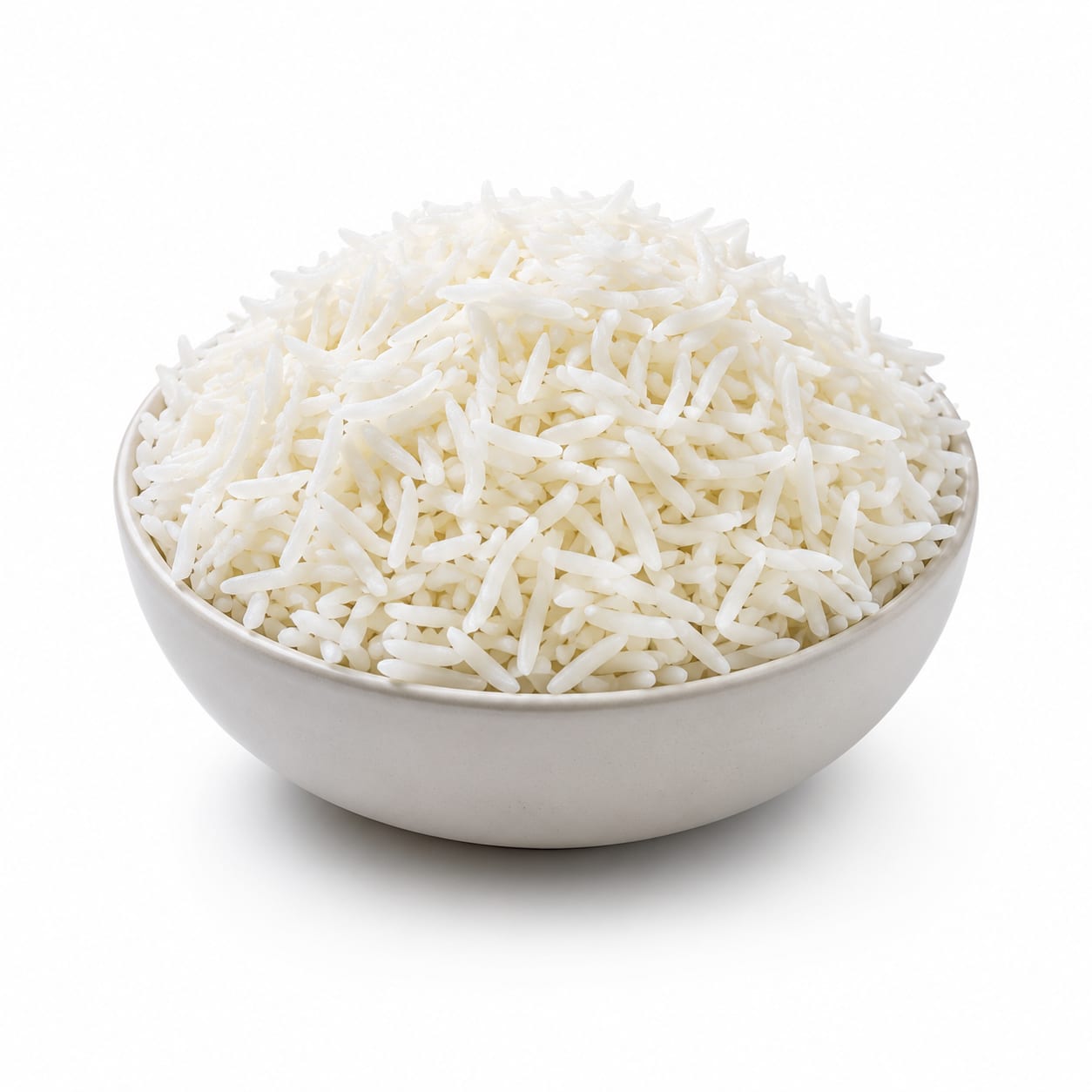
Basmati Rice
Basmati rice is the clearly healthier choice for daily eating due to its dramatically lower glycemic impact and steadier energy. Sticky rice is a delicious occasional treat but spikes blood sugar fast.
Basmati scores significantly higher due to its lower glycemic index, better satiety, and stronger suitability as a daily staple. Sticky rice is not inherently bad but its metabolic impact makes it a poor everyday choice for most people.
Sticky rice delivers a comforting, chewy texture and cultural authenticity for specific dishes, but at the cost of rapid blood sugar spikes. Basmati sacrifices that sticky satisfaction for metabolic stability.
At a glance
Executive summary
Overall
Basmati Rice
Healthier
Basmati Rice
More practical
Basmati Rice
Daily use
Basmati Rice
Key comparison lenses
blood sugar management
The glycemic gap between these two rices is massive — this is the single most important difference for most people
daily staple selection
Both are everyday carbs in different cuisines, so long-term sustainability matters enormously
diabetes risk and metabolic health
Sticky rice is one of the highest GI rices available, making this a critical health decision for many
weight management
Satiety and blood sugar directly affect hunger and overeating patterns throughout the day
cultural and culinary fit
Each rice serves completely different dishes and traditions, so practicality depends heavily on meal context
Best choice for
Sticky Rice
- Traditional Southeast Asian and Thai dishes where texture is essential
- Occasional desserts and celebratory meals
- Post-workout carb refueling when quick glycogen replenishment is desired
- People who struggle to eat enough calories and need easy-to-consume carbs
Basmati Rice
- Daily staple rice for regular meals
- People managing diabetes, prediabetes, or insulin resistance
- Weight management and steady appetite control
- Anyone wanting sustained energy without afternoon crashes
- Meal prep and batch cooking due to better leftover texture
Least suitable for
Sticky Rice
- People with diabetes or blood sugar concerns
- Those trying to lose weight or control cravings
- Sedentary individuals eating large portions of rice daily
- Anyone prone to energy crashes after carb-heavy meals
Basmati Rice
- Recipes specifically requiring sticky texture like sushi or mango sticky rice
- People who find long-grain rice unsatisfying and end up overeating other foods
- Traditional dishes where basmati's aroma clashes with intended flavors
Deep comparison
Dimension by dimension
Each lens scores both foods and breaks down who each option suits.
- Dimension 1 · Priority 95Basmati Rice
Blood Sugar Stability
Sticky Rice · 15Basmati Rice · 75This is the biggest difference between the two. Sticky rice has one of the highest glycemic indexes of any rice, while basmati is among the lowest.
Tradeoff
Sticky rice gives you quick energy but crashes you just as fast. Basmati releases energy slowly over hours.
Why it matters
Blood sugar spikes trigger hunger, fatigue, and over time increase diabetes risk. This single factor makes basmati the safer daily choice for most people.
Real-world impact
Eat sticky rice for lunch and you may feel sleepy by 2pm and hungry again by 3pm. Basmati keeps you steady until dinner.
Sticky Rice
- Quick energy before intense exercise
- Recovery meals after endurance training
- Underweight individuals needing easy calories
Better for
- Anyone insulin resistant
- Sedentary office workers
- Late-night eating
Worse for
Basmati Rice
- Managing diabetes or prediabetes
- Avoiding afternoon energy crashes
- Controlling hunger between meals
- Long workdays requiring sustained focus
Better for
- Immediate post-workout when fast carbs are actually beneficial
- Situations where quick calorie absorption is the goal
Worse for
- Dimension 2 · Priority 82Basmati Rice
Satiety and Fullness
Sticky Rice · 30Basmati Rice · 68Basmati keeps you fuller for longer due to its higher amylose content and slower digestion. Sticky rice digests rapidly, leaving you hungry sooner.
Tradeoff
Sticky rice feels satisfying in the moment because of its dense, chewy texture, but that fullness fades fast.
Why it matters
If your rice does not keep you full, you end up snacking more and eating more calories overall.
Real-world impact
A basmati bowl at noon can hold you until 6pm. The same portion of sticky rice may have you reaching for snacks by 3pm.
Sticky Rice
- Small portions as a side where you are eating protein and fat anyway
- Meals where you want a light carb that does not feel heavy in the stomach
Better for
- Anyone prone to overeating when hungry
- Dieters relying on rice as a primary calorie source
Worse for
Basmati Rice
- Main carb source in a meal where sustained fullness matters
- Weight loss diets where hunger control is critical
- Long gaps between meals
Better for
- Right before exercise when you want a light stomach
Worse for
- Dimension 3 · Priority 55Basmati Rice
Nutritional Density
Sticky Rice · 32Basmati Rice · 52Neither rice is a nutritional powerhouse, but basmati edges ahead with slightly more fiber, protein, and micronutrients — especially in whole-grain versions.
Tradeoff
Both are primarily carb sources. If nutrition is your priority, neither should be your main focus compared to vegetables, legumes, or proteins.
Why it matters
Small nutritional differences add up over years of daily consumption, but neither rice will dramatically move the needle on its own.
Real-world impact
Over a year of daily eating, basmati's extra fiber and protein make a modest but real difference in digestion and satiety.
Sticky Rice
- Enriched sticky rice varieties in some regions
Better for
- Anyone relying on rice as a significant nutrient source
- Low-fiber diets
Worse for
Basmati Rice
- Brown basmati which retains bran and germ
- Daily consumption where small advantages compound
- Digestive regularity from slightly more fiber
Better for
- Situations where the nutritional gap is trivial compared to other foods in the meal
Worse for
- Dimension 4 · Priority 60It depends
Culinary Versatility and Practicality
Sticky Rice · 50Basmati Rice · 70Basmati works across more cuisines and reheats better. Sticky rice is essential for specific dishes but limited beyond its niche.
Tradeoff
Sticky rice is irreplaceable in Thai, Lao, and certain Chinese dishes. Basmati is the more flexible everyday option.
Why it matters
A rice you can use in more meals is easier to keep as a staple without waste or boredom.
Real-world impact
Basmati works as a side for curries, stir-fries, bowls, and salads. Sticky rice really only shines in its traditional pairings.
Sticky Rice
- Thai and Lao cuisine where it is culturally correct
- Dumplings and dim sum pairings
- Desserts like mango sticky rice
- Hand-eating traditions where stickiness is practical
Better for
- Fried rice which needs separate grains
- Salads and cold dishes
- Meal prepping in bulk
Worse for
Basmati Rice
- Indian, Middle Eastern, and fusion cooking
- Meal prep since it reheats without getting gummy
- Rice bowls, pilafs, and salads requiring separate grains
- Batch cooking for the week
Better for
- Any dish specifically requiring sticky texture
- Cuisines where basmati's aroma is out of place
Worse for
- Dimension 5 · Priority 58It depends
Digestive Tolerance
Sticky Rice · 55Basmati Rice · 60Both are generally easy to digest, but in opposite ways. Sticky rice is soft and easy on the stomach mechanically. Basmati is gentler metabolically.
Tradeoff
Sticky rice feels easier to eat if you have mouth or throat sensitivity, but its rapid digestion can cause blood sugar swings that upset digestion indirectly.
Why it matters
People with sensitive stomachs may tolerate one better than the other depending on their specific issue.
Real-world impact
If you have nausea or difficulty chewing, sticky rice goes down easy. If you have blood sugar-related digestive issues, basmati is safer.
Sticky Rice
- Recovery from illness when soft foods are needed
- Elderly with chewing difficulties
- Upset stomach where bland soft carbs help
Better for
- Blood sugar-related bloating or discomfort
- Portion control issues
Worse for
Basmati Rice
- IBS or gut issues triggered by blood sugar swings
- Acid reflux where slower digestion helps
- Long-term gut health with more fiber
Better for
- Acute stomach upset where soft texture matters more
Worse for
Timeline
Health impact over time
Short-term
Hours to days
Sticky Rice
- Rapid blood sugar spike within 30-60 minutes of eating
- Quick energy burst followed by potential crash and fatigue
- May trigger hunger again within 2-3 hours
- Soft texture makes it easy to overeat without realizing
Basmati Rice
- Gradual, steady blood sugar rise over 1-2 hours
- Sustained energy without the crash
- Longer-lasting fullness between meals
- Easier to stop eating at a reasonable portion
Long-term
Months to years
Sticky Rice
- Daily consumption increases risk of type 2 diabetes significantly
- Repeated blood sugar spikes promote insulin resistance over years
- Higher likelihood of weight gain due to hunger cycles and overeating
- Chronic low-grade inflammation from metabolic stress
Basmati Rice
- Lower diabetes risk when eaten regularly as a staple
- Better weight maintenance due to improved satiety signals
- More stable metabolic markers over time
- Modest fiber benefit for gut health if choosing brown basmati
Risk profile
Safety & processing
Both sticky rice and basmati rice are whole, minimally processed grains in their natural form. Any processing concern comes from milling that removes the bran layer in white versions, not from additives. Brown versions of both exist and retain more nutrients.
Sticky Rice
Arsenic contamination
mediumGlutinous rice can accumulate arsenic from soil and water, similar to other rice varieties. Washing thoroughly and cooking with excess water reduces exposure.
Bacillus cereus from improper storage
mediumSticky rice's moisture and dense texture create a slightly higher risk of bacterial growth if left at room temperature after cooking. Refrigerate promptly.
Basmati Rice
Arsenic contamination
lowBasmati rice typically has lower arsenic levels than many other rice types, especially sources from India and Pakistan. Still worth rinsing before cooking.
Pesticide residue in non-organic varieties
lowStandard concern for conventionally grown rice. Rinsing and choosing organic reduces this further.
Who wins for whom
Audience fit
Same foods, different winners depending on your goal.
children
Basmati RiceSteadier energy supports better focus and mood in kids. Sticky rice's sugar spikes can contribute to behavioral ups and downs.
daily consumption
Basmati RiceBasmati's metabolic profile makes it sustainable as a daily staple. Sticky rice is best enjoyed a few times per week at most.
diabetes
Basmati RiceThis is not close. Basmati has a dramatically lower glycemic index and is one of the safest rice choices for blood sugar management. Sticky rice is among the worst.
elderly
It dependsBasmati is metabolically safer, but sticky rice's soft texture helps those with dental or swallowing difficulties. Choose based on the specific health concern.
muscle gain
It dependsSticky rice provides faster carbs useful post-workout, but basmati is better for sustained energy throughout training days. Context determines the winner.
weight loss
Basmati RiceBasmati's lower glycemic index and higher satiety make it far easier to control portions and avoid hunger-driven snacking.
Your move
Decision guide
Choose Sticky Rice
- You are cooking Thai, Lao, or specific Chinese dishes where sticky texture is essential
- You need quick carbs after intense exercise
- You are underweight and need calorie-dense, easy-to-eat food
- It is a special occasion or cultural celebration
- You have difficulty chewing or swallowing and need soft food
Choose Basmati Rice
- You eat rice daily as a staple carb
- You want steady energy without crashes
- You are managing weight, blood sugar, or diabetes risk
- You meal prep and need rice that reheats well
- You want a versatile rice that works across many cuisines
Either works if
- You only eat rice occasionally and portion sizes are moderate
- You are mixing rice with high-fiber, high-protein dishes that blunt glycemic impact
- Both fit your cultural cooking traditions in different meals
Avoid both if
- You are on a strict low-carb or ketogenic diet
- You have severe diabetes and need to minimize all high-carb staples
- You are looking for nutrient-dense foods — neither rice is a nutritional standout compared to vegetables, legumes, or tubers
Final recommendation
Make basmati your everyday rice and treat sticky rice as an occasional pleasure. The blood sugar difference alone makes this one of the clearest staple choices you can make. If you love sticky rice, enjoy it weekly rather than daily, and pair it with protein and vegetables to slow the sugar rush.
Practical
Consumer tips
- 1
Rinse both rices thoroughly before cooking to reduce arsenic and improve texture
- 2
Choose brown basmati when possible for extra fiber and nutrients — the glycemic benefit grows even larger
- 3
If eating sticky rice, pair it with protein-rich foods and healthy fats to slow digestion and reduce the blood sugar spike
- 4
Cool basmati after cooking and reheat it to create resistant starch, which further lowers its glycemic impact
- 5
Watch sticky rice portions carefully — its soft texture makes it very easy to overeat without noticing
- 6
Try mixing half basmati with half sticky rice in dishes where you want some stickiness but better metabolic balance
- 7
Source basmati from India or Pakistan for naturally lower arsenic levels