
Nutrition comparison
Sticky Rice vs Black Sticky Rice: Which Is Healthier?
Black Sticky Rice beats Sticky Rice in antioxidants, fiber, and minerals. Learn the full nutritional comparison, taste differences, and which to choose for your health goals.
Overall winner · Black Sticky Rice
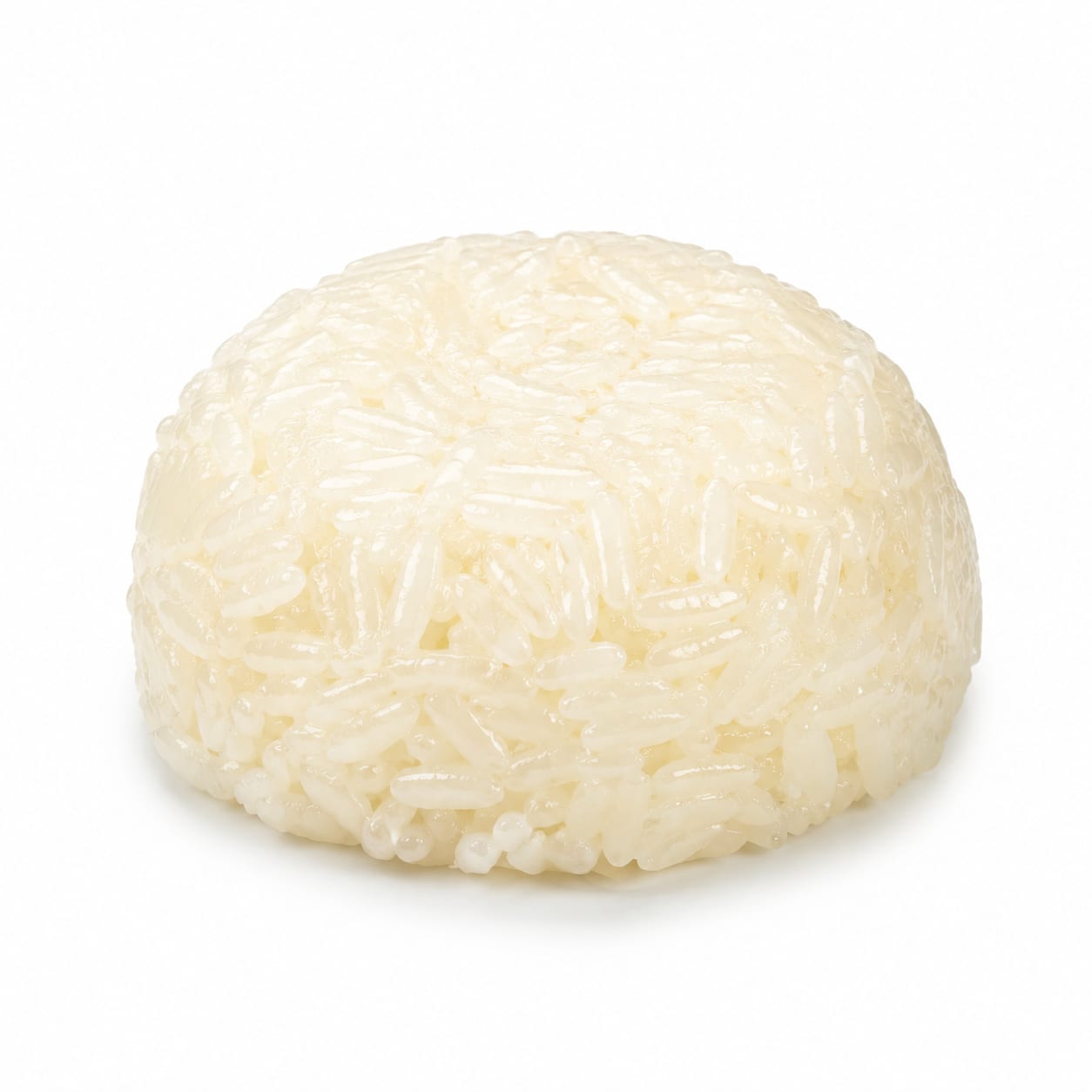
Sticky Rice
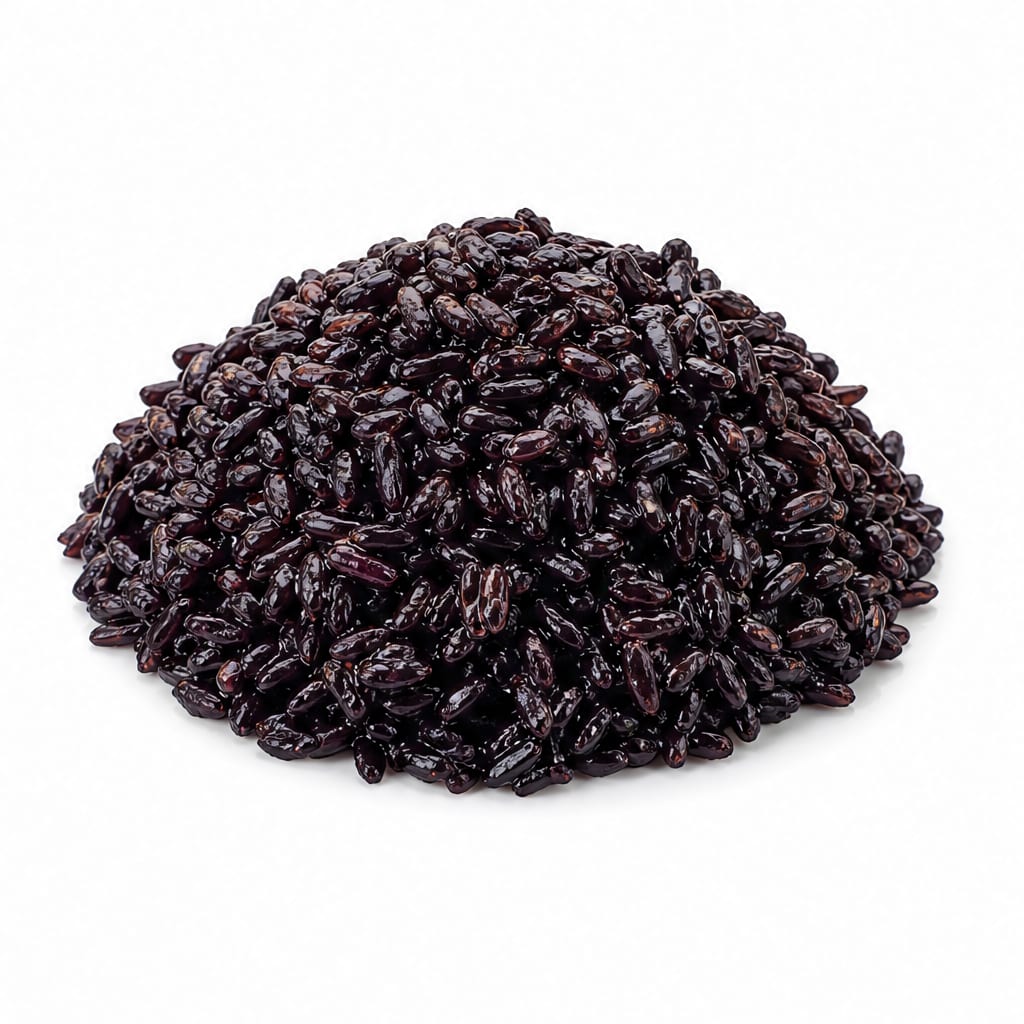
Black Sticky Rice
Black Sticky Rice delivers the same comforting texture with significantly more antioxidants, fiber, and minerals — making it the smarter everyday choice if you can find it.
Black Sticky Rice wins convincingly on nutritional merit thanks to anthocyanins, fiber, and minerals. Sticky Rice scores higher on convenience and versatility but offers notably less per calorie.
You gain anthocyanins, fiber, and slower digestion with Black Sticky Rice, but sacrifice some convenience, availability, and the neutral flavor that makes Sticky Rice so versatile.
At a glance
Executive summary
Overall
Black Sticky Rice
Healthier
Black Sticky Rice
More practical
Sticky Rice
Daily use
Black Sticky Rice
Key comparison lenses
antioxidant and nutrient density
Black Sticky Rice is renowned for its anthocyanin content, making this the single most dramatic difference between the two
blood sugar management
Both are glutinous rices with high GI, but fiber and antioxidant differences meaningfully affect glucose response
everyday health upgrade
Users often wonder if switching from white to black sticky rice is worth the effort and cost
cultural and culinary practicality
Sticky Rice is far more available and familiar; Black Sticky Rice requires specialty stores and different cooking expectations
Best choice for
Sticky Rice
- People who need widely available, affordable rice for traditional recipes
- Those who want a neutral base that absorbs other flavors easily
- Anyone cooking for picky eaters unfamiliar with darker rice varieties
Black Sticky Rice
- People prioritizing antioxidant intake and long-term disease prevention
- Those managing blood sugar who still want sticky rice textures
- Anyone looking to upgrade their carb quality without changing meal structure
Least suitable for
Sticky Rice
- People with diabetes or insulin resistance seeking lower-GI options
- Those wanting to maximize nutrient density per calorie
Black Sticky Rice
- People in areas where specialty rice is unavailable or unaffordable
- Traditional recipes where the dark color would look unappetizing
Deep comparison
Dimension by dimension
Each lens scores both foods and breaks down who each option suits.
- Dimension 1 · Priority 95Black Sticky Rice
antioxidant_power
Sticky Rice · 8Black Sticky Rice · 92Black Sticky Rice is one of the most antioxidant-rich grains available, while Sticky Rice is essentially devoid of them.
Tradeoff
You must accept the dark purple color and slightly earthy flavor to access these benefits.
Why it matters
Anthocyanins reduce oxidative stress and inflammation, which underlies most chronic disease risk.
Real-world impact
Regularly eating Black Sticky Rice instead of Sticky Rice is comparable to adding a serving of berries to your day in terms of antioxidant intake.
Sticky Rice
- Recipes where visual appeal depends on white color
Better for
- People relying on rice as their primary grain get almost no antioxidant benefit
Worse for
Black Sticky Rice
- Long-term cellular health and aging
- Reducing inflammation from everyday stressors
- Anyone with family history of chronic disease
Better for
- Dishes where dark pigmentation bleeds into coconut milk or sauces
Worse for
- Dimension 2 · Priority 88Black Sticky Rice
blood_sugar_stability
Sticky Rice · 25Black Sticky Rice · 48Both are high-glycemic, but Black Sticky Rice digests noticeably slower due to its fiber and intact bran layer.
Tradeoff
Neither is a low-GI food — Black Sticky Rice is simply the lesser of two glycemic spikes.
Why it matters
Even a modest reduction in glucose spike velocity reduces insulin demand and post-meal fatigue.
Real-world impact
After eating Black Sticky Rice, you are less likely to experience the rapid energy crash that follows Sticky Rice meals.
Sticky Rice
- Athletes who actually want fast carbs post-workout
Better for
- People with insulin resistance or metabolic syndrome
Worse for
Black Sticky Rice
- People with prediabetes trying to keep sticky rice in their diet more safely
- Anyone who gets sleepy after carb-heavy meals
Better for
- Still not appropriate as a frequent staple for those managing diabetes strictly
Worse for
- Dimension 3 · Priority 82Black Sticky Rice
fiber_and_digestive_health
Sticky Rice · 12Black Sticky Rice · 68Black Sticky Rice retains its bran layer, providing several times more fiber than polished Sticky Rice.
Tradeoff
The extra fiber slightly changes the texture — less gummy, more chewy — which some people prefer and others do not.
Why it matters
Fiber slows digestion, feeds gut bacteria, and helps you feel full longer.
Real-world impact
A Black Sticky Rice meal keeps you satisfied an hour or two longer than the same portion of Sticky Rice.
Sticky Rice
- People with sensitive digestion who need very easy-to-process carbs
- Recovery meals after gastrointestinal illness
Better for
- Contributes virtually nothing to daily fiber needs
Worse for
Black Sticky Rice
- Improving daily fiber intake without supplements
- Supporting healthier gut bacteria over time
- Reducing between-meal snacking urges
Better for
- Higher fiber may cause bloating if you are not used to it
Worse for
- Dimension 4 · Priority 75Black Sticky Rice
mineral_and_vitamin_content
Sticky Rice · 18Black Sticky Rice · 65Black Sticky Rice retains iron, zinc, magnesium, and B vitamins that are milled away in white Sticky Rice.
Tradeoff
The mineral amounts are moderate, not therapeutic — you still need other nutrient sources.
Why it matters
Minerals from whole grains are absorbed gradually and complement the minerals from vegetables and proteins.
Real-world impact
Over months, choosing Black Sticky Rice contributes meaningfully to iron and magnesium intake, especially in plant-based diets.
Sticky Rice
- Situations where enrichment or fortification is preferred over natural sources
Better for
- Essentially empty calories from a micronutrient perspective
Worse for
Black Sticky Rice
- Vegetarians and vegans who need every possible iron source
- People who eat rice daily and want it to contribute real nutrition
Better for
- Phytate content can slightly reduce mineral absorption, though this is manageable
Worse for
- Dimension 5 · Priority 70Sticky Rice
taste_and_culinary_versatility
Sticky Rice · 82Black Sticky Rice · 62Sticky Rice has a clean, neutral sweetness that pairs with anything. Black Sticky Rice brings a nutty, earthy depth that works beautifully in some dishes and clashes in others.
Tradeoff
Black Sticky Rice is more interesting but less flexible — its color and flavor dominate a dish.
Why it matters
If the food does not taste good, the nutritional advantages become irrelevant because you will not eat it regularly.
Real-world impact
Sticky Rice disappears into the background of a meal. Black Sticky Rice becomes part of the flavor profile you must design around.
Sticky Rice
- Mango sticky rice and other delicate desserts
- Savory dishes where rice should not compete with sauce flavors
- Cooking for groups with varied preferences
Better for
- Can feel bland and one-dimensional on its own
Worse for
Black Sticky Rice
- Coconut-based desserts where nutty flavor enhances the dish
- Porridge and breakfast bowls with fruit and nuts
- Anyone who enjoys robust, complex grain flavors
Better for
- Visually unexpected in traditional recipes, which may put off some eaters
Worse for
- Dimension 6 · Priority 68Sticky Rice
availability_and_affordability
Sticky Rice · 90Black Sticky Rice · 40Sticky Rice is available in virtually any grocery store. Black Sticky Rice typically requires Asian markets, specialty shops, or online ordering.
Tradeoff
The health upgrade is real, but the access barrier is too — especially outside urban areas.
Why it matters
The best food for you is the one you can actually buy and cook consistently.
Real-world impact
If you have to drive 30 minutes or pay double online, you may revert to Sticky Rice within weeks.
Sticky Rice
- Rural areas with limited specialty shopping
- Budget-conscious households
- Last-minute meal prep with pantry staples
Better for
- No real downside to availability — it is everywhere
Worse for
Black Sticky Rice
- Urban dwellers near Asian grocery stores
- Online shoppers comfortable buying staples in bulk
Better for
- May cost 2-3 times more per pound than Sticky Rice
Worse for
Timeline
Health impact over time
Short-term
Hours to days
Sticky Rice
- Rapid blood sugar rise followed by energy dip within 1-2 hours
- Very easy to digest, gentle on an upset stomach
- Less satiating — hunger returns sooner than with whole grain alternatives
Black Sticky Rice
- More gradual energy release with less pronounced crash
- Slightly heavier feeling in the stomach due to fiber content
- Natural mild anti-inflammatory effect from anthocyanins within hours of eating
Long-term
Months to years
Sticky Rice
- Regular consumption without fiber-rich sides may increase metabolic syndrome risk
- Contributes minimal antioxidants, offering little protection against oxidative damage over decades
- Easy to overconsume due to low satiety, potentially driving weight gain
Black Sticky Rice
- Consistent anthocyanin intake supports cardiovascular and cognitive health over time
- Higher fiber intake reduces colorectal cancer risk and supports healthy cholesterol levels
- Iron and zinc contribution matters most for populations relying heavily on rice as a staple
Risk profile
Safety & processing
Sticky Rice is polished to remove the bran and germ, leaving mostly starch. Black Sticky Rice retains its outer layers, which is where nearly all the nutrition lives. Neither contains artificial additives, but Sticky Rice has been significantly altered from its whole grain form.
Sticky Rice
Arsenic accumulation
mediumWhite rice varieties can accumulate inorganic arsenic, though sticky rice typically has moderate levels. Rinsing thoroughly and cooking with excess water reduces exposure.
Blood sugar volatility
mediumNot a contamination risk per se, but the extreme glycemic response can be dangerous for those with unmanaged diabetes.
Black Sticky Rice
Arsenic accumulation
lowWhole grain rice varieties tend to have arsenic concentrated in the bran, but black rice often shows lower total arsenic than brown rice. Still worth rinsing before cooking.
Phytate interference with mineral absorption
lowThe bran layer contains phytates that can bind iron and zinc. Soaking before cooking reduces this significantly and is traditional practice.
Who wins for whom
Audience fit
Same foods, different winners depending on your goal.
children
It dependsSticky Rice is more familiar and visually appealing to kids, but Black Sticky Rice provides nutrients critical for growth. Mixing both is often the best approach.
daily consumption
Black Sticky RiceDaily repetition amplifies the nutritional gap — eating Black Sticky Rice daily accumulates meaningful antioxidant and fiber benefits over time.
diabetes
Black Sticky RiceLower effective glycemic load and higher fiber slow glucose absorption, though both require portion control.
elderly
Black Sticky RiceThe antioxidant and anti-inflammatory benefits are especially valuable for aging bodies, and the fiber supports digestive regularity.
muscle gain
Sticky RiceFaster-digesting carbs around workouts can replenish glycogen more quickly, and the neutral flavor is easier to eat in larger quantities.
weight loss
Black Sticky RiceMore fiber means better satiety per calorie, making it easier to eat smaller portions without feeling deprived.
Your move
Decision guide
Choose Sticky Rice
- You are cooking traditional dishes where white color and neutral flavor are essential
- You need post-workout carbs that digest quickly
- Black Sticky Rice is unavailable or too expensive where you live
- You are cooking for someone with digestive sensitivity who needs very gentle foods
Choose Black Sticky Rice
- You want every meal to contribute to long-term health, not just fill you up
- You are managing blood sugar, weight, or inflammation concerns
- You enjoy nutty, complex grain flavors and do not mind the dark color
- You eat rice frequently and want your staple to actually nourish you
Either works if
- You are eating rice only occasionally — the nutritional difference matters less at low frequency
- You are pairing rice with large amounts of vegetables, protein, and healthy fats that buffer blood sugar
Avoid both if
- You have severe diabetes and need low-glycemic carb sources exclusively
- You are on a strict ketogenic or very-low-carb diet
- You have a rice allergy or severe sensitivity to grains
Final recommendation
Switch to Black Sticky Rice as your default if you can source it comfortably. The antioxidant, fiber, and mineral advantages are substantial and compound over time. Keep Sticky Rice for specific recipes and occasions where its texture and neutrality are irreplaceable. If access is a barrier, even mixing half of each gives you meaningful nutritional improvement without fully abandoning the familiar.
Practical
Consumer tips
- 1
Soak Black Sticky Rice for at least 4 hours or overnight — it reduces phytates, improves texture, and shortens cooking time
- 2
Mix Black Sticky Rice with Sticky Rice at a 1:1 ratio if the full switch feels too drastic — you still get roughly half the antioxidant benefit
- 3
Rinse both varieties thoroughly before cooking to reduce arsenic and surface starch that causes gumminess
- 4
Pair either rice with protein, healthy fats, and acidic vegetables to blunt the blood sugar spike — think grilled chicken, cucumber salad, and a squeeze of lime
- 5
Buy Black Sticky Rice in bulk online if local stores do not carry it — it stores well in airtight containers for months
- 6
Black Sticky Rice turns coconut milk a beautiful purple — lean into this for desserts rather than fighting it