
Nutrition comparison
Sticky Rice vs Wild Rice: Which Is Healthier for Daily Eating?
Wild Rice beats Sticky Rice for blood sugar control, fiber, and protein. Learn when Sticky Rice is worth it and how to choose the right grain for your health goals.
Overall winner · Wild Rice
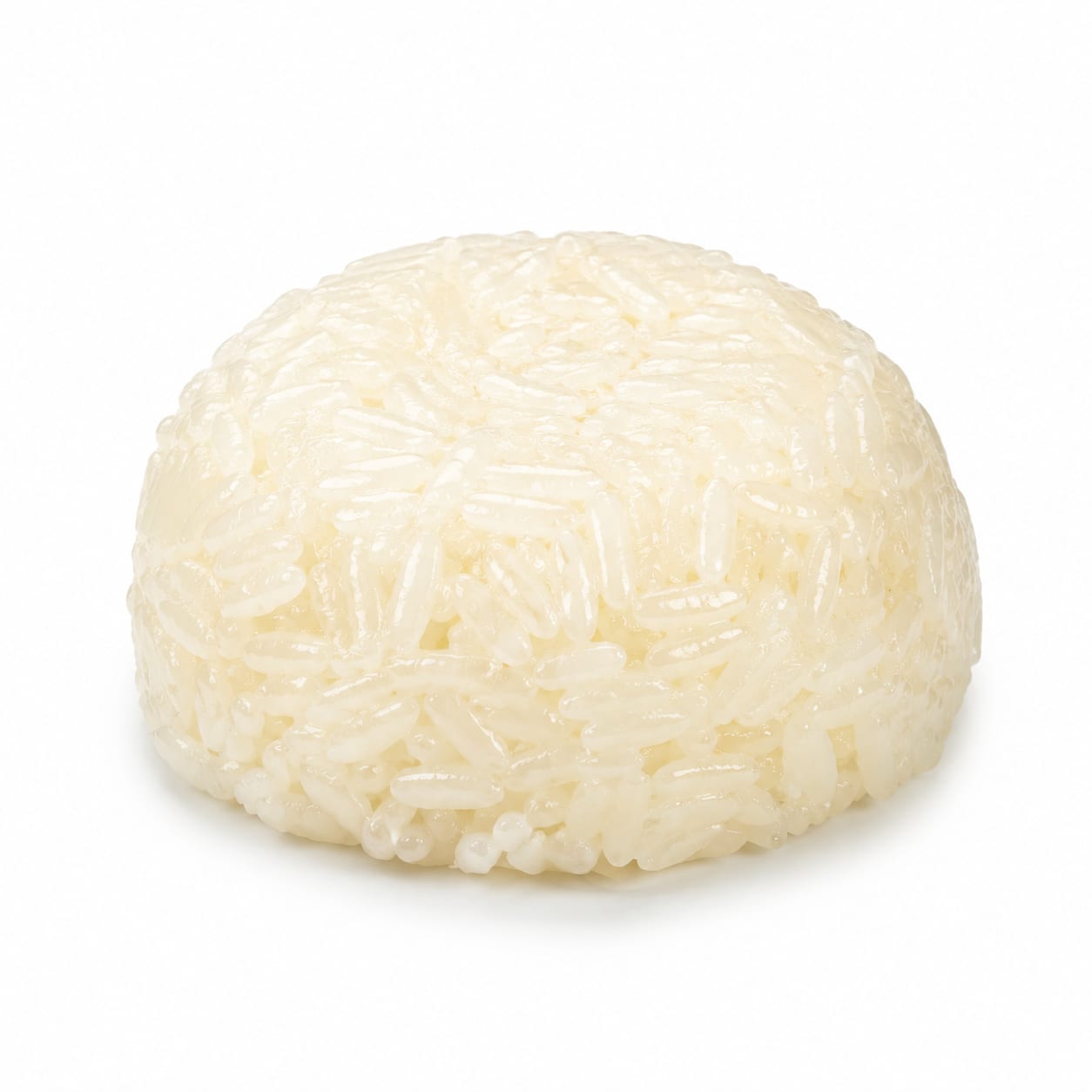
Sticky Rice
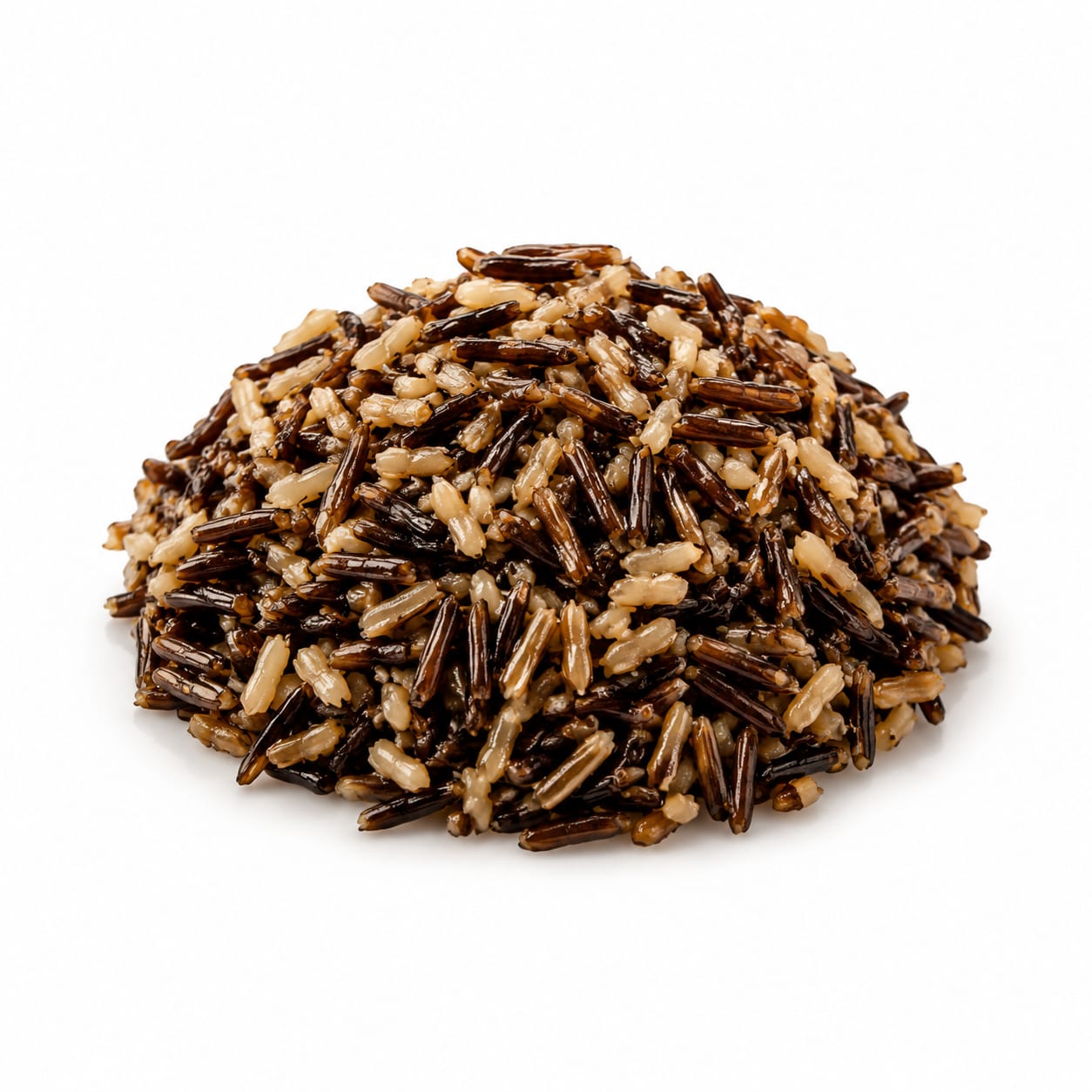
Wild Rice
Wild Rice is the clear nutritional winner with steadier energy, more protein, and far better blood sugar control. Sticky Rice is comfort food best enjoyed occasionally.
Wild Rice scores significantly higher due to superior fiber, protein, antioxidant content, and much gentler blood sugar impact. Sticky Rice is not unhealthy in small portions but scores low because it offers minimal nutrition beyond fast-digesting carbohydrates and carries a high overeating risk.
You trade comforting texture and cultural authenticity for dramatically better blood sugar stability and nutrient density.
At a glance
Executive summary
Overall
Wild Rice
Healthier
Wild Rice
More practical
It depends
Daily use
Wild Rice
Key comparison lenses
blood sugar management
Sticky Rice has one of the highest glycemic indexes of any rice, while Wild Rice is notably lower, making this the most consequential difference for daily health
nutrient density tradeoff
Wild Rice delivers significantly more protein, fiber, and antioxidants per calorie, while Sticky Rice is essentially pure energy with minimal micronutrients
comfort vs nutrition balance
Sticky Rice is deeply comforting and culturally irreplaceable in certain cuisines, while Wild Rice is the clear nutritional winner but less satisfying emotionally
satiety and overeating risk
Sticky Rice digests rapidly and can leave you hungry again quickly, while Wild Rice keeps you fuller longer due to its fiber and protein content
culinary authenticity
Some dishes like mango sticky rice or certain dumplings require Sticky Rice specifically and cannot be substituted
Best choice for
Sticky Rice
- Traditional Southeast Asian dishes where texture is essential
- Post-workout carb loading when rapid glycogen replenishment matters
- People with poor appetite who need easy-to-eat calories
- Cultural celebrations and comfort food moments
Wild Rice
- Daily meals where sustained energy matters
- Anyone managing blood sugar or insulin resistance
- Weight management since it keeps you fuller longer
- Boosting protein and fiber intake from a carb source
Least suitable for
Sticky Rice
- People with diabetes or prediabetes
- Anyone trying to lose weight while staying full
- Those prone to afternoon energy crashes
- Frequent daily consumption as a staple grain
Wild Rice
- Traditional sticky rice desserts and dumplings
- Anyone on a tight grocery budget
- Quick weeknight meals needing fast cook times
- People who find the chewy texture unpleasant
Deep comparison
Dimension by dimension
Each lens scores both foods and breaks down who each option suits.
- Dimension 1 · Priority 95Wild Rice
blood sugar stability
Sticky Rice · 15Wild Rice · 78Sticky Rice spikes blood sugar rapidly with a glycemic index near 90. Wild Rice digests slowly and keeps glucose far steadier.
Tradeoff
That rapid digestion in Sticky Rice can feel energizing briefly but leads to crashes and cravings within an hour or two.
Why it matters
Blood sugar roller coasters drive fatigue, hunger, and long-term metabolic risk. This is the single biggest difference between these two grains.
Real-world impact
A Sticky Rice lunch can leave you reaching for a snack by 2pm. Wild Rice carries you through the afternoon more comfortably.
Sticky Rice
- Immediate post-workout recovery when fast carbs are actually helpful
Better for
- Anyone insulin resistant
- Frequent snacking patterns triggered by crashes
Worse for
Wild Rice
- Sustained focus through long workdays
- Managing prediabetes or diabetes
- Avoiding the mid-afternoon energy slump
- Reducing cravings between meals
Better for
- Situations where rapid energy delivery is specifically needed
Worse for
- Dimension 2 · Priority 88Wild Rice
nutrient density
Sticky Rice · 20Wild Rice · 82Wild Rice delivers protein, fiber, folate, magnesium, zinc, and notable antioxidants. Sticky Rice is essentially starch with trace nutrients.
Tradeoff
Sticky Rice provides quick calories efficiently but almost nothing else. Wild Rice makes every calorie work harder for you.
Why it matters
When grains are a dietary staple, their micronutrient contribution adds up significantly over months and years.
Real-world impact
Swapping Sticky Rice for Wild Rice a few times a week meaningfully increases your fiber and protein intake without changing portion sizes.
Sticky Rice
- Situations where pure caloric energy is the only goal
Better for
- Long-term nutrient shortfalls if eaten as a daily staple
Worse for
Wild Rice
- Meeting daily protein needs from plant sources
- Getting more fiber without supplements
- Boosting antioxidant intake naturally
- Supporting bone health through magnesium and phosphorus
Better for
- None significant for nutrient density
Worse for
- Dimension 3 · Priority 82Wild Rice
satiety and fullness
Sticky Rice · 25Wild Rice · 75Wild Rice keeps you full for hours thanks to its fiber and protein. Sticky Rice digests fast and hunger returns quickly.
Tradeoff
Sticky Rice feels satisfying in the moment but that fullness fades fast. Wild Rice takes longer to eat but sustains you much longer.
Why it matters
Foods that fail to keep you full lead to overeating, snacking, and higher total calorie intake throughout the day.
Real-world impact
A Wild Rice bowl at noon can easily hold you until dinner. A Sticky Rice meal often needs a snack bridge by mid-afternoon.
Sticky Rice
- Light meals where you intentionally want to eat again soon
Better for
- Overeating risk because hunger returns quickly
- Difficulty maintaining calorie goals
Worse for
Wild Rice
- Weight management without feeling deprived
- Long gaps between meals
- Reducing between-meal snacking
Better for
- Feeling too full before intense exercise if eaten too close to activity
Worse for
- Dimension 4 · Priority 72Sticky Rice
digestive comfort
Sticky Rice · 80Wild Rice · 55Sticky Rice is gentle and easy on sensitive stomachs. Wild Rice's tough outer hull and fiber can be harder to digest for some people.
Tradeoff
Easy digestion comes at the cost of rapid blood sugar spikes. Slower digestion is healthier metabolically but can cause bloating in sensitive individuals.
Why it matters
For people with IBS, post-surgery recovery, or nausea, easily digested carbs like Sticky Rice can be genuinely helpful.
Real-world impact
When your stomach is upset, Sticky Rice feels soothing. Wild Rice might feel heavy or gassy in the same situation.
Sticky Rice
- Recovery from stomach illness
- Sensitive digestion days
- Elderly with reduced digestive capacity
- Post-surgical soft food needs
Better for
- Contributing to constipation when eaten without other fiber sources
Worse for
Wild Rice
- Promoting healthy gut motility long-term
- Feeding beneficial gut bacteria through fiber
Better for
- IBS flare-ups in fiber-sensitive individuals
- Bloating when not chewed thoroughly
Worse for
- Dimension 5 · Priority 70It depends
culinary and cultural value
Sticky Rice · 75Wild Rice · 65Sticky Rice is irreplaceable in Southeast Asian cuisine and desserts. Wild Rice shines in salads, pilafs, and grain bowls where texture and nutty flavor are wanted.
Tradeoff
Neither substitutes well for the other. They serve completely different culinary roles.
Why it matters
Food is cultural and emotional, not just nutritional. Forcing substitutions can make healthy eating feel punishing.
Real-world impact
Making mango sticky rice with Wild Rice would be a disappointment. Making a grain salad with Sticky Rice would be a mushy mess.
Sticky Rice
- Mango sticky rice and Thai desserts
- Lao and Isan cuisine traditions
- Dumpling wrappers and mochi-style dishes
- Communal eating experiences like khantoke dinners
Better for
- Dishes where distinct grain separation is needed
Worse for
Wild Rice
- Harvest grain bowls and autumn salads
- Pilafs and stuffing where texture matters
- Nutty flavor pairing with mushrooms and herbs
- Elevated dinner side dishes
Better for
- Any traditional sticky rice dessert
Worse for
- Dimension 6 · Priority 65Sticky Rice
cost and accessibility
Sticky Rice · 80Wild Rice · 40Sticky Rice is affordable and widely available. Wild Rice is expensive, often 4-6 times the price per pound.
Tradeoff
Better nutrition costs more. Wild Rice is genuinely pricey, which limits how often most households can serve it.
Why it matters
The healthiest food only helps if you can afford to eat it regularly. Budget constraints are real and valid.
Real-world impact
A family feeding four people daily may find Wild Rice impractical as a staple grain, while Sticky Rice fits the budget easily.
Sticky Rice
- Budget-conscious households
- Feeding large families
- Countries where Sticky Rice is locally grown
Better for
- None for cost specifically
Worse for
Wild Rice
- Smaller portions as a premium side dish
- Mixing with cheaper grains to stretch the cost
Better for
- Daily use becomes expensive quickly
- Limited availability in some regions
Worse for
Timeline
Health impact over time
Short-term
Hours to days
Sticky Rice
- Quick energy boost within 15-30 minutes of eating
- Rapid blood sugar rise followed by a potential crash within 1-2 hours
- Easy on an upset stomach when plain
- Hunger returning sooner than with higher-fiber grains
Wild Rice
- Steady energy release over 2-3 hours without spikes
- Feeling of sustained fullness after meals
- Possible mild bloating if you are not used to high-fiber grains
- Slower eating pace due to chewy texture, which aids portion control
Long-term
Months to years
Sticky Rice
- Regular high glycemic meals increase type 2 diabetes risk over years
- Low fiber intake contributes to constipation and gut microbiome changes
- Minimal antioxidant contribution to long-term cellular protection
- Easy to overconsume calories without feeling full, supporting gradual weight gain
Wild Rice
- Better long-term blood sugar regulation and insulin sensitivity
- Fiber supports healthy cholesterol levels and gut microbiome diversity
- Antioxidants in Wild Rice contribute to reduced inflammation over time
- Higher protein from grains helps preserve muscle mass alongside other protein sources
Risk profile
Safety & processing
Both are whole, minimally processed grains with no artificial additives. Sticky Rice is simply milled glutinous rice. Wild Rice is a naturally growing aquatic grass that is harvested and dried. Neither raises ultra-processing concerns, which is a rare point of similarity. The health differences come from their inherent nutritional profiles, not from processing.
Sticky Rice
arsenic exposure
mediumRice accumulates arsenic more than other grains. Sticky Rice grown in certain regions may have elevated levels. Rinsing thoroughly and cooking in excess water reduces this significantly.
foodborne illness from improper storage
lowCooked Sticky Rice left at room temperature can harbor Bacillus cereus. Refrigerate promptly after cooking.
Wild Rice
arsenic exposure
lowWild Rice generally has lower arsenic levels than conventional rice varieties because it grows in different water conditions and is a different species entirely.
tough hull fragments
lowImproperly processed Wild Rice may contain tough outer hull pieces that are difficult to chew and could pose a minor dental or choking risk, especially for children.
Who wins for whom
Audience fit
Same foods, different winners depending on your goal.
children
It dependsSticky Rice is easier for young children to chew and digest, but Wild Rice offers better nutrition. Age and chewing ability determine the better choice.
daily consumption
Wild RiceWild Rice supports steady energy, fullness, and nutrient intake day after day. Sticky Rice as a daily staple raises metabolic risk over time.
diabetes
Wild RiceWild Rice has a dramatically lower glycemic impact, making it far safer for blood sugar management. Sticky Rice should be limited or avoided for people with diabetes.
elderly
It dependsSticky Rice is gentler on aging digestive systems and easier to chew. Wild Rice provides nutrients that support bone and metabolic health but may be harder to digest.
muscle gain
Sticky RiceSticky Rice provides fast-digesting carbs ideal for post-workout glycogen replenishment, though neither grain is a significant protein source for muscle building.
weight loss
Wild RiceWild Rice keeps you fuller longer with fewer net carbs and more fiber, making it easier to maintain a calorie deficit without feeling deprived.
Your move
Decision guide
Choose Sticky Rice
- You are preparing traditional Southeast Asian dishes where texture is essential
- You need fast carbs after intense exercise
- You have a sensitive stomach and need gentle, easy-to-digest food
- Comfort and cultural connection matter more than nutrition for this meal
- You are feeding young children who need soft, easy-to-chew grains
Choose Wild Rice
- You want steady energy without blood sugar spikes and crashes
- You are managing weight, diabetes, or insulin resistance
- You want more protein and fiber from your grain choices
- You are building nutrient-dense grain bowls or salads
- You eat rice daily and want the healthiest staple option
Either works if
- You are mixing grains for balanced texture and nutrition
- You eat rice only occasionally, making the health difference minimal
- You are cooking for a group with diverse preferences and needs
Avoid both if
- You are on a strict low-carb or ketogenic diet
- You have a rice allergy or severe grain sensitivity
- You need high protein and neither grain will meaningfully contribute
Final recommendation
Make Wild Rice your everyday grain and treat Sticky Rice as a special-occasion food. The blood sugar difference alone makes this swap one of the highest-impact grain changes you can make. When you do eat Sticky Rice, pair it with protein and healthy fat to slow digestion and reduce the spike. A practical middle ground: mix Wild Rice with a smaller portion of Sticky Rice for texture variety while keeping the nutritional profile strong.
Practical
Consumer tips
- 1
Rinse Sticky Rice thoroughly before cooking to reduce arsenic and improve texture
- 2
Soak Sticky Rice for at least 4 hours or overnight for authentic steamed texture
- 3
Mix Wild Rice with brown rice or quinoa to stretch your budget while keeping nutrition high
- 4
Always pair Sticky Rice with a protein source and vegetables to blunt the blood sugar spike
- 5
Wild Rice takes 45-55 minutes to cook, so batch cook and refrigerate for quick meals throughout the week
- 6
Check country of origin on Sticky Rice — rice from certain regions tests higher for arsenic
- 7
Wild Rice triples or quadruples in volume when cooked, so use less dry grain than you think you need
- 8
Leftover Sticky Rice hardens in the fridge — reheat with a damp paper towel to restore softness