
Nutrition comparison
Sticky Rice vs Jasmine Rice: Which is Healthier?
Compare Sticky Rice and Jasmine Rice to see which is better for blood sugar, weight loss, and daily meals. Learn the nutritional tradeoffs and find the right rice for your goals.
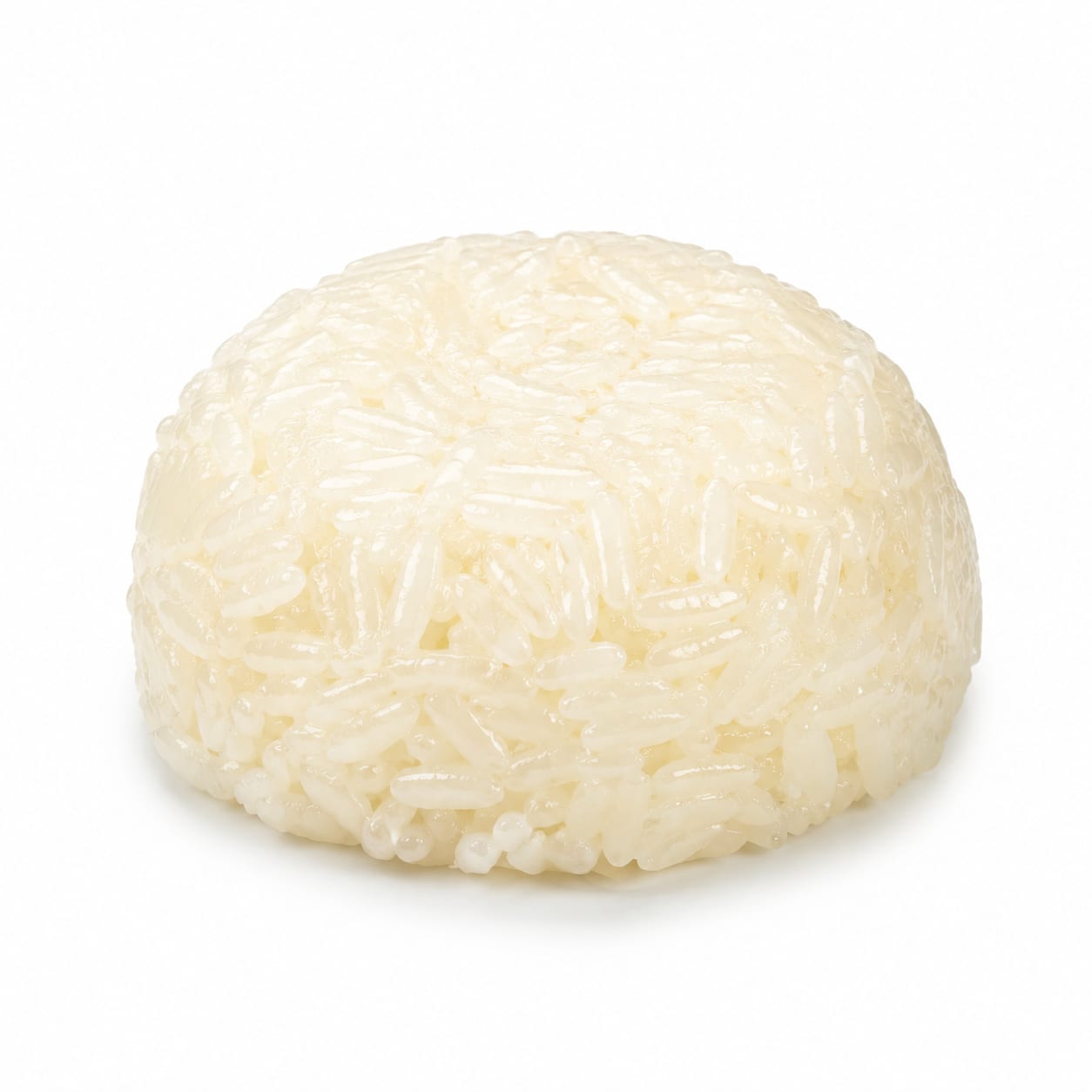
Sticky Rice
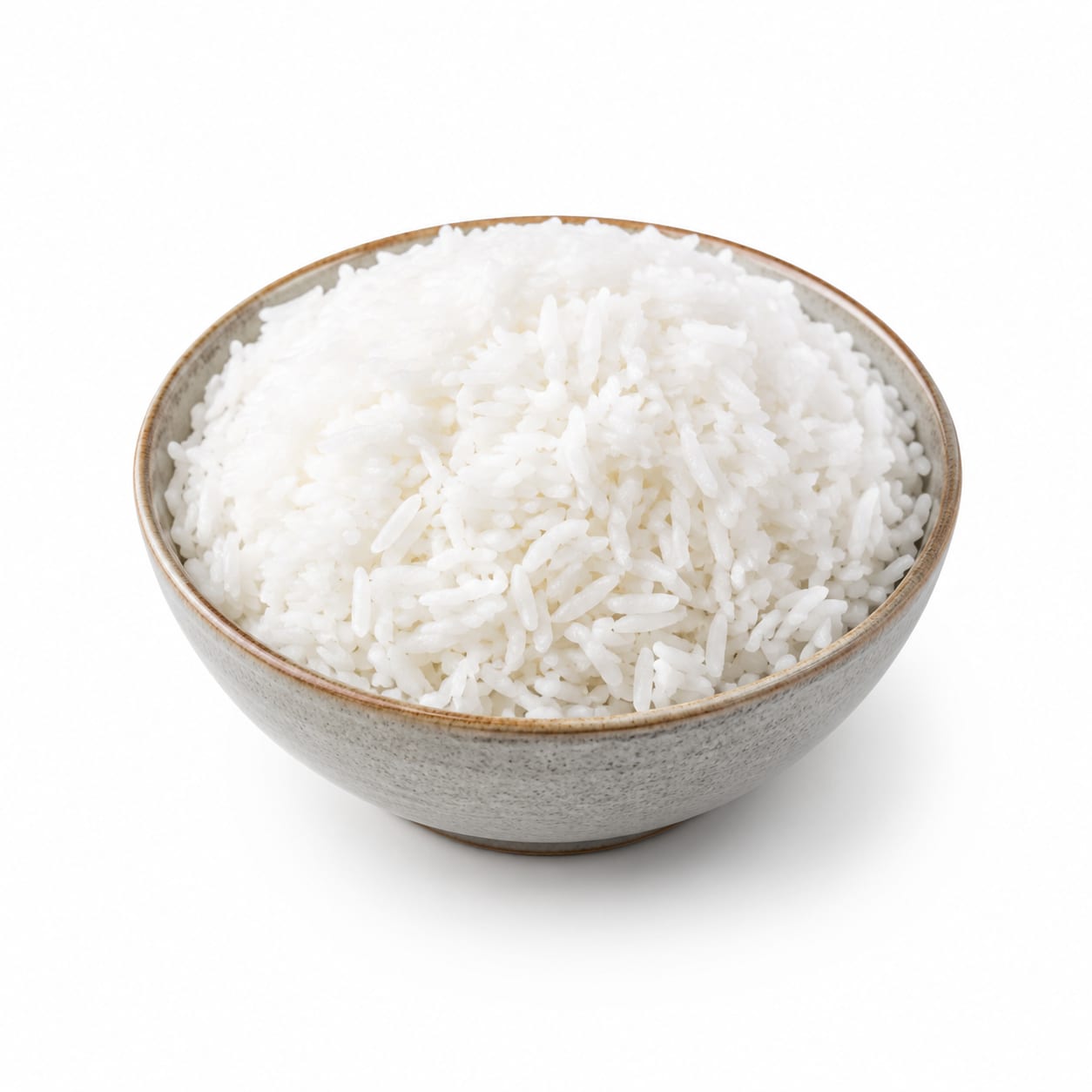
Jasmine Rice
Jasmine Rice is easier on your blood sugar and better for daily meals, while Sticky Rice is a delicious treat best enjoyed in moderation.
Jasmine Rice scores higher due to its slightly better glycemic profile and versatility as a daily staple, while Sticky Rice is penalized for its extreme blood sugar impact despite its cultural and culinary appeal.
Sticky Rice delivers a uniquely satisfying chew but spikes blood sugar rapidly, whereas Jasmine Rice offers steadier energy with a fluffier texture.
At a glance
Executive summary
Overall
It depends
Healthier
Jasmine Rice
More practical
Jasmine Rice
Daily use
Jasmine Rice
Key comparison lenses
blood sugar impact
Sticky Rice is almost pure amylopectin, causing rapid blood sugar spikes compared to the slightly slower digestion of Jasmine Rice
culinary texture and satisfaction
The chewy, clingy texture of Sticky Rice drastically changes how a meal feels compared to the fluffy, separate grains of Jasmine Rice
daily staple suitability
Users often wonder which rice is safer to eat regularly without gaining weight or crashing energetically
Best choice for
Sticky Rice
- Post-workout glycogen replenishment
- Traditional Asian desserts and dim sum
- People needing quick, easily digestible energy
Jasmine Rice
- Everyday dinner sides like curries and stir-fries
- Sustained energy throughout a busy workday
- Anyone watching their blood sugar or weight
Least suitable for
Sticky Rice
- People with diabetes or insulin resistance
- Sedentary individuals eating large carb portions
- Those prone to afternoon energy crashes
Jasmine Rice
- Recipes requiring a sticky, moldable texture
- Traditional sweet rice dishes
Deep comparison
Dimension by dimension
Each lens scores both foods and breaks down who each option suits.
- Dimension 1 · Priority 95Jasmine Rice
blood sugar stability
Sticky Rice · 25Jasmine Rice · 55Jasmine Rice digests more slowly, leading to a less dramatic blood sugar rollercoaster.
Tradeoff
You give up the sticky, chewy mouthfeel for steadier energy and fewer cravings later.
Why it matters
Rapid blood sugar spikes from Sticky Rice trigger quick crashes, leaving you hungry and tired shortly after eating.
Real-world impact
Eating Sticky Rice for lunch can cause a heavy afternoon slump, while Jasmine Rice keeps you fueled longer.
Sticky Rice
- Athletes mid-endurance event needing instant fuel
Better for
- People trying to avoid sugar cravings
Worse for
Jasmine Rice
- Office workers needing focus through the afternoon
- Prediabetics managing glucose responses
Better for
- Someone experiencing hypoglycemia needing an immediate glucose rescue
Worse for
- Dimension 2 · Priority 80Jasmine Rice
satiety and fullness
Sticky Rice · 40Jasmine Rice · 60Jasmine Rice keeps you feeling full slightly longer because it digests at a more moderate pace.
Tradeoff
Sticky Rice feels heavier in the stomach initially but empties quickly, leading to faster hunger returns.
Why it matters
Foods that digest too fast fail to trigger lasting satiety hormones, making portion control harder.
Real-world impact
A bowl of Sticky Rice might feel incredibly filling initially, but you will likely be rummaging for a snack an hour earlier than if you ate Jasmine Rice.
Sticky Rice
- Quick pre-workout fuel that won't sit heavy
Better for
- Weight loss diets where controlling hunger is critical
Worse for
Jasmine Rice
- Main dinner carb where you want to stay full until bedtime
Better for
- Right before intense exercise when you need fast emptying
Worse for
- Dimension 3 · Priority 75Jasmine Rice
culinary versatility
Sticky Rice · 35Jasmine Rice · 85Jasmine Rice is a universal side dish, while Sticky Rice is a niche ingredient for specific dishes.
Tradeoff
Sticky Rice excels at what it does, but you cannot use it as a base for most standard meals.
Why it matters
A daily staple needs to pair well with soups, curries, and grilled meats without creating a gummy texture.
Real-world impact
Jasmine Rice absorbs sauces beautifully and separates easily on a plate; Sticky Rice clumps together and turns soups into paste.
Sticky Rice
- Making mango sticky rice or rice dumplings
- Eating with your hands in traditional Lao or Thai style
Better for
- Meal prepping grain bowls where you want separate grains
Worse for
Jasmine Rice
- Serving alongside a saucy curry
- Making fried rice with distinct grains
Better for
- Creating cohesive, moldable rice dishes
Worse for
Timeline
Health impact over time
Short-term
Hours to days
Sticky Rice
- Rapid surge in blood sugar and insulin
- Quick burst of short-lived energy
- Heavy, dense feeling in the stomach immediately after eating
Jasmine Rice
- Moderate rise in blood sugar
- Steadier release of energy over a couple of hours
- Lighter, less bloated post-meal feeling
Long-term
Months to years
Sticky Rice
- Frequent consumption may increase insulin resistance risk
- Higher potential for weight gain if portions are not strictly controlled
- Can reinforce sugar cravings and carb dependency
Jasmine Rice
- Easier to maintain stable weight as a daily staple
- Lower long-term stress on pancreatic function
- More sustainable energy baseline for daily activities
Risk profile
Safety & processing
Both Sticky Rice and Jasmine Rice are whole grains that have been milled to remove their bran, making them refined but natural carbohydrates with no artificial additives.
Sticky Rice
Arsenic exposure
lowGlutinous rice grown in certain regions can contain trace arsenic, though typically less than long-grain varieties. Washing thoroughly reduces this.
Bacillus cereus
mediumSticky Rice is often left at room temperature for cultural eating styles, which increases the risk of food poisoning from this spore-forming bacteria.
Jasmine Rice
Arsenic exposure
mediumJasmine Rice, as a long-grain variety, can accumulate more inorganic arsenic than sticky rice depending on where it is grown. Washing helps.
Bacillus cereus
lowLess commonly left out at room temp for long periods compared to sticky rice, but leftover rice still requires prompt refrigeration.
Who wins for whom
Audience fit
Same foods, different winners depending on your goal.
children
Jasmine RiceSteadier energy from Jasmine Rice prevents the hyperactive spikes and cranky crashes that Sticky Rice can trigger in kids.
daily consumption
Jasmine RiceJasmine Rice is gentler on metabolic health and fits seamlessly into most daily meal structures.
diabetes
Jasmine RiceJasmine Rice has a slightly lower glycemic load, causing less extreme blood sugar spikes than Sticky Rice.
elderly
Jasmine RiceBetter blood sugar control is crucial for aging metabolisms, making Jasmine Rice the safer daily choice.
muscle gain
Sticky RiceThe rapid digestion of Sticky Rice makes it an excellent post-workout carb to shuttle nutrients into muscles quickly.
weight loss
Jasmine RiceJasmine Rice digests slower, keeping you full longer and making it easier to avoid overeating.
Your move
Decision guide
Choose Sticky Rice
- You are an athlete needing fast carbs within an hour after a heavy workout
- You are cooking a traditional Southeast Asian dish that relies on its unique texture
- You struggle to eat enough calories and need an easily digestible calorie source
Choose Jasmine Rice
- You want a reliable, everyday rice that pairs well with anything
- You sit at a desk most of the day and need sustained mental energy
- You are trying to manage your weight or blood sugar without giving up rice
Either works if
- You are highly active and burn through carbohydrates effortlessly
- You are eating a balanced meal with plenty of protein, fiber, and healthy fats to slow down digestion
Avoid both if
- You are on a strict ketogenic or very low-carb diet
- You have severe insulin resistance and cannot tolerate high glycemic loads
Final recommendation
Keep Jasmine Rice as your everyday staple for steadier energy and better blood sugar behavior. Save Sticky Rice for special occasions, traditional recipes, or targeted post-workout meals where its rapid digestion is actually a benefit.
Practical
Consumer tips
- 1
Cooling either rice in the fridge after cooking and then reheating it creates resistant starch, which lowers the glycemic impact and feeds gut bacteria.
- 2
Always wash both Sticky Rice and Jasmine Rice thoroughly before cooking to reduce surface starch and any trace arsenic.
- 3
Pair either rice with a generous serving of vegetables and lean protein to drastically slow down sugar absorption and prevent energy crashes.
- 4
If you love the texture of Sticky Rice but want better blood sugar control, try mixing a small amount of Sticky Rice into a base of brown Jasmine Rice.