
Nutrition comparison
Sticky Rice vs Brown Rice: Which Is Healthier for Daily Eating?
Compare Sticky Rice and Brown Rice on blood sugar impact, fiber, nutrients, and weight management. Find out which rice is better for your health goals and when each makes sense.
Overall winner · Brown Rice
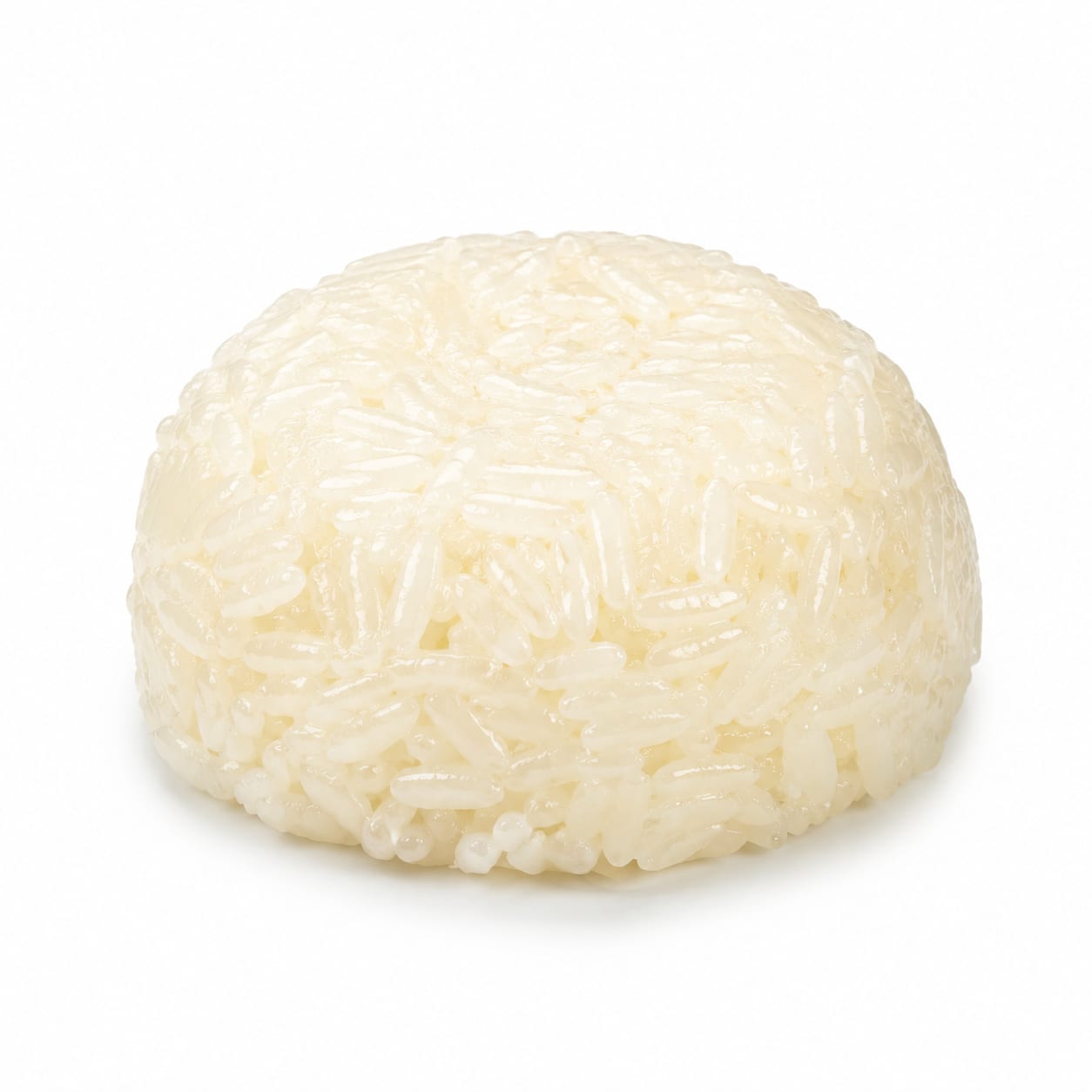
Sticky Rice
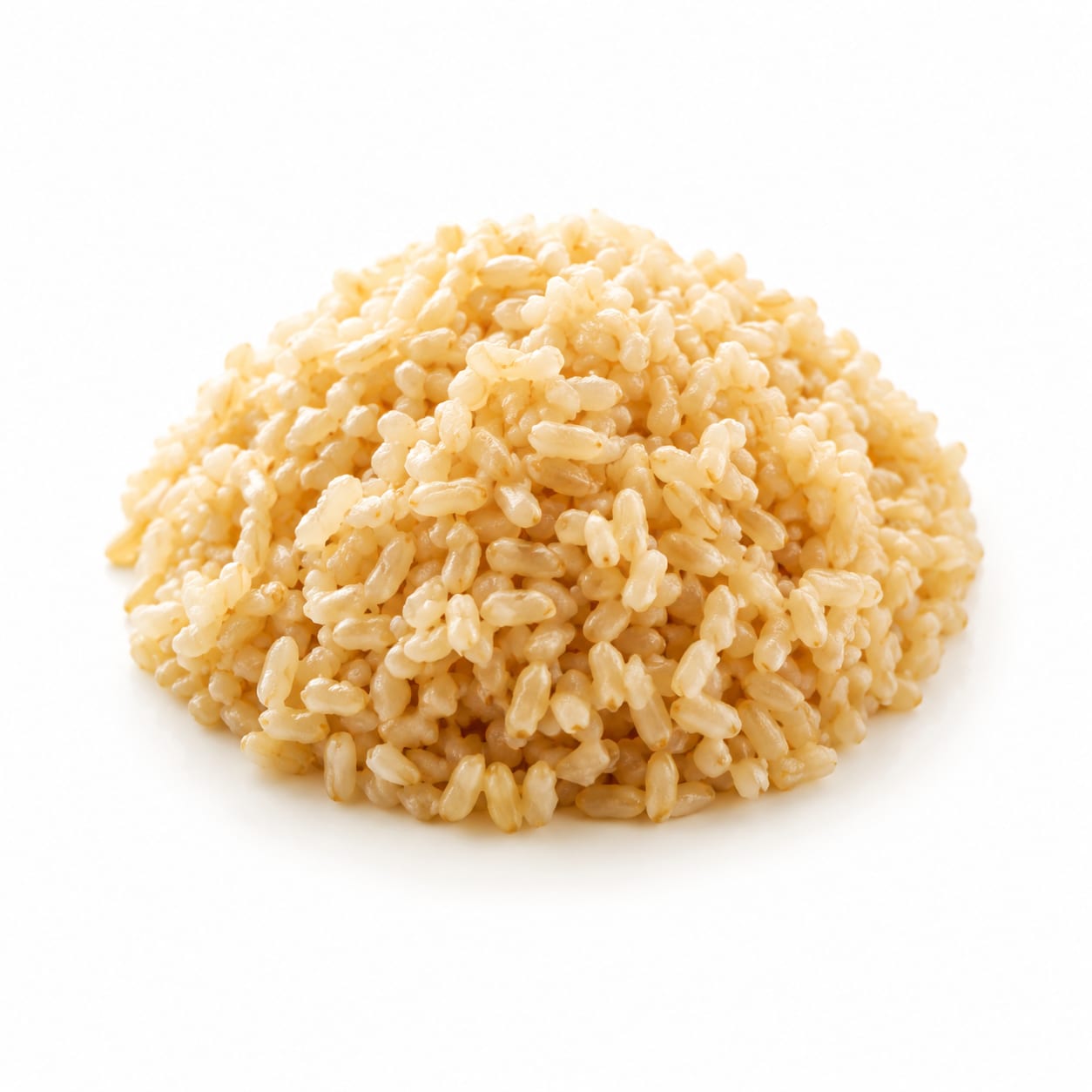
Brown Rice
Brown Rice is the clearly healthier daily staple, offering steadier energy, more fiber, and better long-term outcomes. Sticky Rice is a delicious occasional treat but a poor everyday choice.
Brown Rice scores significantly higher due to superior fiber, micronutrients, and blood sugar stability. Sticky Rice is not inherently toxic but its metabolic profile makes it a poor daily staple. The gap would narrow slightly for post-workout recovery or specific cultural contexts.
Sticky Rice delivers comfort and cultural authenticity but sacrifices fiber, nutrients, and blood sugar stability. Brown Rice requires chewing effort and adjustment but rewards you with sustained energy and fullness.
At a glance
Executive summary
Overall
Brown Rice
Healthier
Brown Rice
More practical
It depends
Daily use
Brown Rice
Key comparison lenses
blood sugar management
Sticky Rice has an extremely high glycemic index compared to Brown Rice, making this the most critical health differentiator
daily staple selection
Both are common carbohydrate staples, so users are likely choosing one as their everyday rice
weight management and satiety
Fiber and glycemic differences directly impact fullness and overeating risk
nutrient density optimization
Brown Rice retains bran and germ while Sticky Rice is stripped of most micronutrients
digestive comfort
Sticky Rice can be gentler on sensitive stomachs while Brown Rice's fiber may cause bloating initially
Best choice for
Sticky Rice
- People recovering from digestive illness who need low-fiber carbs
- Athletes needing rapid glycogen replenishment post-workout
- Cultural and traditional dishes where texture is essential
- Underweight individuals struggling to eat enough calories
Brown Rice
- Anyone managing blood sugar or insulin resistance
- People trying to lose weight or maintain weight loss
- Those seeking sustained energy without afternoon crashes
- Anyone prioritizing long-term metabolic and heart health
Least suitable for
Sticky Rice
- People with diabetes or prediabetes
- Anyone trying to manage cravings or overeating
- Those seeking steady energy throughout the day
- People on low-glycemic or anti-inflammatory diets
Brown Rice
- People with acute digestive flare-ups who need low-fiber foods
- Those unaccustomed to whole grains who experience bloating
- Situations requiring quick-cooking convenience
- Traditional recipes where sticky texture is structurally required
Deep comparison
Dimension by dimension
Each lens scores both foods and breaks down who each option suits.
- Dimension 1 · Priority 95Brown Rice
blood sugar stability
Sticky Rice · 15Brown Rice · 70Sticky Rice spikes blood sugar almost as fast as pure glucose. Brown Rice provides a much gentler, slower rise.
Tradeoff
You gain comfort and softness with Sticky Rice but lose metabolic steadiness. Brown Rice takes longer to digest, which is exactly what makes it healthier for most people.
Why it matters
Frequent blood sugar spikes drive fatigue, cravings, and long-term insulin resistance. This single factor makes Sticky Rice a risky daily choice.
Real-world impact
A Sticky Rice lunch often leads to a 2pm energy crash and hunger return within 90 minutes. Brown Rice keeps you fueled for 3-4 hours.
Sticky Rice
- Post-workout glycogen reload when rapid carb absorption is desired
Better for
- Anyone with diabetes or prediabetes
- People prone to energy crashes after meals
Worse for
Brown Rice
- Preventing afternoon energy crashes
- Managing insulin resistance or metabolic syndrome
- Reducing cravings between meals
- Sustaining focus during long work sessions
Better for
- Endurance athletes mid-event who need immediate fuel
Worse for
- Dimension 2 · Priority 90Brown Rice
fiber and satiety
Sticky Rice · 10Brown Rice · 75Brown Rice contains 3-4 times more fiber than Sticky Rice, making it far more filling and satisfying.
Tradeoff
Sticky Rice goes down easy and fast, which means you can overeat without feeling full. Brown Rice forces you to slow down and chew more, naturally controlling portions.
Why it matters
Fiber is the single most underrated factor in weight management and digestive health. Low-fiber staples make portion control almost impossible.
Real-world impact
A bowl of Sticky Rice disappears quickly and leaves you hungry soon after. The same portion of Brown Rice feels substantial and keeps hunger at bay for hours.
Sticky Rice
- Situations where low residue diets are medically required
Better for
- Chronic constipation sufferers
- Anyone struggling with portion control
Worse for
Brown Rice
- Weight loss or maintenance
- Reducing snacking between meals
- Improving bowel regularity
- Feeling satisfied on reasonable portions
Better for
- People transitioning from low-fiber diets who experience temporary bloating
Worse for
- Dimension 3 · Priority 80Brown Rice
nutrient density
Sticky Rice · 20Brown Rice · 75Brown Rice retains its bran and germ, delivering magnesium, phosphorus, B vitamins, and antioxidants. Sticky Rice is essentially pure starch with minimal micronutrients.
Tradeoff
Sticky Rice offers calories without much nutritional companionship. Brown Rice brings vitamins and minerals alongside its energy.
Why it matters
Eating nutrient-poor carbs regularly means your body gets energy without the cofactors needed to process it properly, which can worsen fatigue over time.
Real-world impact
Relying on Sticky Rice daily means you need to work harder to get magnesium and B vitamins from other foods. Brown Rice handles some of that nutritional heavy lifting automatically.
Sticky Rice
- Pure calorie loading when nutrient density is not the priority
Better for
- Diets already low in whole grains and micronutrients
- Older adults with higher mineral requirements
Worse for
Brown Rice
- Meeting daily magnesium needs for muscle and nerve function
- Getting B vitamins for energy metabolism
- Reducing the need for supplementation
- Supporting bone health through phosphorus intake
Better for
- Rare situations where excess mineral intake is medically concerning
Worse for
- Dimension 4 · Priority 65It depends
digestive tolerance
Sticky Rice · 70Brown Rice · 55Sticky Rice is gentler on an inflamed or sensitive digestive tract. Brown Rice's fiber can irritate during flare-ups but strengthens gut health long-term.
Tradeoff
Short-term comfort favors Sticky Rice. Long-term gut health favors Brown Rice. The right choice depends on your current digestive state.
Why it matters
People with IBS, Crohn's flares, or post-surgical recovery need low-fiber options temporarily. But staying on low-fiber diets too long creates its own problems.
Real-world impact
During a stomach bug recovery, Sticky Rice feels soothing and safe. Once healed, returning to Brown Rice rebuilds gut motility and microbiome diversity.
Sticky Rice
- Acute digestive illness recovery
- Post-surgical low-residue diets
- IBS flare-ups where fiber triggers symptoms
Better for
- Chronic constipation management
- Long-term gut microbiome diversity
Worse for
Brown Rice
- Long-term gut microbiome health
- Preventing constipation cycles
- Building digestive resilience over time
Better for
- Active inflammatory bowel flare-ups
- Immediate post-surgical recovery periods
Worse for
- Dimension 5 · Priority 60It depends
culinary and cultural experience
Sticky Rice · 80Brown Rice · 55Sticky Rice enables unique textures and dishes that Brown Rice simply cannot replicate. Brown Rice works as a versatile everyday base but lacks that special mouthfeel.
Tradeoff
You cannot make mango sticky rice, lao khao, or proper dim sum with Brown Rice. Some dishes demand Sticky Rice and substituting changes the entire experience.
Why it matters
Food is cultural and emotional. Insisting on nutritional optimization at the cost of culinary tradition can make healthy eating feel punishing and unsustainable.
Real-world impact
A Thai feast without Sticky Rice feels incomplete. A Japanese bento with Brown Rice instead of the intended rice still works beautifully. Context determines whether the texture matters.
Sticky Rice
- Traditional Southeast Asian and East Asian dishes
- Desserts and sweet rice preparations
- Shared eating experiences where texture is central
Better for
- Meals where lighter texture is preferred
- Dishes where grains need to stay separate
Worse for
Brown Rice
- Everyday grain bowls and meal prep
- Fried rice with better texture separation
- Side dishes where nutty flavor complements the meal
Better for
- Any recipe specifically requiring glutinous rice texture
Worse for
Timeline
Health impact over time
Short-term
Hours to days
Sticky Rice
- Rapid blood sugar spike within 30-60 minutes of eating
- Quick energy surge followed by noticeable crash
- Hunger returning within 1-2 hours despite adequate calories
- Easy overconsumption due to low satiety signals
Brown Rice
- Gradual, sustained energy release over 3-4 hours
- Comfortable fullness that prevents snacking
- Possible mild bloating if transitioning from a low-fiber diet
- More stable mood and focus after meals
Long-term
Months to years
Sticky Rice
- Increased risk of insulin resistance with frequent consumption
- Higher likelihood of weight gain due to constant hunger cycles
- Greater inflammatory burden from repeated glycemic spikes
- Nutrient gaps if not compensated by other whole foods
Brown Rice
- Lower risk of type 2 diabetes and metabolic syndrome
- Better weight maintenance through natural appetite regulation
- Improved cardiovascular markers from fiber and magnesium
- Healthier gut microbiome from consistent prebiotic fiber intake
Risk profile
Safety & processing
Both are single-ingredient whole foods with no additives. However, Sticky Rice is processed through milling that removes the bran and germ, leaving mostly endosperm. Brown Rice is the complete grain with only the inedible hull removed. The processing difference is what drives the massive nutritional gap.
Sticky Rice
arsenic exposure
mediumRice generally accumulates more arsenic than other grains. Sticky Rice's lower nutrient density means you get more arsenic exposure per nutritional benefit compared to Brown Rice.
glycemic stress
highRegular consumption creates repeated insulin surges that progressively stress metabolic health, effectively acting as a slow-acting health risk.
Brown Rice
arsenic exposure
mediumBrown Rice tends to have slightly higher arsenic levels than white rice varieties because arsenic concentrates in the bran. Rinsing thoroughly and cooking in excess water reduces this significantly.
phytic acid mineral binding
lowBrown Rice contains phytic acid which can slightly reduce mineral absorption. Soaking before cooking mitigates this and is rarely a practical concern in balanced diets.
Who wins for whom
Audience fit
Same foods, different winners depending on your goal.
children
Brown RiceGrowing bodies benefit from Brown Rice's magnesium, phosphorus, and B vitamins. Sticky Rice is fine occasionally but should not be the default grain for developing kids.
daily consumption
Brown RiceBrown Rice's nutritional profile and metabolic stability make it a sustainable daily staple. Sticky Rice as a daily carb source gradually undermines health through glycemic stress.
diabetes
Brown RiceThis is not close. Sticky Rice's glycemic index approaches pure glucose. Brown Rice provides manageable, slower carbohydrate release that supports rather than sabotages blood sugar control.
elderly
It dependsBrown Rice supports metabolic health and regularity in older adults, but Sticky Rice may be appropriate for those with dental issues, swallowing difficulties, or acute digestive problems.
muscle gain
It dependsSticky Rice excels post-workout for rapid glycogen replenishment, but Brown Rice provides better sustained nutrition throughout the day. A combined approach works best.
weight loss
Brown RiceBrown Rice's fiber keeps you full on fewer calories and prevents the blood sugar-driven cravings that make Sticky Rice a weight loss obstacle.
Your move
Decision guide
Choose Sticky Rice
- You are an athlete within 2 hours of intense training and need fast carbs
- You are recovering from a digestive illness and need gentle, low-fiber food
- You are preparing a traditional dish where Sticky Rice is structurally essential
- You are underweight and struggling to consume enough calories
Choose Brown Rice
- You want sustained energy without crashes throughout your day
- You are managing your weight, blood sugar, or metabolic health
- You eat rice daily and want your staple to actively support your health
- You struggle with constipation or want better gut health
Either works if
- You eat rice only occasionally and your overall diet is already strong
- You are mixing both in a varied diet where neither dominates
- You are cooking for a group with diverse health needs and preferences
Avoid both if
- You have a confirmed rice allergy or sensitivity
- You are on a strict ketogenic or very low-carb diet
- You have severe arsenic concerns and prefer to avoid rice entirely
Final recommendation
Make Brown Rice your everyday staple and treat Sticky Rice as a special occasion food. The metabolic difference is too significant to ignore for daily eating. When you do enjoy Sticky Rice, pair it with protein, healthy fats, and fiber-rich vegetables to blunt the blood sugar impact. This way you get cultural joy without metabolic consequences.
Practical
Consumer tips
- 1
Rinse Brown Rice thoroughly and cook in excess water to reduce arsenic levels by up to 50%
- 2
Soak Brown Rice for 2-4 hours before cooking to improve digestibility and reduce phytic acid
- 3
When eating Sticky Rice, always pair it with protein and vegetables to slow sugar absorption
- 4
Transition gradually from Sticky Rice to Brown Rice if the texture feels unfamiliar. Try a 50/50 mix first.
- 5
Brown Rice stored in the fridge lasts 4-5 days and reheats well, making meal prep practical
- 6
Parboiled Brown Rice offers a middle ground with faster cooking and some retained nutrients
- 7
Freeze cooked Brown Rice in portions for quick meals that rival the convenience of Sticky Rice