
Nutrition comparison
Sticky Rice vs White Rice: Which Is Healthier for Daily Eating?
Compare Sticky Rice and White Rice on blood sugar impact, satiety, digestion, and daily usability. Learn which rice is better for weight loss, diabetes, and everyday meals.
Overall winner · White Rice
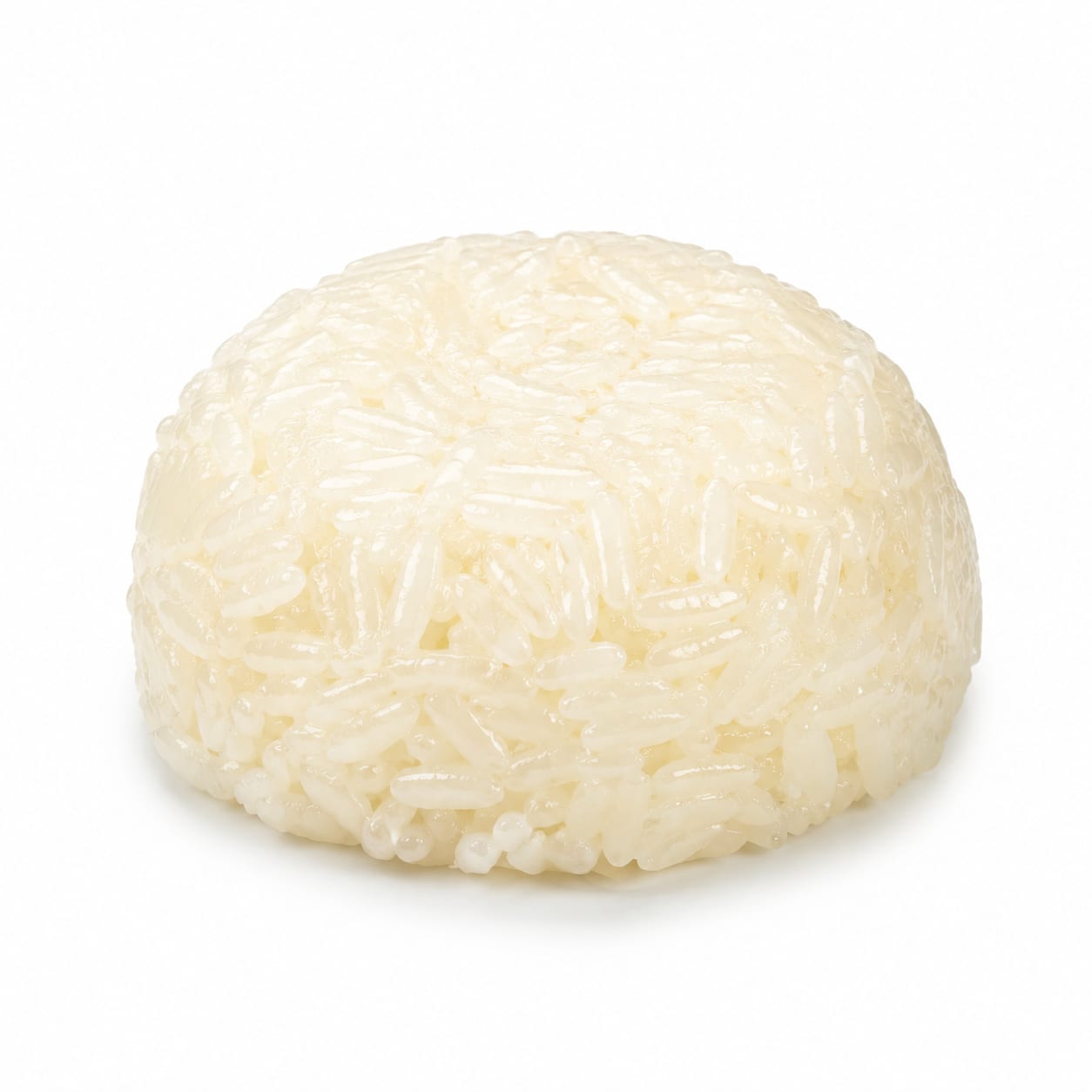
Sticky Rice
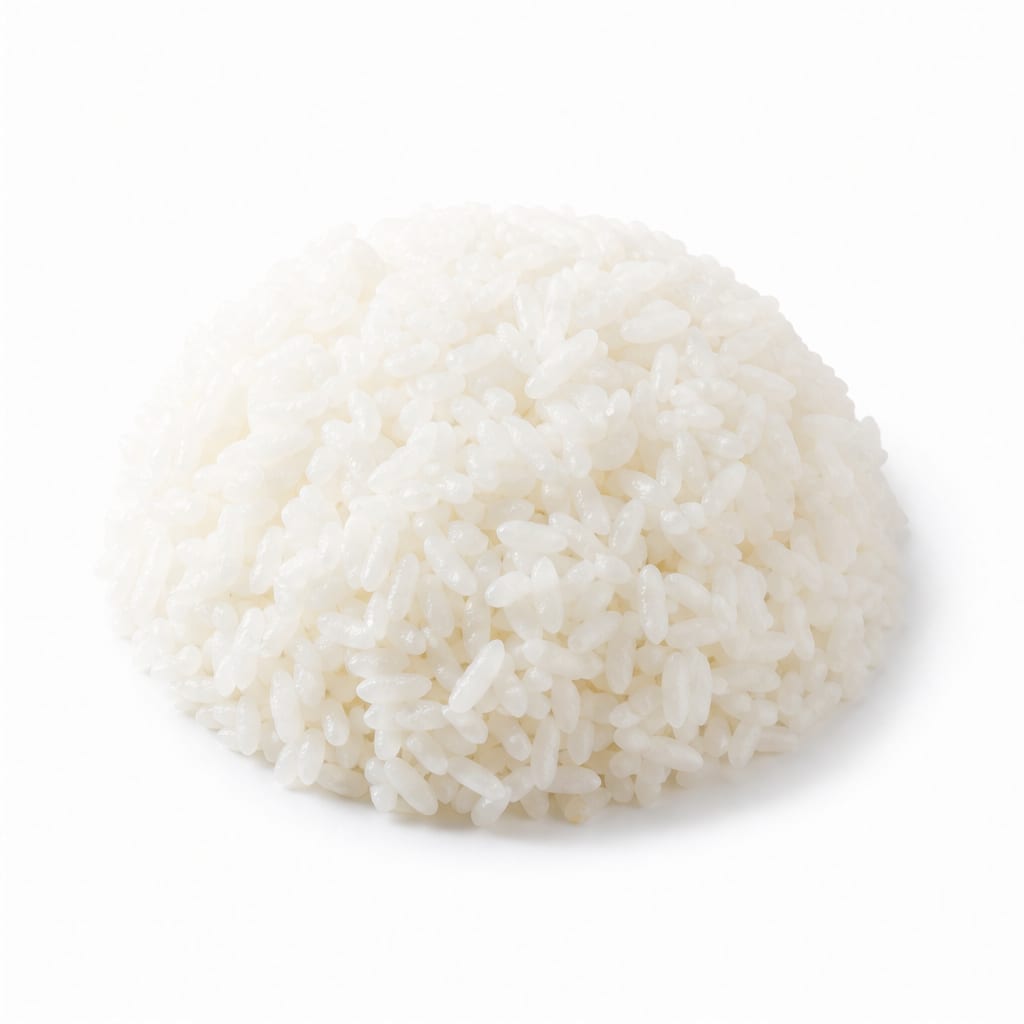
White Rice
White Rice is the better everyday staple with steadier energy and broader versatility, while Sticky Rice is a culturally irreplaceable treat that hits your blood sugar harder.
White Rice scores meaningfully higher due to better blood sugar stability, greater satiety, and superior daily-use practicality. Sticky Rice is not unhealthy in small portions, but its extreme glycemic impact and lower filling power make it a less sustainable everyday choice.
Sticky Rice delivers a unique chewy satisfaction and cultural authenticity but spikes blood sugar faster and leaves you hungrier sooner compared to White Rice.
At a glance
Executive summary
Overall
White Rice
Healthier
White Rice
More practical
White Rice
Daily use
White Rice
Key comparison lenses
blood sugar management
Sticky Rice has dramatically higher glycemic impact due to its near-zero amylose content, making this the most critical health differentiator
daily staple suitability
Users are likely deciding which rice to eat regularly as a base carb source
satiety and hunger control
Different starch structures affect how long you stay full after eating
cultural and culinary fit
Sticky Rice serves specific dishes and traditions that White Rice cannot replicate
digestive tolerance
Sticky Rice can be harder to digest in quantity, causing bloating or sluggishness
Best choice for
Sticky Rice
- Southeast Asian cultural dishes like mango sticky rice or larb
- Quick pre-workout energy when you need fast-digesting carbs
- People who struggle with regular rice texture and prefer softer, chewier mouthfeel
White Rice
- Daily meal prep and staple carb needs
- Anyone managing blood sugar or insulin sensitivity
- Balanced meals where rice plays a supporting role rather than the star
Least suitable for
Sticky Rice
- People with diabetes or prediabetes
- Anyone trying to manage afternoon energy crashes
- Large portion eaters who struggle with portion control
White Rice
- Traditional Southeast Asian recipes requiring authentic sticky texture
- People who find regular rice too dry or bland and need more satisfying mouthfeel
Deep comparison
Dimension by dimension
Each lens scores both foods and breaks down who each option suits.
- Dimension 1 · Priority 95White Rice
Blood Sugar Stability
Sticky Rice · 18White Rice · 45Sticky Rice digests extremely fast due to near-zero amylose content, causing rapid glucose spikes. White Rice still raises blood sugar but at a noticeably more moderate pace.
Tradeoff
That fast digestion can be useful before intense exercise but makes Sticky Rice a poor choice for sustained energy or metabolic health.
Why it matters
Frequent blood sugar spikes drive hunger cycles, fatigue, and long-term insulin resistance. This is the single biggest health difference between these two rices.
Real-world impact
Eating Sticky Rice for lunch often means feeling sleepy an hour later and hungry again by mid-afternoon. White Rice gives you a longer runway before the crash.
Sticky Rice
- Athletes needing quick carbs 30-60 minutes before intense training
- Underweight individuals struggling to eat enough calories
Better for
- Sedentary evenings when that glucose has nowhere to go
- Breakfast on its own without protein or fat to slow absorption
Worse for
White Rice
- Office workers who need steady afternoon focus
- Anyone with a family history of type 2 diabetes
- People who experience energy crashes after carb-heavy meals
Better for
- During endurance events when you actually want rapid fuel delivery
Worse for
- Dimension 2 · Priority 82White Rice
Satiety and Fullness
Sticky Rice · 30White Rice · 50White Rice keeps you fuller for longer. Sticky Rice digests so quickly that hunger returns fast, making portion control harder.
Tradeoff
Sticky Rice feels more satisfying bite-by-bite due to its chewy texture, but that mouthfeel pleasure does not translate to lasting fullness.
Why it matters
Foods that leave you hungry sooner tend to drive overeating at subsequent meals or snacking between meals.
Real-world impact
A plate of Sticky Rice might feel incredibly satisfying while eating it, but two hours later you are reaching for snacks. White Rice buys you more time.
Sticky Rice
- Small dessert portions where satisfaction matters more than fullness
Better for
- Anyone who tends to overeat when hungry again quickly
Worse for
White Rice
- Main meals where rice needs to hold you over for 4-5 hours
- Weight management when controlling hunger between meals matters
Better for
- Recovery meals after intense exercise when you want to eat again soon anyway
Worse for
- Dimension 3 · Priority 78White Rice
Versatility and Practicality
Sticky Rice · 35White Rice · 80White Rice pairs with virtually any cuisine and cooking method. Sticky Rice is niche, requiring special steaming equipment and fitting a narrower range of dishes.
Tradeoff
Sticky Rice creates unforgettable dishes that White Rice simply cannot replicate, but you would not want to eat it with every meal.
Why it matters
A staple carb needs to work across different meals, flavors, and cooking situations to be practical for daily life.
Real-world impact
White Rice works with stir-fries, curries, grilled meats, beans, and soups. Sticky Rice really shines with specific Southeast Asian dishes and desserts but feels wrong with most Western meals.
Sticky Rice
- Authentic Thai and Lao cuisine where the dish is built around sticky texture
- Dessert applications like mango sticky rice or rice dumplings
Better for
- Anyone without a bamboo steamer or sticky rice steaming setup
- Curries and saucy dishes where you want grains to stay separate
Worse for
White Rice
- Weekly meal prep with varied cuisines
- Families needing one rice that works with everything
- Quick weeknight cooking without special equipment
Better for
- Cultural meals where substituting regular rice feels inauthentic and disappointing
Worse for
- Dimension 4 · Priority 70White Rice
Digestive Tolerance
Sticky Rice · 38White Rice · 55Sticky Rice can feel heavy and sit in your stomach longer despite digesting quickly into glucose. White Rice is gentler on digestion for most people.
Tradeoff
Some people find Sticky Rice easier to eat in small amounts due to its soft texture, but larger portions commonly cause bloating.
Why it matters
Digestive comfort affects energy levels, mood, and whether you feel like moving after eating.
Real-world impact
A big Sticky Rice meal often leaves you feeling stuffed but paradoxically hungry, an uncomfortable combination. White Rice feels lighter in the stomach even at similar calorie amounts.
Sticky Rice
- People with chewing difficulties who prefer softer, clumpier textures
- Small side portions where digestive load is minimal
Better for
- Anyone with slow gastric emptying or post-meal fatigue issues
Worse for
White Rice
- People prone to bloating or post-meal heaviness
- Larger meals where digestive comfort matters for the rest of your day
Better for
- People who find regular rice too dry or scratchy in texture
Worse for
- Dimension 5 · Priority 65It depends
Nutritional Value
Sticky Rice · 32White Rice · 38Neither rice is a nutritional powerhouse. Both are primarily refined carbohydrate with minimal fiber, protein, or micronutrients. White Rice has a slight edge in some B vitamins due to enrichment.
Tradeoff
The nutritional gap is small enough that neither should be your primary nutrient source. What you eat with the rice matters far more than which rice you choose.
Why it matters
Choosing between these two for health benefits is like choosing which type of empty room has better furniture. The room is still empty.
Real-world impact
Your body does not notice a meaningful nutritional difference between these rices. It notices the vegetables, proteins, and healthy fats you pair them with.
Sticky Rice
- Minimal advantage in trace minerals like manganese in some varieties
Better for
- Virtually zero fiber and minimal micronutrients
- Not typically enriched or fortified
Worse for
White Rice
- Enriched varieties provide small amounts of folate, thiamin, and iron
- Slightly more protein per serving in some long-grain varieties
Better for
- Still a refined grain with most nutrients stripped during milling
Worse for
Timeline
Health impact over time
Short-term
Hours to days
Sticky Rice
- Rapid blood sugar spike within 30-45 minutes of eating
- Quick energy surge followed by potential crash and sleepiness
- High satiety during eating but hunger returning within 1-2 hours
- Possible bloating or heaviness in larger portions
White Rice
- Moderate blood sugar rise over 45-90 minutes depending on variety
- More sustained energy for 2-3 hours before gradual decline
- Better hunger control between meals
- Easier digestive comfort for most people
Long-term
Months to years
Sticky Rice
- Regular consumption may increase insulin resistance risk due to frequent glycemic spikes
- Higher likelihood of weight gain if portions are not carefully managed
- Potential contribution to metabolic syndrome markers with daily consumption
- Minimal fiber intake does not support gut microbiome diversity
White Rice
- Lower but still present risk of metabolic issues with frequent large portions
- Slightly better long-term blood sugar management compared to Sticky Rice
- Enriched varieties provide small but consistent B-vitamin intake
- Still a refined grain with associated long-term risks when overconsumed
Risk profile
Safety & processing
Both Sticky Rice and White Rice are refined grains with similar processing levels. Sticky Rice is naturally glutinous due to its starch composition, not from additives. White Rice is milled to remove bran and germ. Neither contains concerning artificial ingredients, but both have lost most of their natural nutritional value through processing.
Sticky Rice
Arsenic contamination
mediumGlutinous rice can accumulate arsenic similarly to other rice varieties. Sourcing from regions with lower soil arsenic reduces this risk.
Bacillus cereus food poisoning
mediumSticky Rice left at room temperature after cooking can harbor Bacillus cereus. Its moist, clumpy texture may even create slightly more favorable conditions for bacterial growth than drier rice.
White Rice
Arsenic contamination
mediumWhite Rice is a known source of dietary arsenic, particularly rice grown in the southern United States. Rinsing and cooking with excess water reduces levels significantly.
Bacillus cereus food poisoning
mediumReheated rice is a classic source of B. cereus illness. Proper refrigeration and thorough reheating mitigate this risk.
Who wins for whom
Audience fit
Same foods, different winners depending on your goal.
children
White RiceWhite Rice provides steadier energy for active kids and is less likely to cause energy crashes that affect mood and focus. Sticky Rice is fine as an occasional treat.
daily consumption
White RiceWhite Rice offers better metabolic sustainability, digestive comfort, and meal versatility for daily use. Sticky Rice is best enjoyed a few times per week rather than daily.
diabetes
White RiceWhite Rice has a meaningfully lower glycemic index and slower glucose release. Sticky Rice is one of the highest-GI staple foods available and is particularly risky for blood sugar management.
elderly
White RiceOlder adults are more vulnerable to blood sugar spikes and metabolic issues. White Rice is gentler on aging metabolism while still being easy to chew and digest.
muscle gain
It dependsSticky Rice offers faster post-workout glycogen replenishment, while White Rice provides steadier energy for training. Both work well when timed appropriately around exercise.
weight loss
White RiceWhite Rice provides better satiety per calorie, reducing the likelihood of overeating at subsequent meals. The slower digestion helps manage hunger cues more effectively.
Your move
Decision guide
Choose Sticky Rice
- You are preparing traditional Southeast Asian dishes where Sticky Rice is culturally essential
- You need fast-digesting carbs before intense athletic performance
- You are underweight and actively trying to increase calorie intake easily
- You find regular rice textures unappealing and would skip meals without the chewy satisfaction of Sticky Rice
Choose White Rice
- You eat rice as a daily staple with varied meals
- You want steadier energy and better hunger control throughout the day
- You have any blood sugar concerns, even mild ones
- You want one versatile rice that works with any cuisine or dish
- You meal prep weekly and need a reliable, easy-to-cook base carb
Either works if
- You are eating rice alongside plenty of protein, fiber, and healthy fats that slow glucose absorption regardless of rice type
- You only eat rice occasionally and the metabolic difference is negligible at low frequency
- You are mixing rice into soups or congee where texture differences mostly disappear
Avoid both if
- You have diabetes or significant insulin resistance and need lower-glycemic carb sources like quinoa, lentils, or cauliflower rice
- You are on a strict low-carb or ketogenic diet
- You are trying to maximize nutrient density per calorie and want whole grains instead
Final recommendation
Make White Rice your everyday staple and treat Sticky Rice as a special-occasion food. The blood sugar difference is real and compounds over time. When you do eat Sticky Rice, pair it with protein and vegetables to slow the glucose rush, and keep portions moderate. If Sticky Rice is culturally important to you, enjoy it authentically a few times a week rather than making it your default daily grain.
Practical
Consumer tips
- 1
Pair Sticky Rice with coconut milk, grilled meats, or vegetables to slow sugar absorption and make the meal more balanced
- 2
Rinse White Rice before cooking and use the excess-water method to reduce arsenic levels by up to 50%
- 3
If you love Sticky Rice texture but want better blood sugar control, try mixing small amounts into White Rice rather than eating it alone
- 4
Refrigerate cooked rice before reheating to create resistant starch, which lowers the glycemic impact of both varieties
- 5
Choose Jasmine or Basmati White Rice for the lowest glycemic options within the White Rice family
- 6
Never leave either rice at room temperature for more than 2 hours after cooking to avoid Bacillus cereus risk
- 7
Sticky Rice requires soaking for 4+ hours and a bamboo steamer for authentic results. Do not try to cook it like regular rice in a pot of water.