
Seafood
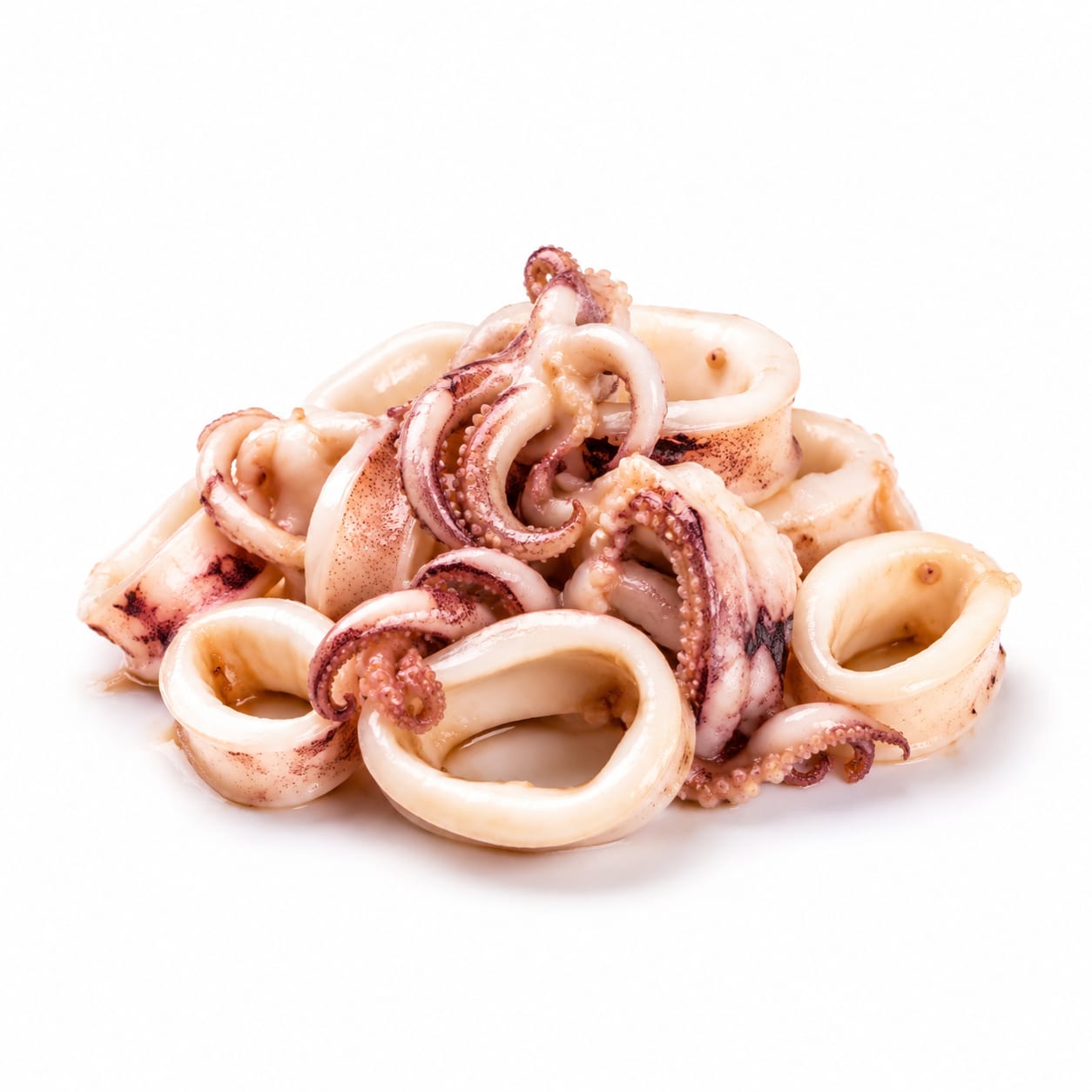
Squid
Squid is a high-protein, low-calorie shellfish that provides essential nutrients with virtually zero carbohydrates.
Squid is a marine cephalopod widely consumed globally, known for its mild flavor and firm texture. It is exceptionally low in calories and carbohydrates while being densely packed with high-quality protein and essential micronutrients like vitamin B12 and selenium.
lean protein-dense seafood
Typical serving · 85g
Common varieties · atlantic longfin, pacific market squid, caribbean reef squid, humboldt squid, loligo squid
Overall context score across nutrition, safety, and diet fit
At a glance
Quick facts
Simple indicators based on nutrition, processing, and diet fit.
The story
What makes it unique
Squid digests at a moderate pace due to its dense muscle protein structure, providing steady amino acid release. It contains virtually zero carbohydrates and fiber, resulting in a negligible glycemic impact. The macronutrient profile is heavily skewed toward lean protein with minimal fat, making it highly satiating per calorie. As a wild-caught whole food, it has minimal processing unless prepared into commercial products like breaded rings.
Varieties: atlantic longfin · pacific market squid · caribbean reef squid · humboldt squid · loligo squid
Per 100g
Nutrition breakdown
Macro balance and key metrics at a glance.
Energy
Density 0.92 kcal/g
Protein
Carbs
Fat
Fiber
Sugar
0 g
Sodium
44 mg
Potassium
280 mg
Glycemic index
0
Glycemic load
0
Water content
78.5%
Standout compounds
Nutrient highlights
Vitamin B12
highSupports nerve function and red blood cell formation
Selenium
highActs as a powerful antioxidant and supports thyroid health
Protein
highEssential for muscle repair, satiety, and enzyme production
Copper
moderateAids in iron absorption and energy production
Phosphorus
moderateVital for bone health and cellular repair
Wellness map
Health scores & processing
NOVA processing scale
minimally processed · Whole food
Fresh or frozen whole squid is an unprocessed whole food. However, commercially prepared calamari rings or battered squid products are ultra-processed and high in unhealthy fats.
Diet compatibility
- Weight loss
- Muscle gain
- Diabetes
- Gut health
- Low carb
- High protein
- Heart health
Relative standing
Food rankings
Qualitative ranks compared to similar whole foods.
- Satietygood
- Blood sugarexcellent
- Nutrient densitygood
- Fitness fuelexcellent
- Processing qualityexcellent
Eat with confidence
Food safety profile
Squid is generally safe when cooked thoroughly, which eliminates parasites and bacteria. Raw squid carries a risk of parasitic infection and vibrio. Heavy metal accumulation is a moderate concern but lower than in large predatory fish.
Evidence confidence 85%
- Pesticideslow
- Antibioticslow
- Heavy metalsmoderate
- Contaminationmoderate
Watch for
- cadmium
- lead
- vibrio parahaemolyticus
- anisakis parasites
Safer choices
Sustainably caught Pacific or Atlantic squid from clean waters.
Prep tips
Cook completely to an internal temperature of 145°F (63°C) to kill parasites and bacteria. Avoid cross-contamination with raw seafood.
Monitoring of heavy metals in cephalopods is standard, as they can accumulate cadmium and lead from marine environments.
Deep dive
Health analysis
How this food may fit different goals and preparation choices.
Weight loss
Exceptional for weight loss due to extremely low energy density and high protein content, which maximizes fullness per calorie consumed.
Blood sugar
Perfect for blood sugar control with virtually zero carbohydrates and a glycemic index of zero, preventing any glucose spikes.
Fitness & energy
Excellent lean protein source for muscle repair and growth, though it lacks the fast-digesting carbohydrates needed for immediate post-workout glycogen replenishment.
Gut health
Neutral for gut health; it provides no dietary fiber to feed the microbiome, but is easily digested by most people when cooked properly.
Processing quality
Whole fresh or frozen squid is entirely unprocessed. Consumers should avoid pre-breaded calamari, which introduces refined carbs and unhealthy frying oils.
Food safety
Must be cooked thoroughly to mitigate the risk of marine parasites and bacterial contamination. Moderate heavy metal accumulation is possible but generally safe in moderation.
Common mistakes
Frying squid in heavy batter transforms it from a low-calorie health food into a high-calorie, high-fat indulgence. Overcooking fresh squid makes it rubbery and tough.
Best preparation
Quick grilling, sautéing, or boiling for 2-3 minutes, or slow-cooking for 30+ minutes to tenderize without adding excess fat.
Practical guide
Best use cases
When and how this food fits real eating patterns.
low-carb seafood dinner
Grilled or sautéed squid provides a filling, zero-carb main course for ketogenic or diabetic meal plans.
lean muscle building
Delivers a high dose of complete protein with minimal fat, supporting muscle synthesis without adding excess calories.
high-volume low-calorie eating
Its low energy density allows for generous portion sizes that promote physical fullness without caloric excess.
quick weeknight protein
Cooks in just 2-3 minutes on a hot grill or pan, ideal for fast, nutritious meals.
Balance sheet
Pros & cons
Upsides
- Extremely low in calories and carbohydrates
- Rich in high-quality, complete protein
- Excellent source of vitamin B12 and selenium
- Very low in saturated fat
- Versatile and quick to cook
Trade-offs
- High in dietary cholesterol, which may concern some individuals
- Can become rubbery and unpalatable if overcooked
- Commonly served fried and breaded, which ruins its nutritional profile
- Risk of heavy metal accumulation like cadmium
- Potential allergen for those with shellfish sensitivities
Fit check
Who is it for?
Great match
- weight loss diets
- ketogenic and low-carb diets
- diabetic meal plans
- lean muscle gain
- quick high-protein meals
Consider alternatives
- strict low-cholesterol diets prescribed by doctors
- people with shellfish or mollusk allergies
- those who only eat it deep-fried
Side by side
How it compares
Open the full head-to-head analysis for nutrition, safety, and practical tradeoffs.
This food
Squid
VS90% alike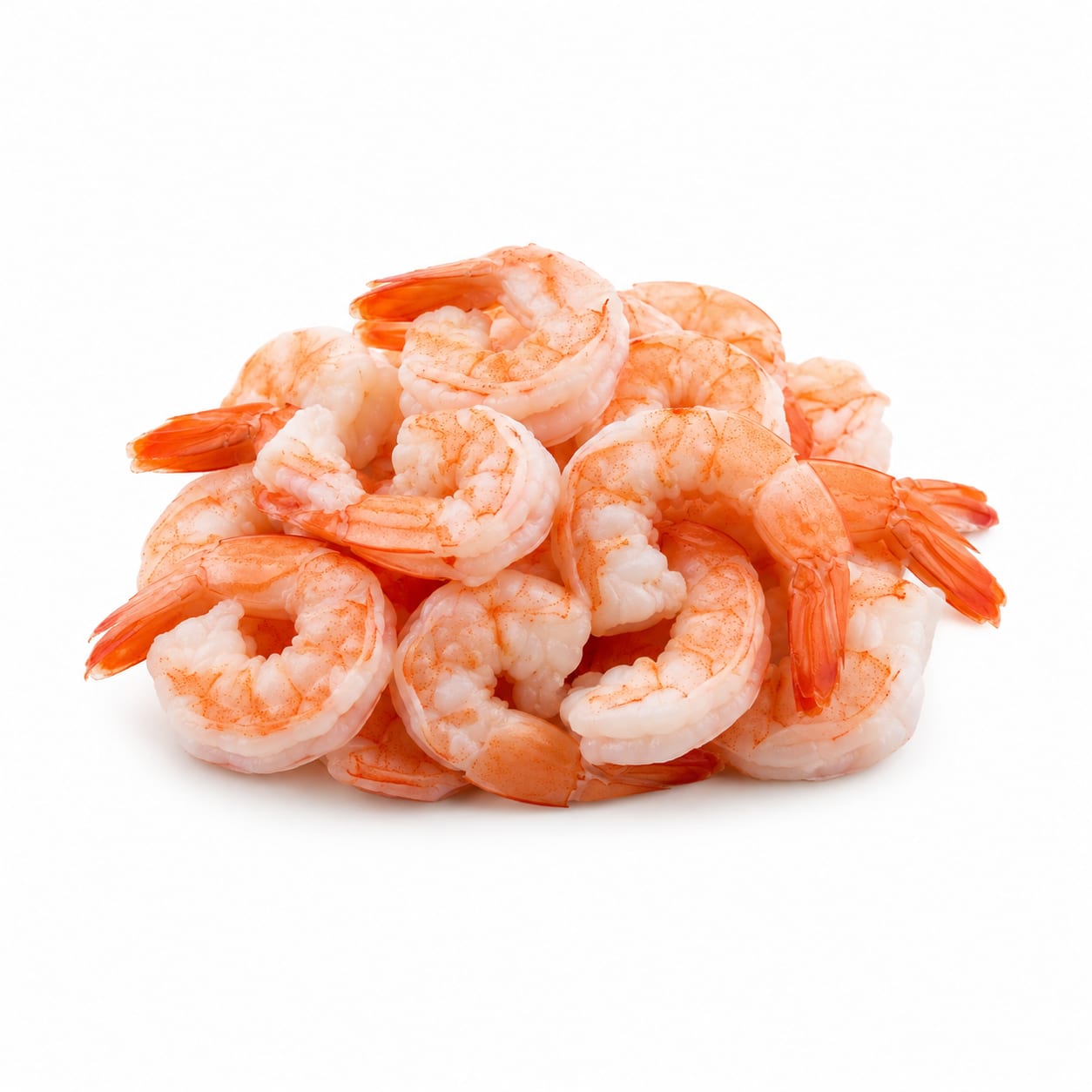
Compare with
Shrimp
Squid and shrimp are both lean, low-carb proteins. Squid has slightly fewer calories and more iron, while shrimp is lower in cholesterol and higher in iodine.
Squid has fewer calories than shrimp, making it slightly better for weight loss, while both are excellent zero-carb proteins for blood sugar control.
This food
Squid
VS95% alike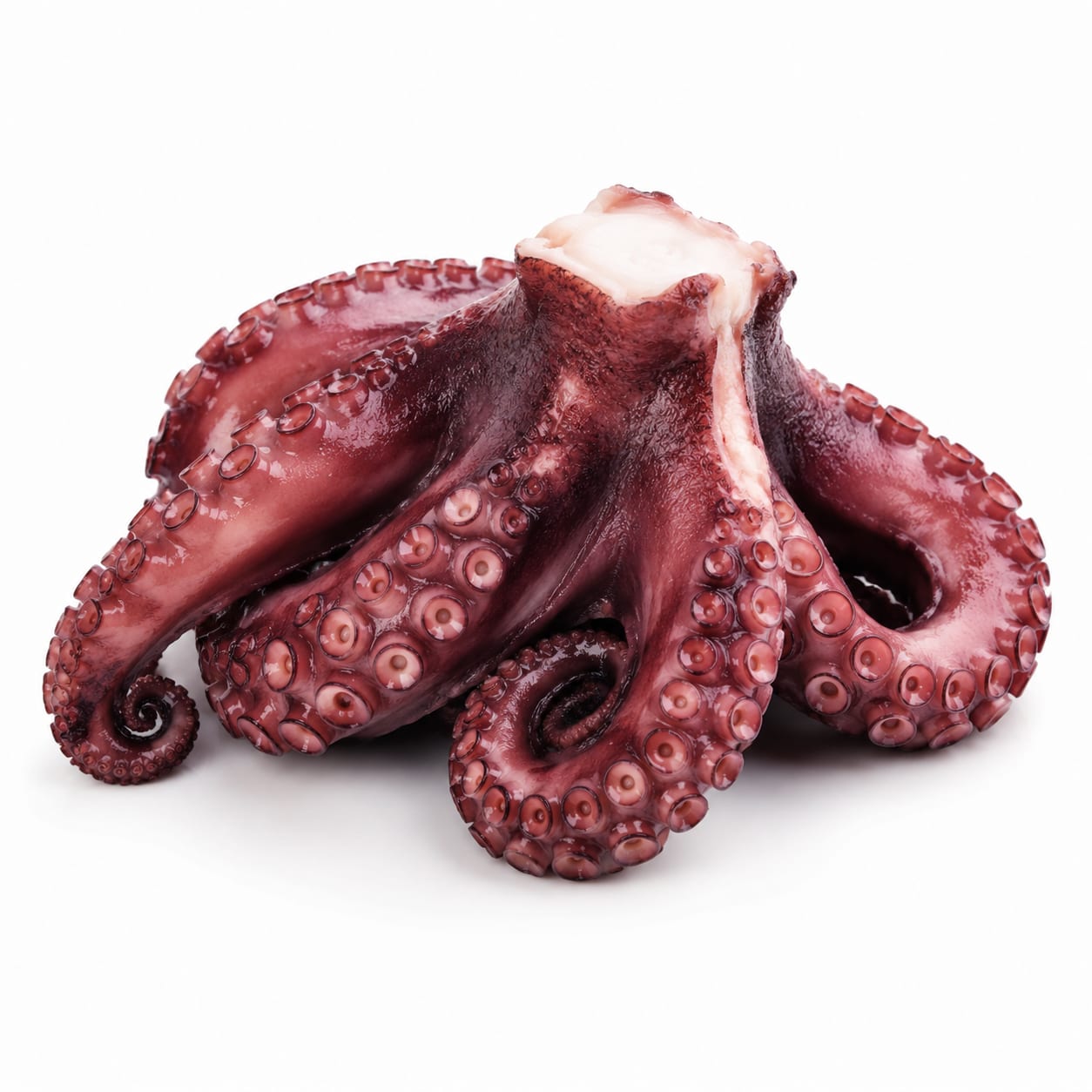
Compare with
Octopus
Octopus is lower in cholesterol and higher in iron, but squid is lower in calories and higher in vitamin B12.
Squid is lower in calories than octopus, but octopus provides more iron and satiety per serving.
This food
Squid
VS75% alike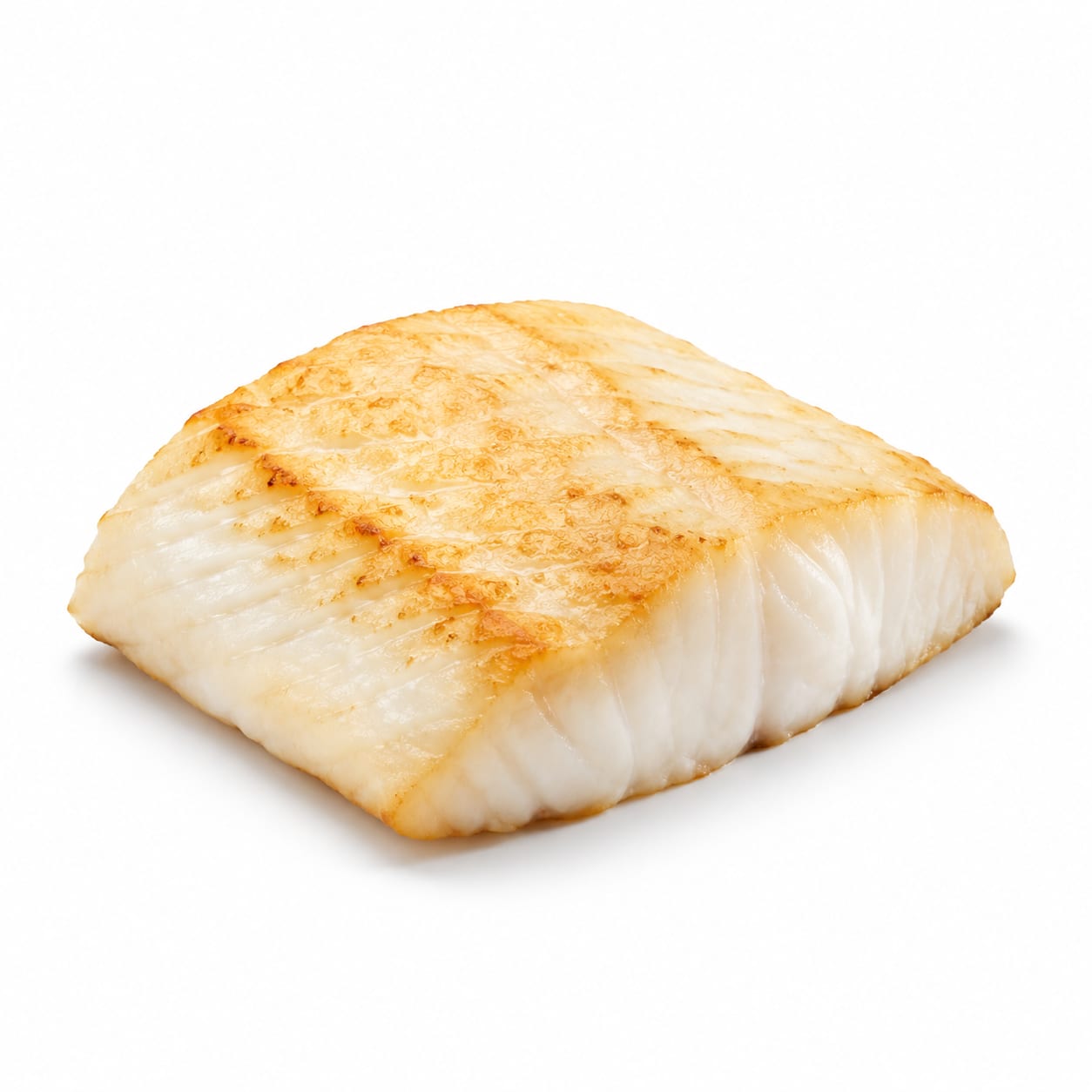
Compare with
Cod
Cod is a finfish with slightly more calories and less cholesterol. Squid is lower in calories and richer in certain minerals like copper and selenium.
Squid is lower in calories than cod, but cod offers a flakier texture and slightly more omega-3 fats.
This food
Squid
VS50% alike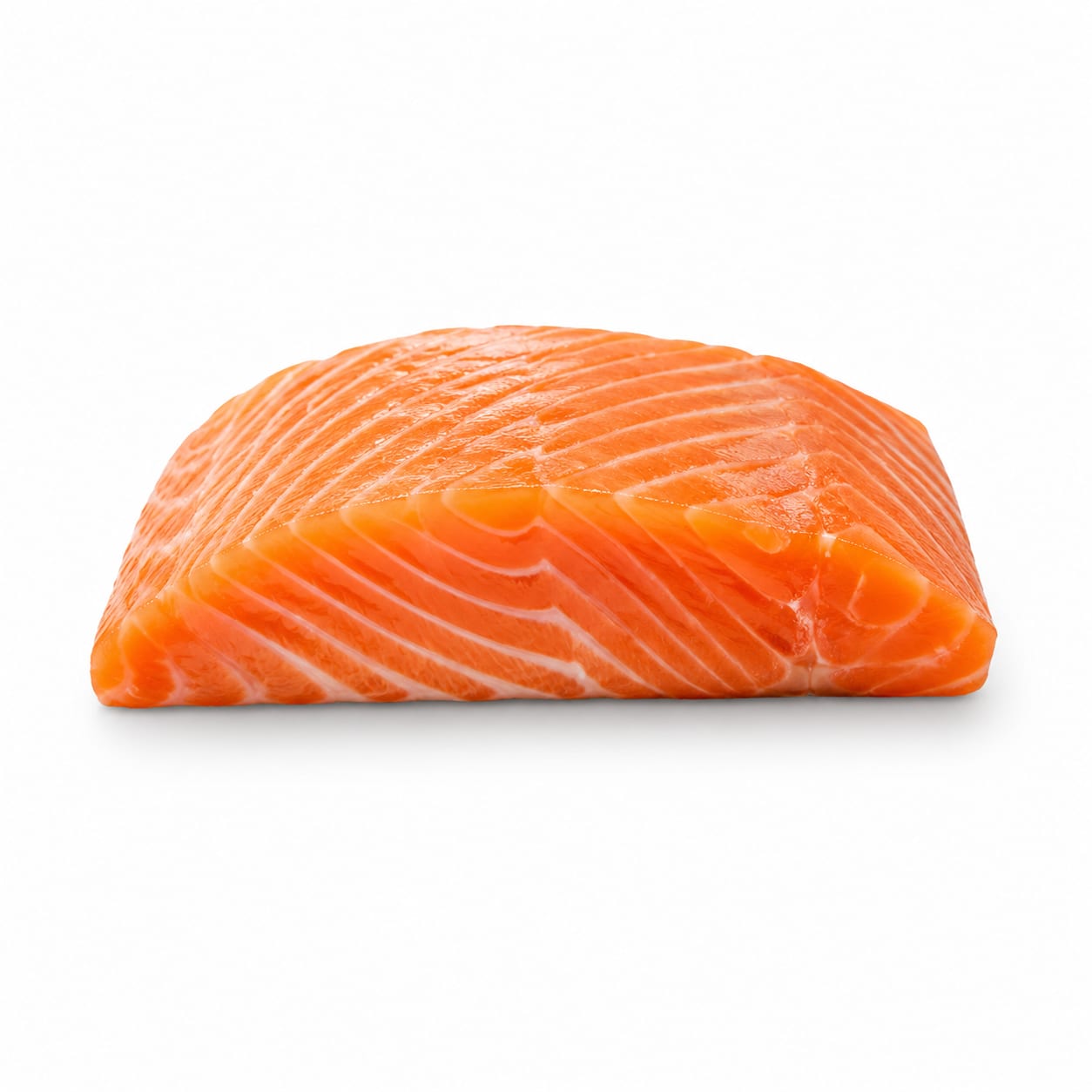
Compare with
Salmon
Salmon is rich in omega-3 fatty acids and higher in calories, while squid is extremely lean and lower in calories.
Squid is better for strict calorie restriction, while salmon provides more healthy fats and omega-3s for heart health.
This food
Squid
VS70% alike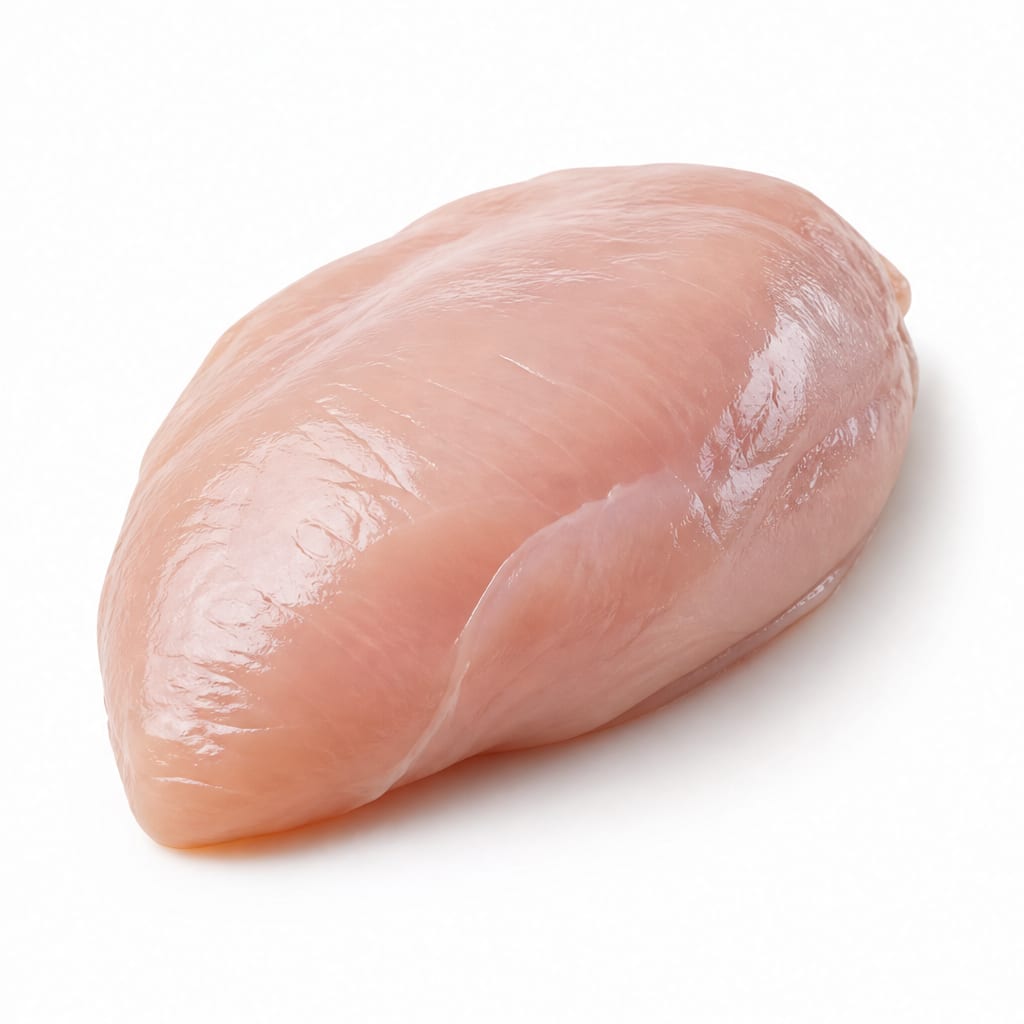
Compare with
Chicken Breast
Chicken breast is slightly higher in calories and protein, but squid offers more micronutrients like B12 and selenium with fewer calories per gram.
Chicken breast provides more protein per serving, but squid is lower in calories and richer in vitamin B12.
This food
Squid
VS80% alike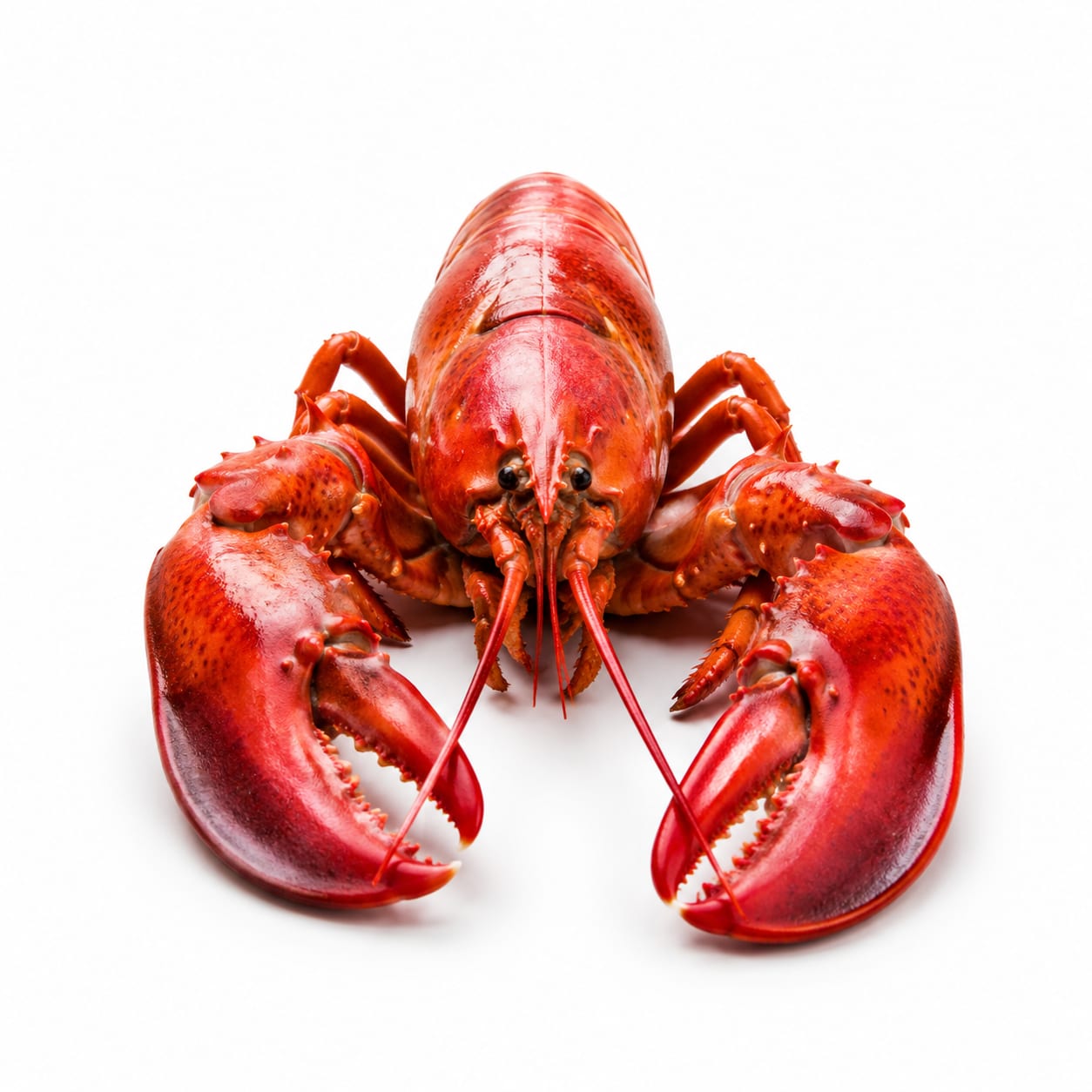
Compare with
Lobster
Lobster is slightly higher in protein and lower in cholesterol, but squid is significantly lower in calories and more affordable.
Squid is much lower in calories than lobster, making it a better choice for weight loss, while both are zero-carb proteins.
This food
Squid
VS85% alike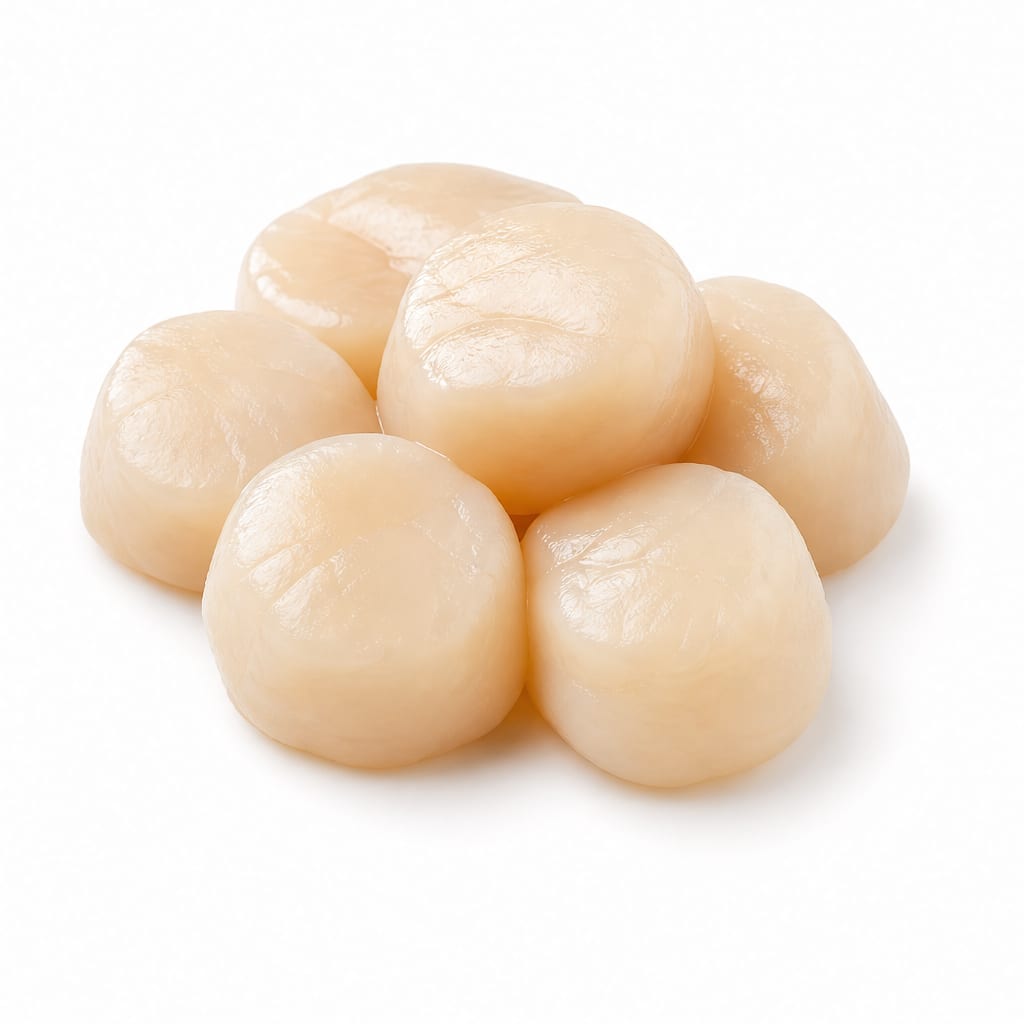
Compare with
Scallops
Scallops are lower in cholesterol and higher in omega-3s, while squid is slightly lower in calories and higher in zinc.
Squid and scallops are both lean, low-calorie proteins, but squid has less cholesterol and fewer calories per serving.
This food
Squid
VS65% alike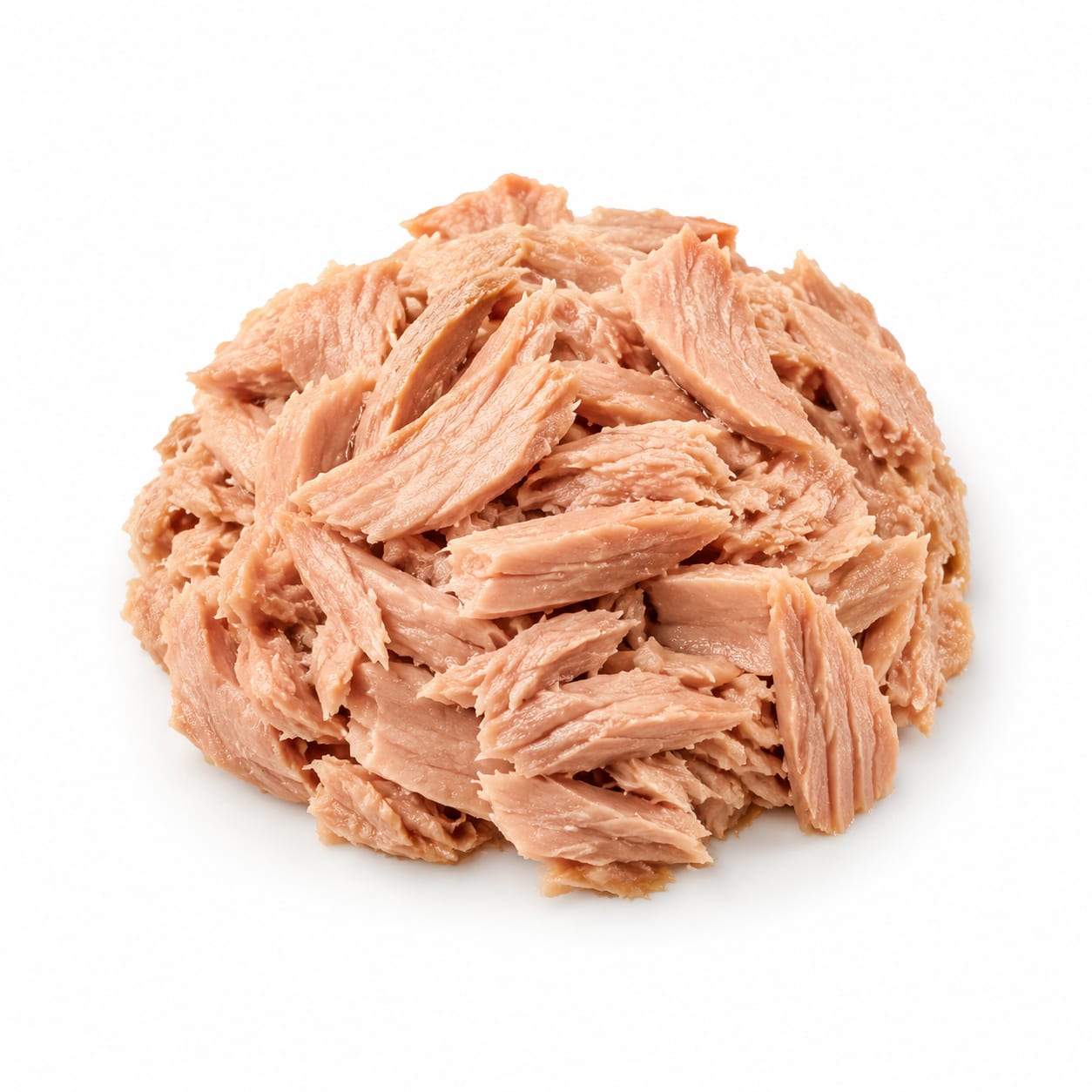
Compare with
Tuna
Tuna is higher in protein and omega-3s, but squid is much lower in calories and mercury.
Tuna offers more protein and omega-3s, but squid is lower in calories and carries less mercury risk.
This food
Squid
VS60% alike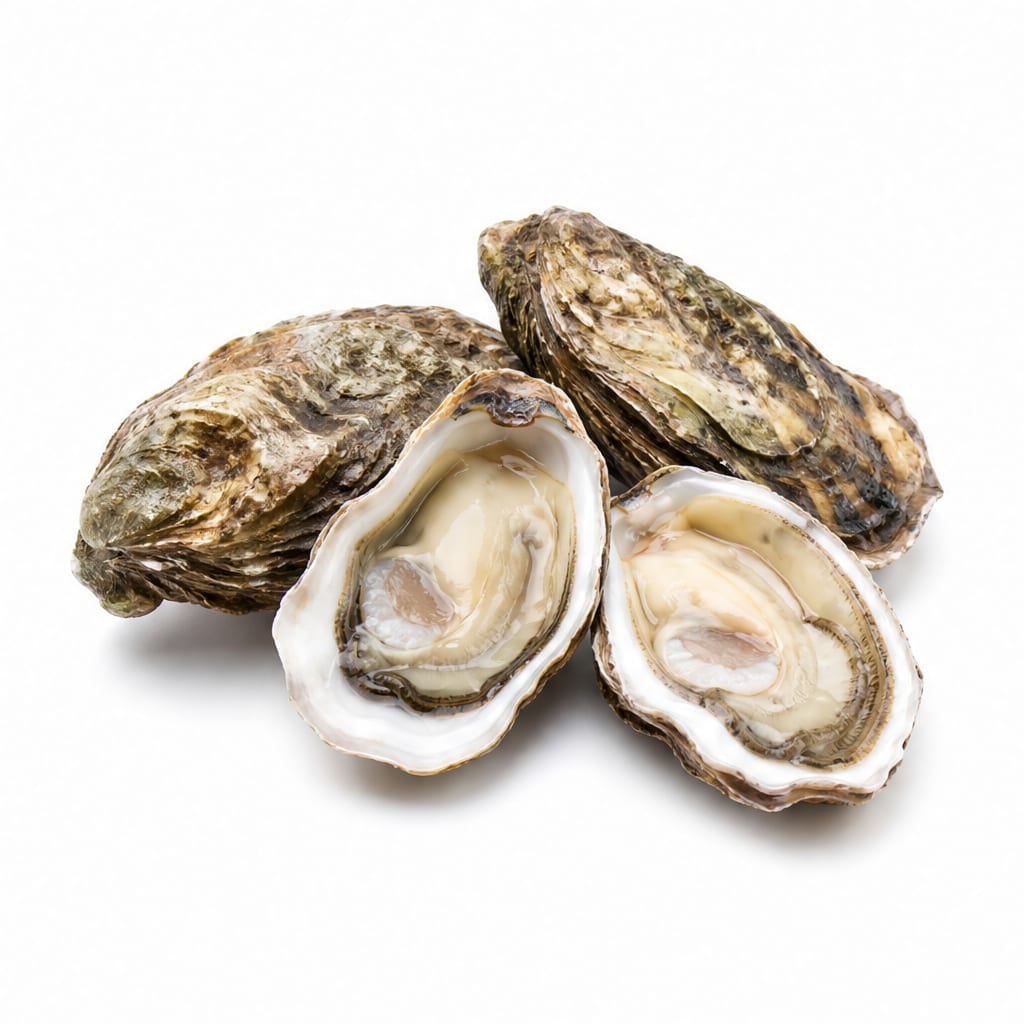
Compare with
Oysters
Oysters are rich in zinc and iron with more carbohydrates, while squid is purely lean protein with zero carbs.
Squid is a better zero-carb protein source, while oysters are superior for zinc and immune-boosting minerals.
This food
Squid
VS75% alike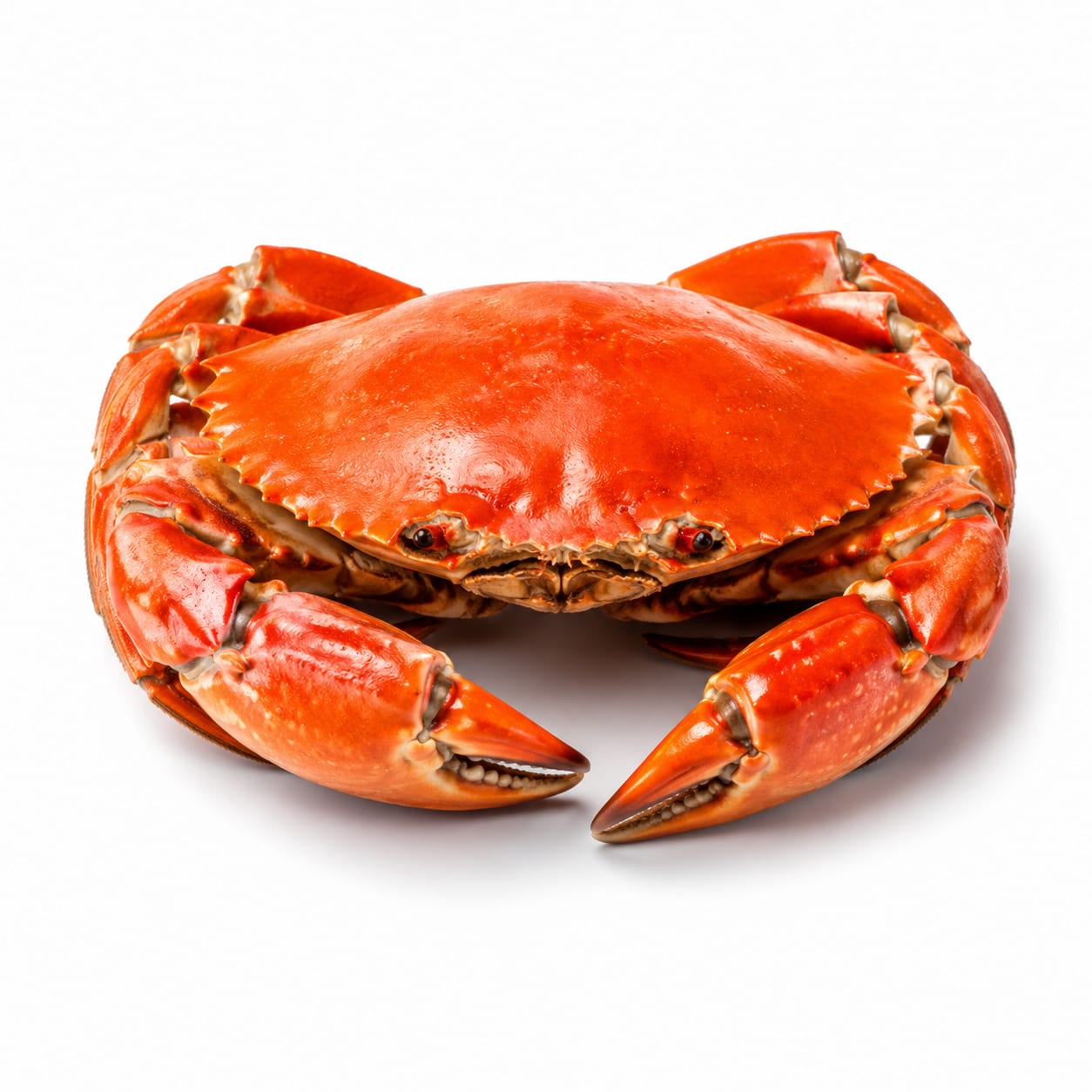
Compare with
Crab
Crab is lower in cholesterol and higher in sodium, while squid is lower in calories and higher in protein.
Squid is lower in calories and higher in protein than crab, making it a slightly better option for weight loss and muscle gain.
Common questions
FAQ
Answers aligned with how people search for this food.
Is squid good for weight loss?
Yes, squid is excellent for weight loss. It is very low in calories and fat while being high in protein, which helps you feel full longer without consuming excess energy.
Is squid high in cholesterol?
Squid is high in dietary cholesterol, but dietary cholesterol has minimal impact on blood cholesterol for most people. Because squid is very low in saturated fat, it does not typically raise harmful LDL cholesterol levels.
Can diabetics eat squid?
Yes, squid is a great choice for diabetics. It contains virtually zero carbohydrates and will not spike blood sugar levels. Just avoid breaded or fried preparations.
Is calamari the same as squid?
Yes, calamari is simply the culinary term for squid, especially when prepared as a fried appetizer. However, fried calamari is much higher in calories and fat than fresh, unprocessed squid.
Can you eat squid on a keto diet?
Absolutely. Squid has almost zero carbs and is high in protein, making it an ideal seafood choice for ketogenic and low-carb diets when not breaded.
Is squid healthy if fried?
Frying squid significantly diminishes its health benefits. Breading and deep-frying add refined carbohydrates, trans fats, and excess calories, turning a lean protein into an unhealthy indulgence.
Does squid have a lot of calories?
No, raw or plainly cooked squid is very low in calories, providing only about 92 calories per 100 grams.
Is squid good for bodybuilding?
Yes, squid is a high-quality, lean protein source that supports muscle repair and growth, making it a great addition to a bodybuilding diet.
What does squid taste like?
Squid has a mild, slightly sweet, and subtle flavor. Its texture is firm and slightly chewy, and it readily absorbs the flavors of marinades and sauces.
How do you cook squid so it is not rubbery?
Cook squid either very quickly (under 3 minutes) over high heat, or slowly (over 30 minutes) in a simmering liquid. Cooking it for a moderate amount of time causes the proteins to seize, resulting in a rubbery texture.
Transparency
Data confidence
Estimated confidence for nutrition data, interpretation, safety notes, and comparisons.
Nutrition data
Health analysis
Food safety
Comparisons