
Nutrition comparison
Squid vs Shrimp: Nutrition, Cholesterol, and Health Comparison
Compare squid and shrimp to find out which shellfish is healthier. Learn the differences in cholesterol, protein, mercury, and cooking ease to make the best choice for your diet.
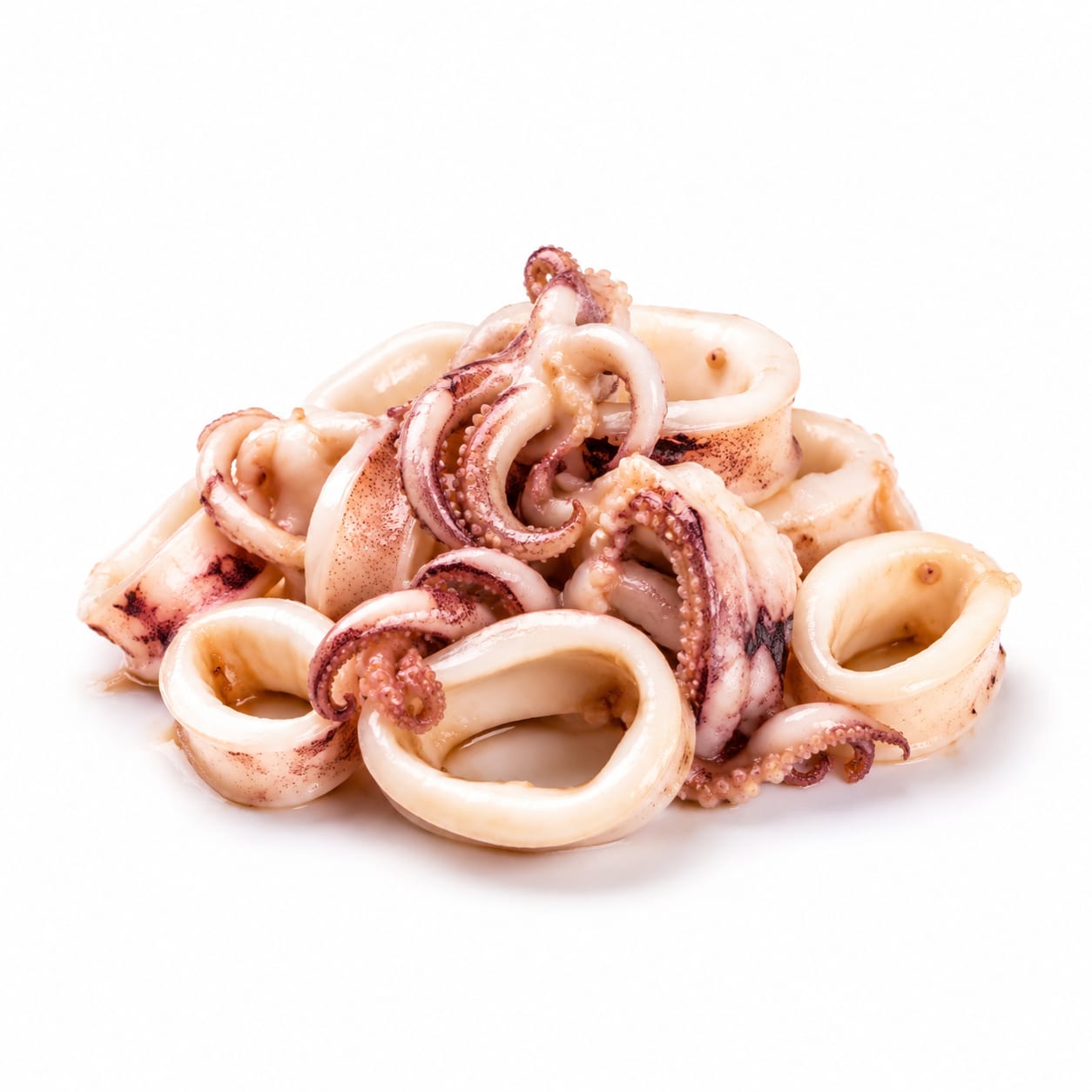
Squid
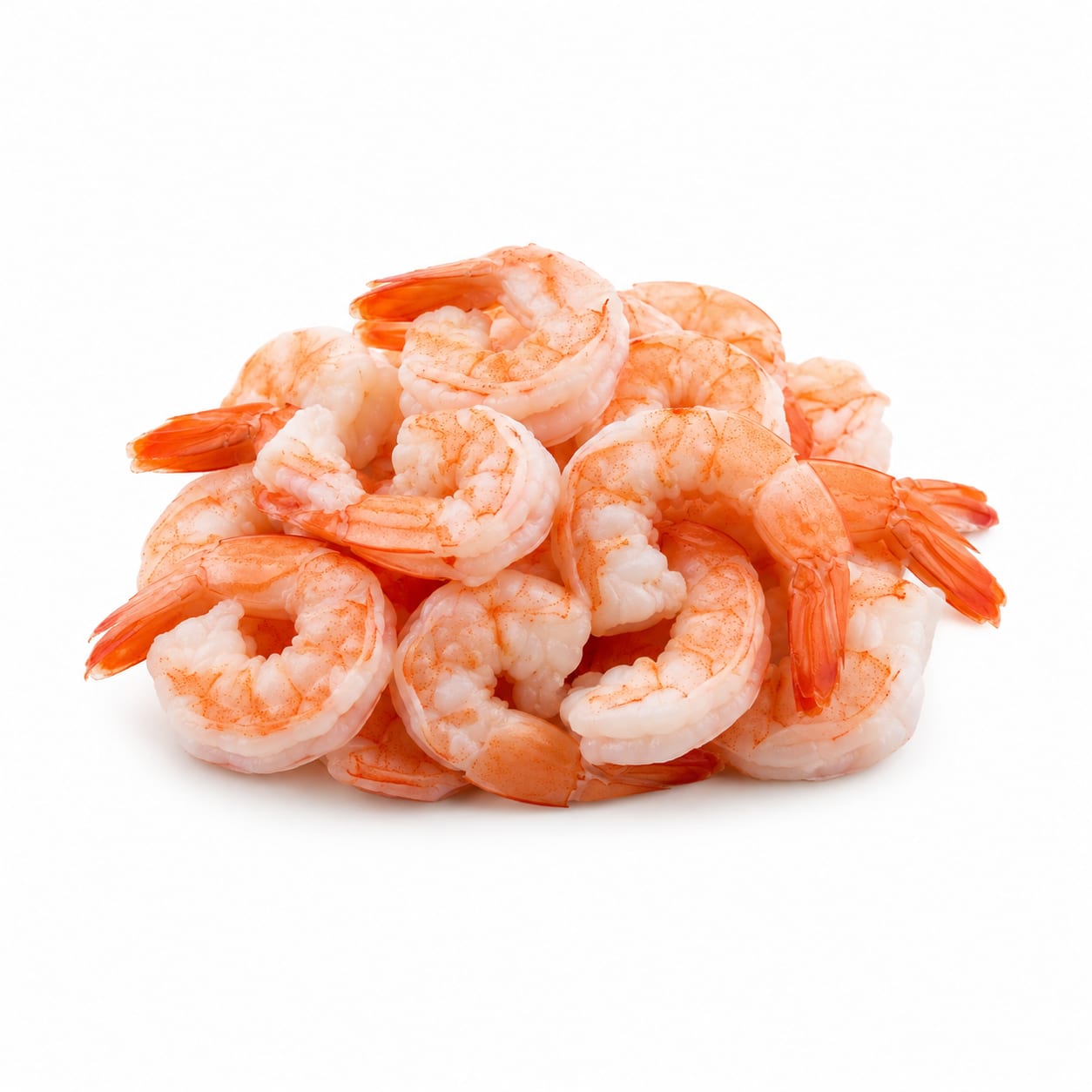
Shrimp
Shrimp is lower in calories and easier to cook, while squid offers more iron and less cholesterol per serving.
Shrimp edges ahead slightly due to superior culinary practicality and lower calorie density, though squid wins on specific micronutrients and cholesterol. The close scores reflect their similar nutritional profiles as lean shellfish.
You trade the culinary convenience and leanness of shrimp for the richer micronutrients and lower cholesterol of squid.
At a glance
Executive summary
Overall
It depends
Healthier
Squid
More practical
Shrimp
Daily use
Shrimp
Key comparison lenses
Cholesterol impact and heart health
Both are shellfish known for high cholesterol, but shrimp is notoriously high, which concerns many users.
Protein quality and weight management
Both are popular lean protein sources for low-carb and fitness diets.
Contaminant and farming safety
Shrimp farming often involves antibiotics, while squid faces heavy metal and microplastic concerns.
Culinary ease and texture
Shrimp is quick and forgiving to cook, whereas squid easily becomes rubbery if overcooked.
Best choice for
Squid
- People watching their dietary cholesterol
- Those needing an iron and B12 boost
- Restaurant dining where deep-fried calamari isn't the default
- Adventurous home cooks
Shrimp
- Weeknight meal preppers needing fast protein
- People strictly counting calories
- Those who prefer a tender, easy-to-chew seafood
- Low-carb dieters wanting a quick snack
Least suitable for
Squid
- Impatient cooks who easily overcook proteins
- People avoiding chewy textures
- Those highly concerned about heavy metal exposure
Shrimp
- Individuals with severe dietary cholesterol sensitivity
- People avoiding farmed seafood with antibiotic residues
- Those with shellfish allergies
Deep comparison
Dimension by dimension
Each lens scores both foods and breaks down who each option suits.
- Dimension 1 · Priority 90Shrimp
Protein & Caloric Efficiency
Squid · 75Shrimp · 88Shrimp delivers more protein per calorie, making it highly efficient for fat loss.
Tradeoff
Squid is slightly higher in total protein per serving, but comes with more calories, mostly from trace fats and carbs.
Why it matters
When eating in a calorie deficit, shrimp lets you maximize protein intake without burning through your daily calorie budget.
Real-world impact
A 4-ounce serving of shrimp feels lighter and leaner after eating, while the same amount of squid feels a bit denser.
Squid
- Higher absolute protein per serving for muscle building
Better for
- Higher calorie cost for the same protein hit
Worse for
Shrimp
- Better protein-to-calorie ratio for weight management
- Lighter post-meal feeling
Better for
- Slightly less total protein per standard restaurant portion
Worse for
- Dimension 2 · Priority 88Squid
Cholesterol & Heart Health
Squid · 72Shrimp · 58Squid contains significantly less cholesterol than shrimp, making it the safer bet for cholesterol-sensitive individuals.
Tradeoff
While squid wins on cholesterol, both are shellfish that can trigger inflammatory responses in susceptible people.
Why it matters
If your doctor has told you to watch dietary cholesterol, shrimp is one of the worst offenders in the seafood aisle.
Real-world impact
Eating shrimp regularly can push your dietary cholesterol intake high enough to show up on bloodwork if you are a hyper-responder.
Squid
- Much lower cholesterol per serving
- Better choice for hyper-responders to dietary cholesterol
Better for
- Still contains moderate cholesterol levels
Worse for
Shrimp
- Contains astaxanthin, an antioxidant that supports vascular health
Better for
- Very high dietary cholesterol, which is a dealbreaker for some
Worse for
- Dimension 3 · Priority 82Squid
Micronutrient Density
Squid · 86Shrimp · 74Squid is a nutritional powerhouse, offering vastly more iron, vitamin B12, and zinc than shrimp.
Tradeoff
Shrimp provides more selenium and iodine, which are crucial for thyroid function, but lacks the iron punch of squid.
Why it matters
Iron and B12 are common deficiencies, especially for women and those avoiding red meat. Squid fills that gap surprisingly well.
Real-world impact
Choosing squid over shrimp can help fight afternoon fatigue and brain fog linked to low iron and B12.
Squid
- Excellent source of heme iron for energy
- High B12 for nerve health and red blood cells
- Rich in zinc for immune support
Better for
- Lower selenium compared to shrimp
Worse for
Shrimp
- Higher in selenium for thyroid and antioxidant support
- Good source of iodine for metabolism
Better for
- Lacks the high iron and B12 content found in squid
Worse for
- Dimension 4 · Priority 80It depends
Contaminants & Sourcing Safety
Squid · 65Shrimp · 65Both carry distinct risks: farmed shrimp often has antibiotic residues, while wild squid can accumulate heavy metals.
Tradeoff
You choose between the antibiotic and chemical risks of farmed shrimp versus the oceanic pollutant risks of larger squid species.
Why it matters
Sourcing matters immensely here. Cheap imported shrimp and large predatory squid carry the highest risks.
Real-world impact
Buying wild-caught Gulf shrimp or smaller squid species mitigates most concerns, but requires careful label reading.
Squid
- Wild-caught options avoid the antibiotic issues of farmed shrimp
Better for
- Larger species can have high mercury and microplastic loads
Worse for
Shrimp
- Short lifespan means less time to accumulate oceanic heavy metals
Better for
- Farmed varieties frequently test positive for banned antibiotics
Worse for
- Dimension 5 · Priority 75Shrimp
Culinary Ease & Versatility
Squid · 50Shrimp · 90Shrimp is incredibly forgiving and fast to cook, while squid turns rubbery and unpalatable if cooked just a minute too long.
Tradeoff
Squid offers a meatier chew and holds up well to heavy sauces and frying, but demands precise cooking times.
Why it matters
A ruined protein is wasted money and a ruined dinner. Shrimp is a reliable weeknight staple for a reason.
Real-world impact
You can throw shrimp in a pan for 3 minutes and it is perfect. With squid, you are either cooking it for 1 minute or 45 minutes—nothing in between works.
Squid
- Holds up beautifully to breading and deep-frying
- Meatier bite stands out in heavy pasta dishes
Better for
- Turns rubbery instantly if overcooked by even a minute
- Often requires two-stage cooking logic (flash or braise)
Worse for
Shrimp
- Cooks from raw to perfect in under 5 minutes
- Very forgiving for beginner cooks
- Works in almost any global cuisine
Better for
- Can become mushy if over-marinated in acid
Worse for
Timeline
Health impact over time
Short-term
Hours to days
Squid
- Provides a quick hit of heme iron that can alleviate sluggishness
- Eating it fried (as calamari) can cause heavy, sluggish digestion
Shrimp
- Very light on the stomach, providing clean energy without bloating
- High sodium in prepared shrimp dishes can cause water retention
Long-term
Months to years
Squid
- Consistent intake supports healthy red blood cell production via B12 and iron
- Choosing breaded and fried preparations regularly harms cardiovascular health
Shrimp
- Supports thyroid health and metabolic rate through selenium and iodine
- Frequent consumption of high-cholesterol shrimp may impact blood lipids in sensitive individuals
Risk profile
Safety & processing
Both are naturally whole proteins, but frozen shrimp is frequently treated with sodium tripolyphosphate (STPP) to retain moisture, which adds unnecessary sodium and a mushy texture. Squid is rarely treated with STPP.
Squid
Heavy metals and microplastics
mediumLarger squid species can accumulate higher levels of cadmium and microplastics, though smaller eating squid are generally safe.
Shrimp
Antibiotic residues in farmed varieties
highImported farmed shrimp are notorious for containing banned antibiotics and chemical residues used to prevent disease in crowded ponds.
Sulfite preservatives
mediumSulfites are often used to prevent black spot on shrimp shells, which can trigger allergic reactions or asthma in sensitive people.
Who wins for whom
Audience fit
Same foods, different winners depending on your goal.
children
ShrimpShrimp has a softer, easier-to-chew texture and is less likely to be rubbery, making it more kid-friendly.
daily consumption
ShrimpShrimp is faster to prepare and more versatile for daily meals, though rotating both is ideal for nutrient diversity.
diabetes
It dependsBoth are zero-carb foods that will not spike blood sugar, but preparation methods (like breading) matter more than the seafood itself.
elderly
ShrimpShrimp requires less chewing effort and provides excellent selenium for aging immune systems, assuming cholesterol is not a personal issue.
muscle gain
SquidSquid provides slightly more total protein and a richer B12 and iron profile to support intense training recovery.
weight loss
ShrimpShrimp has fewer calories and a higher protein-to-calorie ratio, making it easier to stay in a deficit.
Your move
Decision guide
Choose Squid
- You need more iron and B12 in your diet
- You are closely monitoring your dietary cholesterol intake
- You are cooking a low-and-slow braise or a very fast stir-fry
- You want a meatier, more substantial chew
Choose Shrimp
- You need a fast, reliable weeknight protein
- You are strictly counting calories for weight loss
- You want a tender texture that is easy to chew
- You are meal-prepping seafood for quick lunches
Either works if
- You are on a low-carb or keto diet and need zero-carb protein
- You are looking for high-quality lean seafood
- You are eating at a high-quality restaurant with fresh sourcing
Avoid both if
- You have a diagnosed shellfish allergy
- You are following a strict vegan or plant-based diet
- You are highly sensitive to purines and prone to gout attacks
Final recommendation
Keep both in your rotation for nutrient diversity, but lean toward shrimp for everyday convenience and squid when you need an iron boost. If cholesterol is a personal health concern, squid is the clear winner. Always prioritize wild-caught shrimp or domestic sourcing to avoid antibiotic residues.
Practical
Consumer tips
- 1
Avoid frozen shrimp that feels mushy or has 'sodium tripolyphosphate' on the label—it adds water weight and ruins the texture.
- 2
Cook squid for either 1 minute or 45 minutes. Anything in between turns it into rubber.
- 3
Look for smaller squid varieties like calamari for lower heavy metal accumulation.
- 4
If you have high cholesterol but love shrimp, keep portions to 3-4 ounces and balance with high-fiber vegetables.
- 5
Thaw frozen shrimp under cold running water or in the fridge overnight rather than in the microwave to preserve texture.