
Nutrition comparison
Squid vs Oysters: Protein, Zinc, Safety, and Nutrition Compared
Squid delivers more protein per calorie and is safer to eat, while oysters are a zinc and iron powerhouse. Learn which seafood fits your health goals and when to choose each.
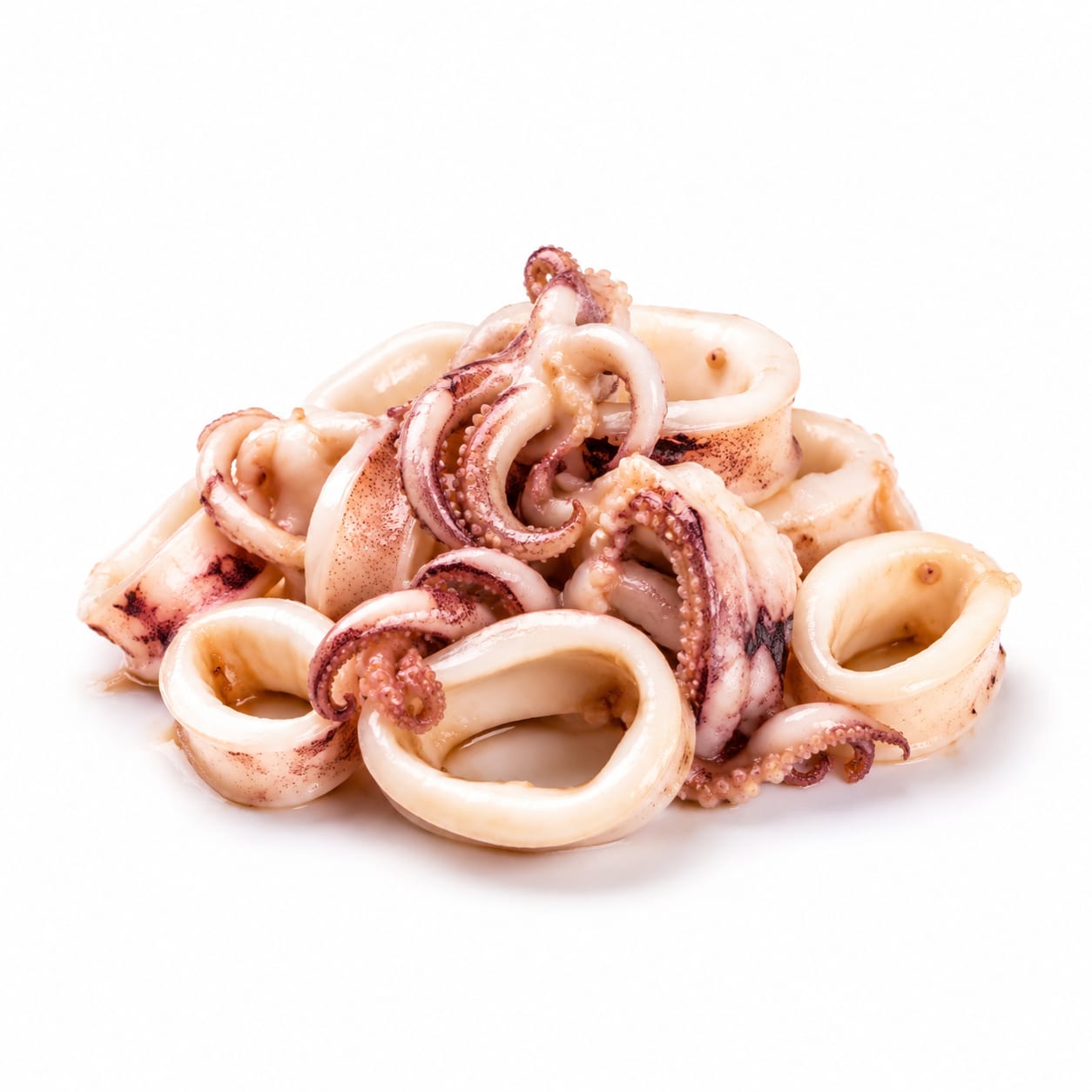
Squid
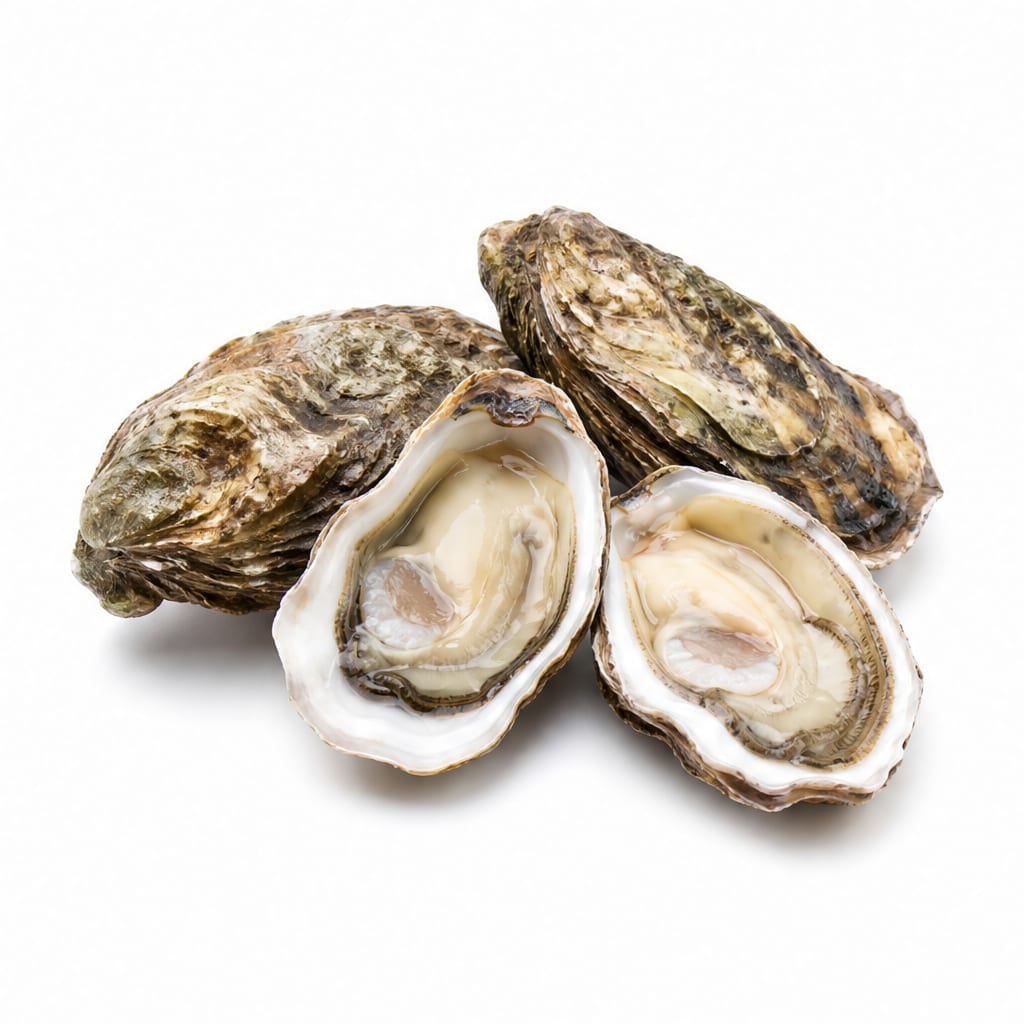
Oysters
Squid delivers more protein per calorie and is safer to eat, while oysters are a mineral powerhouse especially for zinc and iron that squid simply cannot match.
Squid edges ahead slightly due to superior protein density, lower safety risk, and better everyday practicality, but oysters dominate in mineral nutrition so the gap is narrow and context-dependent
Protein density and safety versus unmatched mineral content and omega-3 benefits
At a glance
Executive summary
Overall
It depends
Healthier
It depends
More practical
Squid
Daily use
Squid
Key comparison lenses
protein density and muscle-building potential
Squid is remarkably protein-dense while oysters are prized more for minerals, making this a key differentiator for fitness-minded users
mineral nutrition especially zinc and iron
Oysters are one of the most zinc-rich foods on the planet, which dramatically sets them apart from squid for immune and hormonal health
food safety and raw consumption risk
Raw oysters carry Vibrio risk that squid generally does not, making safety a real decision factor especially for immunocompromised diners
cholesterol and heart health tradeoffs
Squid is notably high in dietary cholesterol while oysters are lower and contain omega-3s, creating a meaningful heart-health comparison
calorie efficiency for weight management
Both are relatively low-calorie seafood but squid is leaner per gram of protein, appealing to calorie-conscious eaters
Best choice for
Squid
- Athletes needing high protein with minimal calories
- People concerned about foodborne illness from raw seafood
- Meal preppers wanting versatile lean protein
- Those watching their budget on seafood
Oysters
- Men seeking to support testosterone and fertility through zinc
- People with iron deficiency or at risk of anemia
- Anyone wanting immune system support during cold season
- Those who enjoy raw bar experiences and can source safely
Least suitable for
Squid
- People with severe cholesterol concerns who are sensitive to dietary cholesterol
- Those who find rubbery textures unappealing
- Diners at restaurants where squid is always deep-fried
- People seeking omega-3 supplementation from food
Oysters
- Immunocompromised individuals avoiding raw seafood risk
- People with shellfish allergies
- Pregnant women advised against raw oysters
- Those in inland areas where fresh oyster quality is questionable
Deep comparison
Dimension by dimension
Each lens scores both foods and breaks down who each option suits.
- Dimension 1 · Priority 92Squid
Protein Density
Squid · 91Oysters · 58Squid packs significantly more protein per calorie, making it far more efficient for building and maintaining muscle.
Tradeoff
You get outstanding protein from squid but miss the broad mineral spectrum that oysters provide alongside their more modest protein content.
Why it matters
If you are eating seafood primarily as a protein source, squid delivers nearly twice the protein per serving compared to oysters.
Real-world impact
A 3-ounce serving of squid gives you about 13 grams of protein for only 78 calories, while the same amount of oysters provides roughly 8 grams for 69 calories.
Squid
- Post-workout recovery meals
- High-protein low-calorie diet phases
- Athletes tracking macros closely
Better for
- Anyone specifically seeking zinc or iron from their protein source
Worse for
Oysters
- Those who prioritize nutrient breadth over protein quantity
- People getting protein from other sources already
Better for
- Bodybuilders or athletes who need efficient protein delivery
Worse for
- Dimension 2 · Priority 90Oysters
Mineral Nutrition
Squid · 45Oysters · 96Oysters are one of the most mineral-dense foods available, especially for zinc, iron, copper, and selenium, while squid is comparatively modest.
Tradeoff
Oysters deliver exceptional mineral nutrition but with less protein density and higher safety concerns when consumed raw.
Why it matters
Zinc supports testosterone, immunity, wound healing, and fertility. Iron prevents fatigue and anemia. These are minerals many people are deficient in.
Real-world impact
A single serving of oysters can provide over 500% of your daily zinc needs, while squid provides only about 15%. This is not a close comparison for minerals.
Squid
- People already supplementing zinc and iron
- Those who get minerals from varied diets and need protein more
Better for
- Those relying on a single seafood source for mineral replenishment
Worse for
Oysters
- Men concerned about testosterone levels
- Women with heavy menstrual cycles needing iron
- Anyone recovering from illness who needs immune support
- Vegetarians transitioning to seafood who may be mineral-depleted
Better for
- People who already have adequate mineral intake from supplements or other foods
Worse for
- Dimension 3 · Priority 78Oysters
Heart Health
Squid · 55Oysters · 78Oysters contain beneficial omega-3 fatty acids and less cholesterol, giving them a heart-health edge over squid which is notably cholesterol-dense.
Tradeoff
Squid is leaner overall but its high cholesterol content concerns some heart-conscious eaters, while oysters offer a more heart-friendly fat profile.
Why it matters
Dietary cholesterol affects people differently, but for sensitive individuals, squid's cholesterol load can be a real concern.
Real-world impact
A 3-ounce serving of squid contains about 198mg of cholesterol versus roughly 53mg in oysters. If your doctor has flagged your cholesterol, this difference matters.
Squid
- People whose bloodwork shows no cholesterol sensitivity
- Those prioritizing calorie minimization over fat profile
Better for
- Individuals with genetically high cholesterol
- People whose doctors have recommended low-cholesterol diets
Worse for
Oysters
- People managing cardiovascular risk factors
- Those following Mediterranean-style eating patterns
- Anyone wanting omega-3s without fish oil supplements
Better for
- Those who need extreme calorie restriction since oysters are slightly more calorie-dense per protein gram
Worse for
- Dimension 4 · Priority 85Squid
Food Safety
Squid · 82Oysters · 52Squid is typically cooked thoroughly and carries lower risk, while raw oysters are a well-known vector for Vibrio and other foodborne illnesses.
Tradeoff
Oysters' most celebrated form of consumption is raw, which is also their riskiest. Squid is almost always cooked, eliminating most pathogen concerns.
Why it matters
Vibrio vulnificus infections from raw oysters can be fatal for immunocompromised individuals, making this a serious safety consideration.
Real-world impact
The CDC estimates about 80,000 Vibrio infections annually in the US, with raw oysters being the primary vector. Cooked oysters are far safer but lose their culinary appeal for many enthusiasts.
Squid
- Immunocompromised diners
- Pregnant women avoiding high-risk raw foods
- People dining at establishments with uncertain seafood handling
Better for
- People in regions where squid is commonly served as street food with questionable hygiene
Worse for
Oysters
- Healthy individuals who source from reputable suppliers
- Those who cook oysters thoroughly and avoid raw preparation
Better for
- Anyone with liver disease, diabetes, or weakened immunity
- Pregnant women following strict food safety guidelines
Worse for
- Dimension 5 · Priority 75Squid
Calorie Efficiency
Squid · 88Oysters · 72Squid provides more protein and fewer calories per serving, making it more efficient for weight management and calorie-controlled eating.
Tradeoff
Squid is leaner but less nutrient-dense overall, while oysters carry slightly more calories but deliver far more vitamins and minerals per calorie.
Why it matters
For calorie counters, squid offers impressive protein with almost no fat, but the nutritional payoff per calorie is arguably higher with oysters.
Real-world impact
If you are tracking calories strictly, squid lets you hit protein targets with minimal caloric cost. Oysters cost slightly more calories but return substantially more mineral value.
Squid
- Cutting phases in fitness programs
- Strict calorie-counting diets
- People who find lean protein more satiating
Better for
- Anyone who finds very lean protein unsatisfying and ends up snacking later
Worse for
Oysters
- Those who prioritize nutrient density over calorie minimization
- People eating at maintenance who want maximum nutritional return
Better for
- People on aggressive calorie deficits who need maximum protein per calorie
Worse for
- Dimension 6 · Priority 68Squid
Preparation Versatility
Squid · 80Oysters · 55Squid adapts to grilling, stir-frying, soups, salads, and pasta dishes, while oysters are more limited in preparation methods and culinary contexts.
Tradeoff
Squid works across many cuisines and cooking styles, but oysters have a unique luxury appeal and raw bar culture that squid cannot replicate.
Why it matters
Foods you can cook multiple ways are easier to incorporate into weekly meal rotation without getting bored.
Real-world impact
You can toss squid into a stir-fry on Tuesday, grill it on Thursday, and add it to pasta on Saturday. Oysters are mostly a specific-occasion food for most people.
Squid
- Home cooks wanting weeknight versatility
- Meal preppers who need one ingredient to work in multiple dishes
- Fans of Asian and Mediterranean cuisines
Better for
- Those who only know squid as fried calamari and find other preparations intimidating
Worse for
Oysters
- Those who enjoy ceremonial or special-occasion eating
- Raw bar enthusiasts and social diners
- People who value eating as experience over routine nutrition
Better for
- Home cooks unsure about shucking and handling live shellfish
Worse for
Timeline
Health impact over time
Short-term
Hours to days
Squid
- High protein content promotes satiety and stabilizes blood sugar after meals
- Very low fat content may leave some people feeling hungry sooner than expected
- Quick cooking time preserves nutrients and makes it convenient for fast meals
Oysters
- Zinc and B12 content can provide a noticeable energy and mood lift, especially if you were deficient
- Raw oysters may cause digestive upset in people unaccustomed to raw shellfish
- The rich mineral content can feel deeply nourishing and satisfying in small quantities
Long-term
Months to years
Squid
- Consistent lean protein intake supports muscle maintenance and metabolic health over decades
- High cholesterol intake may affect blood lipid profiles in genetically sensitive individuals
- Low omega-3 content means squid should not be your only seafood if heart health is a priority
Oysters
- Exceptional zinc intake supports immune resilience, hormonal balance, and reproductive health long-term
- Omega-3 fatty acids contribute to cardiovascular and cognitive health with regular consumption
- Iron and B12 support sustained energy and prevention of anemia, especially for women
Risk profile
Safety & processing
Both squid and oysters are whole, minimally processed seafood when purchased fresh or frozen. The main concern is restaurant preparation where squid is often battered and deep-fried, dramatically increasing calories and adding unhealthy oils. Canned or smoked oysters may contain added sodium and preservatives, so fresh or frozen is ideal for both.
Squid
Mercury and heavy metal accumulation
mediumSquid accumulates moderate levels of mercury and cadmium, particularly larger species. Regular daily consumption is not recommended for pregnant women, but occasional eating is low risk.
Allergic reactions
lowShellfish allergy can include squid for some individuals, though mollusk allergies are less common than crustacean allergies.
Texture-related choking hazard
lowPoorly cooked squid can be rubbery and difficult to chew, posing a minor choking risk for children or elderly diners.
Oysters
Vibrio bacterial infection from raw consumption
highRaw oysters are the leading cause of Vibrio vulnificus infections, which can be life-threatening for people with liver disease, diabetes, or compromised immunity. Cooking eliminates this risk.
Norovirus contamination
mediumOysters filter large volumes of water and can concentrate norovirus from contaminated waters, causing severe gastrointestinal illness.
Heavy metal and pollutant accumulation
mediumAs filter feeders, oysters can concentrate cadmium, lead, and other pollutants from their environment. Sourcing from clean waters is essential.
Who wins for whom
Audience fit
Same foods, different winners depending on your goal.
children
SquidSquid is safer when cooked and can be prepared in kid-friendly ways like grilled strips. Raw oysters are not recommended for children due to food safety risks.
daily consumption
SquidSquid is more practical for regular meals, easier to cook in varied ways, and carries lower daily safety risk than frequent raw oyster consumption.
diabetes
It dependsBoth are low-carb and will not spike blood sugar. Squid offers more protein for satiety, but oysters provide zinc which supports insulin sensitivity. The choice depends on individual priorities.
elderly
It dependsOysters provide exceptional B12 and zinc which elderly people often lack, but raw consumption carries higher risk for weakened immune systems. Cooked oysters or squid both work well.
muscle gain
SquidHigher protein density makes squid more efficient for supporting muscle repair and growth, especially when eaten in larger portions.
weight loss
SquidSquid provides more protein per calorie and is extremely lean, making it easier to stay within calorie limits while maintaining satiety and muscle mass.
Your move
Decision guide
Choose Squid
- You prioritize protein intake for fitness or body composition goals
- You want a versatile seafood that works in stir-fries, grills, and pasta
- You are immunocompromised or pregnant and need to avoid raw seafood risk
- You are calorie-counting and want maximum protein with minimal calories
- You cook at home frequently and want an easy weeknight protein option
Choose Oysters
- You want to boost zinc for testosterone, immunity, or fertility support
- You have iron deficiency or are at risk of anemia
- You enjoy raw bar dining and can source from reputable suppliers
- You follow a Mediterranean-style diet and want omega-3 variety
- You are treating seafood as an occasional nutrient-dense indulgence rather than daily protein
Either works if
- You want low-carb seafood options that will not spike blood sugar
- You are looking for B12-rich foods to support energy and nerve health
- You enjoy cooking and experimenting with different seafood preparations
- You want to rotate seafood sources to vary your nutrient intake and reduce mercury accumulation
Avoid both if
- You have a diagnosed shellfish or mollusk allergy
- You are highly sensitive to dietary cholesterol and need to limit all high-cholesterol seafood
- You live in an area where fresh seafood quality is unreliable
- You are strictly vegan or plant-based
Final recommendation
Eat both, but for different reasons. Make squid your regular lean protein seafood for everyday meals and fitness goals. Treat oysters as your mineral-dense superfood a few times per month, preferably cooked if you have any health vulnerabilities. This way you get squid's protein efficiency and oysters' unmatched zinc and iron without overconsuming cholesterol from squid or taking on too much raw seafood risk from oysters.
Practical
Consumer tips
- 1
If ordering calamari at restaurants, ask for grilled or sautéed preparation instead of fried to avoid turning a lean protein into a calorie bomb
- 2
Buy frozen squid tubes for easy home cooking — they are already cleaned and cook in under two minutes
- 3
For oysters, only buy from reputable fishmongers and check harvest dates on tags if available
- 4
Cook oysters thoroughly if you are pregnant, immunocompromised, or have liver disease — steaming until shells open is not sufficient to kill Vibrio
- 5
Pair squid with vitamin C-rich vegetables like bell peppers to improve iron absorption from the meal
- 6
If you eat oysters raw, avoid months without an R in their name (May through August) as warmer waters increase bacterial risk
- 7
Rotate between squid, oysters, and fatty fish like salmon to get a balanced spectrum of protein, minerals, and omega-3s without overconsuming any single contaminant