
Nutrition comparison
Squid vs Salmon: Which Seafood is Healthier?
Compare Squid vs Salmon for nutrition, omega-3s, calories, and health benefits. Find out which is better for weight loss, muscle gain, and daily eating.
Overall winner · Salmon
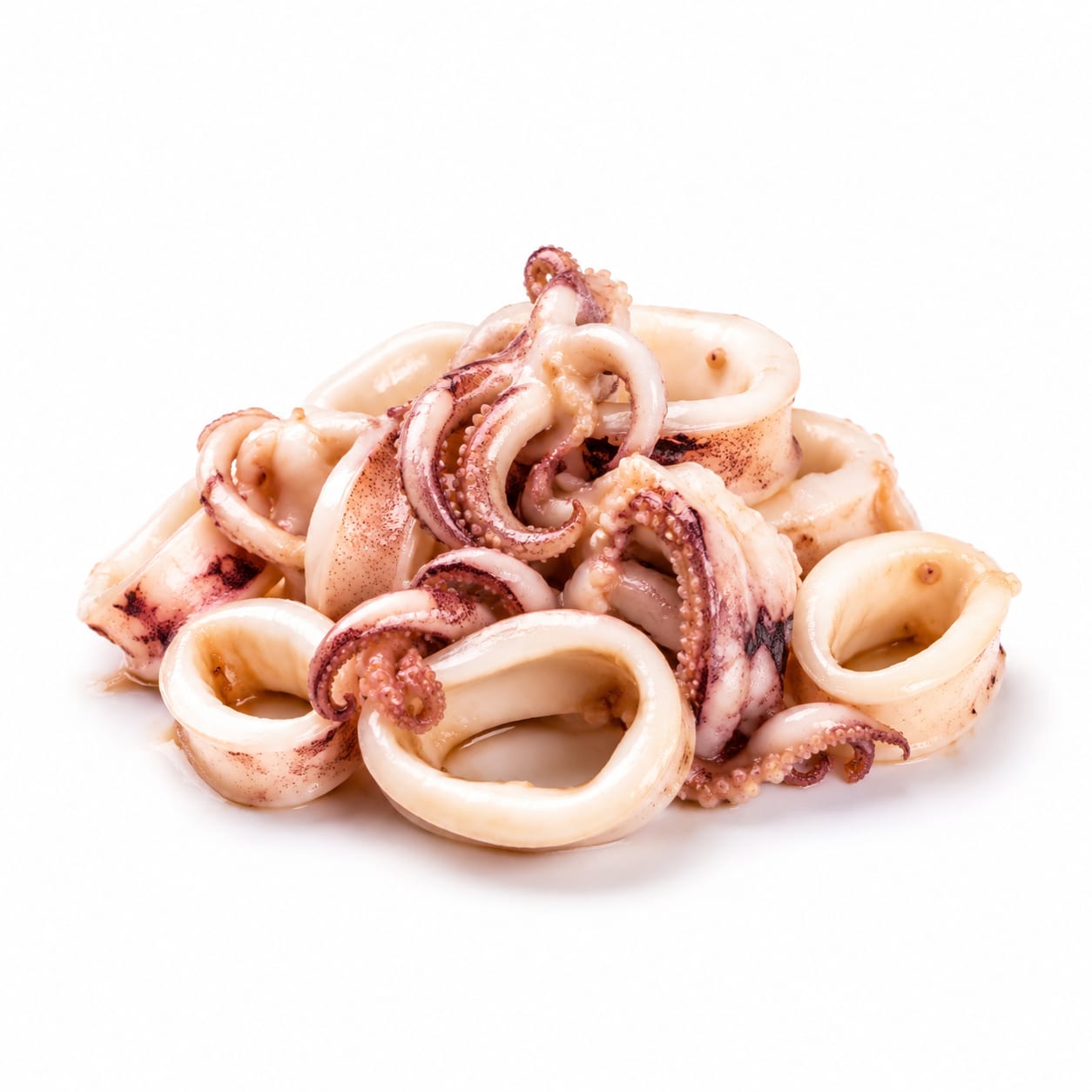
Squid
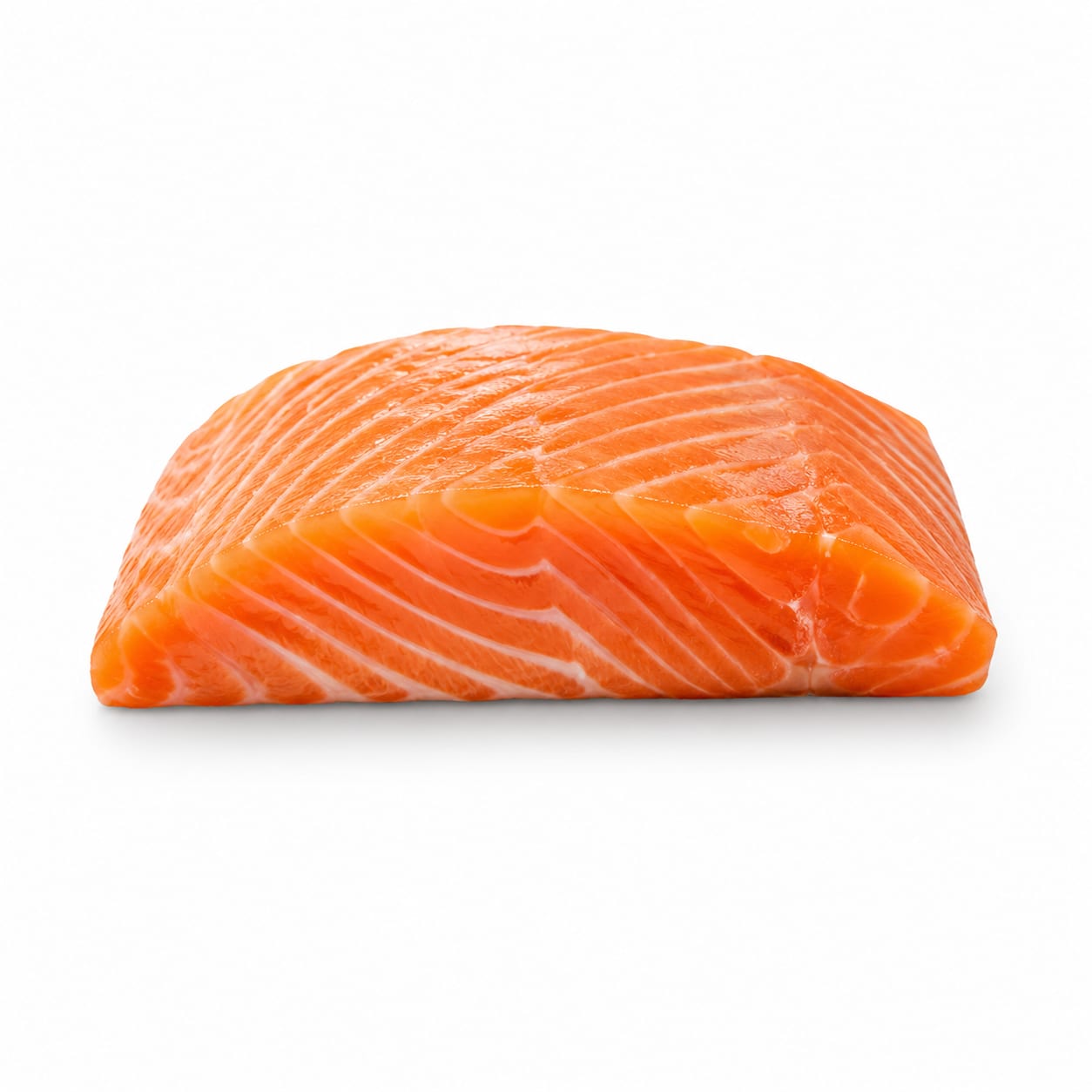
Salmon
Salmon wins for overall health benefits due to its unmatched omega-3 content, but Squid is the champion for lean, low-calorie protein.
Salmon scores higher overall because its omega-3 fats deliver broad, long-term health benefits that Squid's lean profile simply cannot match. However, Squid remains a strong choice for specific goals like cutting calories.
You are trading the deep, anti-inflammatory benefits of Salmon's healthy fats for Squid's ultra-lean calorie efficiency.
At a glance
Executive summary
Overall
Salmon
Healthier
Salmon
More practical
Salmon
Daily use
Salmon
Key comparison lenses
Heart health and omega-3 intake
Salmon is a top source of omega-3s, while Squid is virtually fat-free, making this the starkest nutritional contrast.
Calorie density and weight management
Squid offers massive protein volume for very few calories, whereas Salmon is calorie-dense due to its healthy fats.
Seafood contaminant and heavy metal exposure
Both carry ocean-borne risks like mercury and microplastics, but in different amounts depending on species and sourcing.
Culinary practicality and cooking ease
Salmon is forgiving and versatile; Squid turns rubbery quickly if overcooked, making preparation a real-world factor.
Best choice for
Squid
- Strict calorie counters and lean bulk dieters
- People seeking high protein with virtually zero fat
- Those who need a light, non-heavy meal before activity
Salmon
- People prioritizing heart and brain health
- Those needing satisfying, filling meals that curb cravings
- Anyone looking to boost anti-inflammatory omega-3 intake
Least suitable for
Squid
- Those needing healthy fats for hormone balance
- People who struggle with dry, lean proteins
- Diners at restaurants where it is likely served fried as calamari
Salmon
- Strict calorie restrictors who find high-fat foods too easy to overeat
- Those with specific fish oil allergies
- Budget-conscious shoppers looking for cheap daily protein
Deep comparison
Dimension by dimension
Each lens scores both foods and breaks down who each option suits.
- Dimension 1 · Priority 95Salmon
Heart Health & Omega-3 Fats
Squid · 30Salmon · 98Salmon is one of the best sources of EPA and DHA omega-3s on the planet; Squid has almost no fat at all.
Tradeoff
Choosing Squid means missing out on the powerful cardiovascular and cognitive protection that Salmon provides.
Why it matters
Omega-3s reduce inflammation, lower blood pressure, and are critical for brain function.
Real-world impact
Eating Salmon regularly can visibly improve joint comfort and mental clarity, while Squid acts purely as a structural protein source.
Squid
- Low-fat diet protocols
Better for
- Meeting daily omega-3 needs
Worse for
Salmon
- Reducing heart disease risk
- Supporting brain health and mood
- Lowering systemic inflammation
Better for
- Keeping total dietary fat very low
Worse for
- Dimension 2 · Priority 88Squid
Calorie Efficiency & Leanness
Squid · 96Salmon · 65Squid offers an incredibly high protein-to-calorie ratio, making it a dieter's dream. Salmon is calorie-dense due to its fat content.
Tradeoff
You get more food volume and protein for your calories with Squid, but less satiety than Salmon's fat provides.
Why it matters
If you are cutting calories, volume and protein density help you stay full without going over your limit.
Real-world impact
A large plate of grilled Squid feels light and will not weigh you down, while a Salmon fillet is deeply satisfying but calorie-dense enough to easily push you over a strict daily limit.
Squid
- Strict calorie restriction
- Lean muscle building without fat gain
- Light pre-workout meals
Better for
- Feeling full for hours after eating
Worse for
Salmon
- Keto or low-carb diets
- Sustained energy without carbs
- Stopping late-night hunger
Better for
- Precise calorie tracking on a cut
Worse for
- Dimension 3 · Priority 82Salmon
Micronutrient Density
Squid · 72Salmon · 92Salmon delivers rare nutrients like Vitamin D and astaxanthin, while Squid provides excellent selenium and zinc.
Tradeoff
Salmon covers harder-to-get nutrients like Vitamin D, whereas Squid's mineral profile is more common in other lean meats.
Why it matters
Vitamin D deficiency is widespread, and Salmon is one of the few natural food sources.
Real-world impact
Eating Salmon can help keep your bones strong and immune system resilient in winter, while Squid supports thyroid function and immunity through selenium.
Squid
- Boosting zinc and selenium intake
Better for
- Getting dietary Vitamin D
Worse for
Salmon
- Naturally boosting Vitamin D levels
- Getting antioxidant protection from astaxanthin
Better for
- Avoiding fat-soluble vitamin accumulation in rare cases
Worse for
- Dimension 4 · Priority 75Salmon
Culinary Practicality & Cooking Ease
Squid · 55Salmon · 85Salmon is very forgiving to cook, while Squid turns into rubber if cooked just a minute too long.
Tradeoff
Salmon is easier to meal prep and cook perfectly, whereas Squid requires specific techniques like quick searing or long braising.
Why it matters
If a food is hard to cook well, you are less likely to make it at home and more likely to eat it fried at a restaurant.
Real-world impact
You can bake Salmon effortlessly on a busy weeknight, but cooking Squid at home often ends in a chewy, disappointing texture if you get distracted.
Squid
- Quick flash-frying or deep-frying for calamari
Better for
- Beginner home cooks
- Stress-free weeknight dinners
Worse for
Salmon
- Meal prepping for the week
- Grilling, baking, or pan-searing with a wide margin of error
Better for
- Those who dislike the strong fishy smell when cooking
Worse for
Timeline
Health impact over time
Short-term
Hours to days
Squid
- Provides a very light, non-bloated feeling after eating
- Quickly delivers amino acids for muscle repair without slowing digestion
Salmon
- Delivers deep, lasting satiety that prevents snacking for hours
- Provides steadier energy levels without a carb crash
Long-term
Months to years
Squid
- Supports lean body composition due to high protein and low calories
- May leave a gap in essential fatty acids if used as the sole protein source
Salmon
- Significantly lowers markers of systemic inflammation over time
- Supports cognitive longevity and cardiovascular health
Risk profile
Safety & processing
Both are whole, natural foods in their raw form. However, farmed Salmon often contains artificial colorants added to the feed to achieve the signature pink color, whereas Squid is typically sold as-is.
Squid
Microplastics and contaminants
mediumSquid can accumulate microplastics and heavy metals from ocean pollution, depending on where they are caught.
Cholesterol content
lowSquid is high in dietary cholesterol, though for most people, this does not significantly raise blood cholesterol levels.
Salmon
PCBs and dioxins in farmed Salmon
mediumFarmed Salmon can contain higher levels of industrial pollutants compared to wild-caught, though regulations have improved.
Mercury exposure
lowSalmon is generally a low-mercury fish, making it safer for regular consumption compared to large predatory fish.
Who wins for whom
Audience fit
Same foods, different winners depending on your goal.
children
SalmonSalmon's omega-3s are crucial for developing brains, and its soft texture is usually more kid-friendly than chewy Squid.
daily consumption
SalmonThe broad nutritional profile of Salmon, especially its omega-3s and Vitamin D, makes it more beneficial as a daily staple than Squid.
diabetes
SalmonThe healthy fats in Salmon slow digestion and stabilize blood sugar far better than the extremely lean profile of Squid.
elderly
SalmonSalmon protects against age-related cognitive decline and joint inflammation, and is easier to chew than potentially rubbery Squid.
muscle gain
SalmonSalmon provides the high-quality protein plus the extra calories and anti-inflammatory fats needed to recover from heavy training and grow muscle.
weight loss
SquidSquid's extremely low calorie count allows for larger portion sizes and higher protein intake while staying in a deficit.
Your move
Decision guide
Choose Squid
- You are strictly counting calories and need maximum protein volume
- You are eating a Mediterranean-style seafood stew or pasta
- You want a very light meal that will not weigh you down before activity
Choose Salmon
- You want to boost your omega-3 intake for heart and brain health
- You need a filling meal that stops cravings for hours
- You want a forgiving, easy-to-cook protein for meal prep
Either works if
- You are simply looking for a high-quality, zero-carb seafood protein
- You want to avoid land-based meats for environmental or health reasons
Avoid both if
- You have a severe shellfish or fish allergy
- You are strictly limiting sodium and can only eat unseasoned preparations
Final recommendation
Make Salmon your go-to for everyday health and satisfaction, but keep Squid in rotation when you want a massive, low-calorie protein hit or a lighter meal. Prioritize wild-caught Salmon and avoid fried calamari to get the best of both worlds.
Practical
Consumer tips
- 1
If buying Squid, buy it whole and clean it yourself, or look for pre-cleaned tubes that have not been treated with chemical preservatives.
- 2
Always opt for wild-caught Salmon over farmed when possible to avoid artificial colorants and get a better omega-3 profile.
- 3
Cook Squid either very fast (1-2 minutes on high heat) or very slow (45+ minutes in a stew) to avoid a rubbery texture.
- 4
Beware of restaurant calamari—it is almost always deep-fried and served with high-calorie sauces, completely erasing Squid's natural leanness.