
Nutrition comparison
Squid vs Tuna: Mercury, Protein, Omega-3s, and Which Is Safer to Eat Regularly
Compare squid and tuna on mercury safety, protein content, omega-3s, cholesterol, and sustainability. Find out which seafood is better for your health goals and how often you can safely eat each.
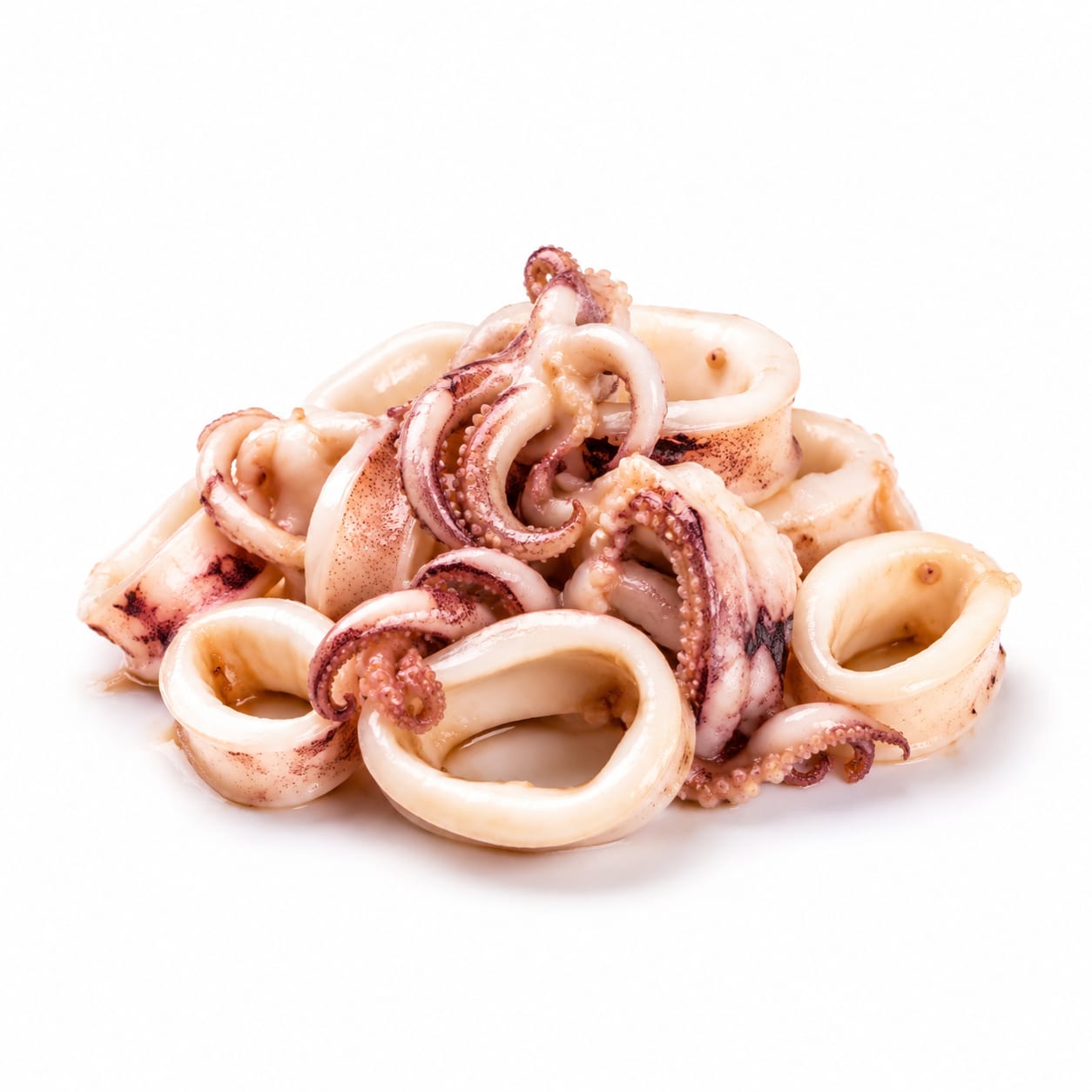
Squid
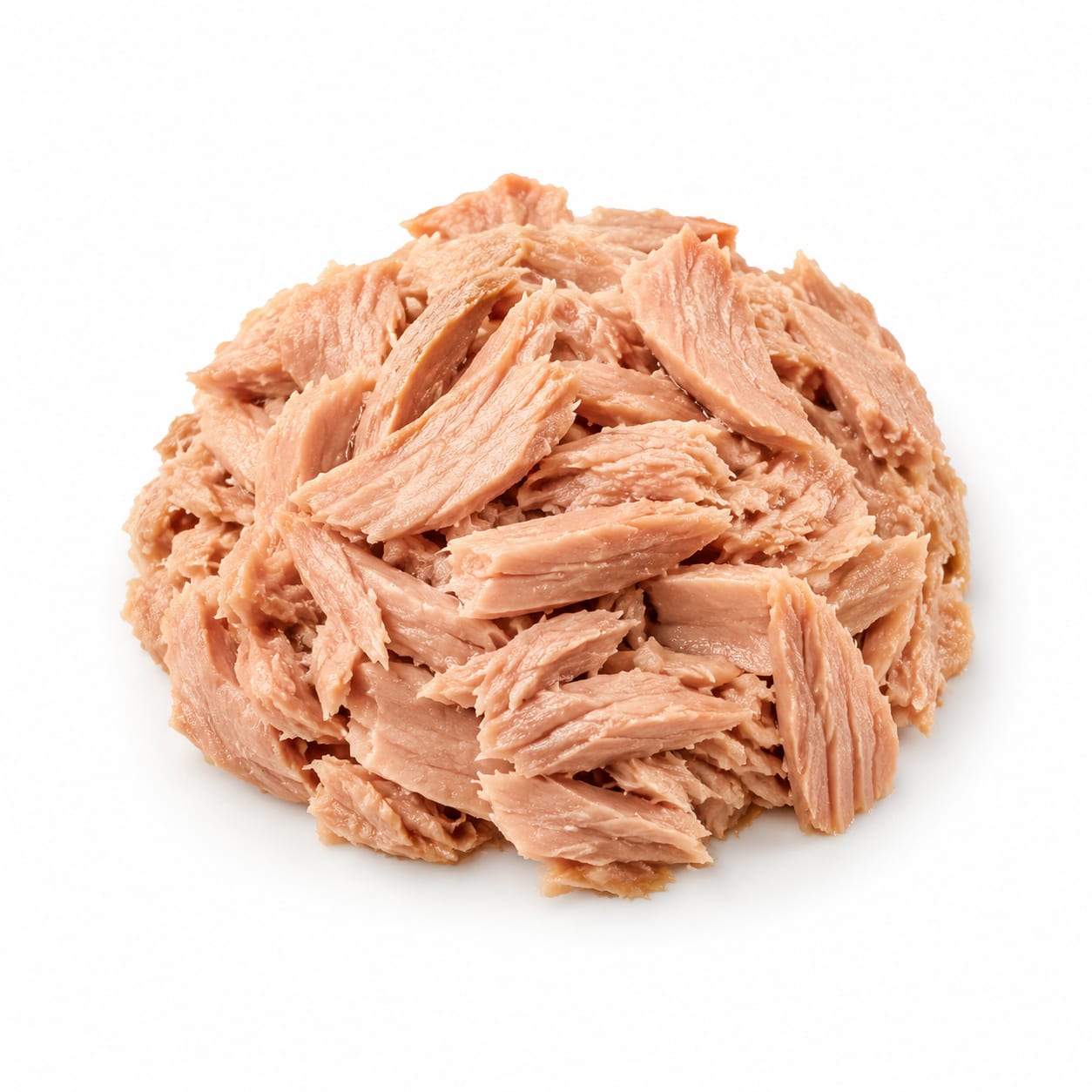
Tuna
Tuna wins on protein and omega-3s but carries significantly more mercury. Squid is the safer choice for frequent consumption but offers less nutritional punch per serving.
Squid edges ahead mainly on safety for regular consumption. Tuna is nutritionally superior but its mercury burden penalizes frequent use. The close scores reflect that neither dominates — the winner depends on how often you eat seafood and your health priorities.
Nutritional density versus contamination safety — tuna feeds your body more but squid is safer to eat often.
At a glance
Executive summary
Overall
It depends
Healthier
It depends
More practical
Tuna
Daily use
Squid
Key comparison lenses
mercury and heavy metal exposure
Tuna is a large predatory fish with significant mercury accumulation; squid is a short-lived species with far lower contamination risk
protein quality and quantity for muscle and satiety
Both are high-protein seafood but tuna delivers more protein per serving, making it a staple for athletes and weight-conscious eaters
omega-3 fatty acid intake for heart and brain health
Tuna is notably richer in EPA and DHA omega-3s, which many consumers specifically seek from seafood
cholesterol concerns
Squid is surprisingly high in dietary cholesterol, which worries some users despite modern evidence minimizing this risk
sustainability and environmental impact
Tuna fisheries face serious overfishing and bycatch issues; squid is generally more sustainable but varies by species
everyday convenience and meal versatility
Canned tuna is a pantry staple with unmatched convenience; fresh squid requires more preparation skill
Best choice for
Squid
- Pregnant women and children due to lower mercury
- Frequent seafood eaters who need a safe daily option
- Those watching calorie intake closely
- People with fish allergy who tolerate shellfish
Tuna
- Athletes and bodybuilders needing high protein
- Those seeking omega-3s for heart and brain health
- Budget-conscious meal preppers using canned tuna
- People who want shelf-stable protein for emergencies
Least suitable for
Squid
- People with shellfish allergies
- Those seeking maximum omega-3 intake from food
- Anyone uncomfortable cooking unfamiliar seafood
- Diners worried about cholesterol despite limited evidence
Tuna
- Pregnant women, especially regarding albacore and bigeye varieties
- Children under 6 due to mercury exposure risk
- Frequent seafood consumers already eating high-mercury fish
- People with fish allergies
Deep comparison
Dimension by dimension
Each lens scores both foods and breaks down who each option suits.
- Dimension 1 · Priority 95Squid
Mercury and Contamination Safety
Squid · 88Tuna · 42Squid is a short-lived species that accumulates far less mercury than tuna, making it dramatically safer for regular consumption.
Tradeoff
You give up some omega-3s and protein but avoid the cumulative mercury exposure that limits how often tuna can safely be eaten.
Why it matters
Mercury is a neurotoxin that builds up over time. Frequent tuna eaters can exceed safe exposure thresholds within weeks.
Real-world impact
A person eating canned tuna daily could hit mercury limits in under a month. Squid can be eaten multiple times per week without the same concern.
Squid
- Pregnant and breastfeeding women
- Children
- Anyone eating seafood 3+ times per week
Better for
- No significant contamination downside
Worse for
Tuna
- Occasional seafood eaters who rarely consume fish
Better for
- Pregnant women
- Young children
- Daily seafood consumers
Worse for
- Dimension 2 · Priority 88Tuna
Protein Content and Quality
Squid · 68Tuna · 90Tuna delivers substantially more protein per calorie and per serving, making it a go-to for muscle building and satiety.
Tradeoff
Squid still provides solid protein but you need larger portions to match tuna, which increases calorie and cholesterol intake.
Why it matters
Higher protein meals keep you fuller longer and support muscle maintenance, especially important as you age or train.
Real-world impact
A single can of tuna gives you roughly 25g of protein. You would need nearly double the squid by weight to match that.
Squid
- Those who prefer lighter, smaller protein portions
Better for
- Bodybuilders needing high protein density
Worse for
Tuna
- Athletes and strength trainers
- Anyone targeting 25g+ protein per meal
- People using food as their primary protein source
Better for
- Those who find high-protein meals too heavy
Worse for
- Dimension 3 · Priority 82Tuna
Omega-3 Fatty Acids
Squid · 45Tuna · 82Tuna is a meaningfully better source of EPA and DHA omega-3s, the fats linked to heart and brain health.
Tradeoff
If omega-3s are your primary reason for eating seafood, squid is a weaker choice and you may need supplements or other fish to compensate.
Why it matters
Omega-3s reduce inflammation, support cardiovascular health, and are associated with better cognitive function over time.
Real-world impact
Two servings of tuna per week can meaningfully contribute to your omega-3 targets. Squid would barely move the needle by comparison.
Squid
- Those already taking omega-3 supplements
Better for
- Anyone not supplementing omega-3s from other sources
Worse for
Tuna
- People relying on food alone for omega-3s
- Those concerned about heart health
- Older adults prioritizing brain health
Better for
- People who already eat salmon or sardines regularly
Worse for
- Dimension 4 · Priority 72Squid
Calorie Efficiency
Squid · 85Tuna · 70Squid is lower in calories per serving, making it easier to fit into calorie-controlled diets.
Tradeoff
Fewer calories also means less protein and fewer nutrients per serving, so you may need to eat more or supplement elsewhere.
Why it matters
For weight loss or maintenance, calorie density determines how much you can eat while staying within targets.
Real-world impact
A 3-ounce serving of squid is roughly 80 calories versus 110-130 for tuna. That difference adds up over a week of meals.
Squid
- Calorie counters
- Those who prefer larger food volumes
Better for
- Those needing calorie-dense meals for weight gain
Worse for
Tuna
- People who want more nutrition per calorie
Better for
- Strict calorie restrictors
Worse for
- Dimension 5 · Priority 65Tuna
Cholesterol Content
Squid · 40Tuna · 78Squid is notably high in dietary cholesterol while tuna is relatively moderate, though the health impact of dietary cholesterol is now considered modest for most people.
Tradeoff
If your doctor has advised a low-cholesterol diet, squid is harder to justify. For most healthy people, this is a minor concern.
Why it matters
About 1 in 4 people are hyper-responders whose blood cholesterol rises significantly from dietary cholesterol.
Real-world impact
A serving of squid can contain over 200mg of cholesterol — nearly a full day's worth under older guidelines. Tuna typically has under 50mg.
Squid
- People without cholesterol concerns
Better for
- Anyone on a physician-ordered low-cholesterol diet
Worse for
Tuna
- Those with diagnosed high blood cholesterol
- Hyper-responders to dietary cholesterol
- People following heart-therapeutic diets
Better for
- No significant cholesterol downside
Worse for
- Dimension 6 · Priority 65Tuna
Convenience and Accessibility
Squid · 45Tuna · 88Canned tuna is one of the most convenient proteins available — shelf-stable, affordable, and ready to eat. Squid requires fresh or frozen sourcing and cooking skill.
Tradeoff
Tuna's convenience comes with the downside of canned processing and potential BPA exposure from can linings.
Why it matters
The best protein source is the one you actually eat consistently. Convenience often determines adherence more than nutrition.
Real-world impact
You can keep canned tuna in your desk at work. Squid requires refrigeration, preparation, and careful cooking to avoid a rubbery texture.
Squid
- Home cooks who enjoy preparing seafood
- Diners at restaurants where squid is a menu staple
Better for
- People with limited cooking skills
- Anyone needing grab-and-go meals
Worse for
Tuna
- Busy professionals
- Students and budget shoppers
- Anyone building a pantry for emergencies
- Meal preppers who batch-cook weekly
Better for
- Those avoiding canned or packaged foods
Worse for
- Dimension 7 · Priority 60Squid
Sustainability and Environmental Impact
Squid · 72Tuna · 48Squid generally has a lower environmental footprint, with faster reproduction cycles and less bycatch. Many tuna species are overfished or caught using methods that harm other marine life.
Tradeoff
Sustainability varies hugely by species and fishing method for both — squid trawling can damage seafloor habitats, and some tuna fisheries are well-managed.
Why it matters
Your food choices affect ocean ecosystems. Overfished tuna populations may not recover if demand stays high.
Real-world impact
Choosing pole-caught skipjack tuna or sustainably harvested squid makes a real difference. Blindly buying either without checking sources can contribute to ocean depletion.
Squid
- Environmentally conscious consumers
- Those who research seafood sustainability ratings
Better for
- Squid caught by bottom trawling
Worse for
Tuna
- People who choose pole-caught or troll-caught varieties
Better for
- Longline-caught tuna with high bycatch
- Bluefin and bigeye tuna species
Worse for
Timeline
Health impact over time
Short-term
Hours to days
Squid
- Light, low-calorie meal that will not leave you feeling sluggish
- Quick-digesting protein suitable before or after light exercise
- Potential digestive discomfort if fried or heavily seasoned as calamari
Tuna
- More filling and satisfying due to higher protein density
- Sustained energy from richer nutrient content per serving
- Canned tuna may cause bloating in sodium-sensitive individuals
Long-term
Months to years
Squid
- Lower cumulative mercury exposure supports safer frequent consumption
- High cholesterol intake may be a concern for hyper-responders
- Inadequate omega-3 intake if squid is your only seafood source
Tuna
- Regular consumption increases mercury body burden, potentially affecting neurological health
- Better cardiovascular protection from consistent omega-3 intake
- Canned tuna consumption may increase BPA exposure from can linings
Risk profile
Safety & processing
Fresh or frozen squid is typically sold with minimal processing. Canned tuna — the most common form consumed — involves cooking, canning, and sometimes added salt or oil, making it more processed. Fresh tuna steaks are closer to squid's minimal processing level.
Squid
Allergic reactions
mediumShellfish allergy is one of the most common food allergies and can cause severe reactions in sensitive individuals.
Foodborne illness from improper handling
mediumFresh squid spoils quickly and requires proper refrigeration and thorough cooking to avoid bacterial contamination.
Cholesterol oxidation in dried squid products
lowDried or heavily processed squid snacks may contain oxidized cholesterol compounds that are more harmful than fresh cholesterol.
Tuna
Mercury accumulation
highTuna, especially albacore and bigeye, accumulates methylmercury that can impair neurological development and function. Regular consumption is the single biggest safety concern.
Scombroid poisoning
mediumImproperly refrigerated fresh tuna can develop histamine, causing scombroid poisoning with symptoms resembling an allergic reaction.
BPA exposure from canned products
mediumMost canned tuna uses epoxy linings containing BPA, an endocrine disruptor. Some brands now offer BPA-free cans but it is not universal.
Sodium from canned varieties
mediumCanned tuna can contain 200-400mg of sodium per serving, which adds up quickly for those managing blood pressure.
Who wins for whom
Audience fit
Same foods, different winners depending on your goal.
children
SquidChildren are more vulnerable to mercury's neurological effects, making squid the clearly safer choice for developing brains.
daily consumption
SquidSquid's low mercury profile makes it safe for frequent consumption. Tuna should be limited to 2-3 servings per week at most.
diabetes
TunaTuna's higher protein and omega-3 content supports better blood sugar stability and insulin sensitivity, though both are zero-carb options.
elderly
It dependsTuna's omega-3s support brain and heart health in aging, but mercury accumulation over decades is a concern. Moderate tuna intake alongside squid is the balanced approach.
muscle gain
TunaTuna provides significantly more protein per serving and per calorie, which is the primary driver of muscle protein synthesis.
weight loss
SquidSquid's lower calorie count allows larger portions within calorie limits, and its lower mercury means you can eat it more frequently without concern.
Your move
Decision guide
Choose Squid
- You eat seafood multiple times per week and need a safe regular option
- You are pregnant, breastfeeding, or feeding young children
- You are counting calories and want a lighter protein source
- You have a fish allergy but can tolerate shellfish
- Environmental sustainability is a top priority for your food choices
Choose Tuna
- You eat seafood only occasionally and want maximum nutritional benefit per serving
- You are an athlete or lifter prioritizing protein intake
- You rely on food rather than supplements for omega-3s
- You need affordable, shelf-stable protein for convenience or emergencies
- You are an older adult seeking heart and brain protective nutrients
Either works if
- You eat a varied diet with multiple protein sources throughout the week
- You rotate seafood types to balance mercury exposure and omega-3 intake
- You enjoy cooking and can prepare both in healthy ways
Avoid both if
- You have both fish and shellfish allergies
- You are on a strict low-purine diet for gout management
- You live in an area where fresh seafood quality is unreliable
Final recommendation
The smartest approach is rotation: eat tuna 1-2 times per week for omega-3s and protein density, and squid 1-2 times per week as a lower-mercury alternative. This gives you the nutritional strengths of both while minimizing each one's drawbacks. If you must pick only one, squid is the safer long-term choice for frequent consumption, while tuna is the better occasional nutritional powerhouse.
Practical
Consumer tips
- 1
Choose skipjack or light canned tuna over albacore — it has roughly one-third the mercury content
- 2
Look for pole-caught or troll-caught tuna to support sustainable fishing practices
- 3
Avoid fried calamari when possible; grilling, sautéing briefly, or adding to soups preserves squid's low-calorie advantage
- 4
Check seafood sustainability ratings at SeafoodWatch.org before purchasing either option
- 5
If you eat canned tuna regularly, seek out BPA-free can options to reduce endocrine disruptor exposure
- 6
Cook squid quickly at high heat or slowly at low heat — the middle zone makes it rubbery and unpleasant
- 7
Rinse canned tuna to remove roughly 20-30% of the sodium content
- 8
Fresh tuna steaks should smell clean and oceanic; a strong fishy odor indicates spoilage or histamine development