
Nutrition comparison
Squid vs Lobster: Nutrition, Health Benefits, and Which to Choose
Compare squid and lobster side by side. Squid offers more protein per calorie and dollar, while lobster delivers richer micronutrients and less cholesterol. Find out which shellfish fits your health goals and budget.
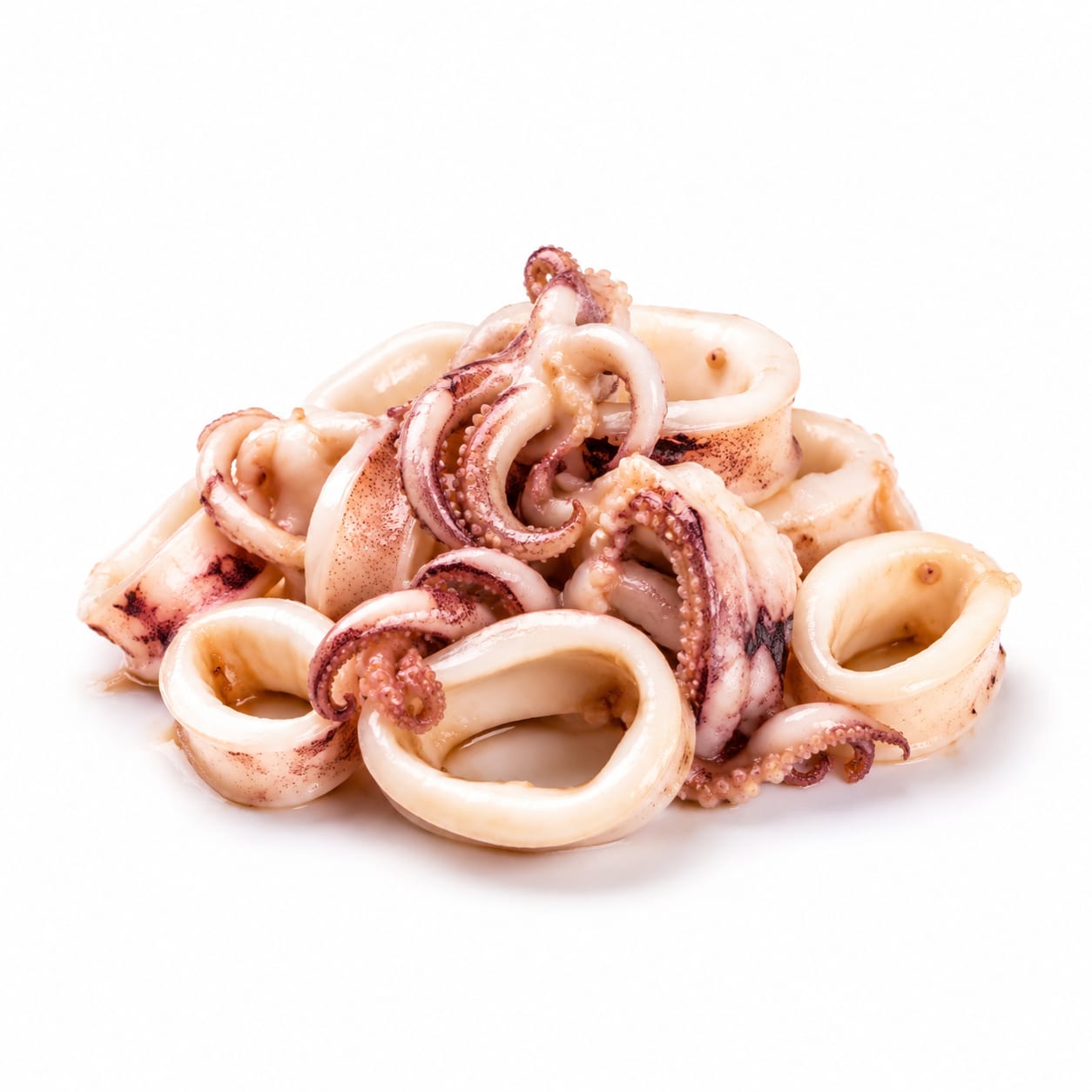
Squid
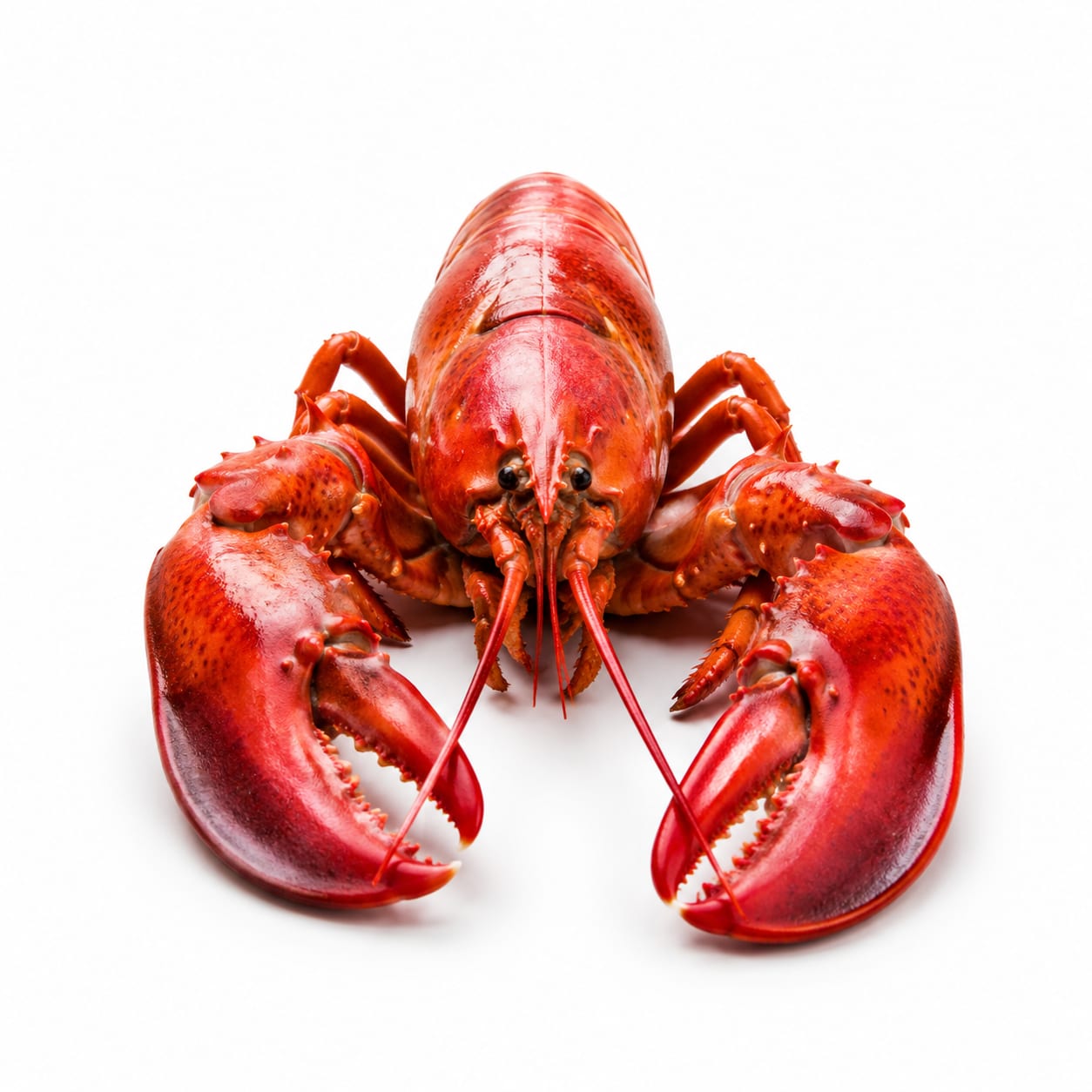
Lobster
Squid offers more protein per dollar and per calorie, but lobster delivers a richer nutrient profile with less cholesterol and more omega-3s.
Squid edges ahead on practicality and protein density, while lobster wins on micronutrient richness and lower cholesterol. The close scores reflect that both are strong lean protein choices with different strengths.
Squid is the practical, protein-dense choice; lobster is the nutrient-rich luxury that costs significantly more.
At a glance
Executive summary
Overall
It depends
Healthier
Lobster
More practical
Squid
Daily use
Squid
Key comparison lenses
lean protein comparison for seafood lovers
Both are high-protein, low-fat shellfish often chosen as premium protein sources
cholesterol and heart health concerns
Squid is notably high in cholesterol, which is a common worry for health-conscious consumers comparing shellfish
budget and accessibility tradeoffs
Lobster is significantly more expensive, making cost a major real-world decision factor
preparation impact on healthfulness
Squid is often fried as calamari and lobster is often dipped in butter, drastically altering their nutritional profiles
mercury and contaminant safety
Both are marine animals with potential heavy metal exposure, a key concern for regular seafood eaters
Best choice for
Squid
- Budget-conscious meal prep
- High-protein diets needing variety
- Quick-cooking weeknight dinners
- Appetizer and sharing dishes
Lobster
- Special occasion dining
- Omega-3 intake without supplements
- Lower-cholesterol seafood options
- Impressing guests or celebrating milestones
Least suitable for
Squid
- People strictly monitoring dietary cholesterol
- Those prone to gout flare-ups
- Diners expecting a luxurious eating experience
Lobster
- Weekly meal prep on a budget
- Casual weeknight cooking
- Large-family dinners requiring quantity
Deep comparison
Dimension by dimension
Each lens scores both foods and breaks down who each option suits.
- Dimension 1 · Priority 92Squid
Protein Density & Quality
Squid · 88Lobster · 82Squid packs slightly more protein per calorie, making it more efficient for lean muscle goals.
Tradeoff
Lobster's protein comes with more accompanying micronutrients like selenium and B12 per bite.
Why it matters
If you're tracking macros or calories closely, squid gives you more protein bang for your buck.
Real-world impact
A 4-ounce squid serving delivers roughly 18g protein for only 100 calories, versus lobster's 17g for 115 calories.
Squid
- Calorie-counting athletes
- Lean bulk meal plans
Better for
- People wanting nutrient density beyond protein
Worse for
Lobster
- Those wanting protein with more nutritional co-benefits
- Older adults needing B12 absorption
Better for
- Strict calorie-limited diets where every gram counts
Worse for
- Dimension 2 · Priority 88Lobster
Cholesterol Impact
Squid · 45Lobster · 78Squid contains roughly 3-4 times more cholesterol than lobster, which matters for people monitoring heart health.
Tradeoff
Squid's cholesterol is partly offset by taurine, which may help regulate blood pressure, but lobster is simply the safer bet for cholesterol-sensitive diets.
Why it matters
For anyone with elevated LDL or a family history of heart disease, this difference is significant enough to influence regular choices.
Real-world impact
A single squid serving can contain 200-260mg cholesterol versus lobster's 60-80mg. That's the difference between hitting your daily limit or staying well under it.
Squid
- Healthy individuals without cholesterol concerns
- Active people whose bodies regulate cholesterol efficiently
Better for
- Cholesterol-restricted diets
- Post-heart-surgery recovery meals
Worse for
Lobster
- People with high LDL cholesterol
- Anyone with a family history of heart disease
- Older adults being monitored for cardiovascular risk
Better for
- No real downside here; lobster is clearly the lower-cholesterol option
Worse for
- Dimension 3 · Priority 82Lobster
Mineral & Micronutrient Richness
Squid · 72Lobster · 85Lobster delivers more selenium, zinc, copper, and vitamin B12 per serving, making it the more nutrient-dense choice overall.
Tradeoff
Squid still provides solid mineral content, especially selenium and copper, but cannot match lobster's breadth of micronutrients.
Why it matters
Selenium supports thyroid and immune function, B12 is critical for nerve health, and zinc aids wound healing and immunity.
Real-world impact
A lobster serving covers over 100% of daily B12 needs and nearly 70% of selenium. Squid covers about 60% B12 and 50% selenium.
Squid
- Copper supplementation through food
- Taurine intake for cardiovascular support
Better for
- Those relying on a single seafood source for broad micronutrient coverage
Worse for
Lobster
- B12-deficient individuals
- Immune support through zinc and selenium
- Thyroid health maintenance
Better for
- No significant downside; lobster is simply richer here
Worse for
- Dimension 4 · Priority 85Squid
Cost & Accessibility
Squid · 90Lobster · 30Squid is dramatically more affordable and widely available, making it realistic for regular consumption.
Tradeoff
Lobster's high price limits it to occasional indulgence for most households, reducing its practical nutritional value.
Why it matters
The healthiest food is the one you can actually afford to eat consistently. Nutrition only matters if it fits your life.
Real-world impact
Frozen squid rings cost $5-8 per pound. Lobster tails run $25-50+ per pound. That's a 4-6x price difference.
Squid
- Families on a grocery budget
- Weekly meal preppers
- Coastal areas with abundant squid supply
Better for
- No real downside; squid is the clear value winner
Worse for
Lobster
- Special occasions where cost is not the priority
- Business dinners and celebrations
Better for
- Anyone needing affordable regular protein sources
- Students, large families, fixed incomes
Worse for
- Dimension 5 · Priority 78Lobster
Omega-3 Fatty Acids
Squid · 55Lobster · 75Lobster contains modestly more omega-3 fatty acids than squid, though neither is a top-tier omega-3 source like salmon.
Tradeoff
Both are lean shellfish with relatively low total fat, so omega-3 amounts are small compared to fatty fish. Don't rely on either as your primary omega-3 source.
Why it matters
Omega-3s reduce inflammation and support brain and heart health. Even small amounts from diverse sources add up.
Real-world impact
You'd need multiple servings of either to match the omega-3s in a single salmon fillet. Think of these as bonus omega-3, not your main supply.
Squid
- Not a strong category for squid; minimal advantage here
Better for
- Those counting on shellfish for meaningful omega-3 intake
Worse for
Lobster
- People who eat shellfish as their only seafood and want maximum omega-3 per serving
- Anti-inflammatory eating patterns
Better for
- Same limitation; lobster is better but still insufficient as a primary omega-3 source
Worse for
- Dimension 6 · Priority 80Squid
Preparation Healthfulness
Squid · 65Lobster · 50Squid can be grilled, sautéed, or stuffed with healthy fillings. Lobster is almost always paired with drawn butter, which adds hundreds of calories of saturated fat.
Tradeoff
Fried calamari is just as damaging as butter-dipped lobster. The default preparations for both undermine their natural leanness.
Why it matters
How you cook these foods often matters more than their raw nutritional profiles. A healthy protein becomes unhealthy fast with the wrong preparation.
Real-world impact
Restaurant calamari can hit 500+ calories fried. A lobster dinner with butter can exceed 600 calories. Grilled versions stay under 150.
Squid
- Home cooks who grill or sauté quickly
- Mediterranean-style preparations with olive oil and herbs
Better for
- Restaurant fried calamari lovers
- Heavy breading and deep-frying
Worse for
Lobster
- Steamed lobster eaten plain or with lemon
- Lobster rolls made with light mayo
Better for
- Butter-dunking habits
- Lobster mac and cheese preparations
Worse for
- Dimension 7 · Priority 72Lobster
Satiety & Satisfaction
Squid · 60Lobster · 78Lobster's dense, sweet meat feels more satisfying per bite, while squid can feel light to the point of leaving you hungry sooner.
Tradeoff
Squid's lighter feel works for appetizers or multi-course meals, but may not hold you as a main course without sides.
Why it matters
A meal that doesn't satisfy leads to snacking later. Perceived fullness matters as much as calorie counts.
Real-world impact
A lobster tail feels like a complete indulgent meal. A squid serving often feels like it needs rice, salad, or bread to become dinner.
Squid
- Multi-course dining where lighter courses are preferred
- Appetizer portions
Better for
- People who feel hungry after light meals
- Those prone to late-night snacking after dinner
Worse for
Lobster
- Main course satisfaction
- Dinners where you want to feel full without heavy sides
Better for
- No real downside; lobster is more satiating per serving
Worse for
Timeline
Health impact over time
Short-term
Hours to days
Squid
- Quick-digesting lean protein that won't leave you sluggish
- Potential digestive discomfort if undercooked or heavily fried
- Taurine content may support alertness and vascular tone
Lobster
- Sustained energy from denser protein and fat content
- Rich B12 hit that supports immediate energy metabolism
- Heavy butter pairings can cause bloating or sluggishness
Long-term
Months to years
Squid
- Regular consumption supports lean muscle maintenance efficiently
- High cholesterol intake may concern those with genetic cholesterol sensitivity
- Consistent taurine intake may benefit cardiovascular and eye health
Lobster
- Superior selenium and B12 intake supports thyroid and nerve health long-term
- Moderate omega-3 contribution to anti-inflammatory eating patterns
- Cost limits frequency, reducing practical long-term health impact for most people
Risk profile
Safety & processing
Both are whole, minimally processed seafood in their natural form. Squid gets a medium additive concern because frozen and pre-cut squid rings often contain sodium tripolyphosphate preservatives to retain moisture. Fresh or whole squid avoids this issue. Lobster is typically sold live or frozen with minimal additives.
Squid
Mercury exposure
lowSquid generally tests low for mercury compared to larger predatory fish, making it a safer frequent seafood choice.
Allergic reactions
mediumShellfish allergy is one of the most common food allergies. Squid can trigger severe reactions in sensitized individuals.
Foodborne illness from undercooking
mediumUndercooked squid can harbor parasites and bacteria. Proper cooking eliminates this risk but overcooking ruins texture.
Phosphate additives in frozen products
lowMany commercial frozen squid products use sodium tripolyphosphate, which adds sodium and may cause mild digestive upset in sensitive people.
Lobster
Mercury exposure
lowLobster mercury levels are moderate-to-low, generally safe for occasional consumption even during pregnancy in limited amounts.
Allergic reactions
mediumLike squid, lobster is a shellfish allergen capable of triggering anaphylaxis in allergic individuals.
Sodium content
mediumLobster naturally contains more sodium than squid. Combined with butter or salt water boiling, sodium levels can climb quickly.
Gout flare-ups
mediumLobster contains purines that can trigger gout attacks in susceptible individuals, though moderate portions are usually tolerated.
Who wins for whom
Audience fit
Same foods, different winners depending on your goal.
children
LobsterLobster's sweeter taste and tender texture appeal more to kids, and its higher B12 and zinc support growing bodies. Squid's chewiness can be off-putting.
daily consumption
SquidAffordability and availability make squid realistic as a regular protein source. Lobster's cost and luxury status make daily consumption impractical for nearly everyone.
diabetes
LobsterBoth have zero carbs, but lobster's lower cholesterol and slightly better omega-3 profile makes it marginally better for cardiovascular risk management in diabetics.
elderly
LobsterLobster's softer texture is easier to chew, and its superior B12 and selenium content addresses common elderly deficiencies.
muscle gain
SquidMore protein per calorie and per dollar means squid is easier to eat in the quantities needed for muscle building.
weight loss
SquidSquid's lower calorie count per gram of protein makes it slightly more efficient for calorie-controlled diets, provided it's not fried.
Your move
Decision guide
Choose Squid
- You want maximum protein per dollar spent
- Cholesterol is not a personal health concern
- You enjoy cooking seafood at home regularly
- You're meal-prepping lean proteins for the week
- You prefer Mediterranean or Asian cooking styles
Choose Lobster
- You're celebrating a special occasion
- Cholesterol management is a priority for you
- You want the most nutrient-dense option regardless of cost
- You're serving guests and want a luxurious experience
- You struggle to get enough B12 or selenium from other foods
Either works if
- You simply want a lean, low-carb protein source
- You're rotating through different seafood options for variety
- You have no shellfish allergies or cholesterol concerns
- You're building a seafood-based diet with diverse sources
Avoid both if
- You have a diagnosed shellfish allergy
- You're following a strict low-purine diet for gout management
- You're pregnant and limiting seafood to low-mercury options only (both are acceptable in moderation, but consult your doctor)
- You're vegan or vegetarian
Final recommendation
For everyday eating, squid is the pragmatic workhorse: affordable, protein-dense, and versatile. For occasions that call for something special, lobster rewards you with richer nutrients and a more satisfying eating experience. The smartest approach is using squid as your regular seafood protein and saving lobster for moments that matter. Just remember: how you prepare either one matters more than which one you pick. Grilled squid beats butter-drowned lobster, and steamed lobster beats fried calamari. Let your cooking method be the real decision.
Practical
Consumer tips
- 1
Buy whole squid and clean it yourself for the freshest taste and to avoid phosphate preservatives found in many pre-cut frozen rings.
- 2
If buying frozen squid, check the ingredient list. Avoid products listing sodium tripolyphosphate.
- 3
Grill or sauté squid quickly over high heat. Two minutes per side keeps it tender; any longer turns it rubbery.
- 4
Steam lobster rather than boiling to retain more water-soluble nutrients like B12.
- 5
Skip the drawn butter. Try lemon juice, garlic, or a light olive oil drizzle instead to keep the meal genuinely healthy.
- 6
If ordering calamari at a restaurant, ask if grilled or sautéed preparation is available. Fried calamari is one of the highest-calorie appetizers on most menus.
- 7
Both freeze well. Stock up on squid when prices are good and keep frozen for up to 3 months.
- 8
Lobster tails frozen at sea often have better texture than previously frozen whole lobsters.